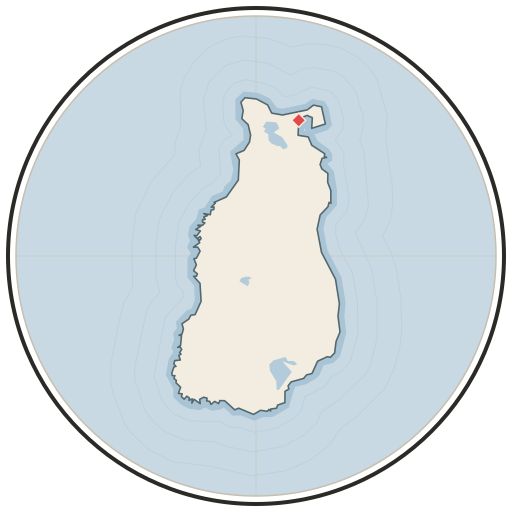
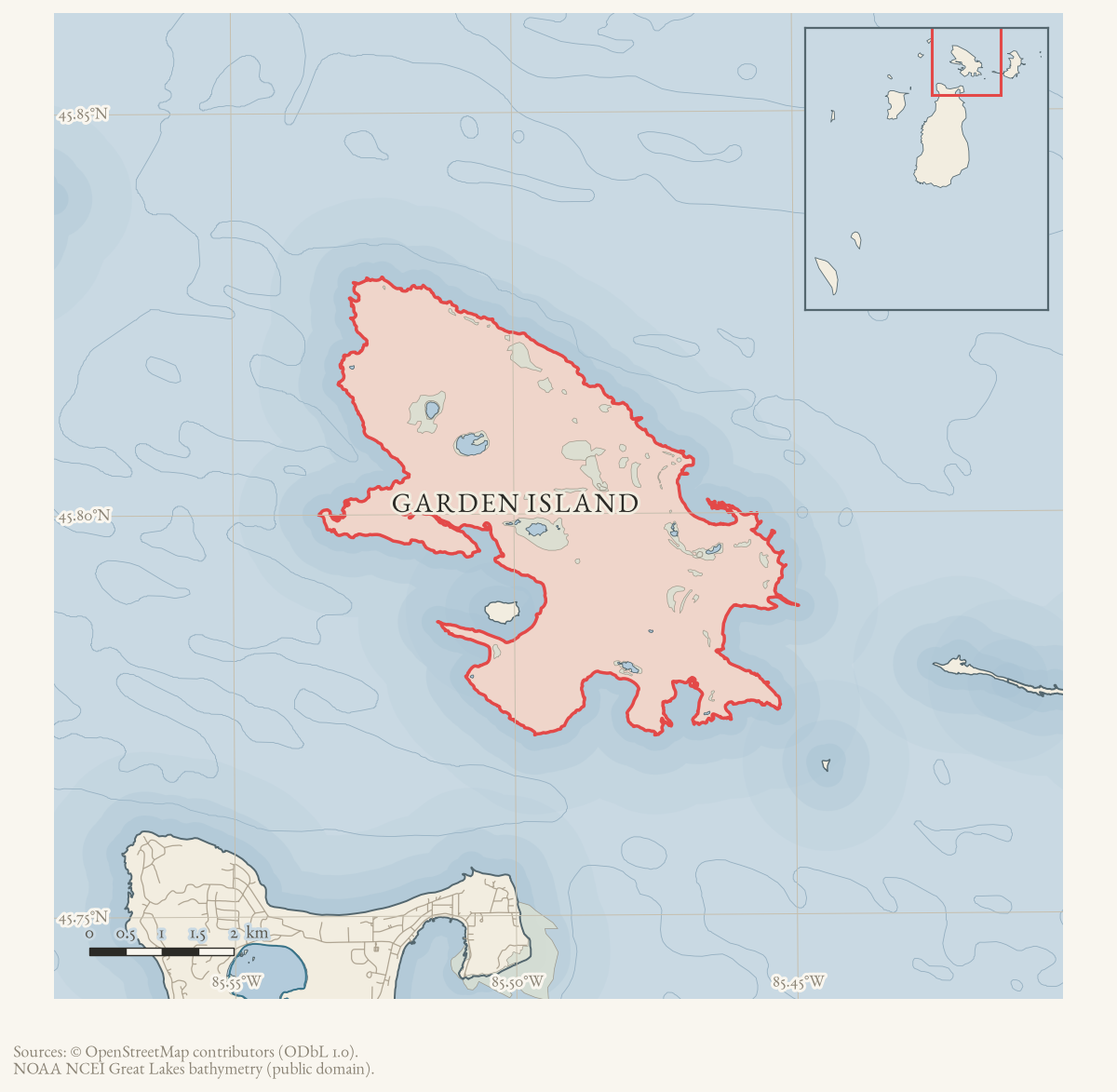
- Coordinates
- 45.8047° N, 85.4945° WGoogle Maps: Garden IslandDownload KML
- Eras
- Indigenous eraStrang eraModern era
- Concepts
- environmentforestsvegetationtreeswildlifebirdssoilsgeologywetlandsconservationIndigenous eraStrang eracatholicismModern eraanishinaabe-odawatreaty-rightsheritagegovernancefishing
- Within
- Beaver Island archipelago
- Media
- Access and infrastructure of the Beaver Island archipelago · Beaver Island History Map, 1978 revision · Coasts, harbors, and navigation context of the Beaver Island archipelago · Garden Island access and infrastructure · Garden Island coasts, harbors, and navigation context · Garden Island geology and landforms + 16 more
Summary
Garden Island is the second-largest member of the Beaver Island archipelago, with a land area of 20.31 km² computed in EPSG:3078, lying north of Beaver Island. Through the middle of the nineteenth century it was the principal Anishinaabe settlement of the archipelago, with about two hundred residents in 1854, a Catholic church and, from 1862, a government school. The 1855 Treaty of Detroit assigned it, with High Island, to the Beaver Island Band. Every detailed description of that community was written by a settler, a visitor or James Jesse Strang. The island is now about 98% state-owned, and no source held here records a resident population after the mid-twentieth century; Anishinaabe families still name it among their home places.
History
The Anishinaabe settlement
The fullest contemporary description is Strang’s, in his 1854 account of the Mackinac–Mormon controversy, and it is the description of a man asserting authority over the archipelago. His gazetteer entry reads: “The Indian name of this Island is Tagoning, signifying garden or cultivated land. It is now inhabited by about two hundred Indians, who subsist by fishing and raising corn and potatoes. Many of them can read and write; their morals are good, and they are improving; and, what is quite uncommon, are increasing in numbers.” Strang adds that “Tagoning is considered the best Island for Cultivation in the group, and the Mormons have taken pains to keep off the Whites, and retain it in the exclusive possession of the Indians,” and that the island has two harbours, one of them fully land-locked.1
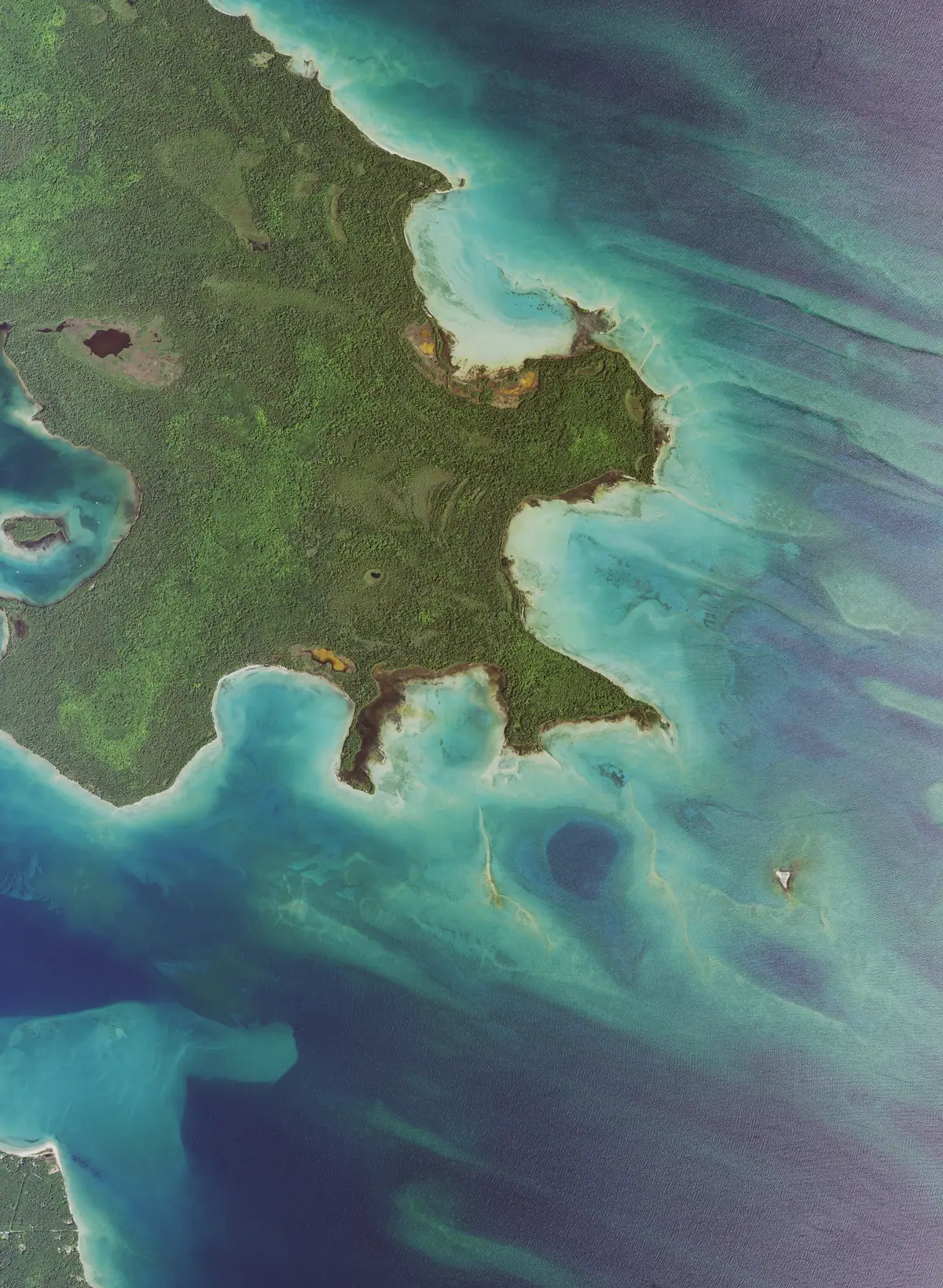
Modern aerial imagery shows the shoreline that description sits on. The 2020 USGS/NAIP survey covers the south-eastern shore in detail: wooded interior with inland ponds, extensive pale shoals running well offshore, a small offshore island, and a bay closed off by sand flats. Which of the island’s bays Strang meant by “fully land-locked” is not settled here — the imagery shows the kind of shoal-and-sandbar shore in which such a harbour forms, not which one he had in mind.
Earlier in the same book Strang lists Garden Island as one of five Indian villages in Emmet County, with Cross Village, Middle Village, L’Arbre Croche and Bear Village, holding about two thousand people between them. He states that “The Garden Island Indians formerly resided on the North end of Beaver Island, and have removed to Garden within six years” — six years before 1854 is 1848, the year after Strang’s colony established itself at the north harbour. He records the move without giving a cause. The same passage says a majority of the men and many of the women read, that some write in their own language, that very few besides children speak English, that they are skilled fishermen who also farm and work in the trades, and that a Roman Catholic priest visits once a year: “They have a church, and are very devout. In the absence of the Priest, one of the head men reads service.”2
Elizabeth Whitney Williams, who grew up on Beaver Island, wrote in 1905 that “There was a large band of Indians living on Garden Island, three miles distant north from Beaver Island. This island had been deeded to them by the government as their own,” and said the same of High Island.3 A law-enforcement episode of about 1851 places the settlement in the Mormon colony’s conflicts: a constable’s attempt to arrest one Eri J. Moore, described as “on Garden Island selling whiskey to the Indians,” with a posse of thirteen men.4 Milo Quaife’s 1930 narrative treats the same episode and concludes that in it “the Mormons seem to have been clearly in the right.”5
Treaty status
Article Third of the 1836 Treaty of Washington reserved “The Beaver islands of Lake Michigan for the use of the Beaver-island Indians,” for a term of five years and no longer unless the United States granted permission to remain; the reservation is filed under the article covering Chippewas living north of the Straits.6 Article First of the 1855 Treaty of Detroit then withdrew from sale, “For the Beaver Island Band — High Island, and Garden Island, in Lake Michigan,” identified by fractional township and range.7 What happened on the ground between the expiry of the 1836 term and the 1855 assignment is not documented in any source held here.
Peaine, and the question of where he lived
Williams recorded that “the town at the harbor was named in honor of the Indian
Chief at Garden Island, town of ‘Peain’,” and, from personal acquaintance in
1862–64, described Chief Peaine organizing the island’s
children to clear and sow a communal flower garden that came to be called “The
Chief’s Garden.”8 Strang’s 1854 account places “Peaine” among several
chiefs who confronted him generally “at Beaver,” and never connects him with
Garden Island. The two accounts are not reconciled by anything held here, which
is why the association is carried at probable rather than established.
Catholic mission, and the schools
Williams also reports that Strang “established a school for the Indians at his own
expense, sent a young Mormon over to Garden Island, where he taught school for
three years.”8 Her husband was appointed a government schoolteacher to
the Garden Island community in July 1862; the school “was a large one as there was
a large band of Indians,” and it ran two years before being discontinued for
several more.9 A modern community history records Frederic Baraga
converting Odawa on Beaver Island’s north shore in 1832 and, returning in 1859 as
Bishop of Upper Michigan, finding “a Native community of devout Catholics living
on Garden Island,” by then “the center of the archipelago’s Native life,” with a
school, a Catholic church and a post office.10 That is a 2026 popular-history
article rather than a primary document, and is held at probable confidence.
The school continued much later than Williams’s 1860s term. A county school column reported Grace Gallagher returning for another Garden Island school year in 1916, and the county commissioner advertised for a teacher twice in October 1921. A 1964 retrospective on Arthur Larsen’s 1898 childhood separately recalls a school, church, post office, store, homesteads, and fishermen’s net sheds. It supports the map’s institutional list from memory recorded before the map was published, but remains weaker for the post office than a federal appointment, postal-route, or cancellation record would be.
Garden Island Township, 1859–61
Michigan’s Local and Special Acts of 1859 set Hat, Hog and Garden Islands apart as a township and directed the first township meeting to be held on Garden Island at the village of Peaine.11 A 2026 Northern Islander summary of Joan C. Vyse’s research on the archipelago’s civil reorganizations records the same creation and adds that the township was vacated in 1861, its territory returning to Township of Peaine.12 The act text itself has not been located and read directly.
An account from 1908
The Charlevoix Sentinel of 3 September 1908 carried a front-page account of a child’s funeral on Garden Island, written by an unnamed correspondent travelling with a party of about twenty-five guests of the Hotel Beaver and the priest of Saint James. It describes the settlement as “the historic Indian settlement, six miles to the northward of Beaver Harbor,” with log houses that “have sheltered many generations,” “small patches of cleared ground” supplying potatoes and corn, and “fish nets and boat building” as the occupations. Some of those present had come from High Island, “where another band lives,” and the priest “recites the liturgy in the Ojibwa language.”13 The account is a visitor’s, written for a mainland readership in the register of its day, and its narrator is one of the white excursionists it describes.
After the settlement
The same 2026 summary reports Scandinavian homesteading from 1876 and the beginning of abandonment as a settled community in 1936.10 The later regional-guidebook tradition that Peter Monatou was the last permanent resident, in 1947, is not treated here as an established fact. A 1965 local travel account describes the old Indian Village, a burial ground with moss-covered wooden grave shelters including a latest grave dated 1938, the remains of an abandoned school and Catholic church, and Larsen family graves near a former homestead. It corroborates a visible early-twentieth-century settlement landscape but does not establish when permanent occupation ended or how many people remained after 1936.14
Anishinaabe connection to the island did not end with permanent residence. A 2025 Northern Islander article by an Anishinaabe contributor describes Ghost Suppers (Jiibay Wiikongewin) as living practice among families “within Beaver Island, Garden Island, and High Island.”15
The 1978 History Map annotation
The 1978 History Map compresses this history into a single callout: Garden Island as the center of the islands’ Indigenous activity, with a school, church, and post office, Scandinavian homesteading from 1876 to 1935, and abandonment by 1936. The nineteenth-century community and its school and church are independently documented above. The “center” wording is a fair synthesis of a large, institutionally developed community but was not a formal title. No contemporary post-office record, Scandinavian land record, or population series read in this review establishes the exact later chronology. The map’s “abandoned” must also not be read as the end of all burial, visitation, land use, or Anishinaabe relationship with the island.
The burial ground
Garden Island holds an Anishinaabe burial ground, attested by the 1908 and 1965 accounts above and described separately at Garden Island Indian Cemetery. No location, extent, boundary or count is given here, and none should be inferred from those accounts. The 2023 Master Plan states the principle for the archipelago’s recorded archaeological sites directly: the data are public, “although exact locations are not documented in an effort to prevent the misuse of information.” The same page records that the Little Traverse Bay Bands of Odawa Indians Tribal Historic Preservation Office “is particularly interested in identifying the cultural resources relevant to the Archipelago’s tribal history.”16 That office, not this article, is the authority on what may properly be said about Anishinaabe burial places here.
Geography
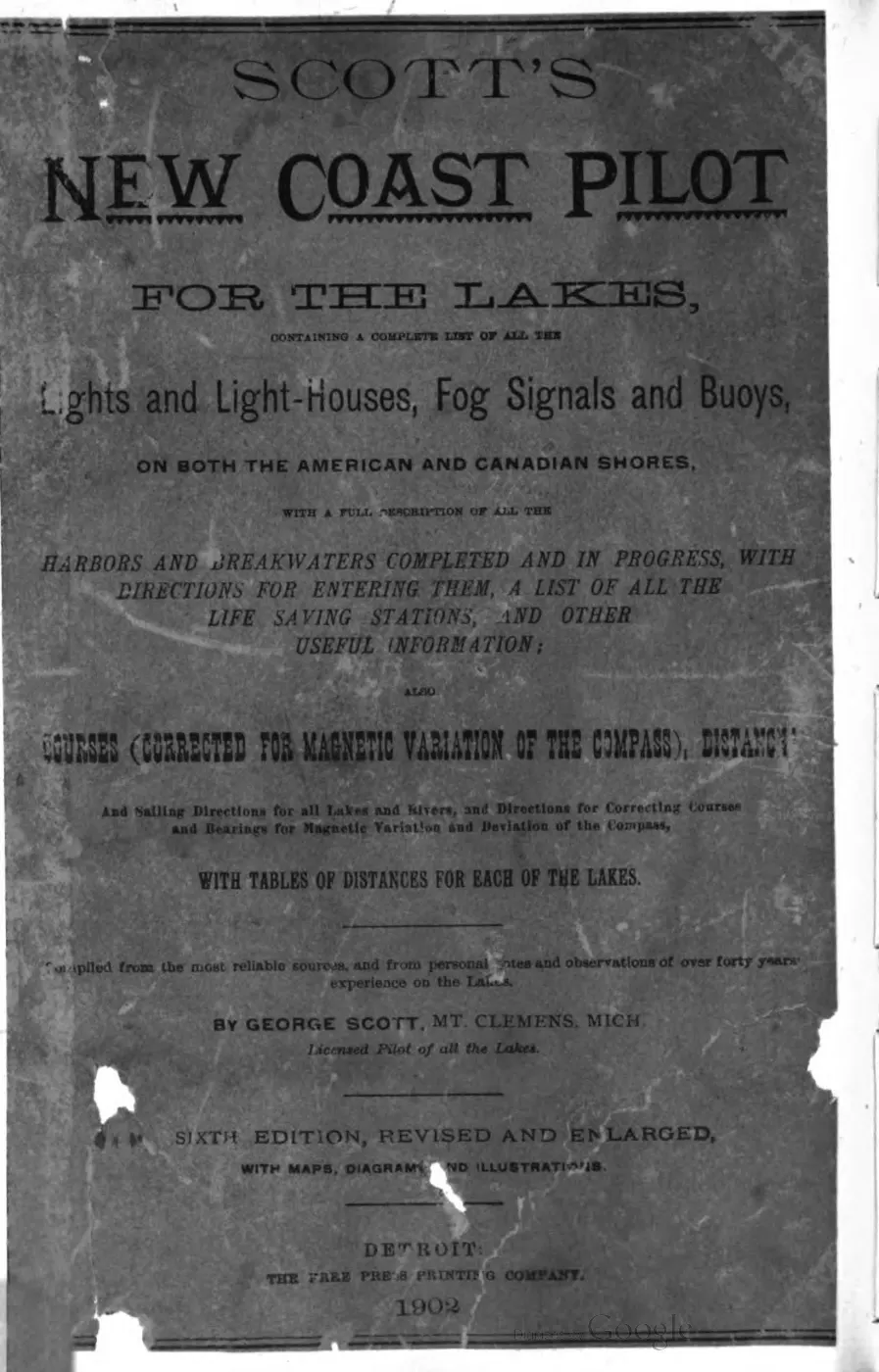
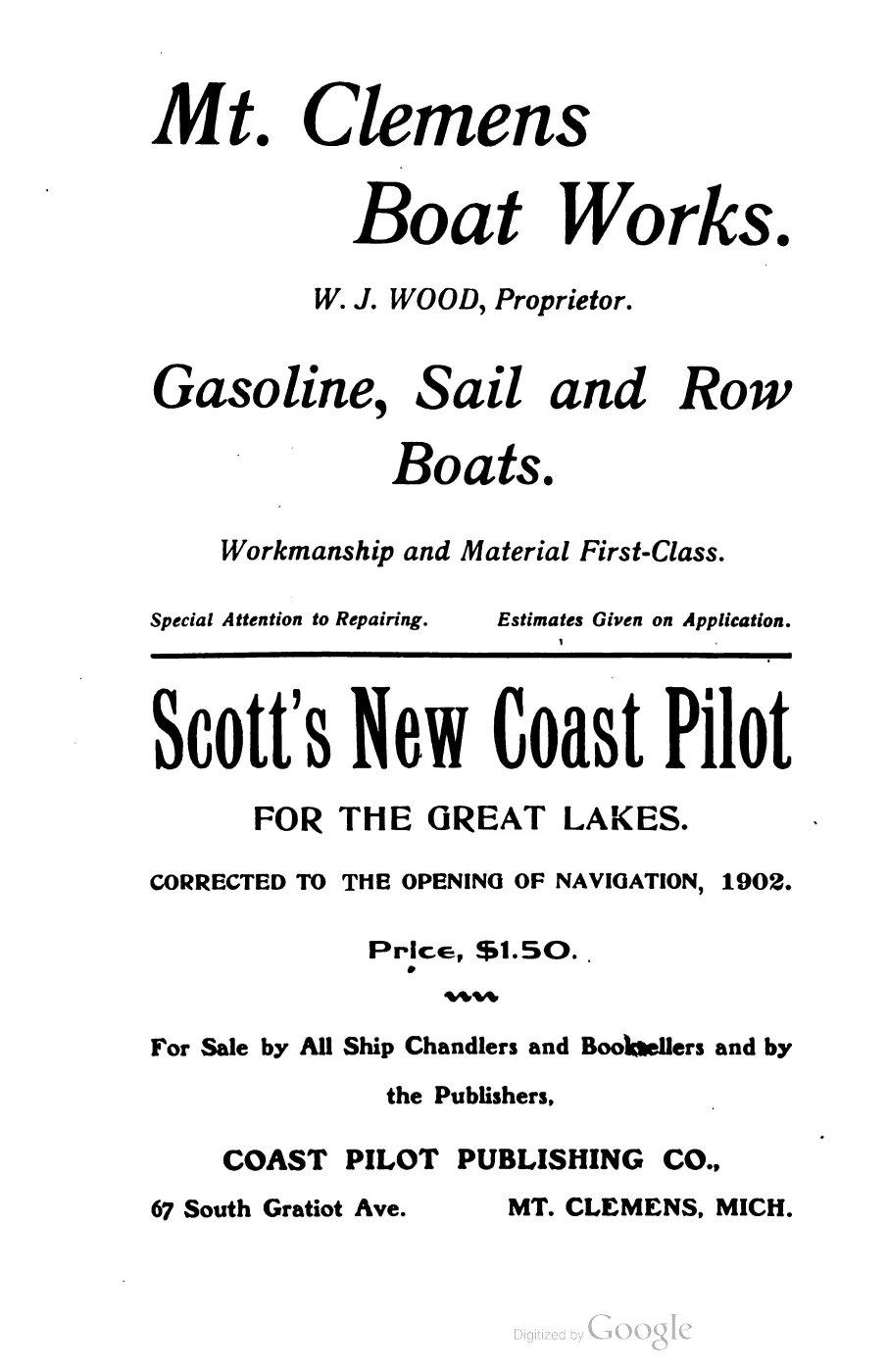
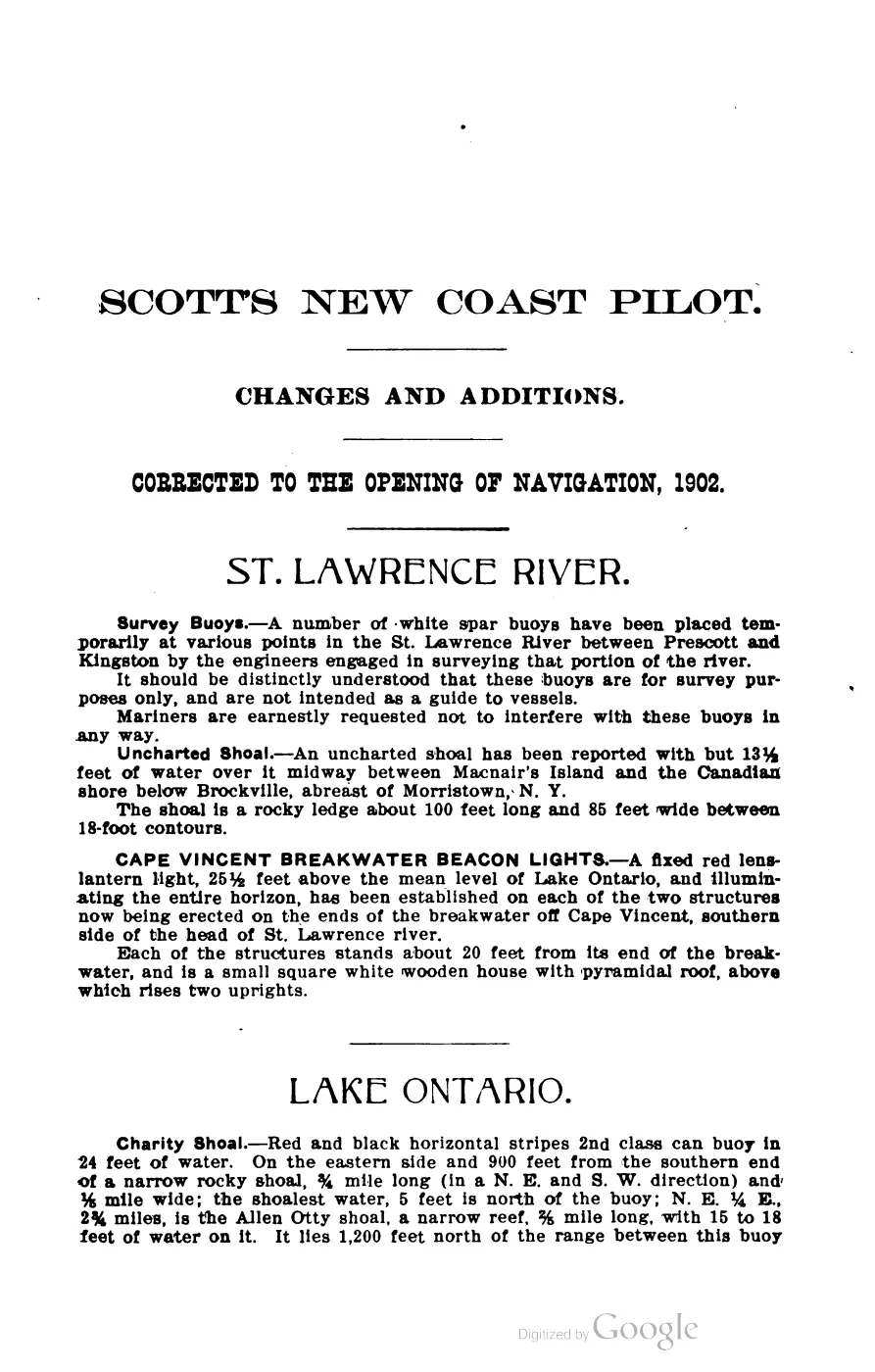
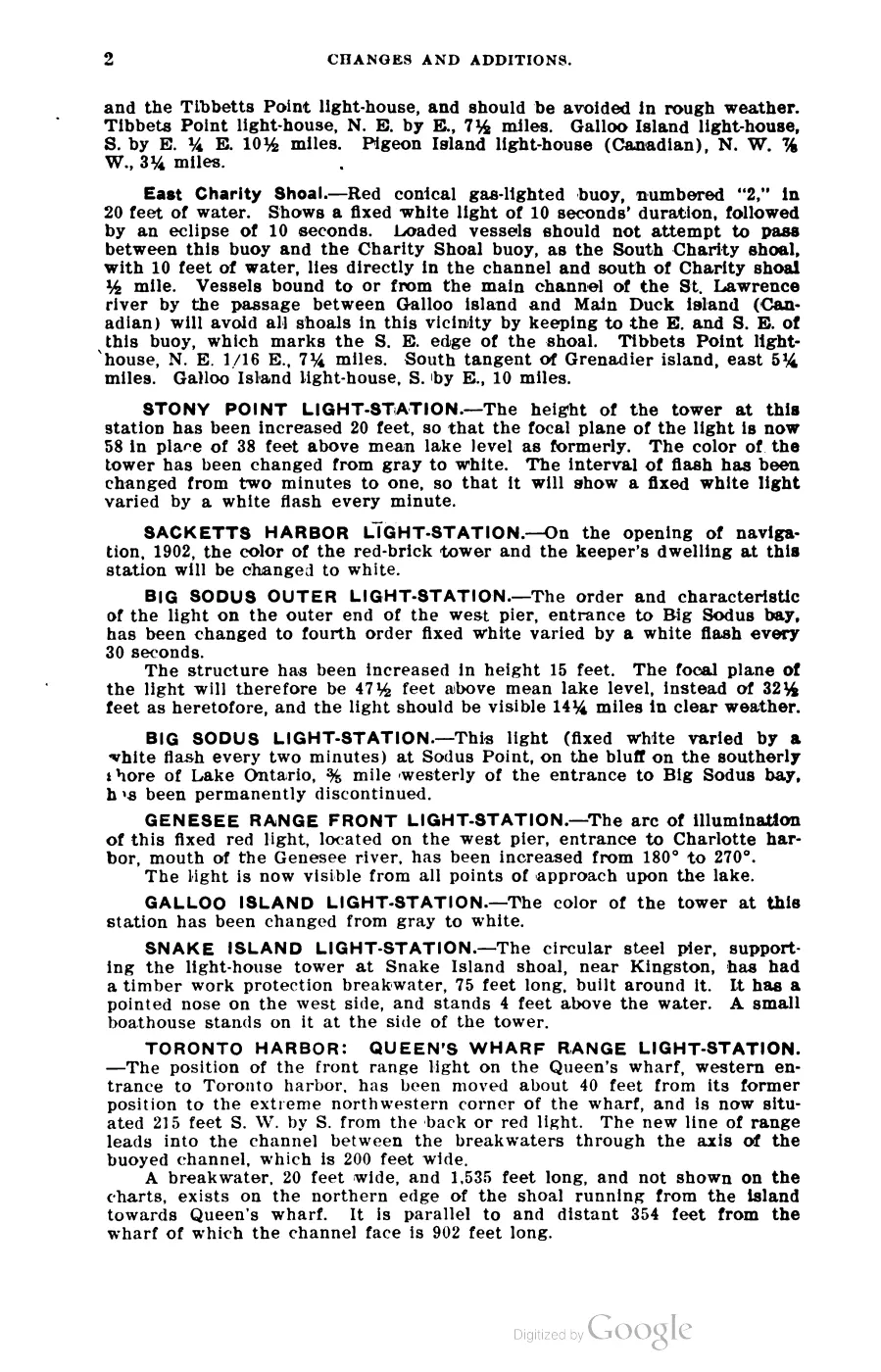
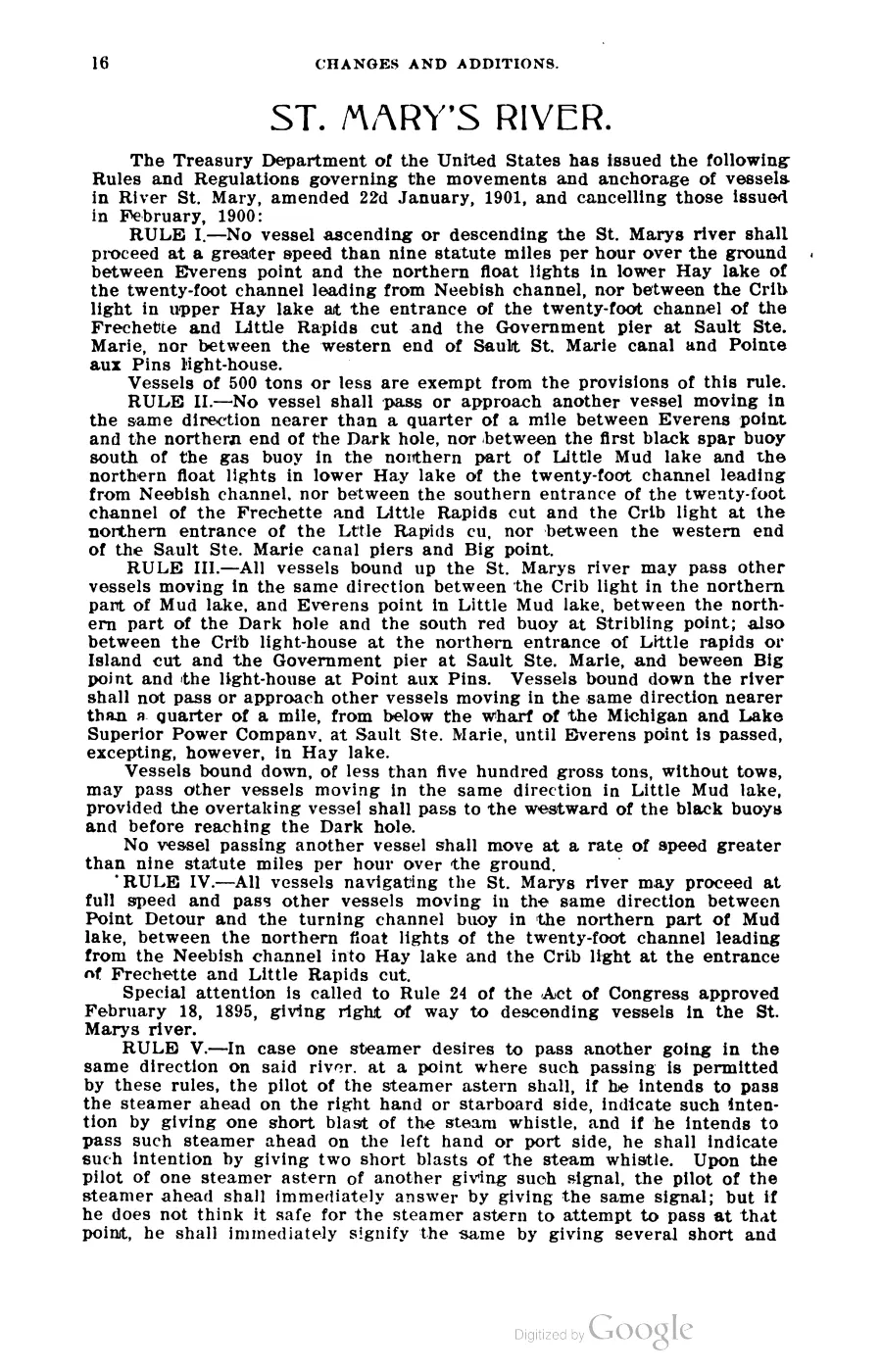
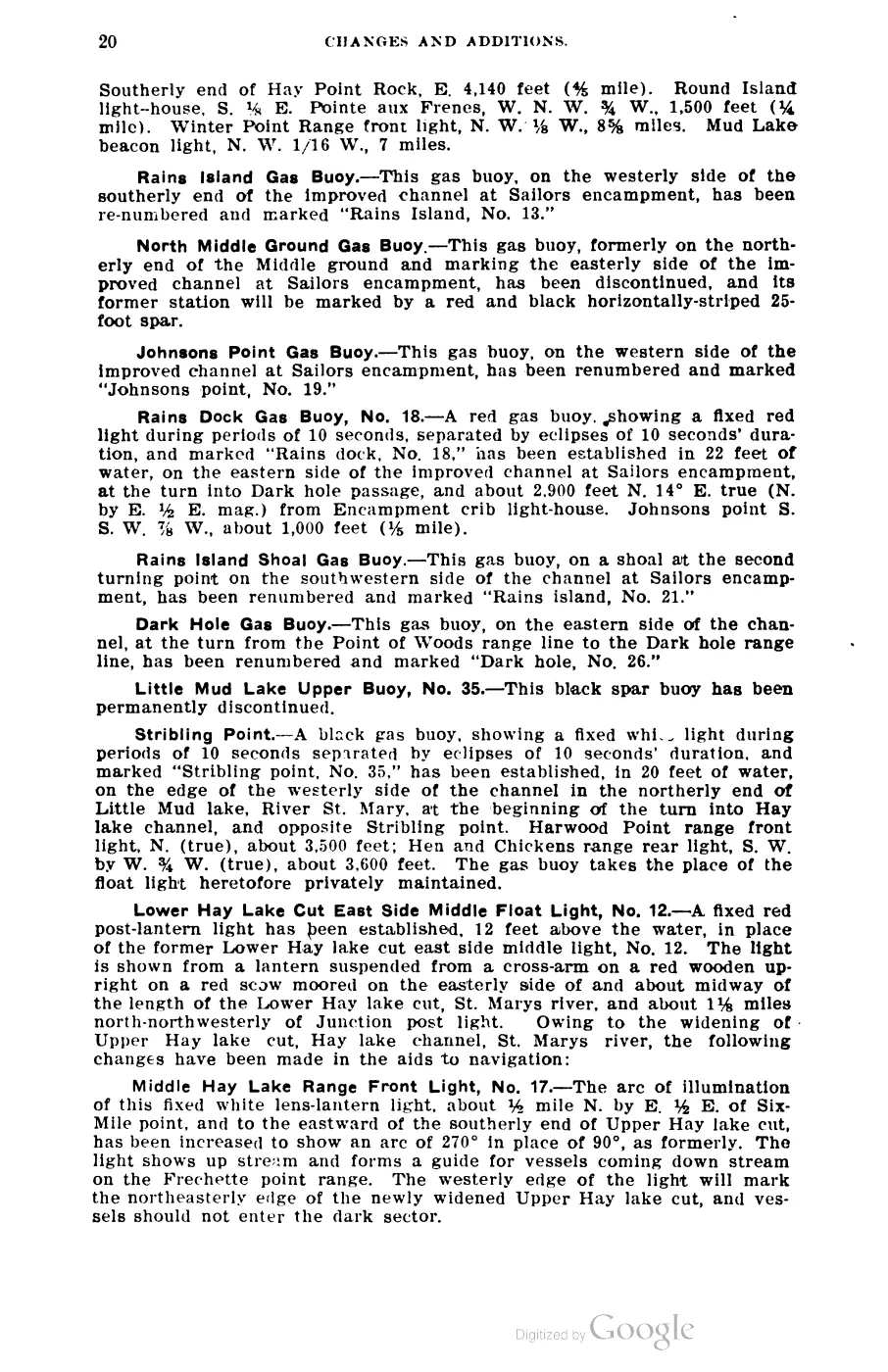
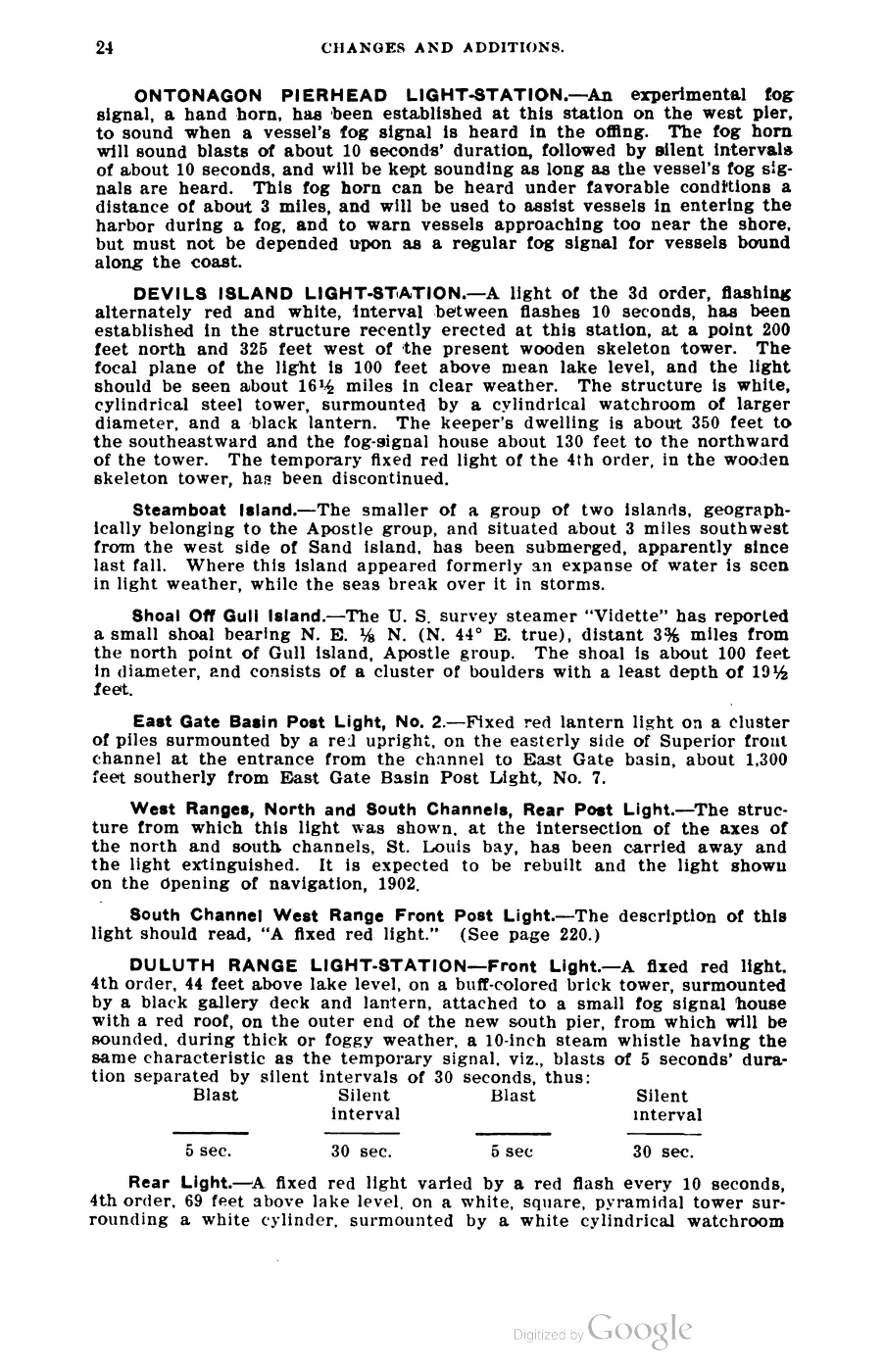
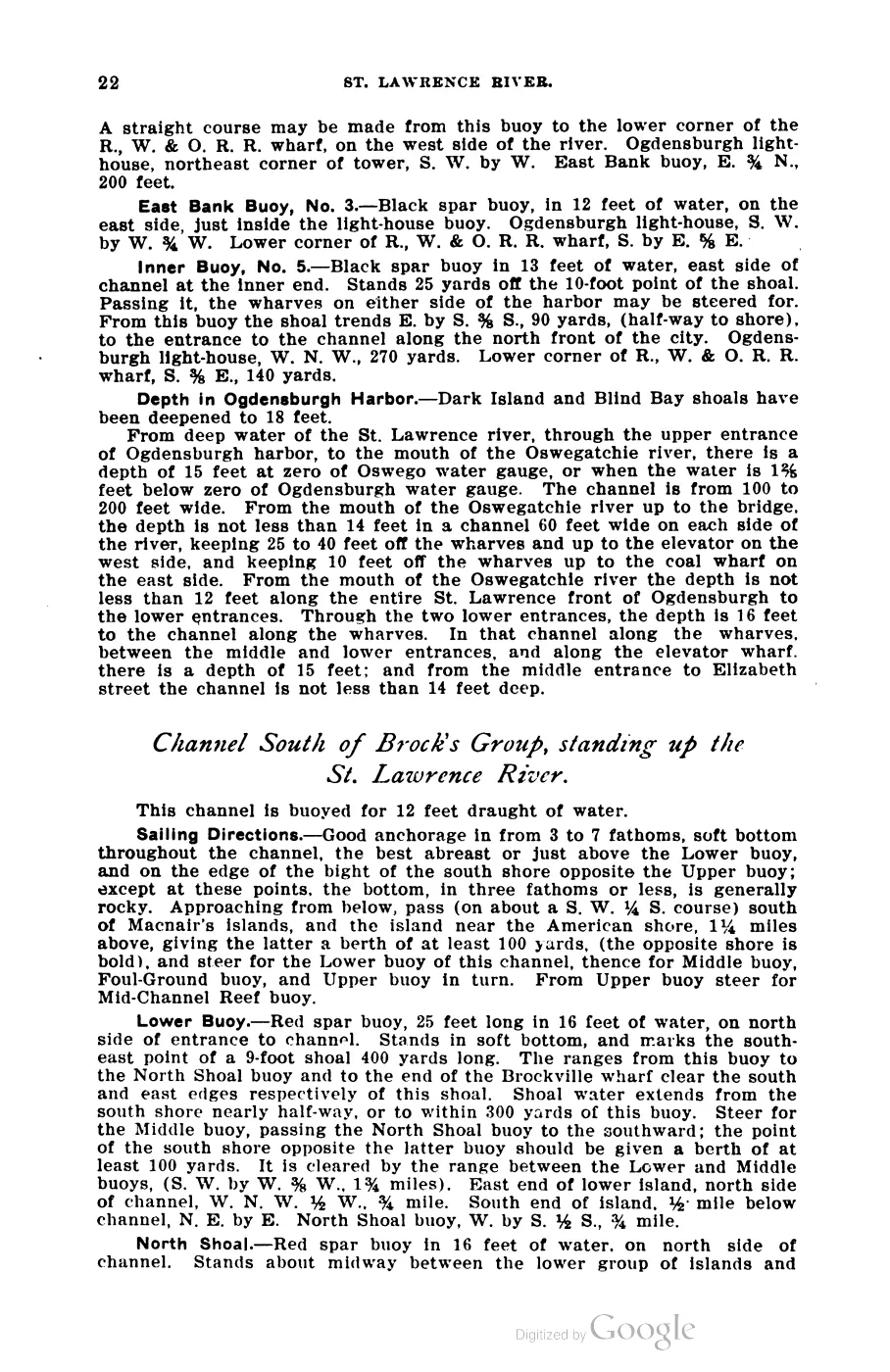
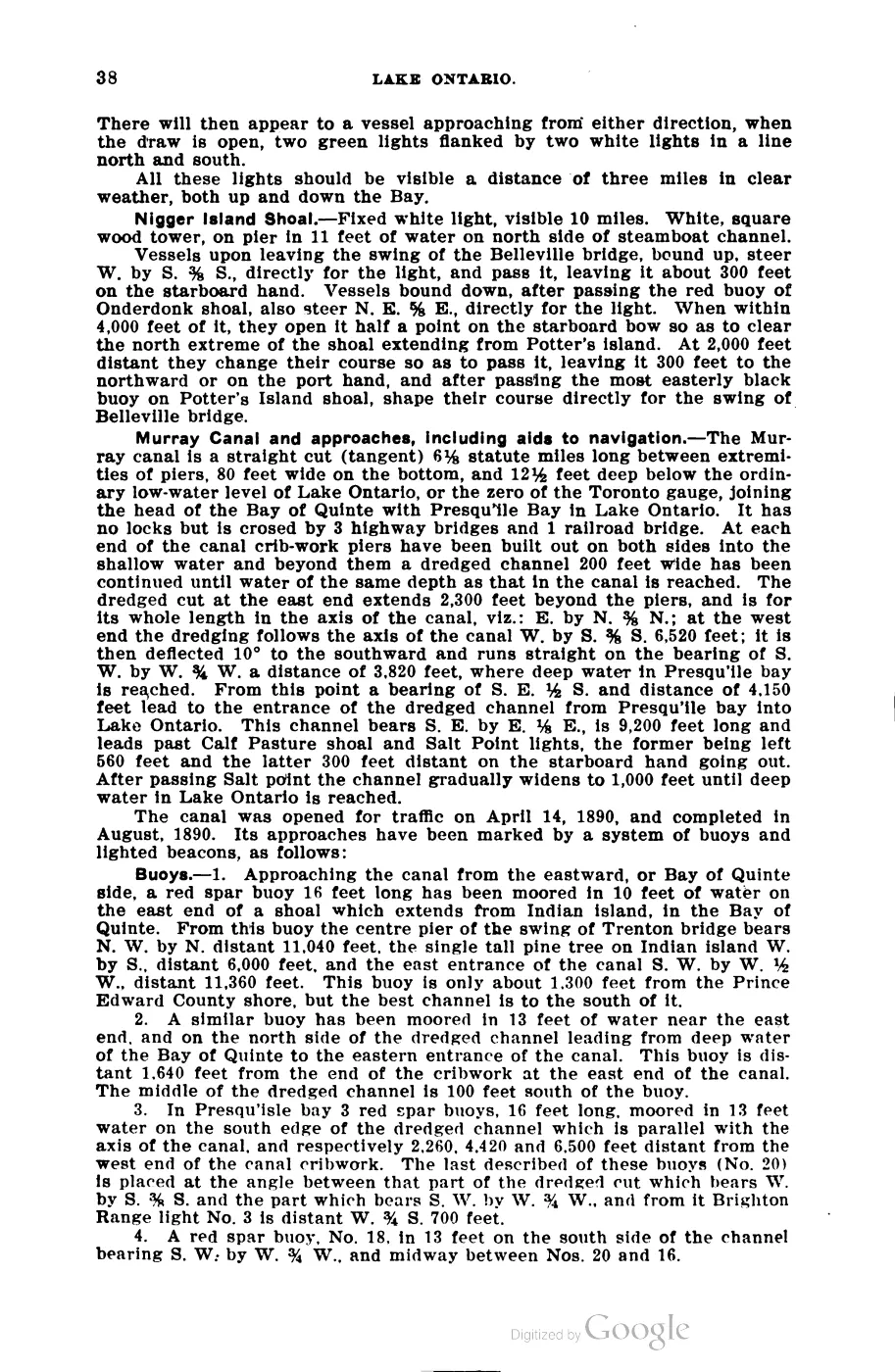
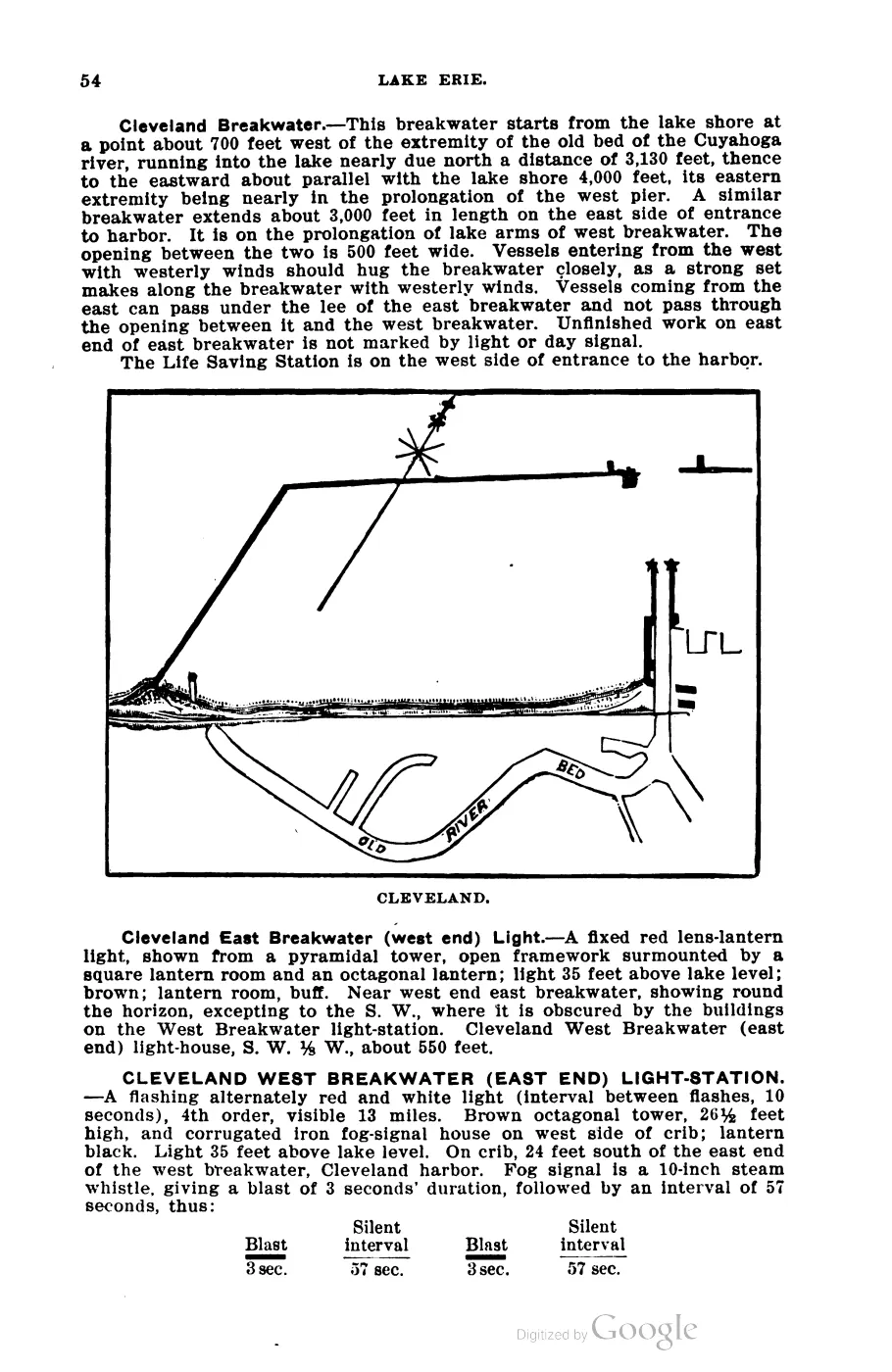
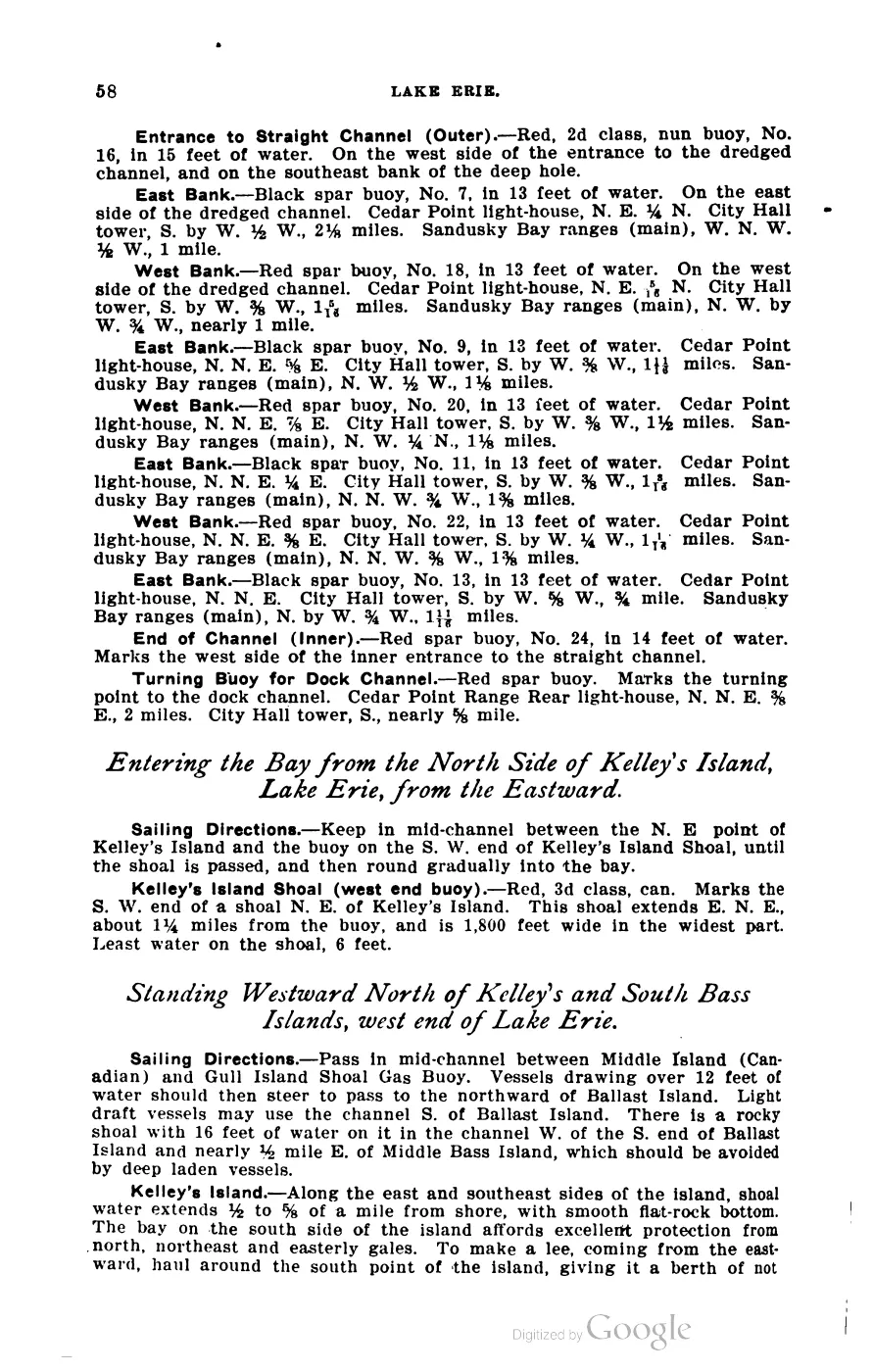
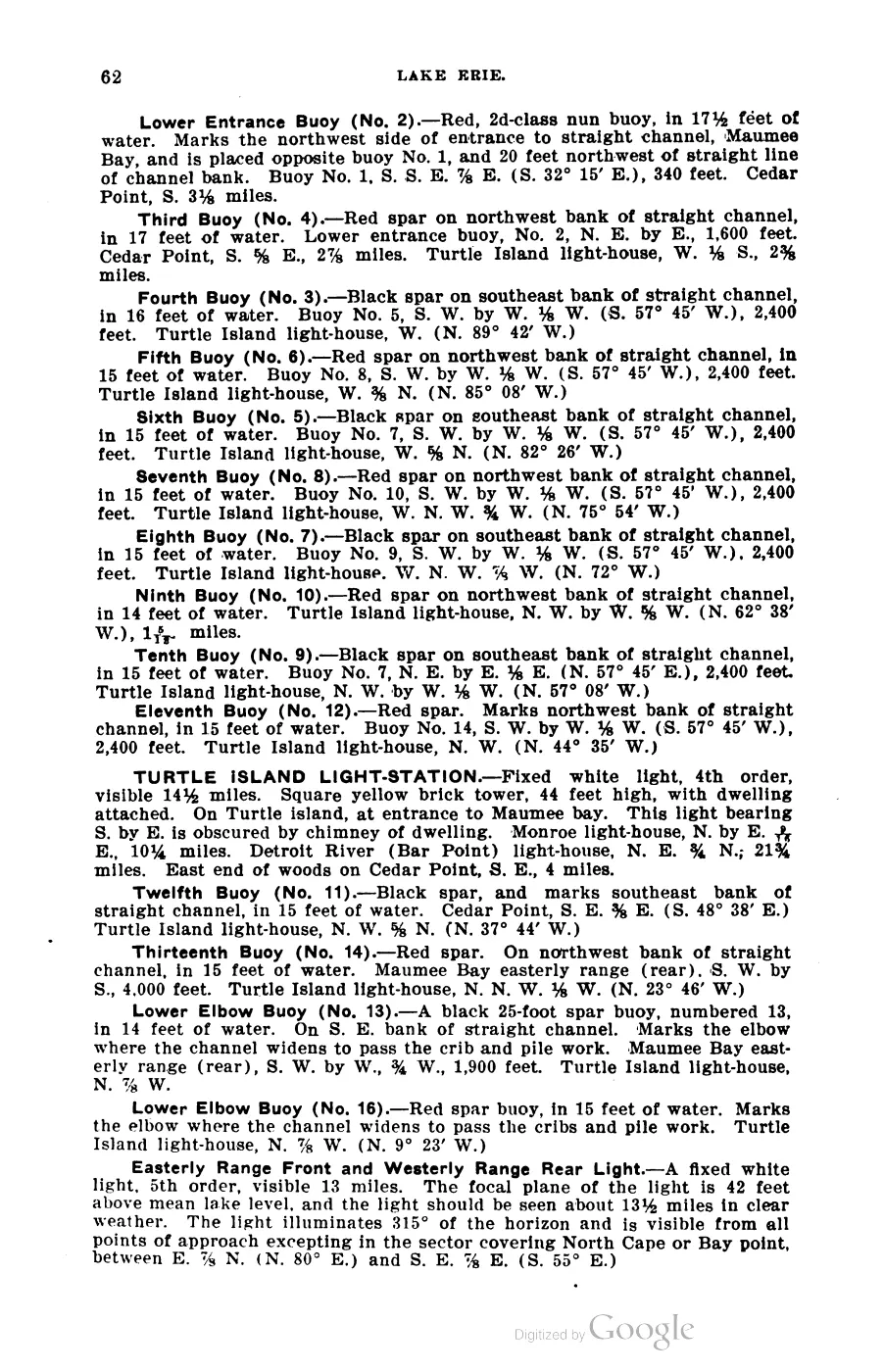
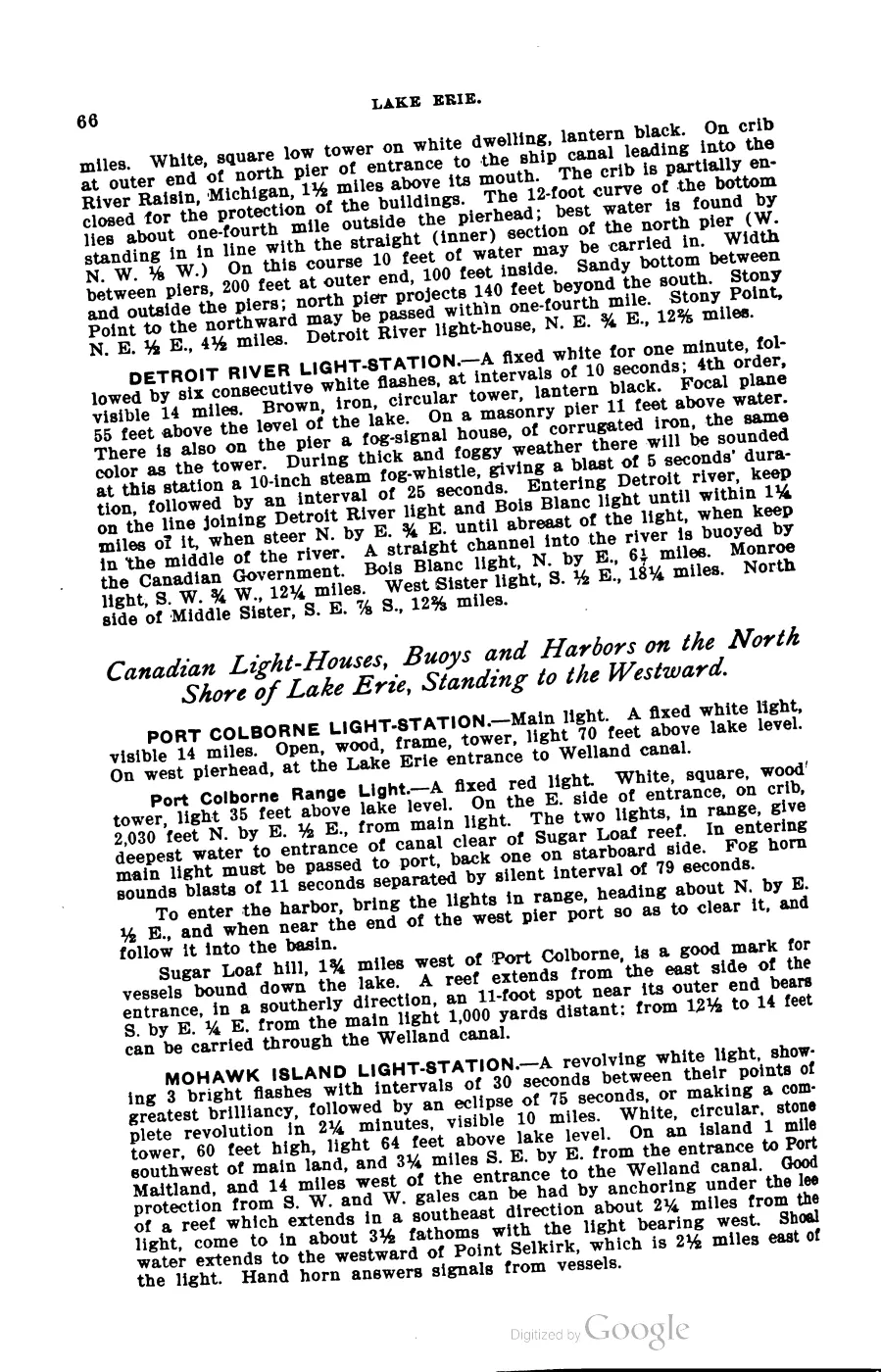
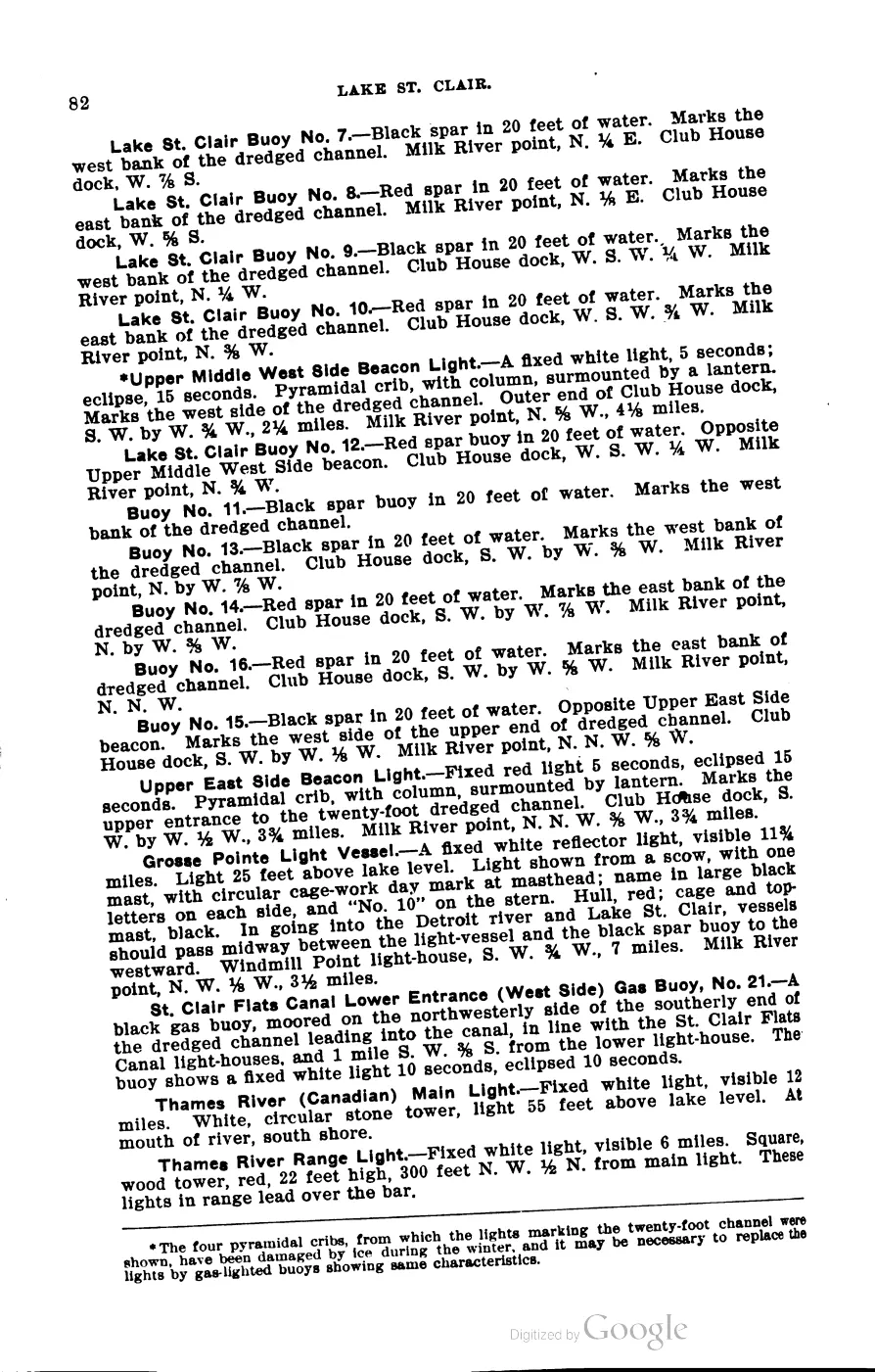
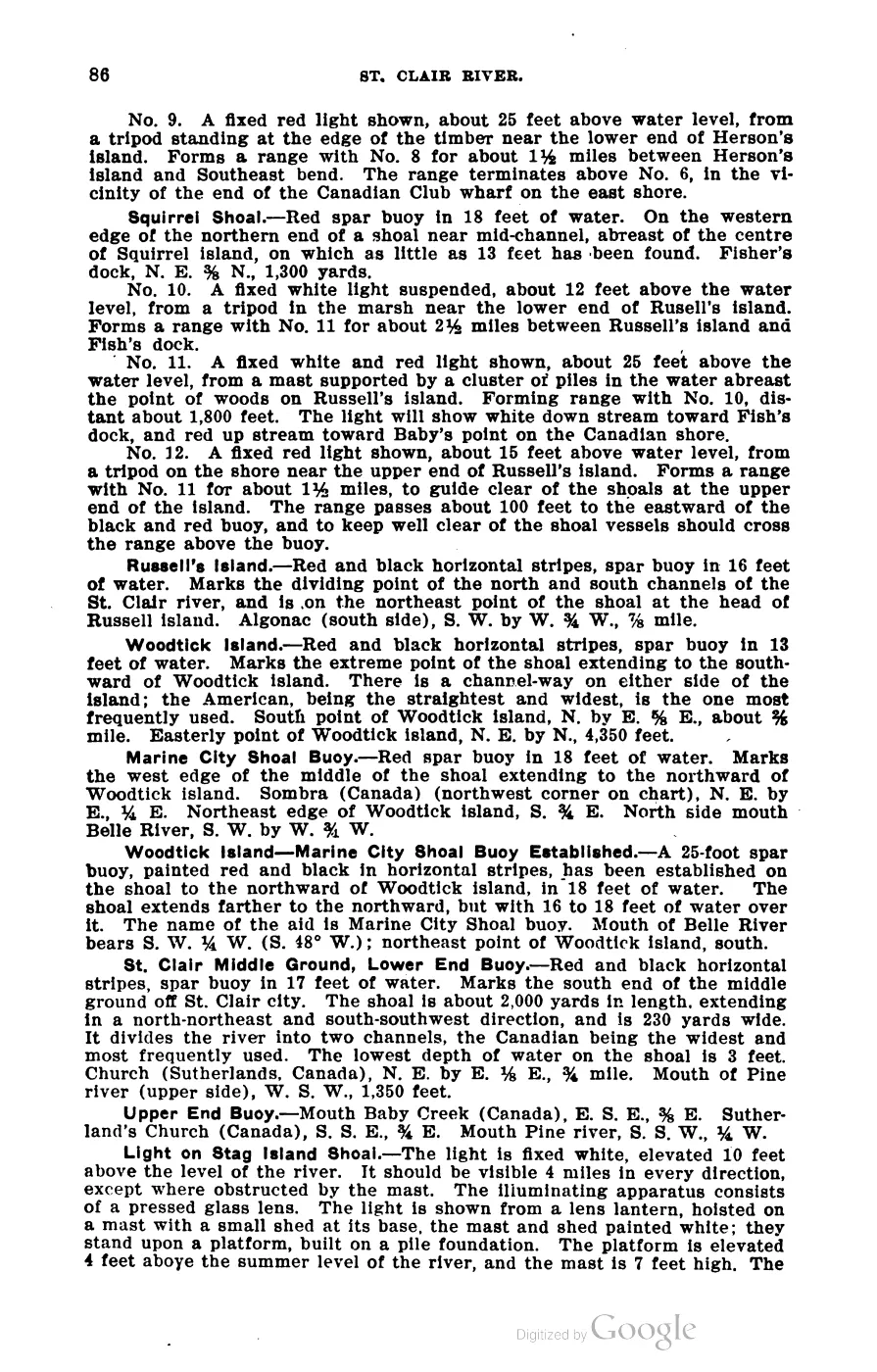
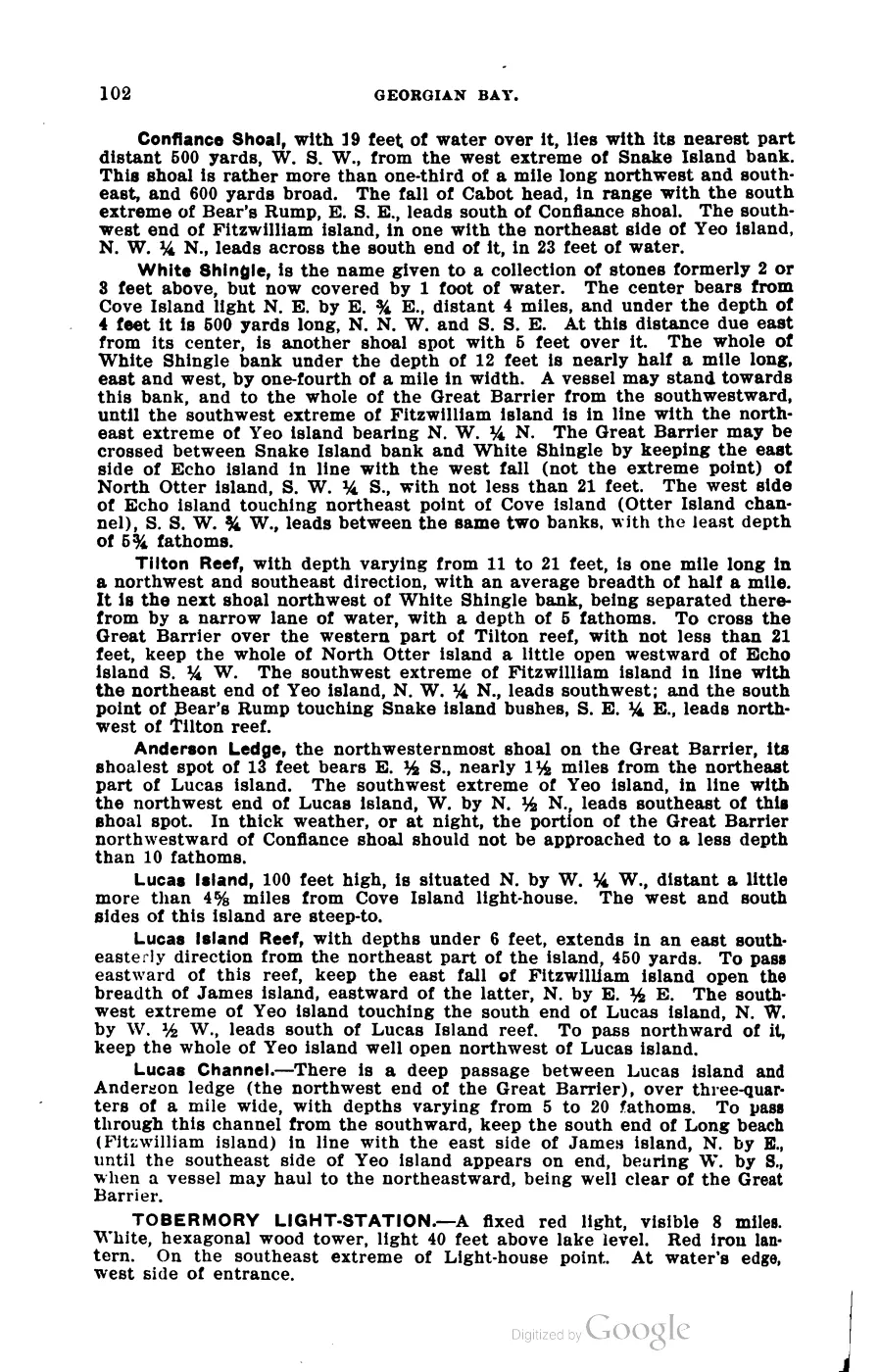
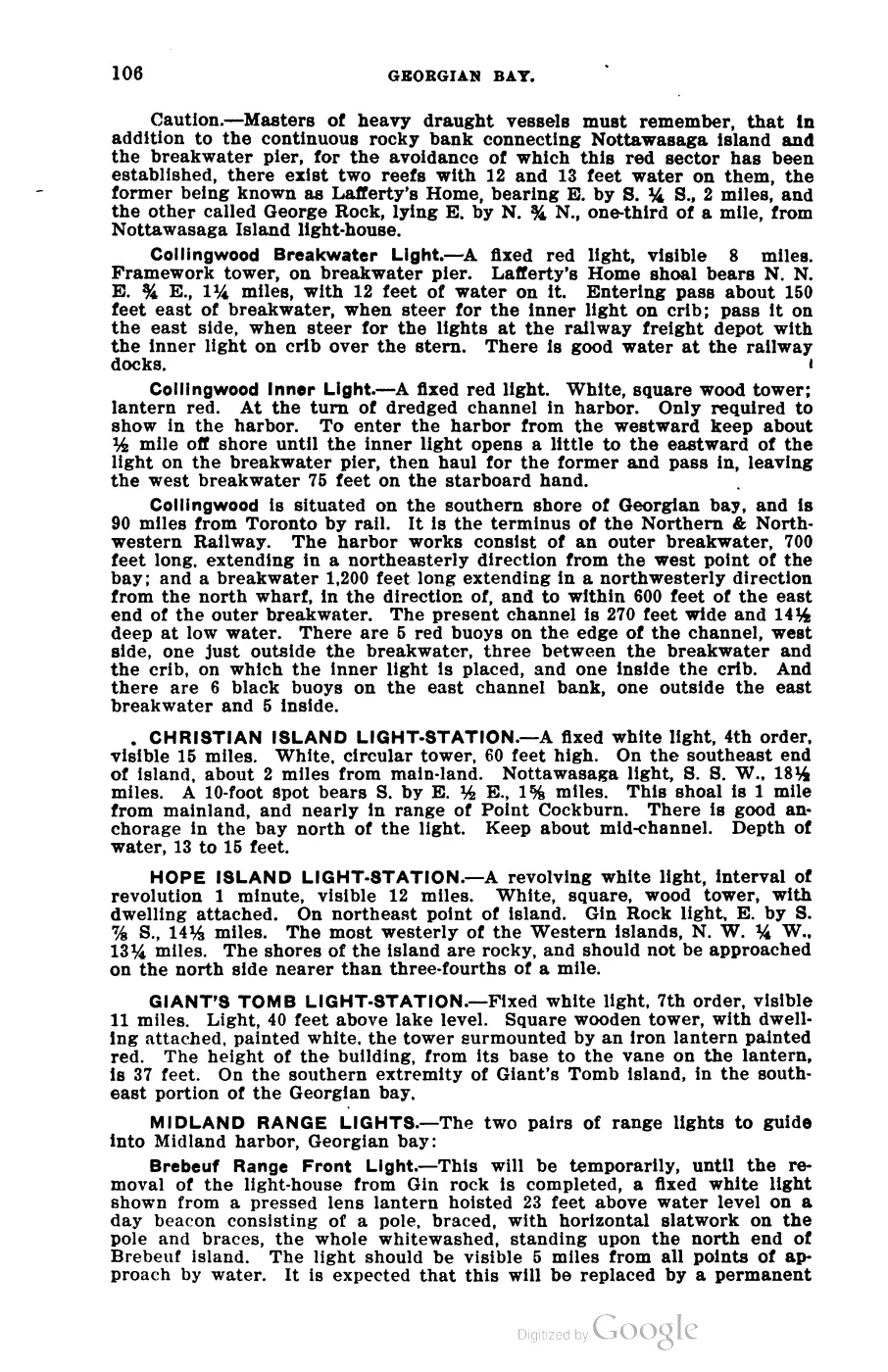
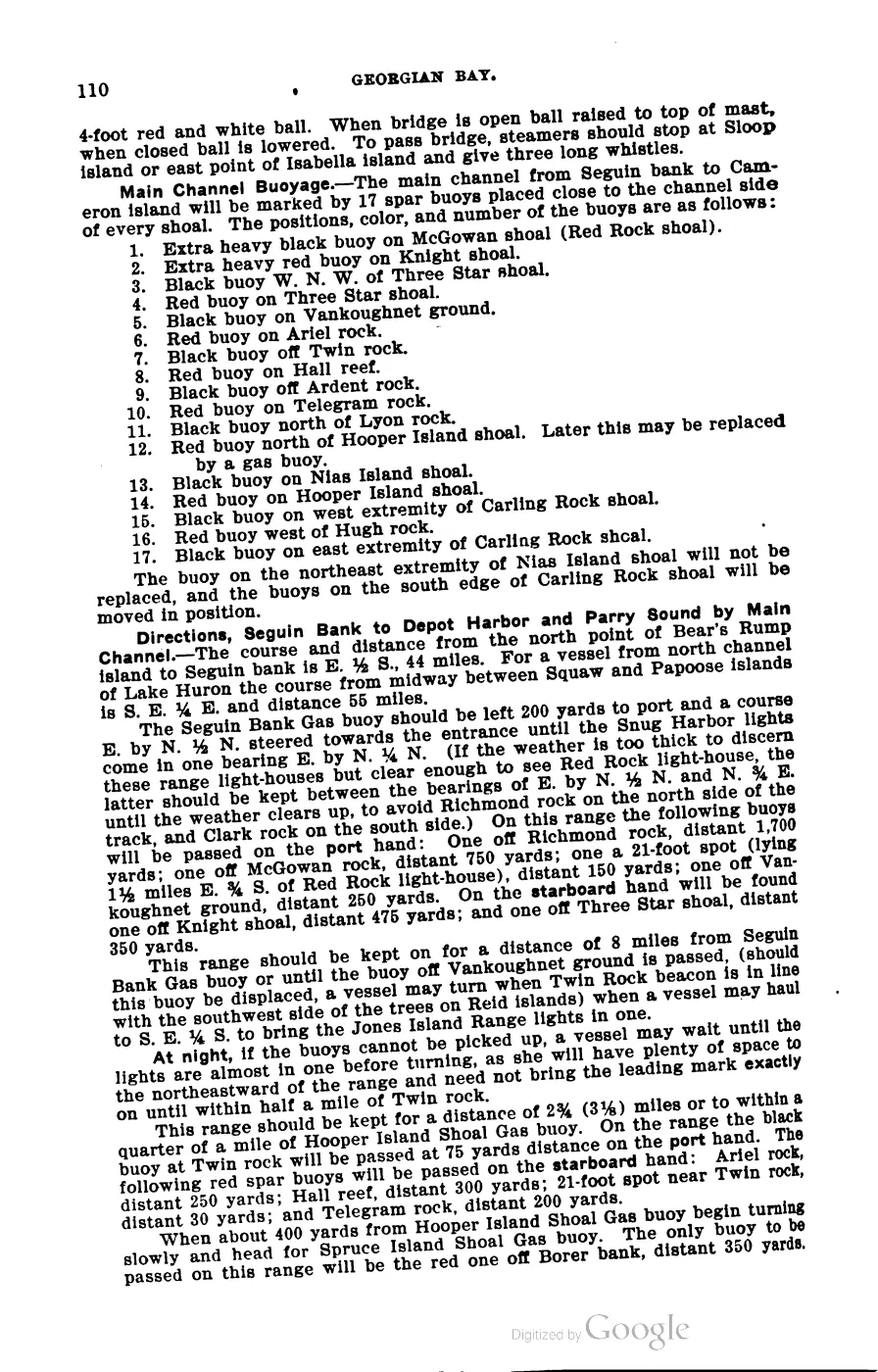
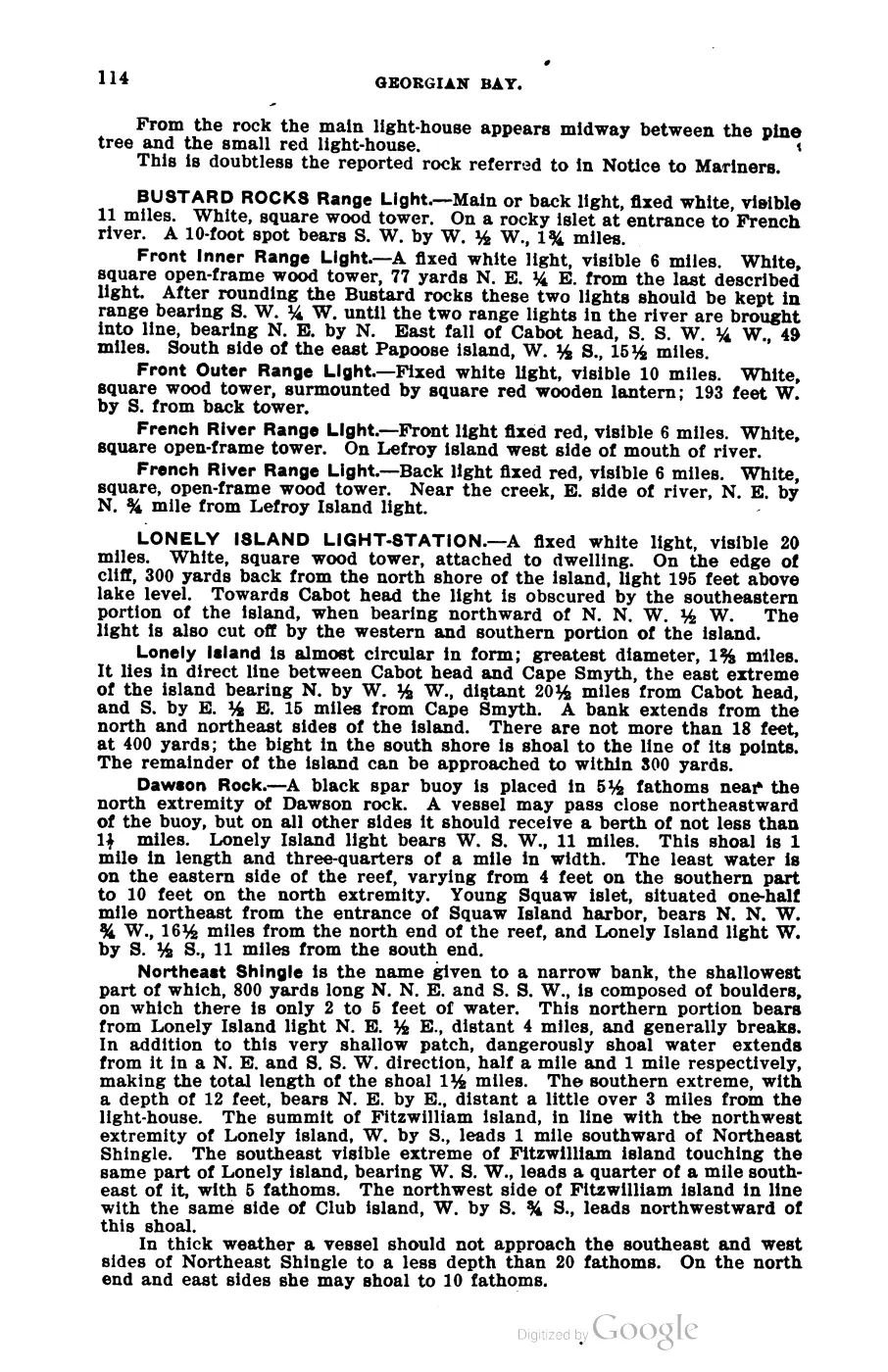
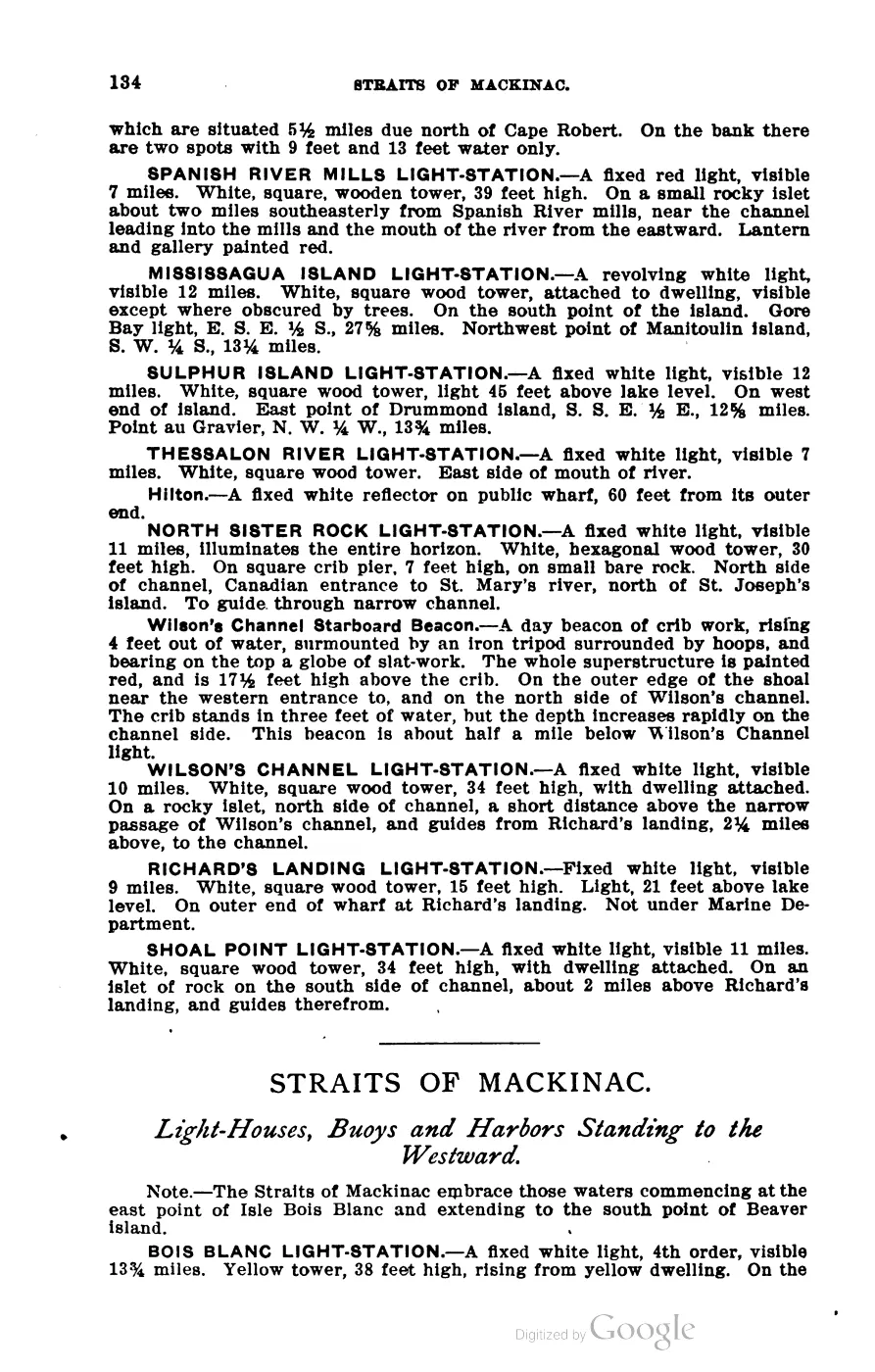
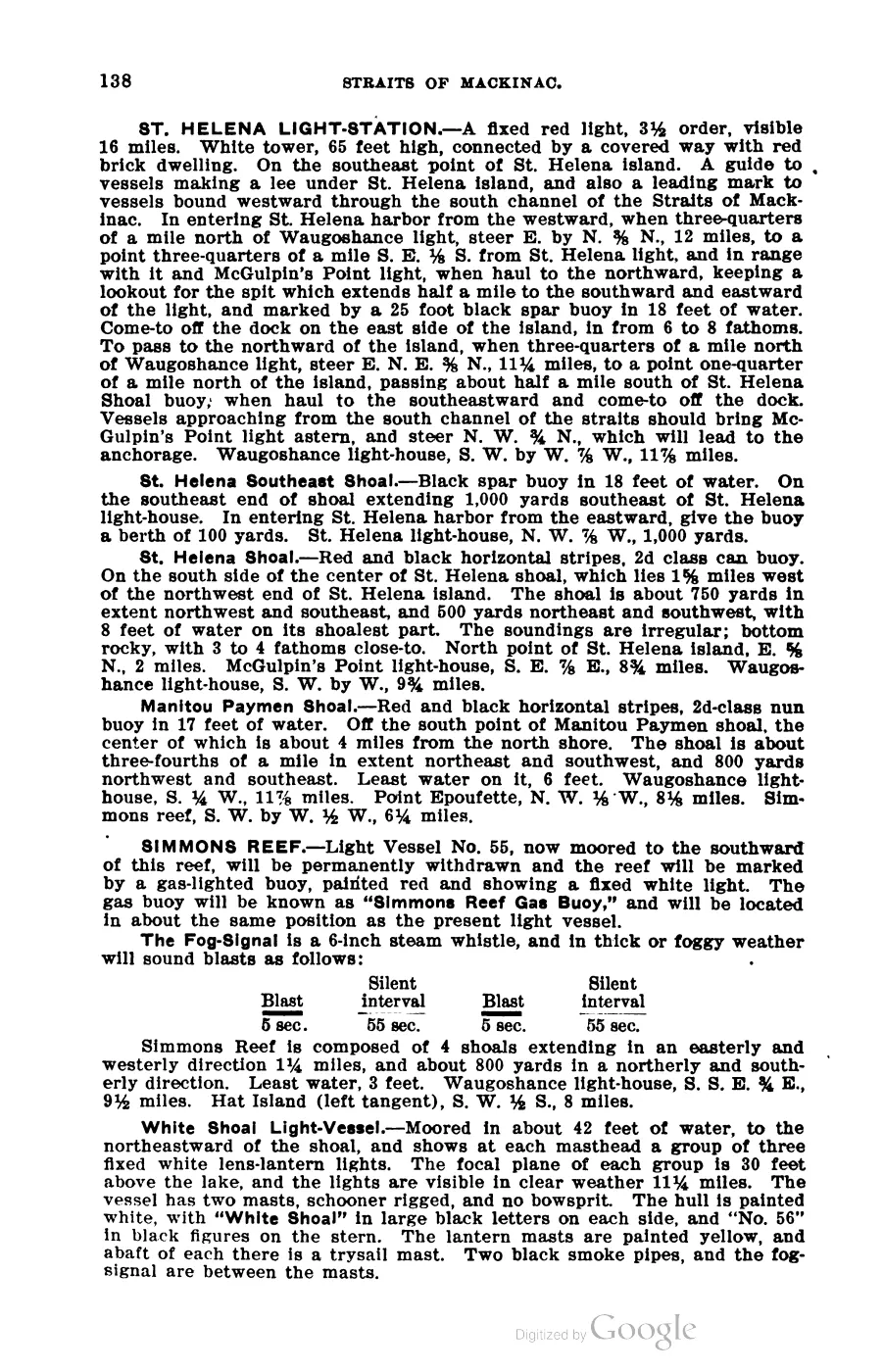
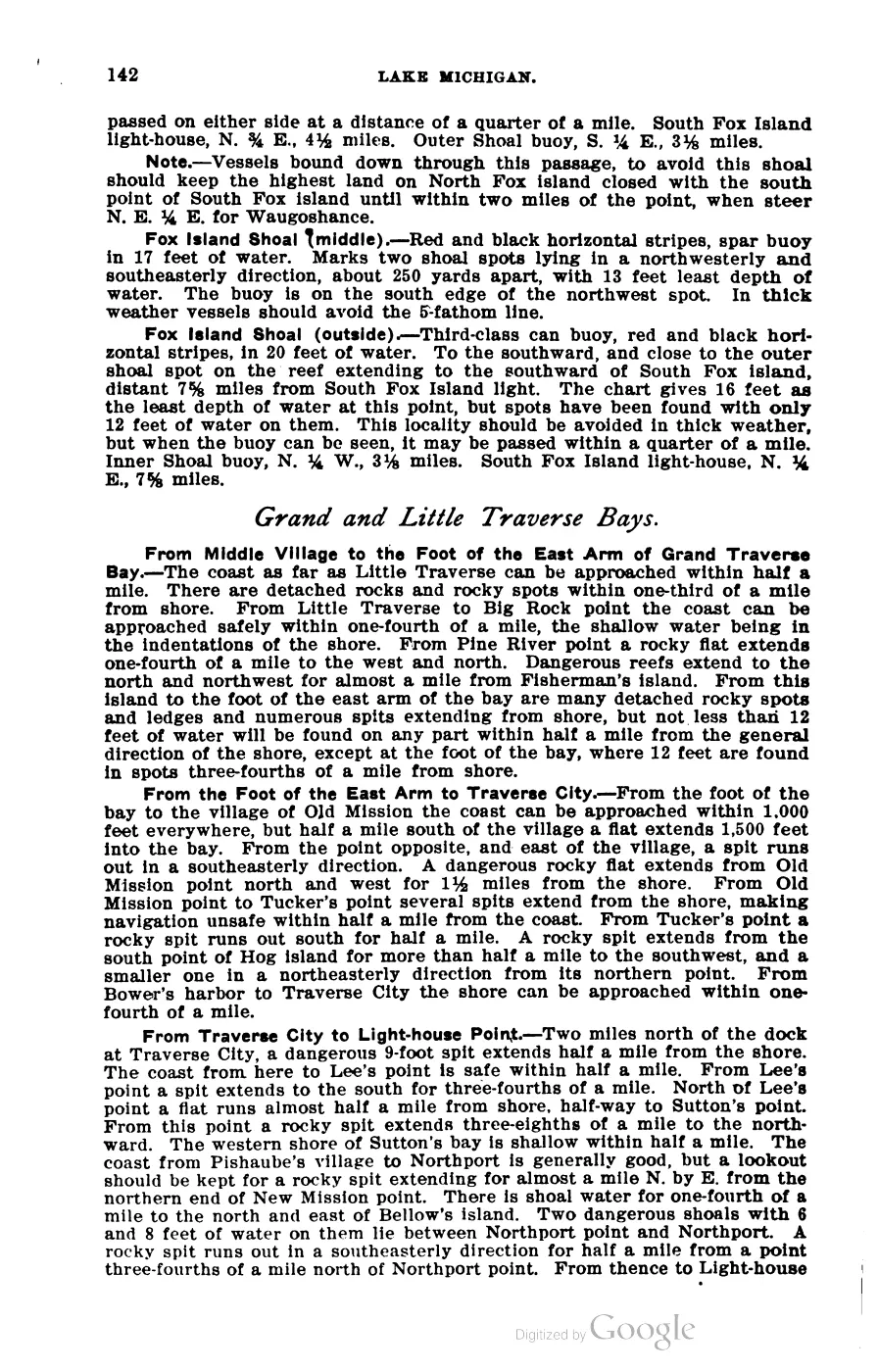
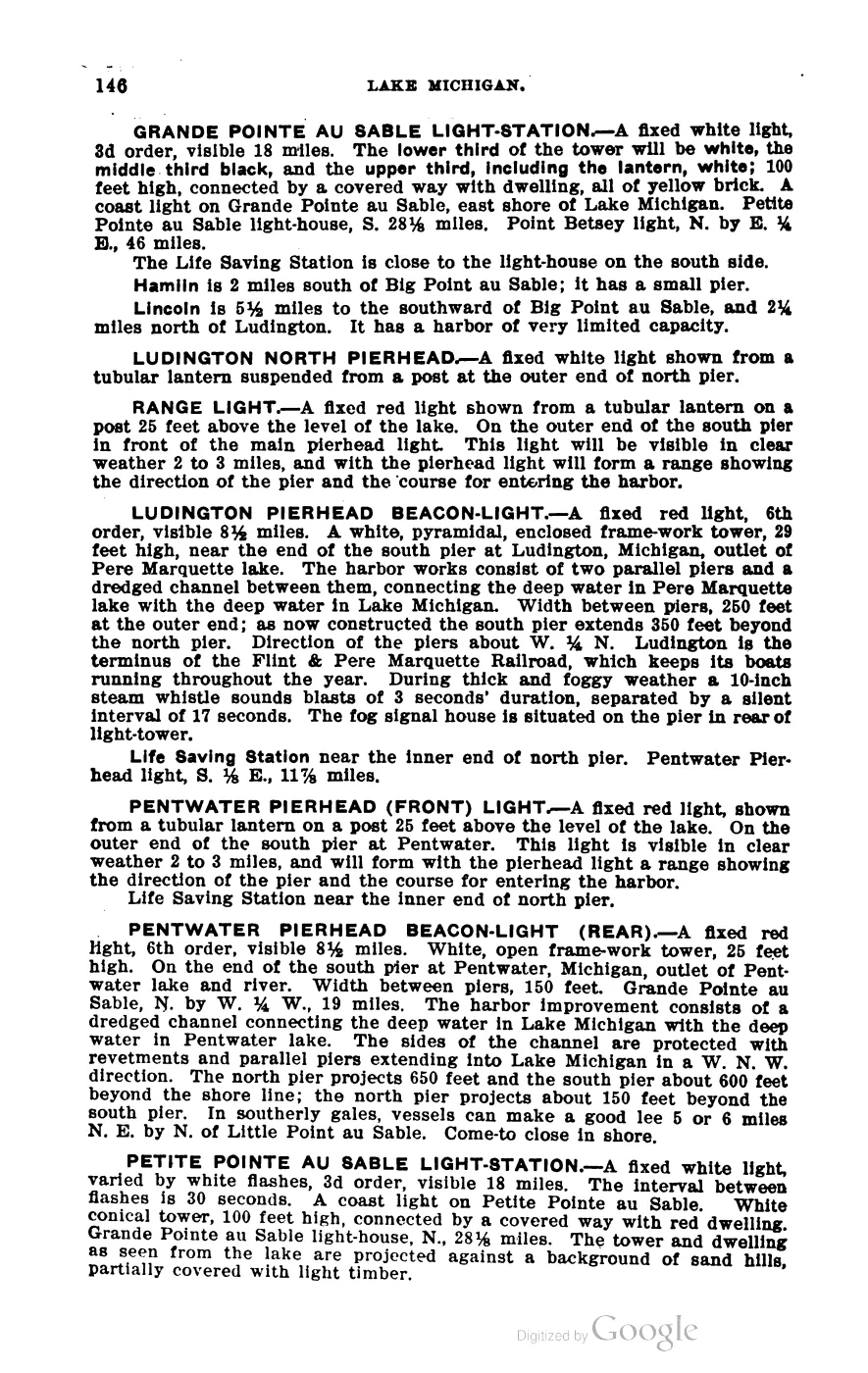
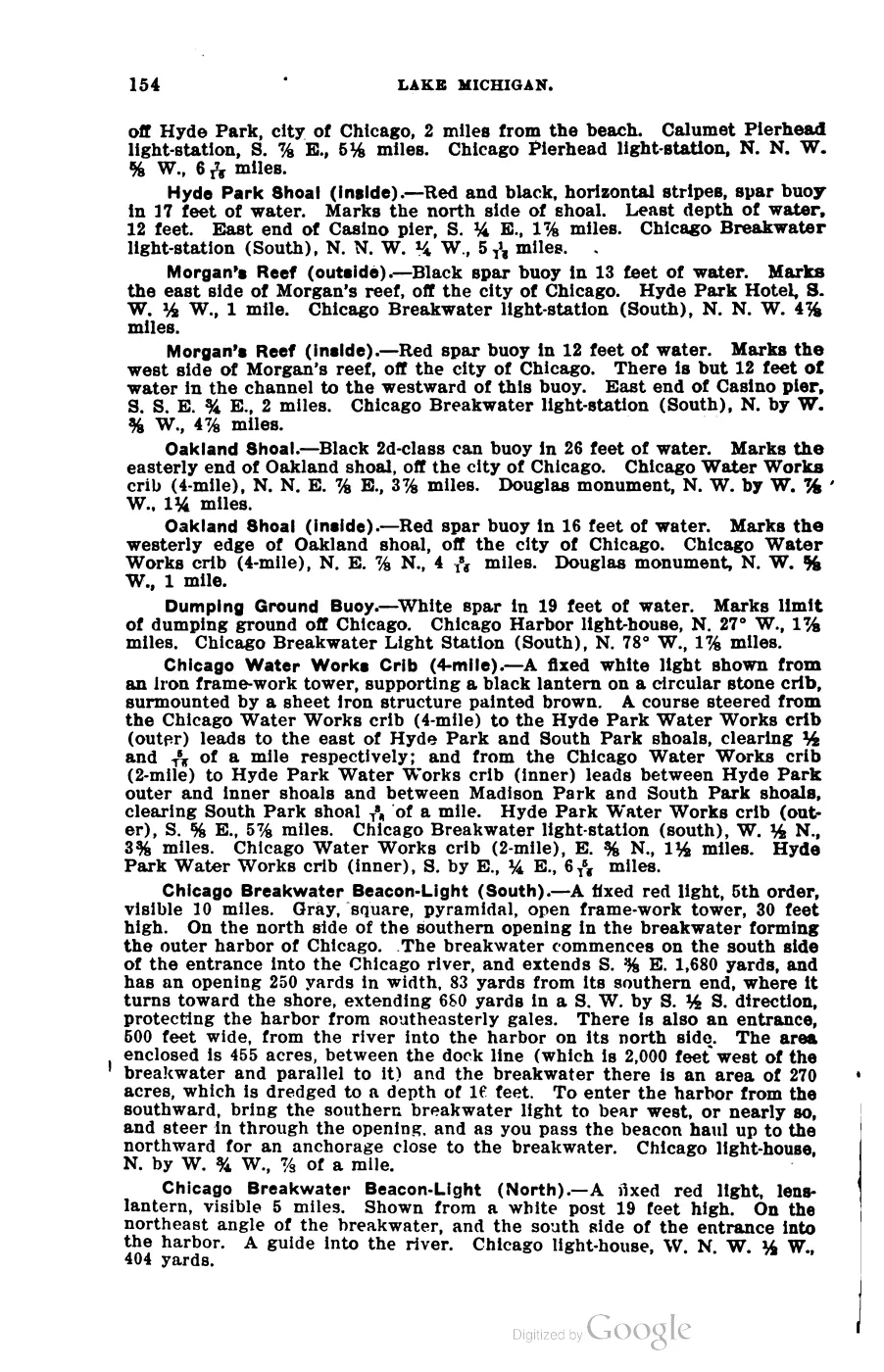
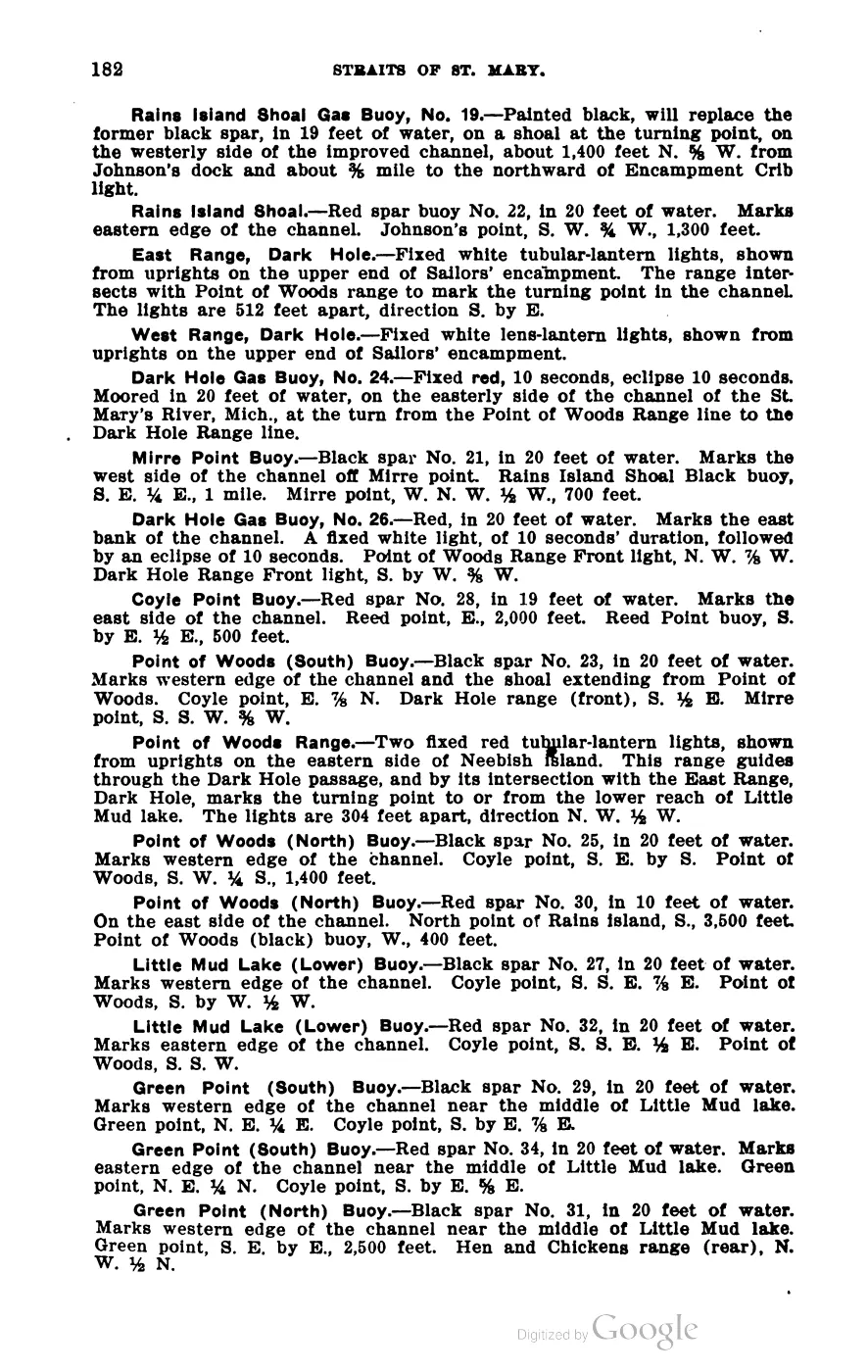
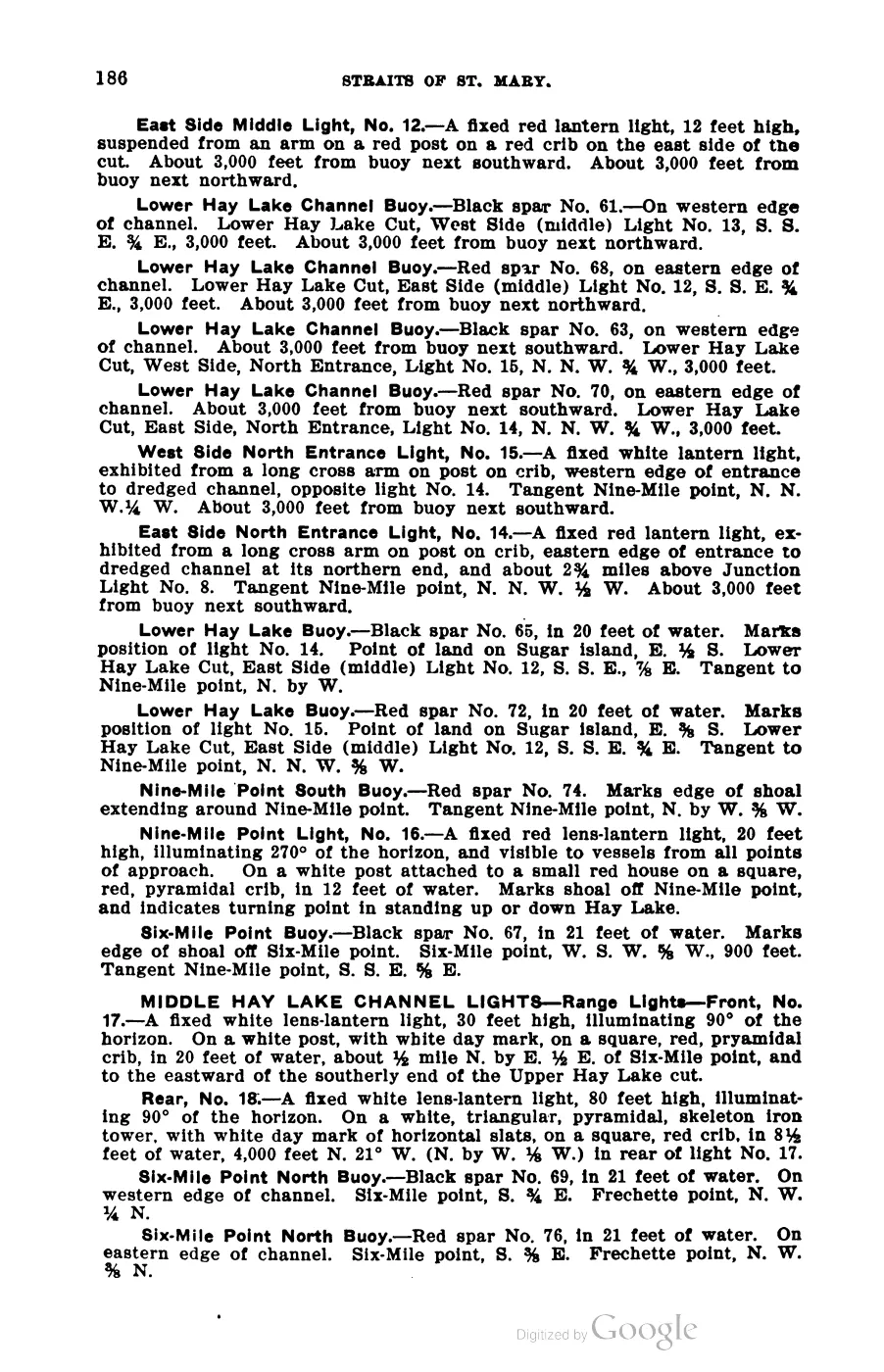
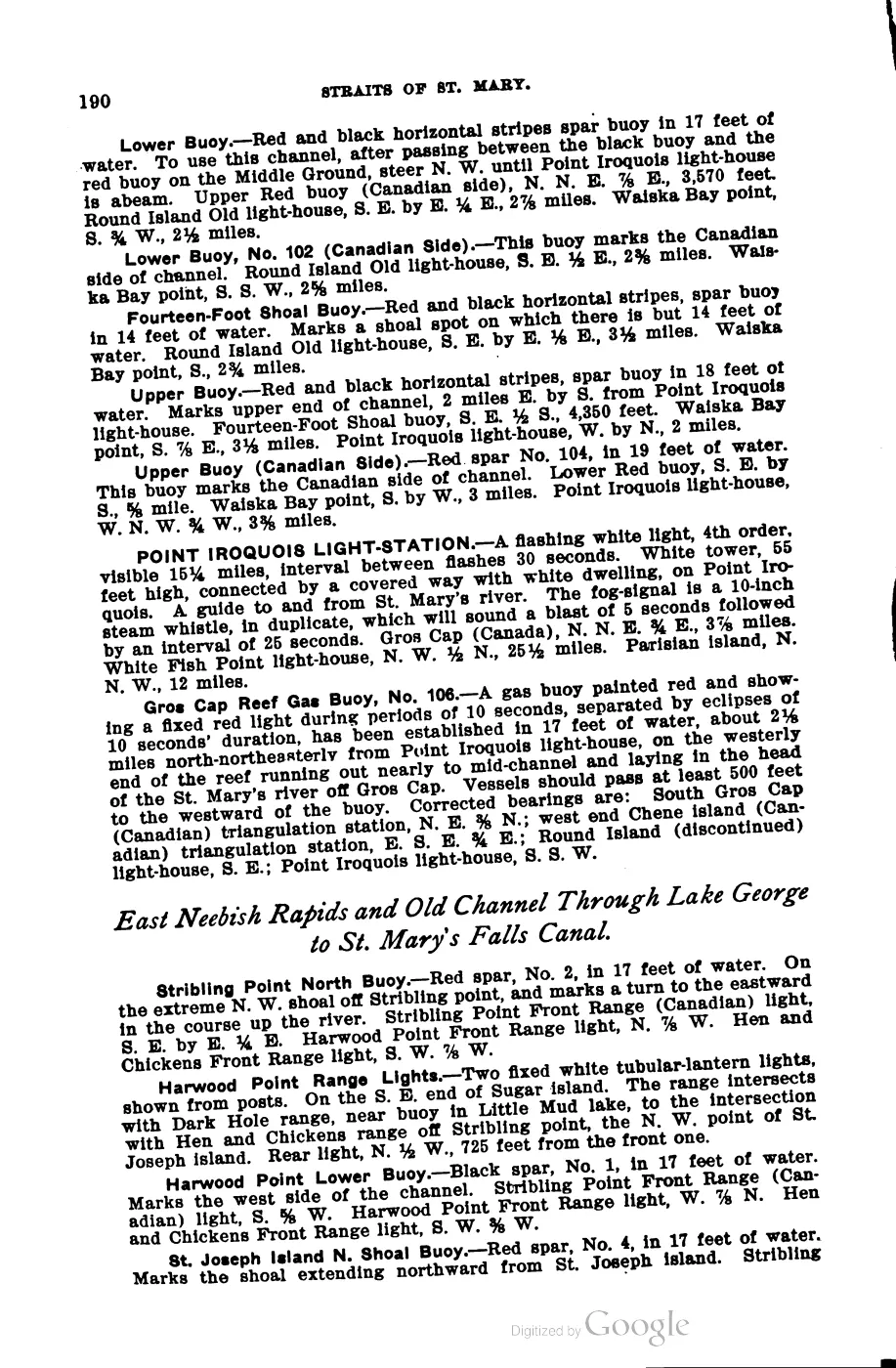
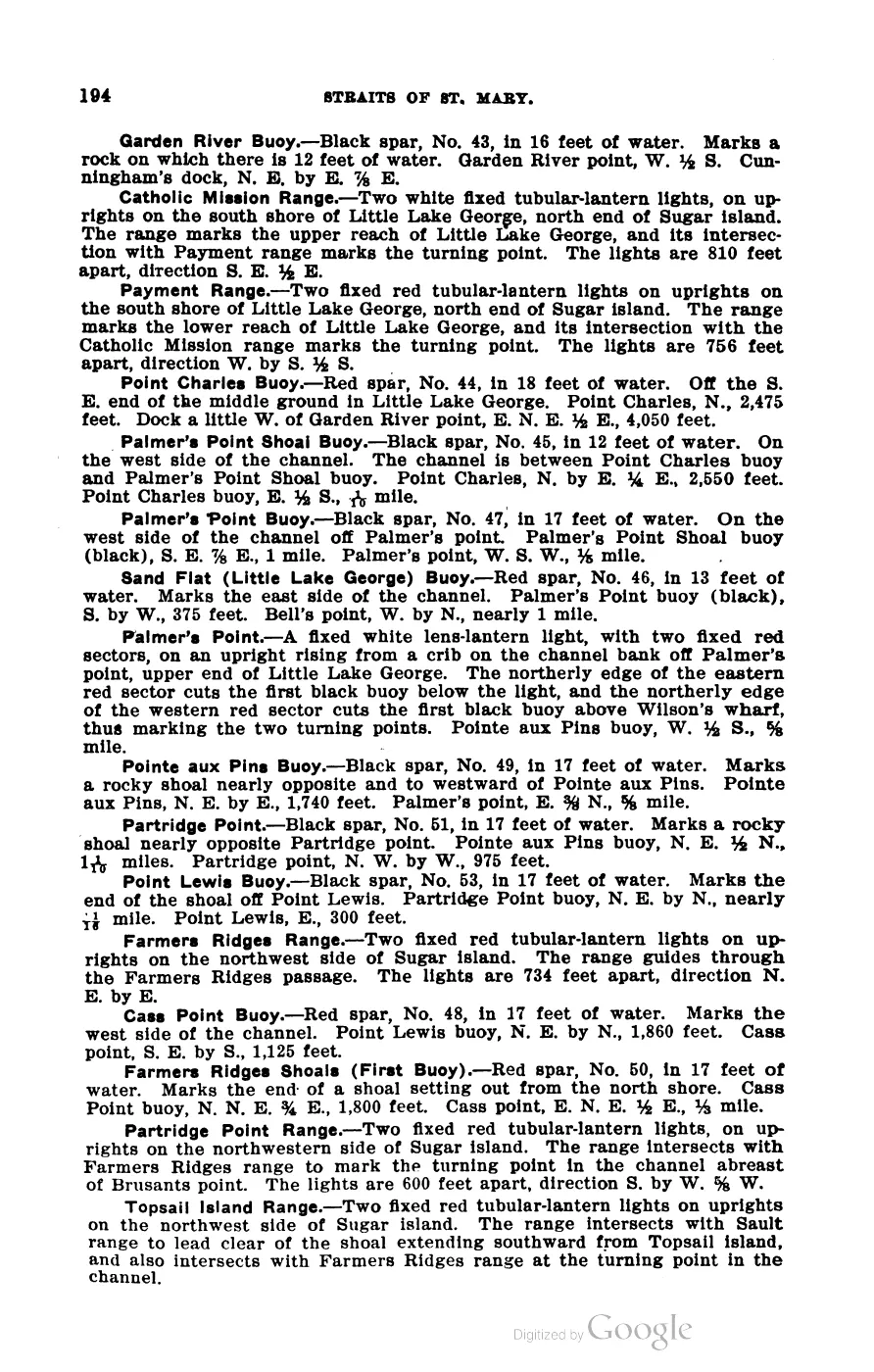
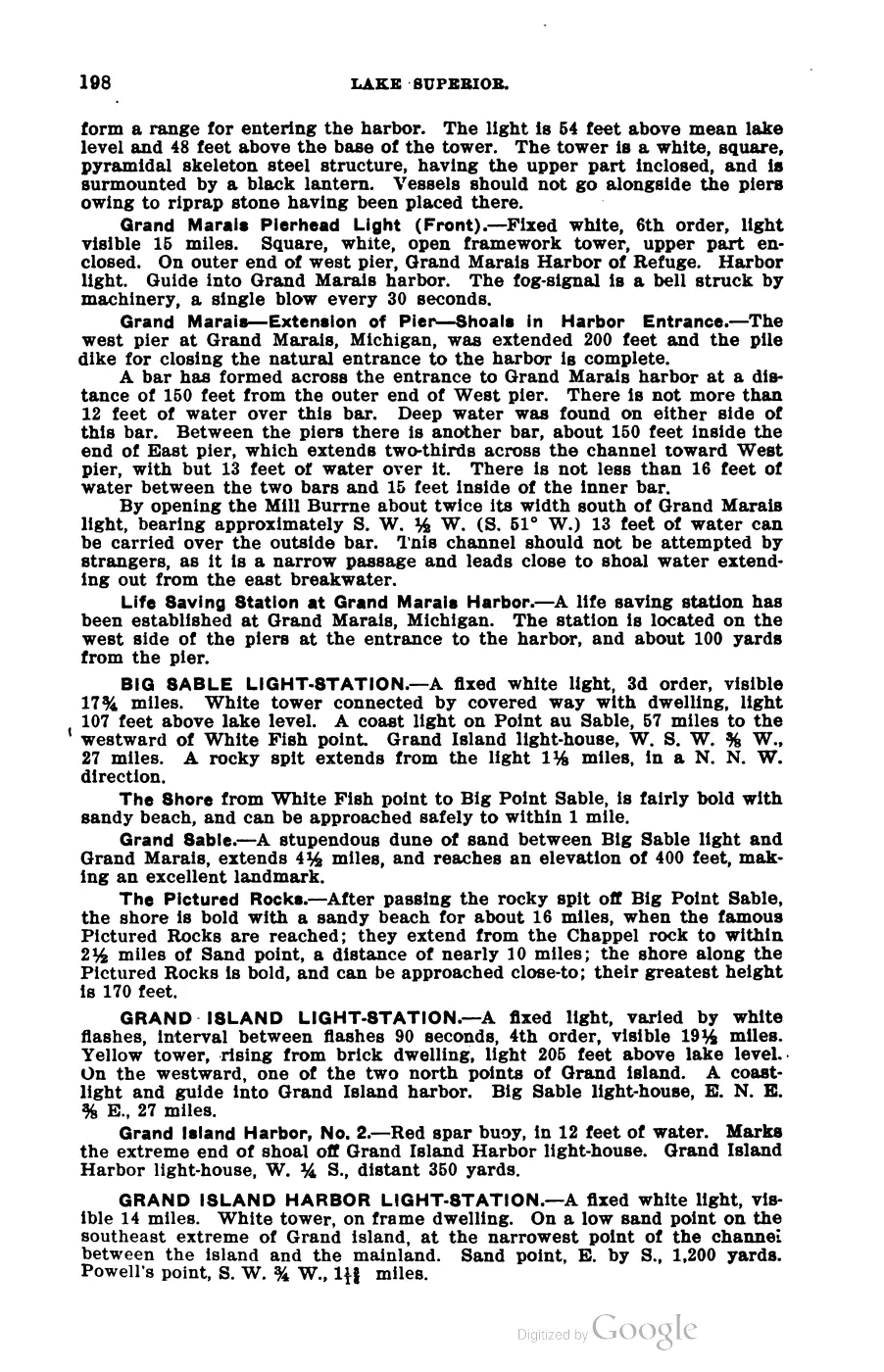
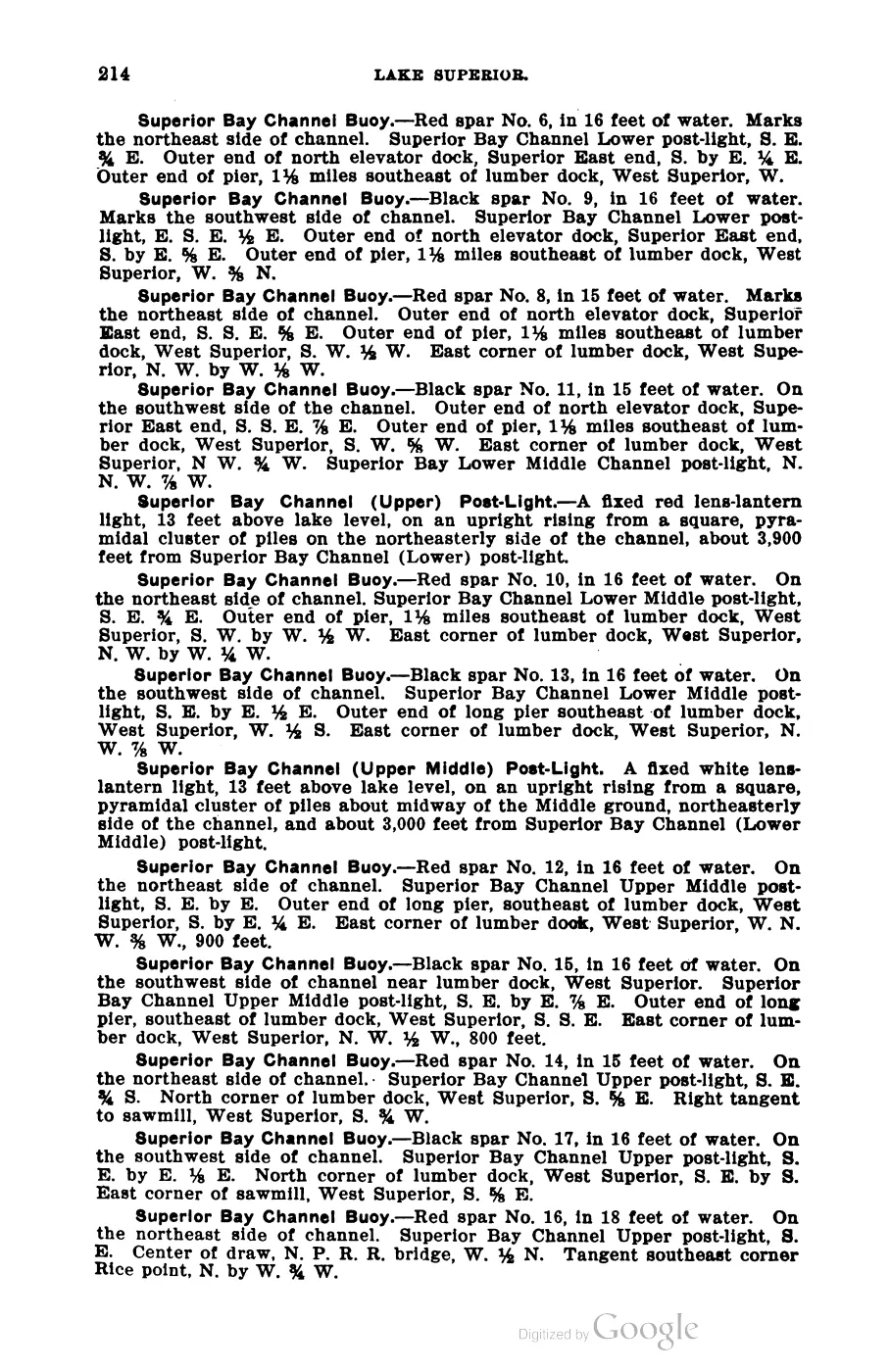
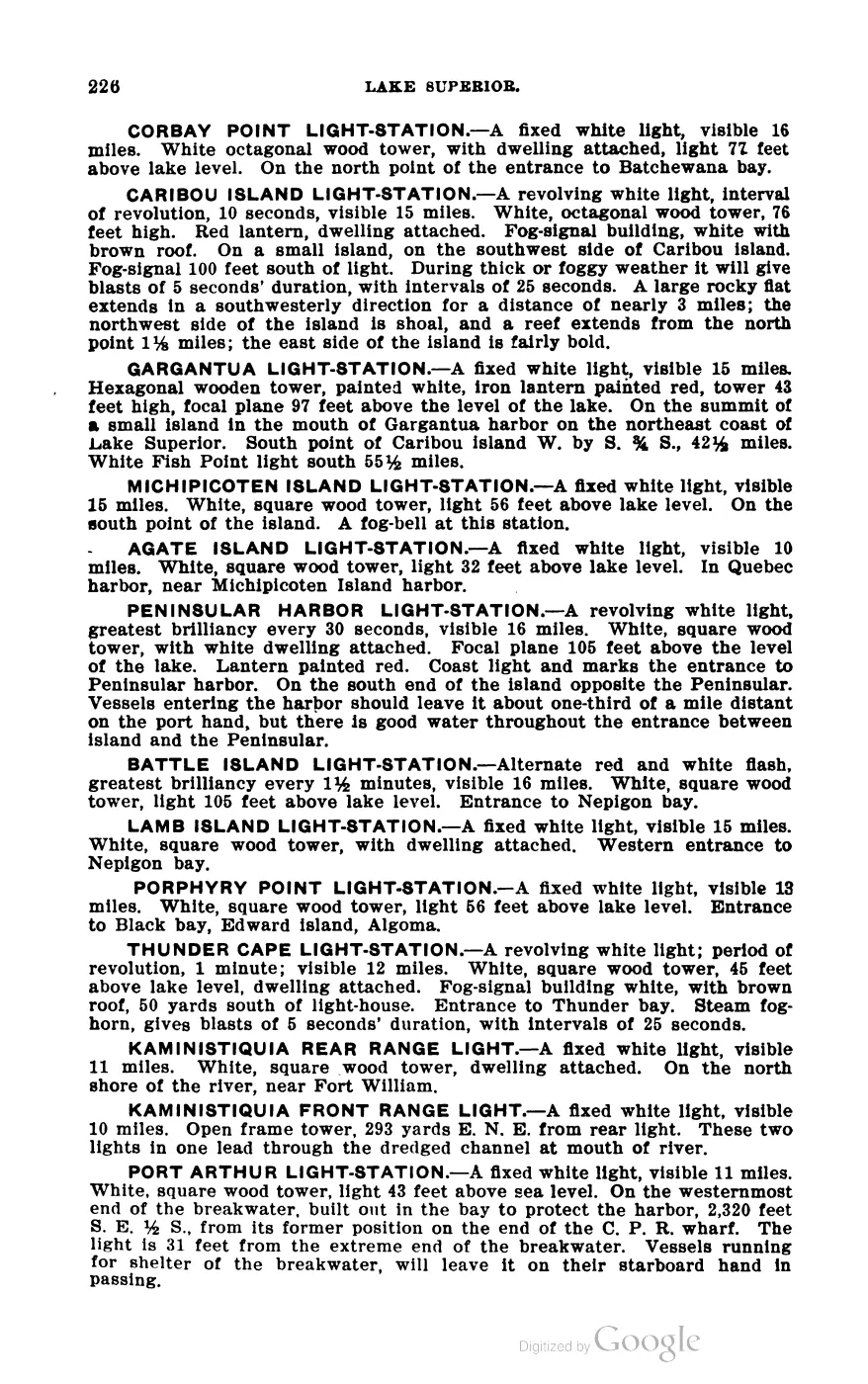
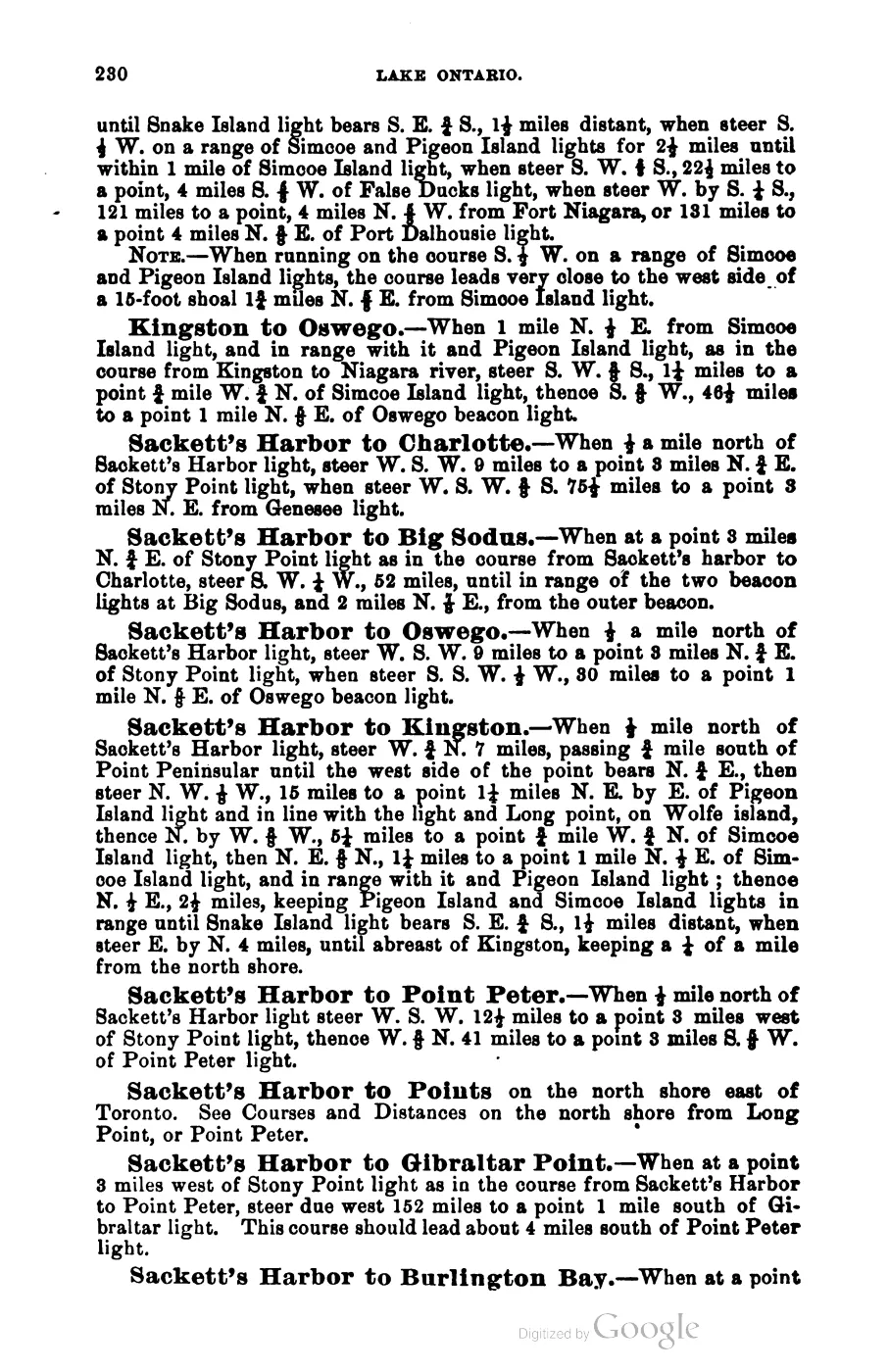
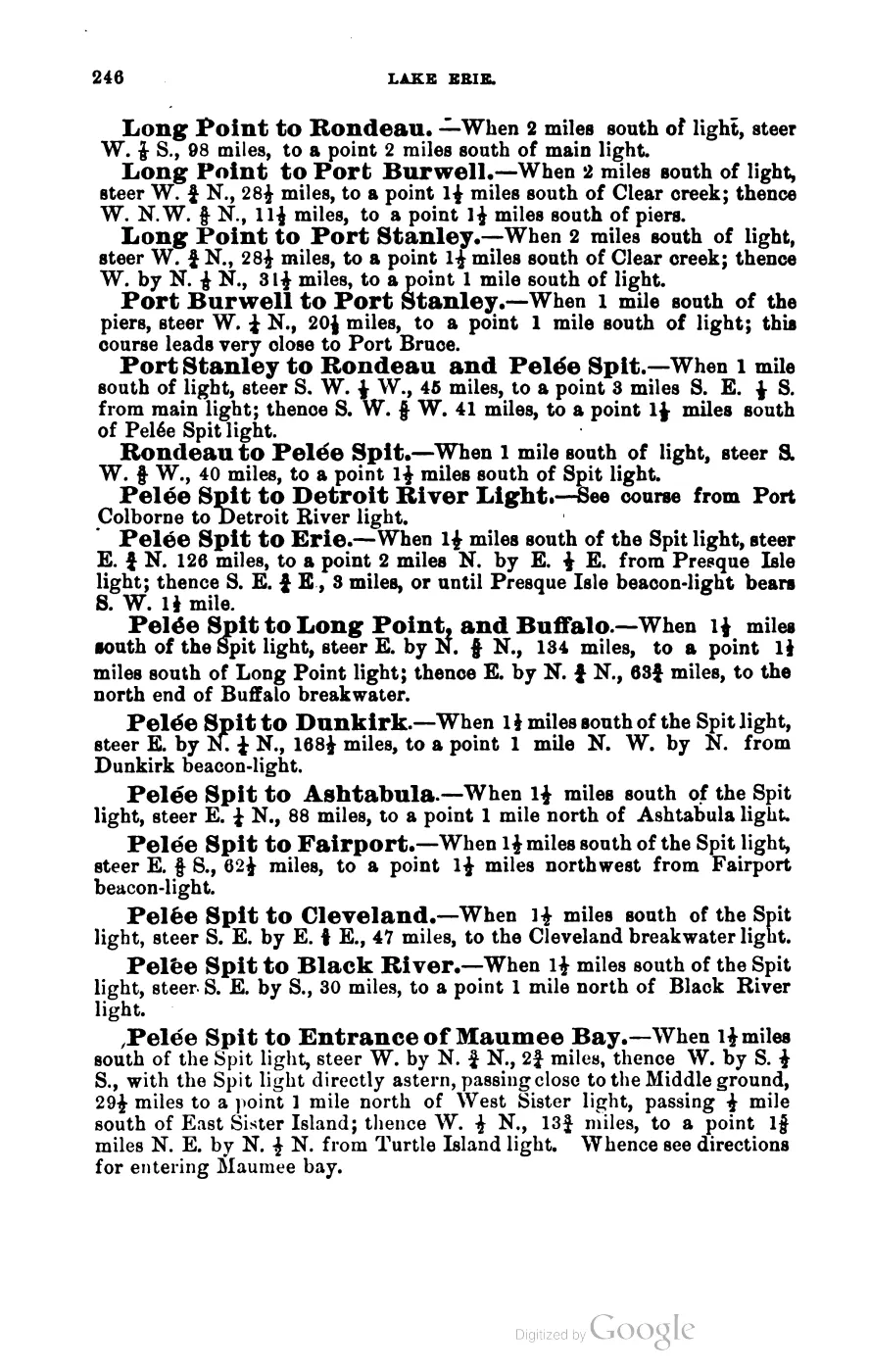
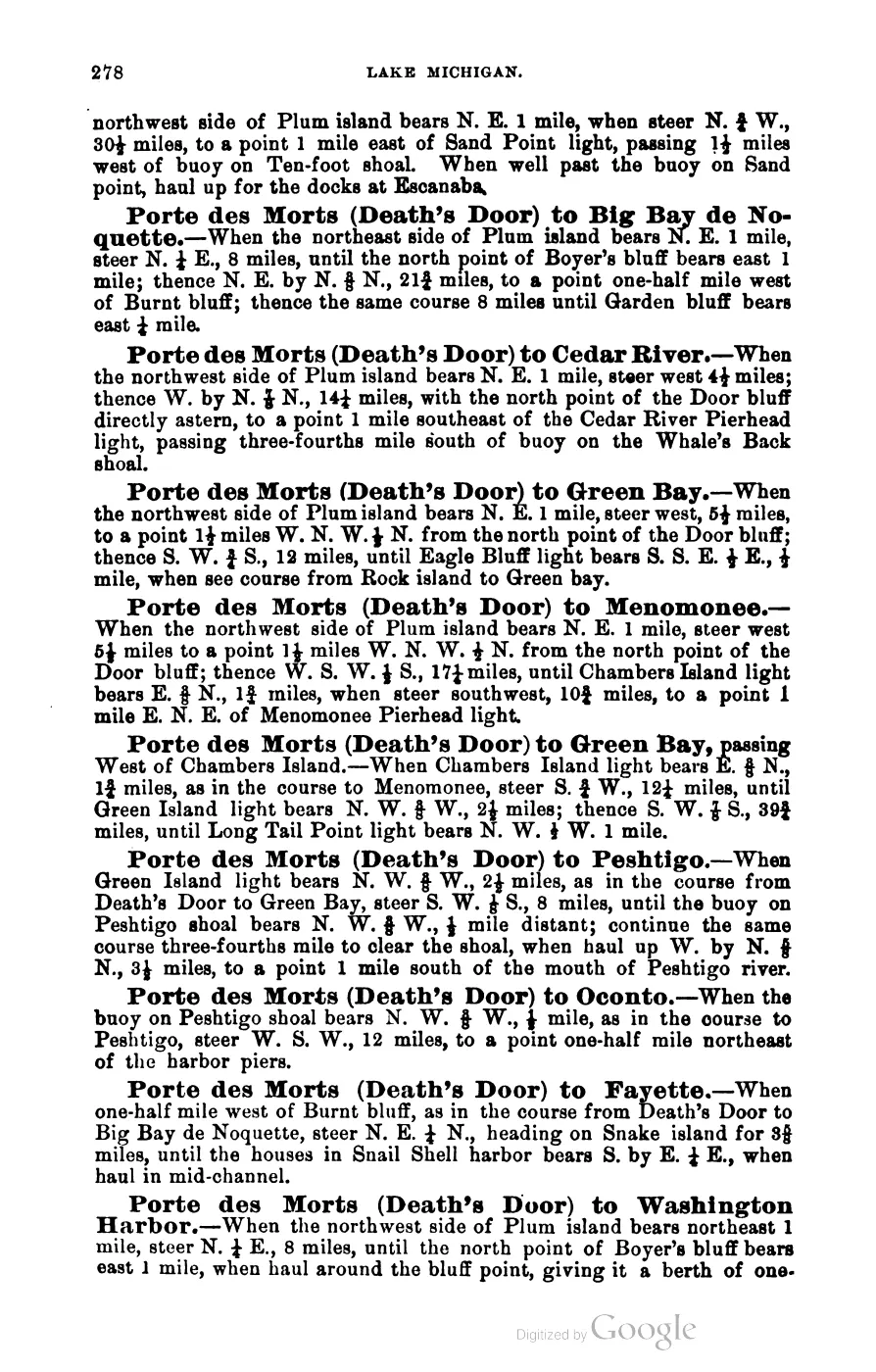
At 20.31 km², Garden Island is roughly one-seventh the area of Beaver Island and the largest of the archipelago’s smaller members. Scott’s 1902 Coast Pilot fixes its position by tangent bearings from the Squaw Island (now Ojibwa Island) light-station and records a charted shoal, Garden Island Shoal, extending from its vicinity — evidence that the island was a routinely used navigational reference point for vessels passing north of the main group. As of the 2023 Beaver Island Master Plan, about 5,000 of the island’s 5,080 acres (roughly 98%) are owned by the State of Michigan and managed by the Michigan DNR Wildlife Division; an abandoned sawmill and several standing structures remain from its settled period.
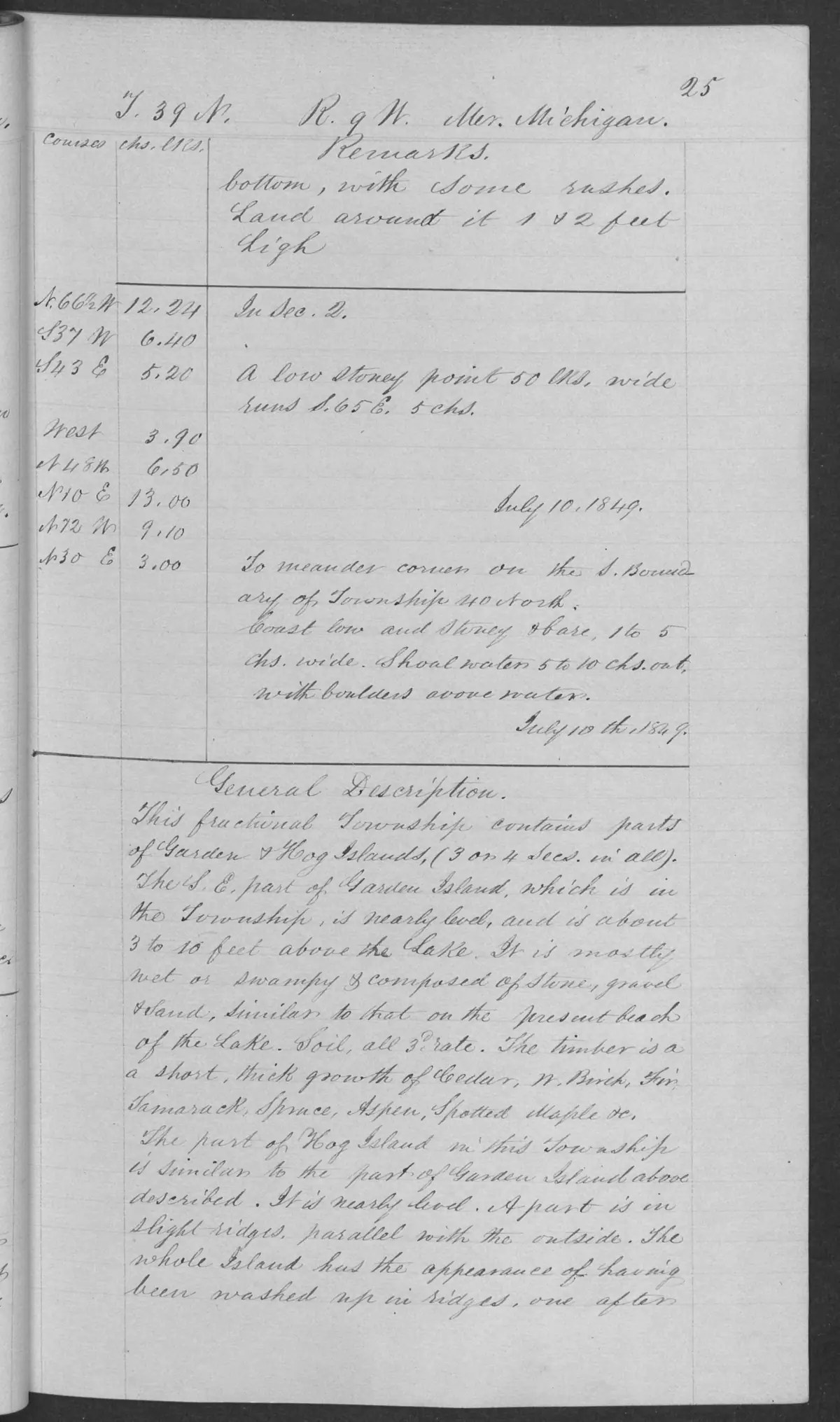
An original GLO field-note page dated 10 July 1849 describes the portion of Garden Island in the fractional T39N R9W township as nearly level, three to ten feet above Lake Michigan, and mostly wet or swampy, with stone, gravel, and sand similar to the present lake beaches. It records a short, thick growth of cedar, white birch, fir, tamarack, spruce, aspen, and spotted maple. This is a surveyor’s bounded 1849 observation of one township portion, not a complete island ecology, ownership record, or settlement description.17
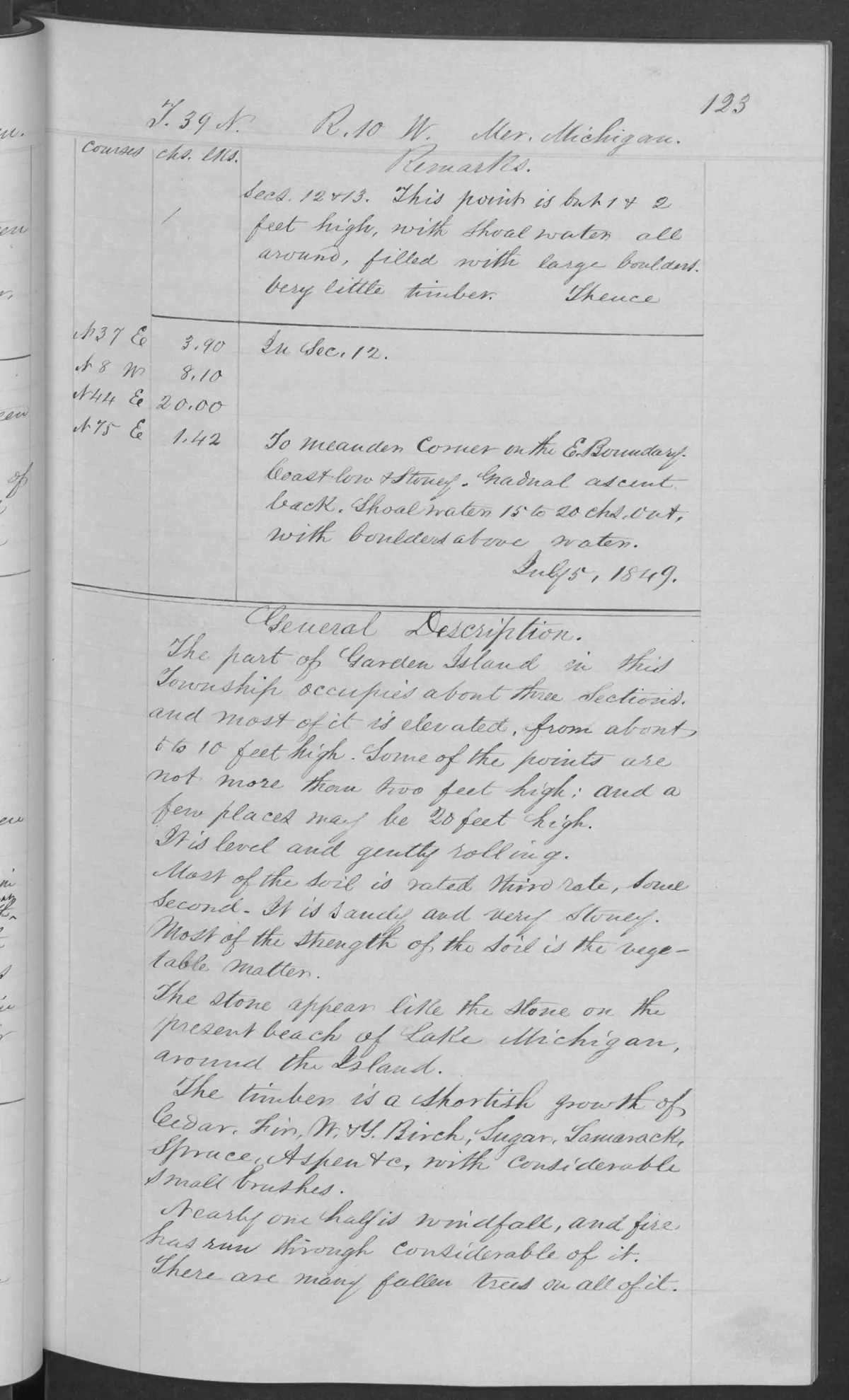
In a second, separately recorded GLO general description for the Garden Island portion of fractional T39N R10W, the surveyor described most of the land as six to ten feet above the lake, level to gently rolling, sandy and stony, with short, thick cedar, fir, white birch, sugar, tamarack, spruce, aspen, and small brush. The notes also record windfall and that fire had run through much of the island; only a few good sugar bushes are singled out, with most described as barren. It is a historically situated field observation, not a present ecological assessment or an account of title, settlement, or all of Garden Island.18
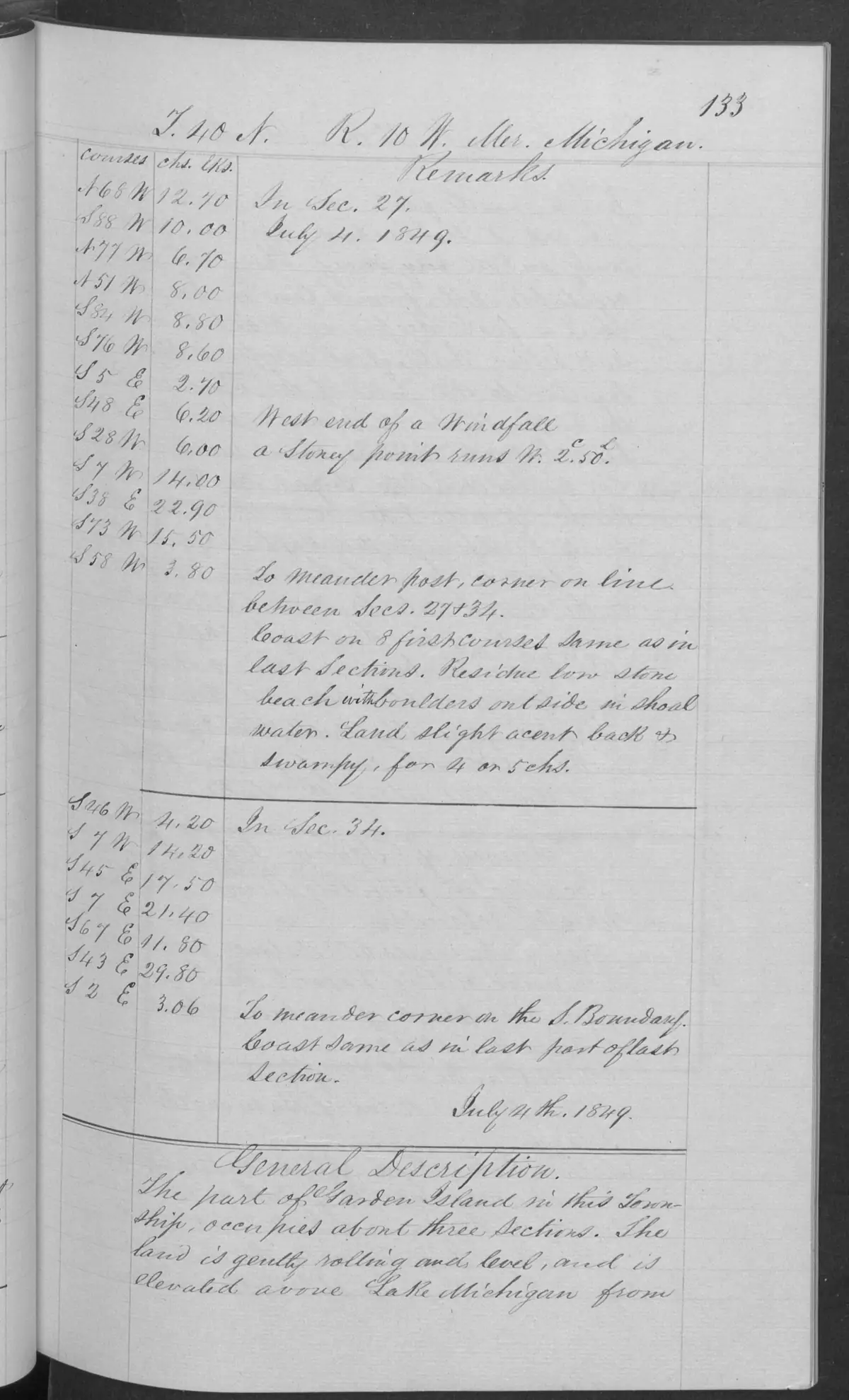
A third 1849 GLO description covers Garden Island’s portion in fractional T40N R10W. It records about three sections of gently rolling and level land, five to twenty feet above Lake Michigan, with second-rate soil that was sandy and strong, and some burned areas where stone predominated. The surveyor recorded cedar, sugar, fir, white birch, spruce, aspen, small brush, spotted maple, ground hemlock, and some pale cedar and dry beech along the lake. This is another time- and area-bounded observation, not a whole-island or current ecological inventory.19
Ecological profile
The MNFI Garden and High Island biodiversity, habitat, and acoustic surveys, 2015 adds field-measured modern ecology to the bounded GLO observations. In Garden Island’s boreal forest, the report describes shallow alkaline loams and loamy organics over limestone cobble, pH 7.5–8.0, and a northern-white-cedar canopy with cored trees estimated at roughly 135–165 years old. Windthrow and coarse woody debris are part of the recorded structure.
The 2017 MNFI natural-community survey separately names a 906-acre Garden Island Boreal Forest occurrence in three shoreline polygons. It adds former-cobble-shore topography, rich conifer swamp and northern hardwood inclusions, and a canopy with cedar, balsam fir, paper birch, white spruce, trembling aspen, and white pine. The occurrence’s shallow alkaline loams and loamy organics over limestone cobble, tree ages above 135 years, windthrow, and coarse woody debris are preserved in Garden Island Boreal Forest.
The Red Oak Garden occurrence preserves a different soil and forest contrast: shallow alkaline loams over cobble in the south and deeper acidic sands over cobble in the north, with sugar maple, red oak, yellow birch, white ash, and paper birch. Garden’s 2015 survey also prioritized two Great Lakes marshes and recorded Lake Huron locust, snails, incidental reptiles and birds, monarchs, dragonflies, and eight Michigan bat species across the acoustic stations.
These are named-occurrence and station observations, not a complete Garden Island fauna or tree inventory. The report’s non-detections are bounded by its survey locations and methods, while SSURGO, canopy, GLO, and geology layers remain island-scale or regional context rather than occurrence boundaries.
The companion Beaver Island Archipelago wildlife and bird species evidence index, 2017–2024 adds 11 linked wildlife/bird evidence records spanning 14 taxa for Garden Island. The count includes distribution-table marks, management records, and survey context; it is not a species-richness or population estimate.
Names
Two Anishinaabemowin names for the island are on record, and the English name translates them rather than the reverse. Strang printed Tagoning in 1854, glossing it “signifying garden or cultivated land.”1 Keewaydinoquay used Kitigan, in the compound Minis Kitigan, in her 1980 article “Miniss Kitigan” for the Journal of Beaver Island History, describing it as the island’s name from time immemorial. That volume has not been read directly; the form is carried here from a 1988 survey in the same journal, as reported by Garrad (JBIH III, pp. 7-8). A 2009 Beaver Beacon memoir of thirty years of visits uses a further spelling, Minis Gitigaan.20
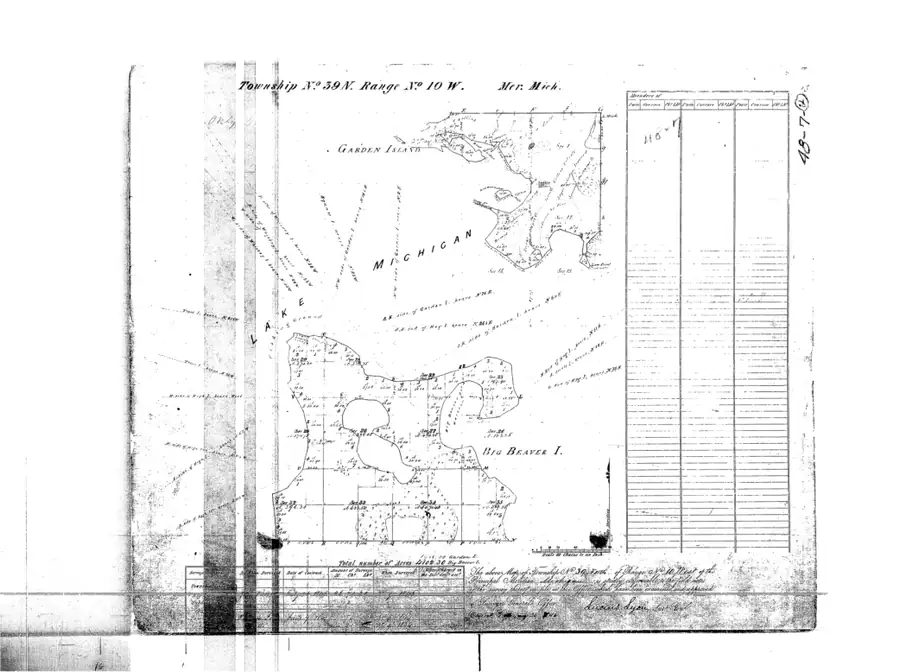
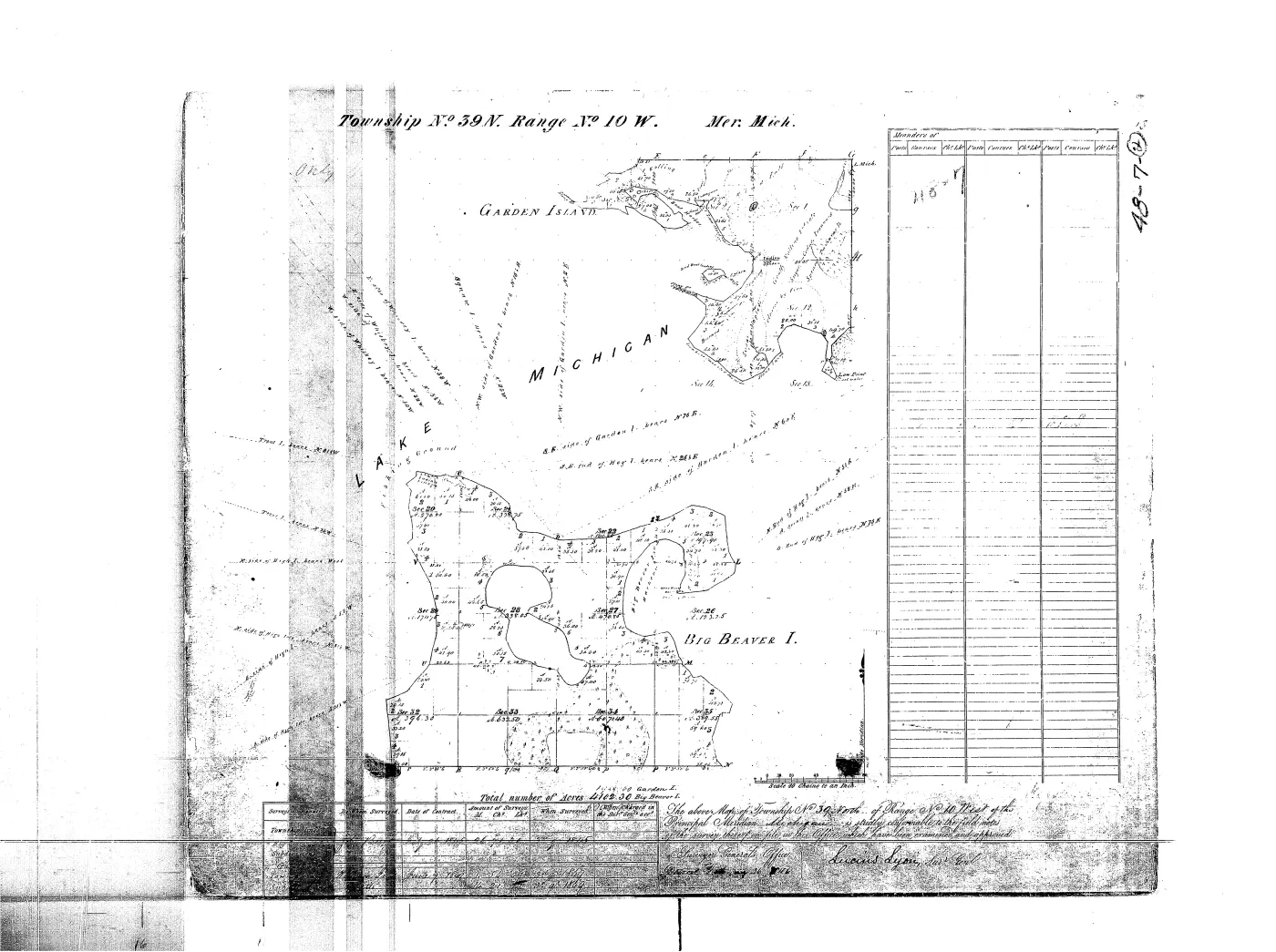
The English form is engraved as “GARDEN ISLAND” on the General Land Office survey plat of T39N R10W, above “BIG BEAVER I.”21 No former or variant name is carried for the island in GNIS, so “Garden Island” is stable there back to at least the Phase I compilation of 1976–1981 — a statement about the federal names database, not about the island’s naming history.
Significance
In the sources read, Garden Island is chiefly the archipelago’s Anishinaabe centre through the middle of the nineteenth century: a settlement of about two hundred people in 1854, a Catholic congregation that kept service without a resident priest, and one of two islands named for the Beaver Island Band in the 1855 Treaty of Detroit. It is also where the documentary problem is sharpest. The settlement is described in detail three times before 1910 — by Strang in 1854, by Elizabeth Whitney Williams in 1905 and by a mainland newspaper in 1908 — and on each occasion by someone whose interest in the island was not the residents’ own. See Anishinaabe presence in the archipelago.
Open questions
- Whether Chief Peaine’s principal residence was specifically Garden Island (per Williams, 1905) or the phrasing “at Beaver” in the 1854 account refers more broadly to the archipelago is unresolved; no source read so far reconciles the two.
- No population, decennial-census or land-use data specific to Garden Island (as opposed to the two townships collectively) has been located in sources held. Strang’s “about two hundred Indians” in 1854 is the only figure, and it is his. Federal enumeration in this period excluded Anishinaabe people, so a census series for the island begins by omitting the population this article is mostly about.
- How the island passed out of Anishinaabe hands is not documented here. The 1836 reservation ran five years; the 1855 treaty assigned Garden and High Islands to the Beaver Island Band; Williams says the island “had been deeded to them by the government as their own”; by 2023 about 98% is state-owned. No source read traces the conveyances between those points.
- The 1876 homestead date and 1936 abandonment date rest on a single 2026 secondary source and have not been cross-checked against a primary land or parish record. The claimed 1947 last-resident date remains a later guidebook tradition, not an established enumeration.
- No mission register, parish record or Indian agency correspondence for the Garden Island community is held. Those, and tribal records held by the Little Traverse Bay Bands of Odawa Indians and the Grand Traverse Band, are where an account from the community’s own side would begin — and access to them is a matter of the tribes’ consent, not of archival search.
See also
Footnotes
-
Ibid., p. 45 (“Garden Island”). Folios are read from the running heads of the cited copy; a second Internet Archive printing is set differently and carries this passage on p. 46. ↩ ↩2
-
Strang, Ancient and Modern Michilimackinac (1854), pp. 21–22 (“Indian Population of Emmet”). ↩
-
Williams, A Child of the Sea (1905), p. 64. ↩
-
Ibid., p. 28. ↩
-
Milo M. Quaife, The Kingdom of Saint James (New Haven, 1930), p. 124. ↩
-
Treaty with the Ottawa, etc., 28 March 1836, 7 Stat. 491, Article Third. ↩
-
Treaty with the Ottawa and Chippewa, 31 July 1855, 11 Stat. 621, Article First. ↩
-
Ibid., pp. 210–211. ↩
-
Welke, “A Short History of Settlements on the Beaver Island Archipelago,” Northern Islander (March 2026), p. 5. ↩ ↩2
-
Michigan Local and Special Acts, 1859, No. 194, §1, p. 546. ↩
-
“Over a Half Century of Changing Counties and Townships,” Northern Islander, February 2026, p. 5. ↩
-
“An Indian Funeral: The Ancient Garden Tribe and its Ancient Cemetery,” Charlevoix Sentinel, 3 September 1908, front page, reprinted in “One Hundred Years Ago,” Beaver Beacon, September 2008, p. 20. ↩
-
“A Trip to Garden Island,” Beaver Beacon, July 1965, held OCR. ↩
-
Melissa Wiatrolik, “Jiibay Wiikongewin (Ghost Suppers) of Amikwaganda (Beaver Island),” Northern Islander, October 2025, p. 25. ↩
-
Beaver Island Master Plan (2023), p. 37. ↩
-
Bureau of Land Management, GLO Field Note Volume 168138, p. 0025, 10 July 1849, visual page-image verification. ↩
-
Bureau of Land Management, GLO Field Note Volume 168138, pp. 0123–0124, 1849, visual page-image verification. ↩
-
Bureau of Land Management, GLO Field Note Volume 168138, pp. 0133–0134, 11 July 1849, visual page-image verification. ↩
-
Jim and Joane McIntyre, “The Bucket List: Return,” Beaver Beacon, December 2009, p. 28. ↩
-
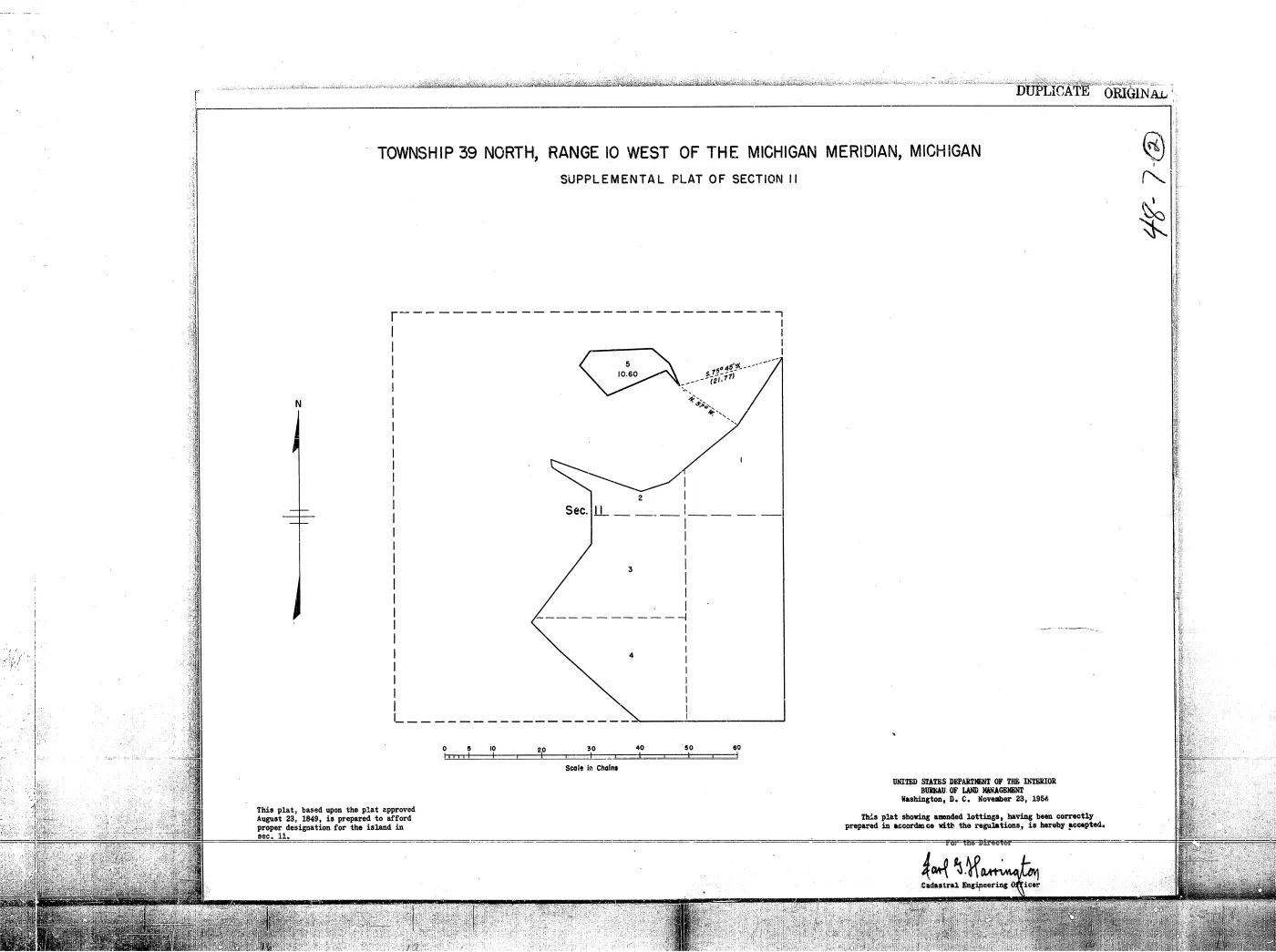
Bureau of Land Management, General Land Office survey plat, “Township No 39 N. Range No 10 W. Mer. Mich.” Read from the page image; the sheet’s certification and approval date are not legible at the resolution checked. ↩
Maps for this place
These Atlas plates provide regional context. They do not establish a precise boundary, current ownership, access right, operating status, or field condition.
- EnvironmentSoils, wetlands, hydrography, and terrain
- GeologyGeneralized geology and landforms
- HydrologyMapped water and wetland context
- AccessMapped routes, facilities, and protected areas
The dated record
The name, as attested
- 1849
Garden Islandcurrent
GLO plat T39N R10W engraves "GARDEN ISLAND" (original approved Aug 23, 1849; held data/federal/glo_plats/39n10w.pdf); the 1854-57 U.S. Lake Survey chart carries the same form.
- 1854
TagoningvariantAnishinaabemowin
Strang: "The Indian name of this Island is Tagoning, signifying garden or cultivated land" — tied to his theory of ancient garden clearings (May ed. 1959:6, 80-84, per Garrad, JBIH III p. 7).
attested in Ancient and Modern Michilimackinac, 1854
- 1980
KitiganvariantAnishinaabemowin
Keewaydinoquay, "Miniss Kitigan", Journal of Beaver Island History II (1980), pp. 29-44 — her Ojibwa name for the island "from time immemorial" (per Garrad, JBIH III pp. 7-8, read via IA lending 2026-08-01). Minis Kitigan = "garden island"; the English name is evidently a translation of the Anishinaabe one.
- 2009
Minis Gitigaanvariant
Jim and Joane McIntyre, "The Bucket List: Return", Beaver Beacon, December 2009, p. 28: "We had returned to Minis Gitigaan." A modern visitors' spelling in a settler-authored memoir, recorded as a form in circulation, not as an independent attestation of the historical name.
Read the document
393 pages, rendered from the held scan.

Jump to a page — 393 in all
135 of 393 pages linked here — every page to 32, then every 4th, then the last 16. With JavaScript, every page.
Read the document
2 pages, rendered from the held scan.





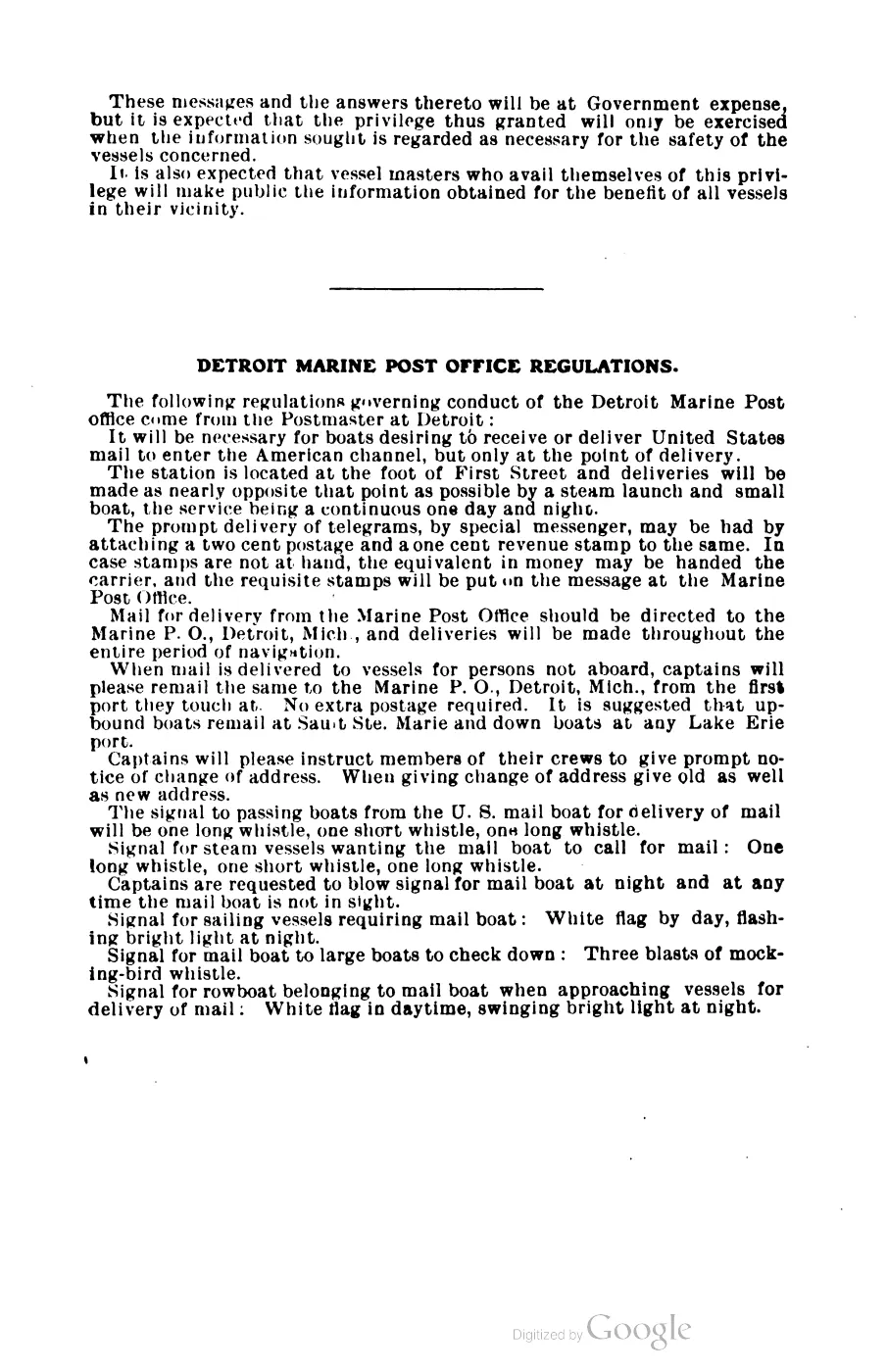
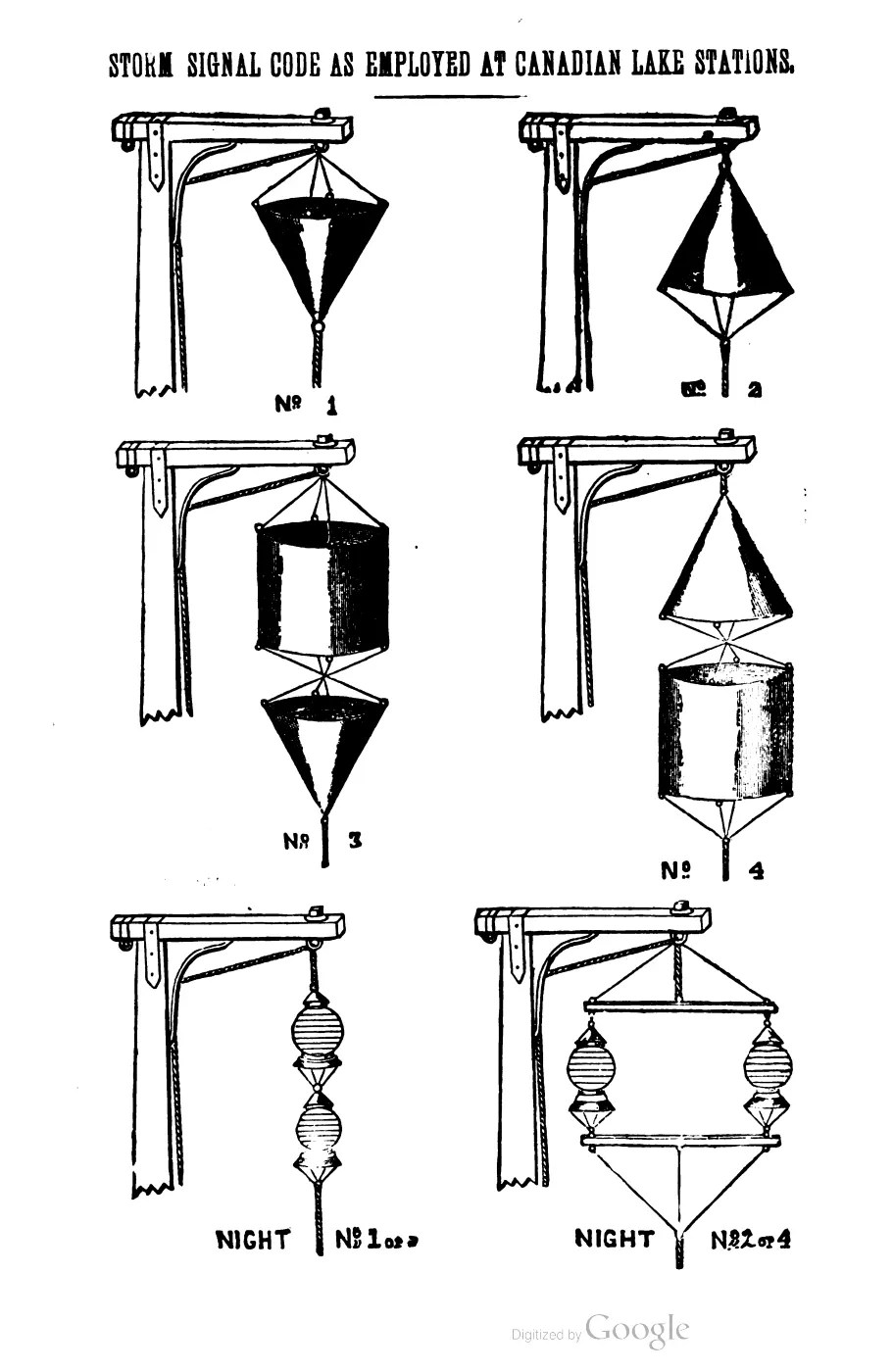
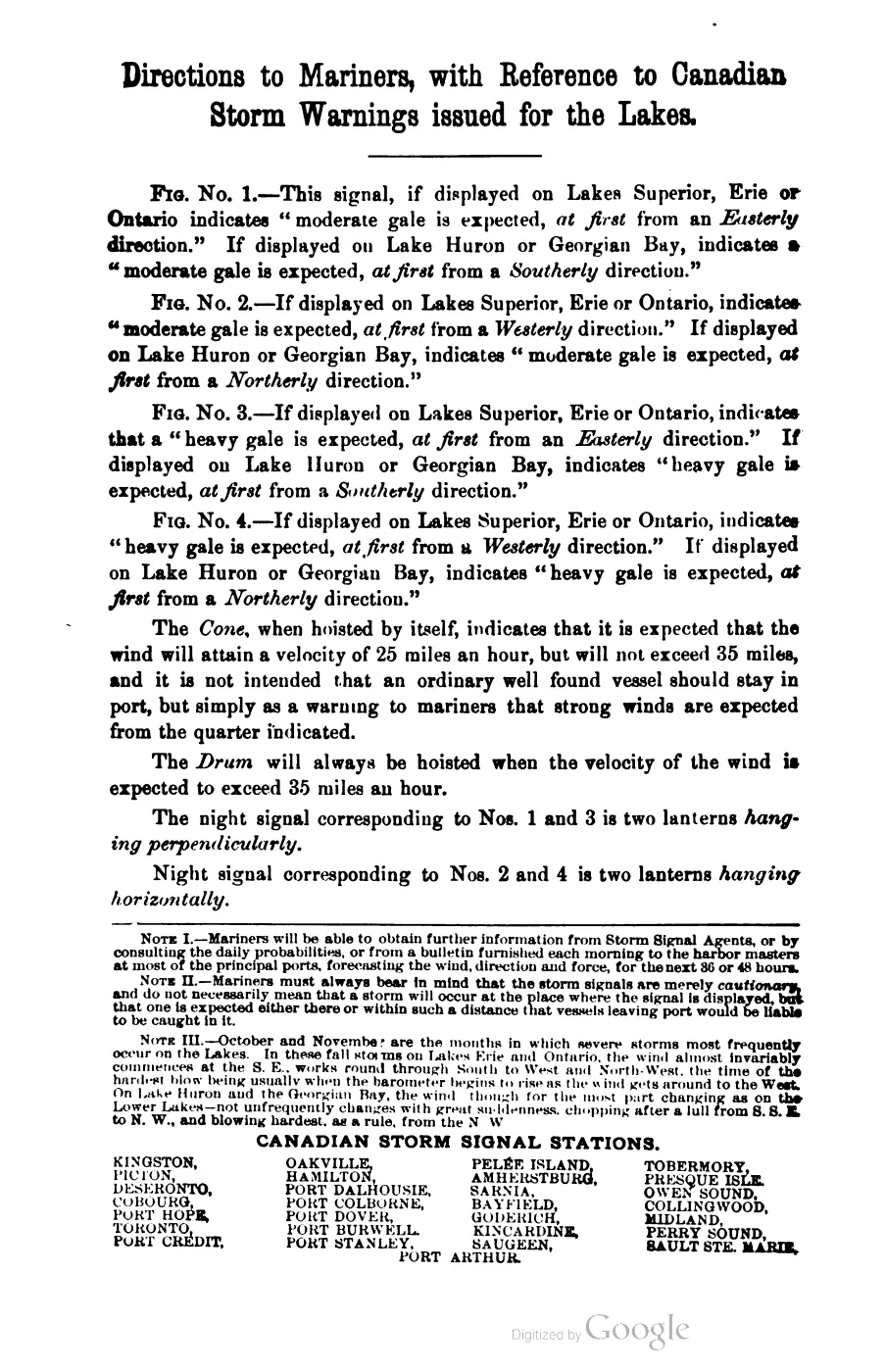


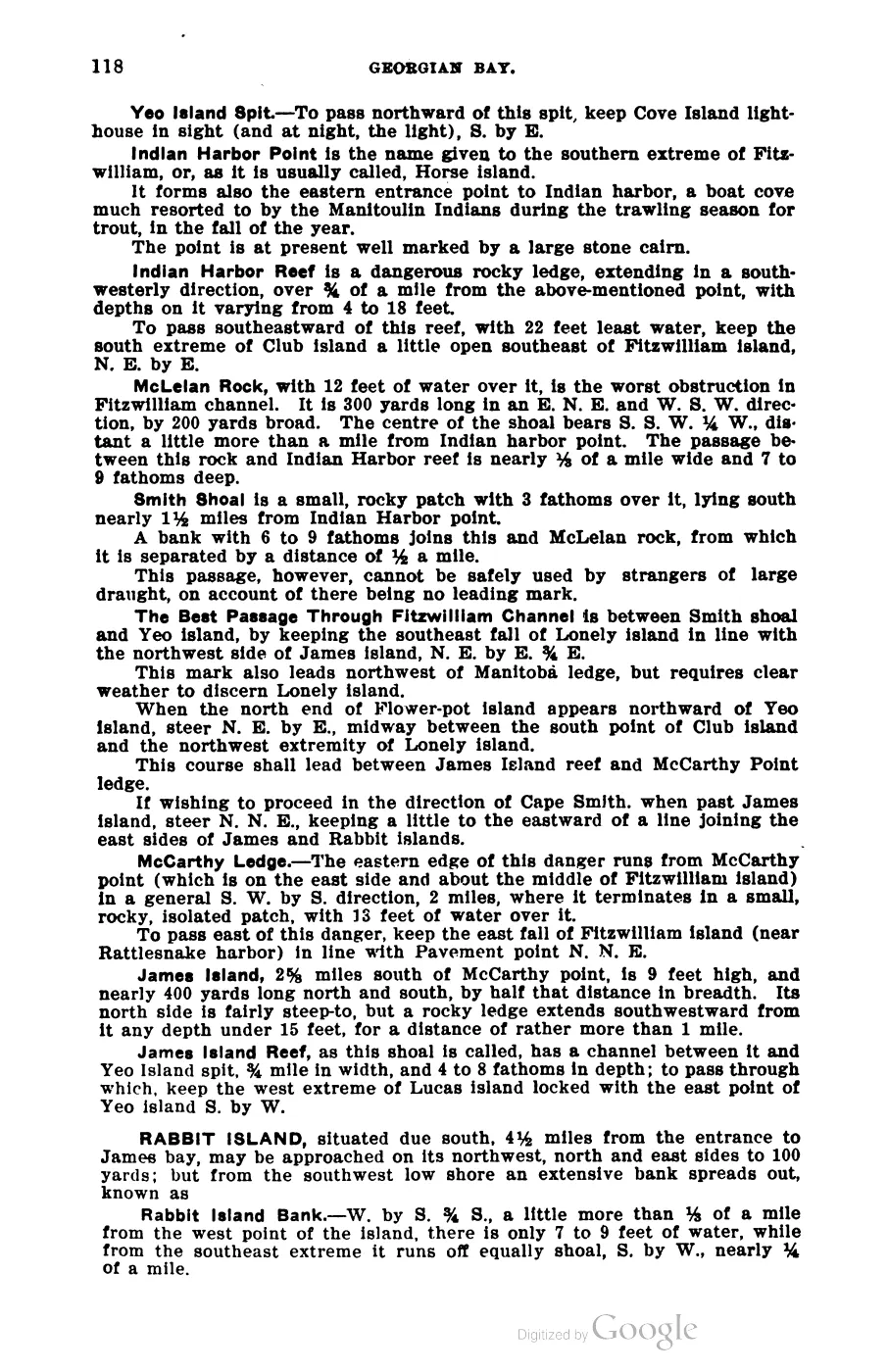
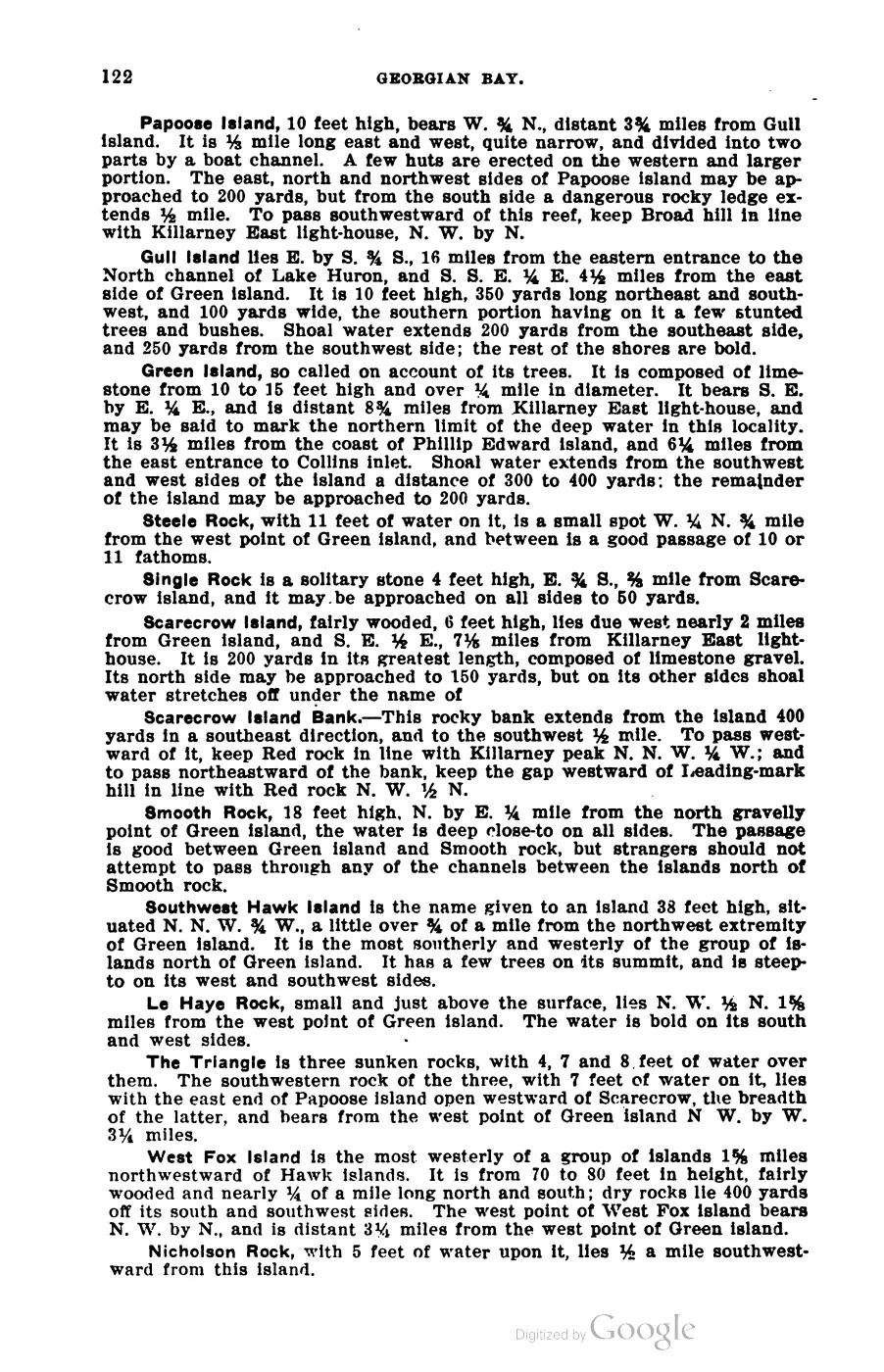
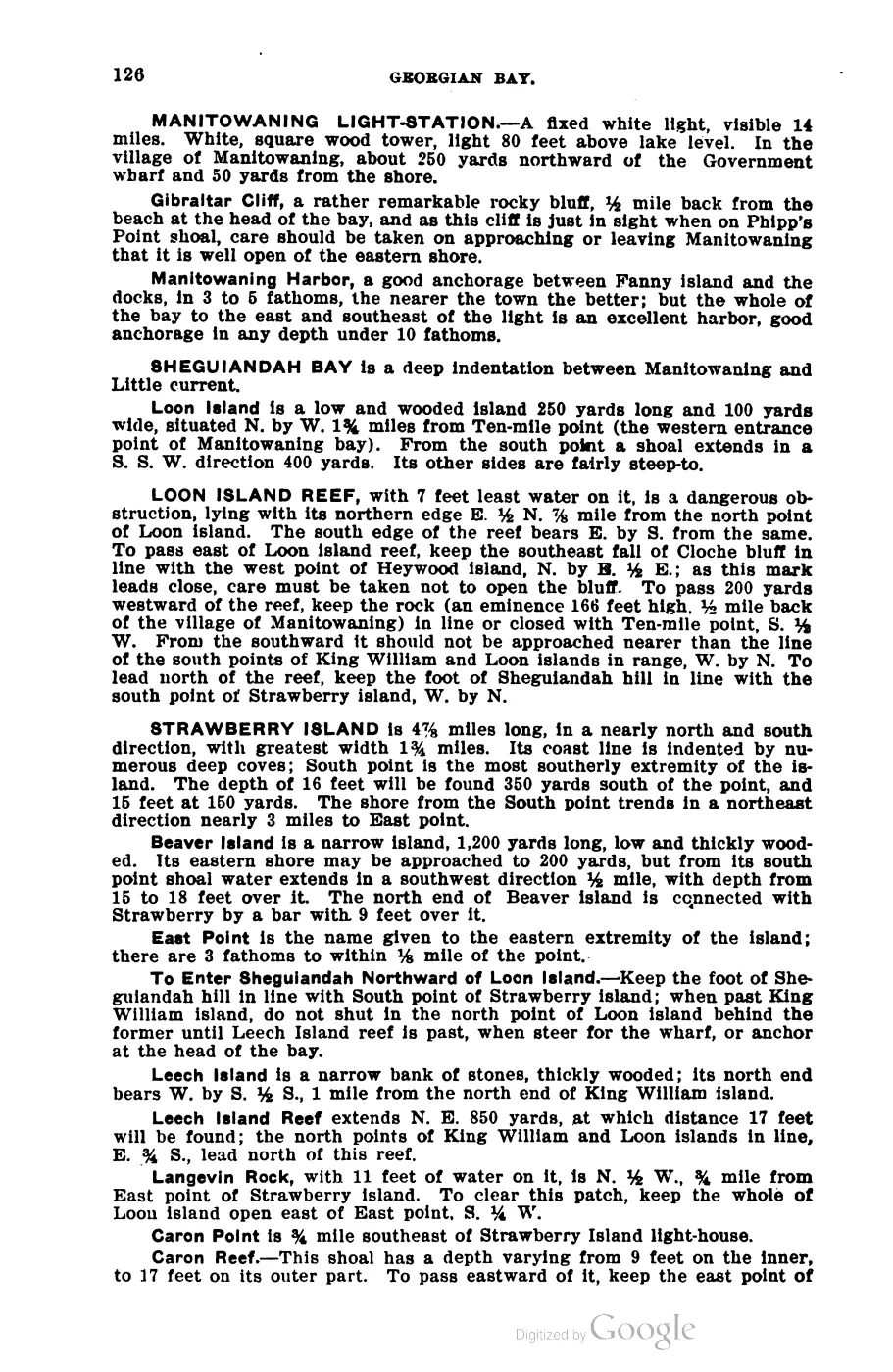
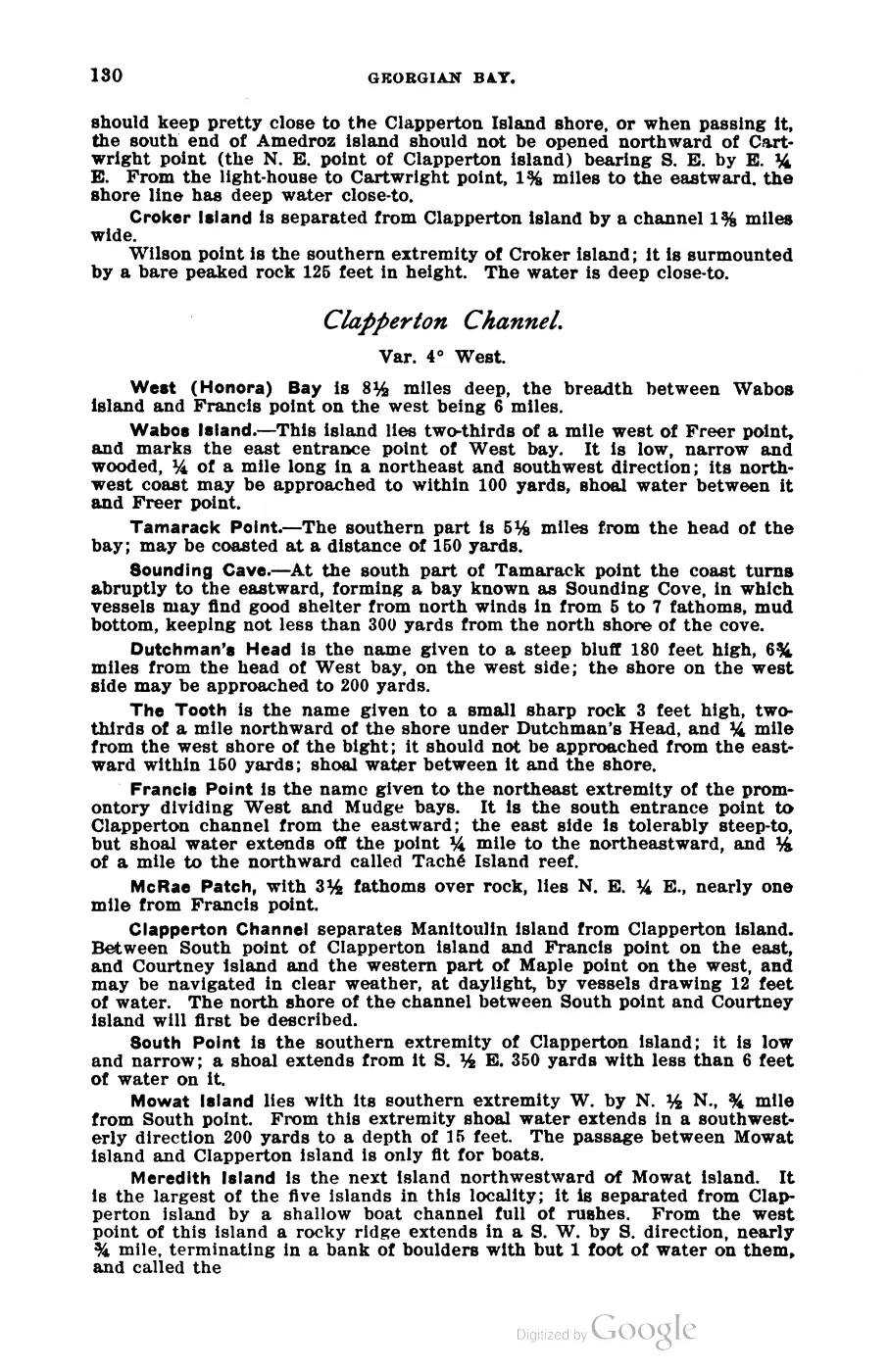
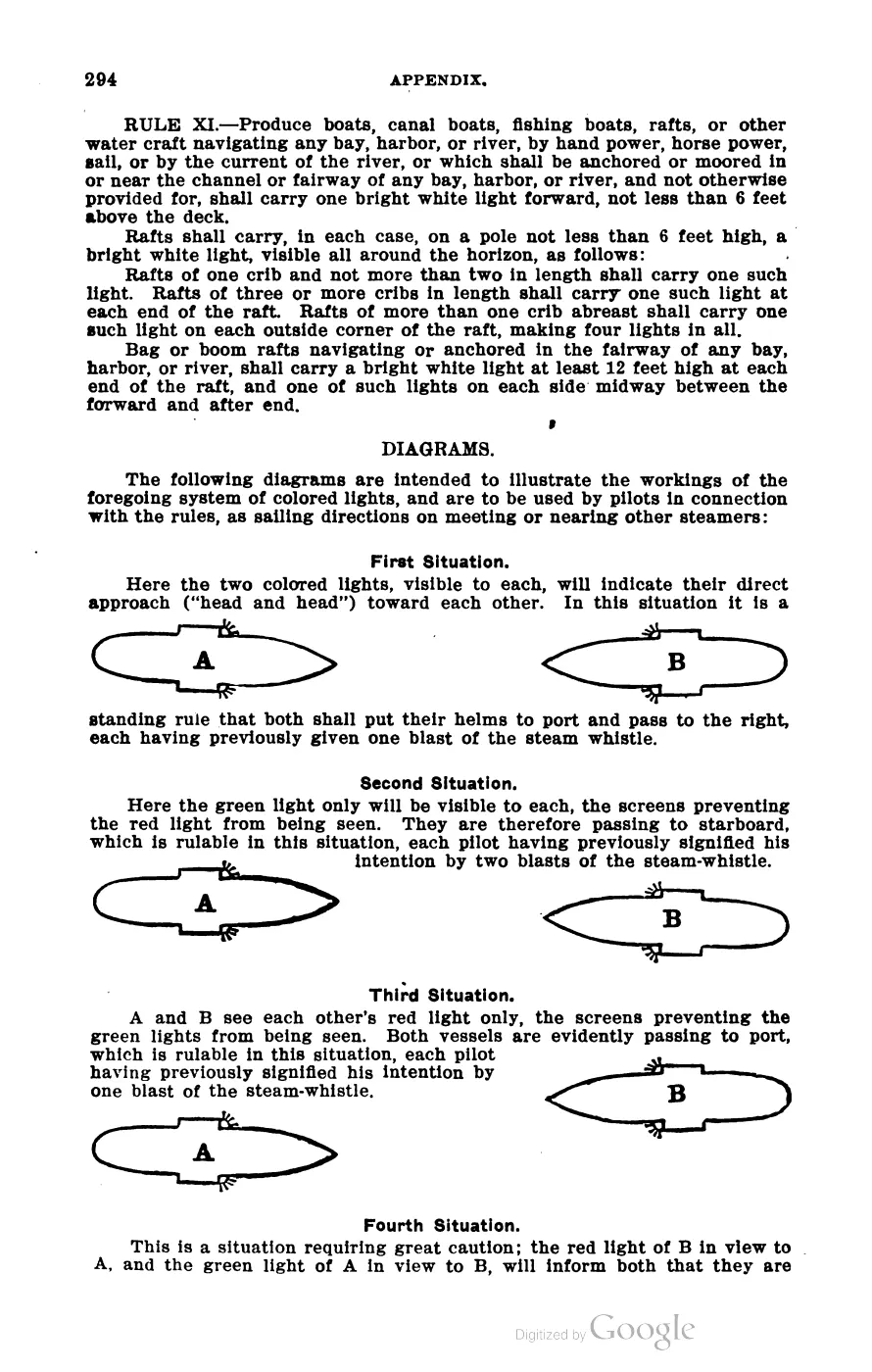
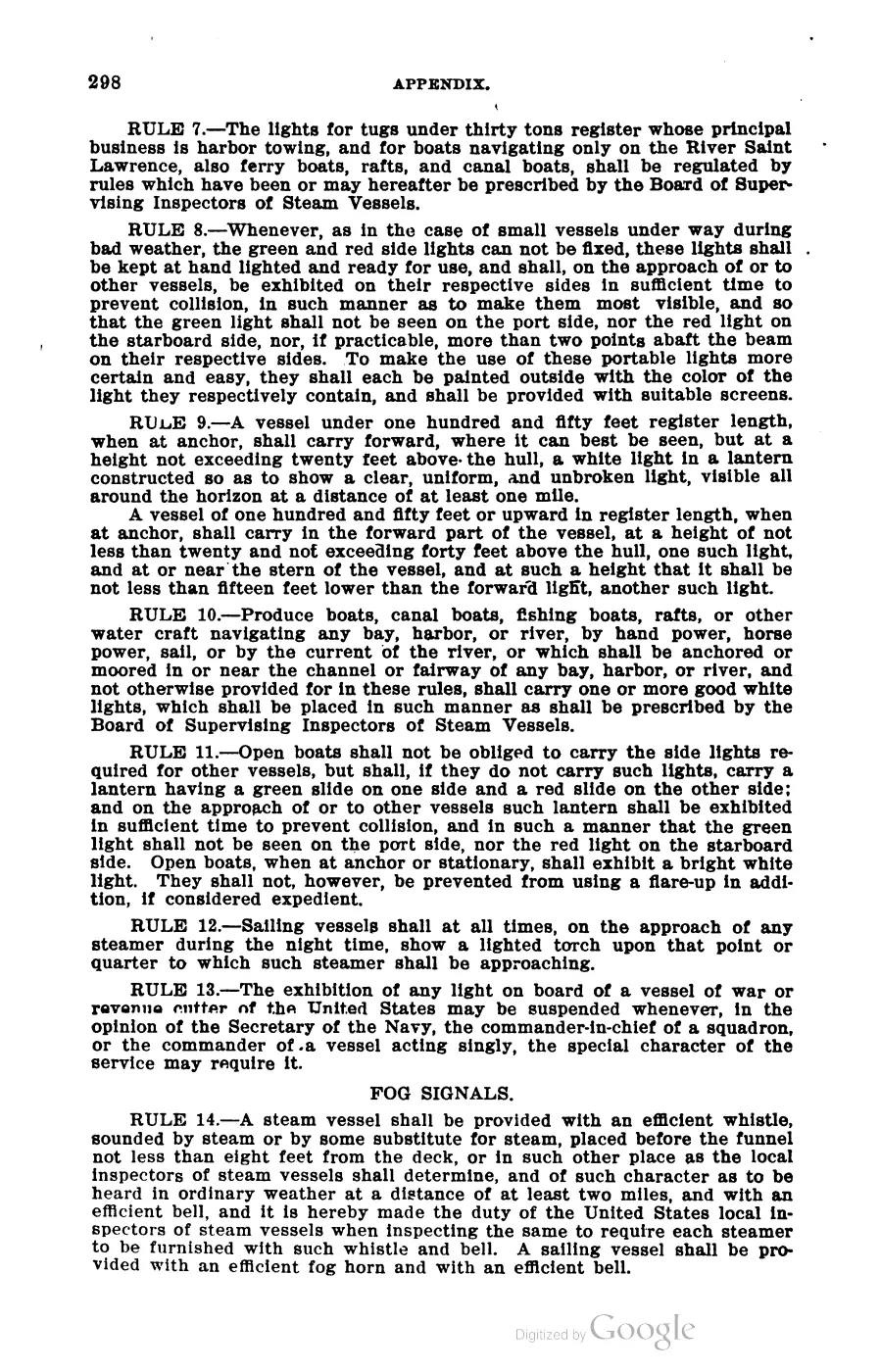
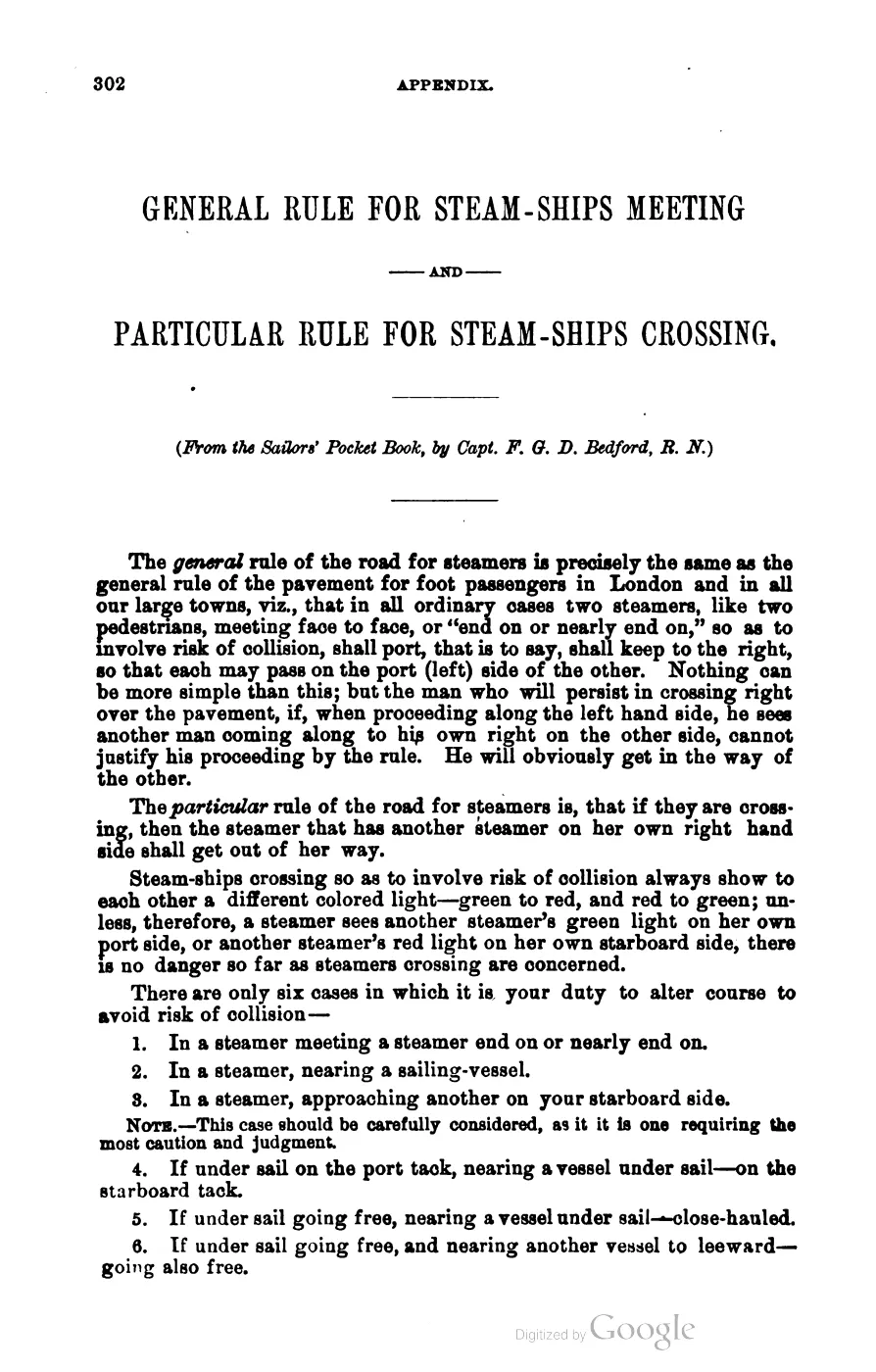
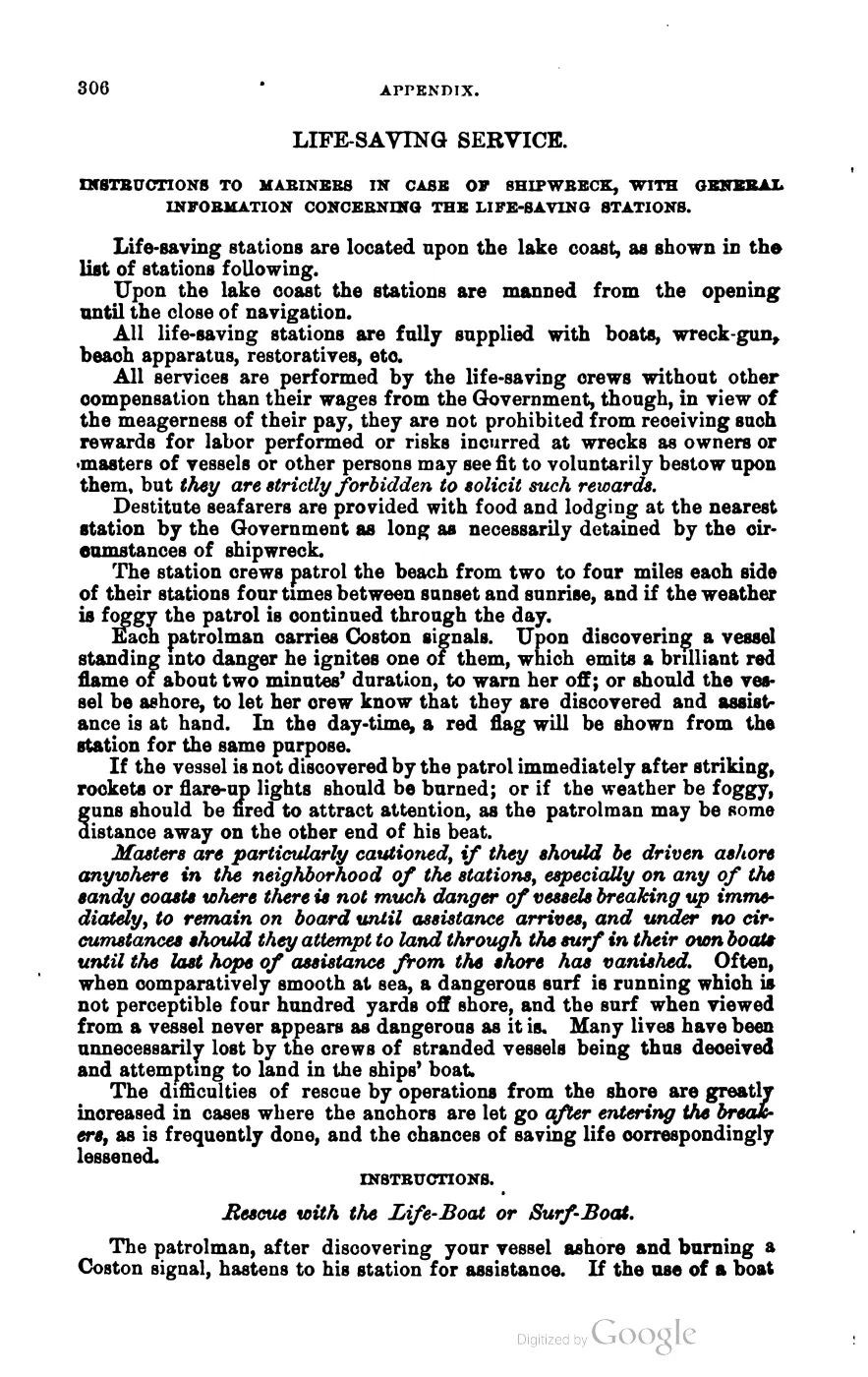





Sources
- A sea-kayaking group asked about Garden Island camping and vegetation; replies discuss variable poison-oak conditions, mosquitoes, changing water levels, and the former Grape Island landform between Garden and Hog Islands, including a coordinate and a NOAA chart link. These are visitor observations and map leads, not current access rules, ecological surveys, or a surveyed shoreline history.forum · www.beaverislandforum.com · 01 · t001098
- A visitor asked about overnight camping, campfires, permits, and transport to Garden Island; a later participant quoted Michigan dispersed-camping guidance and linked a Garden Island excursion page. The thread documents contemporary visitor questions and informal guidance, not a permit, a completed trip, a current regulation, or a surveyed camping site.forum · www.beaverislandforum.com · 00 · t000586
- Area 20.31 km² computed in EPSG:3078.osm · islands
- GNIS feature 626637; feature class 'Island'.federal · gnis · gnis_names
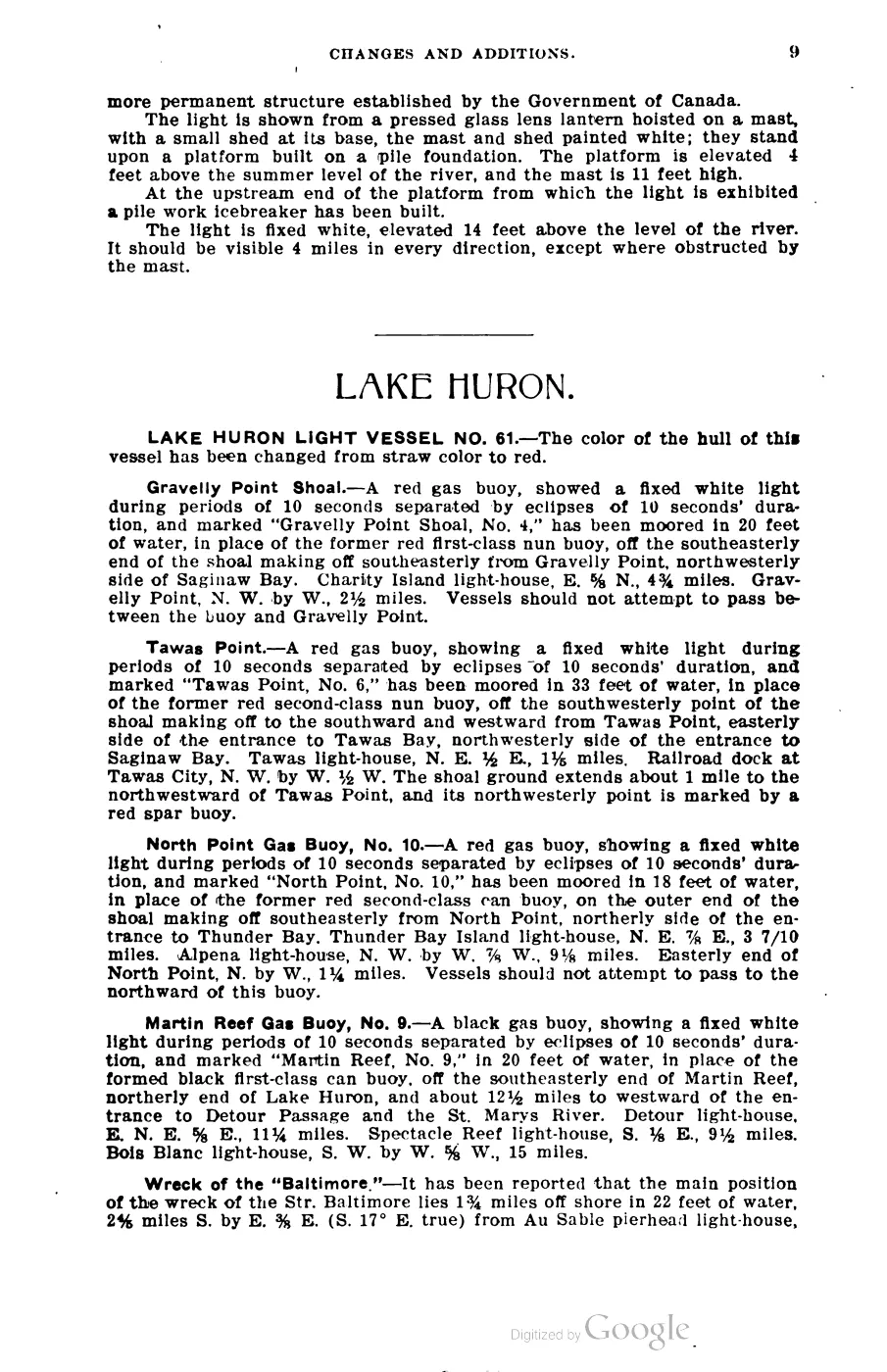
- Described in this archive: A Child of the Sea; and Life among the Mormons, 1905.Settler eyewitness, partly firsthand: her husband was appointed a government schoolteacher to the Garden Island community in July 1862 and they stayed two years. Supports 'There was a large band of Indians living on Garden Island... This island had been deeded to them by the government as their own' (p. 64); the naming statement and Strang's Mormon schoolteacher sent over for three years (p. 82); and the school's size, its discontinuation after two years, and 'The Chief's Garden' (pp. 210-211). Uses period-derogatory register throughout.
- Described in this archive: Ancient and Modern Michilimackinac, 1854.Written by Strang himself, an interested party asserting authority over the archipelago. Supports the gazetteer entry for Garden Island - Tagoning, about two hundred residents, subsistence by fishing and corn and potatoes, literacy, and the claim that 'the Mormons have taken pains to keep off the Whites' (p. 45); the listing of Garden Island among five Indian villages of Emmet County, the removal from the north end of Beaver Island 'within six years', literacy in Anishinaabemowin and the annual priest's visit with a headman reading service in his absence (pp. 21-22); and constable Fields' attempt to arrest Eri J. Moore, who 'was on Garden Island selling whiskey to the Indians' (p. 28). Folios read from the running heads of the copy at this local_path; the other Internet Archive printing held here carries the gazetteer entry on p. 46.
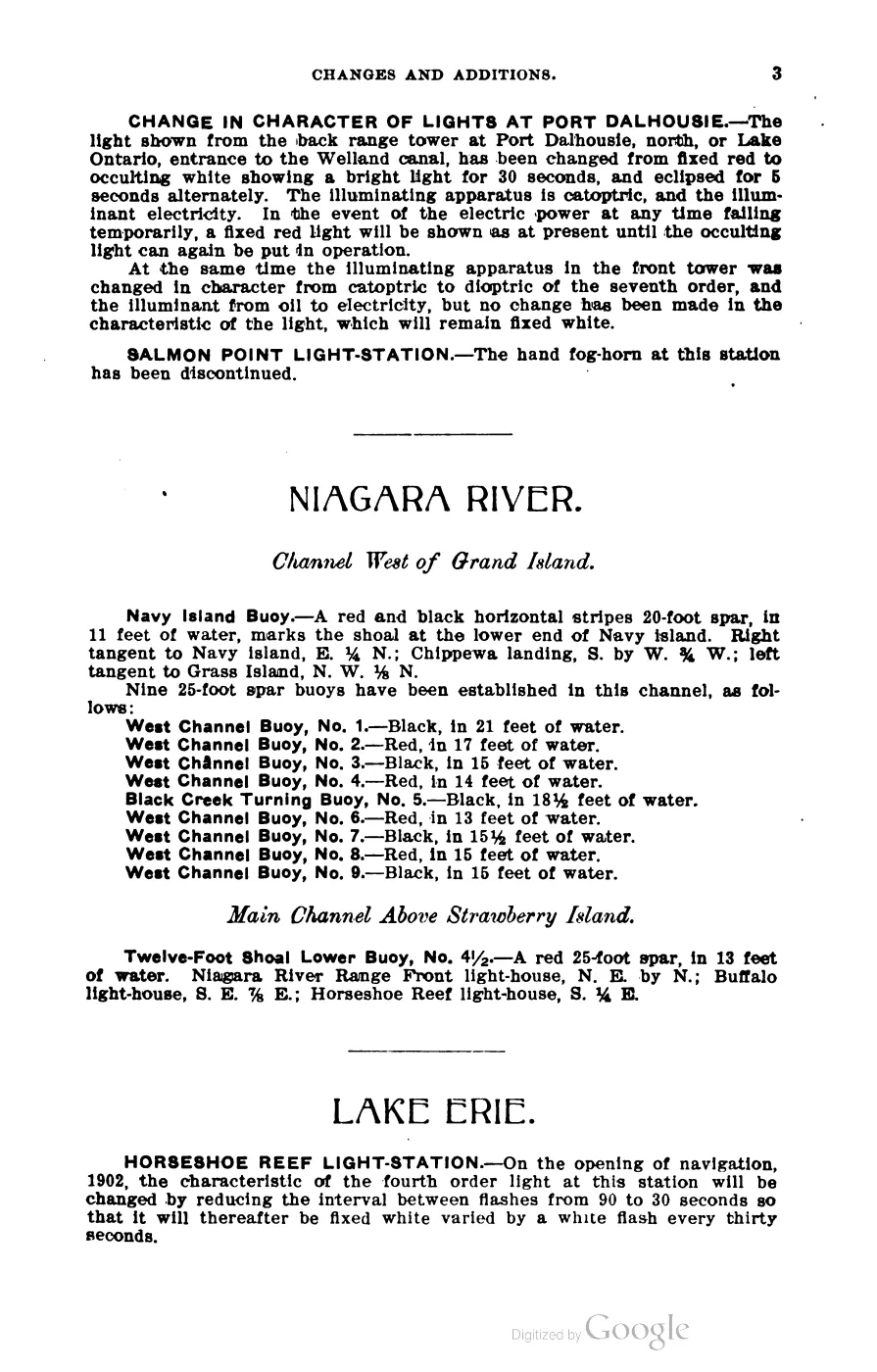
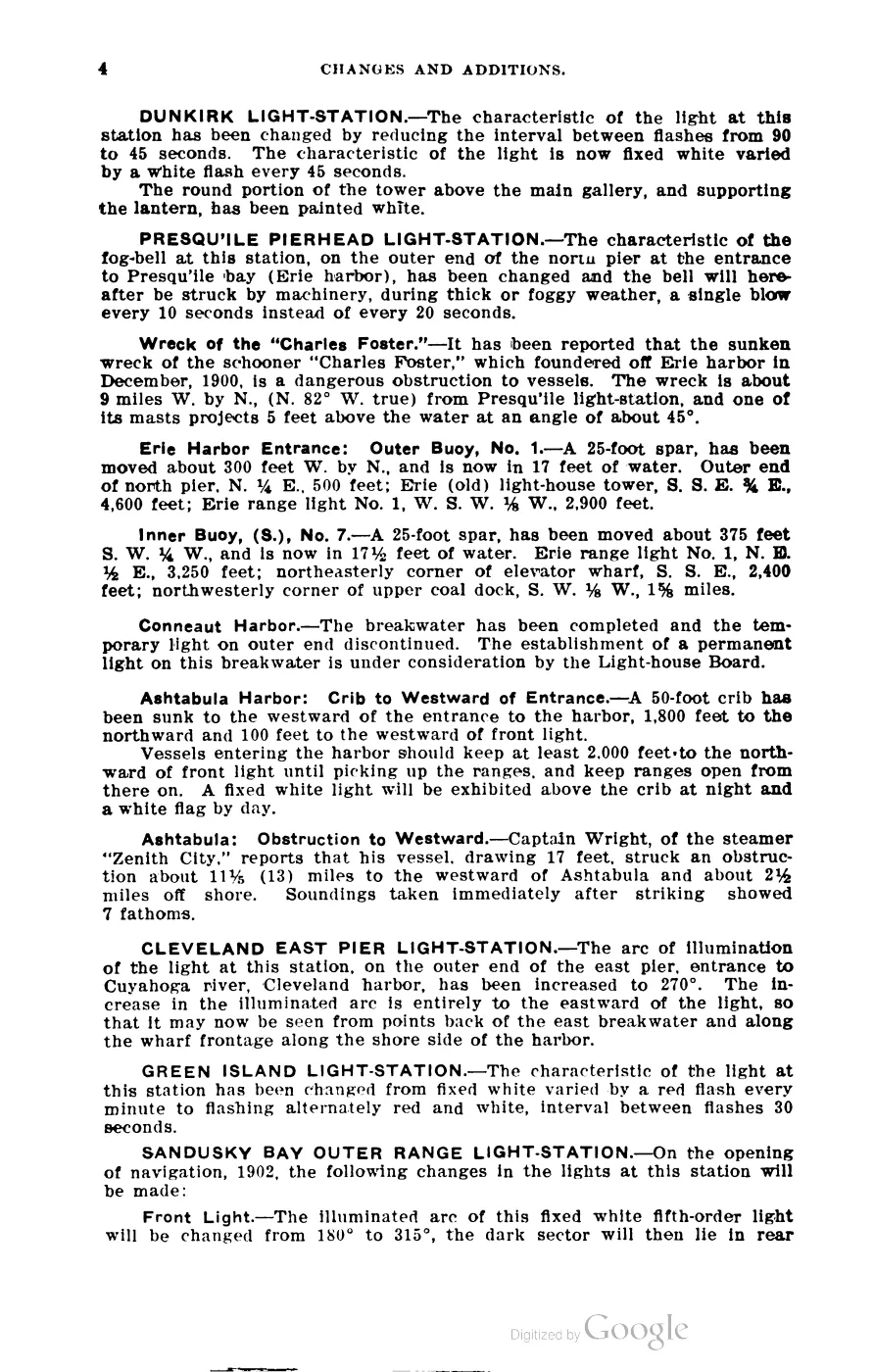
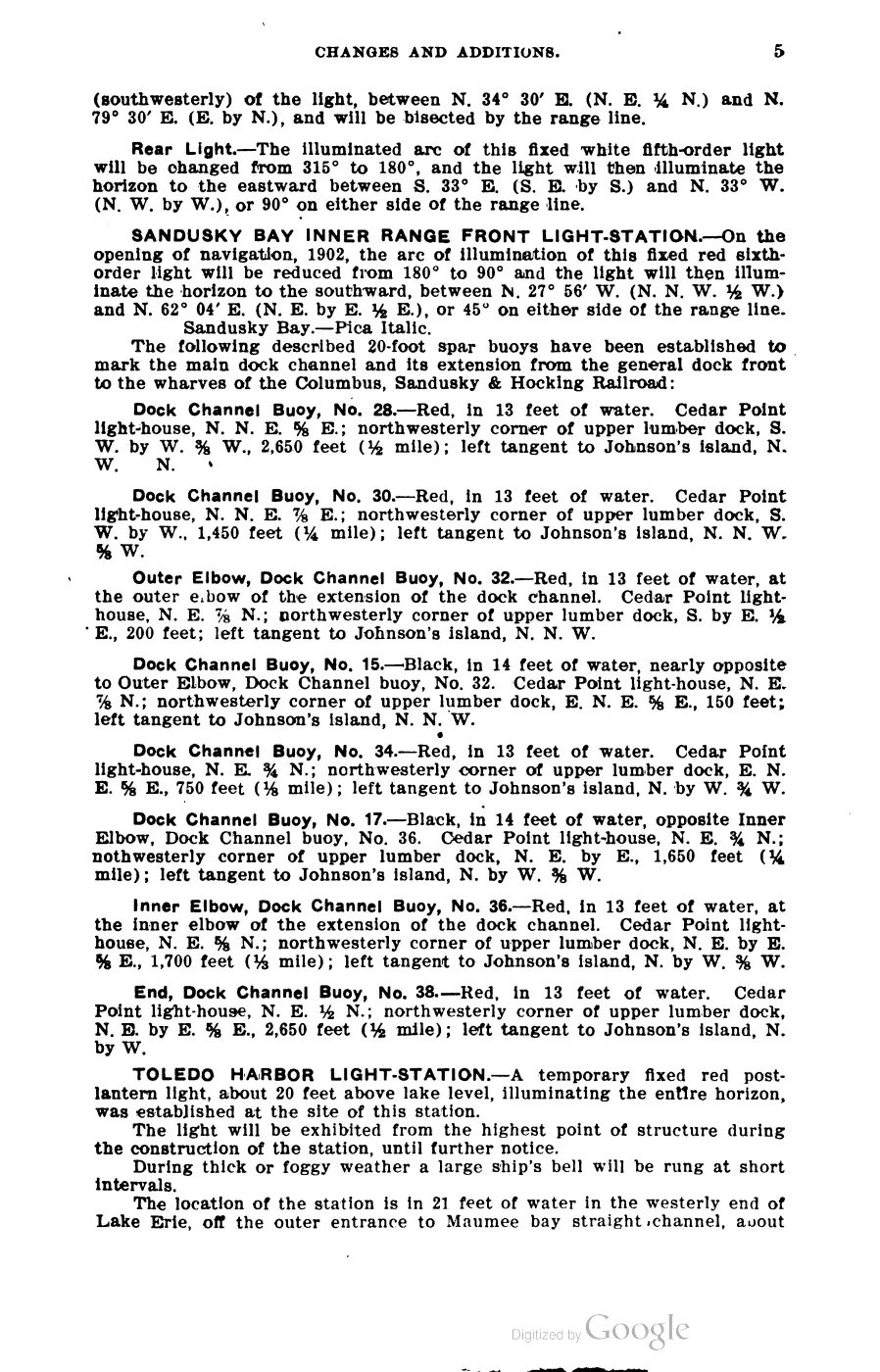
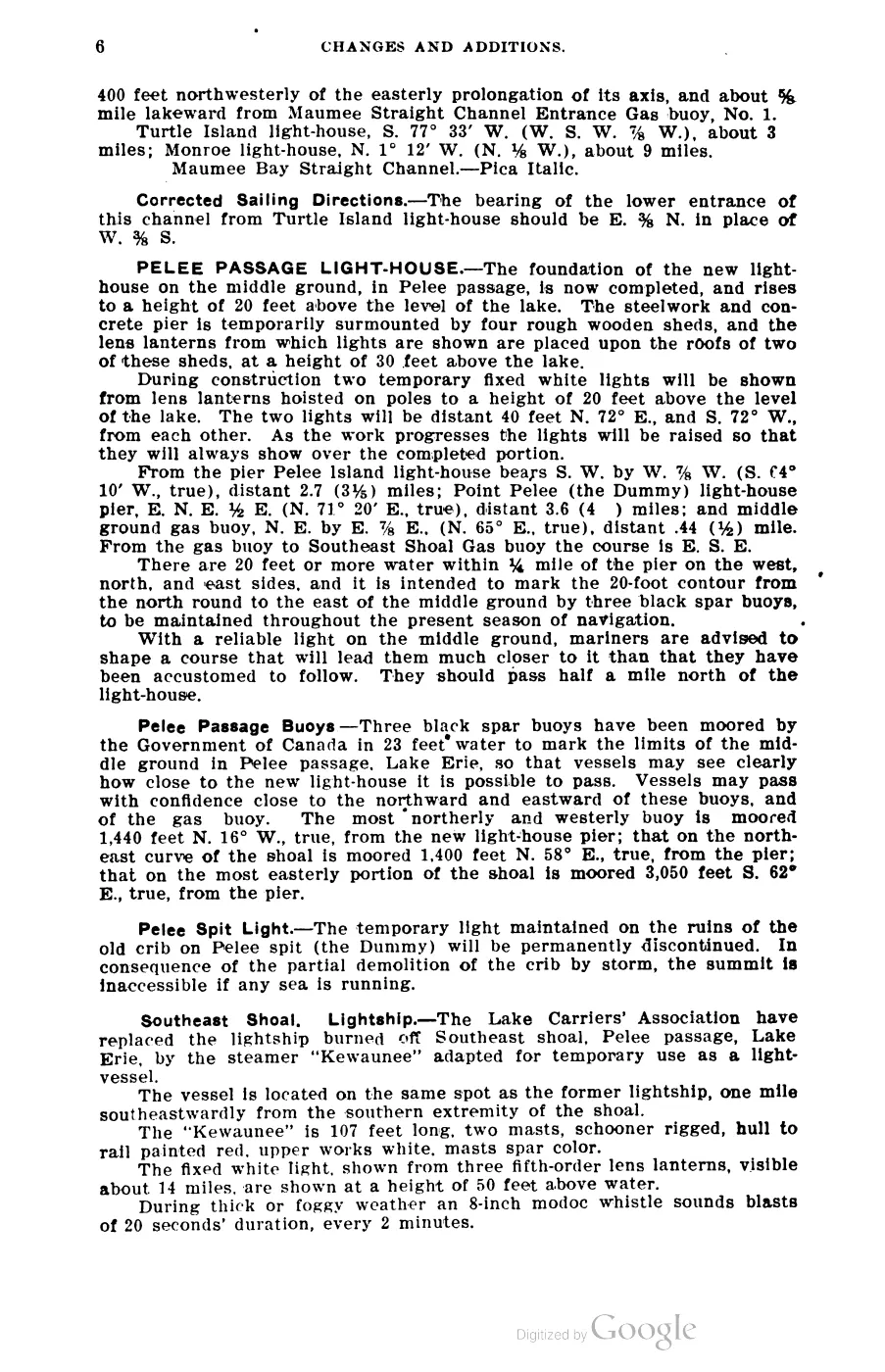
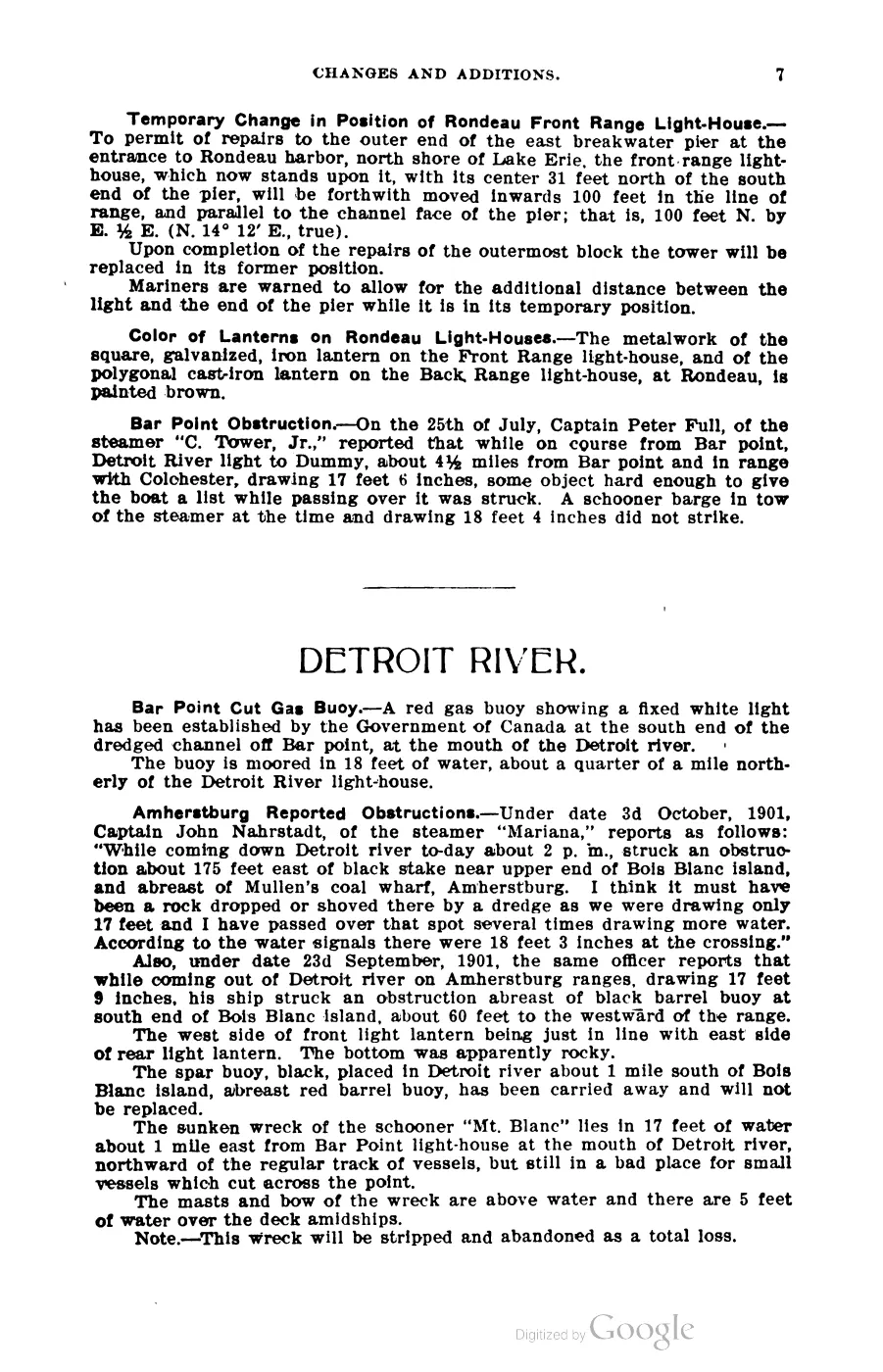
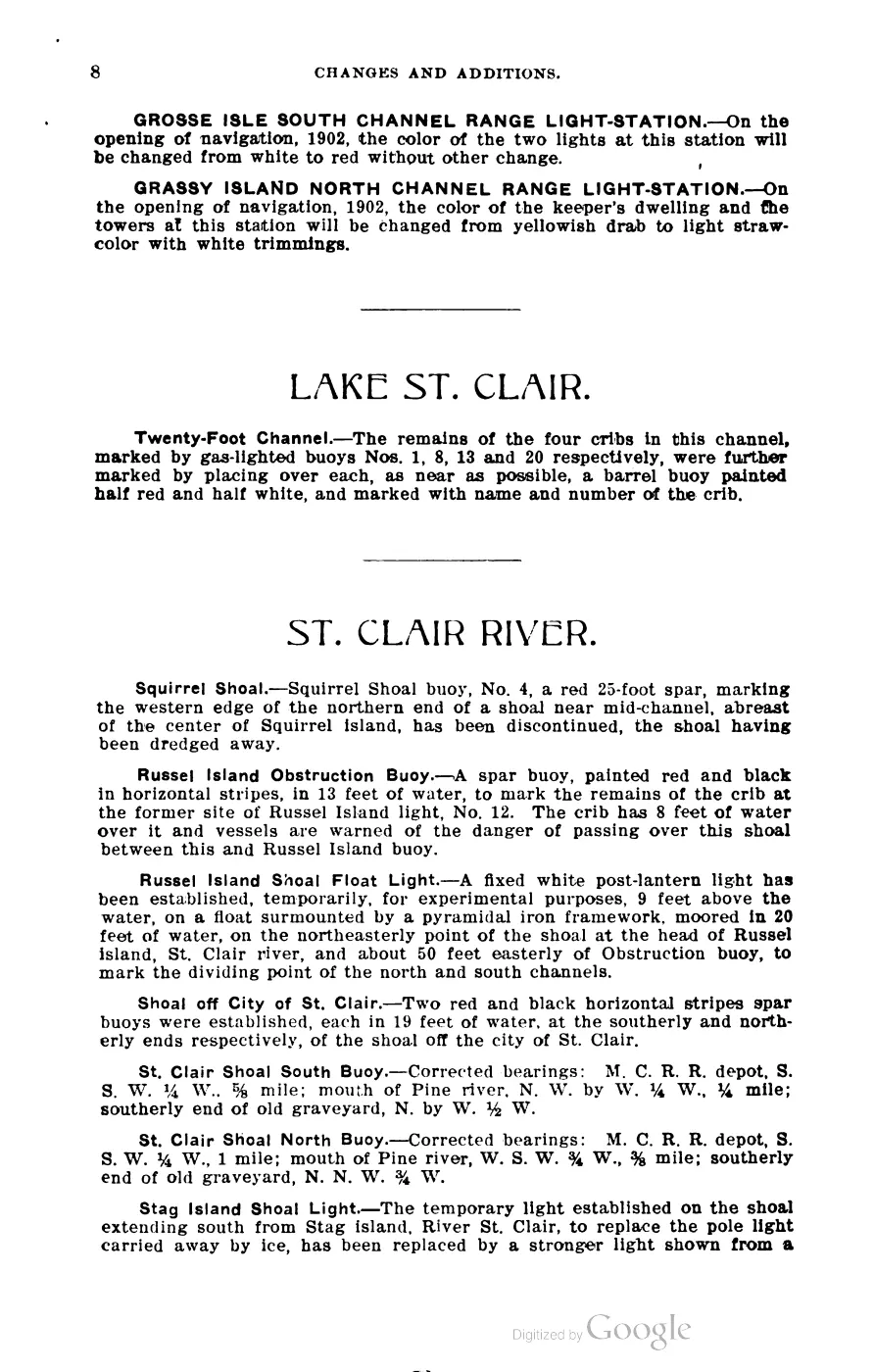
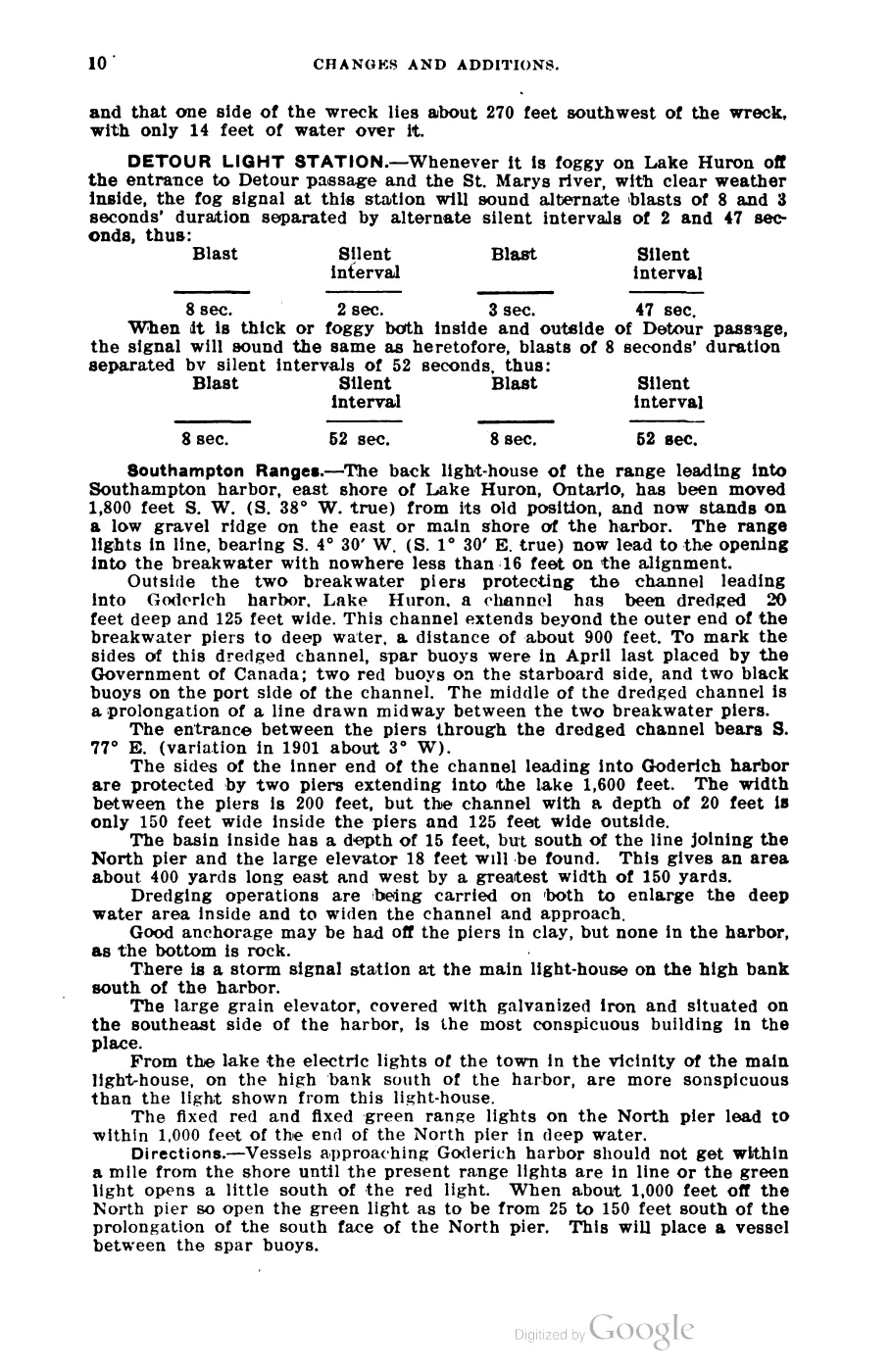
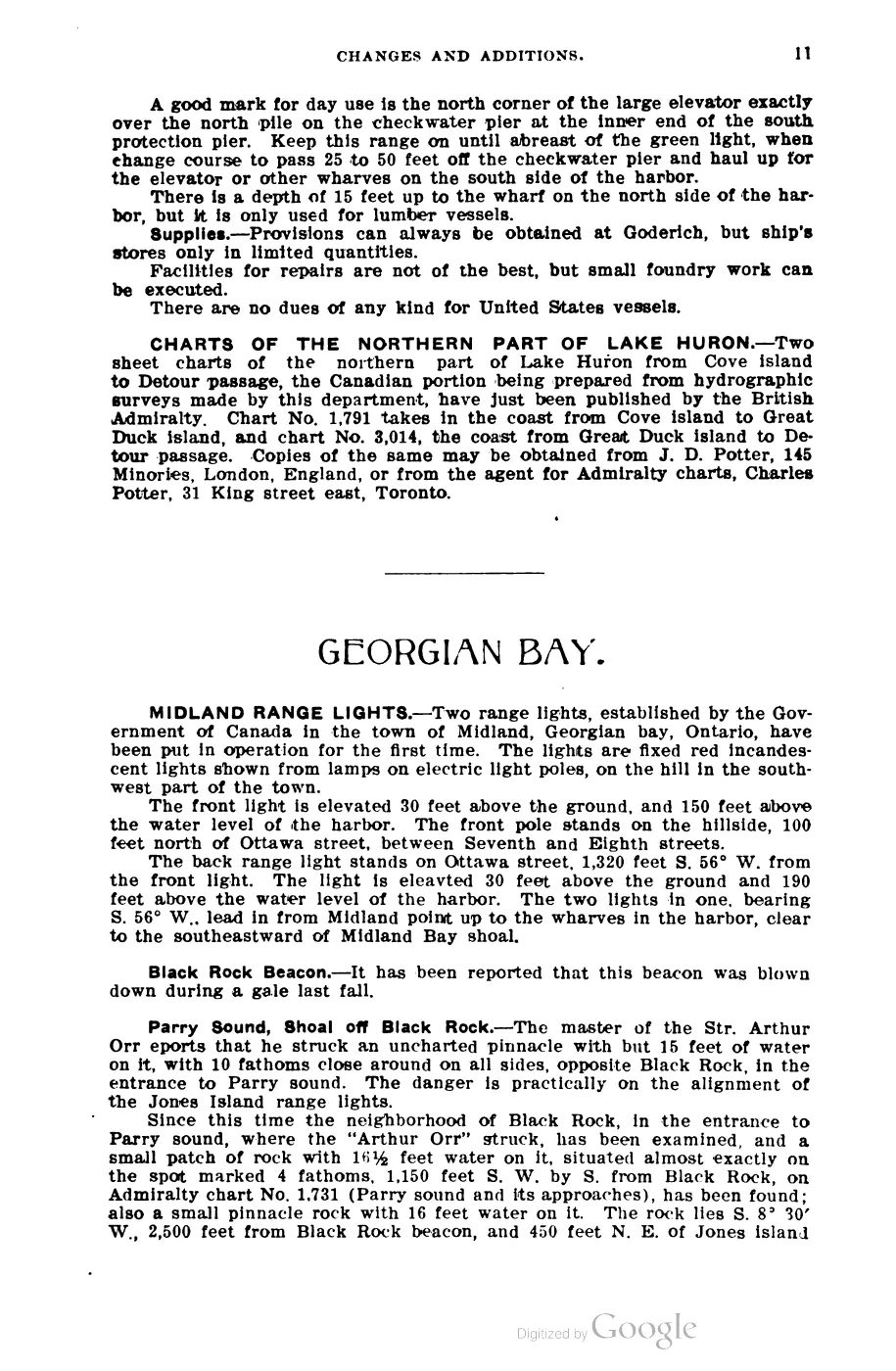
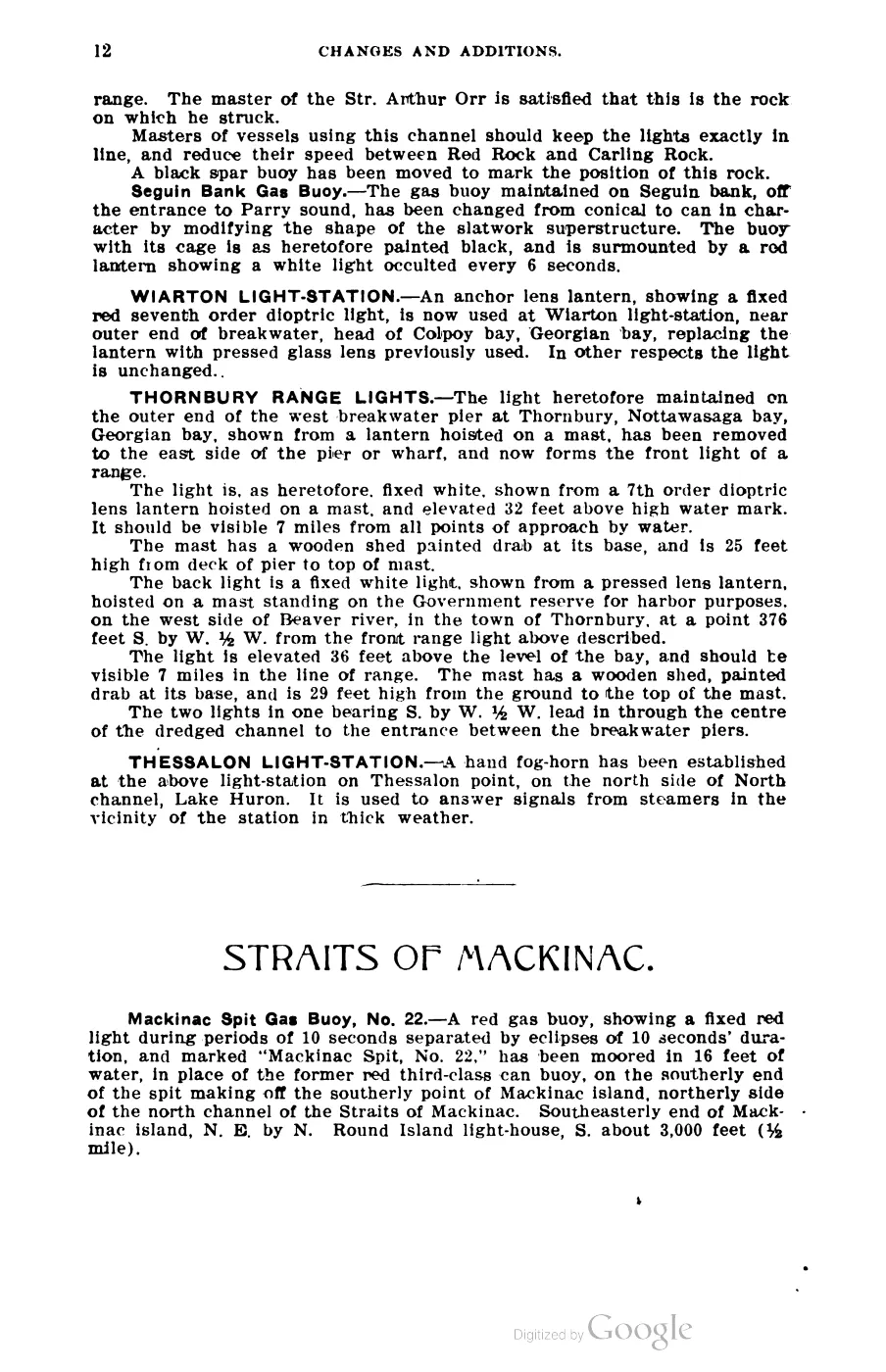
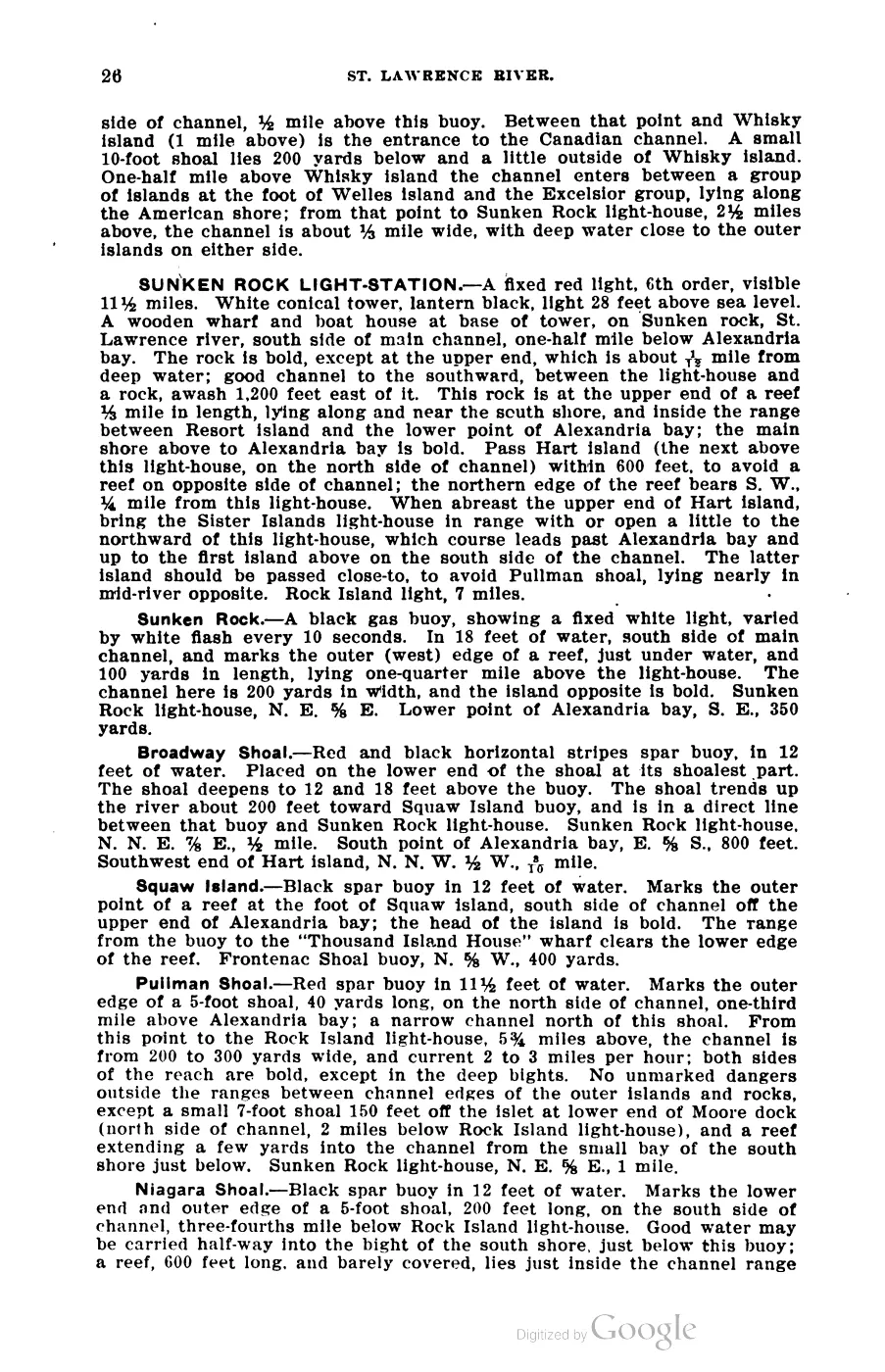
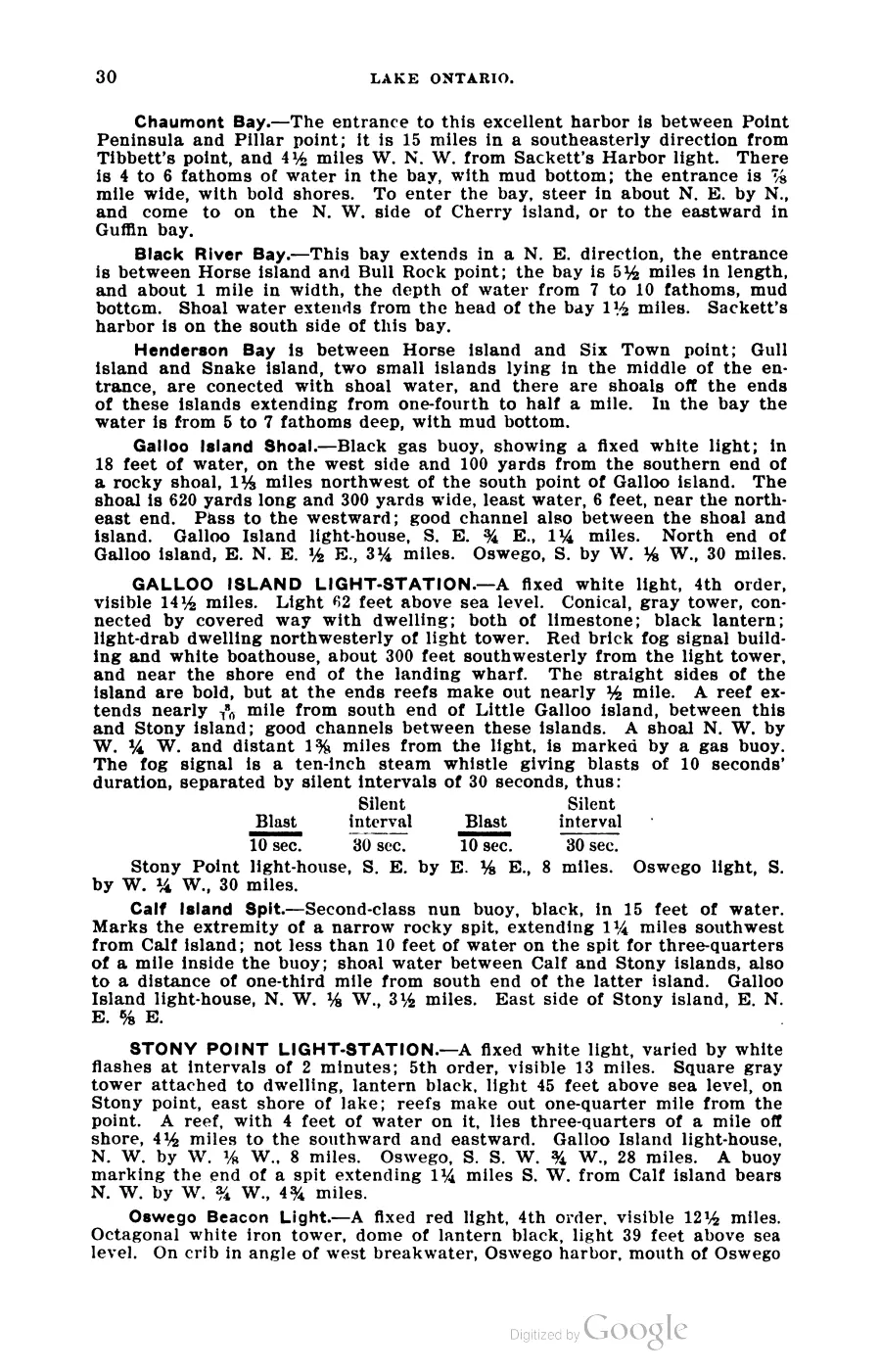
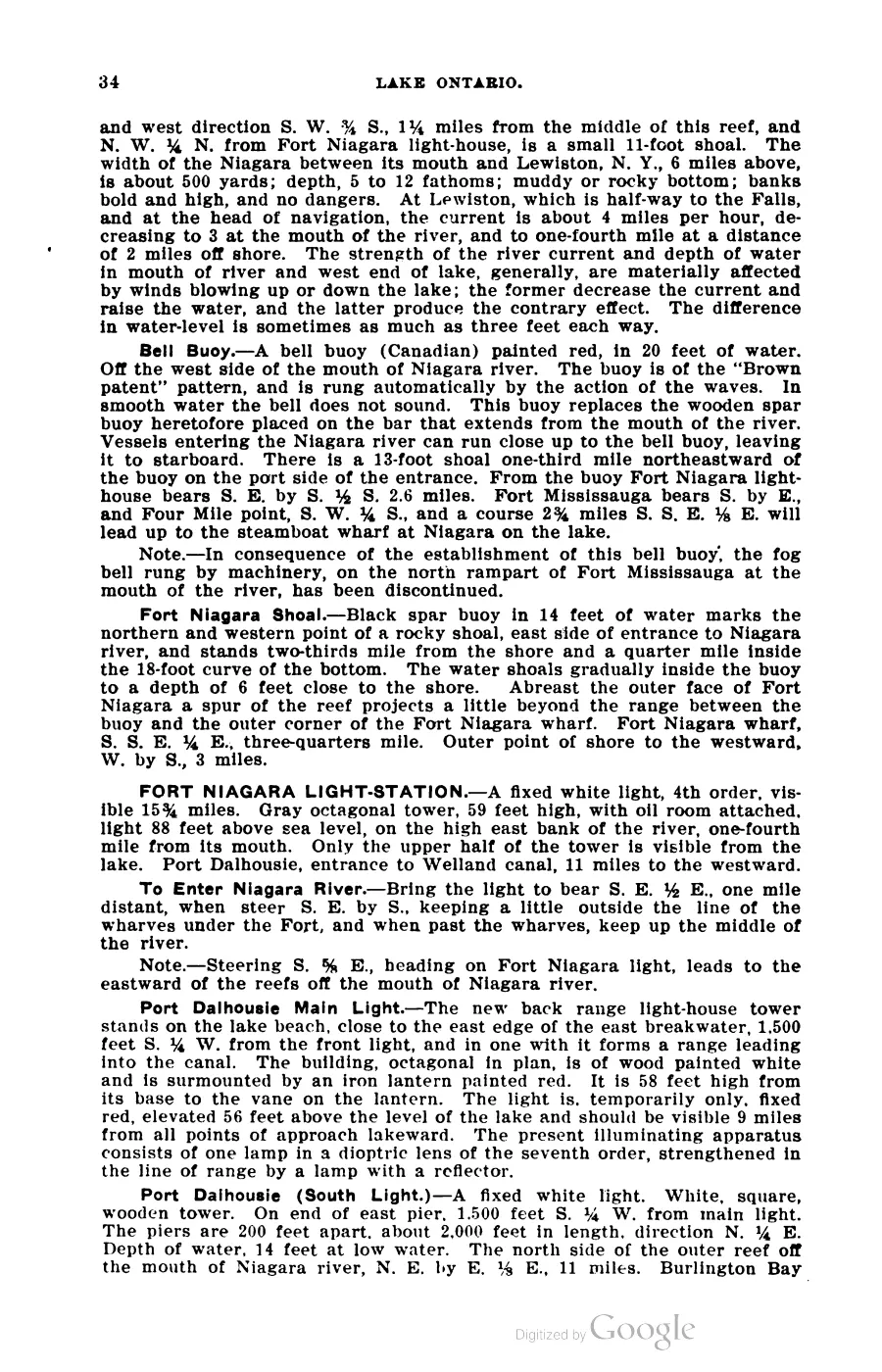
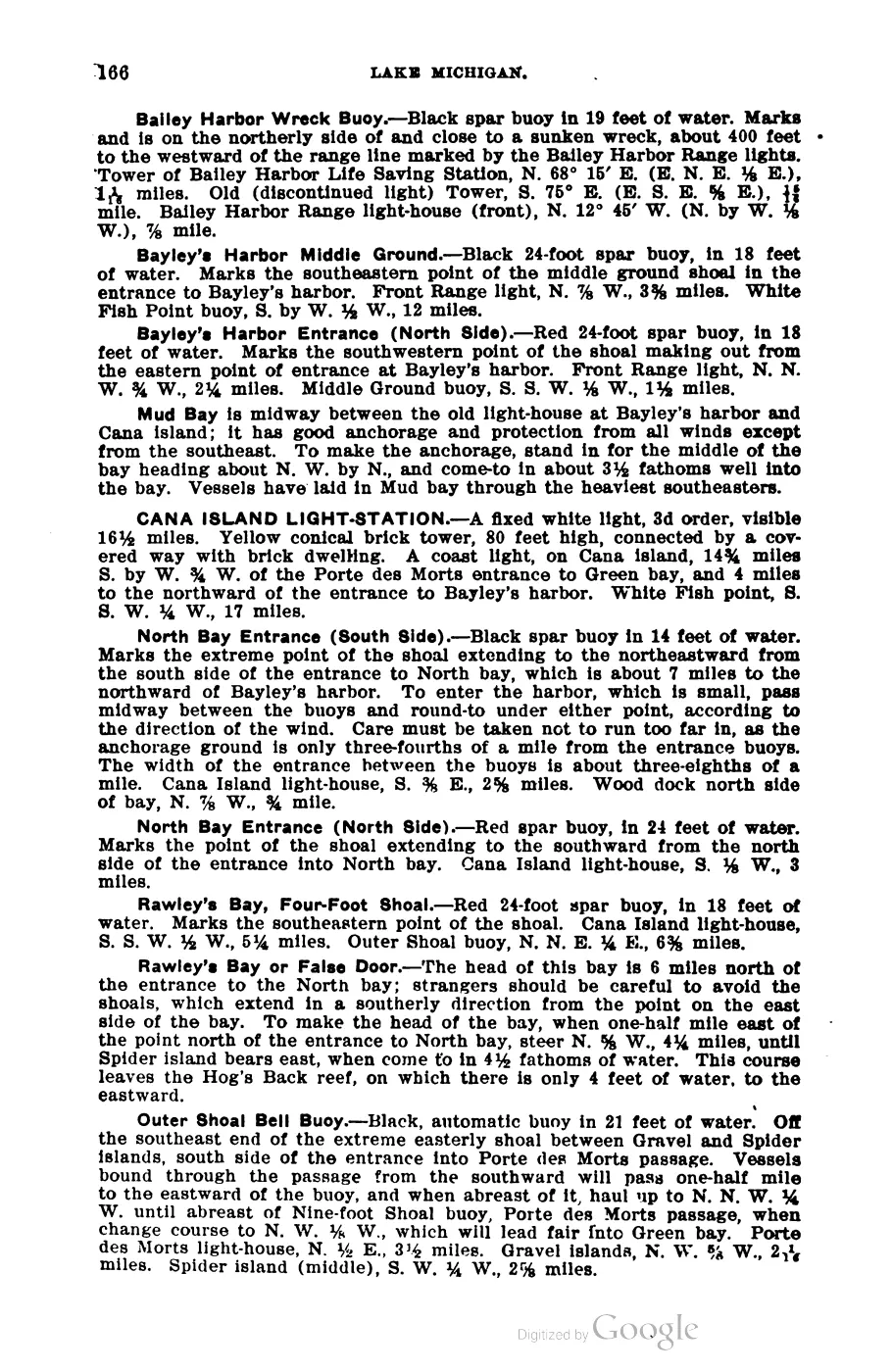
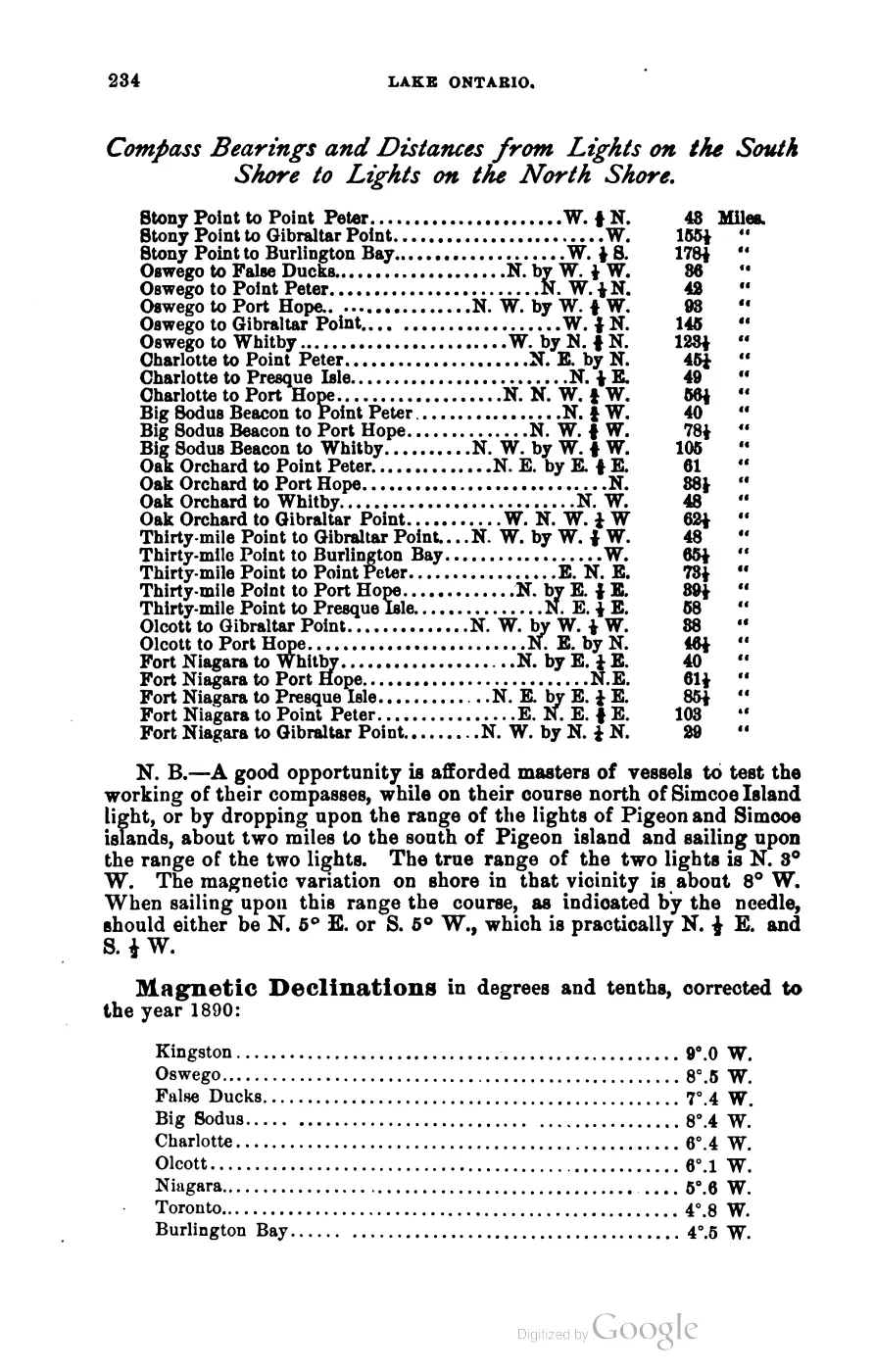
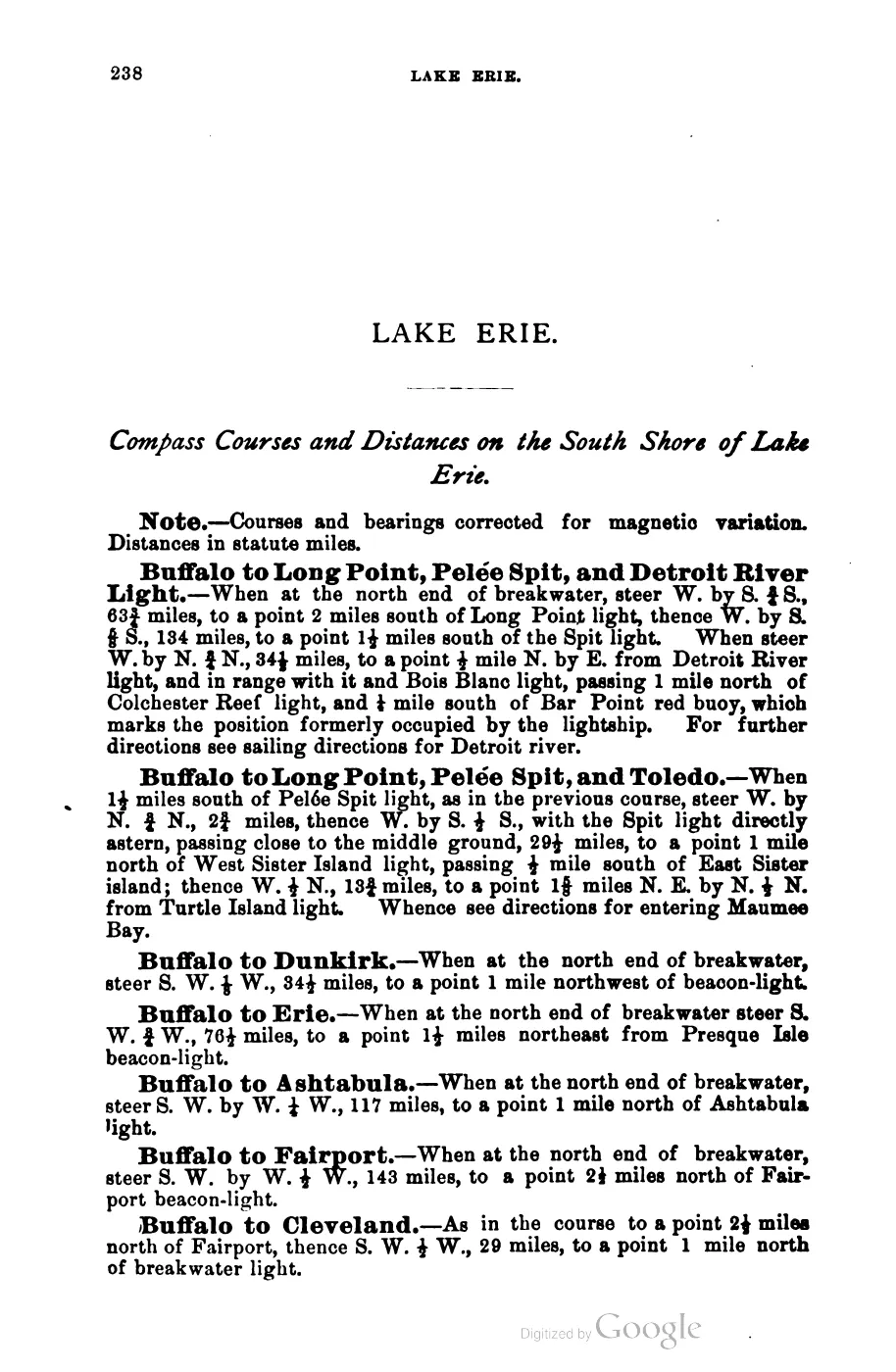
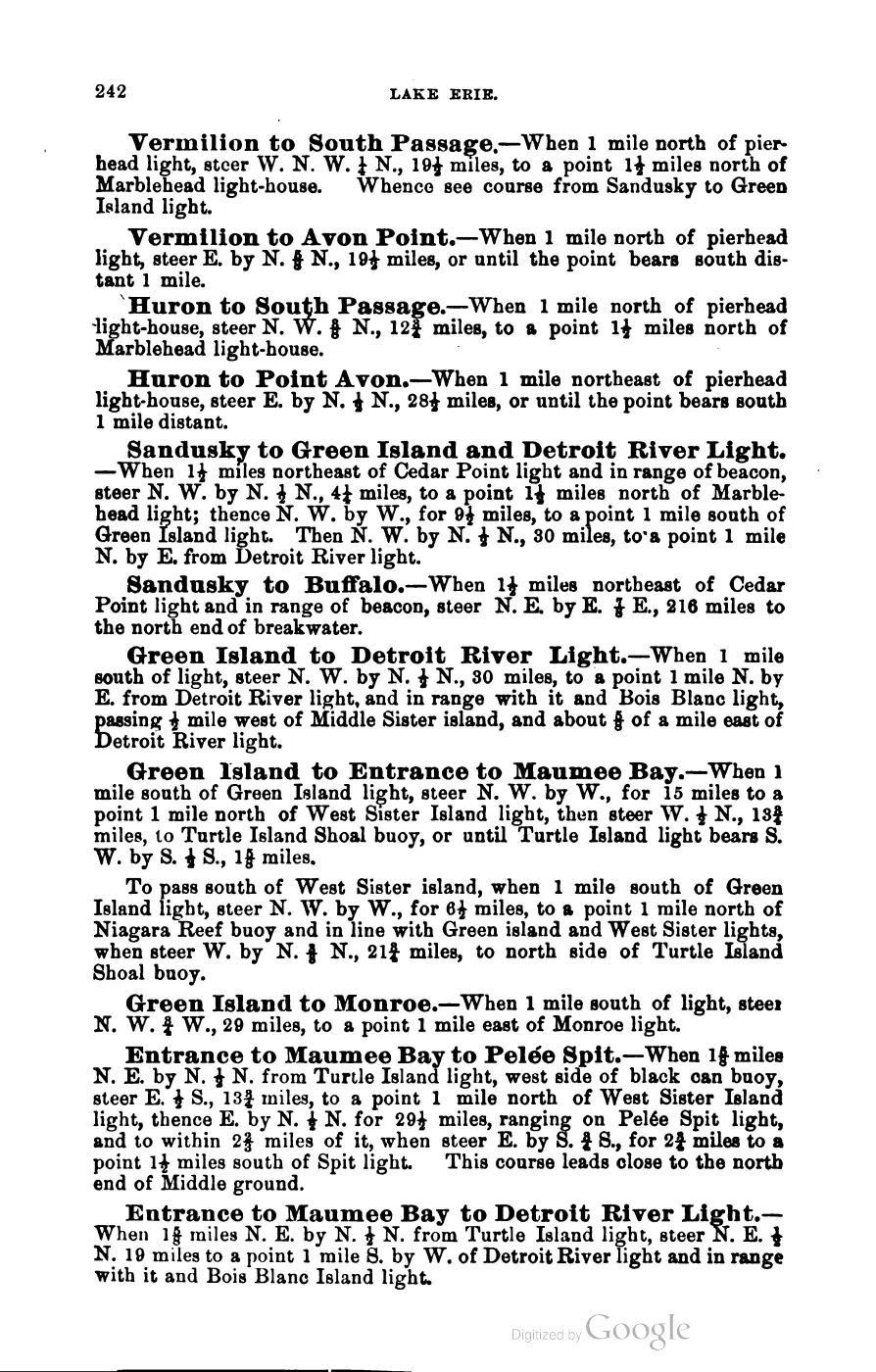
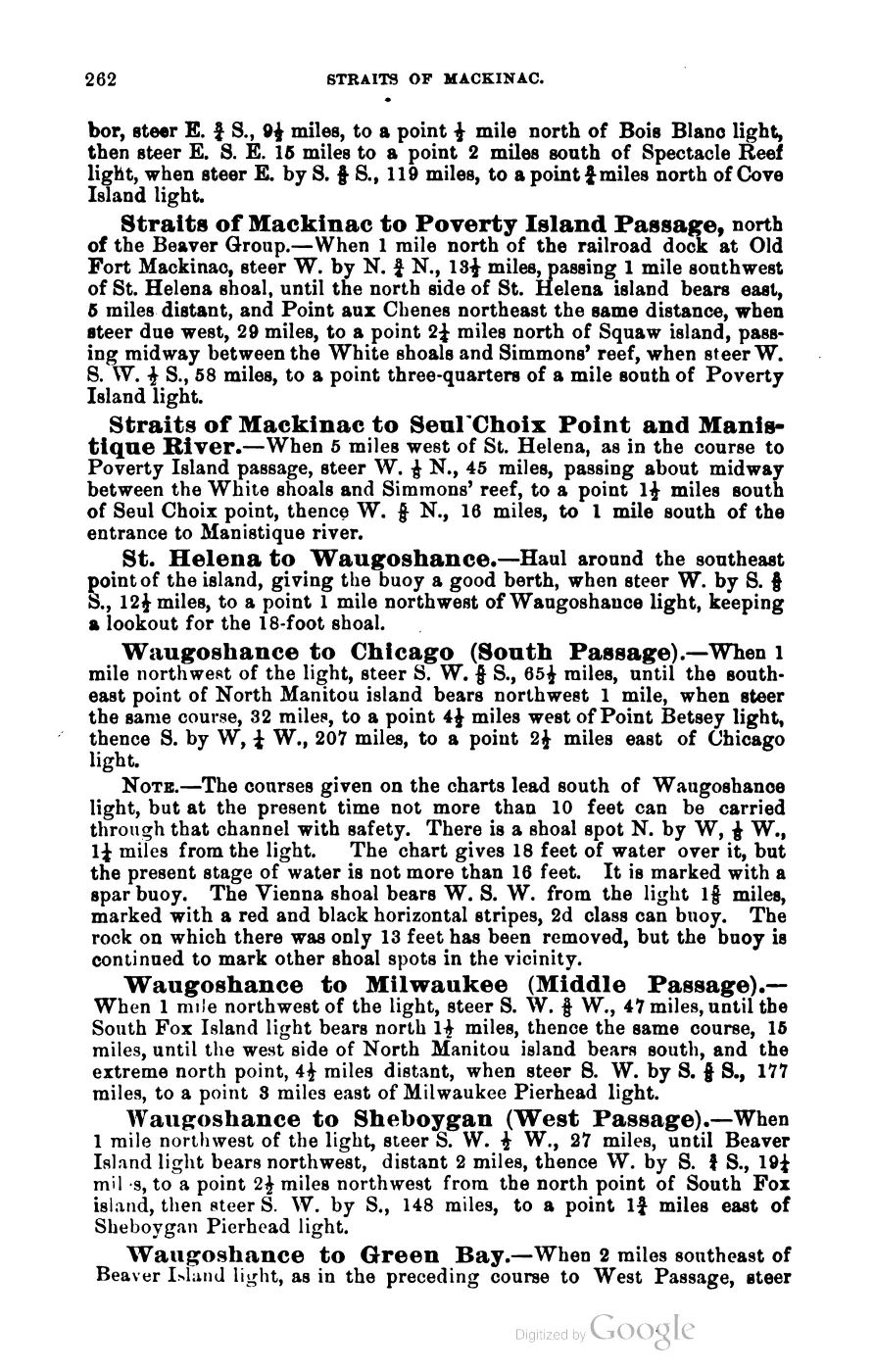
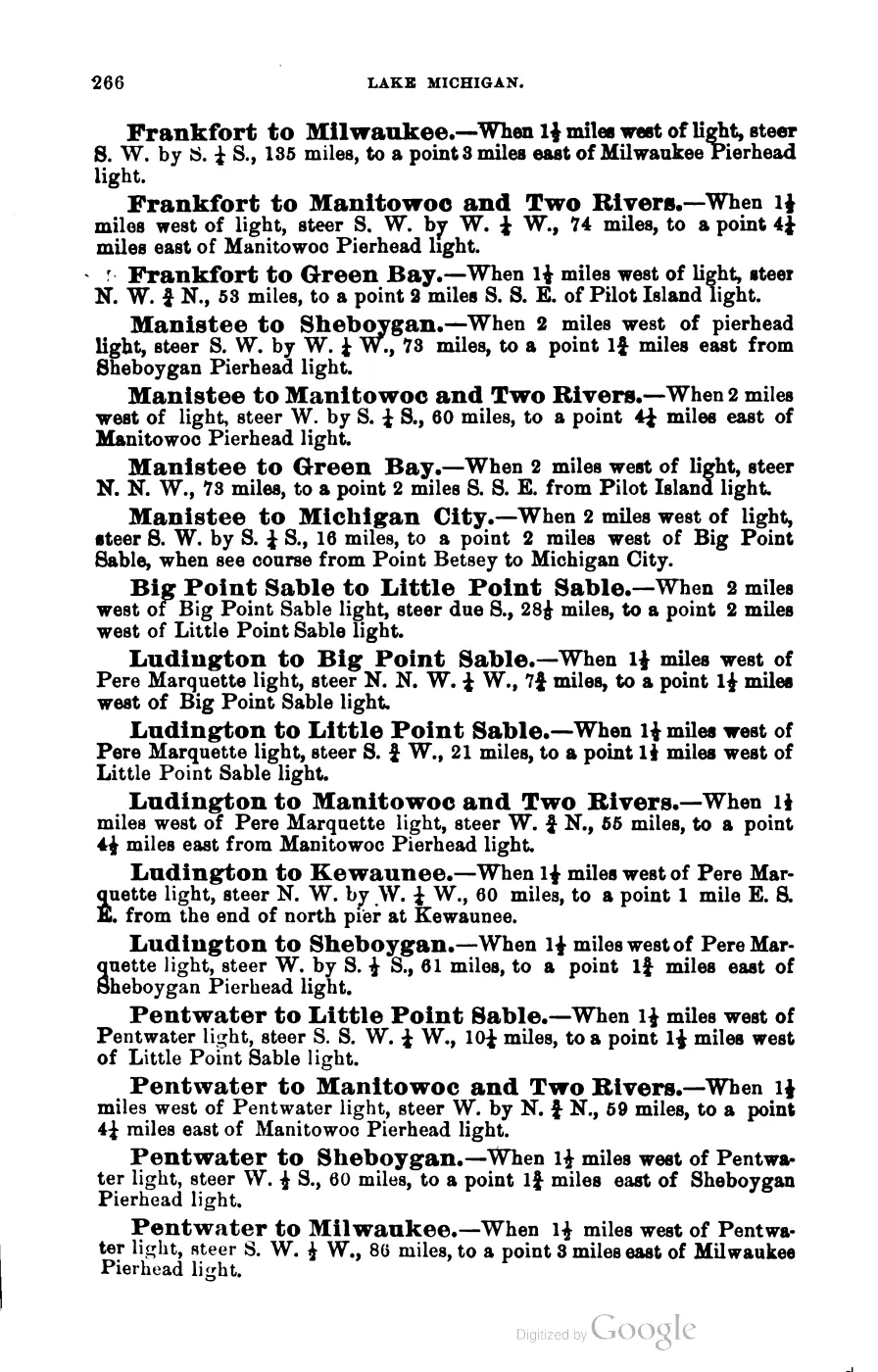
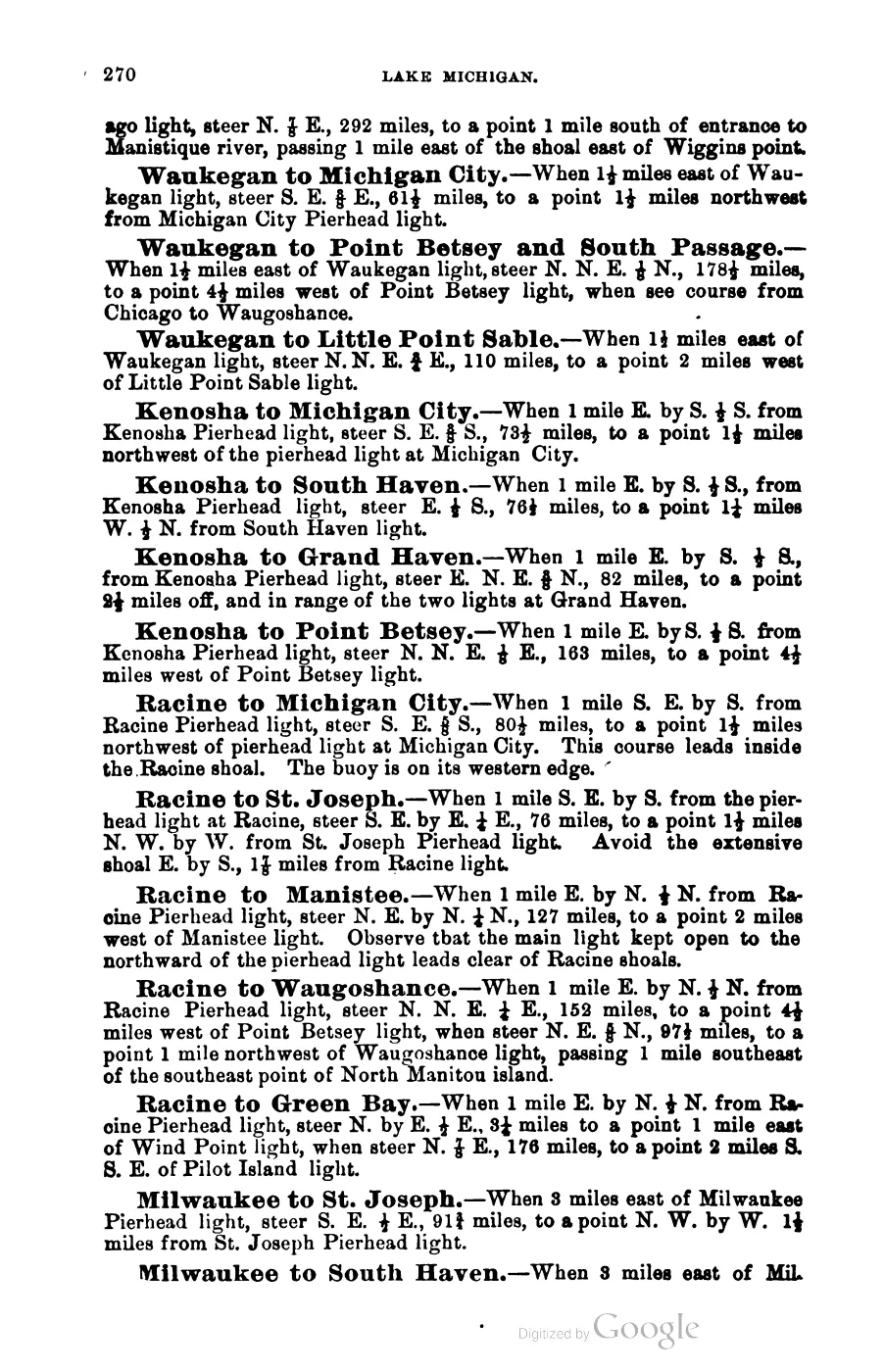
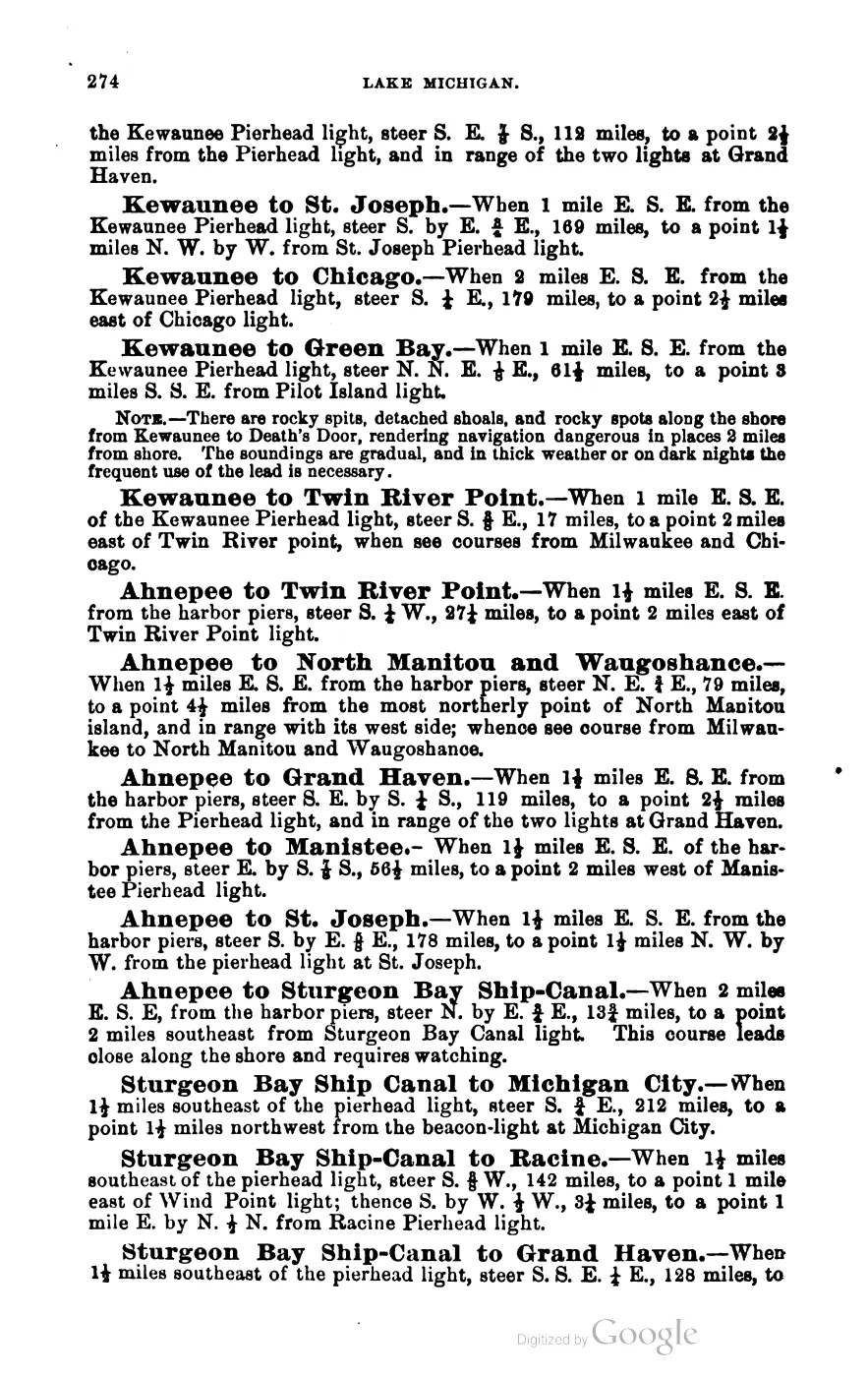
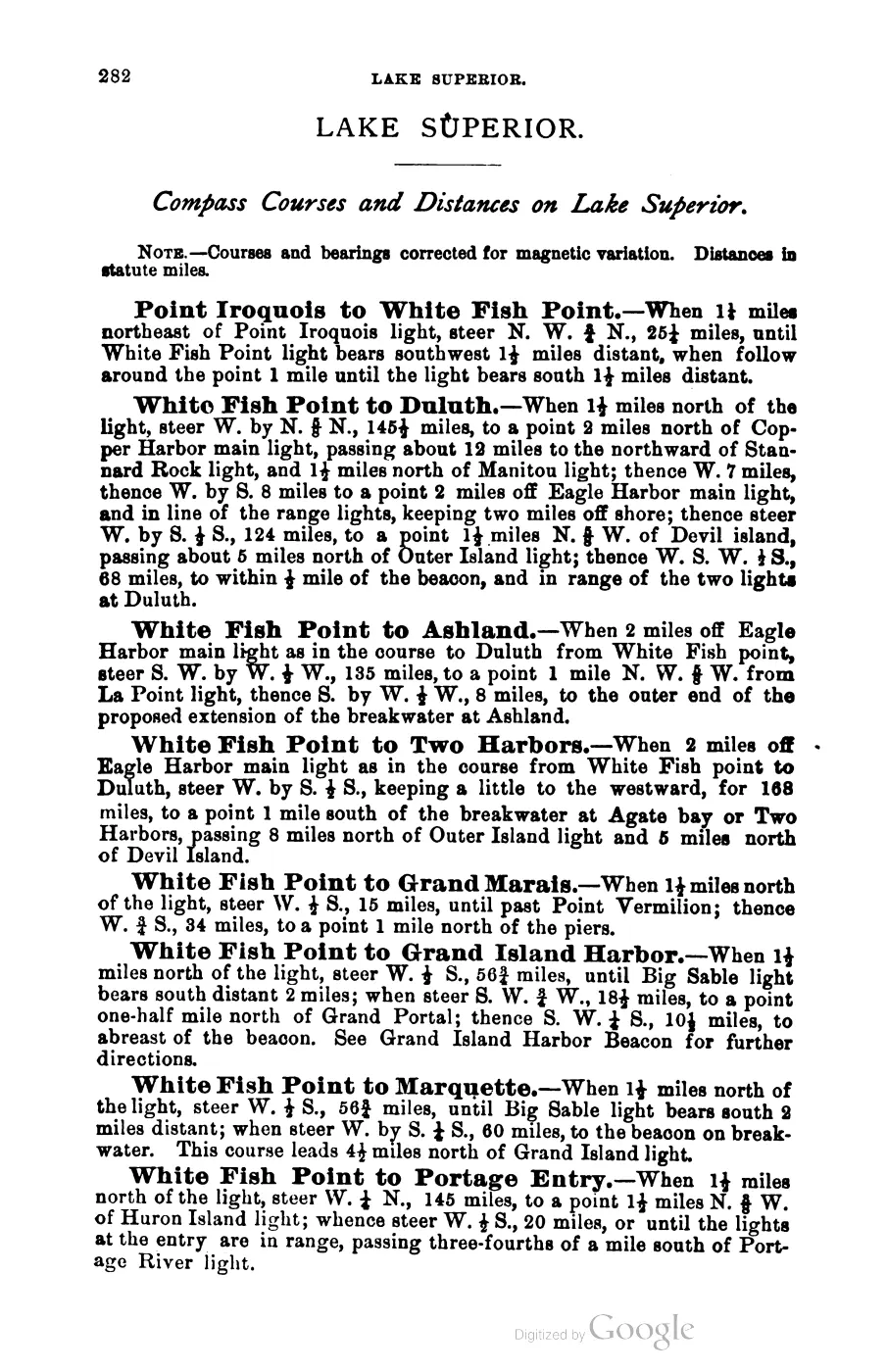
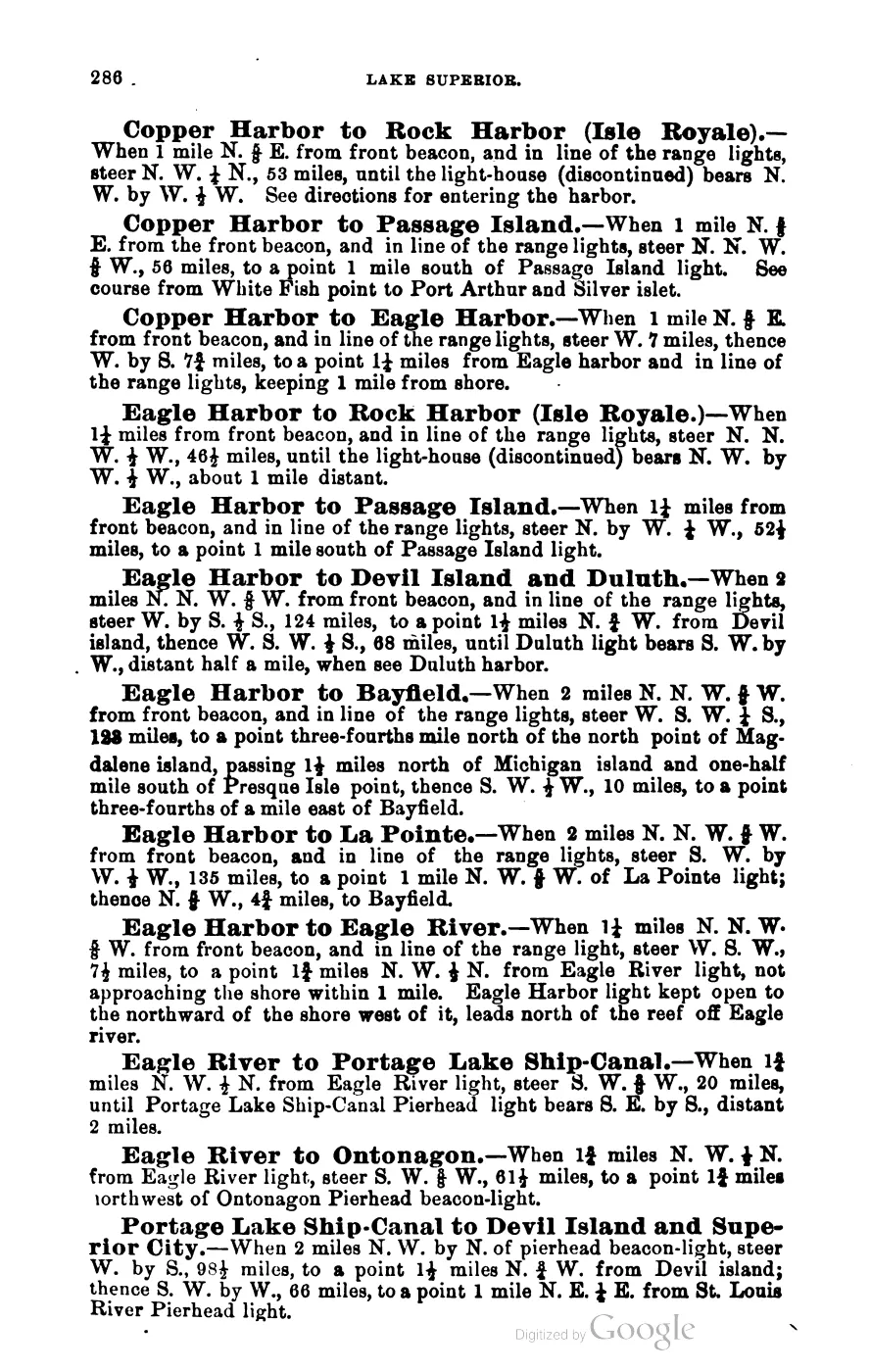
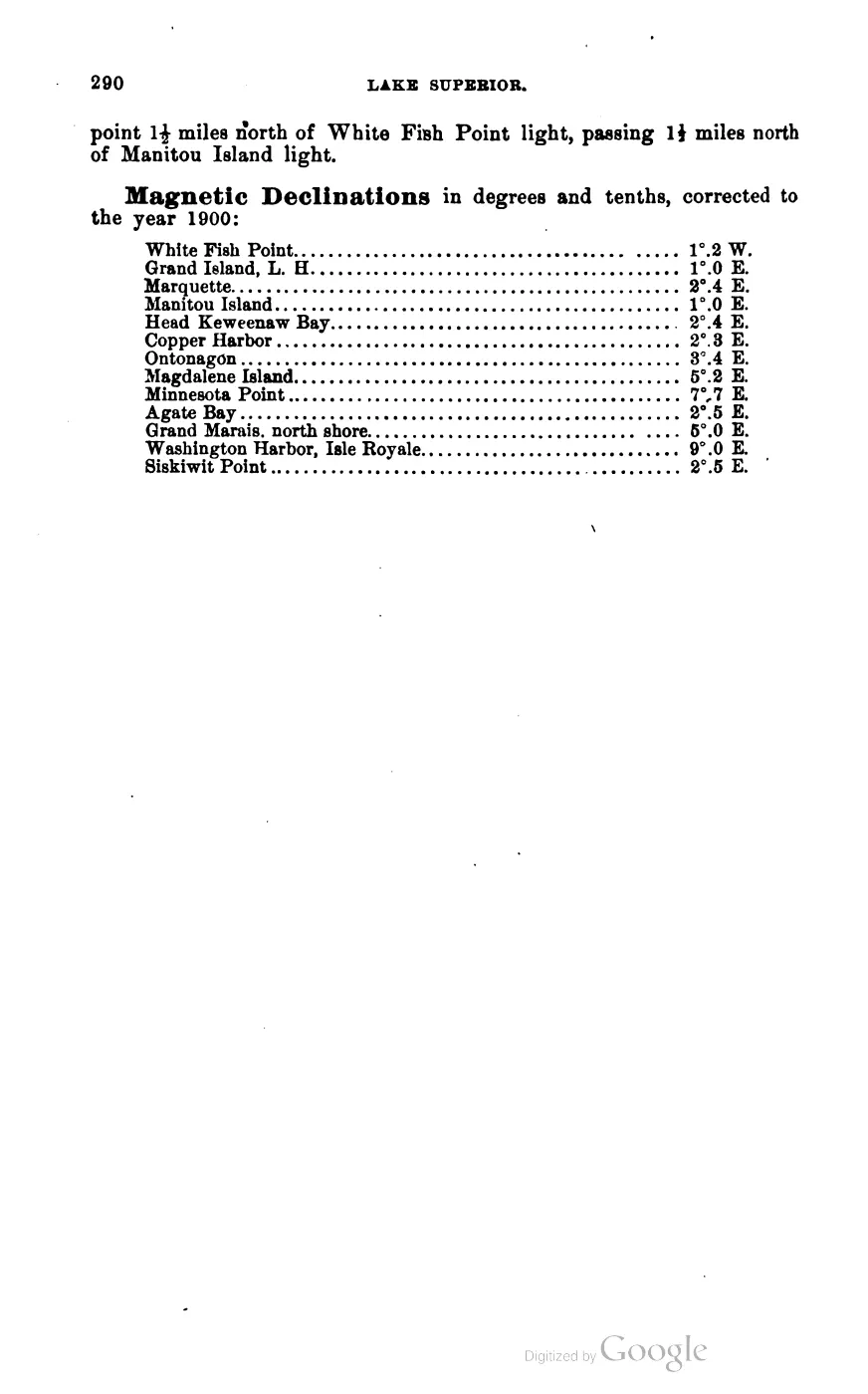
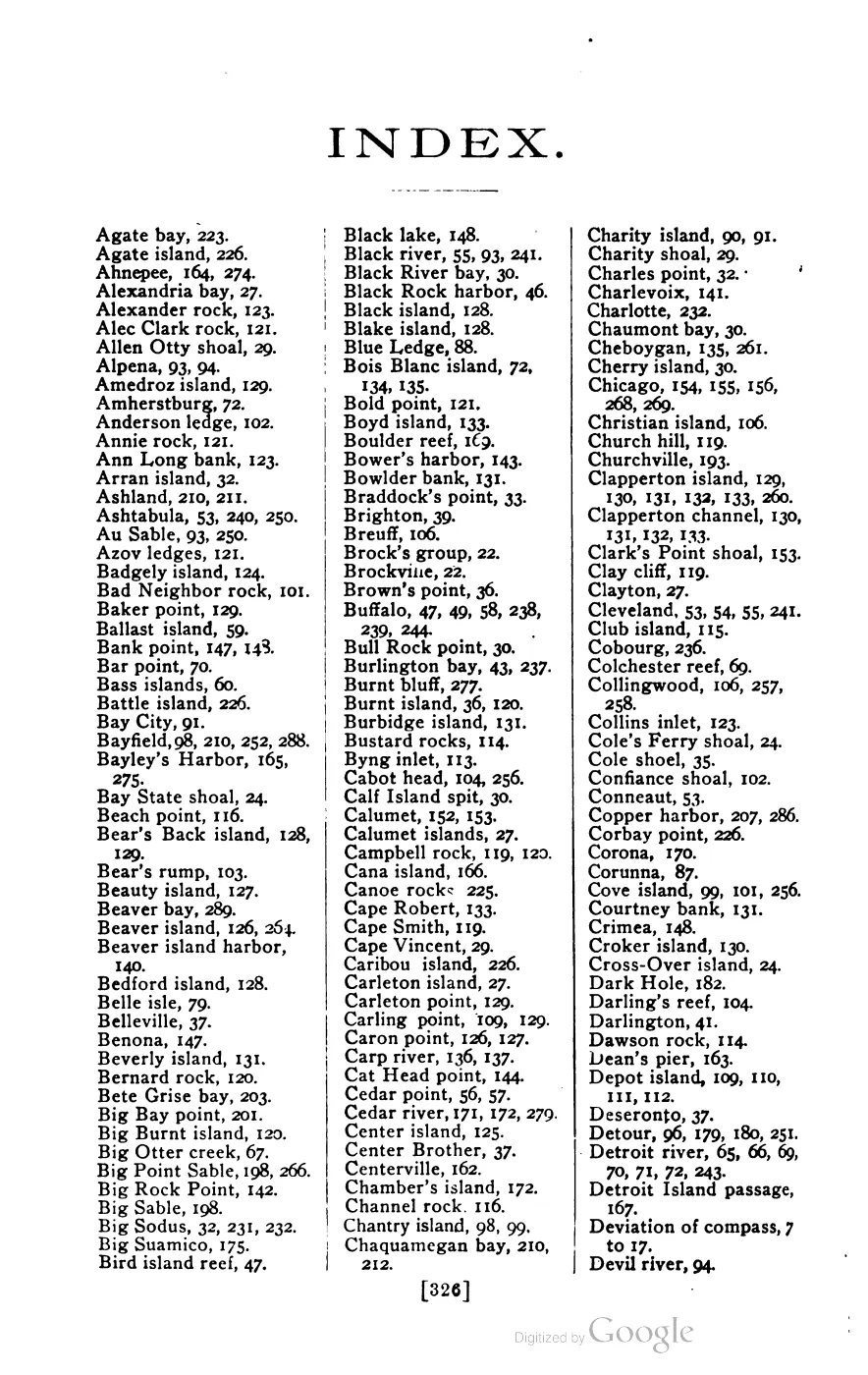
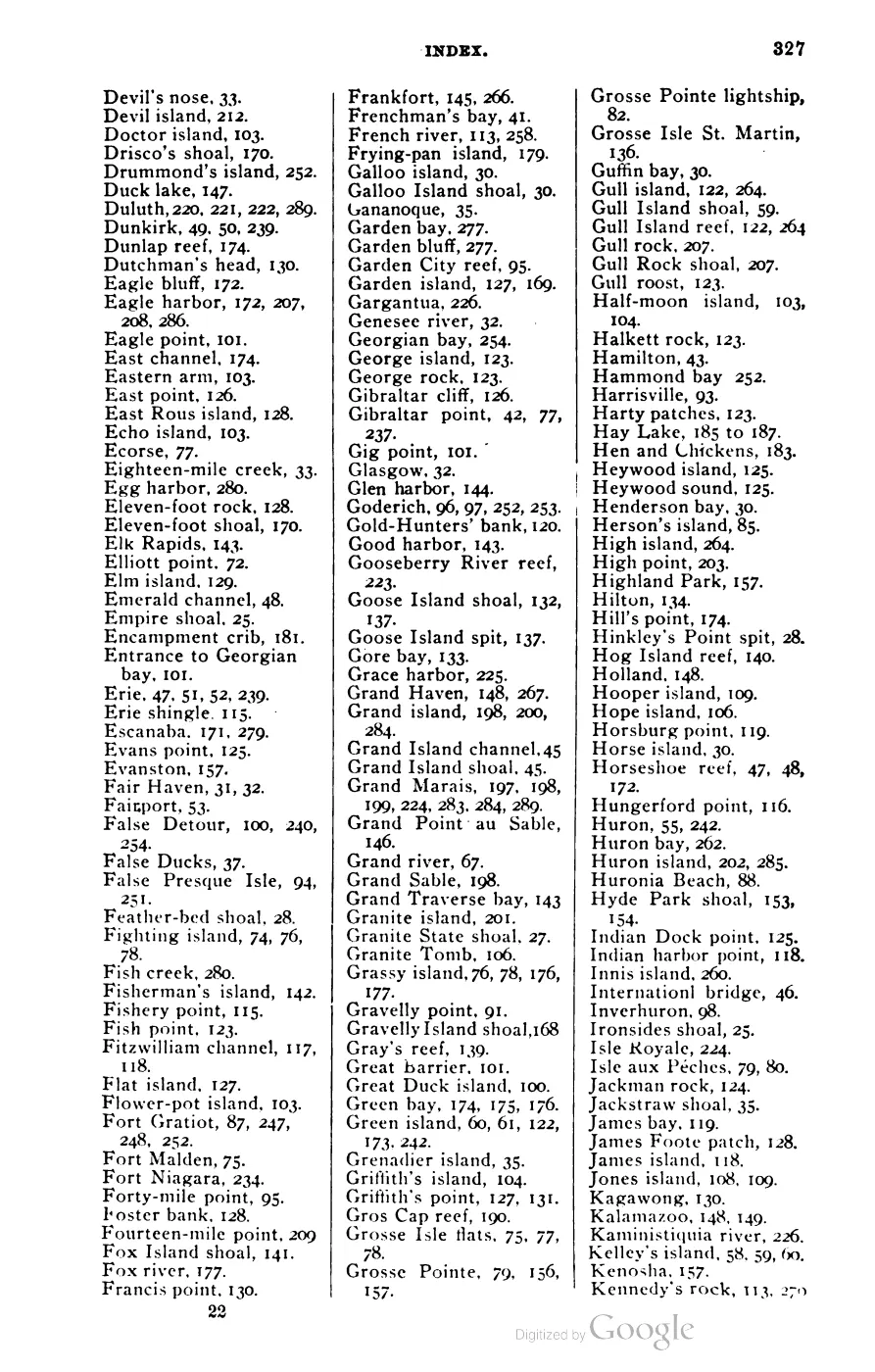
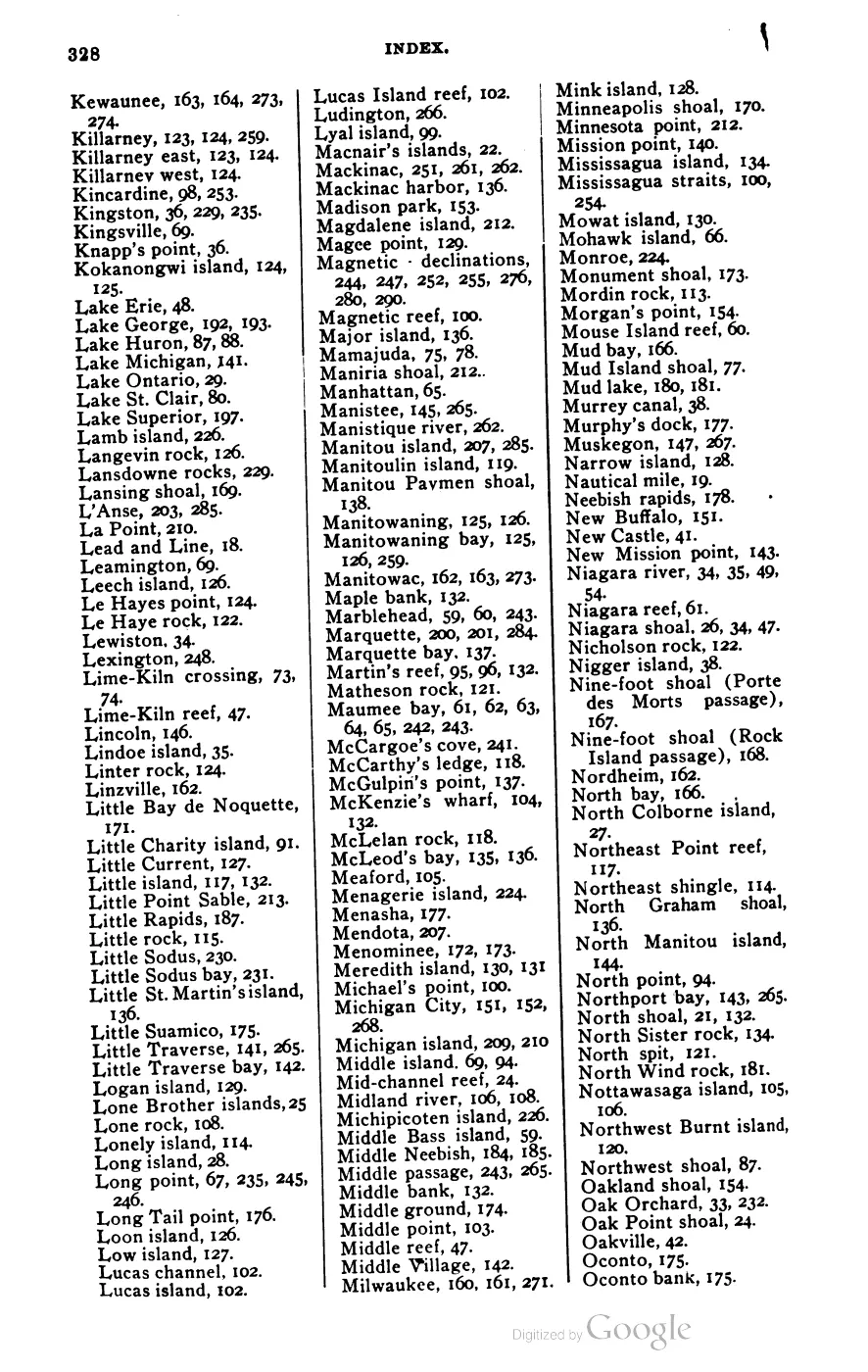
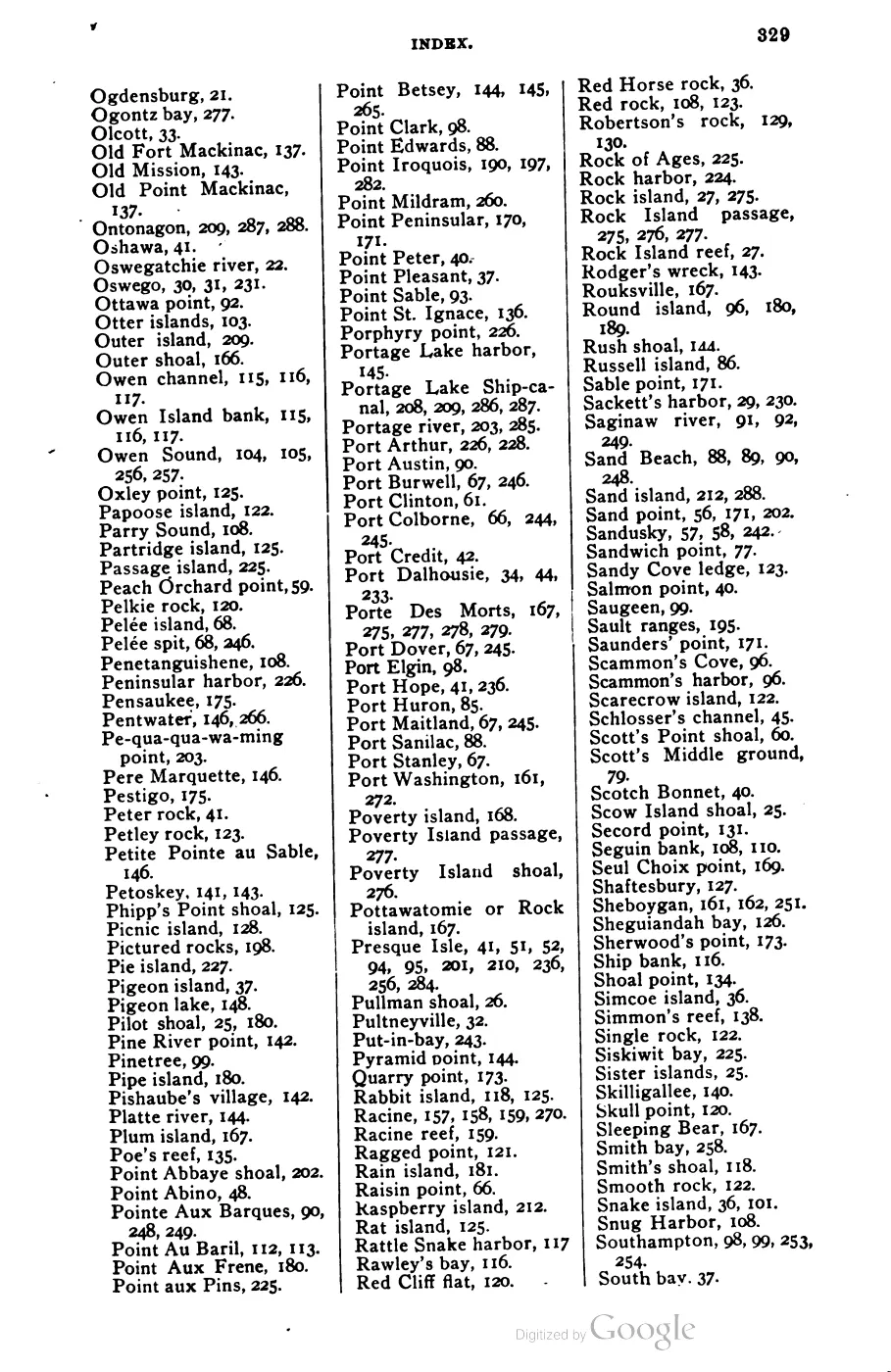
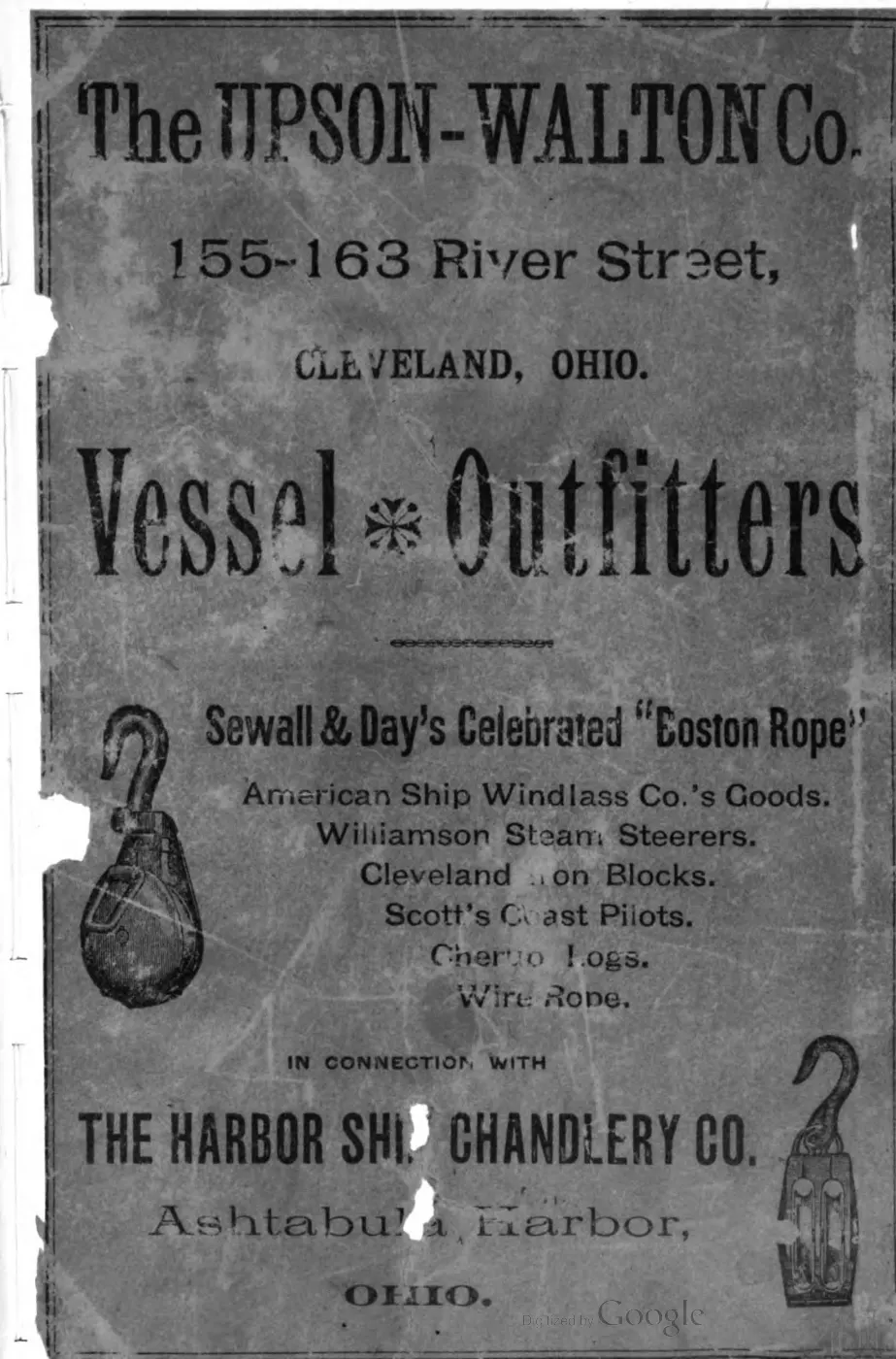
- George Scott, Scott's New Coast Pilot for the Lakes (6th ed., Detroit, 1902), p. 169.Garden Island Shoal buoy and tangent bearings given from Squaw [Ojibwa] Island Light-Station, used to fix the island's position in 1902 sailing directions. No public copy of this file is known; the archive holds one and can provide it on request.local_documents · 1902_scott-new-coast-pilot-for-the-lakes-6ed
- “School Notes,” *Charlevoix County Herald*, 16 June 1916.Contemporary county school column says Grace Gallagher was returning to the Garden Island school for another year, directly establishing operation in 1916. No public copy of this file is known; the archive holds one and can provide it on request.
- “Help Wanted,” *Charlevoix County Herald*, 14 and 21 October 1921.Repeated advertisement by the county commissioner seeks a teacher for the Garden Island School, directly establishing an intended 1921–22 school term even though it does not show that a teacher was hired. No public copy of this file is known; the archive holds one and can provide it on request.
- Retrospective account of Larsen's 1898 Garden Island childhood describes a community with school, church, post office, store, homesteads, and fishermen's net sheds. It independently predates the 1978 map but is not a contemporary postal record.data1 · beaver-island-archive · beaver_beacon · 1964-06_Beaver-Beacon
- Modern local-history summary (Beaver Island Historical Society): Bishop Frederic Baraga converted Odawa on Beaver Island's north shore in 1832 and, on a return visit in 1859, found 'a Native community of devout Catholics living on Garden Island,' by then 'the center of the archipelago's Native life,' with a school, Catholic church and post office; homesteaded by Scandinavian settlers in 1876; abandonment began 1936. Secondary source; confidence probable.
- Described in this archive: Beaver Island History Map, 1978 revision.Calls Garden Island the center of the islands' Indigenous activity, names a school, church and post office, and gives Scandinavian homesteading as 1876–1935 with abandonment by 1936. The community, school, and church have independent support; the post office and precise 1876/1935/1936 chronology have not been established from contemporary records.
- 'Garden Island is 98% owned by the state and managed by the MDNR Wildlife Division. Once fished, farmed and logged by Anishinaabeg and other groups, Garden Island has an abandoned sawmill and several standing structures'; a later ownership table gives 'about 5,000 of the 5,080 acres' as DNR-owned.
- A local travel account describes the Indian Village, burial ground with wooden grave shelters, the Larsen homestead graves, and abandoned school and Catholic church structures. It is useful place evidence but not a systematic archaeological or parish inventory.data1 · beaver-island-archive · beaver_beacon · 1965-07_Beaver-Beacon
- The held six-page issue scan is paired with the OCR source and confirms the published notice or report; it does not expand the source-specific identity, event, or outcome claims.data1 · beaver-island-archive · scans · beaver_beacon · issues · 1965-07_Beaver-Beacon
- Bureau of Land Management, General Land Office Records, Field Note Volume 168138, p. 0025, T39N R9W, 10 July 1849.Described in this archive: BLM GLO field-note volumes linked to Beaver Island-area surveys.Visual page-image verification. The original general description says the part of Garden Island in the fractional township was nearly level, three to ten feet above the lake, mostly wet or swampy, and composed of stone, gravel, and sand; it records a short thick growth including cedar, white birch, fir, tamarack, spruce, aspen, and spotted maple. This describes the surveyed portion in 1849, not the whole island, title, settlement, or current ecology. No public copy of this file is known; the archive holds one and can provide it on request.federal · glo_field_notes · page_evidence · field-note-volume-168138-page-0025-garden-hog
- Bureau of Land Management, General Land Office Records, Field Note Volume 168138, pp. 0123–0124, T39N R10W, 1849.Described in this archive: BLM GLO field-note volumes linked to Beaver Island-area surveys.Visual page-image verification. The original general description records only the Garden Island portion in the fractional township: mostly six-to-ten-foot elevation with some low and few higher points; level to gently rolling, sandy/stony ground; short thick cedar, fir, white birch, sugar, tamarack, spruce, aspen, and small brush; windfall; and fire effects. It is a bounded 1849 survey observation, not a complete island inventory, title, settlement, or present ecology. No public copy of this file is known; the archive holds one and can provide it on request.federal · glo_field_notes · page_evidence · field-note-volume-168138-page-0123-garden-general-description
- Bureau of Land Management, General Land Office Records, Field Note Volume 168138, pp. 0133–0134, T40N R10W, 11 July 1849.Described in this archive: BLM GLO field-note volumes linked to Beaver Island-area surveys.Visual page-image verification. The handwritten original describes only the Garden Island portion in the fractional township: about three sections, gently rolling and level, 5–20 feet above Lake Michigan, with second-rate soil that was sandy and strong; some burned areas showed mostly stone. It records cedar, sugar, fir, white birch, spruce, aspen, small brush, spotted maple, ground hemlock, and some pale cedar and dry beech along the lake. These are time-bounded observations, not a whole-island inventory, current ecology, title, ownership, or access claim. No public copy of this file is known; the archive holds one and can provide it on request.federal · glo_field_notes · page_evidence · field-note-volume-168138-page-0133-garden-island-survey
- Described in this archive: Visually verified GLO survey observations of archipelago soils, terrain, and trees, 1845–1849.Adds page-bounded 1849 observations of sandy/stony third-rate ground, short/shrubby cedar–birch–fir–tamarack–spruce–aspen growth, windfall, and the north end’s sugar, beech, maple, cottonwood, white pine, hemlock, spruce, fir, and cedar. It is not a complete island inventory or modern habitat map. The holder's public portal is searchable but does not link this record directly; the archive holds a copy of the file and can provide it on request.research · land_cover · crosswalks · glo_ecology_crosswalk_1845_1849
- Project-generated MNFI Garden and High Island biodiversity, habitat, and acoustic survey evidence (2015 field season; report published 2016).Described in this archive: MNFI Garden and High Island biodiversity, habitat, and acoustic surveys, 2015.Preserves Garden Island field-measured forest soils, tree structure, natural-community occurrences, rare species, snails, bats, and invasive-plant survey evidence. It is a targeted survey, not a complete island inventory or current occupancy map. No public copy of this file is known; the archive holds one and can provide it on request.research · wildlife · indices · mnfi_garden_high_2015_biodiversity_index
- Described in this archive: The Kingdom of Saint James, Quaife, 1930.Independent 1930 narrative of the attempted arrest of Eri Moore for selling whiskey to the Indians on Garden Island, citing the Northern Islander of 1 May 1851 and Strang 1854. Quaife judges that in this affair 'the Mormons seem to have been clearly in the right.'
- Described in this archive: Treaty of Washington with the Ottawa, etc., 1836.Primary treaty text held as a retrieved capture. Reserves 'The Beaver islands of Lake Michigan for the use of the Beaver-island Indians' for a term of five years and no longer without further permission, within the article covering Chippewas living north of the Straits. It does not name Garden Island separately.web · treaty_1836_washington
- Described in this archive: Treaty of Detroit with the Ottawa and Chippewa, 1855.Primary treaty text held as a retrieved capture. Withdraws from sale, 'For the Beaver Island Band - High Island, and Garden Island, in Lake Michigan', with fractional township and range descriptions. It is the instrument's language and is not treated here as a description of present-day title or sovereignty.web · treaty_1855_detroit
- "An Indian Funeral: The Ancient Garden Tribe and its Ancient Cemetery", *Charlevoix Sentinel*, 3 September 1908, front page, reprinted in "One Hundred Years Ago", *Beaver Beacon*, September 2008, p. 20.Mainland newspaper account by an unnamed correspondent travelling with a hotel excursion party. Supports the description of the settlement as log houses with small cleared patches of potatoes and corn, fish nets and boat building as occupations, attendance by people from High Island, and the liturgy recited in the Ojibwa language. Its locational and burial-ground detail is deliberately not reproduced. Quotations were checked against the held issue PDF's own text layer as well as against the OCR. No public copy of this file is known; the archive holds one and can provide it on request.
- Modern community summary of Joan C. Vyse's 2002 research on the archipelago's civil reorganizations. Records the 1859 creation of Garden Island Township from Hat, Hog and Garden Islands with its first meeting at the Village of Peaine, and its vacation in 1861.
- Michigan Local and Special Acts, 1859, No. 194, §1, p. 546.Statute cited in the Chief Peaine article as setting Hat, Hog and Garden Islands apart and directing the first township meeting to be held on Garden Island at the village of Peaine. The act text itself has not been located and read directly; the substance is independently corroborated by the February 2026 Northern Islander chronology.
- Written by an Anishinaabe contributor. Cited here only for the statement that Anishinaabe families continue to hold these traditions and to honour ancestors and families 'within Beaver Island, Garden Island, and High Island'. Ceremonial detail given in the article is not reproduced.
- Jim and Joane McIntyre, "The Bucket List: Return", *Beaver Beacon*, December 2009, p. 28.Settler-authored memoir of thirty years of deer-hunting trips. Cited only for the spelling 'Minis Gitigaan' in circulation for the island. It is not evidence about the historical Anishinaabemowin name. No public copy of this file is known; the archive holds one and can provide it on request.
- Cultural-resources chapter. Records 141 archipelago sites with the Office of the State Archaeologist as of July 2016, states that exact locations are not documented 'in an effort to prevent the misuse of information', and records the Little Traverse Bay Bands of Odawa Indians Tribal Historic Preservation Office's interest in identifying cultural resources relevant to the archipelago's tribal history.
- Visual page-image verification: the sheet engraves 'GARDEN ISLAND' on the northern island and 'BIG BEAVER I.' below it. The certification and approval date are not legible at the resolution checked.federal · glo_plats · 39n10w
Added 28 July 2026 · revised 7 August 2026. Recent changes
Cite this article
Beaver Island Archive, “Garden Island”, https://beaverislandarchive.org/places/garden-island/, accessed [date], citing James Robinson and participants, “Garden Island,” Beaver Island Forum, March 25–May 6, 2008, topic 1098. (and 29 further sources listed on the page).
Last revised 2026-08-07. Fill in [date] with the date you read it — this page is static and cannot know that.