- Concepts
- fishingmaritimeeconomyEarly American eraIrish eraIndigenous era
- Within
- Beaver Island archipelago
Summary
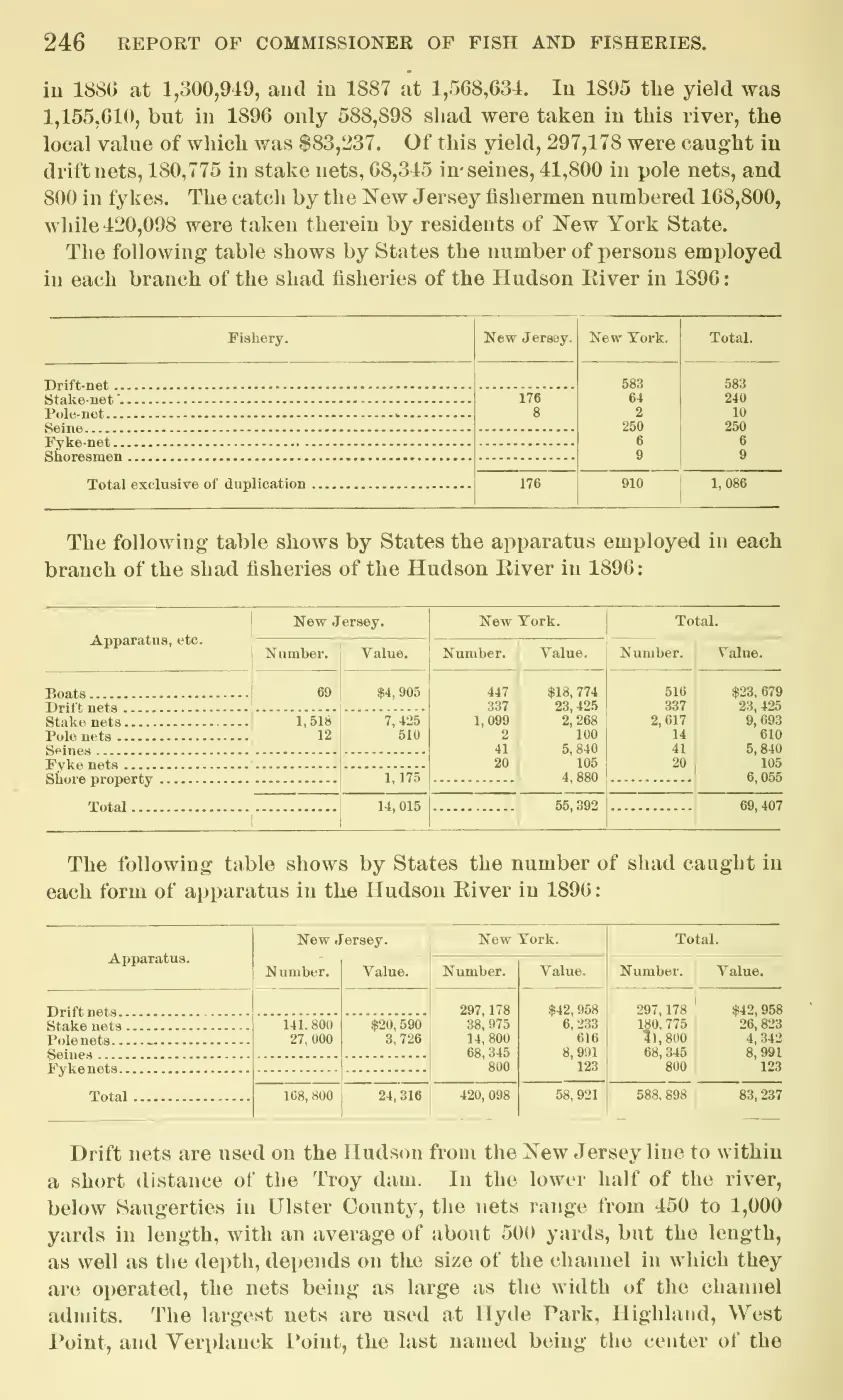
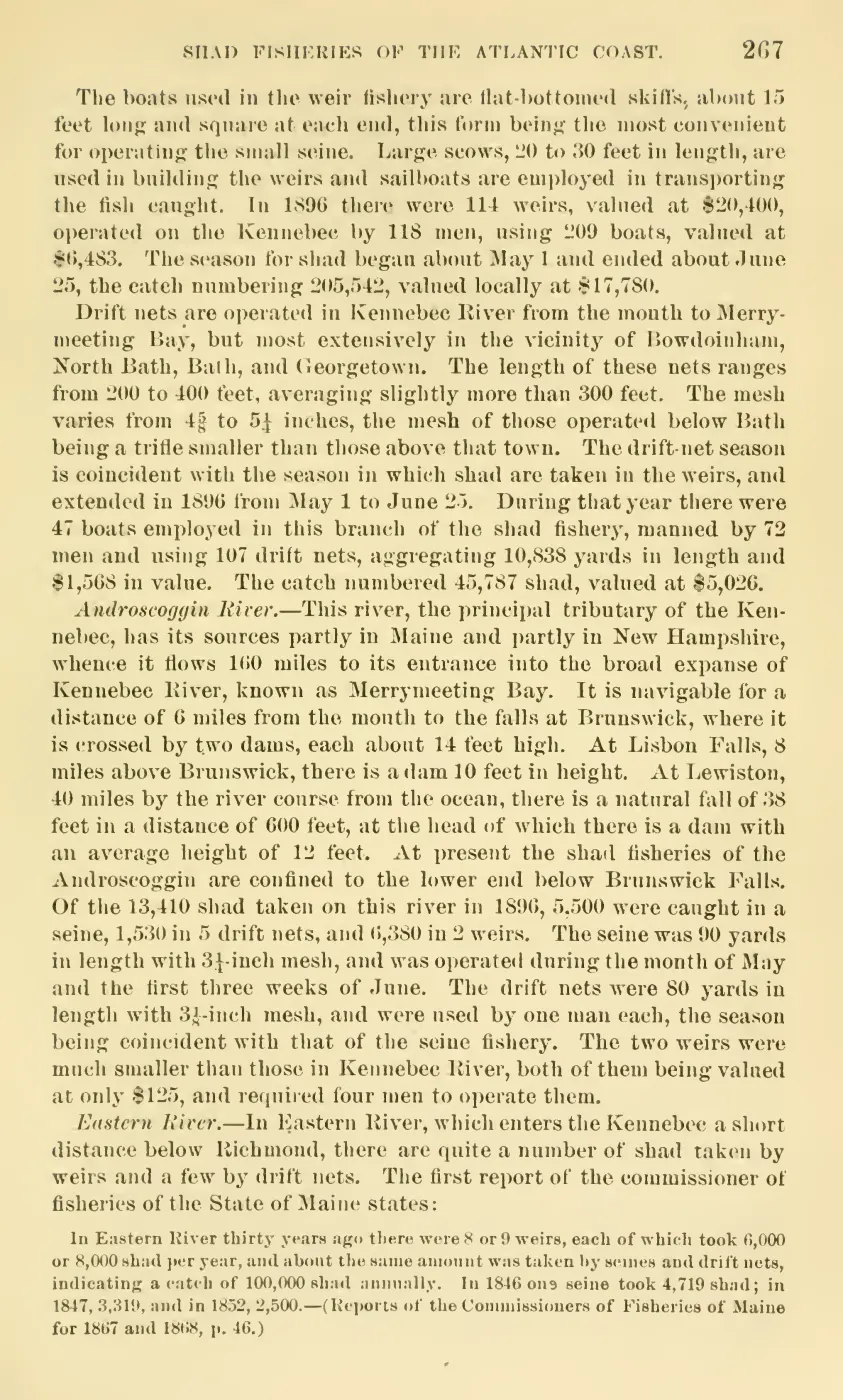
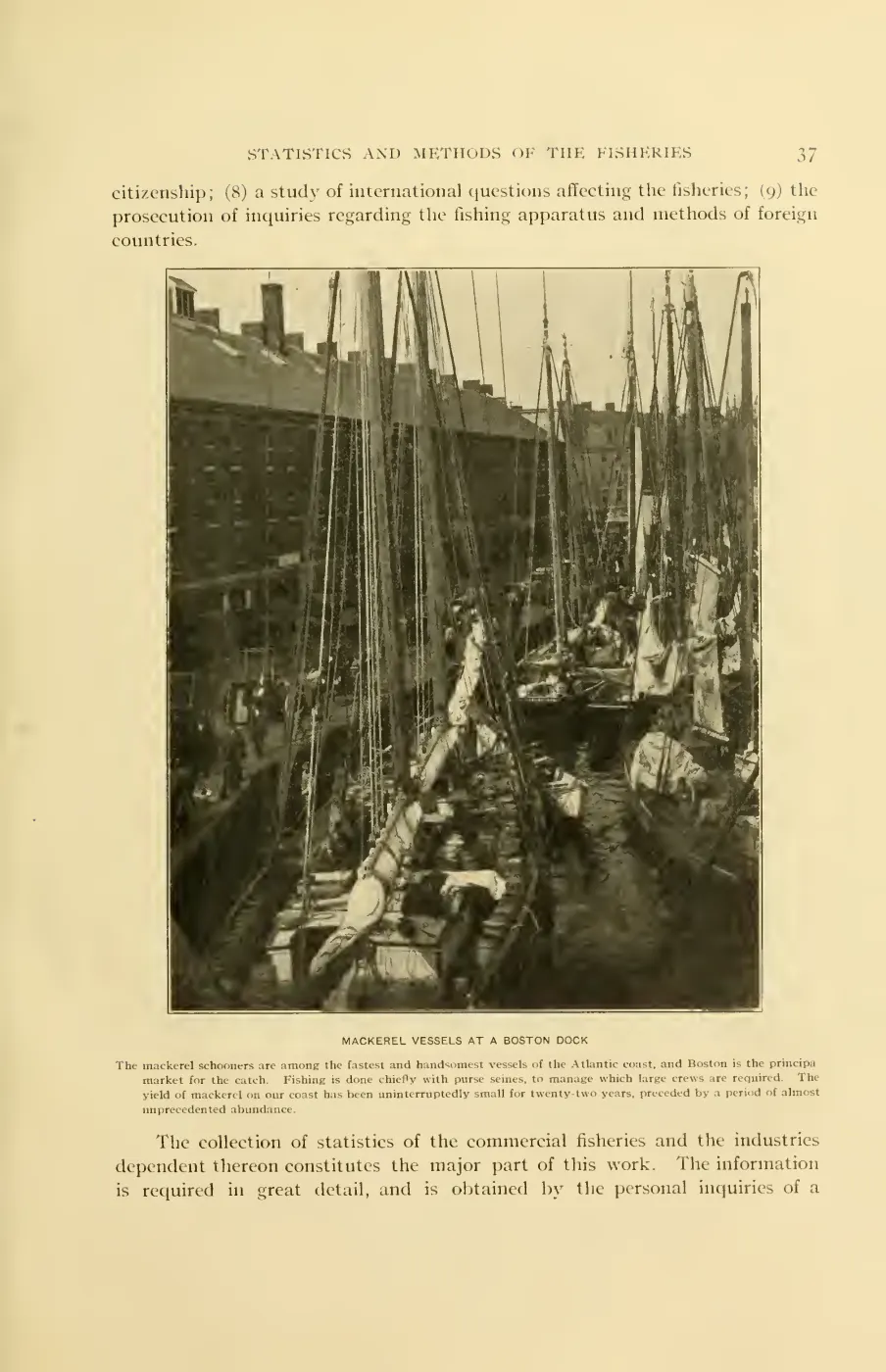
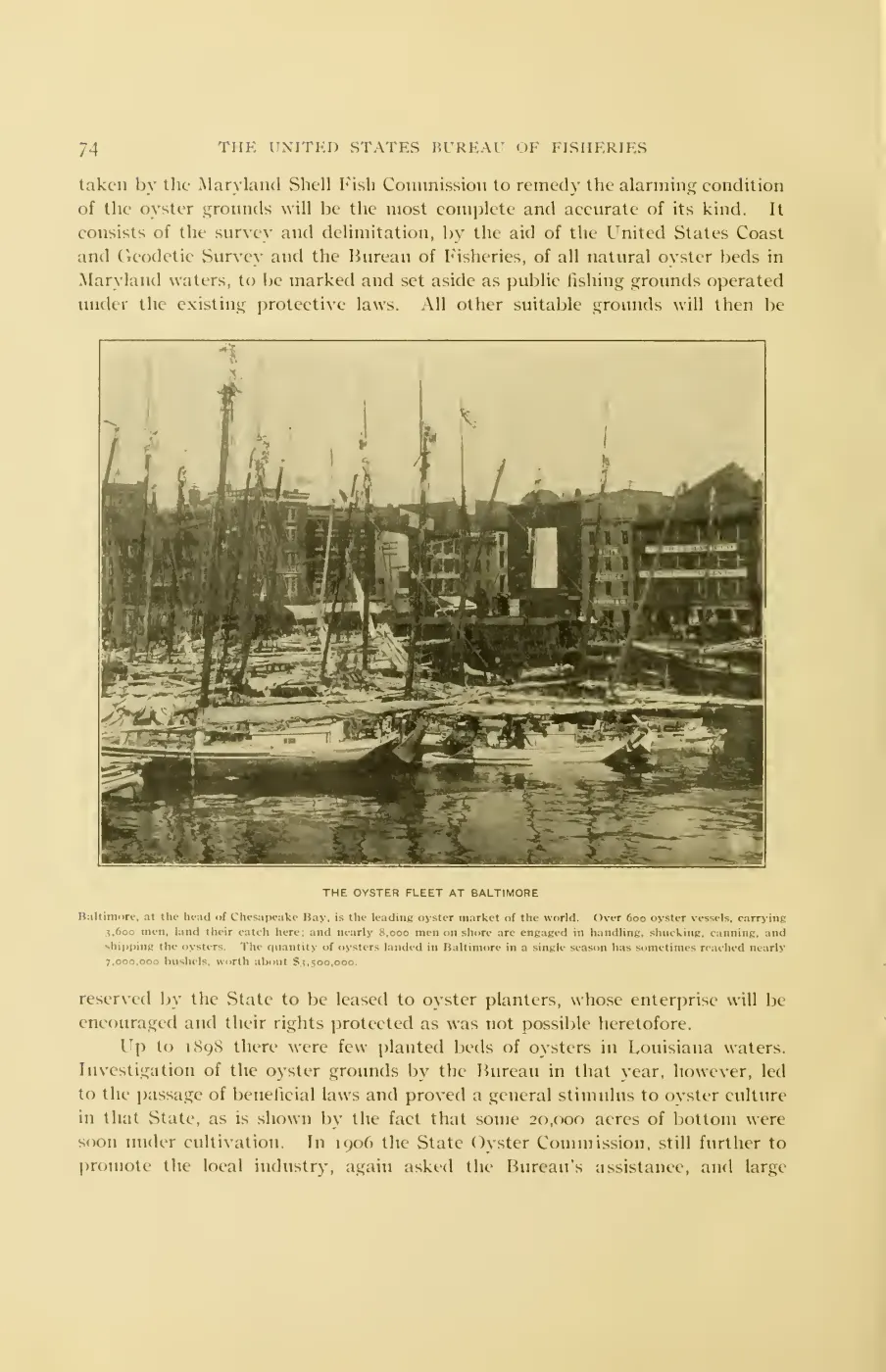
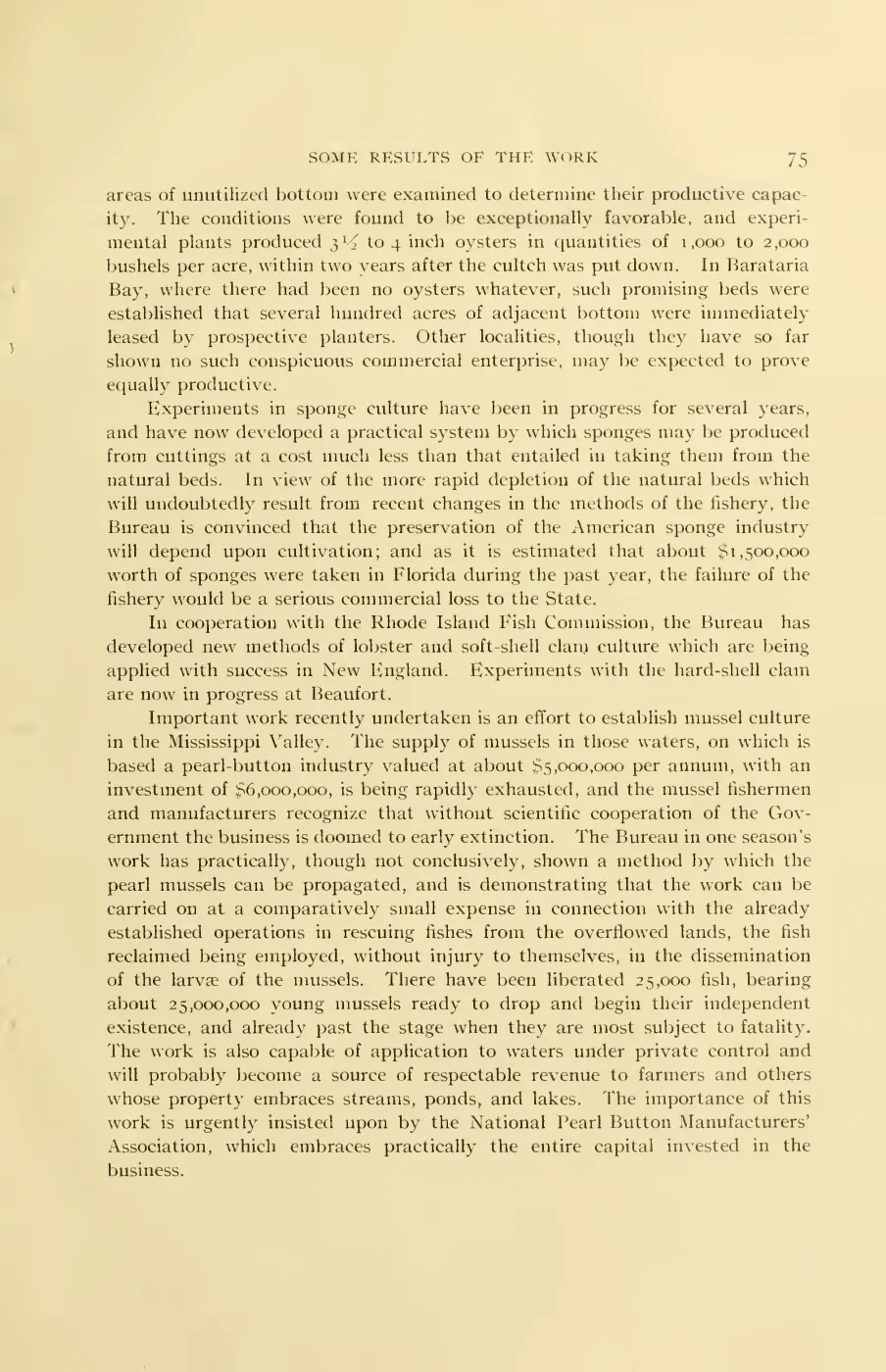
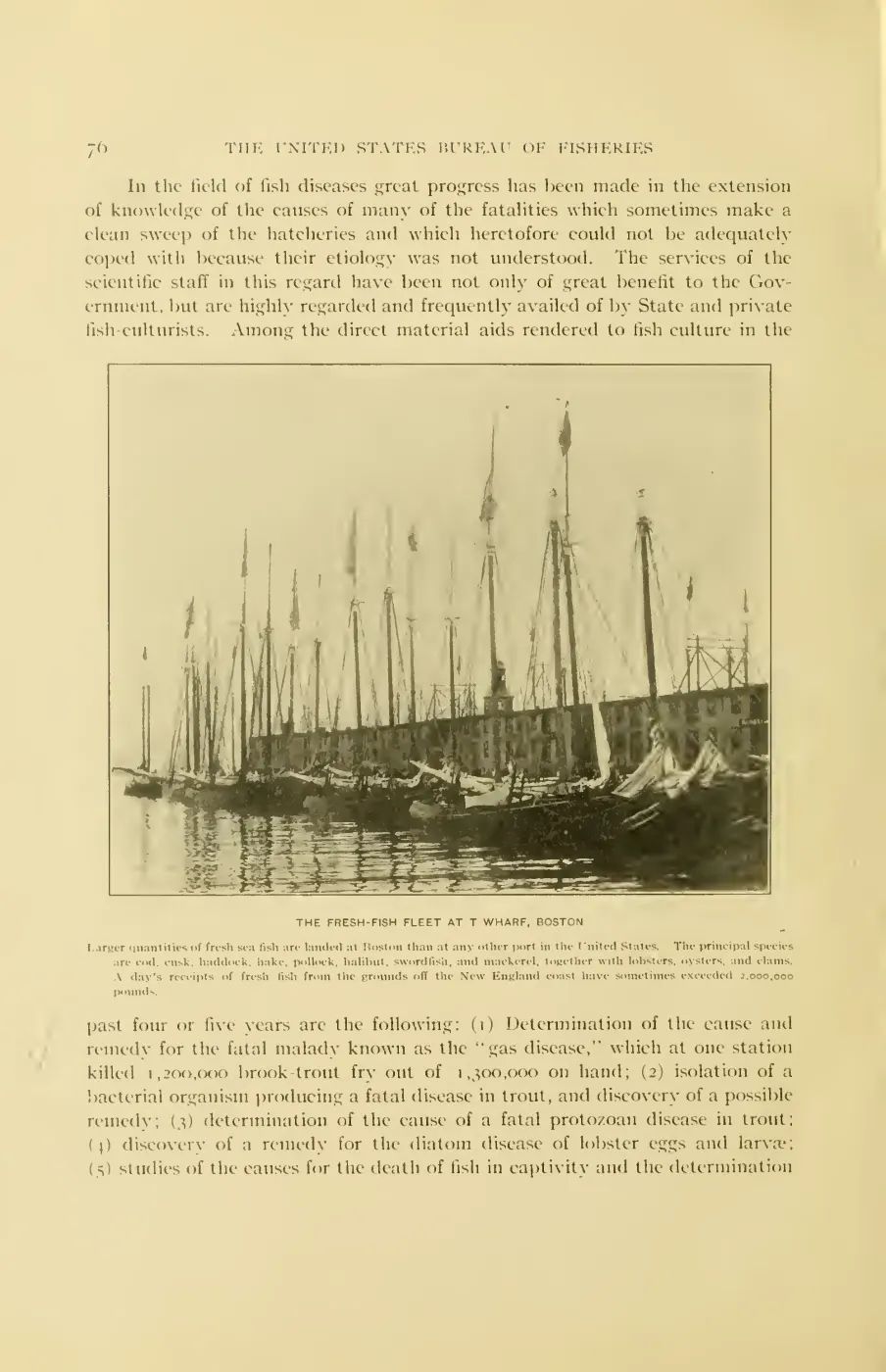
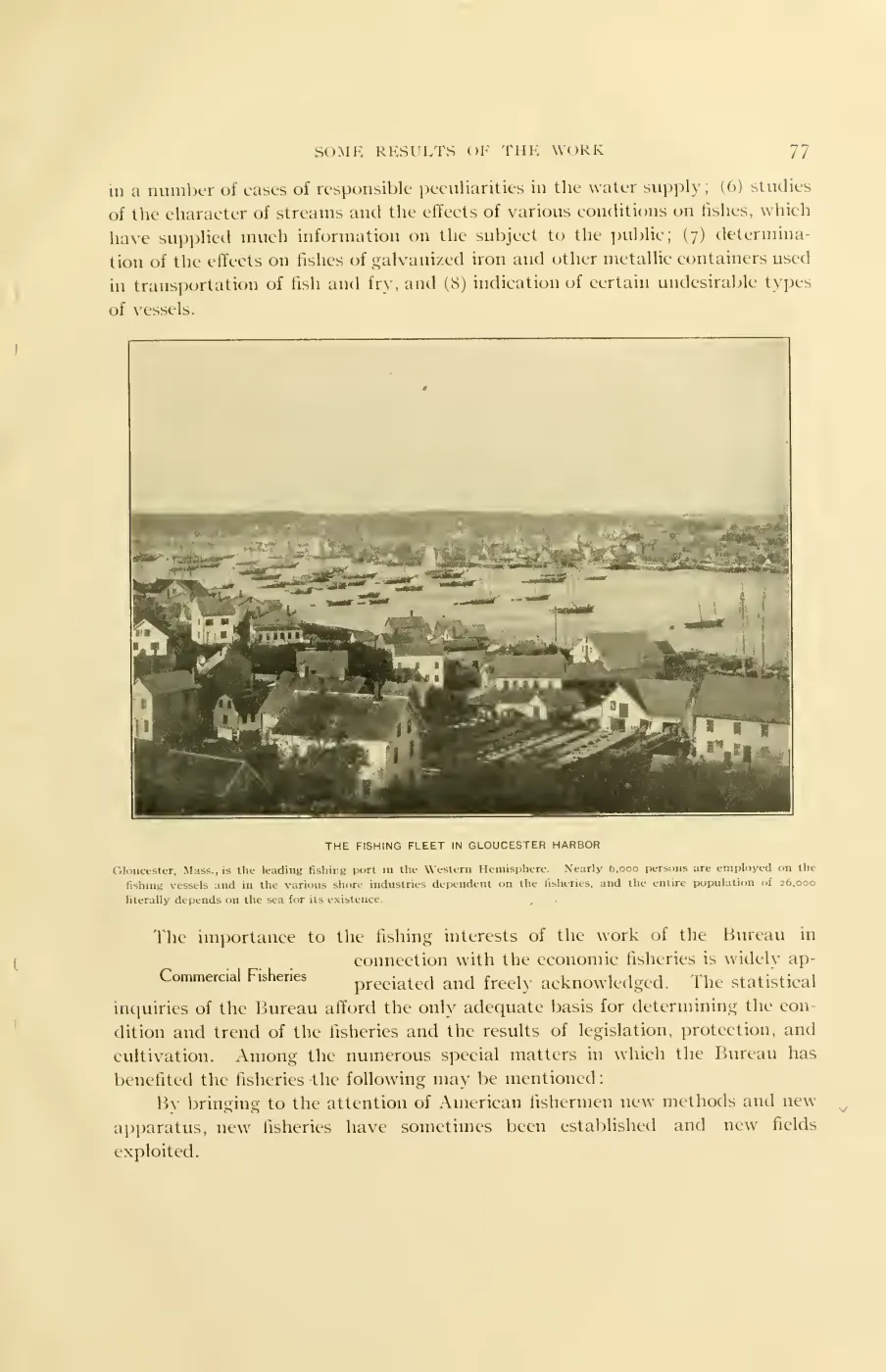
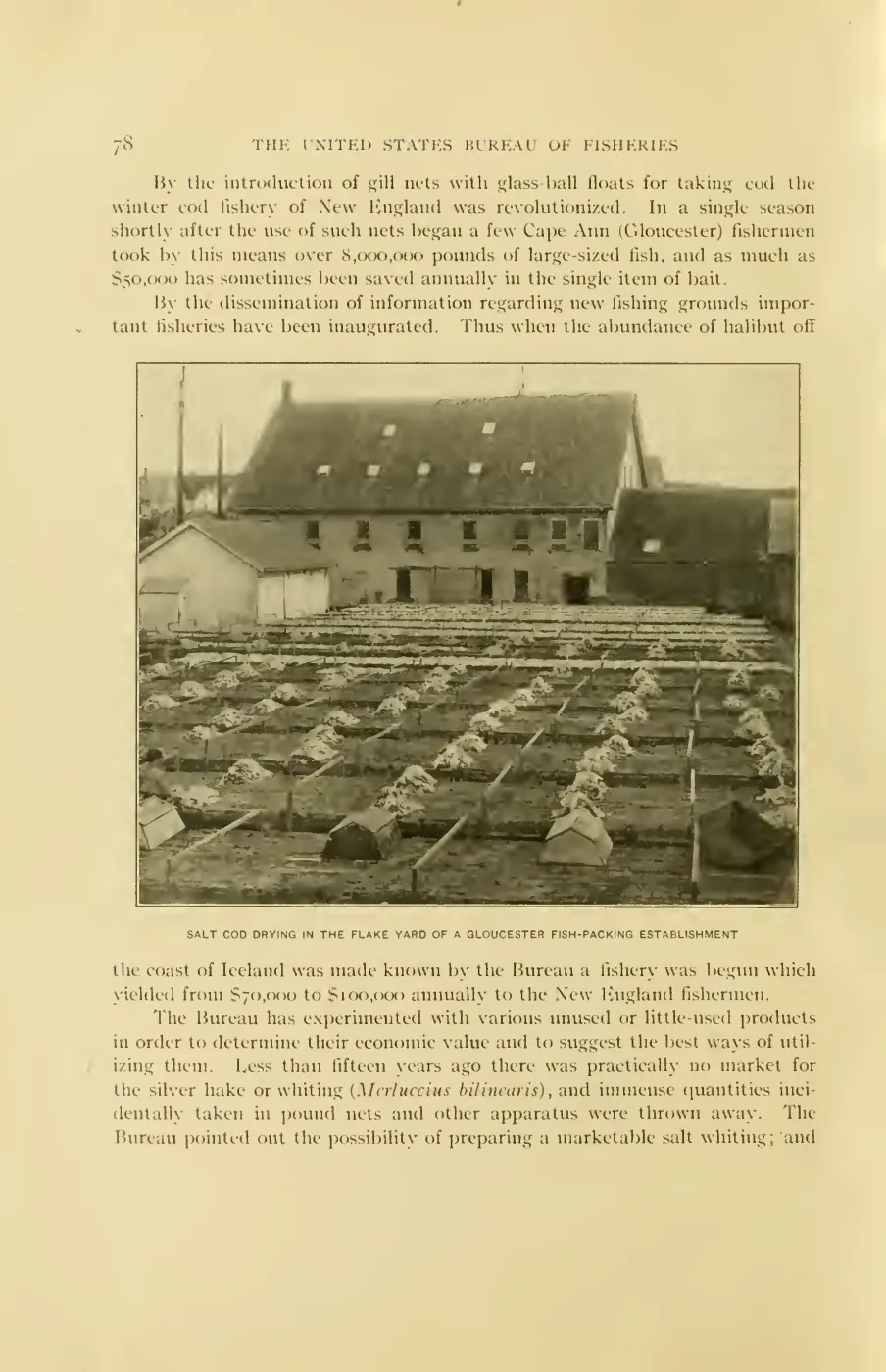
Commercial fishing is the island’s oldest continuous industry and the reason Europeans and Americans came to the archipelago at all. It predates Strang, it survived him, it drew the Irish settlement that replaced his kingdom, and it was still “one of the principal occupations of the people of the harbor” in 1912. Whitefish and lake trout, salted and packed in barrels made on the island, went by schooner and steamer to Buffalo and Chicago. The trade collapsed in the mid 20th century with the fish populations it depended on.
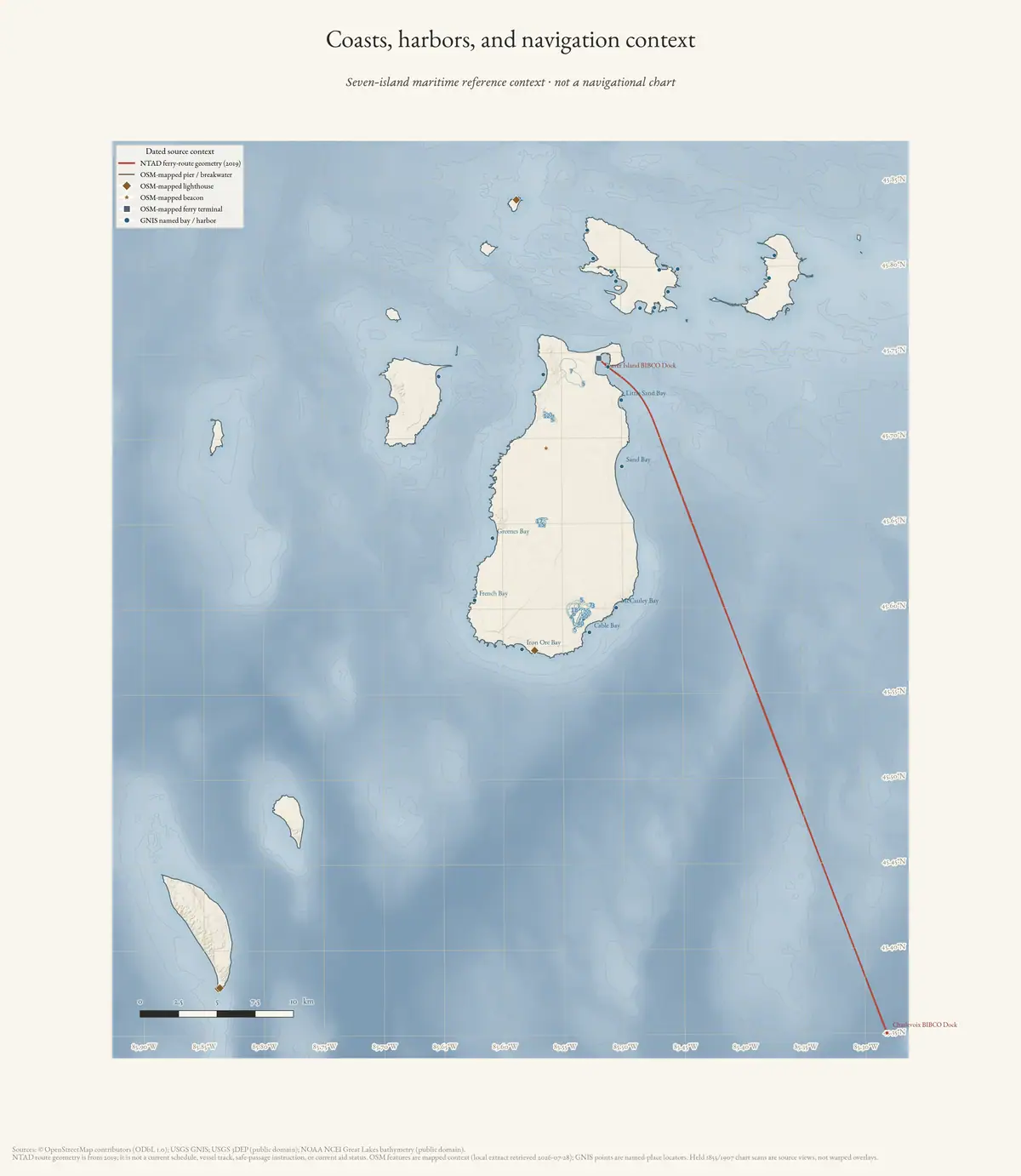
The archipelago’s advantage was position: reefs and shoals that make the group dangerous to navigate also make it productive to fish, and the harbour let boats work grounds that were closer to Beaver Island than to Mackinac.
Before Strang
Quaife’s judgment, written in 1930 with the Strangite records in front of him, is that the fishery was already established when the Mormons arrived:
Although Strang continually referred to the islands as an uninhabited land which had been set apart for the Saints by God Himself, others had preceded them into this region. An extensive fishing industry had long flourished in the waters adjoining the islands, and traders were already established on the shores of Paradise Bay.
Anishinaabe fishing in the archipelago long predates all of this; see Anishinaabe presence in the archipelago. Strang’s own 1854 account describes Anishinaabe crews working the fisheries under a credit system that stripped them of their catch — “on a fishery where a dozen Indians were engaged, they were often plundered in this way to the amount of one hundred barrels in a season.”
The trade as it worked, 1854
The most detailed account held here is Strang’s chapter “The Fisheries” in Ancient and Modern Michilimackinac. It has to be read as advocacy — Strang is arguing that the fish trade is moving from Mackinac to his own island, and he was himself an antagonist of the fishermen — but its structural description is consistent with what other sources show.
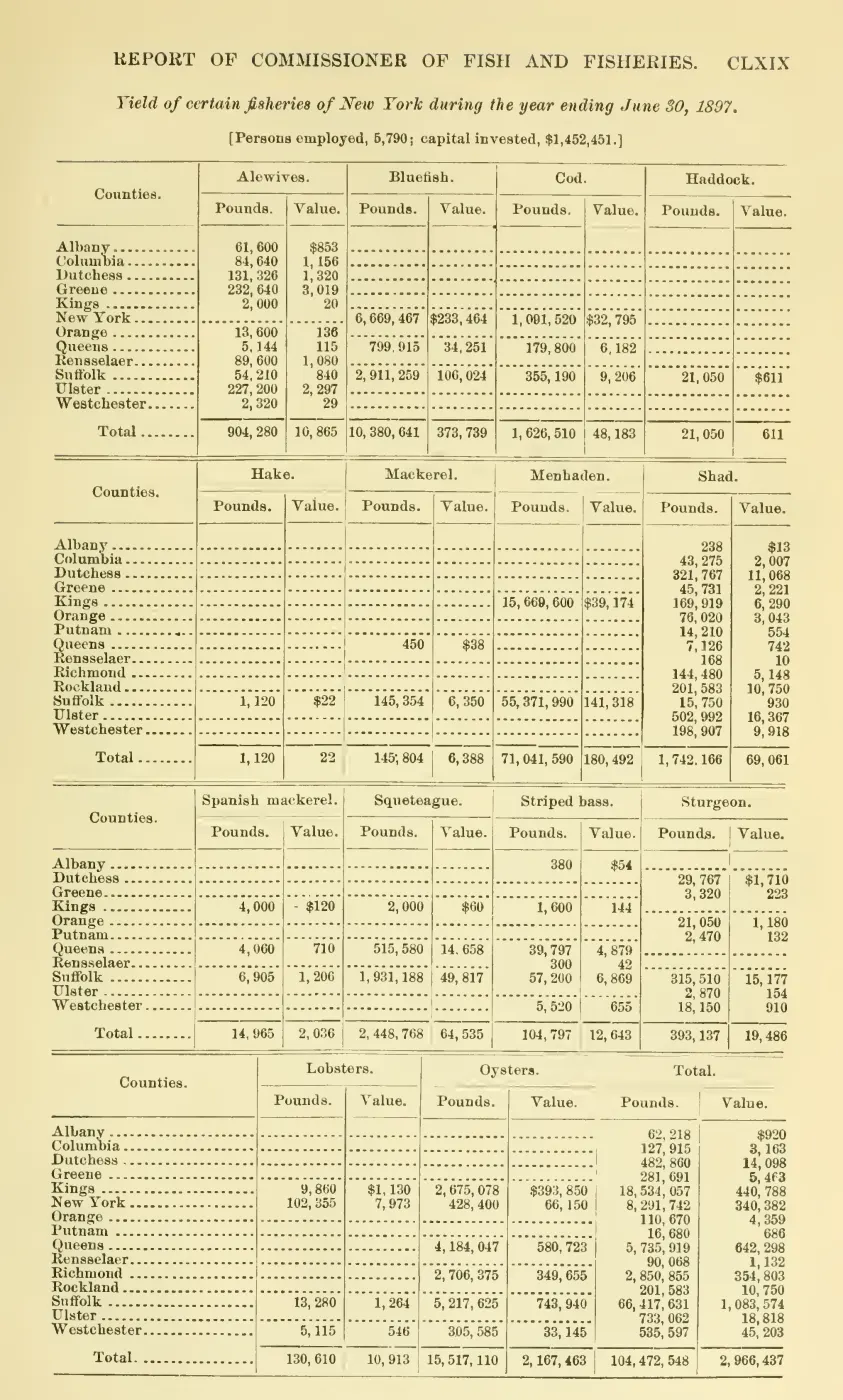
Scale. “As early as 1824 small quantities of white-fish and trout begun to be sent to Buffalo for market. In the space of thirty years this branch of trade has increased from two thousand barrels to two hundred and fifty thousand, of which it is supposed one-half are taken in what were formerly known as the Mackinac fisheries, extending from Death’s Door to Middle Channel.” That places roughly 125,000 barrels a year in the northern Lake Michigan grounds by the mid-1850s.
Method. Strang credits French technique with making a year-round fishery possible: earlier fishing was in the shallows and the streams, while “The first Frenchmen in this country introduced the French modes of fishing, by which the fish were pursued to the deep waters, and thus a supply was obtained all the year.”
Credit and debt. The chapter’s central claim is that the business was controlled by traders at Mackinac who advanced barrels, salt and provisions against the catch: “Such were the habits of dissipation prevailing on the fishing grounds, that these frauds left the fishermen worse off at the close of every season; for they were destitute of credit.”
Relocation. Strang argues the trade was being “transferred to Washington Harbor, Saint James, Saint John, Saint Helena, Duncan, Detour, and divers other places”, each closer to the grounds than Mackinac, and that “the trade of Mackinac in fish must soon cease.” Of his own port he writes that Saint James is “the county seat of Emmet County, the seat of the fishing trade for Lake Michigan” where “the principal articles sold are fish and wood” and where “a great number of fish barrels” were made.
Barrels, twine and cooperage
The Daily Northern Islander’s price current in 1856 gives the trade’s whole supply chain in one column: white fish and trout by the barrel with separate buying and selling prices, fresh fish and herring, suckers, and then the inputs — fish barrels and halves, staves and hoops by the thousand, gilling twine, seaming twine and manilla cordeau.
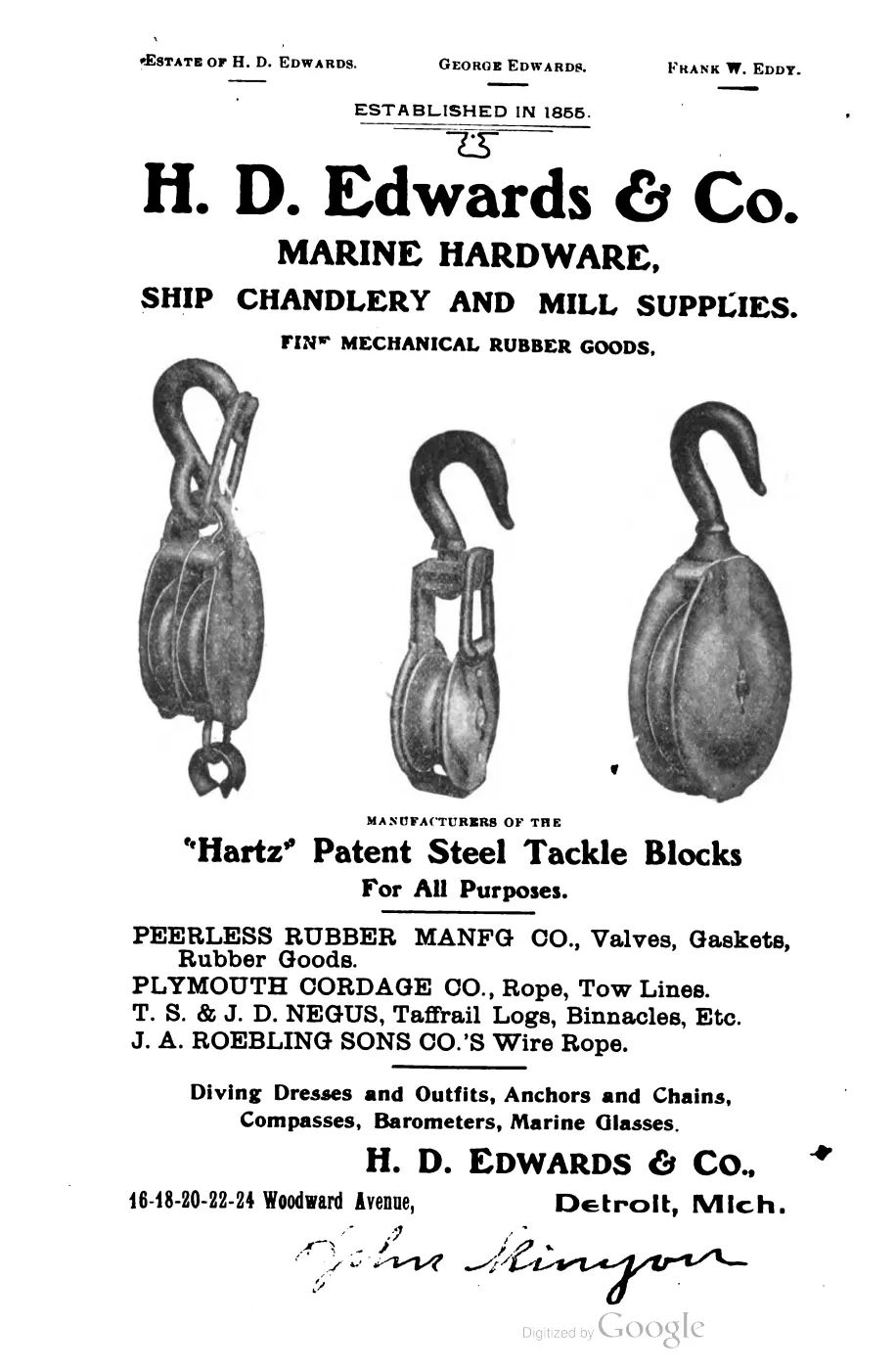
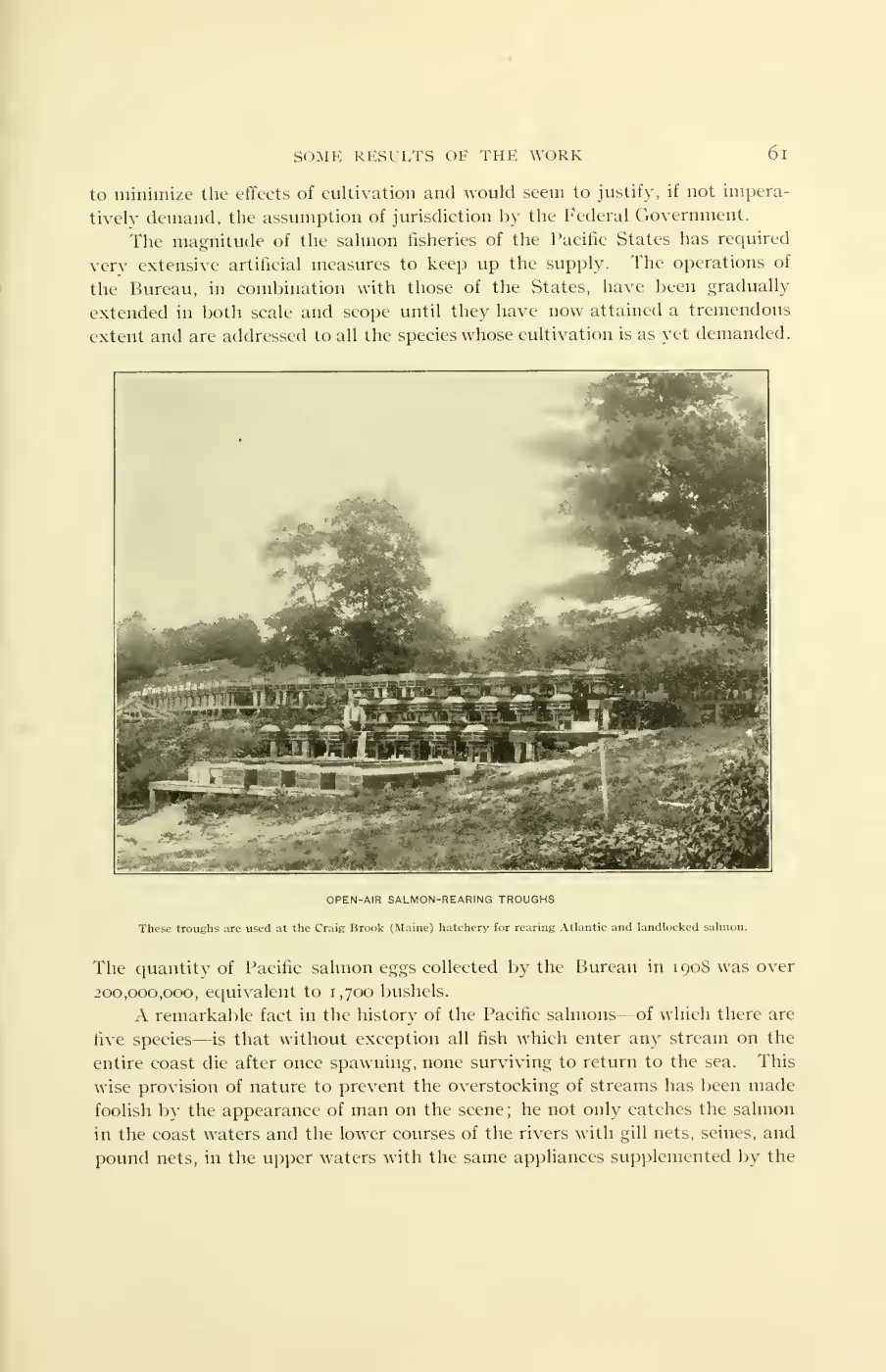
Cooperage was a substantial industry in its own right. Elizabeth Whitney Williams: “There were many large cooper shops run. These furnished barrels to the fishermen to pack and salt their fish in. The cooper trade was” a considerable employer, and C. R. Wright “settled at Cable’s dock and carried on a large cooper shop to supply the barrels for the fishermen, which became a great industry.”
Fishermen against the kingdom
The fishery is not a background to the Strang story; the fishermen were the kingdom’s principal opponents and the agents of its end. Strang’s own narrative records armed parties arriving “from the fishing grounds” at Whiskey Point for the attempted expulsion of July 1850; nets lifted and stolen; a running conflict over theft in both directions; and the Garden Island whiskey trade. Quaife describes the fishermen as “a roistering crew with the free and easy habits of a population which was at once frontier, seafaring, and Irish”, who “soon perceived in the advent of the newcomers a menace to their own interests and ways of life.”
In 1856 it was fishermen and returning traders who drove the Strangites off. What they came back for was the fishing grounds.
The Irish fishery
Williams describes the trade at its height, in and after the Civil War:
One great reason that made the island so desirable a place to live at that time was its splendid fishing grounds. No one need to be without money in those days. Fish always brought a good price, and at the time of our Civil war brought a very high price.
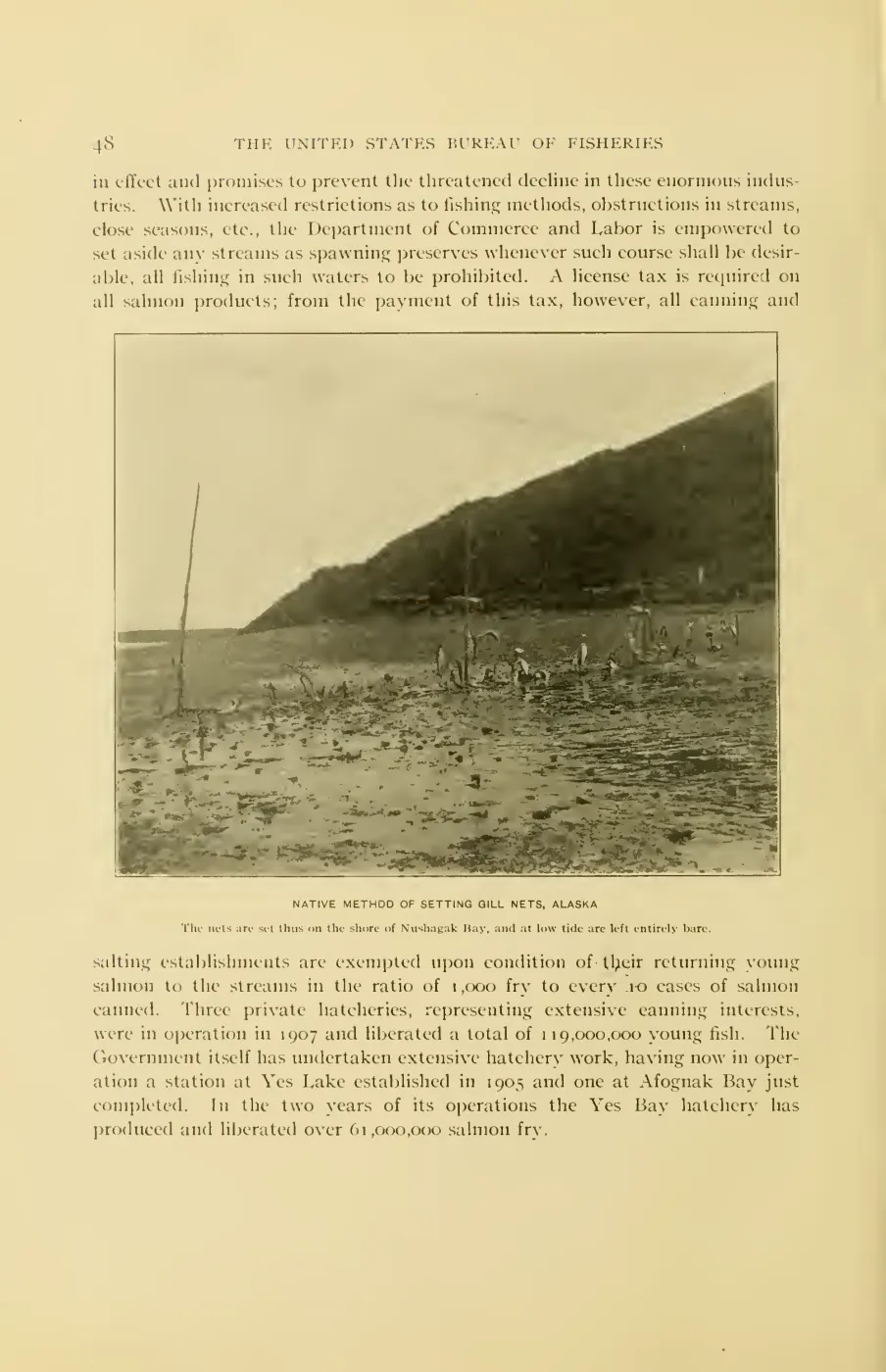
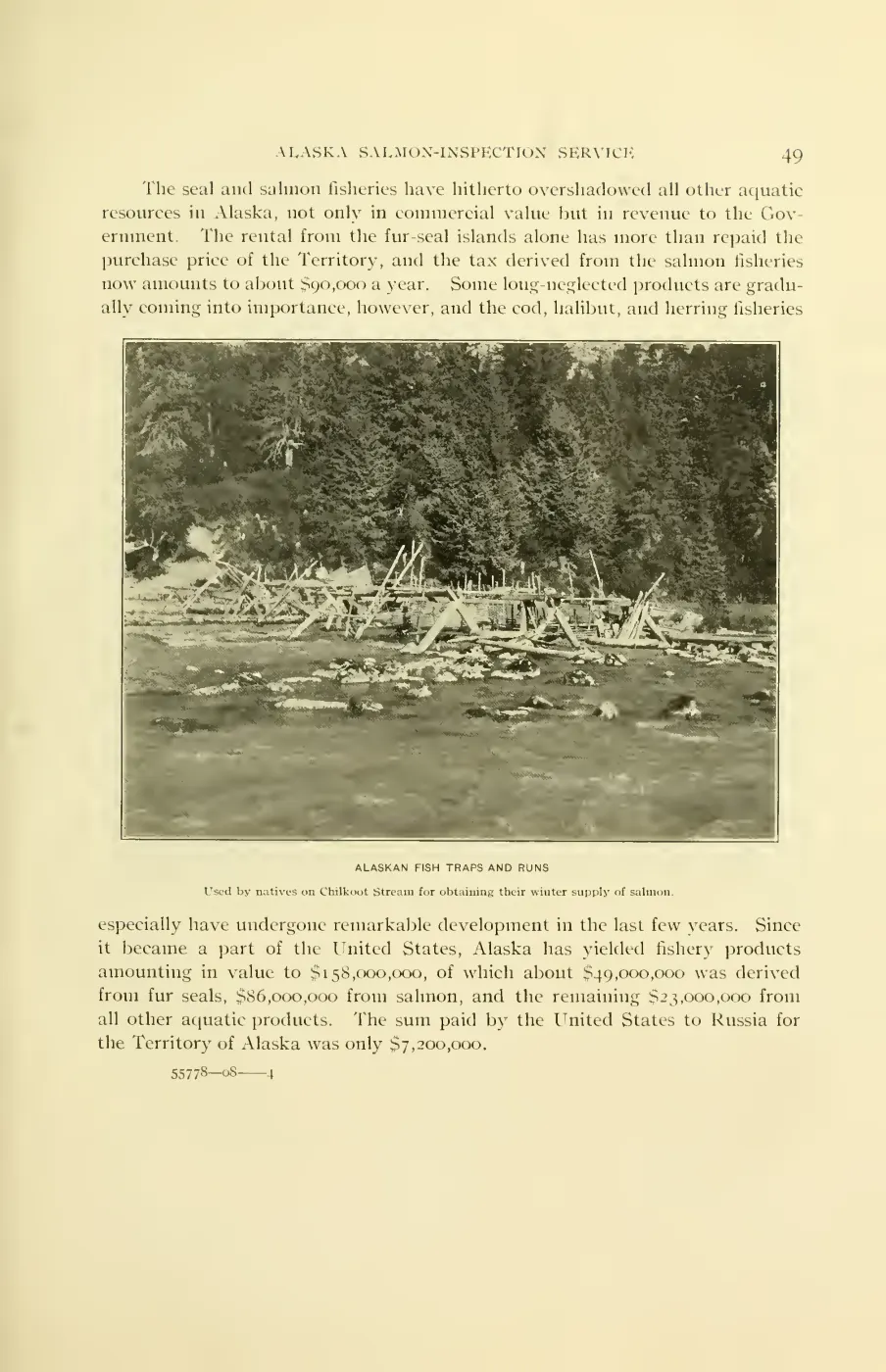
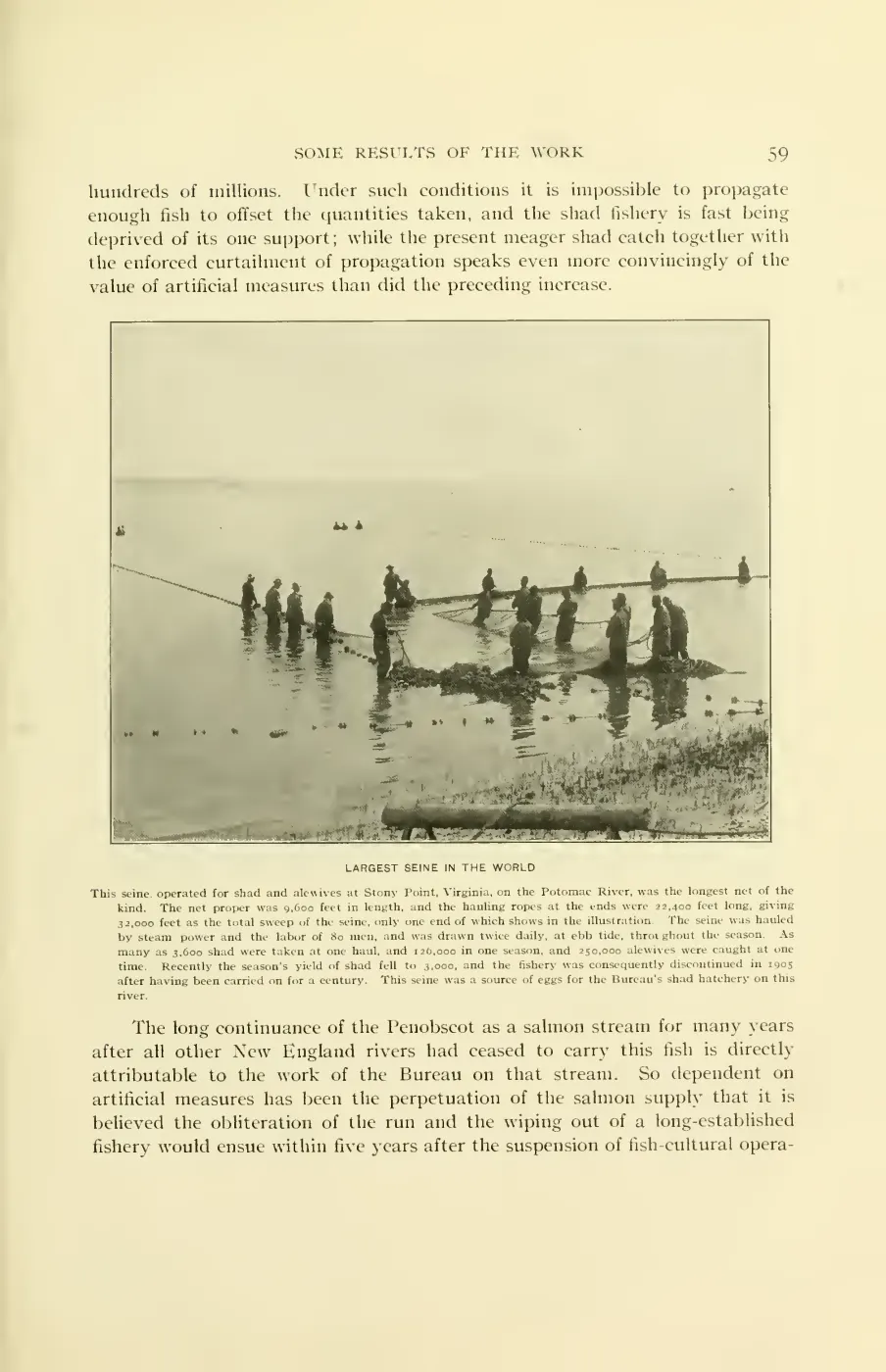
Her account of the technology is precise and dateable: “In those days there were no tugs used in the fishing business, neither were there pound-nets used. There were many seines used. The fish caught were usually very large in size, both whitefish and trout.” Boats were sailed — she watches “the white sails of our fishing fleet hoisted nearly all at one time” and landing “over by the south point from the river”. Buying and outfitting passed from Cable to George Peckham and C. R. Wright, then to Dormer & Allen of Buffalo, who built a store and warehouse at the Point: “thousands of barrels of fish were caught and shipped every season. It soon became equal to the fish market at Mackinac Island, it being nearer to most of the fishing grounds.”
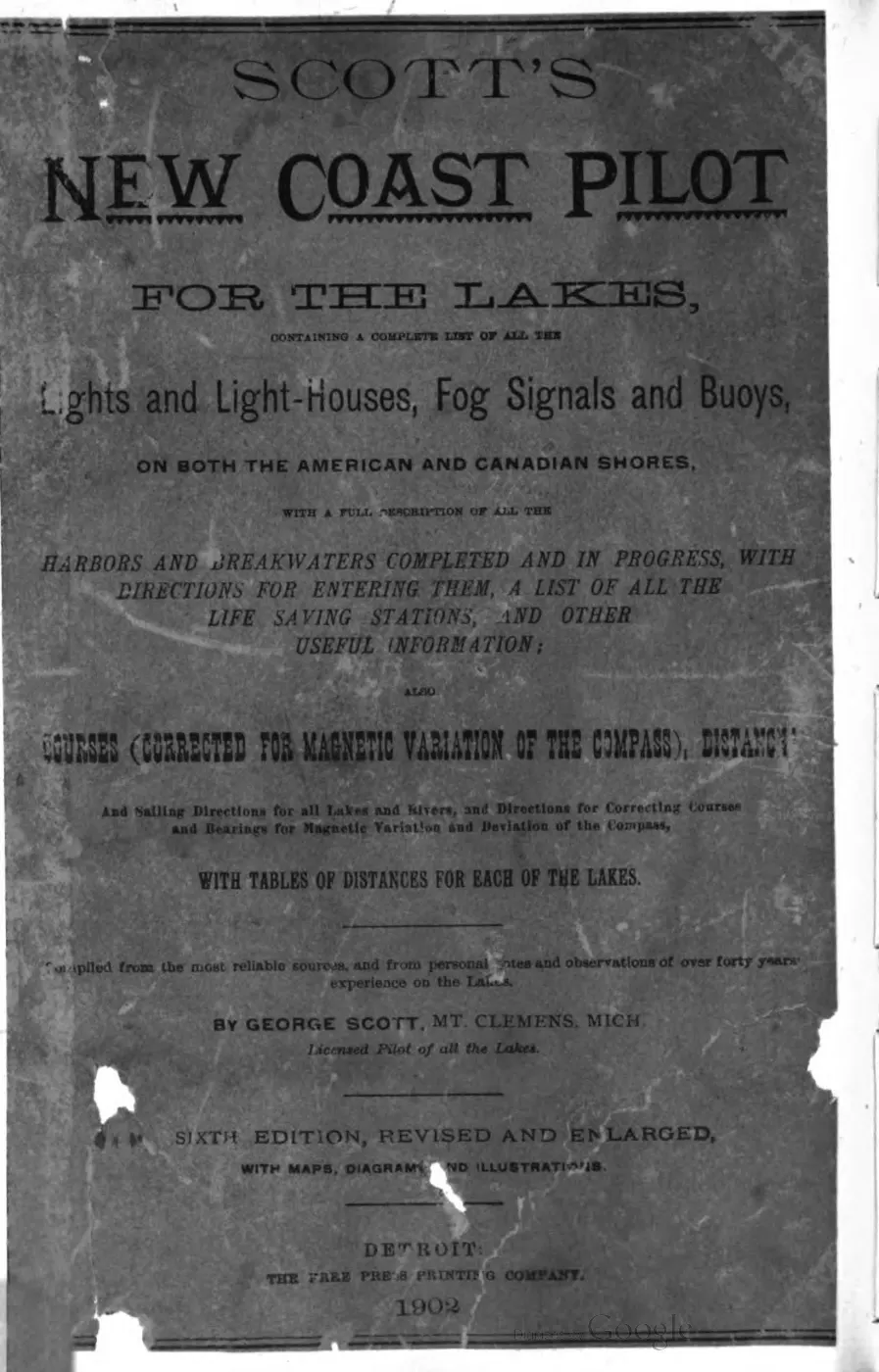
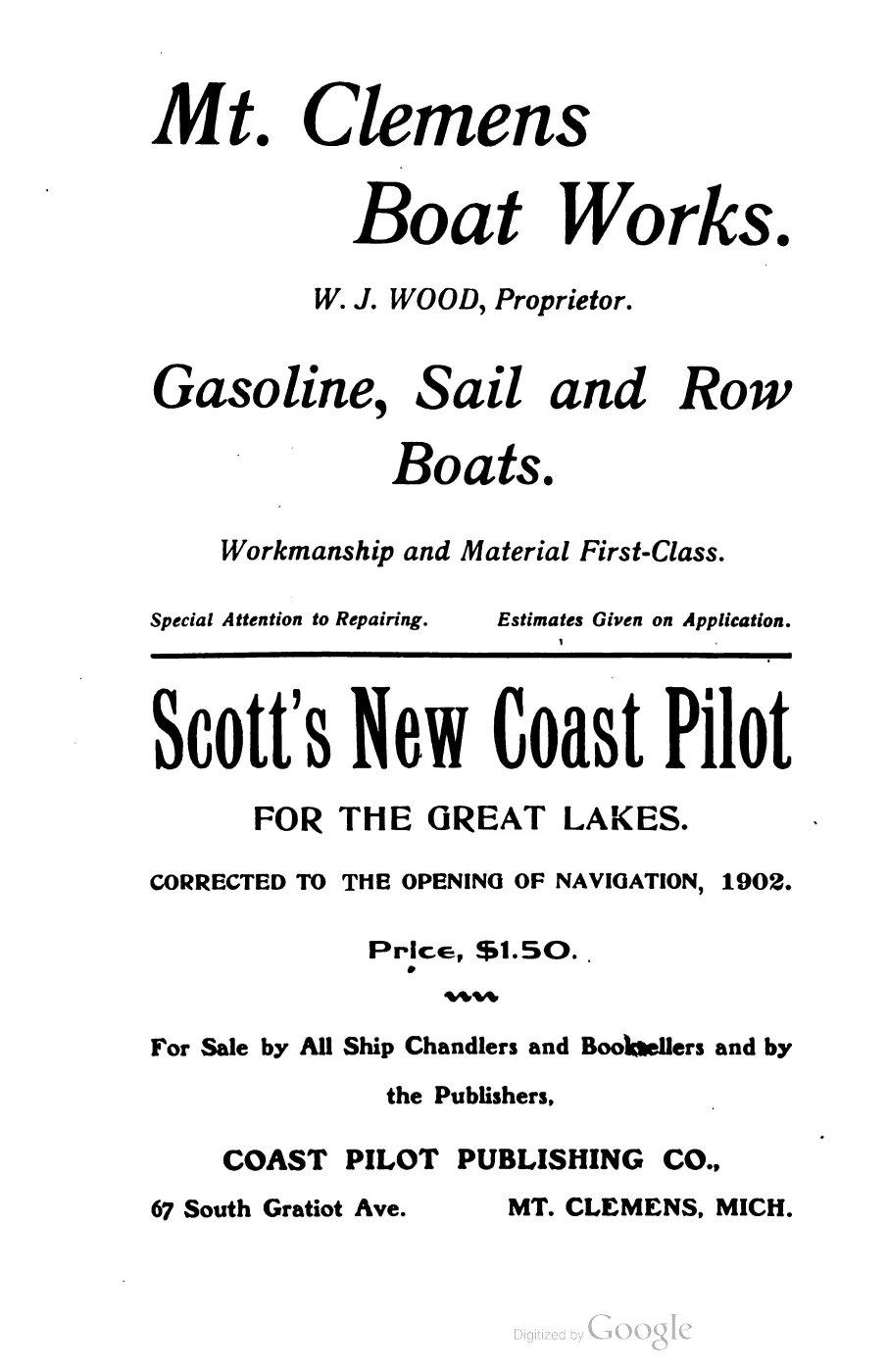
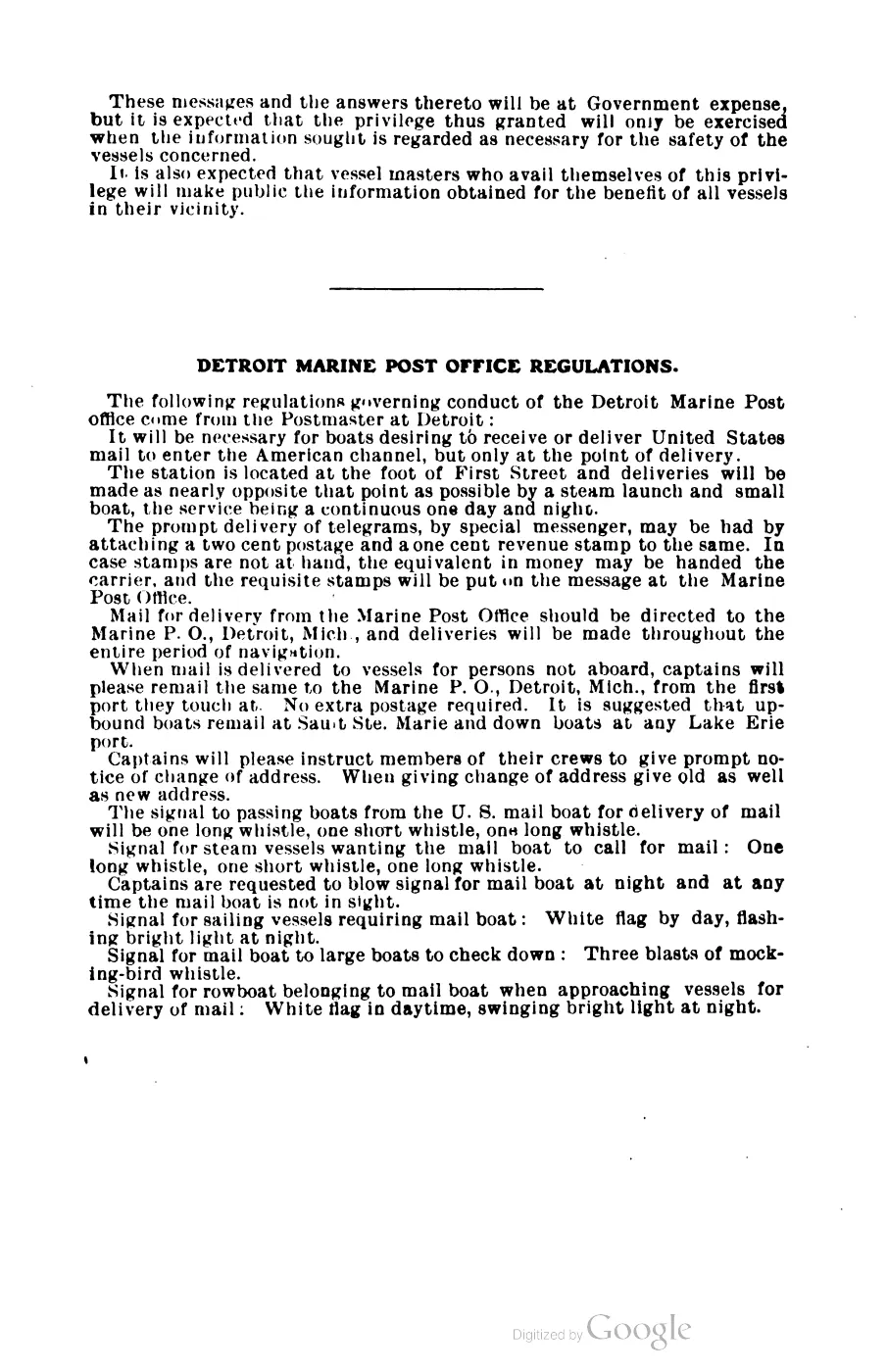
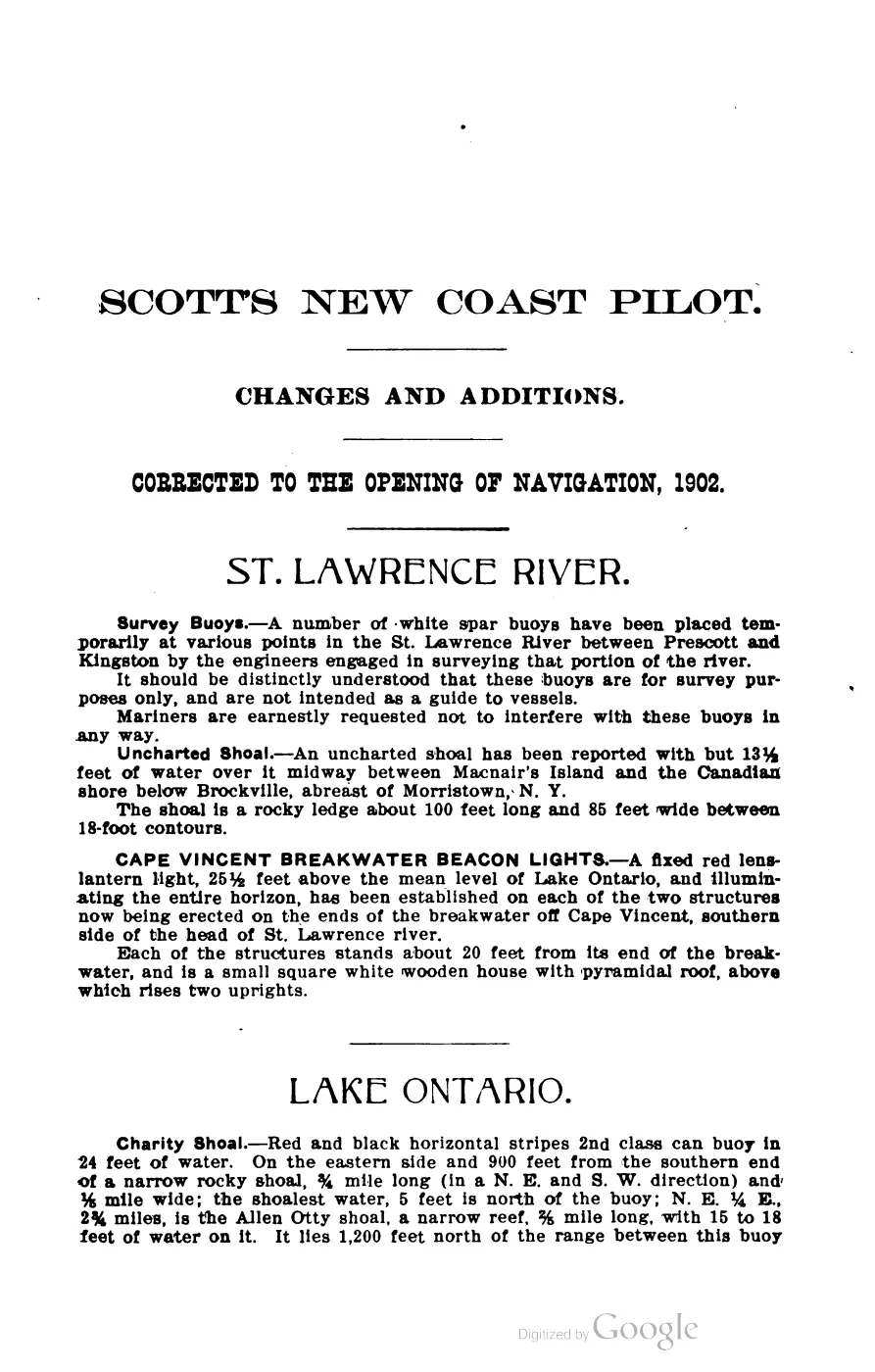
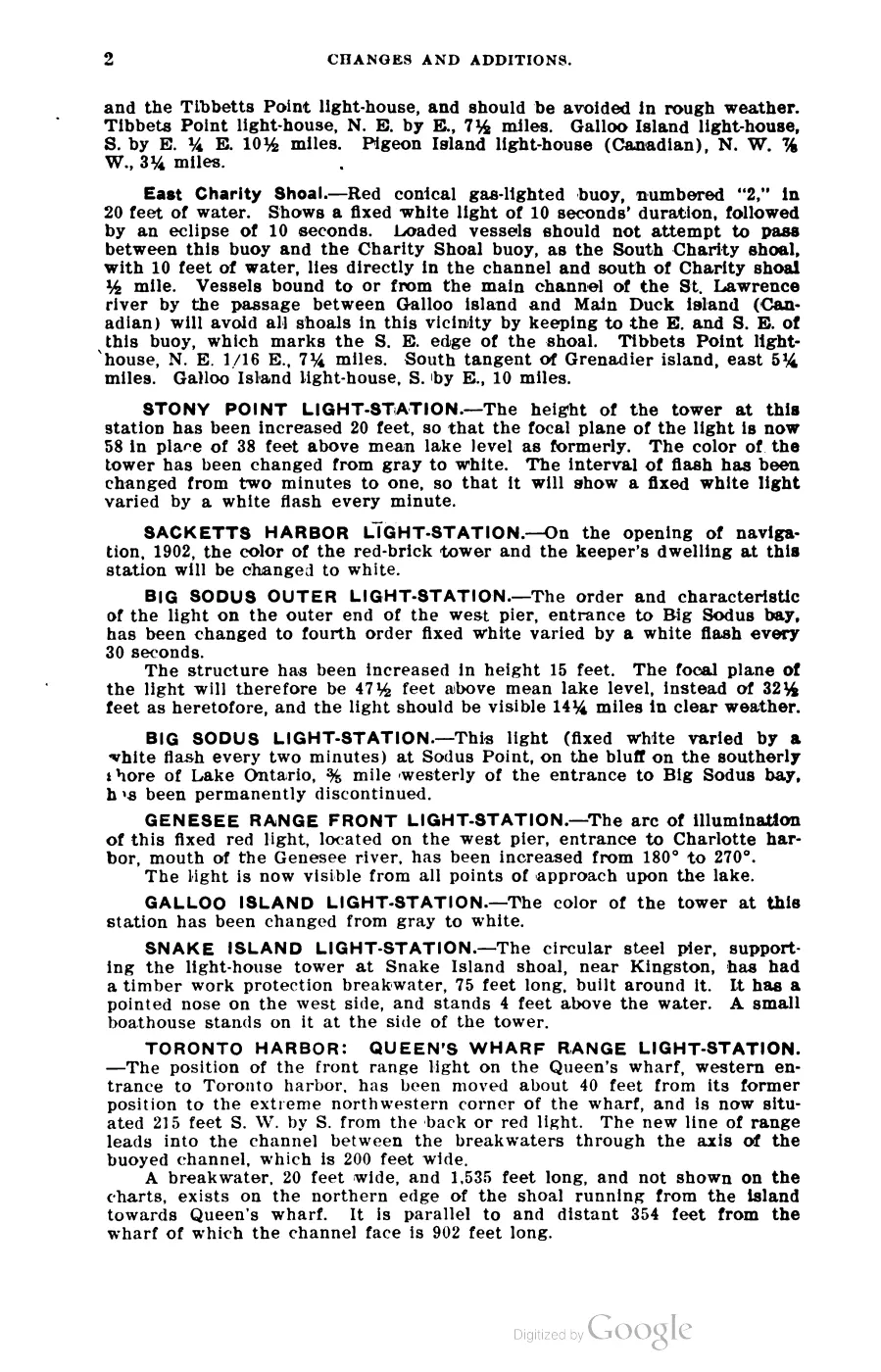
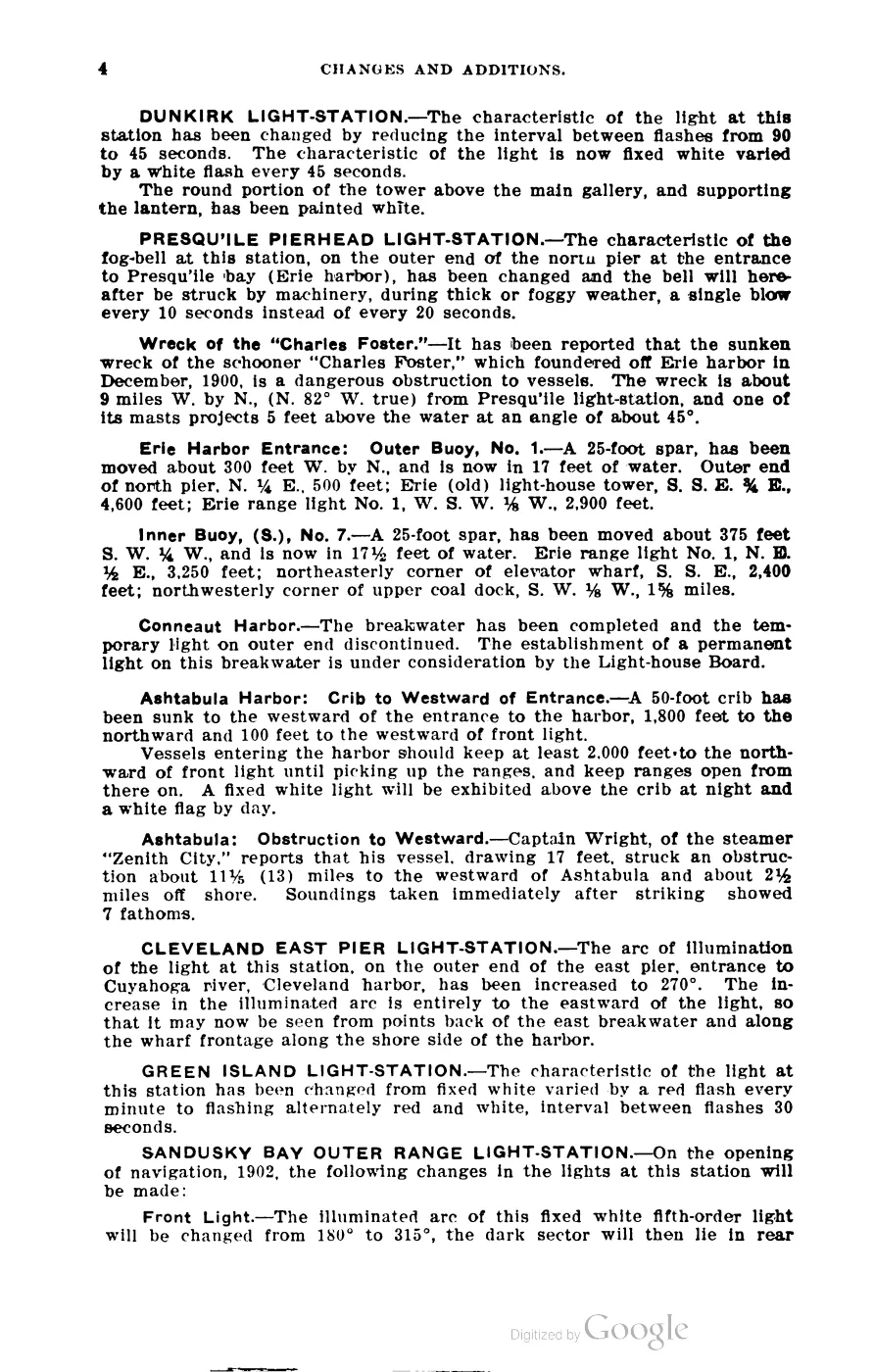
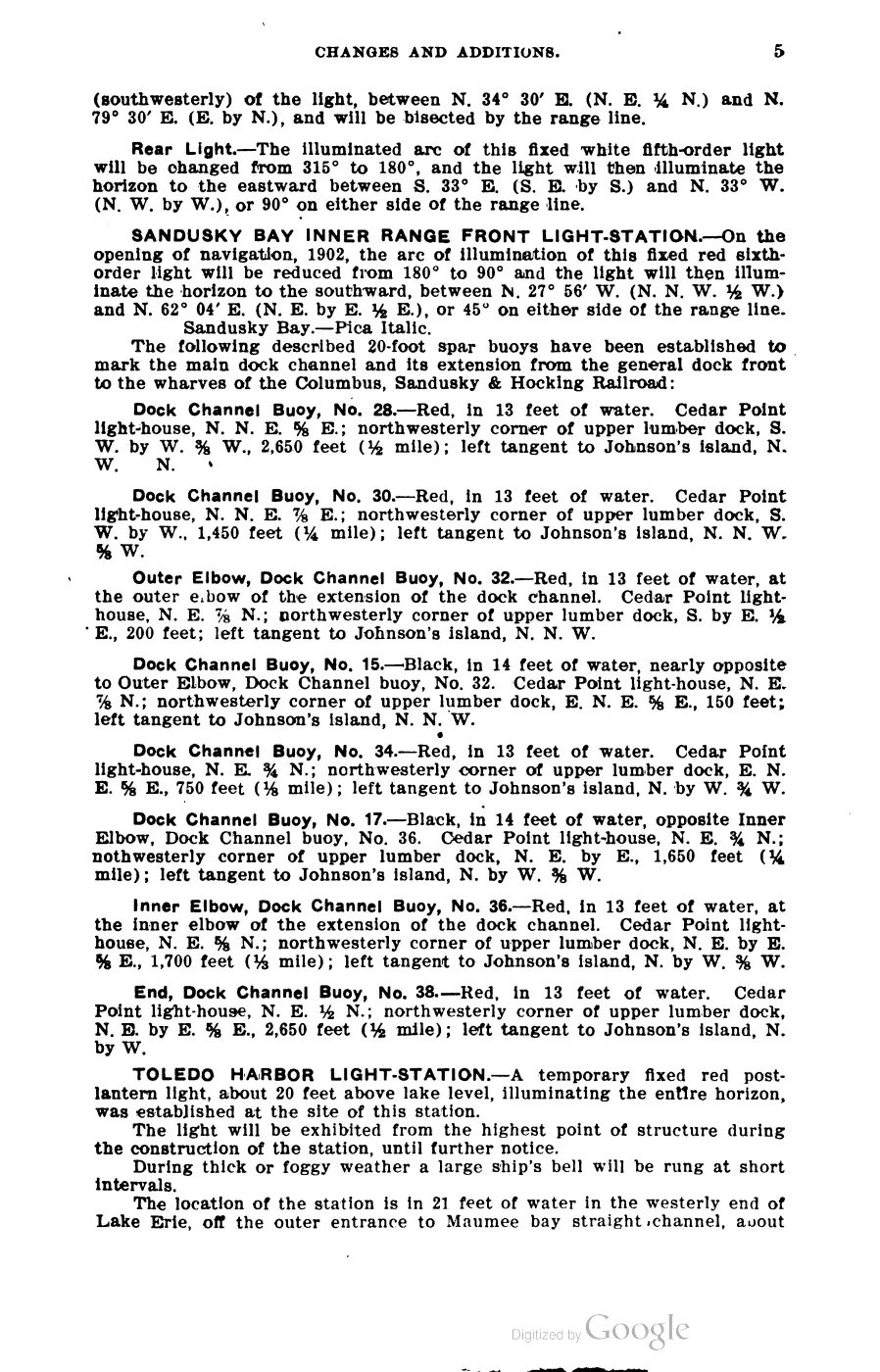
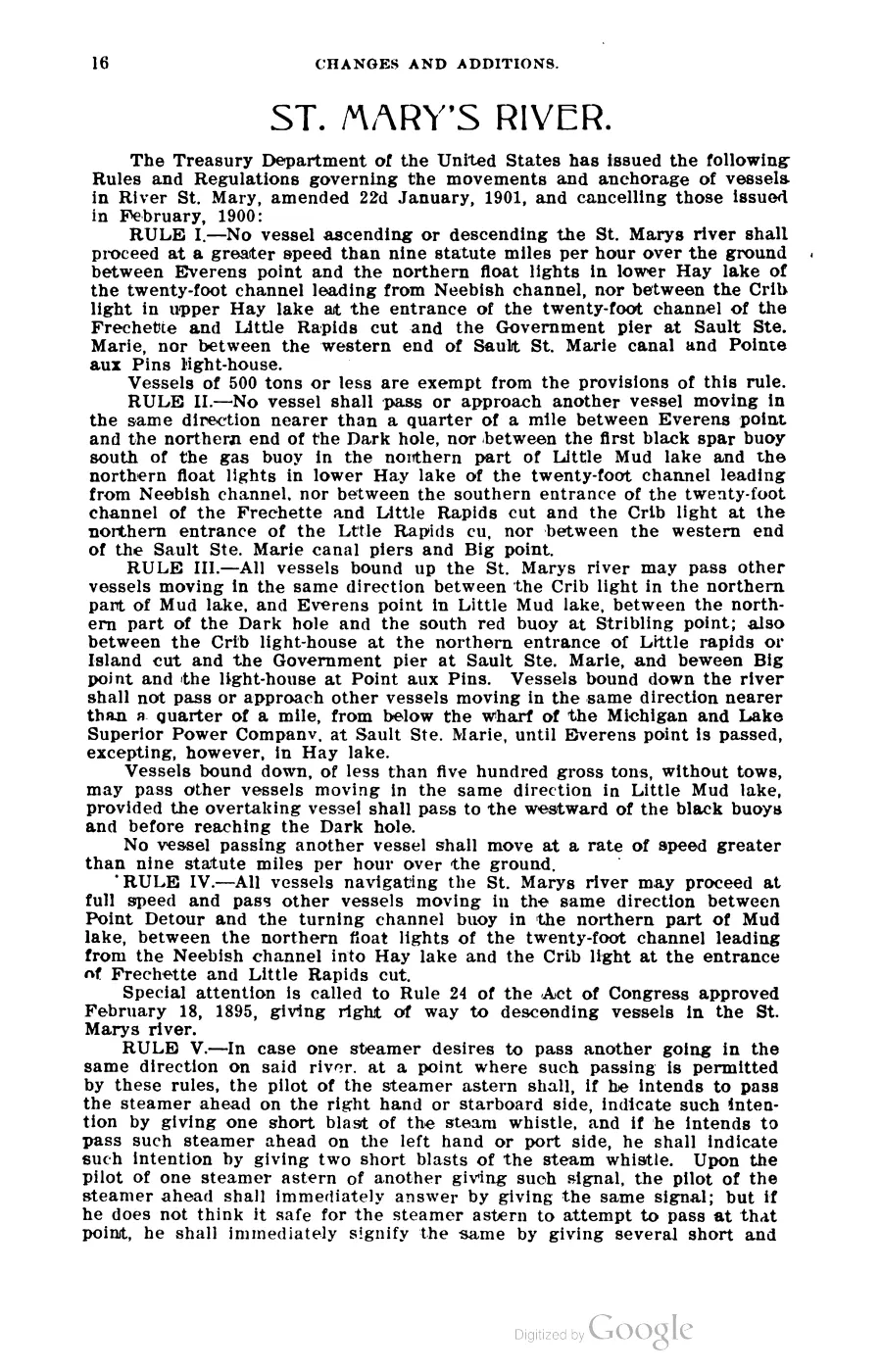
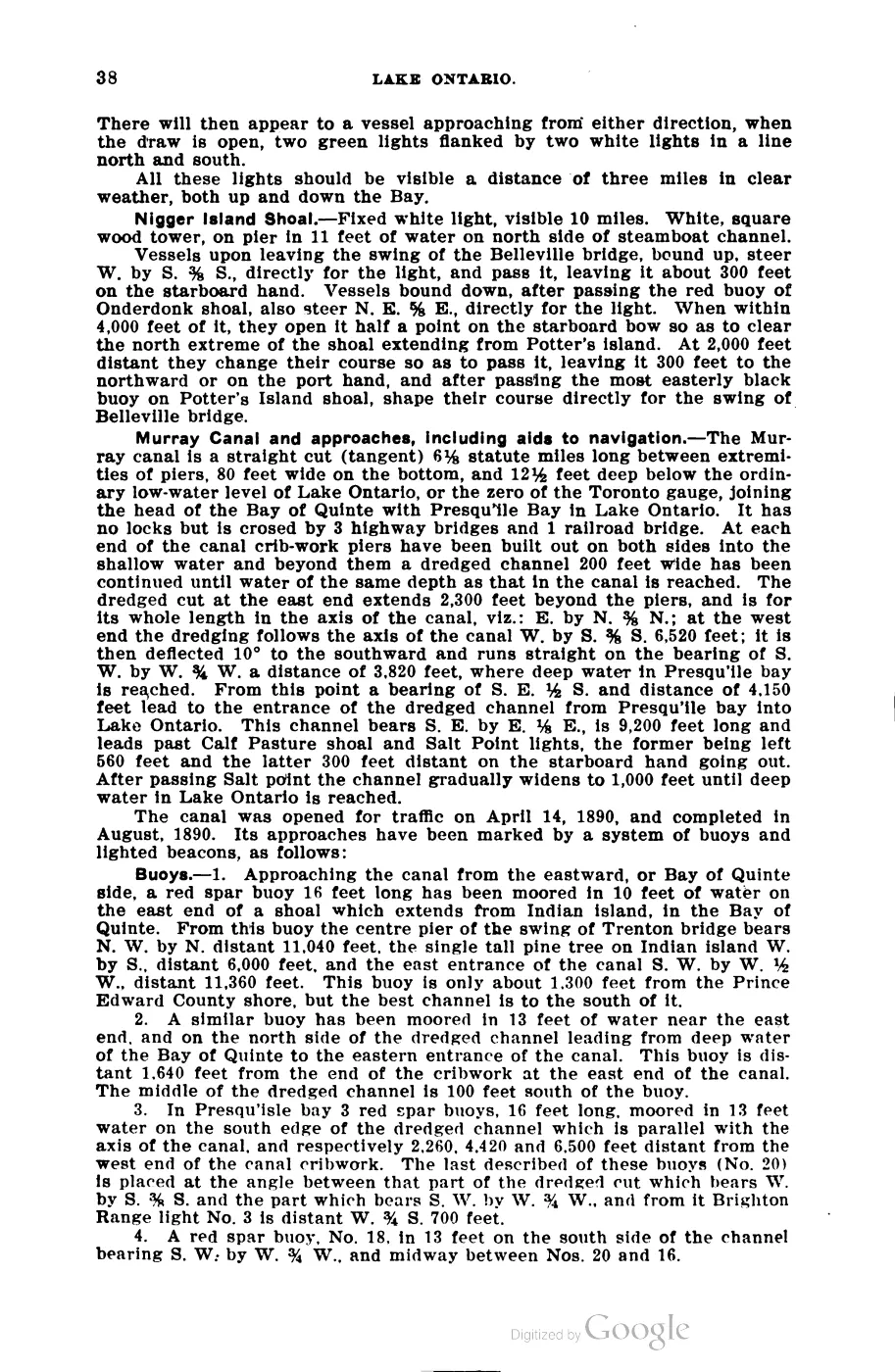
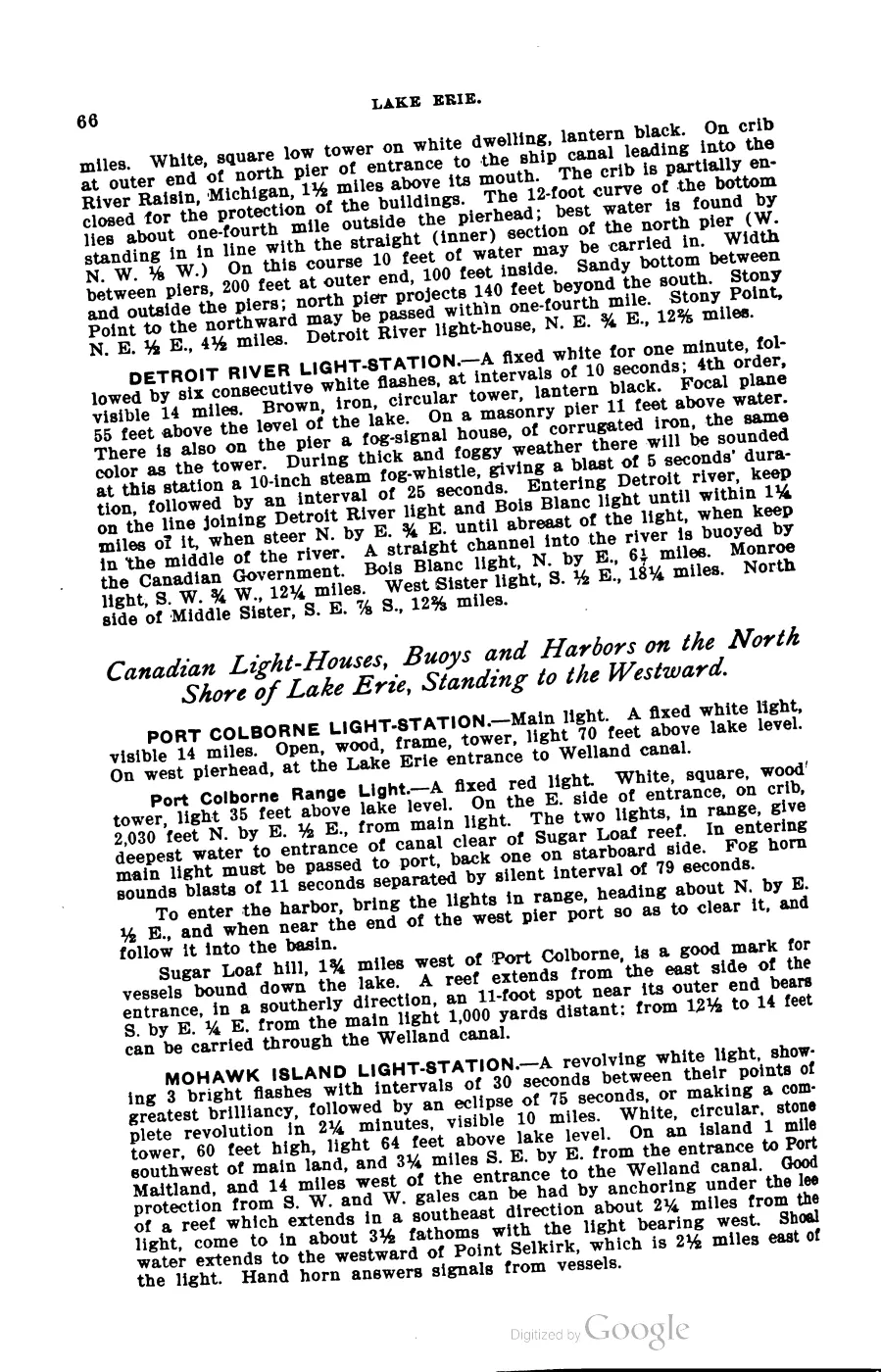
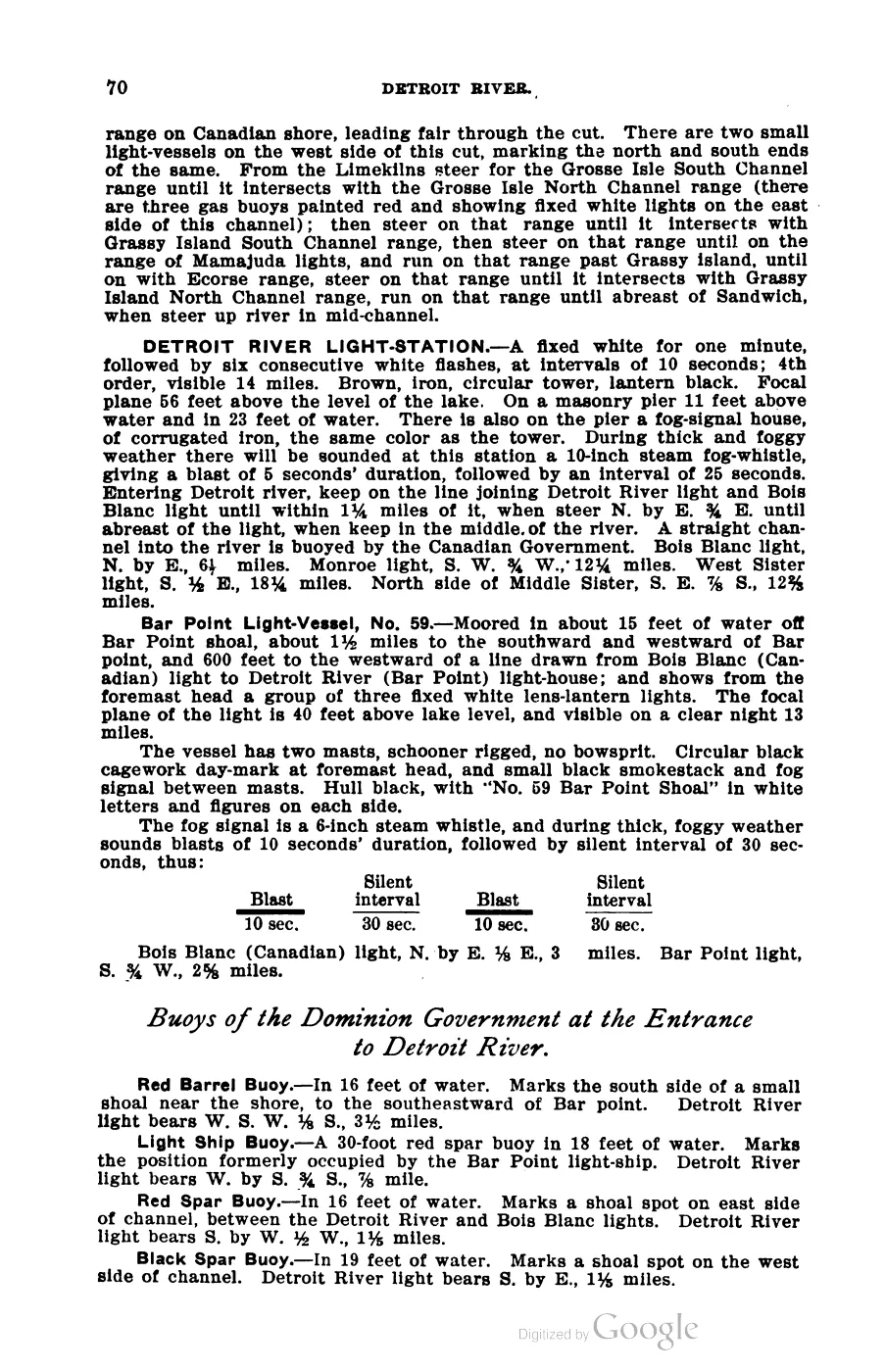
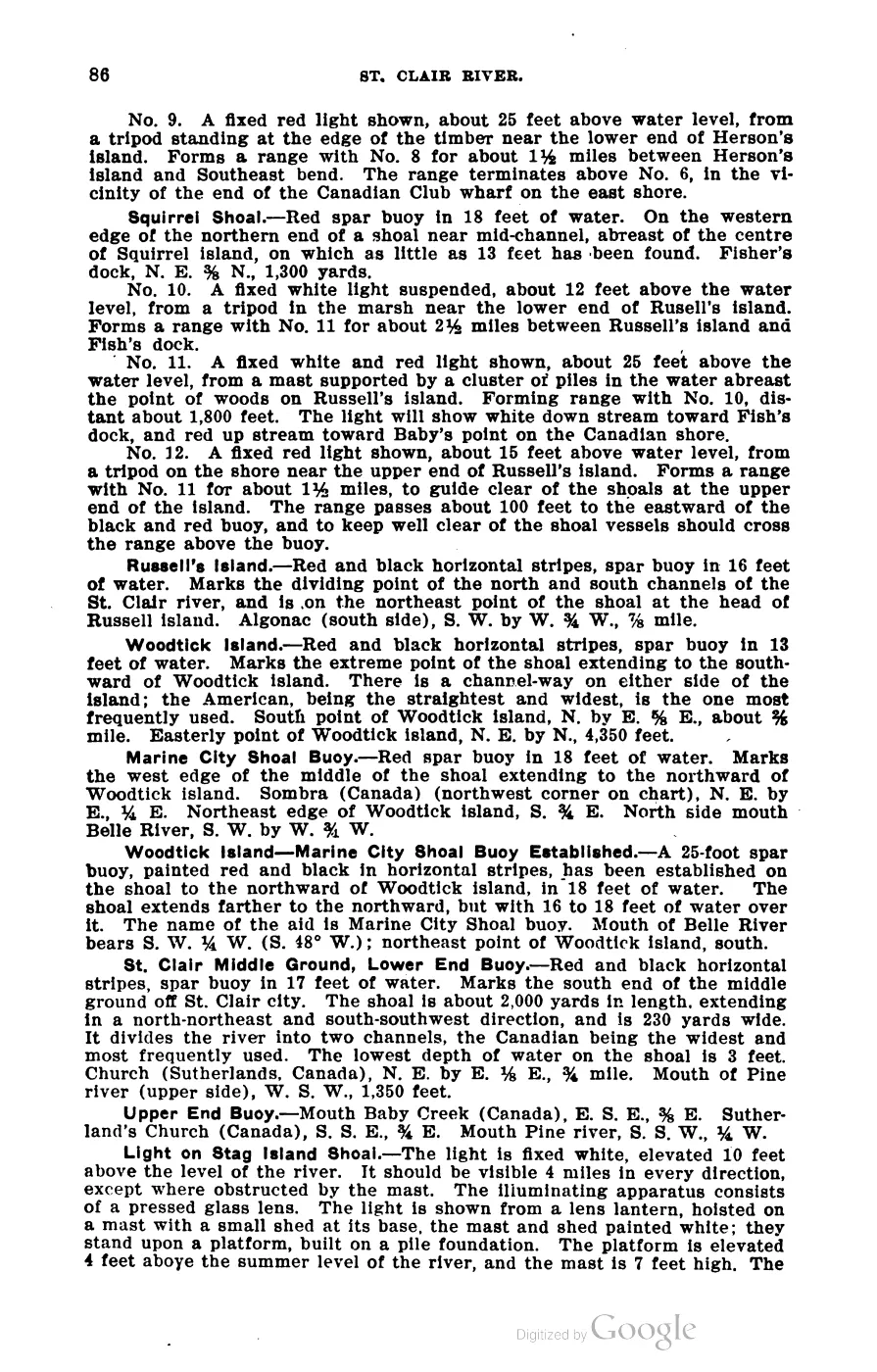
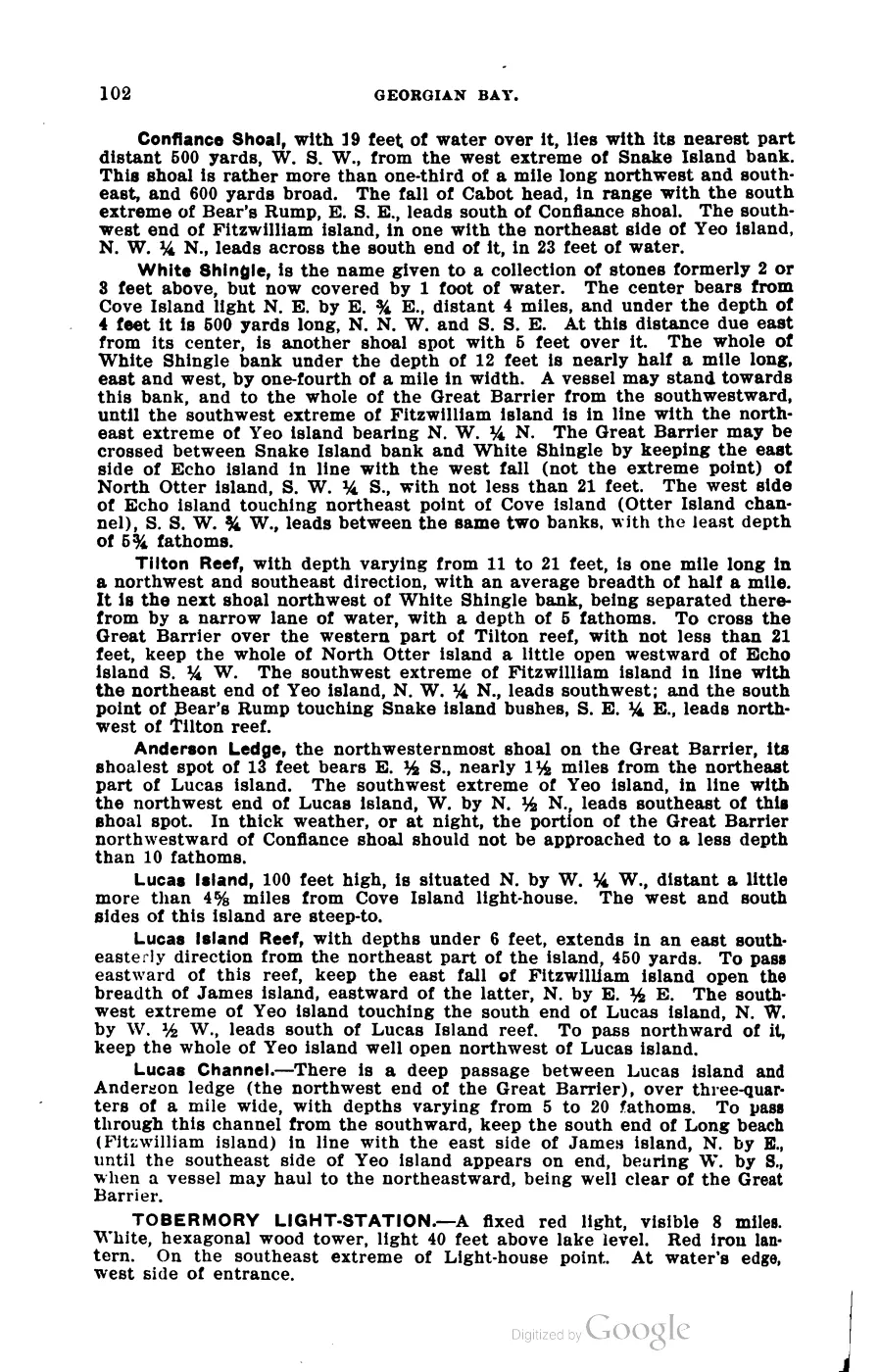
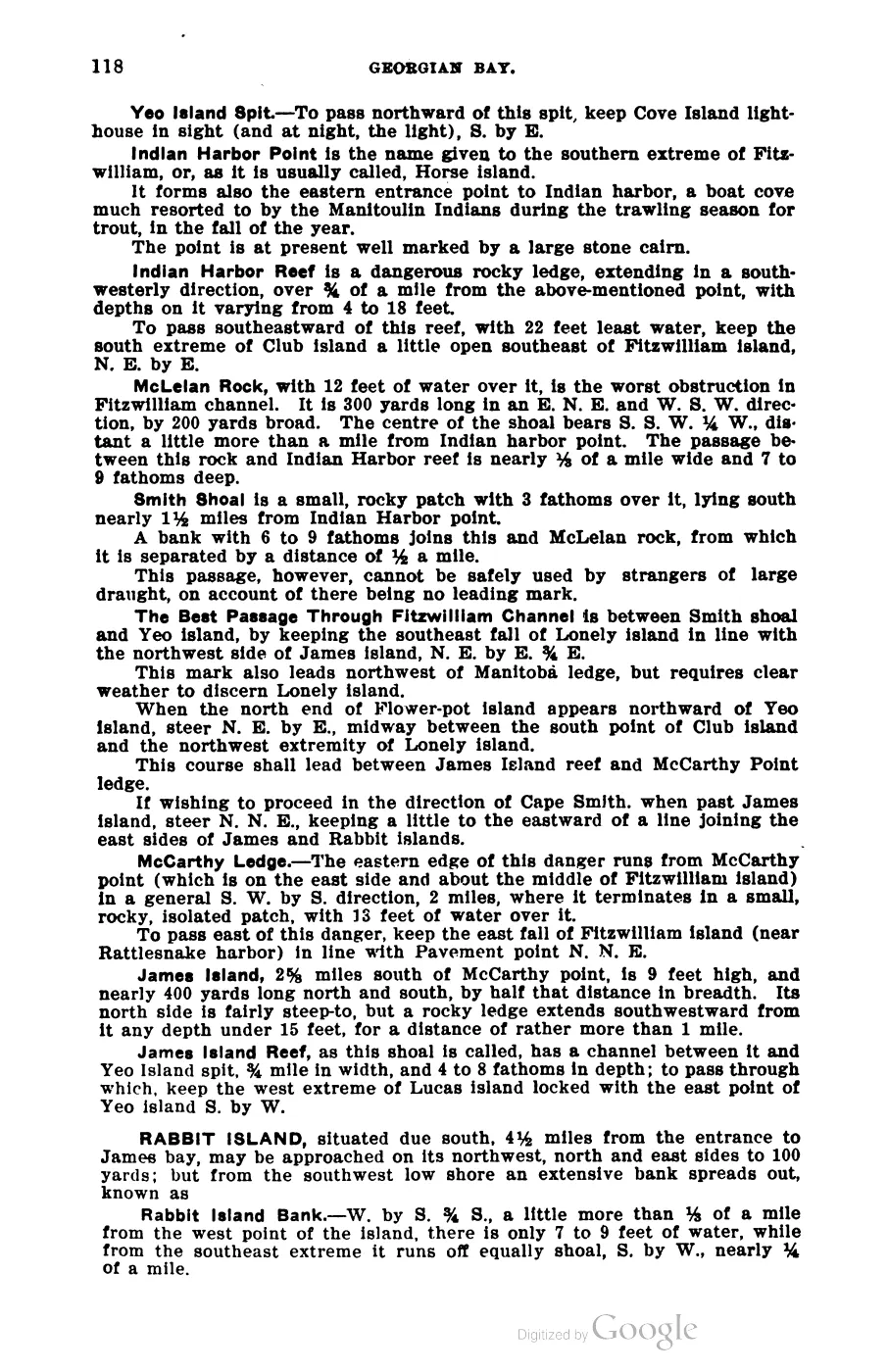
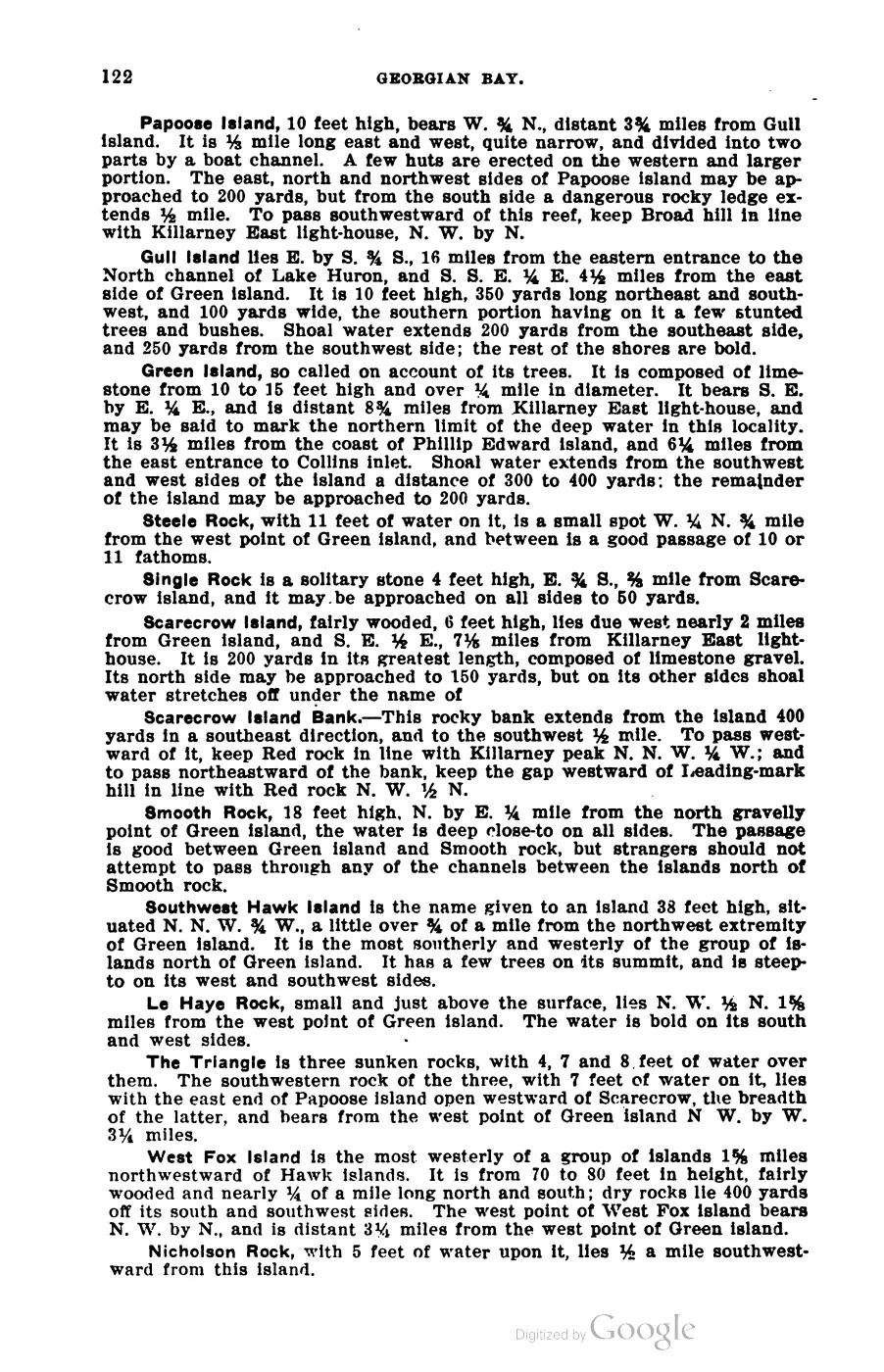
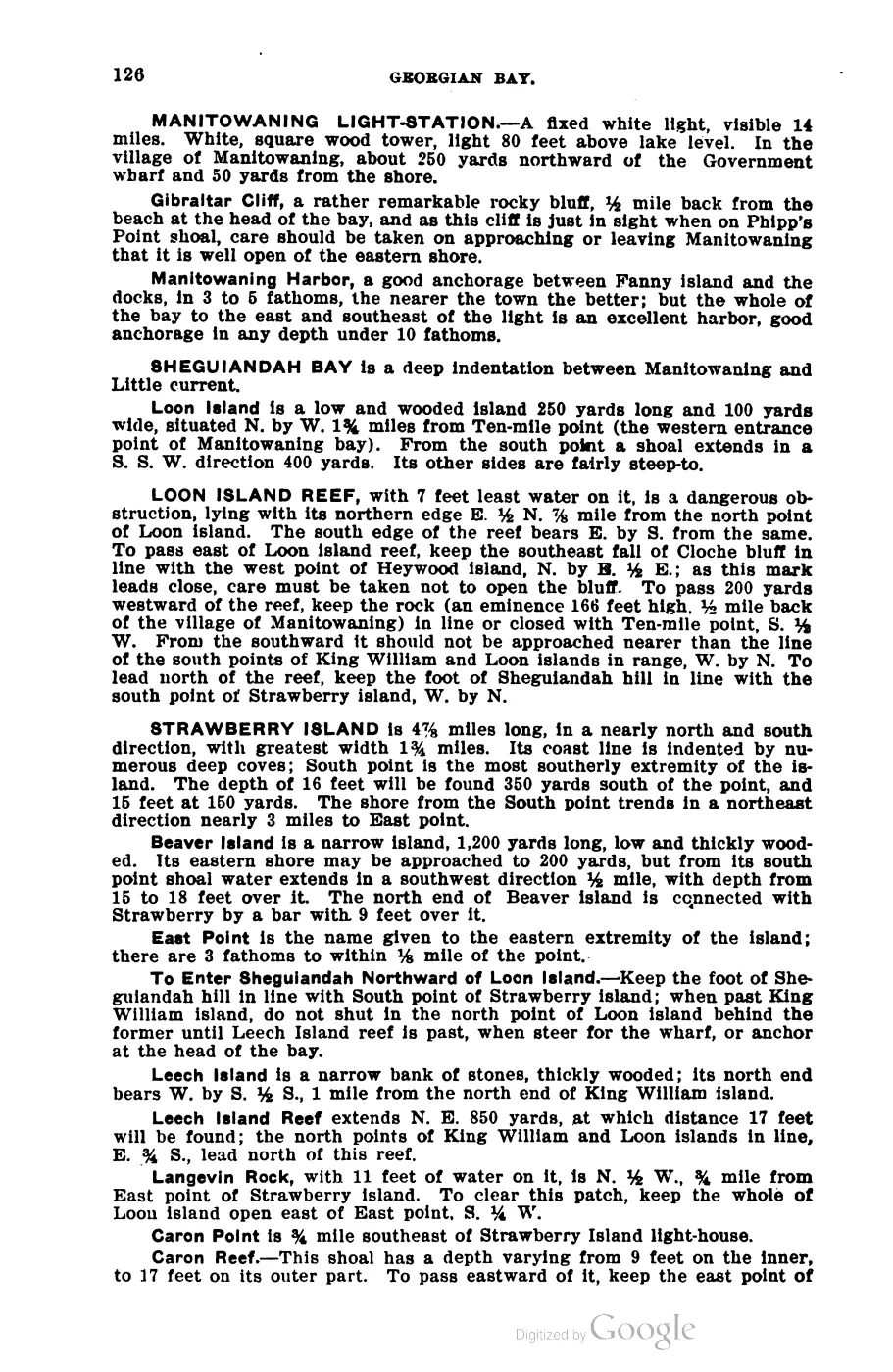
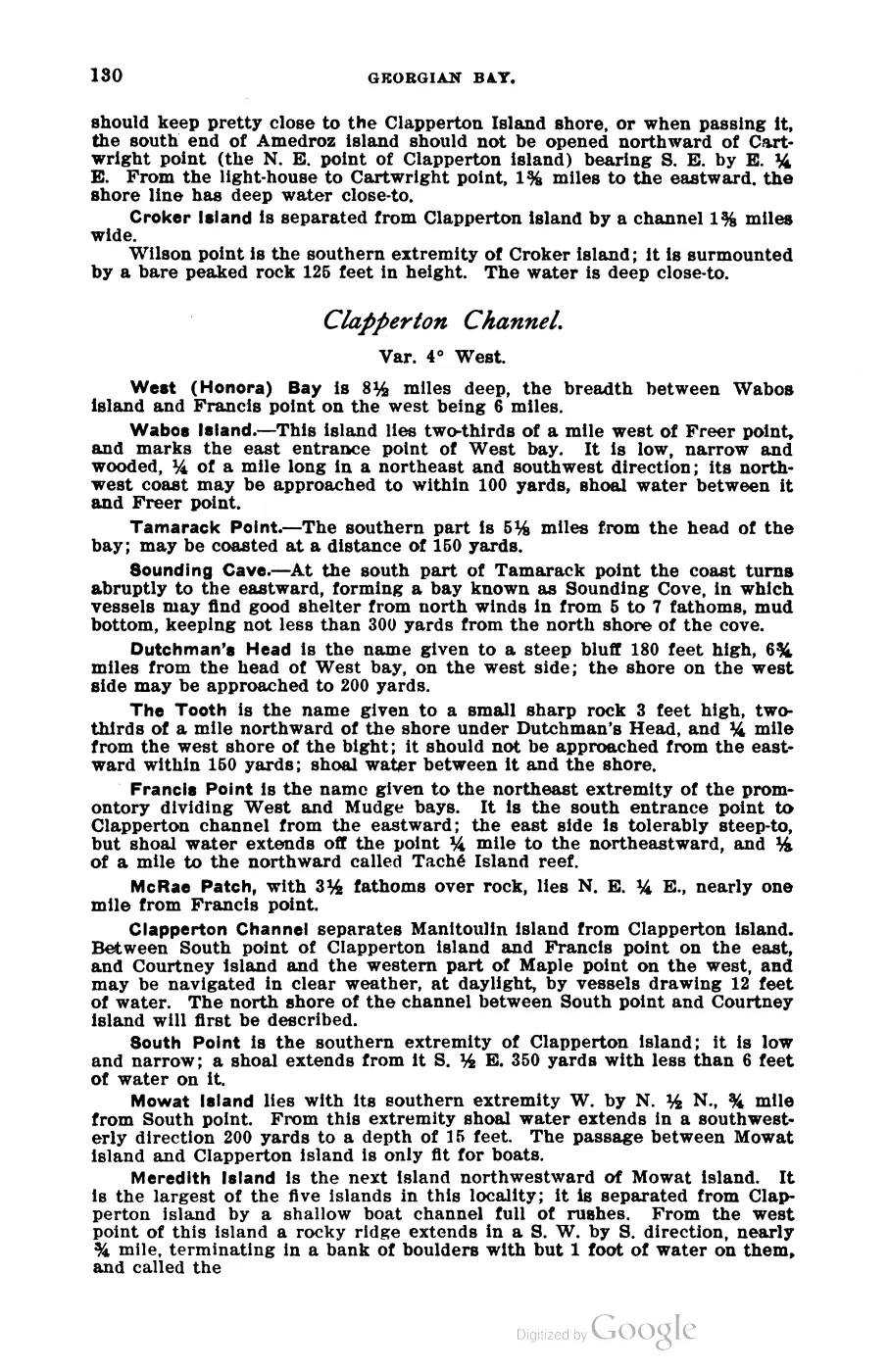
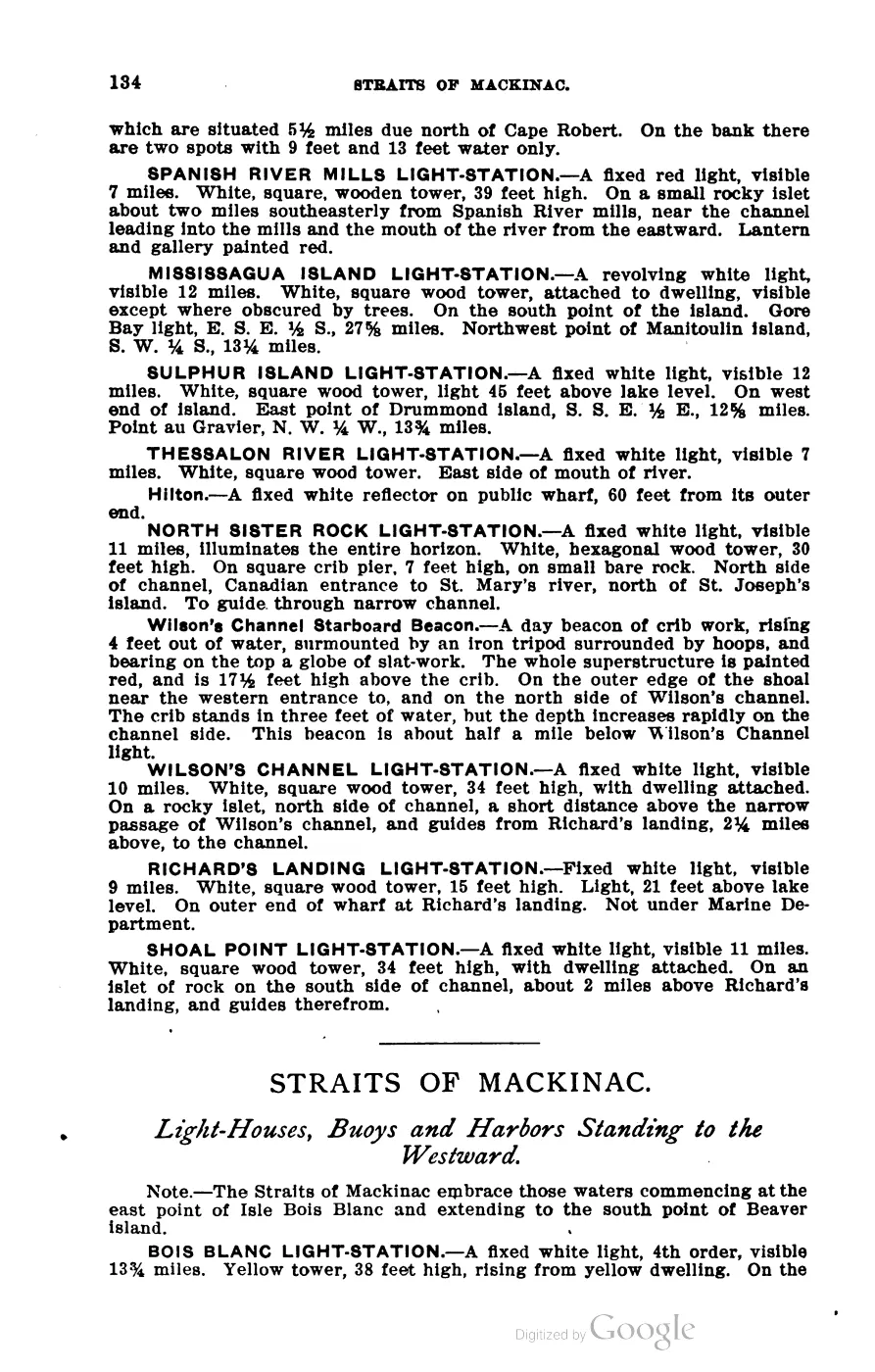
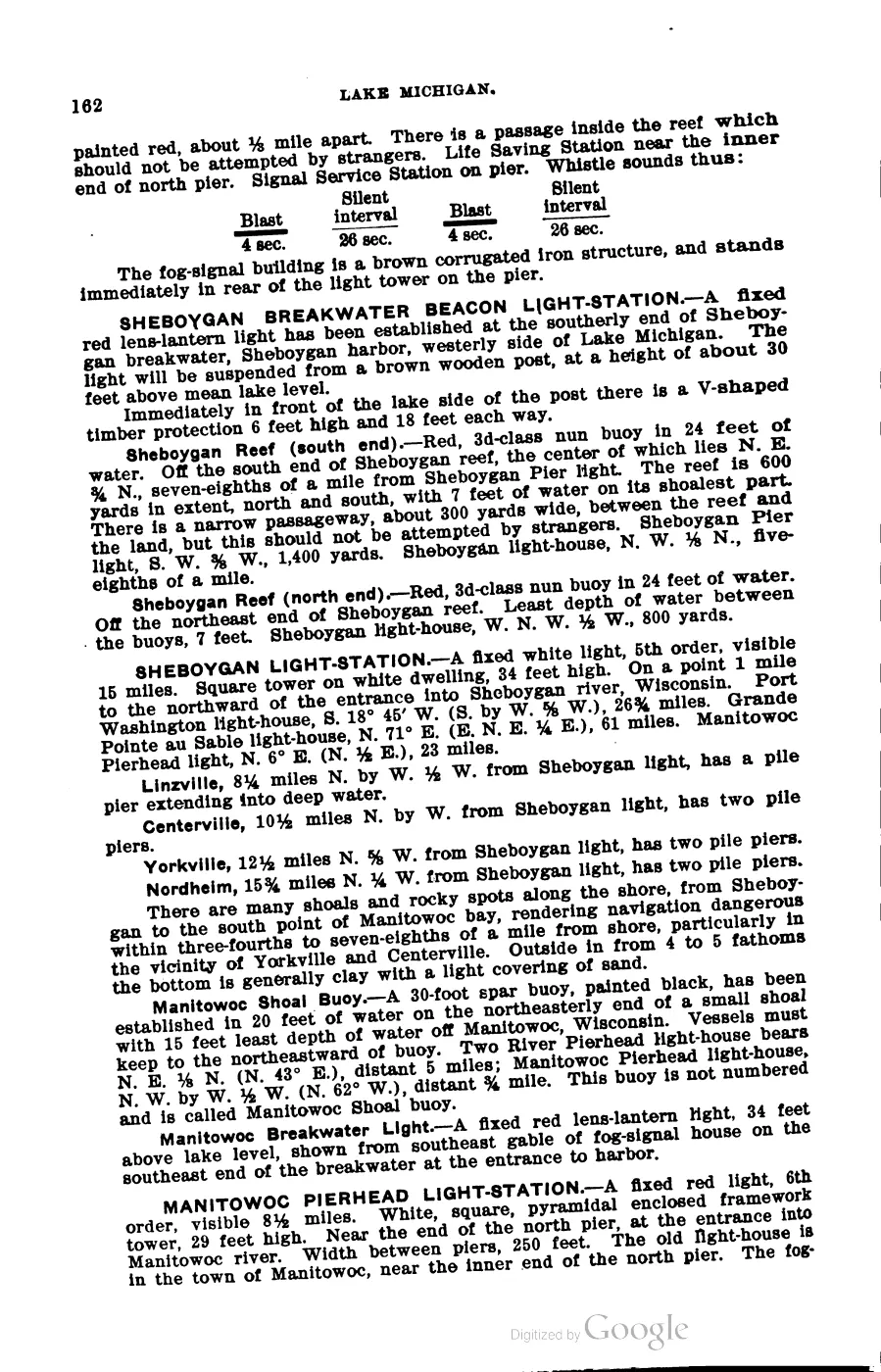
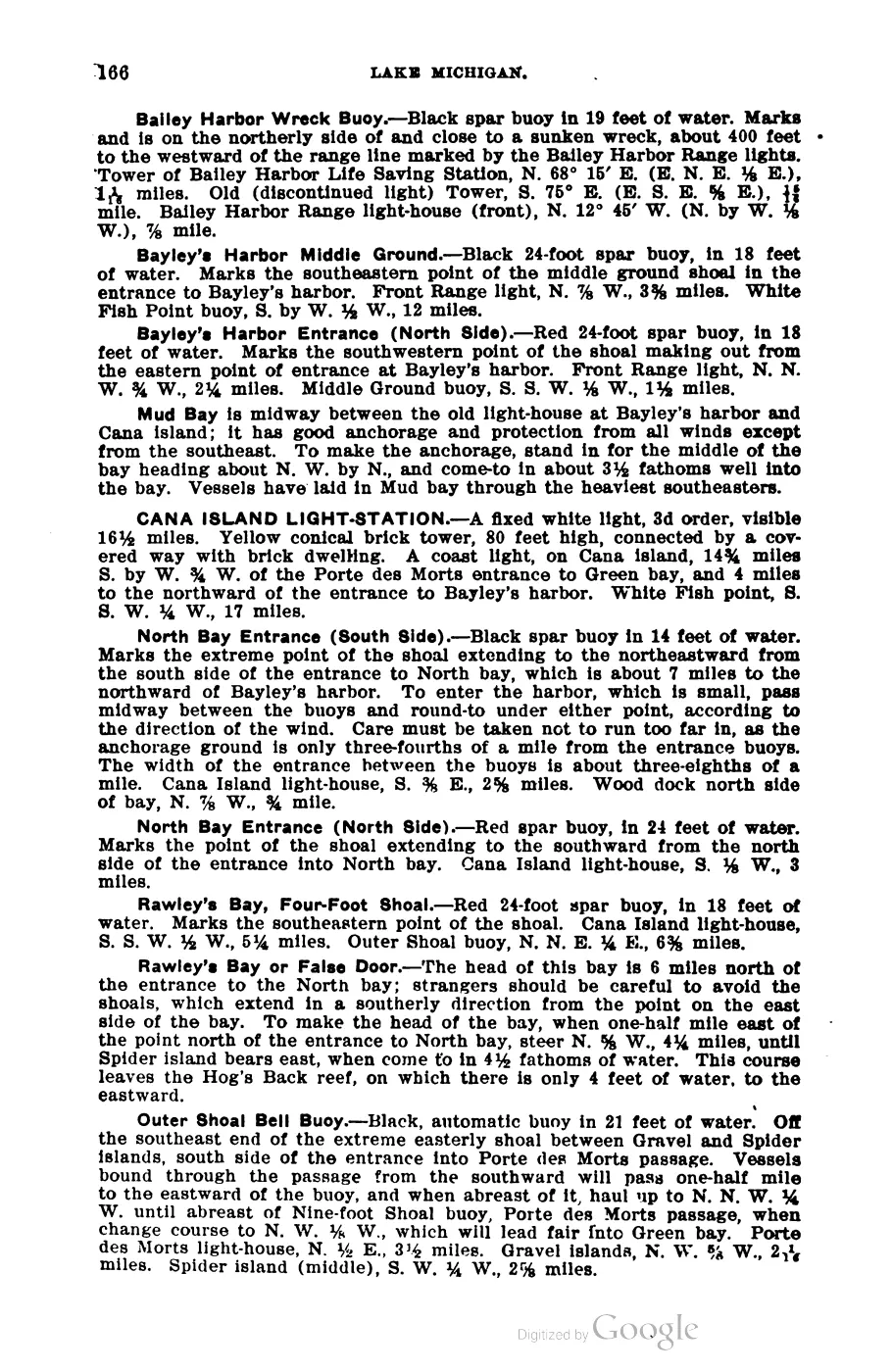
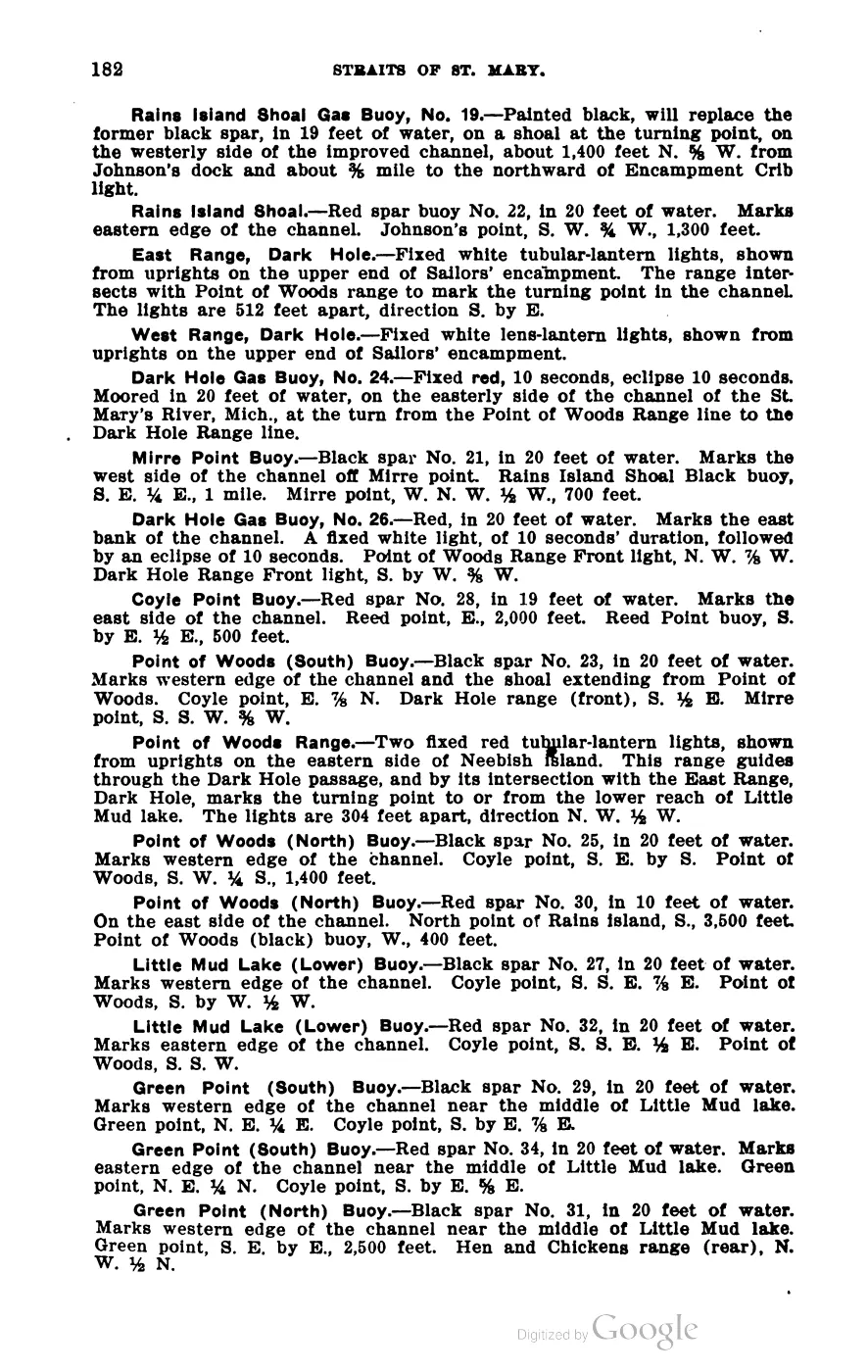
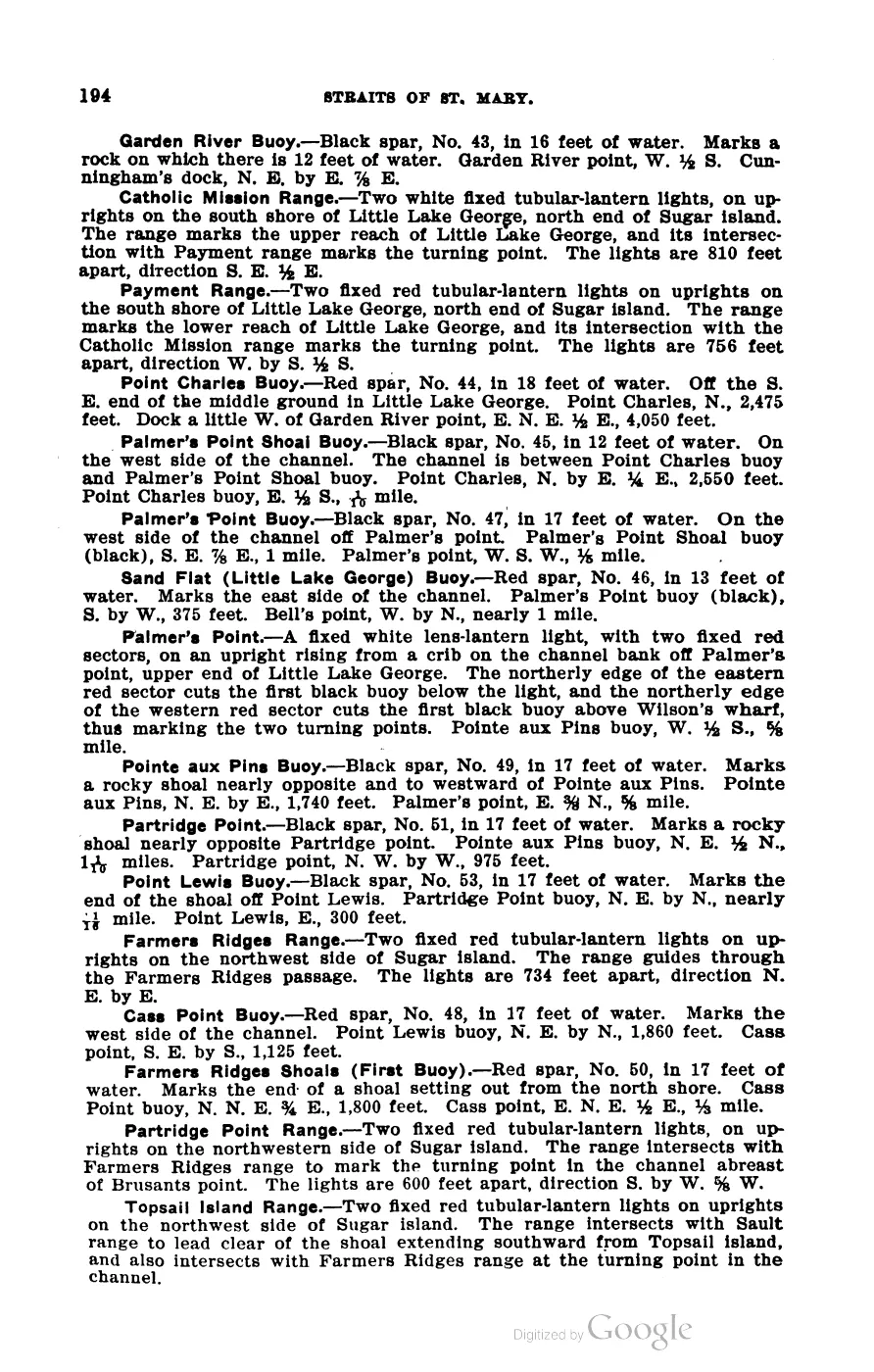
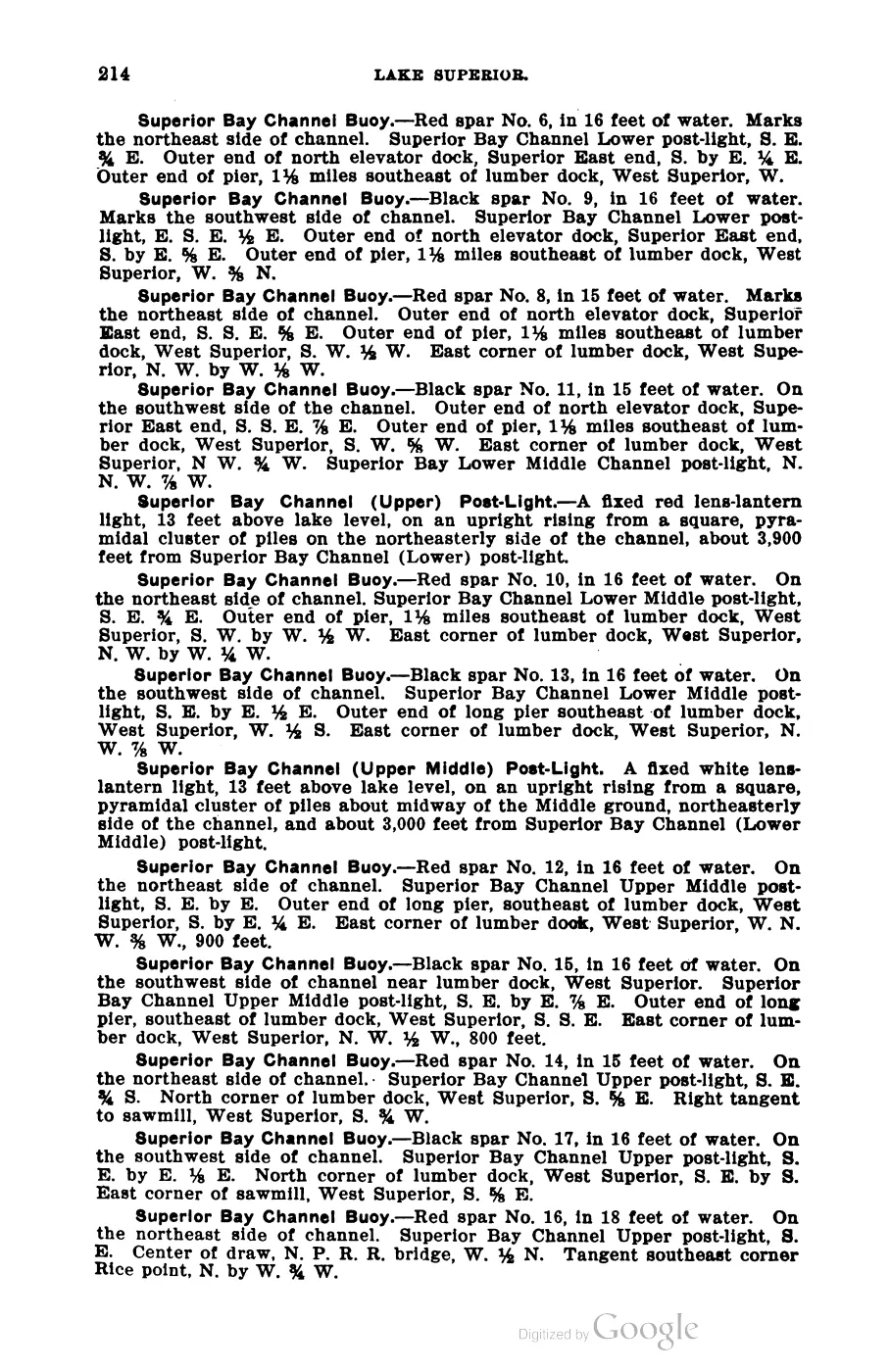
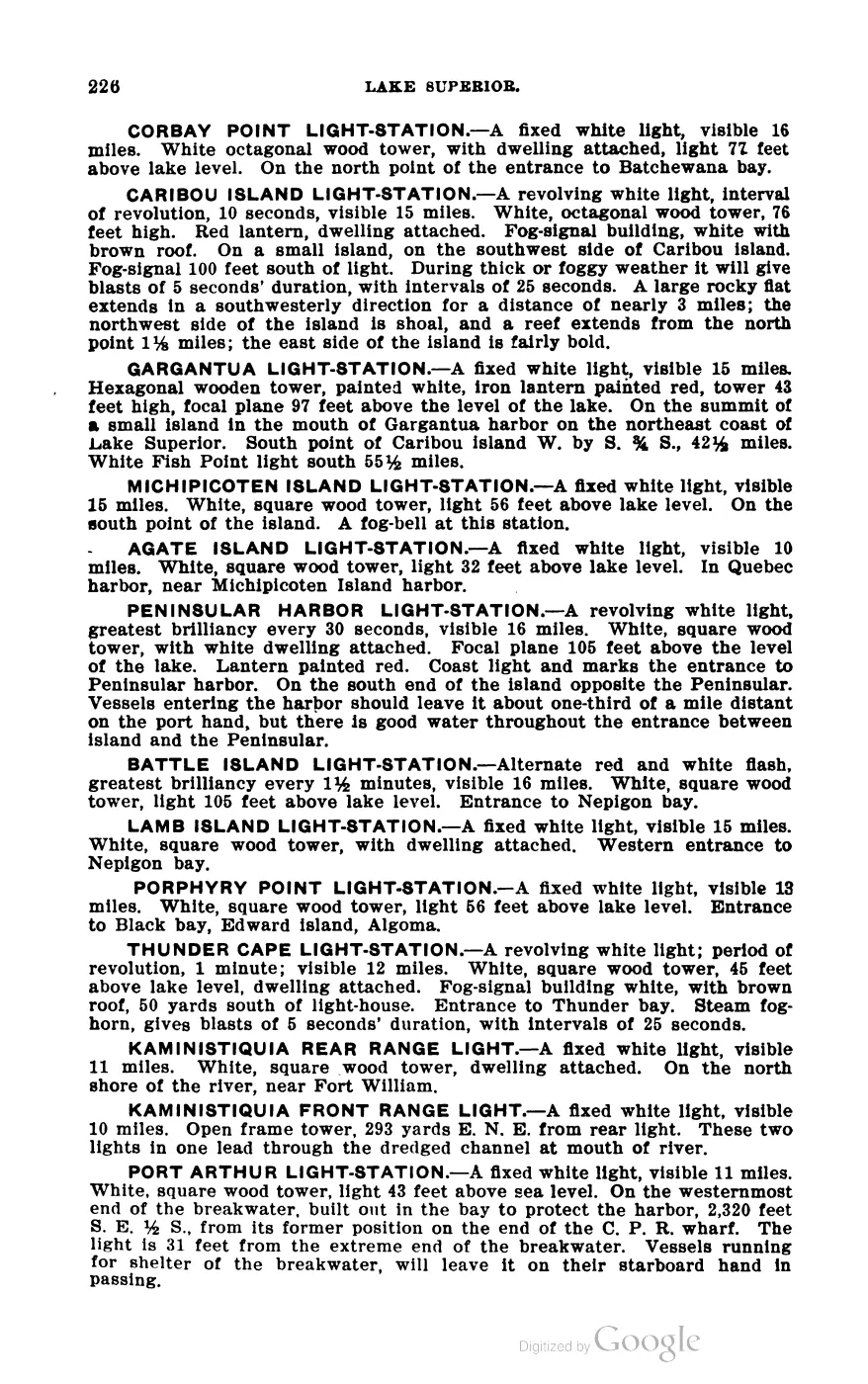
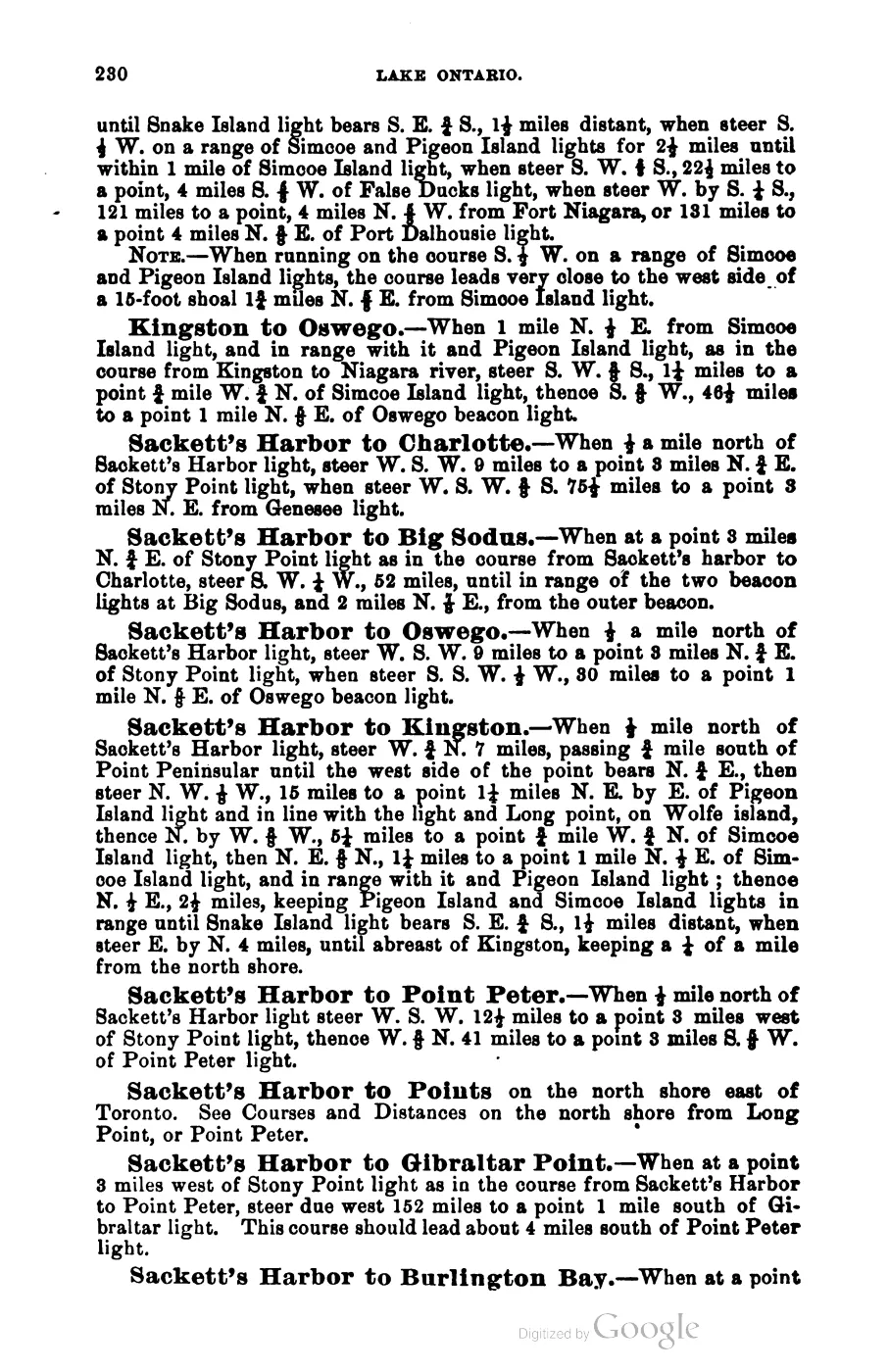
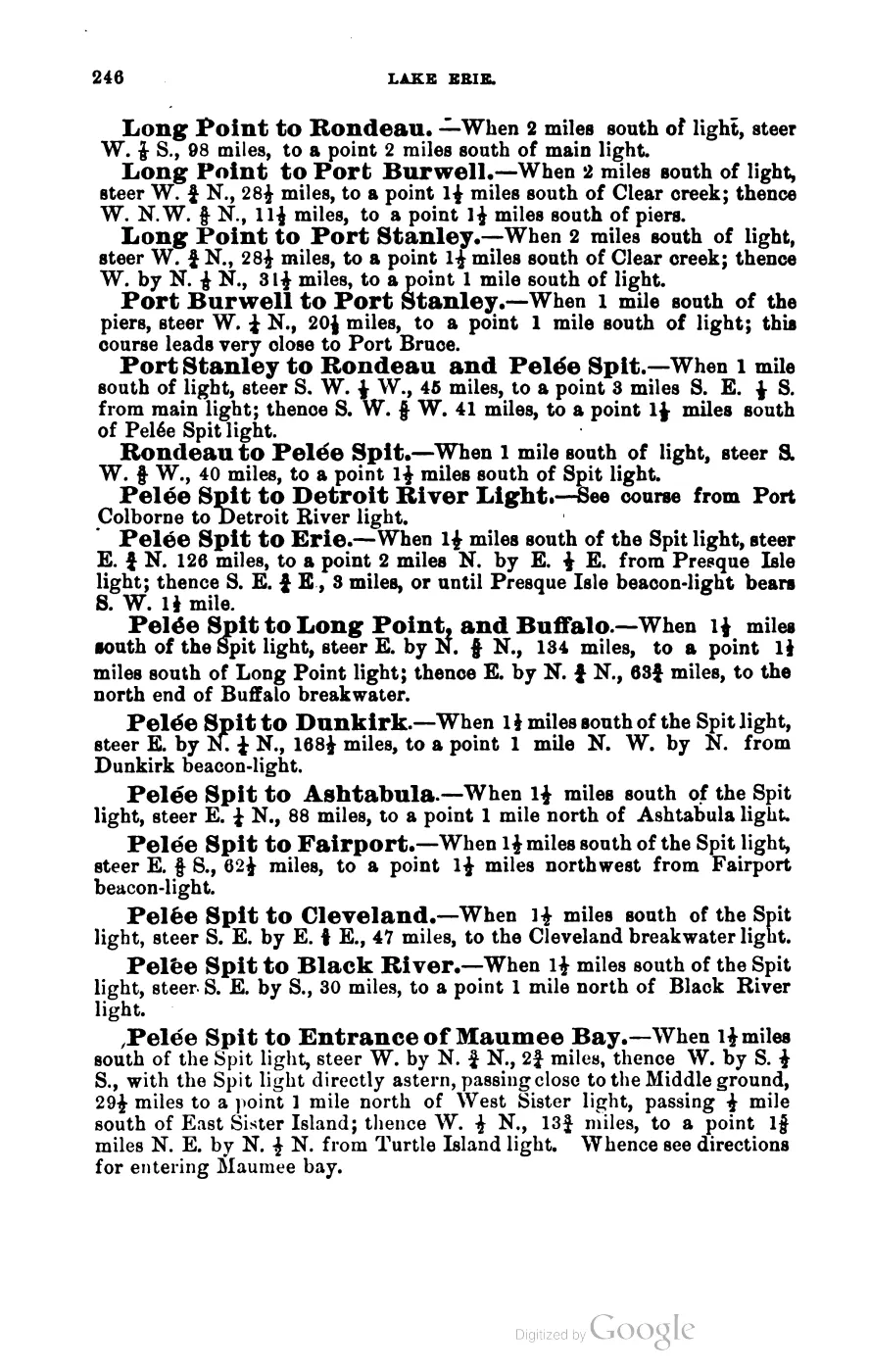
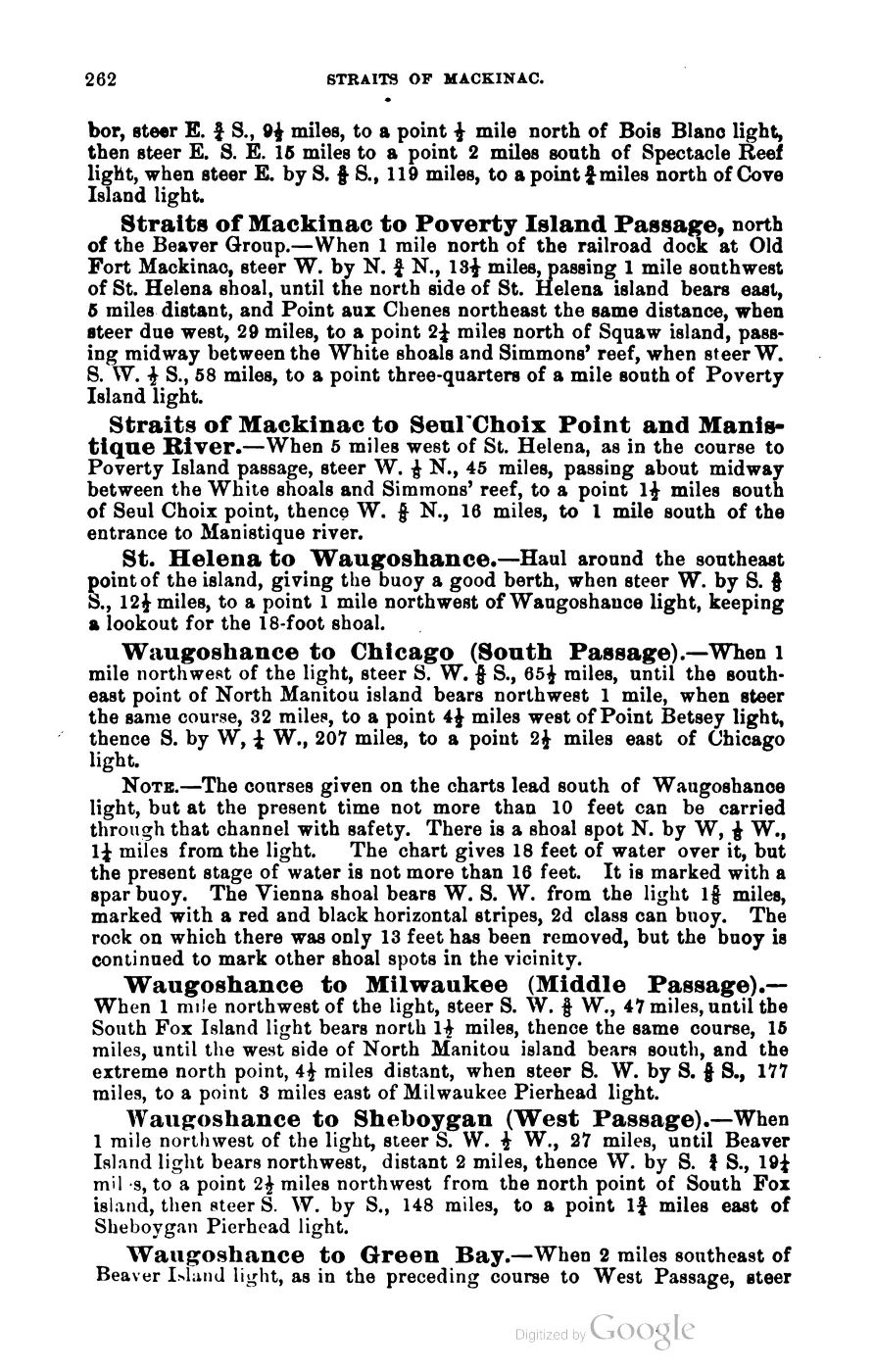
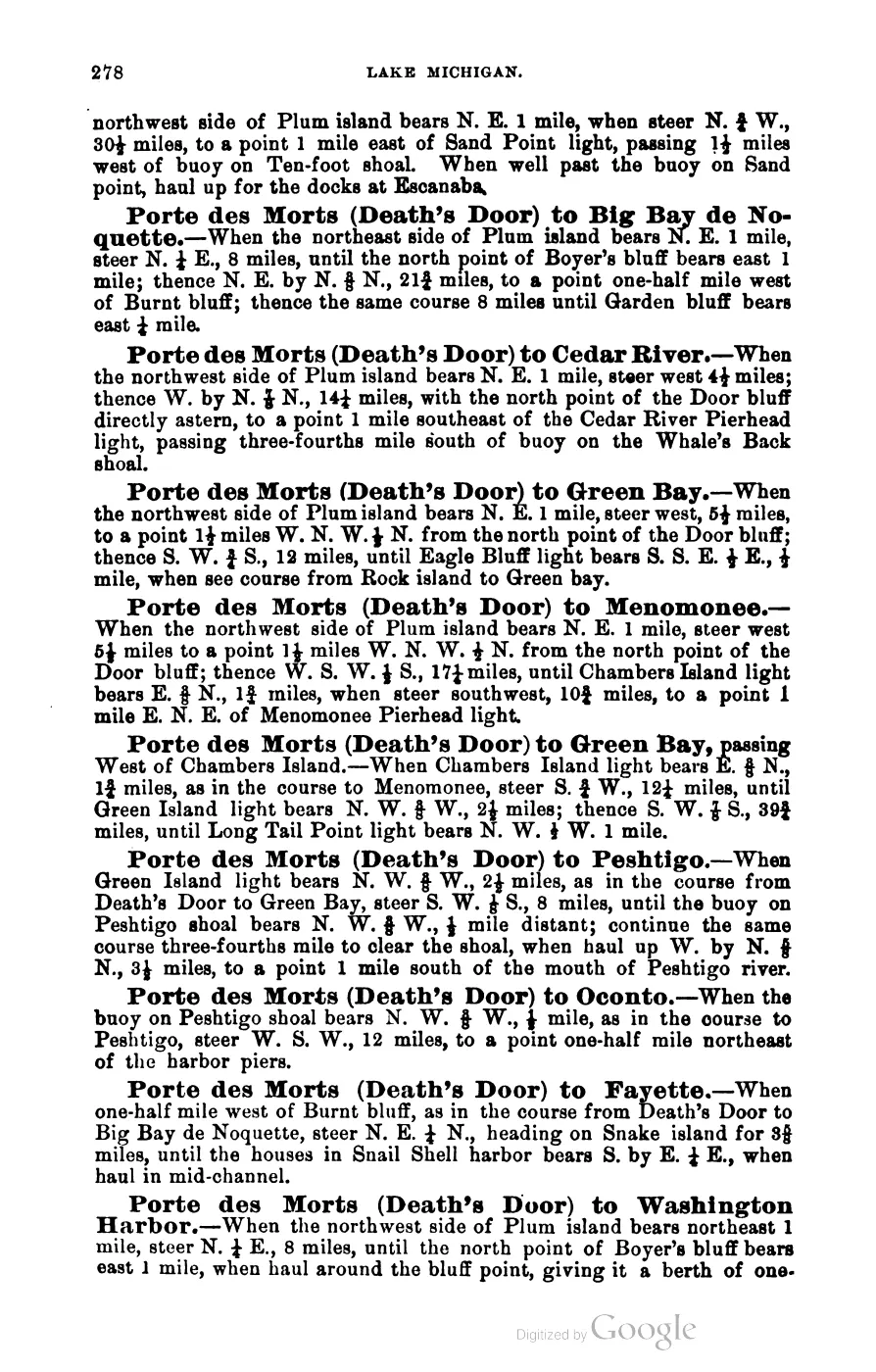
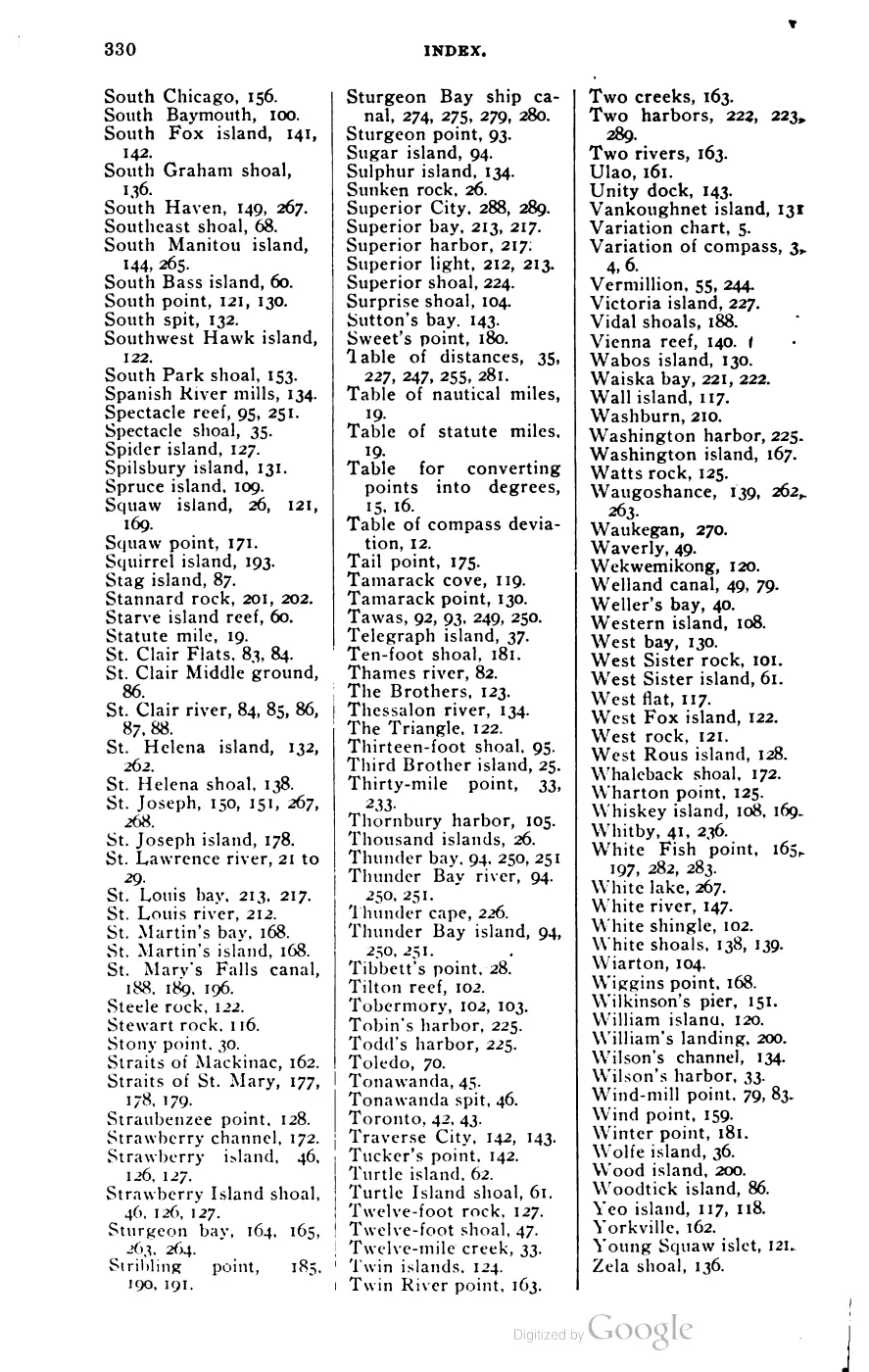
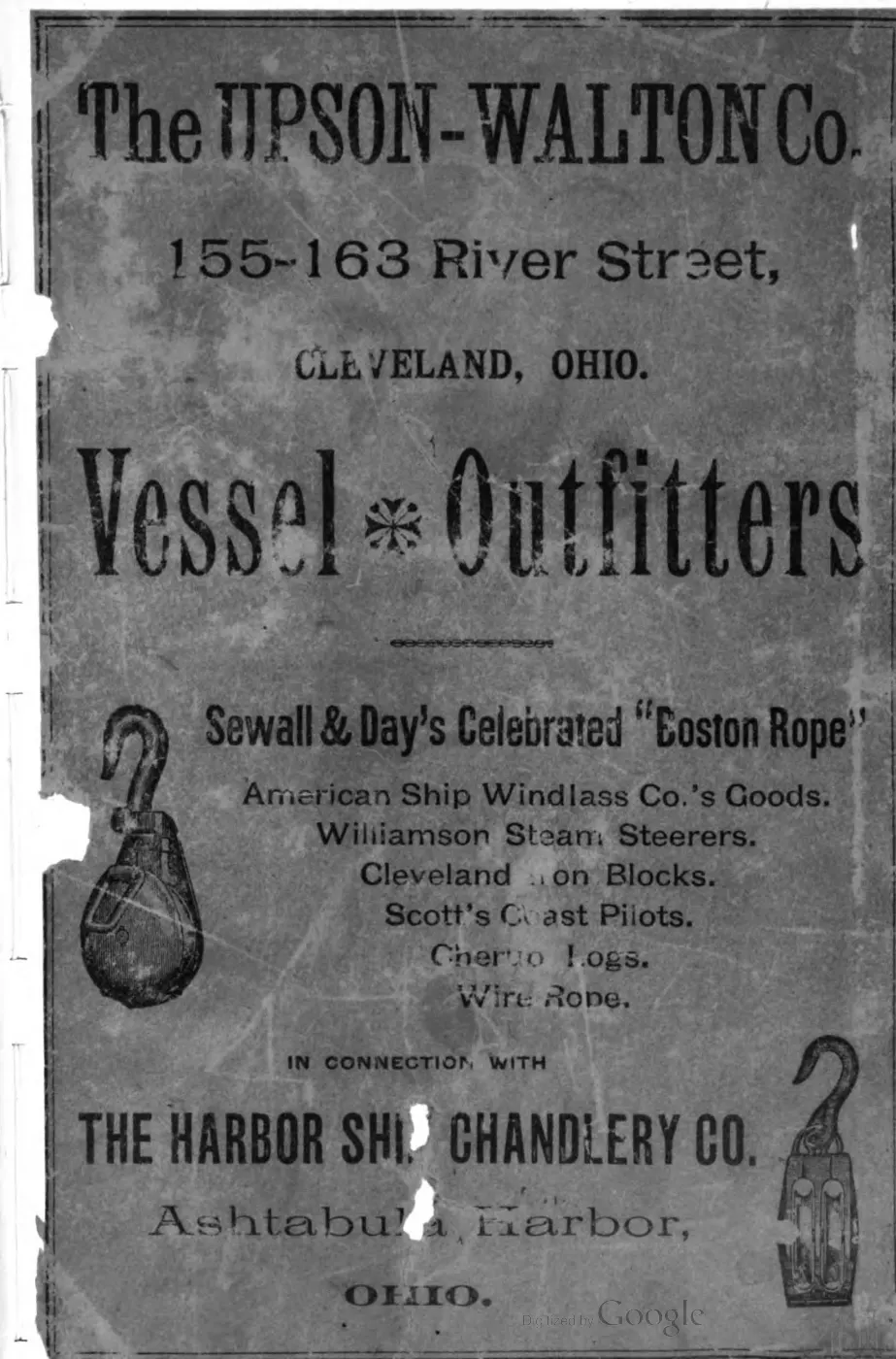
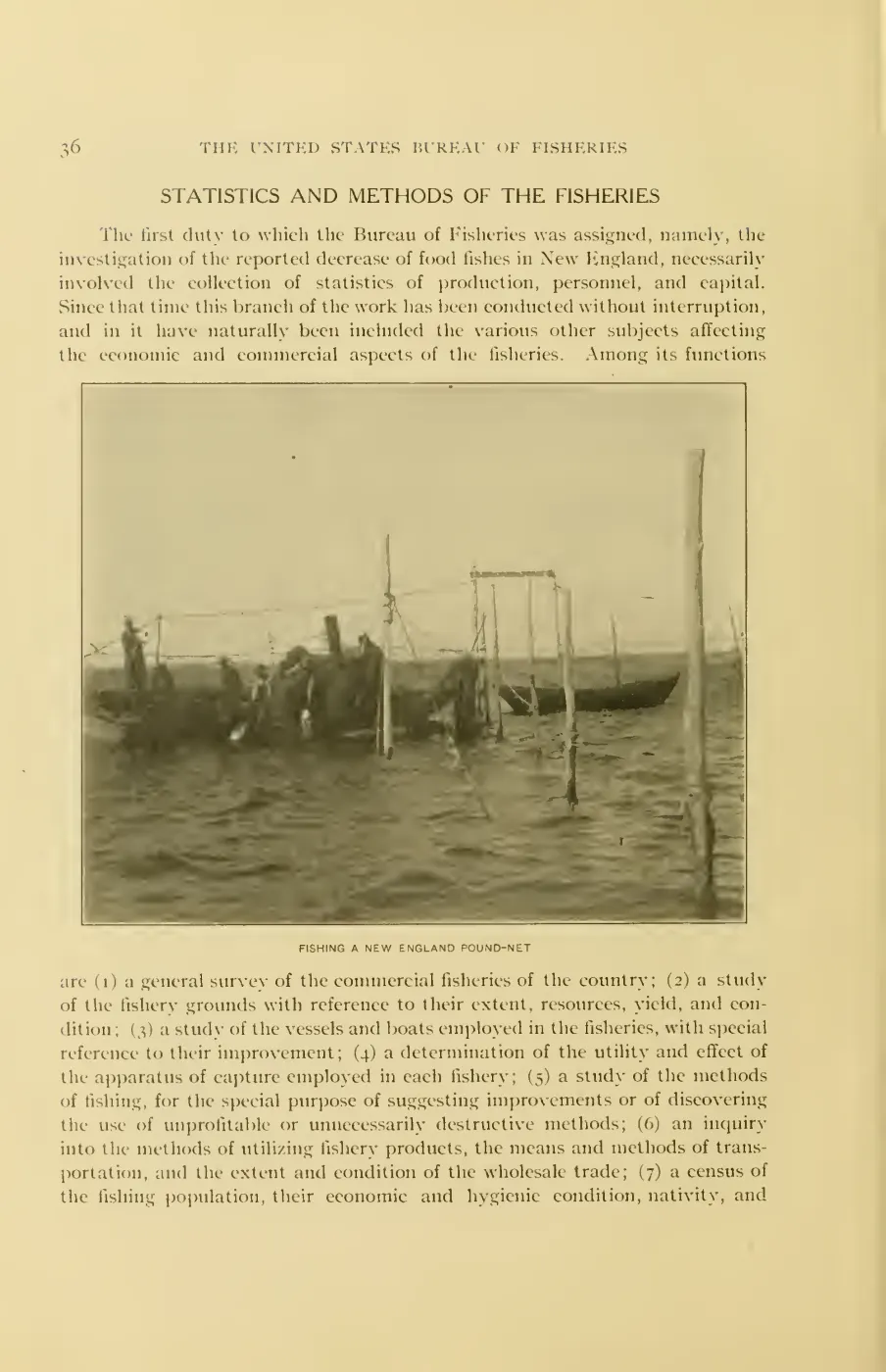
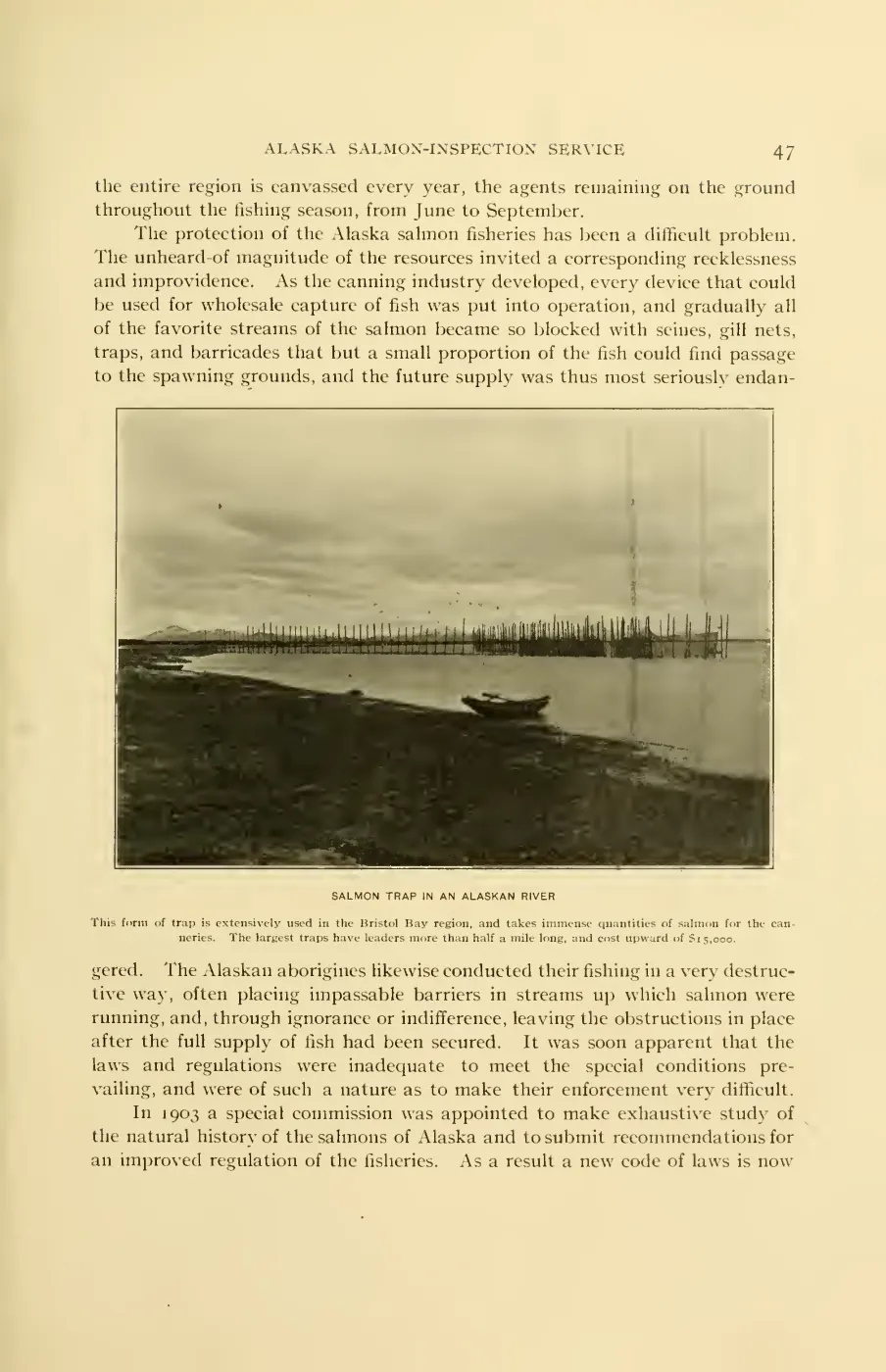
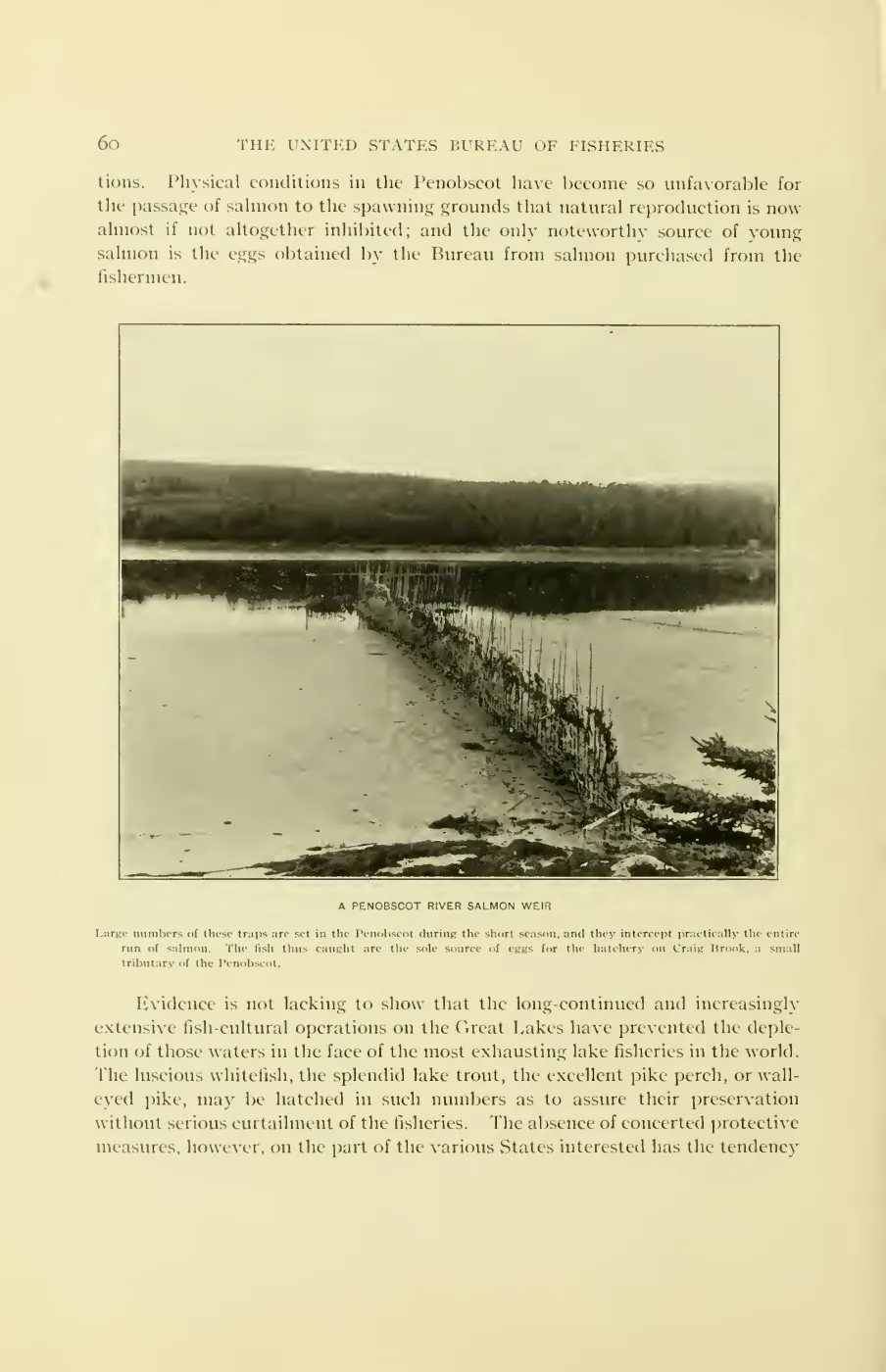
By 1902 the gear had changed enough for Scott’s Coast Pilot to warn mariners at Seul Choix Pointe to “Keep a lookout for trap nets” — pound and trap nets set from fixed stakes, precisely what Williams says did not exist in her youth.
Decline
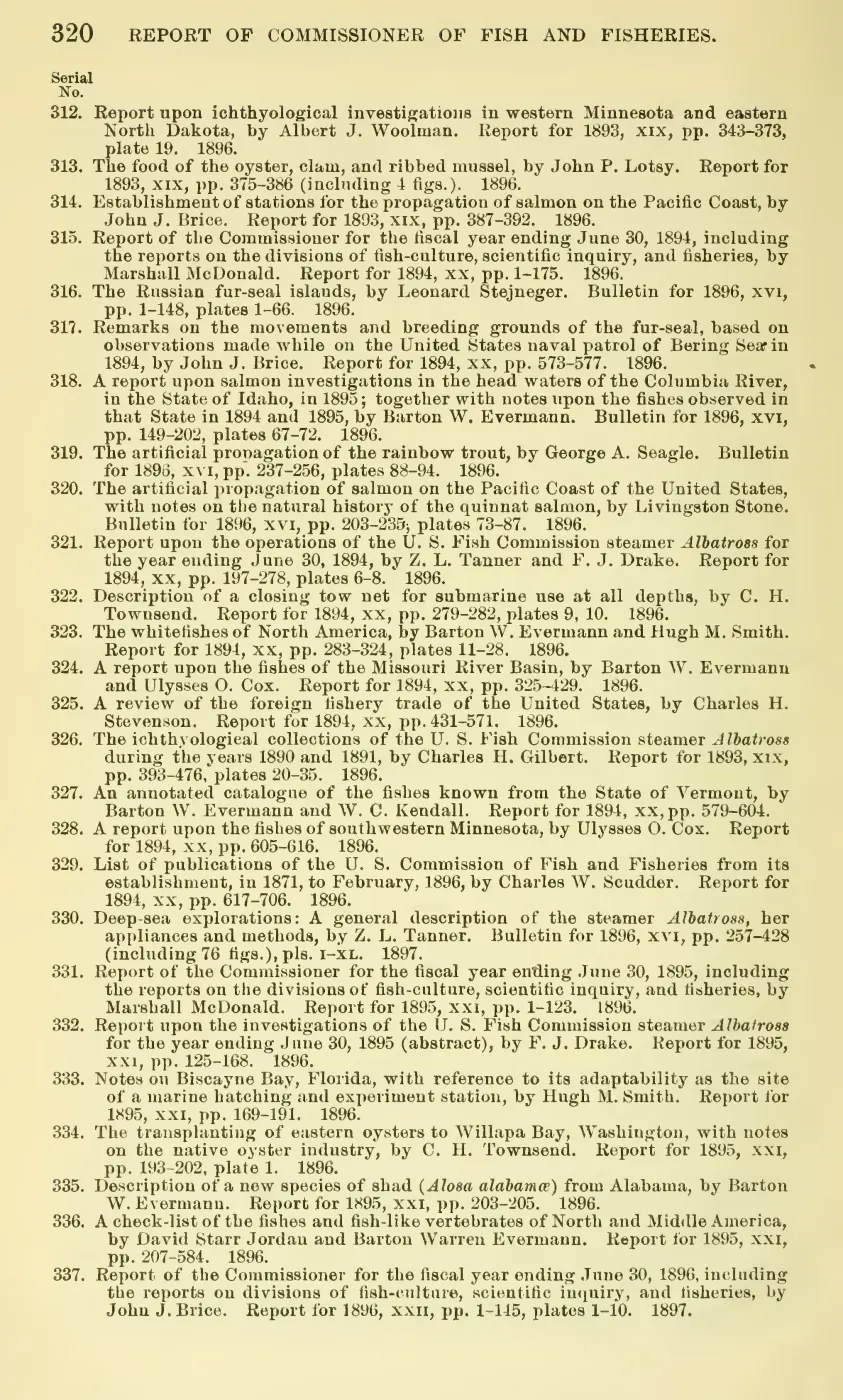
The 2023 Master Plan states the outcome plainly: the archipelago “faced serious economic challenges in the early and mid-1900s, when fish population loss caused the commercial fishing industry to decline.” No source held here quantifies the collapse or identifies its causes on this specific fishery. A 1964 local retrospective records commercial fishing with the tug Silver Star from 1915 to 1935 and describes catches qualitatively as being measured in tons, but it does not supply a series or reconcile the date with the broader decline.
What remains is a sport and subsistence fishery under active management. The Master Plan records Lake Geneserath as a stocked walleye fishery monitored by the Little Traverse Bay Bands of Odawa Indians; Iron Ore Creek, the Jordan River and Cable’s Creek as designated trout streams; and a 2023 Michigan DNR survey of the inland waters. It also records LTBB staff confirming that whitefish yields for the tribes “are significantly down” as Lake Michigan warms — the same species, the same waters, and a decline still in progress.
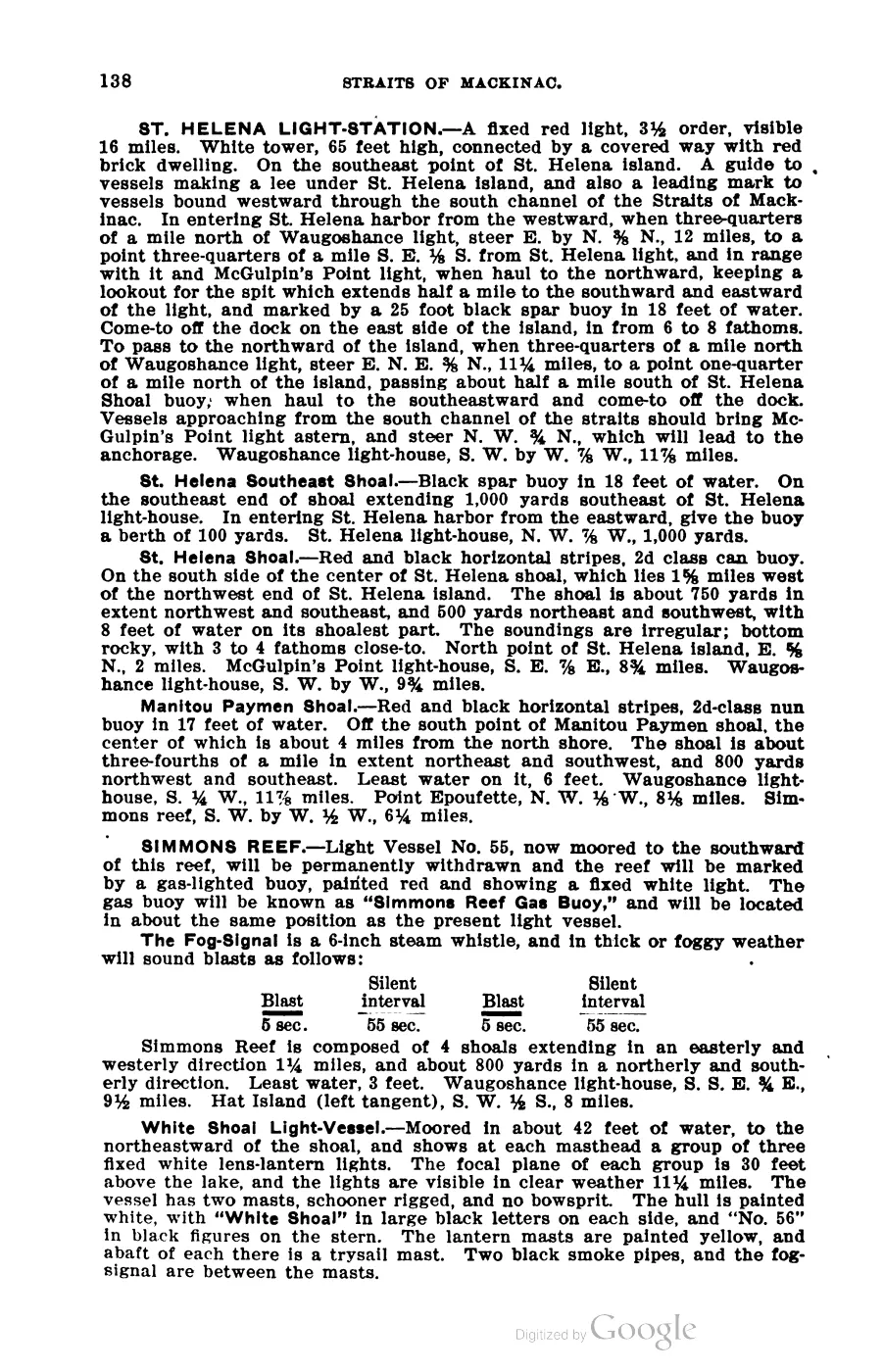
The Great Lakes Fishery Commission’s rehabilitation guide gives the modern offshore management geography a different vocabulary. It groups the reefs and islands around Beaver into a West Beaver Group (Trout Island, High Island, Gull Island Shoal, and Boulder Reef) and an East Beaver Group (Hog Island Reef, Ile aux Galets, and Dahlia Shoal). The guide also quotes 1891 testimony that deep-water lake trout occurred “especially between the Manitou and Beaver Islands.” This connects present restoration units to older fishing geography, but it is not a continuous catch series and does not resolve the causes or date of the local commercial fishery’s decline.
The September 1964 obituary of Michael Cull supplies a fisherman-level view of that transition. It says Cull, born on Beaver Island in 1885, owned and skippered the tugs Betty C and LaFond, saw Lake Michigan fishing at its peak, and saw it “fizzel out” in 1940. The spelling and retrospective wording are preserved as source evidence; the obituary does not establish a precise end date for the industry or a complete vessel history.1
The November 1968 Beaver Beacon supplies a detailed local memory of the November 11, 1940 Armistice Day storm. It names the Estonia, Evelyn, and mail boat Mary Margaret in and around Saint James Harbor, reports the loss of many boxes of fishing nets, and calls the storm a turning point in Great Lakes fishing. The account also preserves a harbor-scale sequence: boats returned from the Gull Island grounds, the Evelyn was run onto the beach, the Mary Margaret cast off, and the Estonia eventually beached safely after its lines parted.2
The same account is cross-checked against the June 1964 “Big Art” profile, which identifies Martin Arthur Larsen and his diesel tug Estonia and reports nearly $7,000 in net losses. Both are retrospective local sources, not a contemporaneous weather or fleet ledger. The Estonia’s name and the storm’s reported effect are preserved here; the fleet list, the registry history and the cause of the fishery’s decline are not settled by them.
The February 1965 Beaver Beacon preserves the physical infrastructure of that decline. Its Gallagher Dock retrospective describes fish measured in tons, remembers the Shamrock bringing in more than eight tons of lake trout, and records the dock’s demolition on February 8, 1965 for Yacht Dock expansion. The article lists many additional tugs but gives no registry or complete fleet chronology, so only the specifically detailed Shamrock is modeled as a vessel record in this batch.3
A May 1966 obituary supplies another episode-qualified fisherman record: William A. Belfy came to Beaver Island in 1908, co-owned the tug Silver Star with his brother Erwin, and was buried in Holy Cross Cemetery after his death on May 8, 1966. The obituary gives a named family and vessel connection. It is not a complete civil or commercial-fishing history.4
The May 1972 obituary for Lloyd McDonough gives a later community witness to that transition. It remembers his 39 years operating McDonough General Store, his twenty years as St. James Township supervisor, and an island that moved from fishing and farming toward tourism after the loss of fishing and the departure of many island residents. A retrospective local description, then — not a population series, and not a measured date for the industry’s end.5
A federal spawning-season observation, 1898
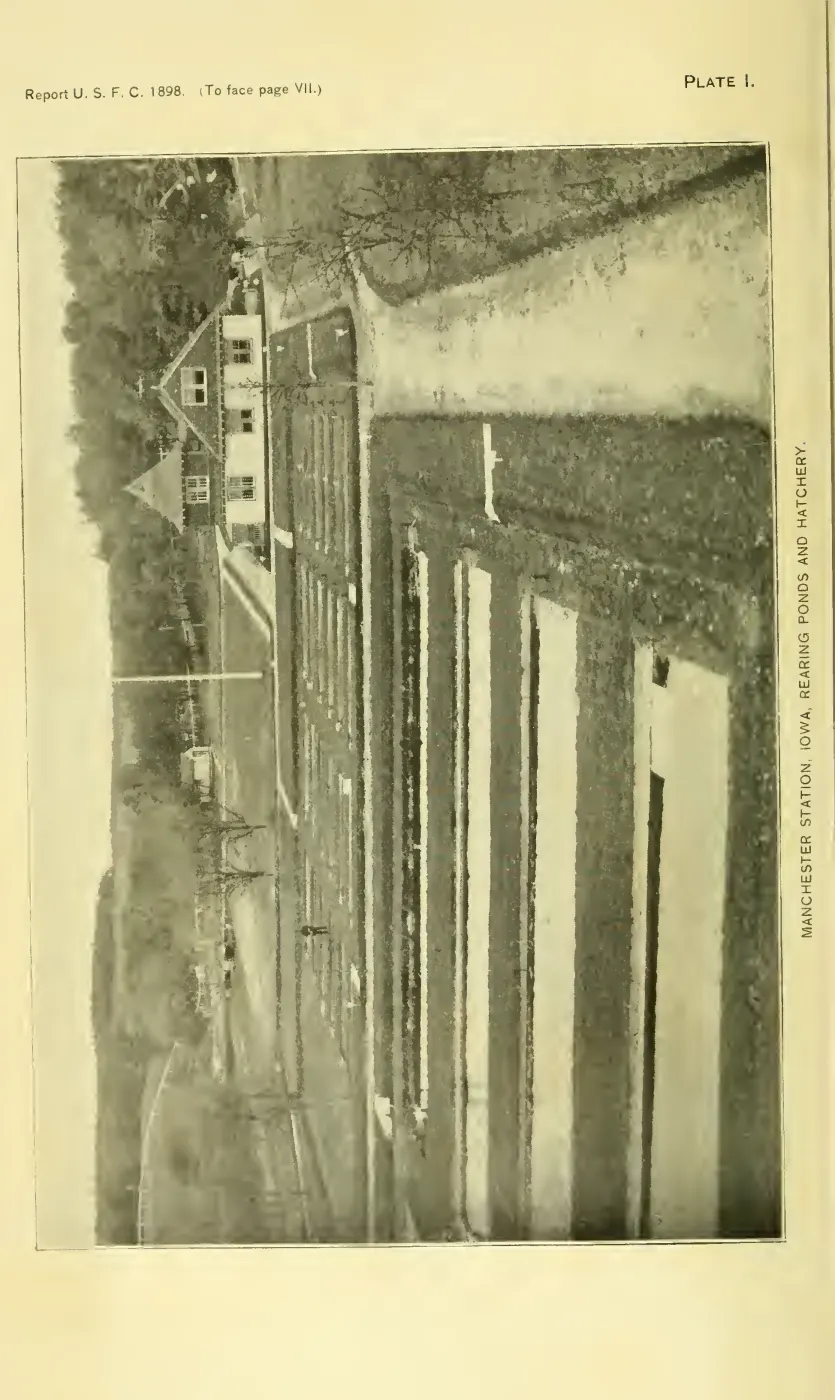
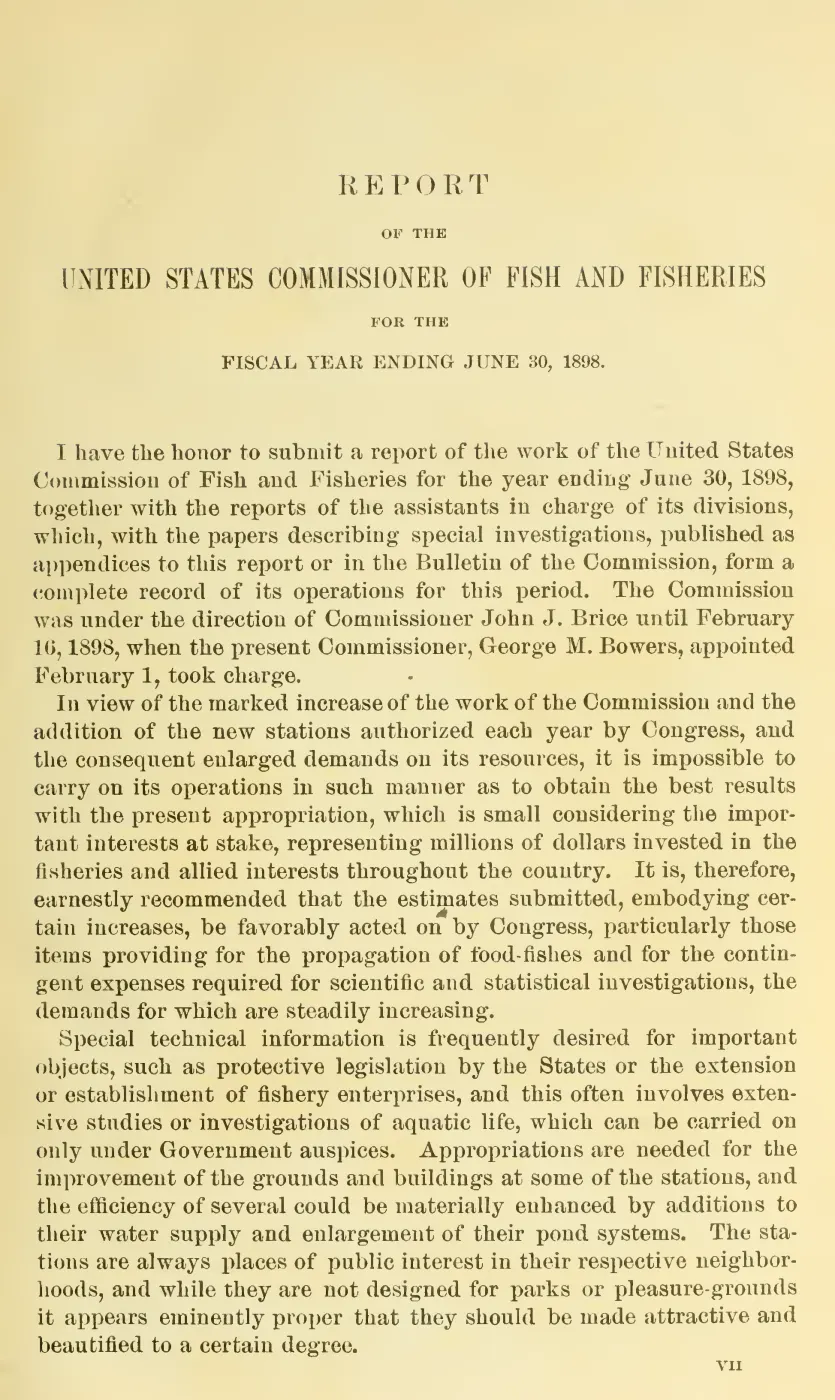
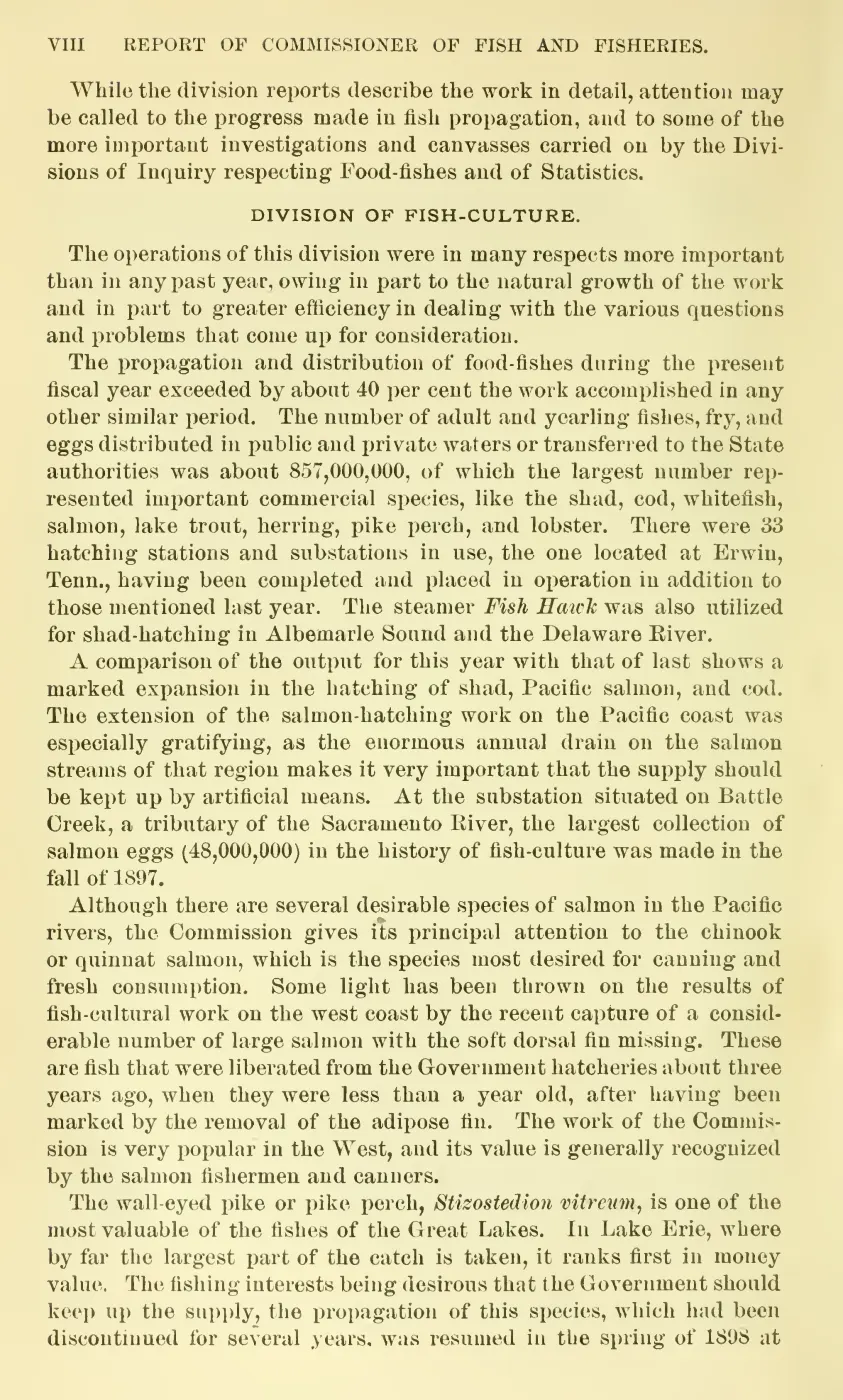
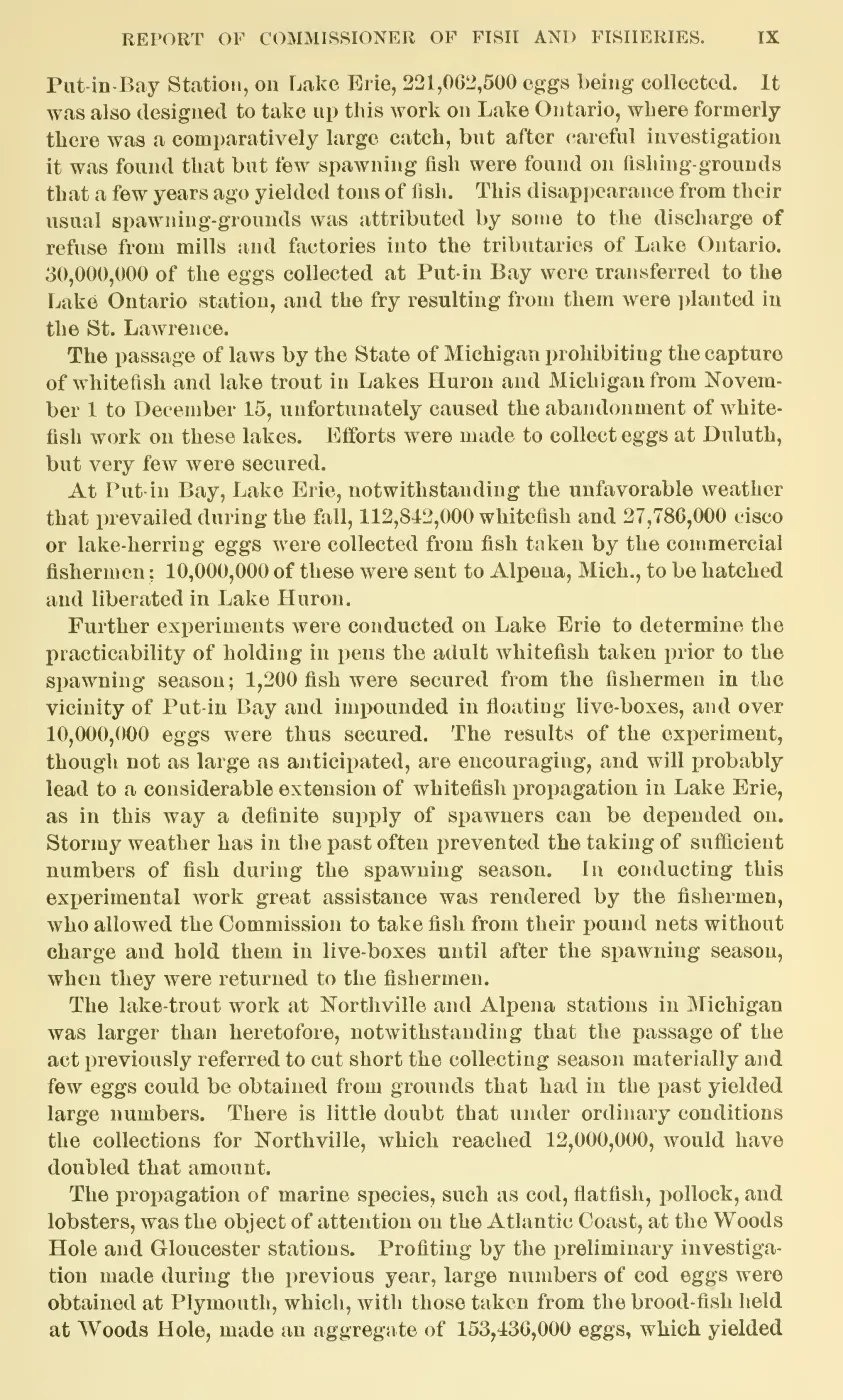
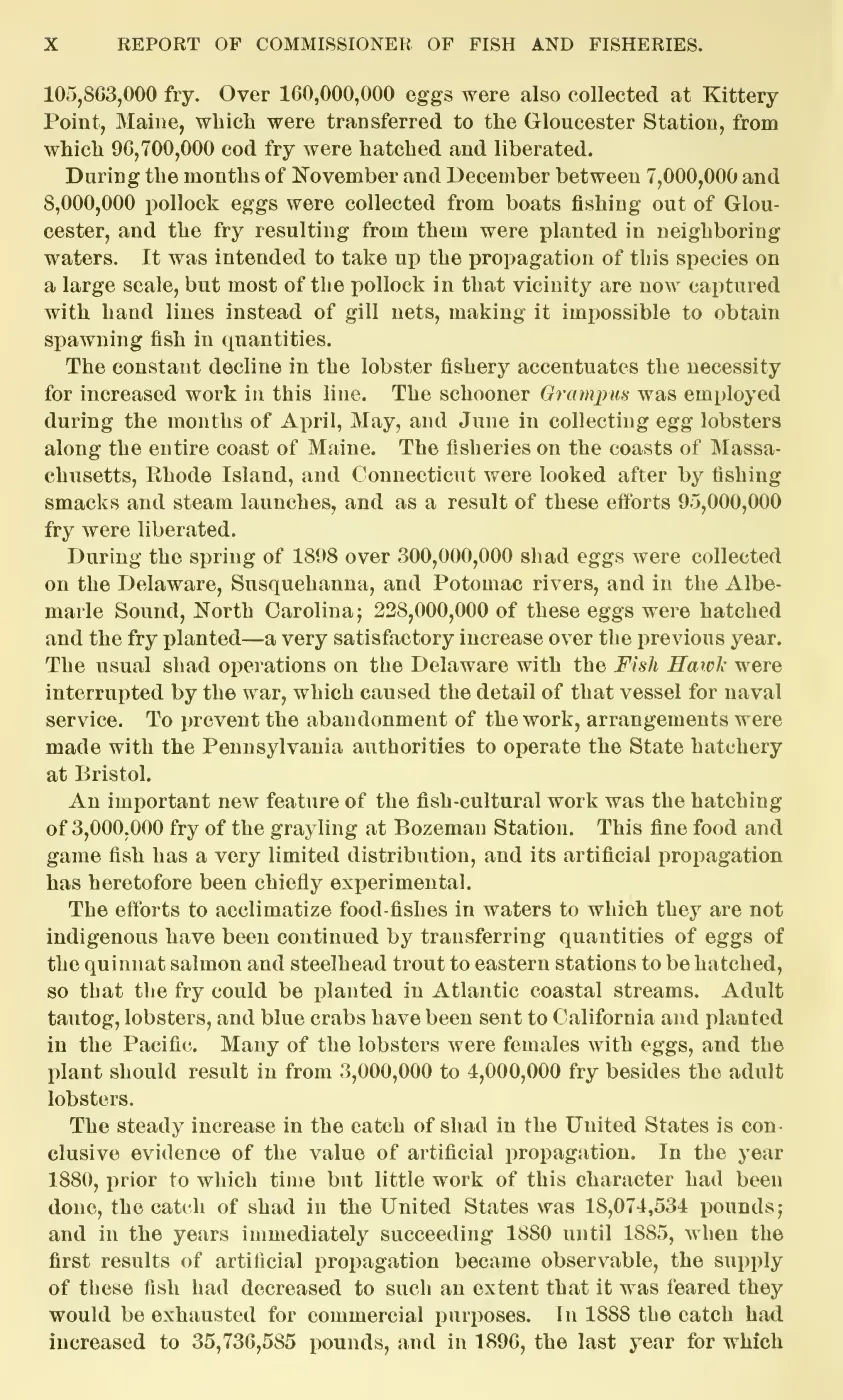
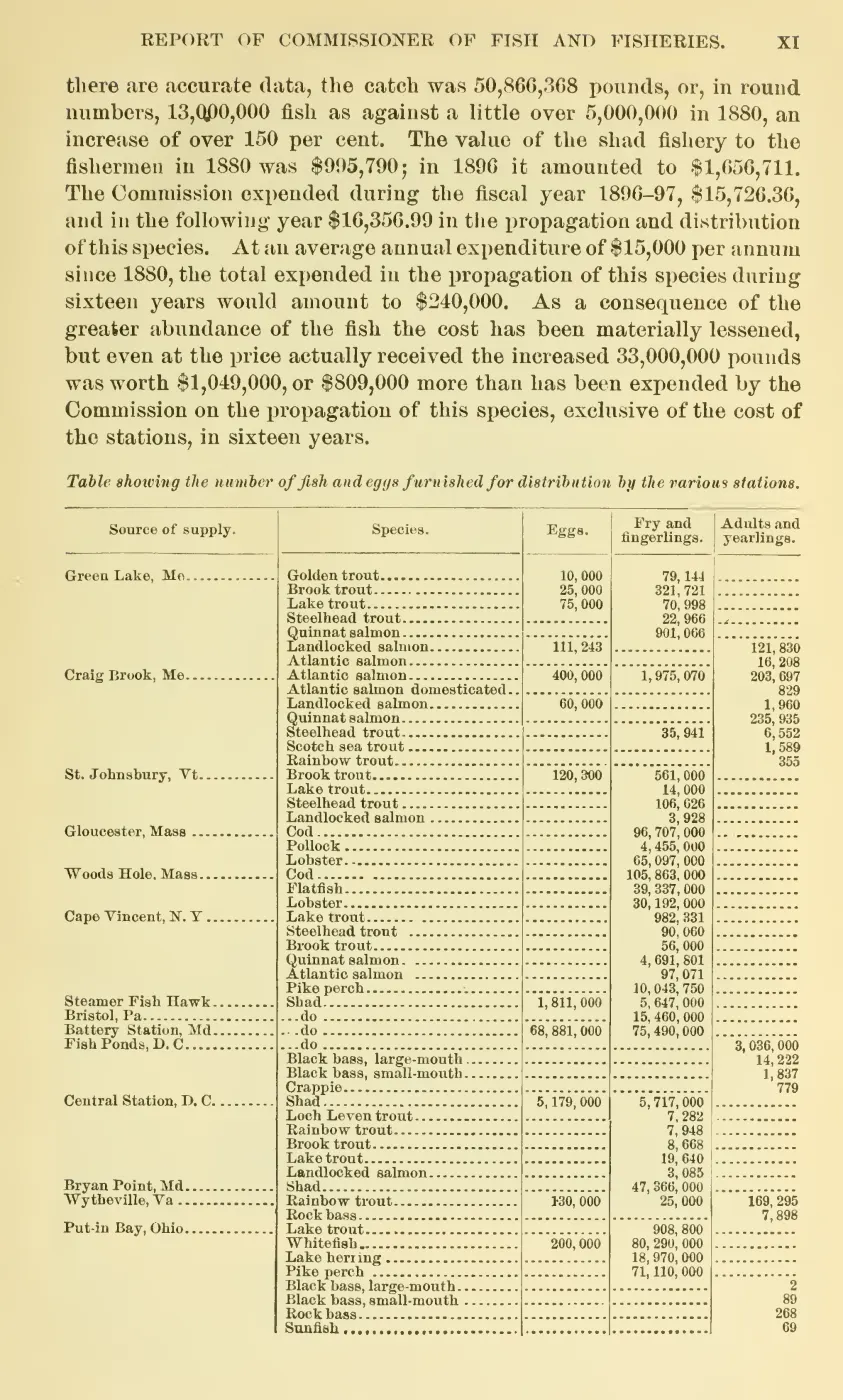
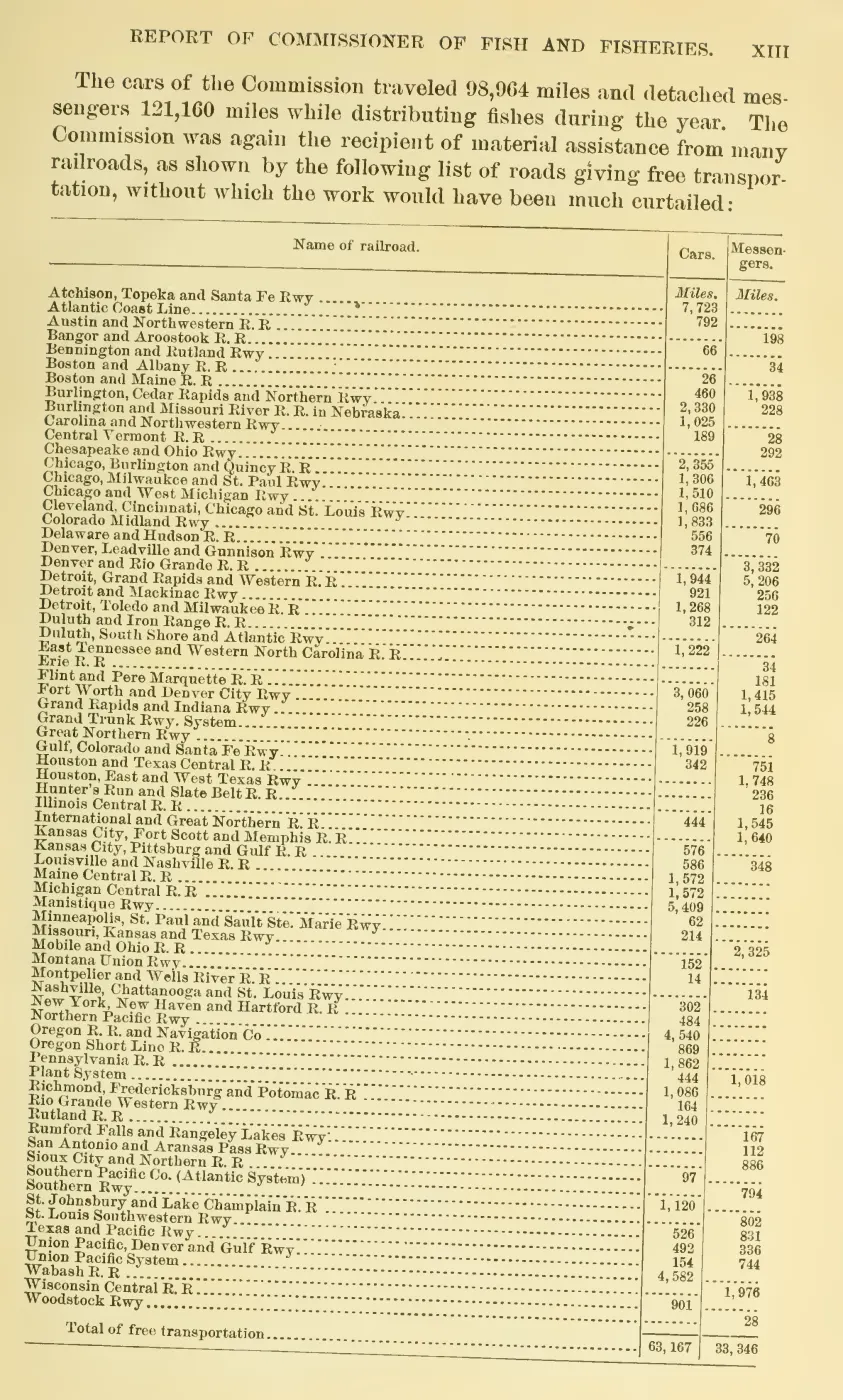
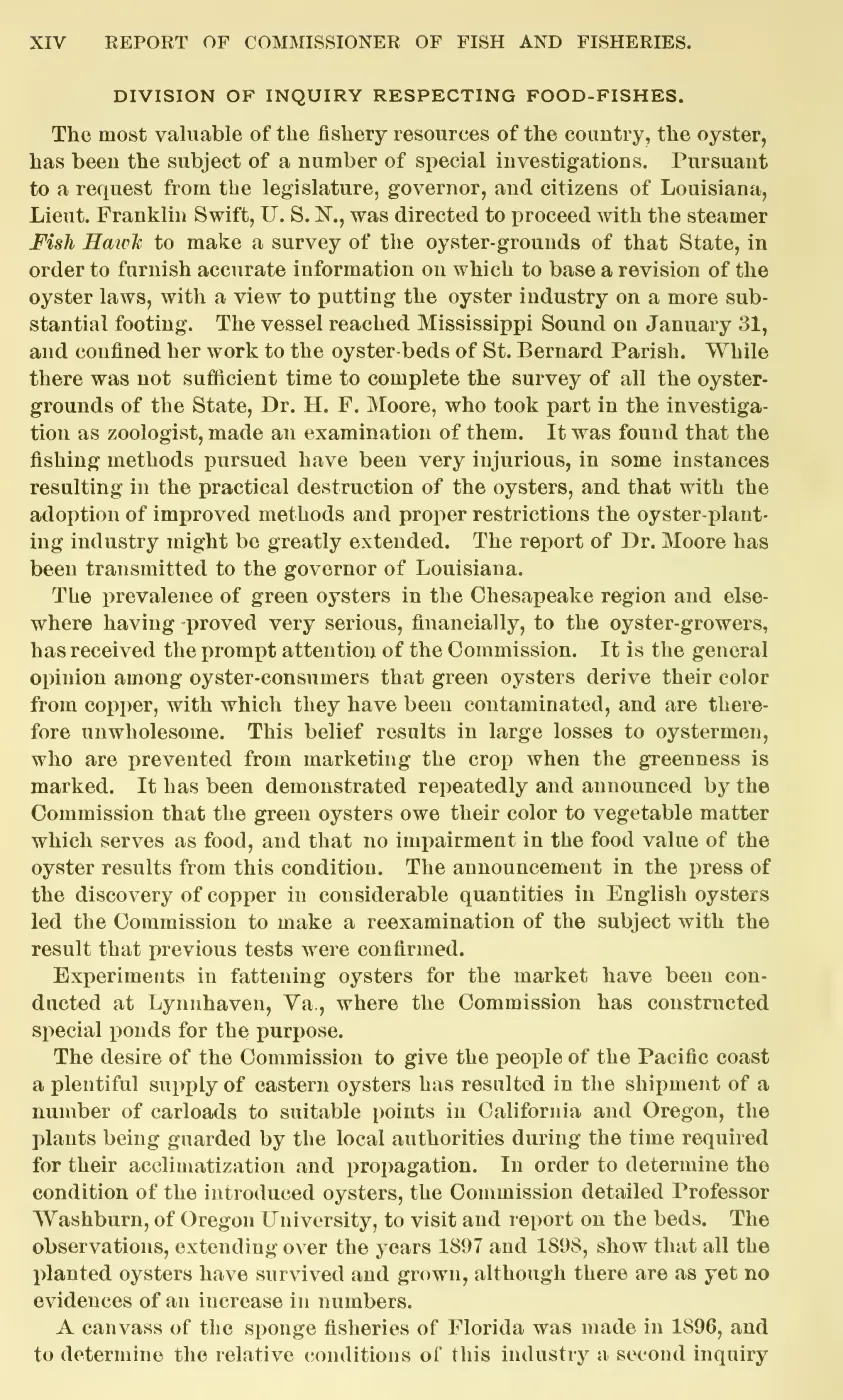
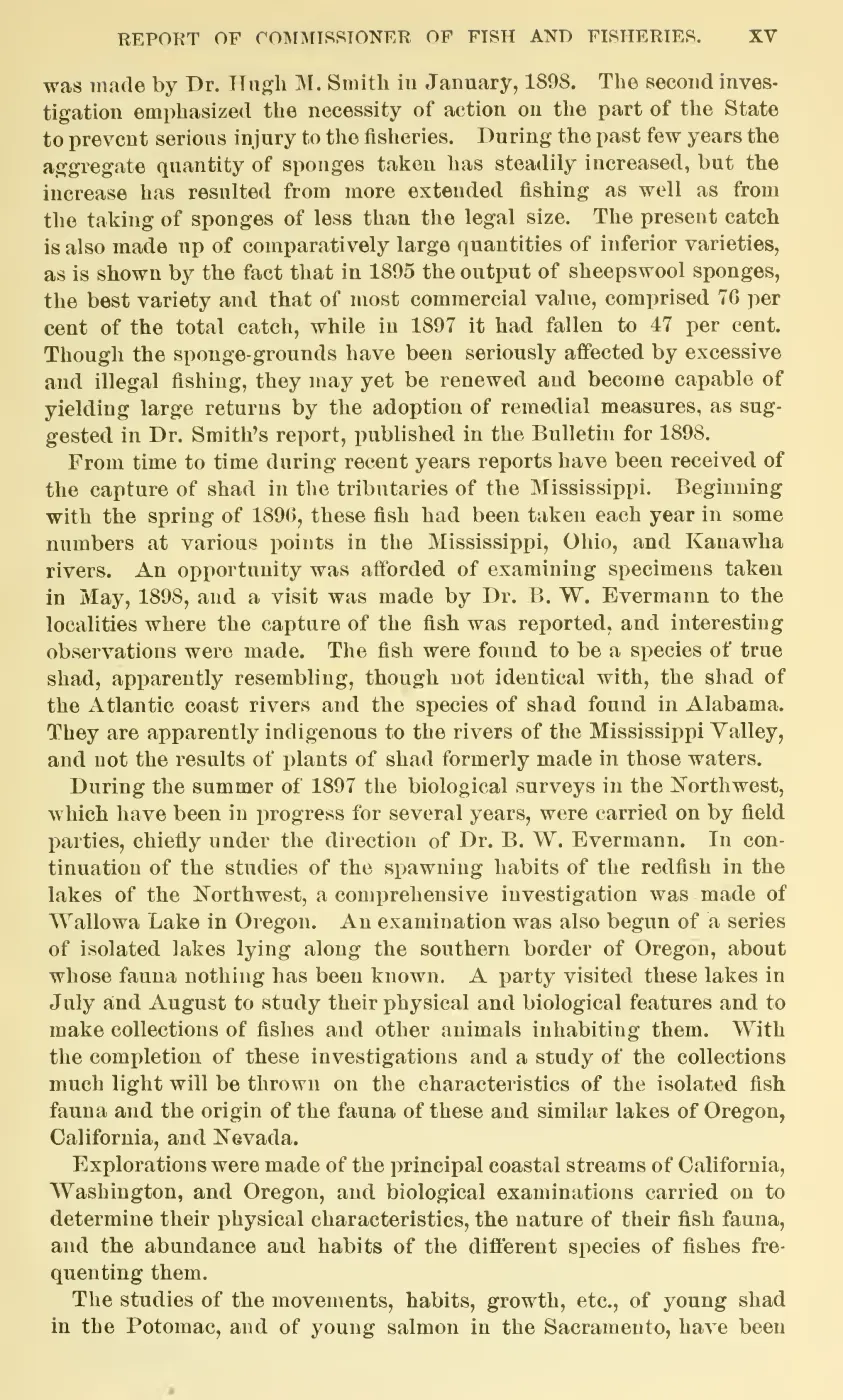
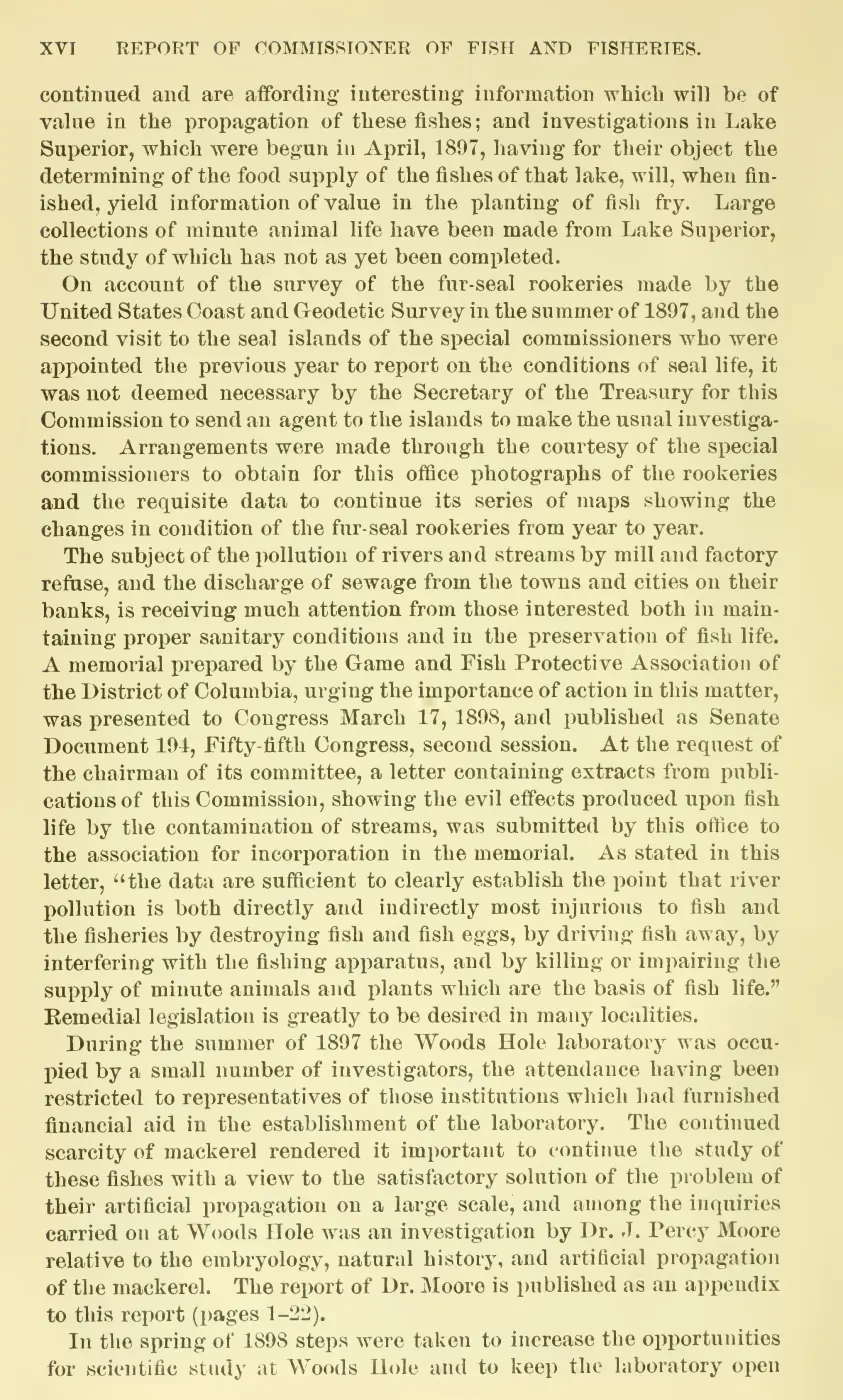
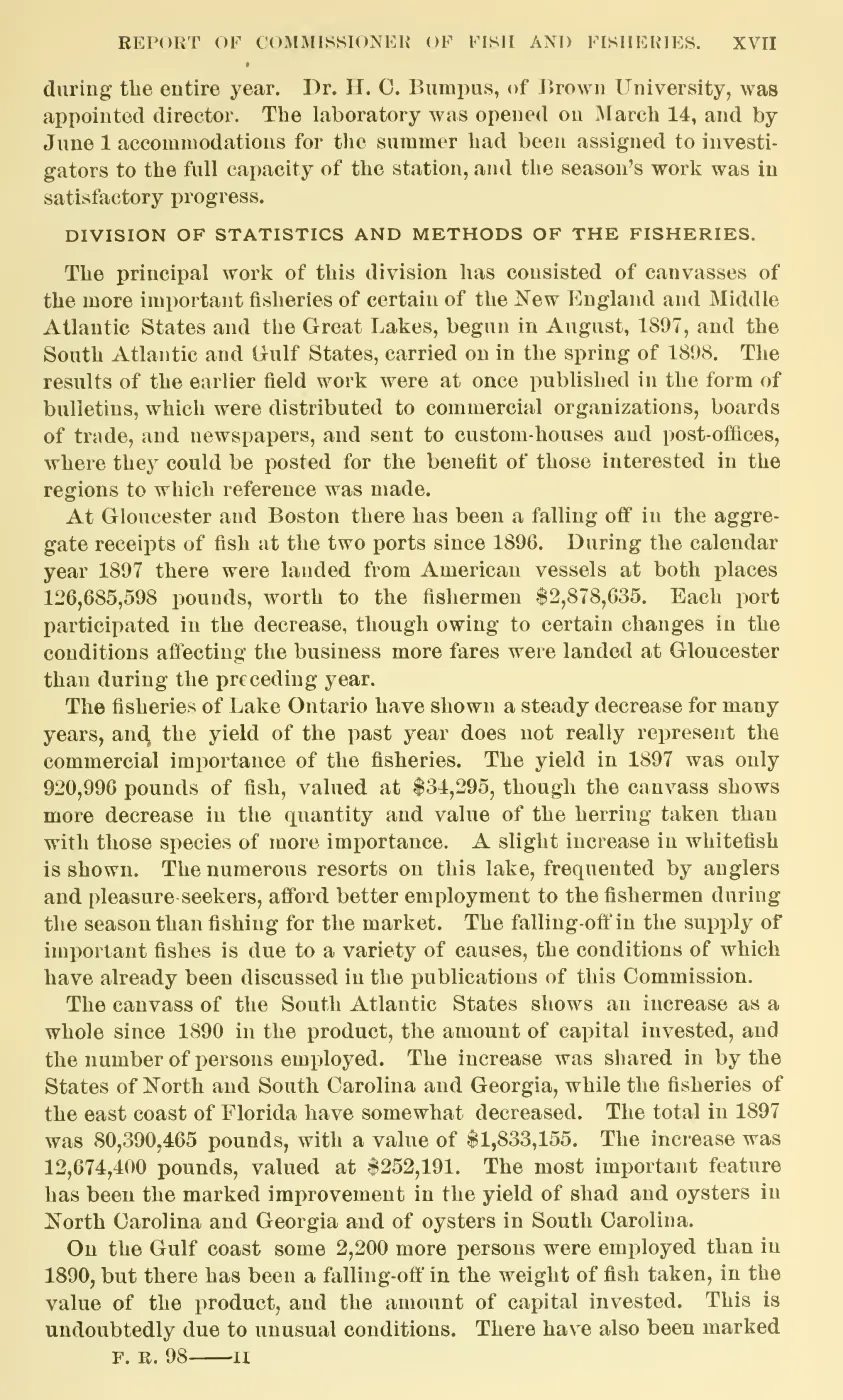
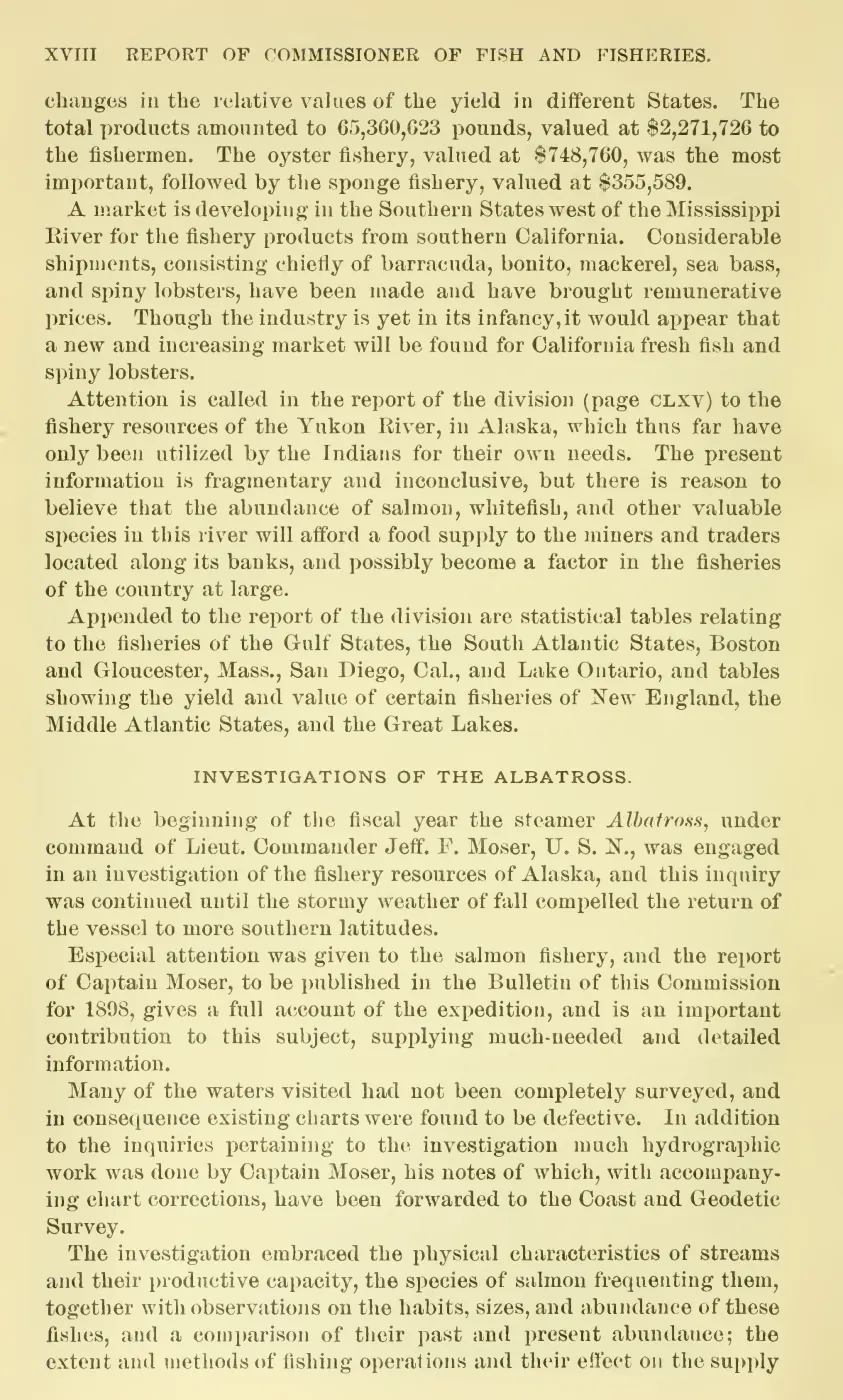
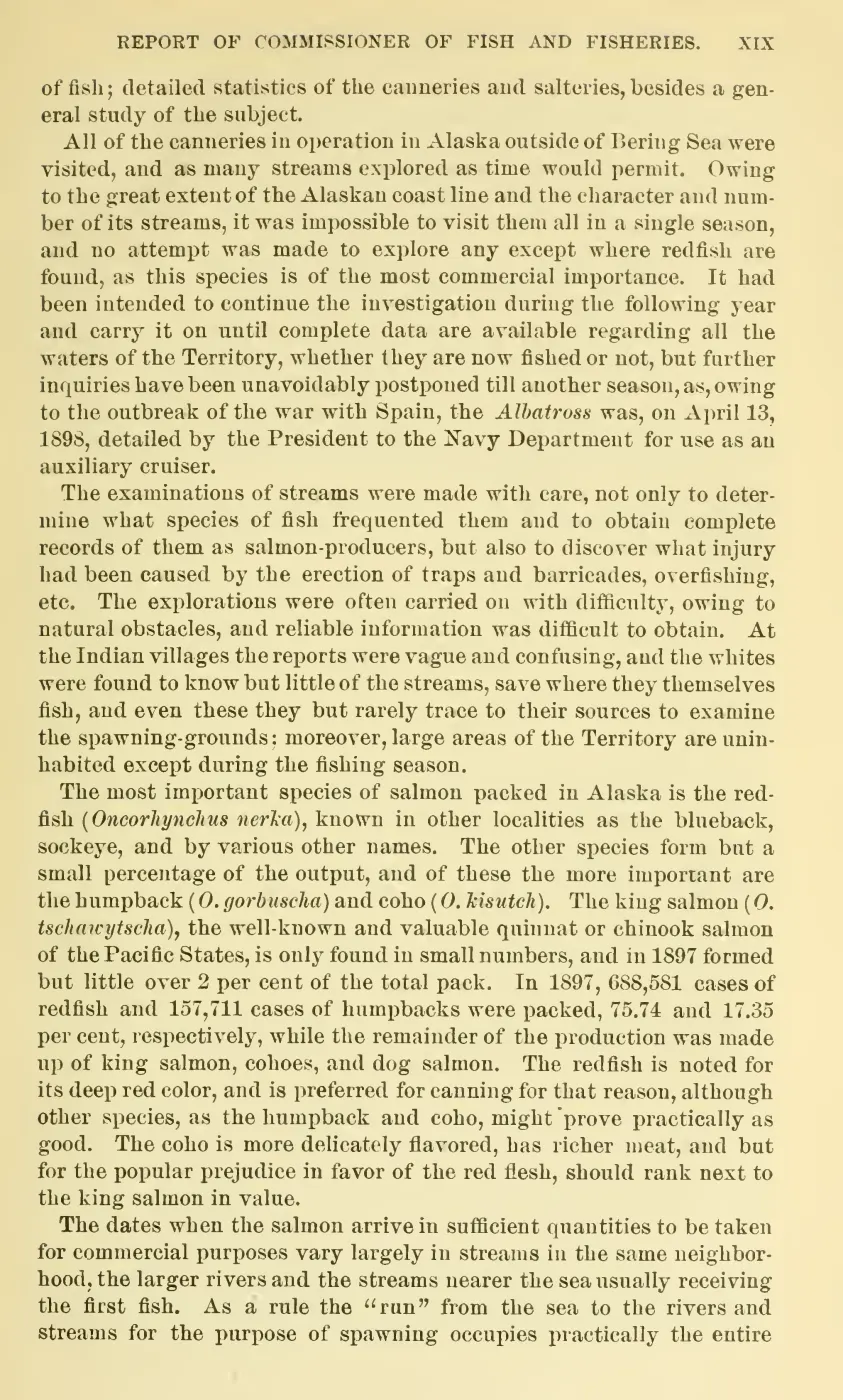
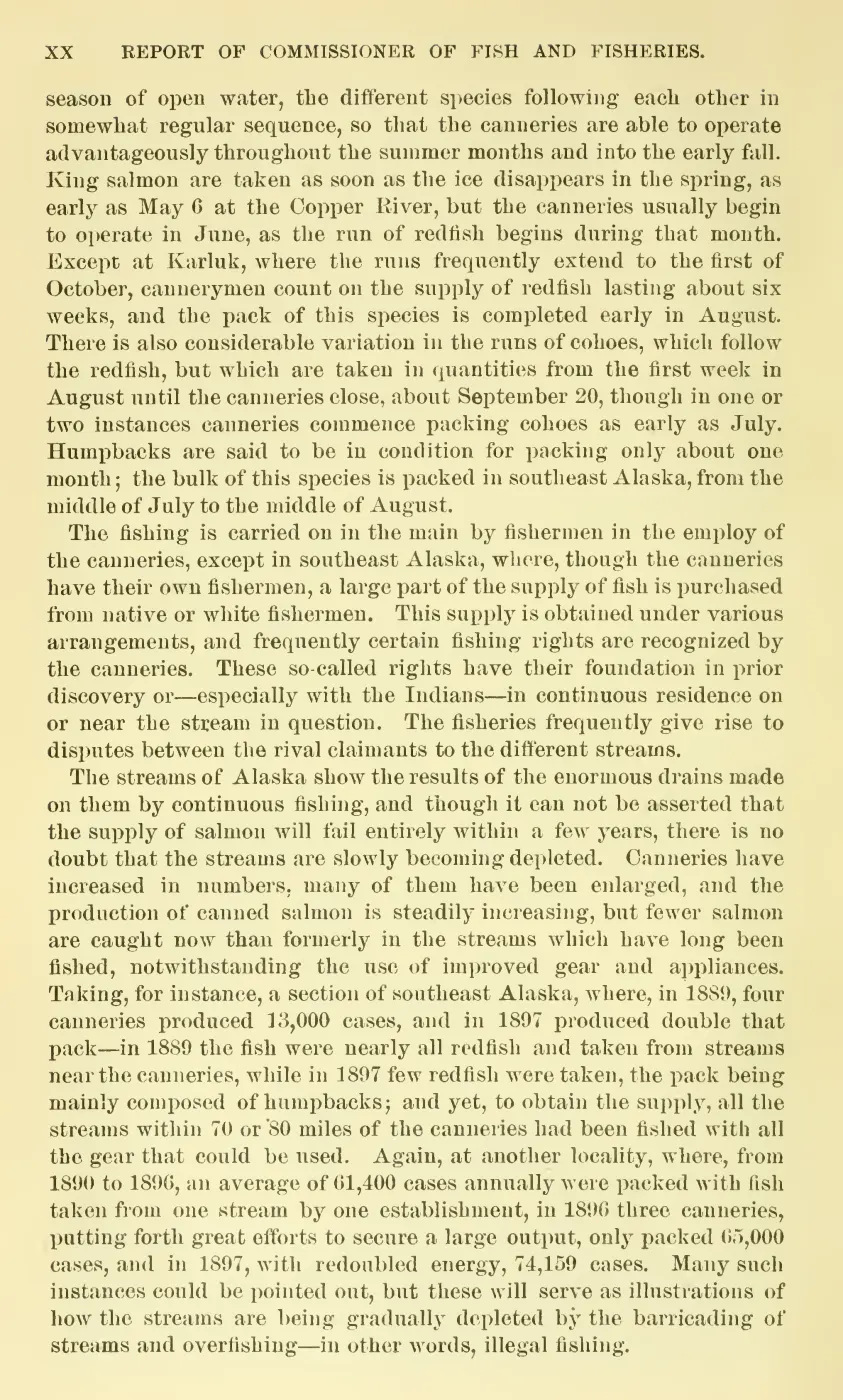
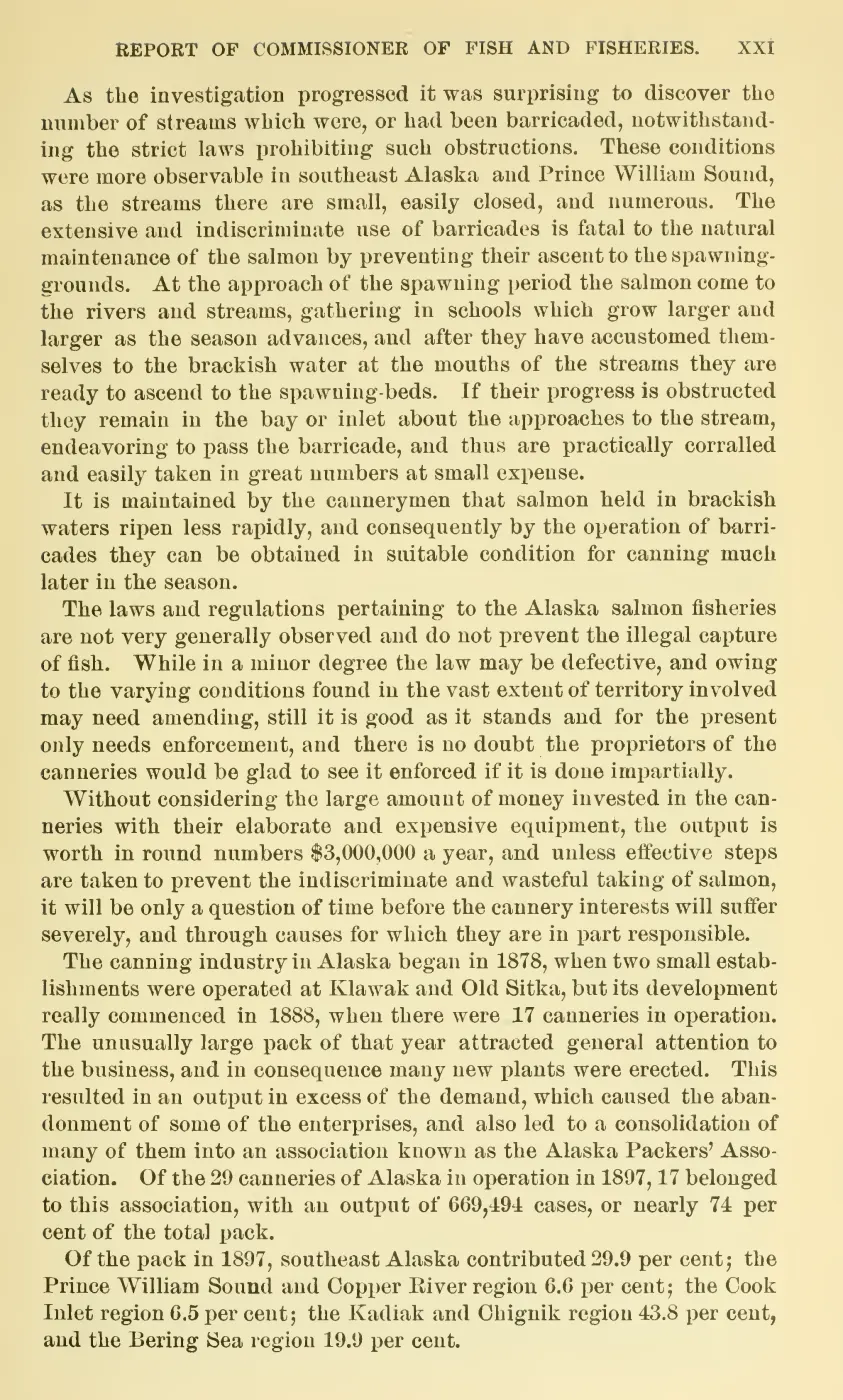
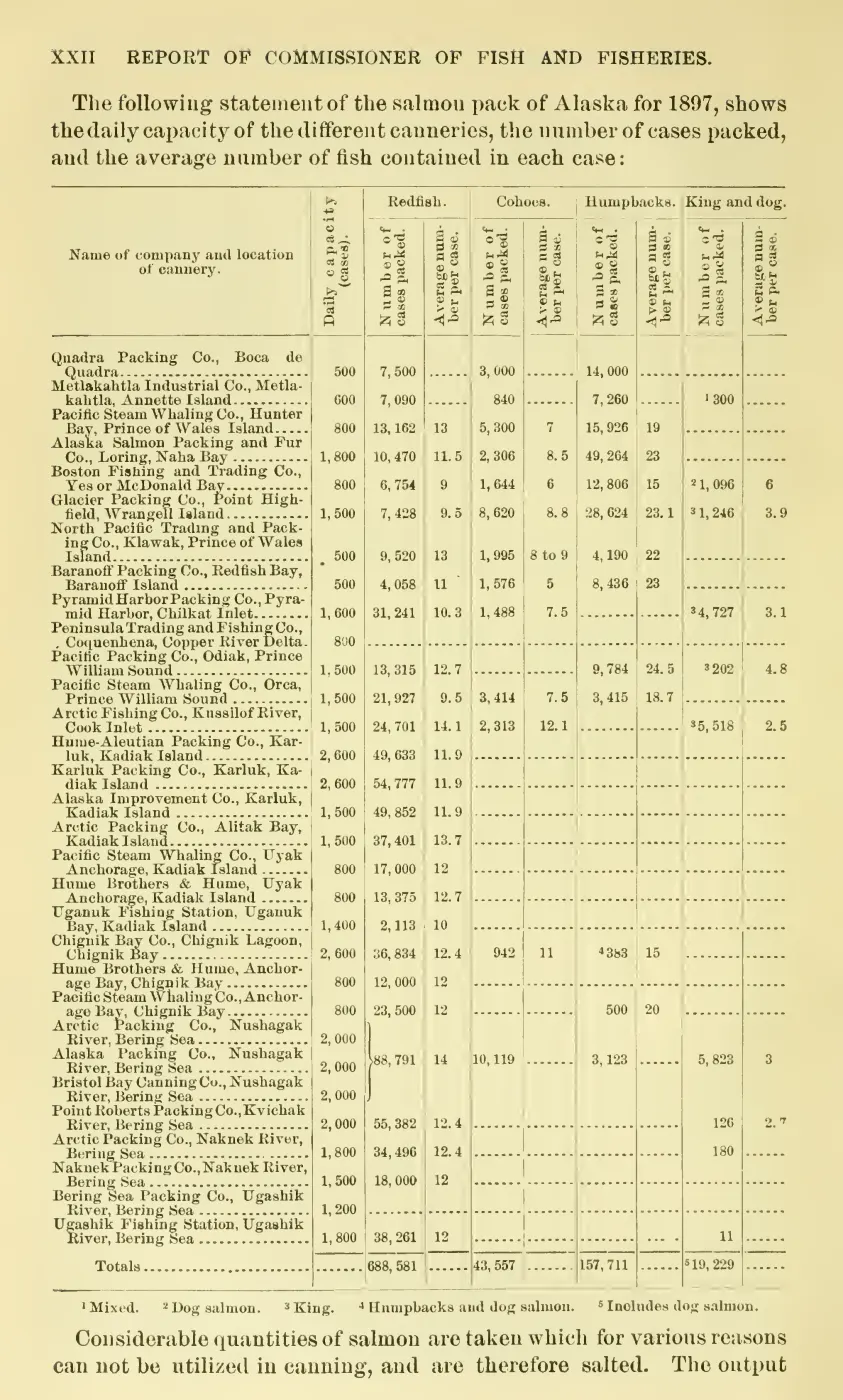
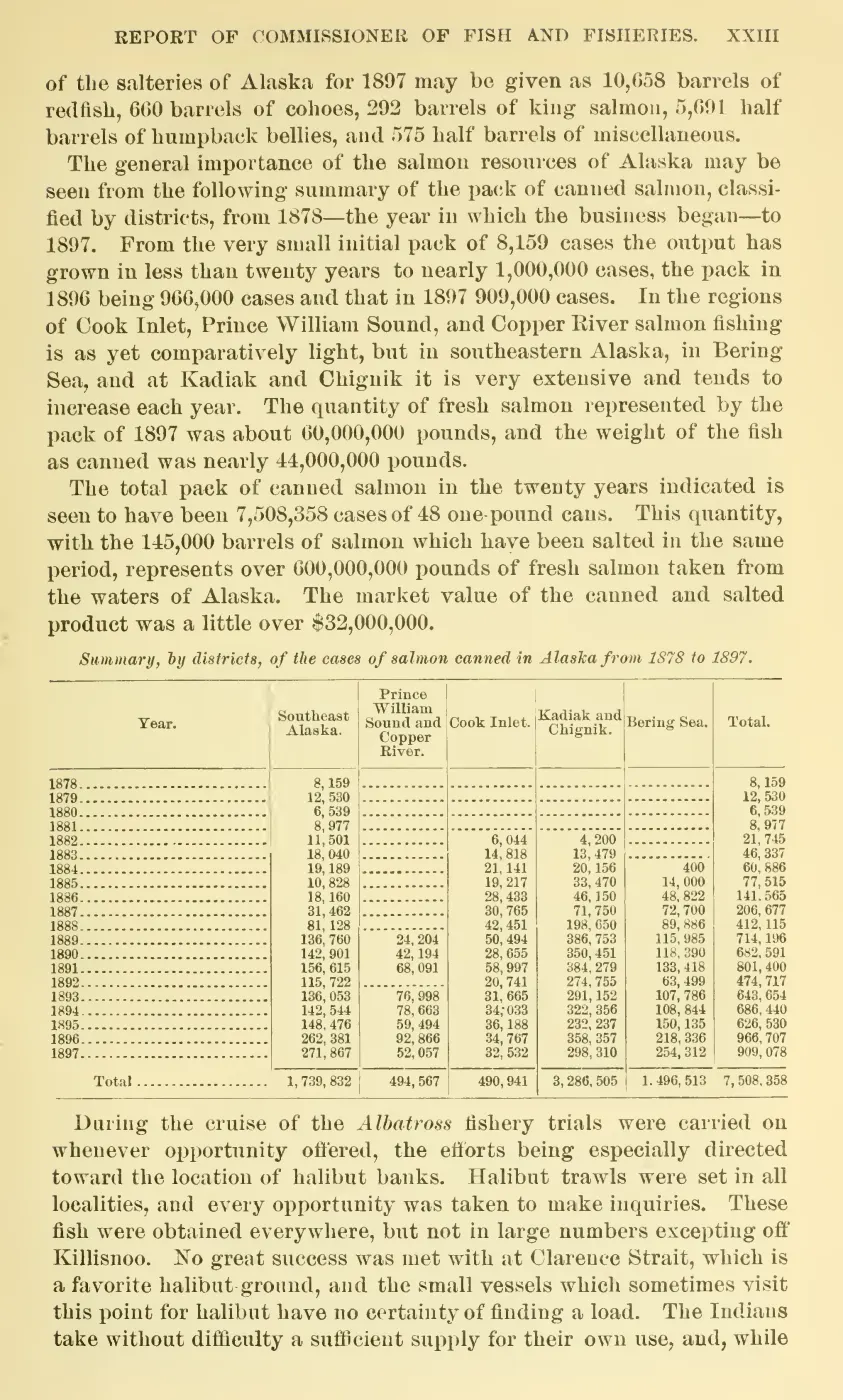
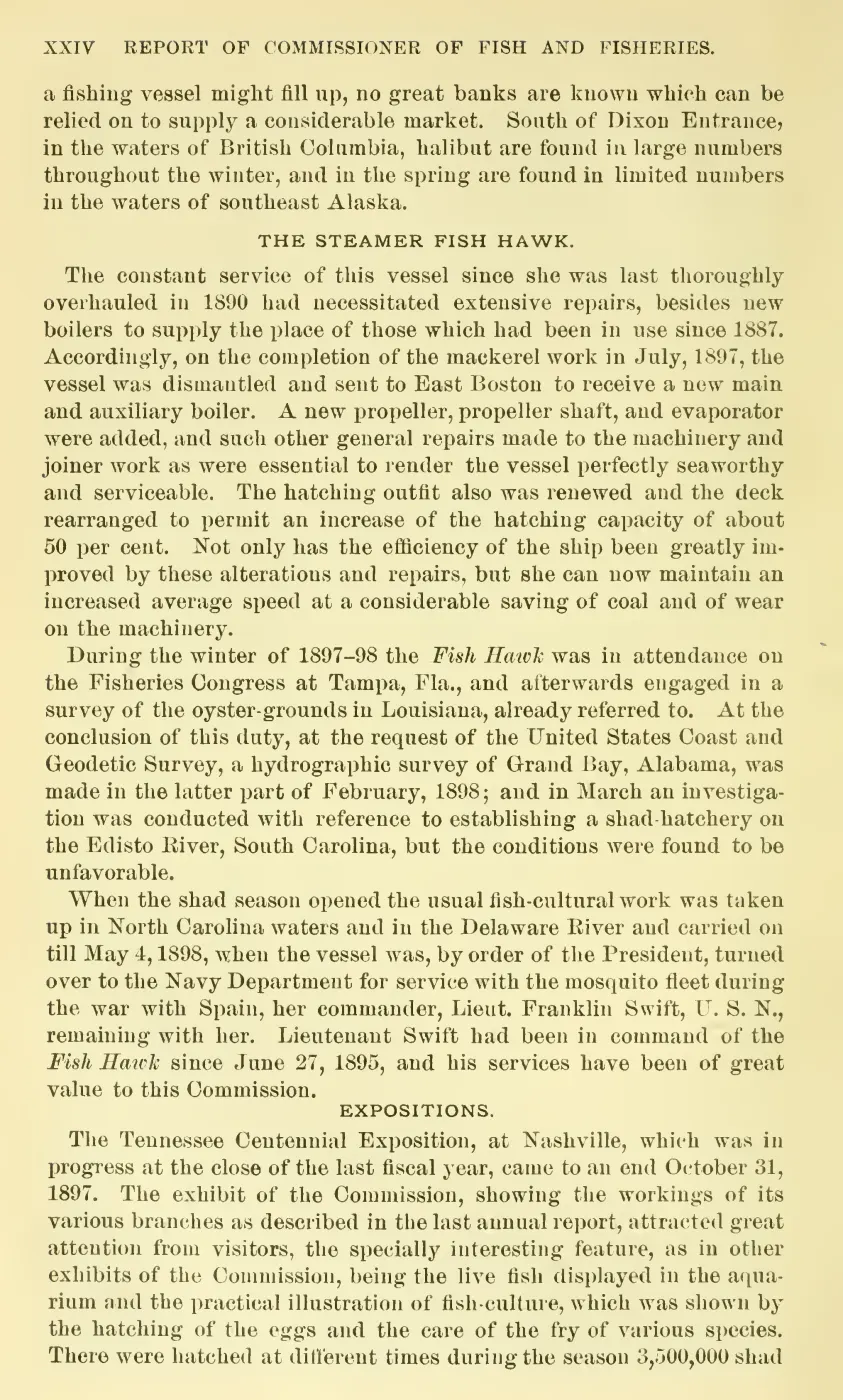
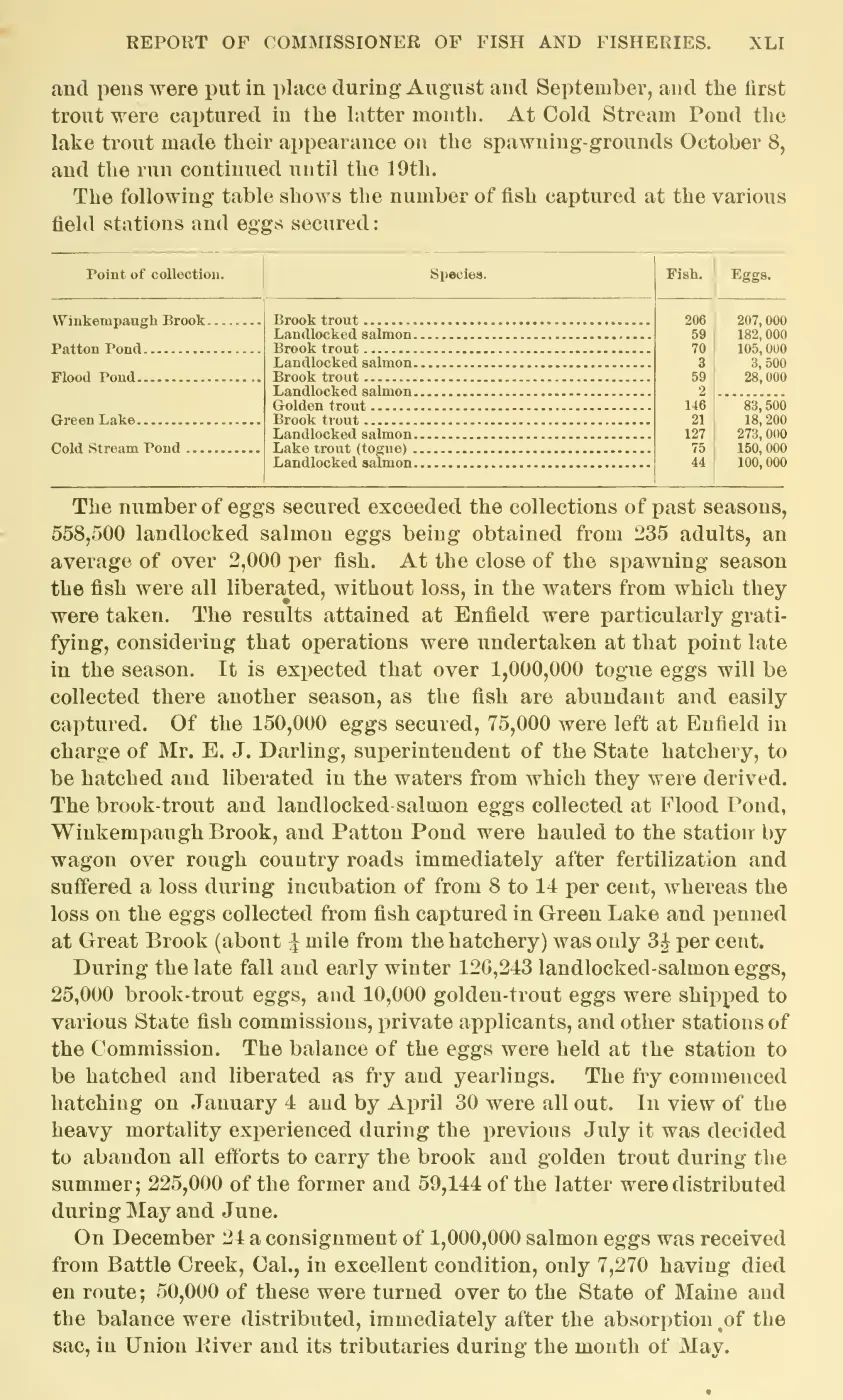
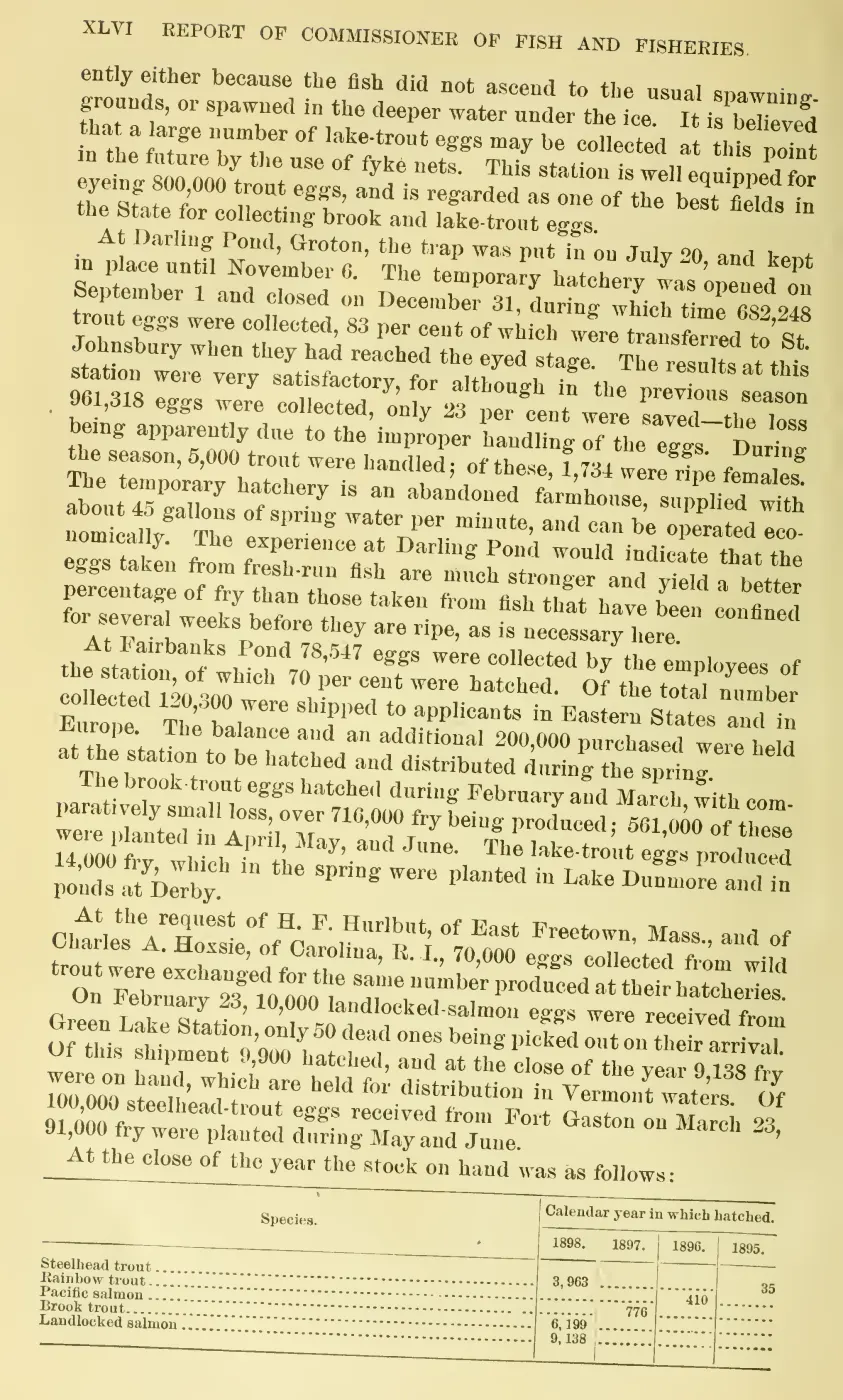
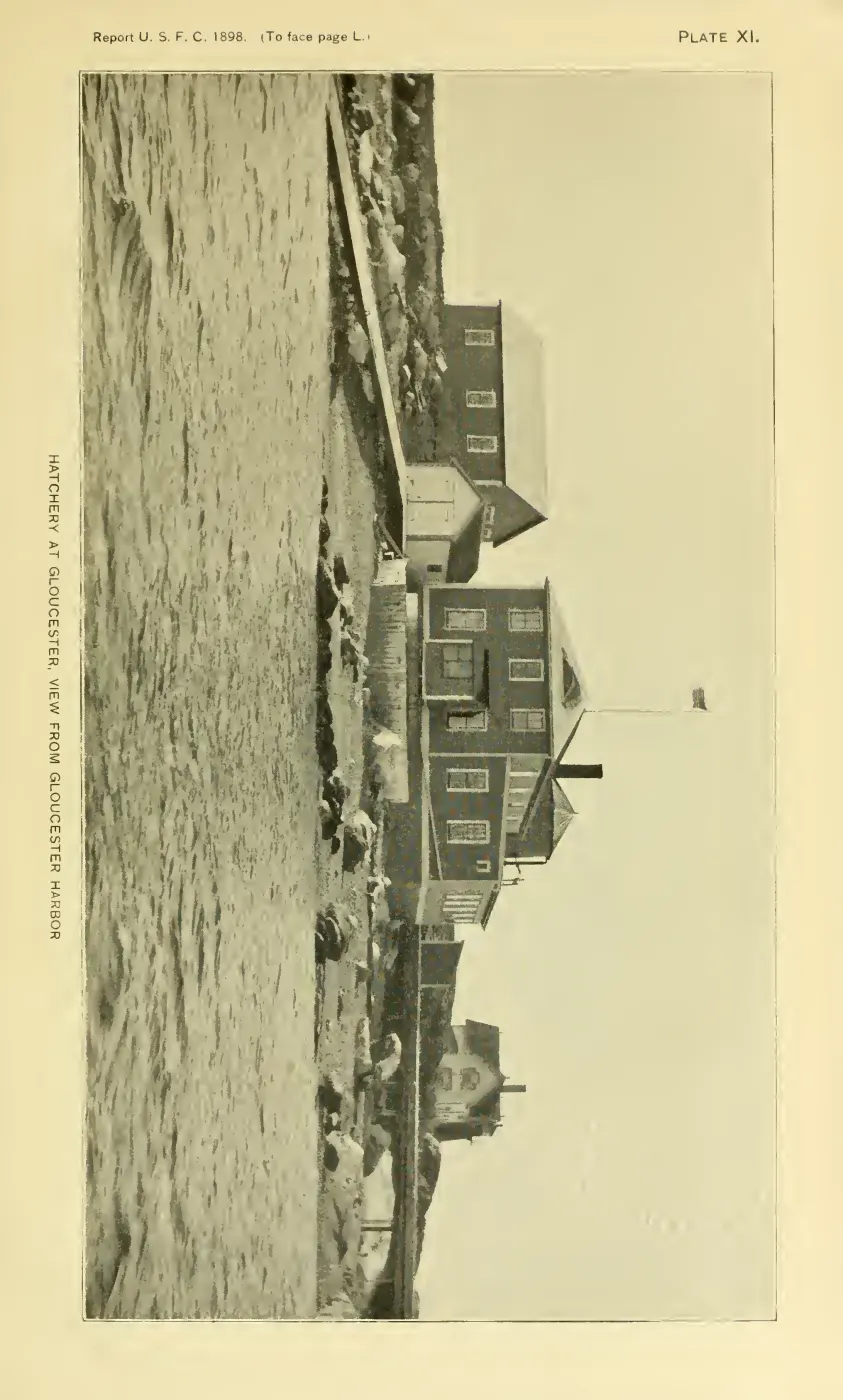
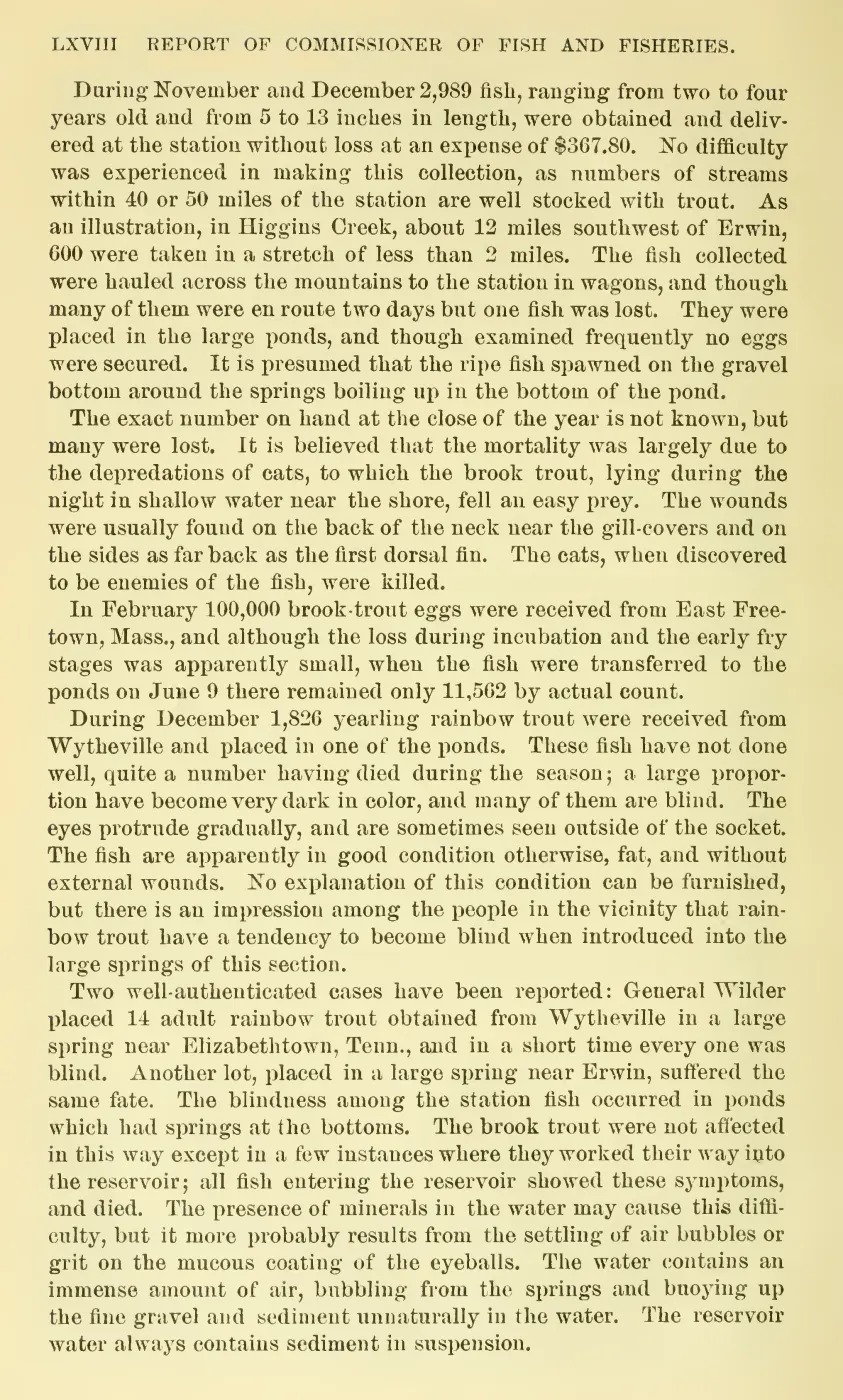
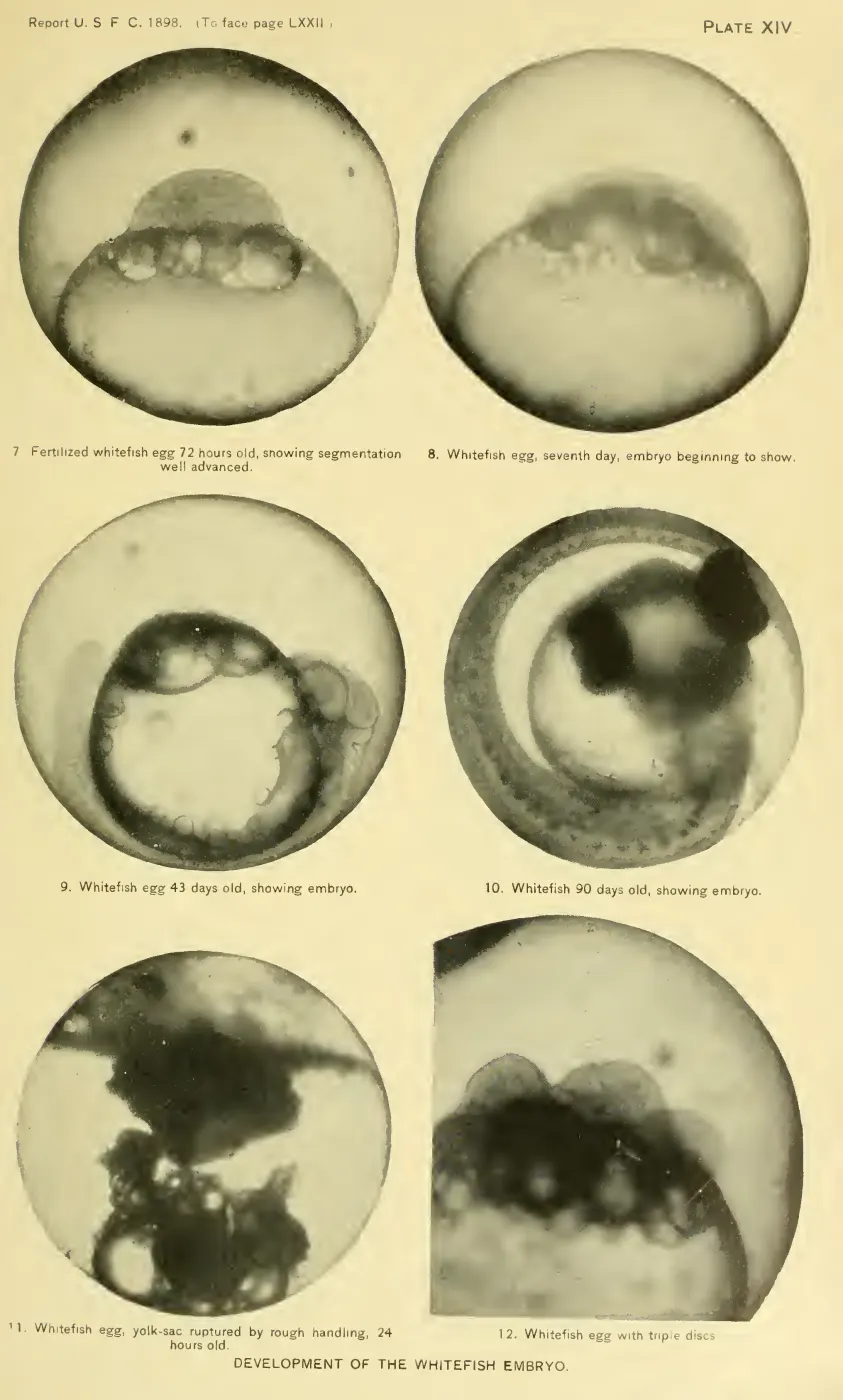
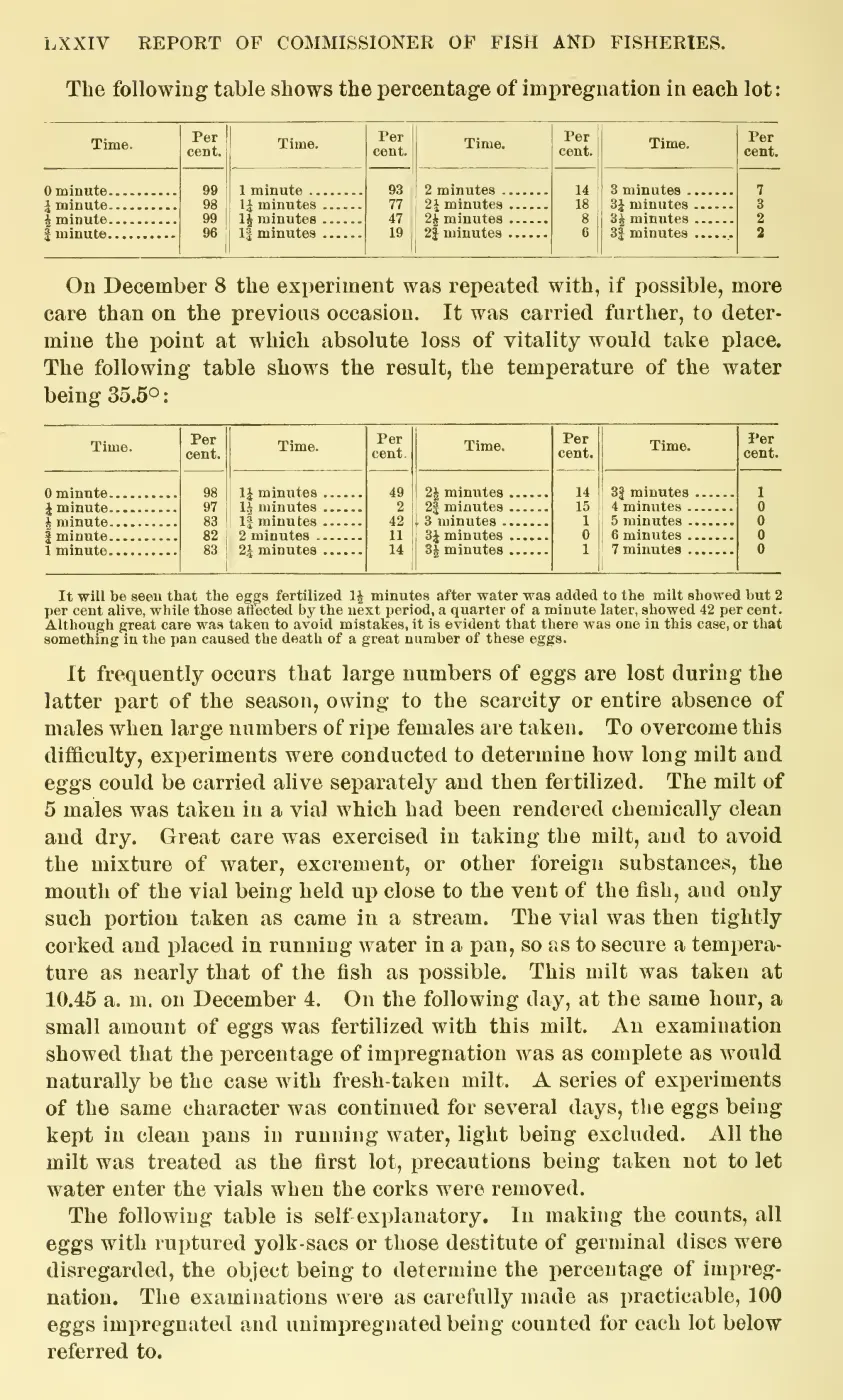
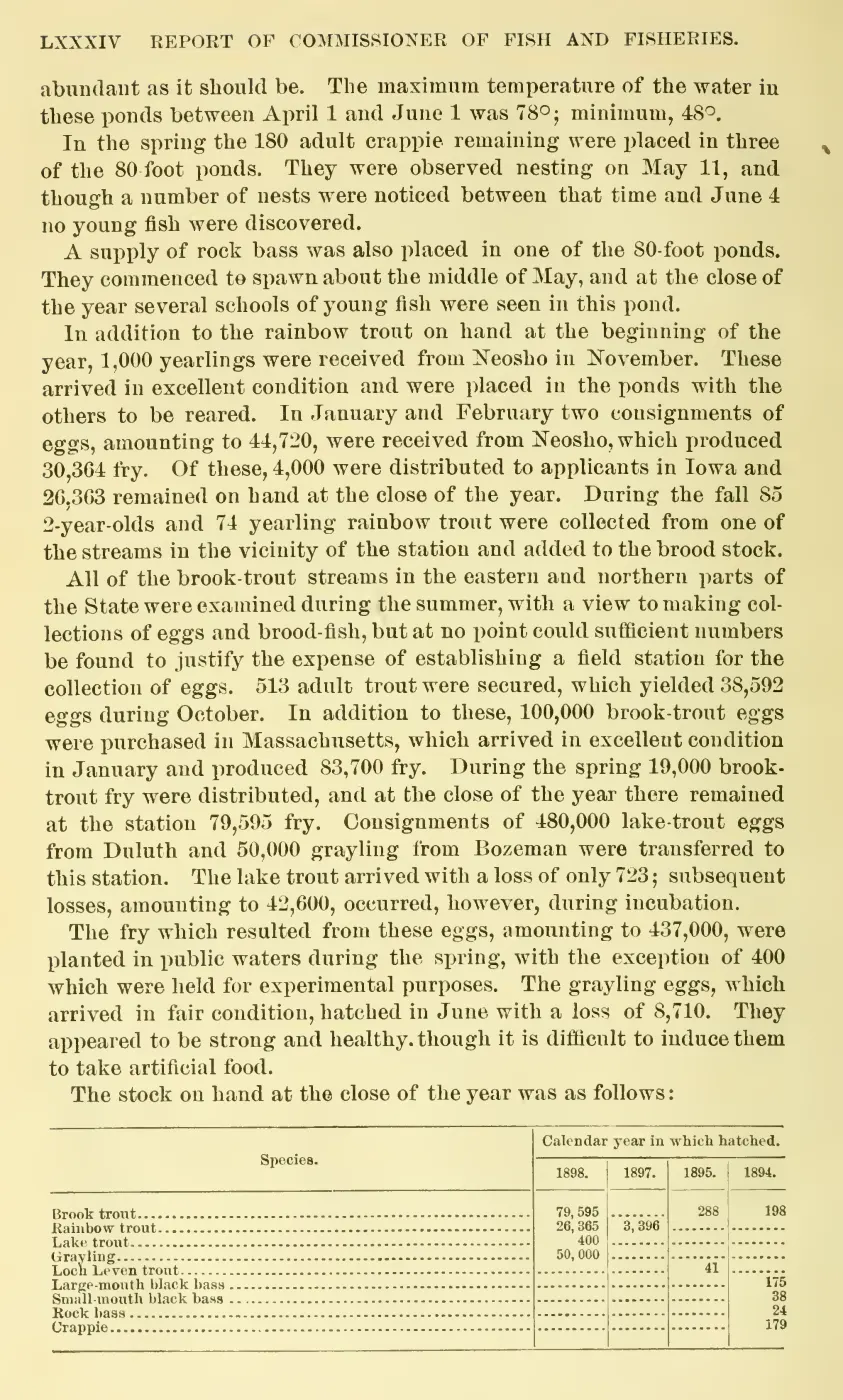
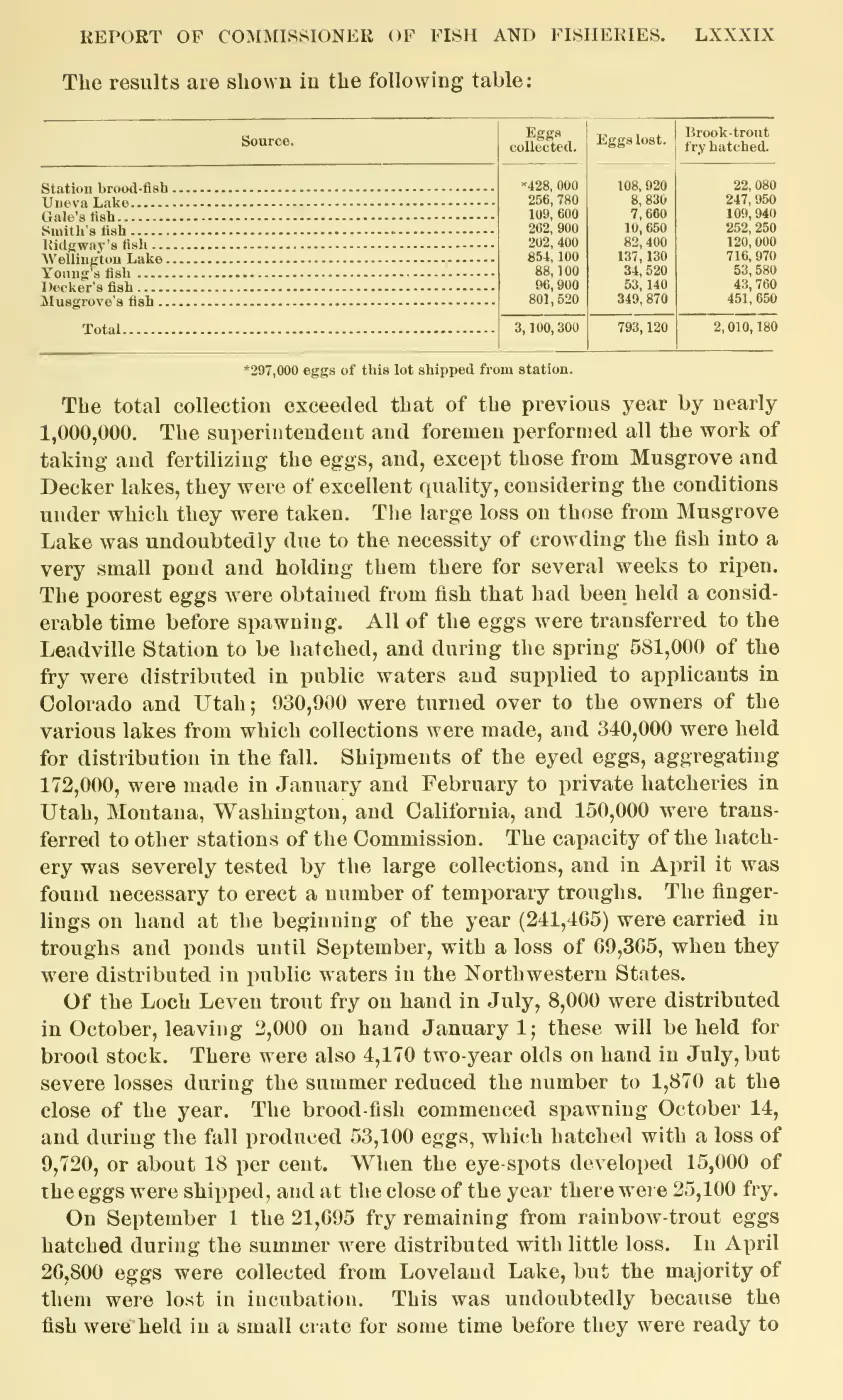
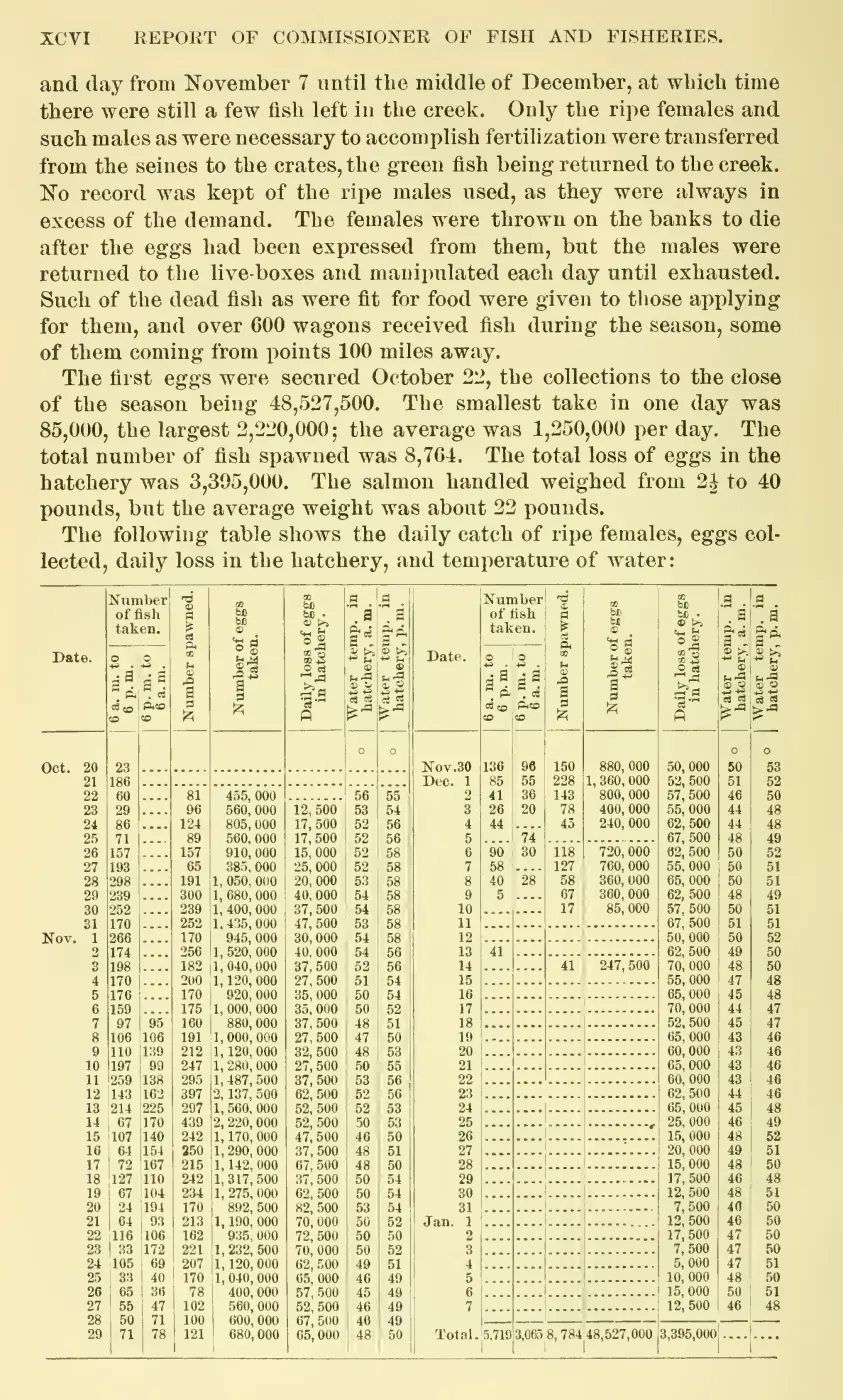
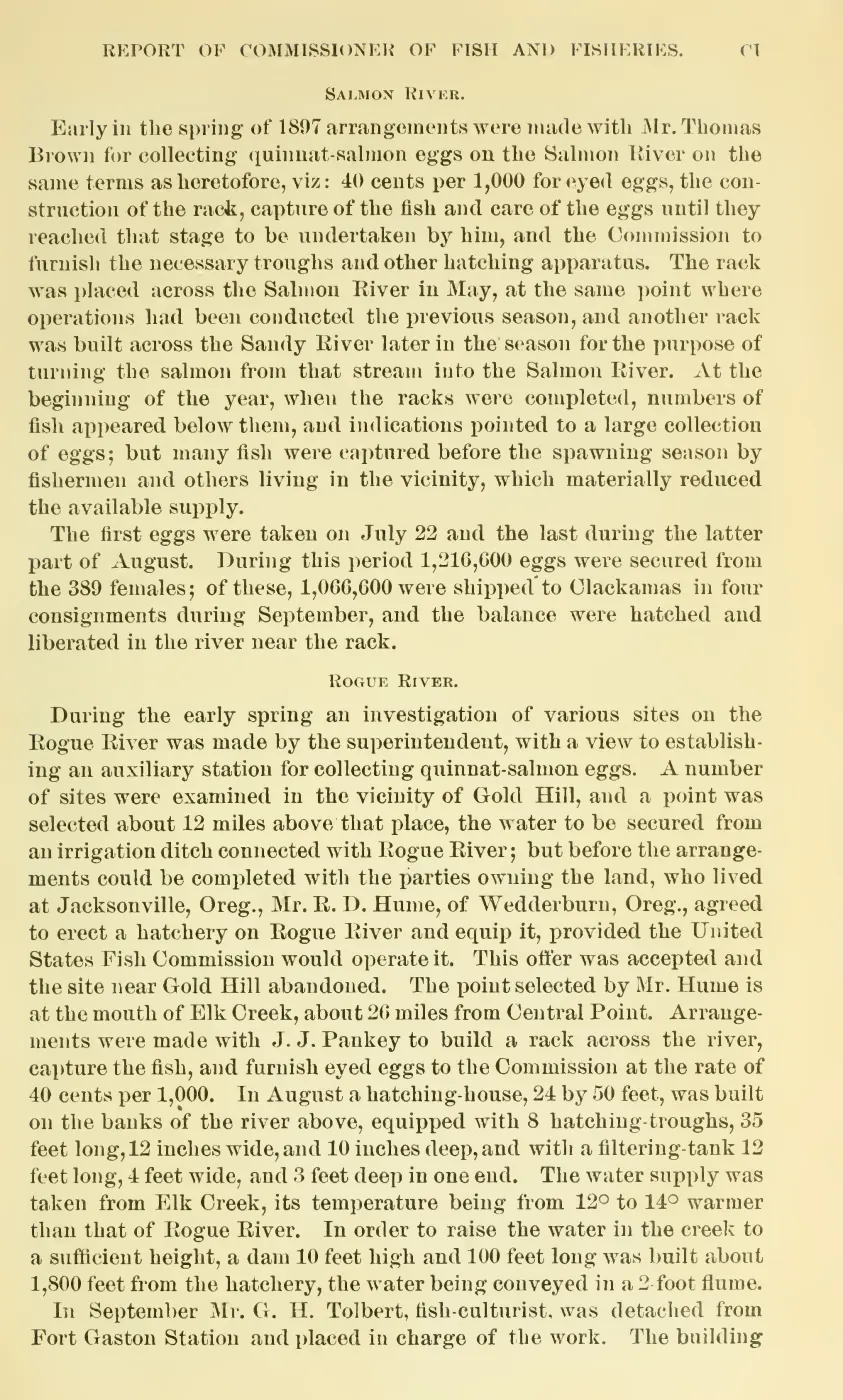
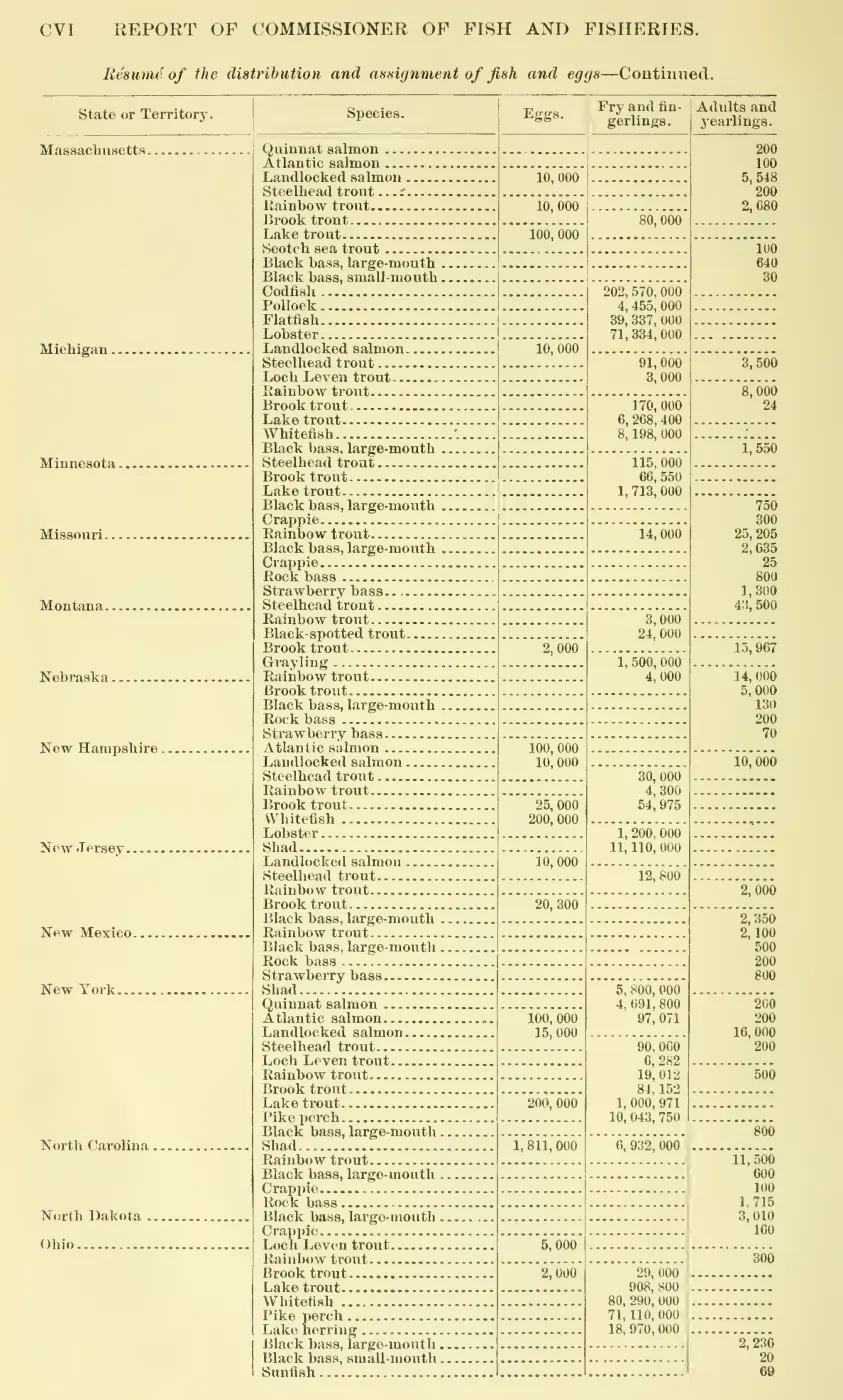
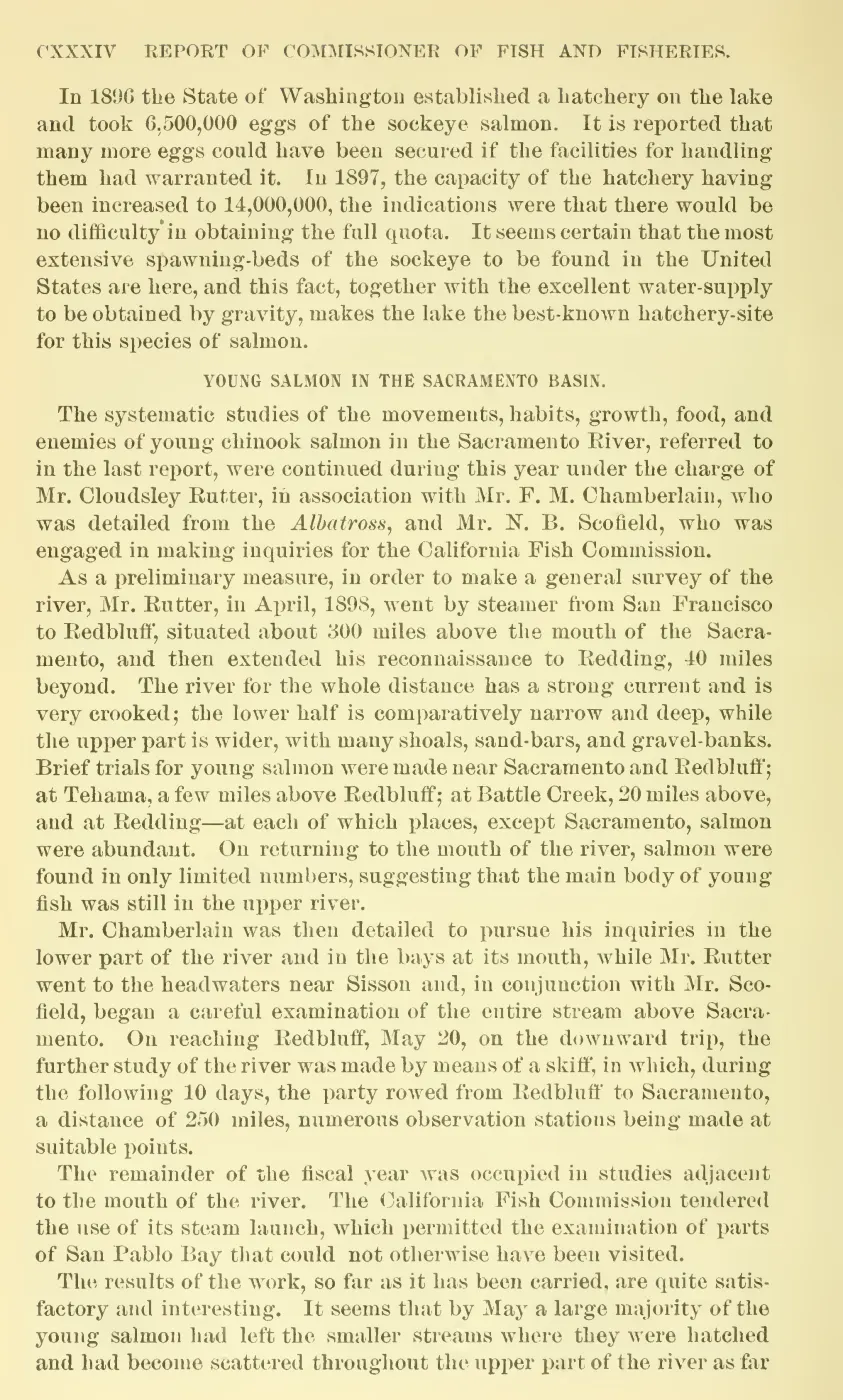
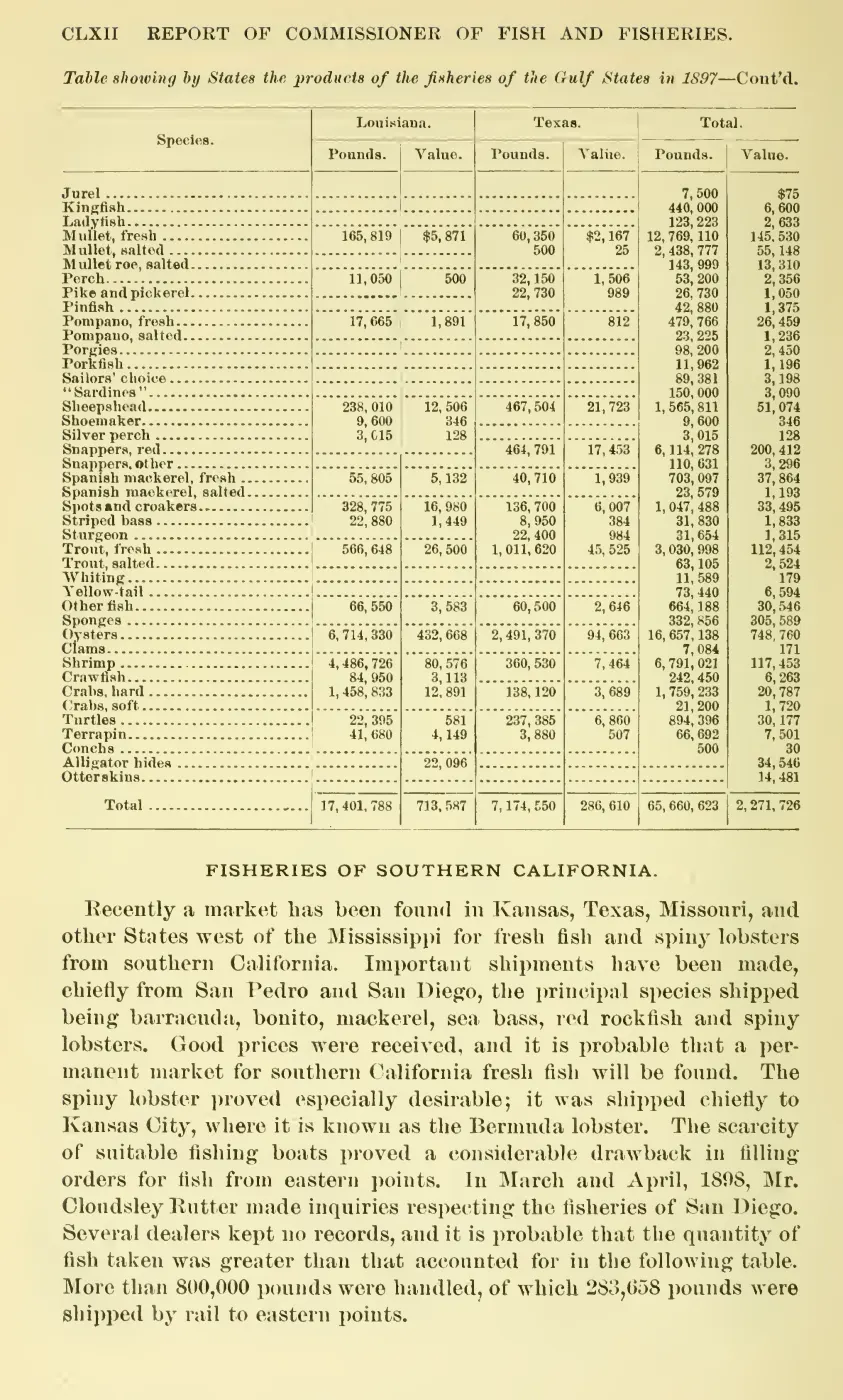
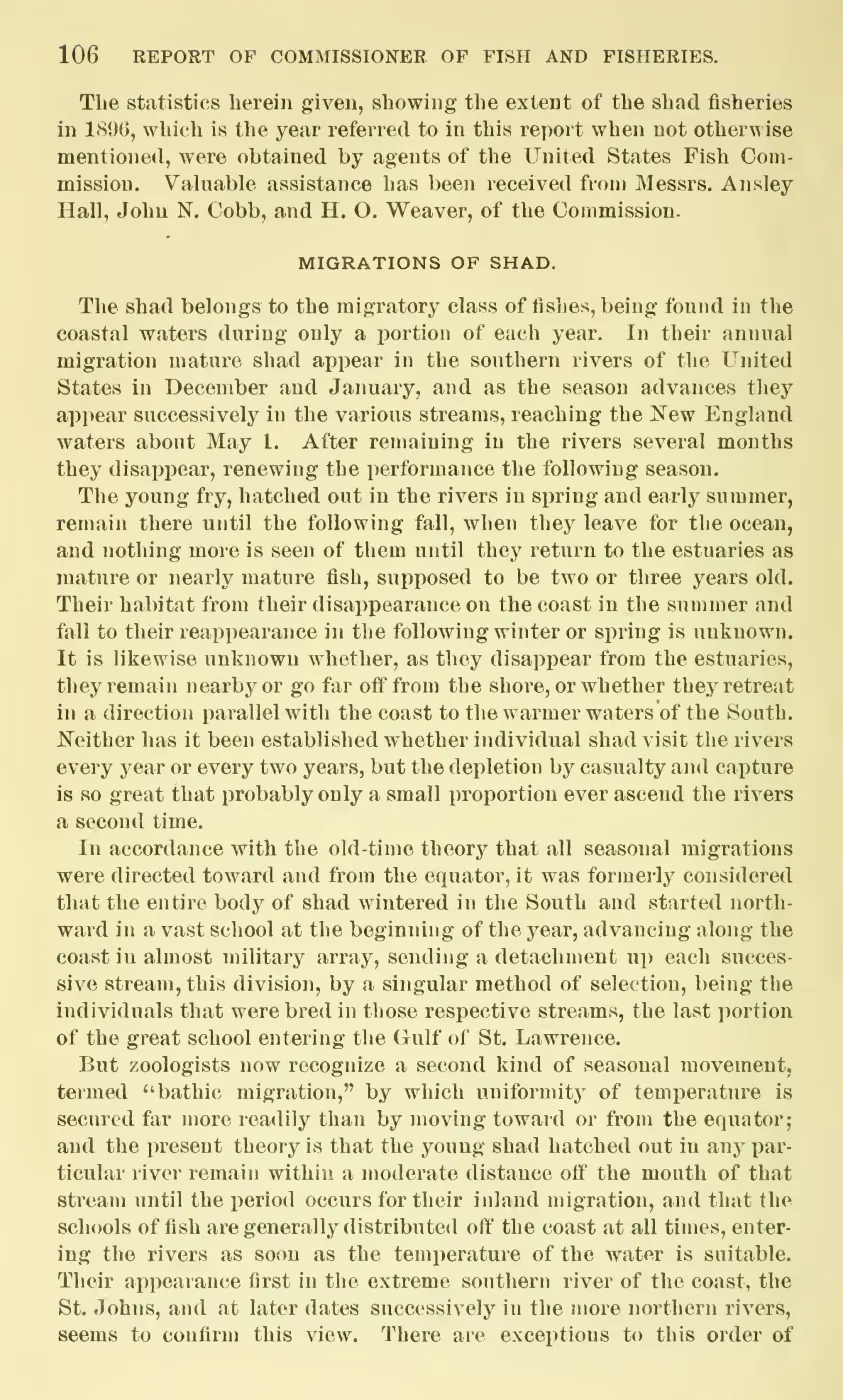
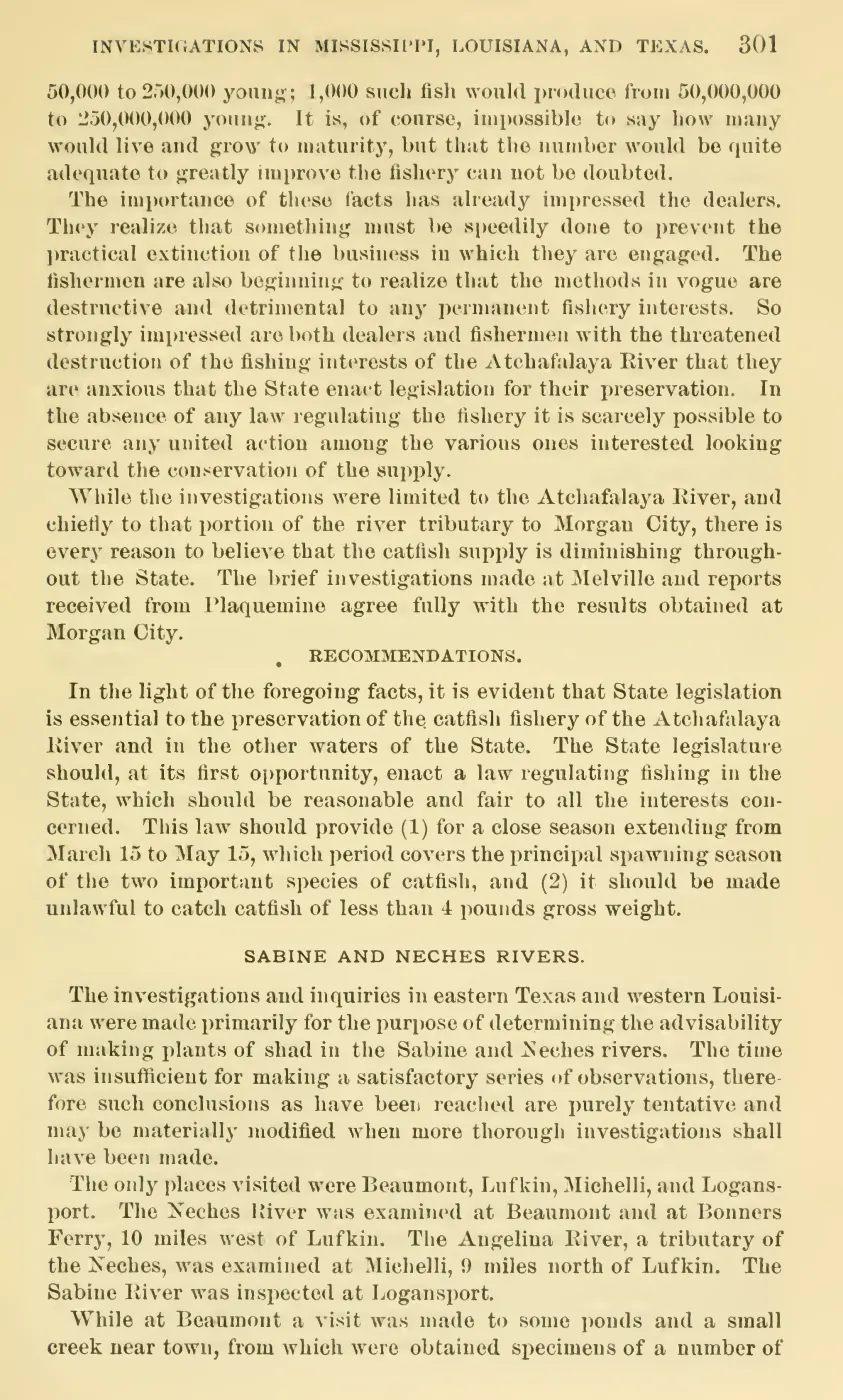
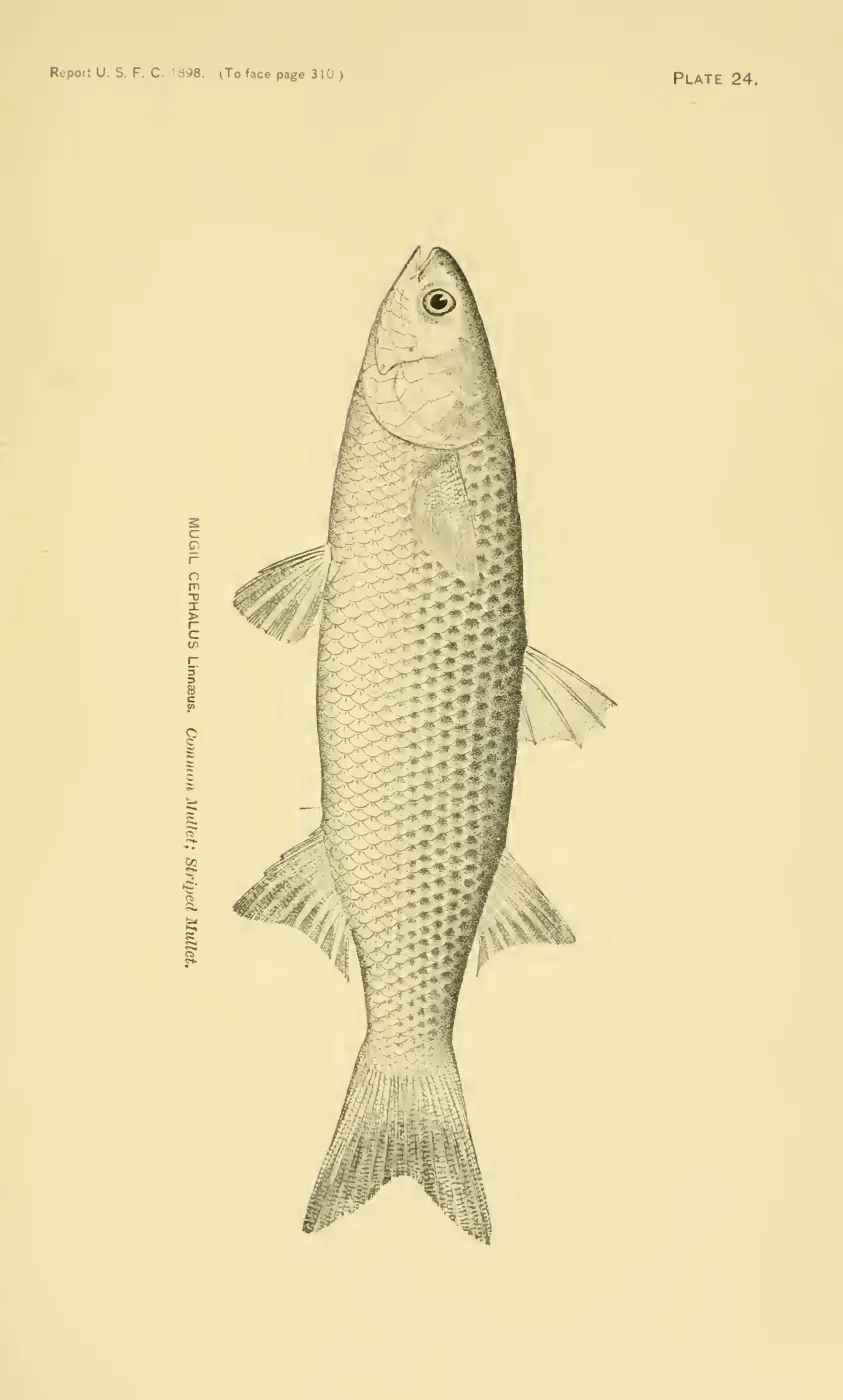
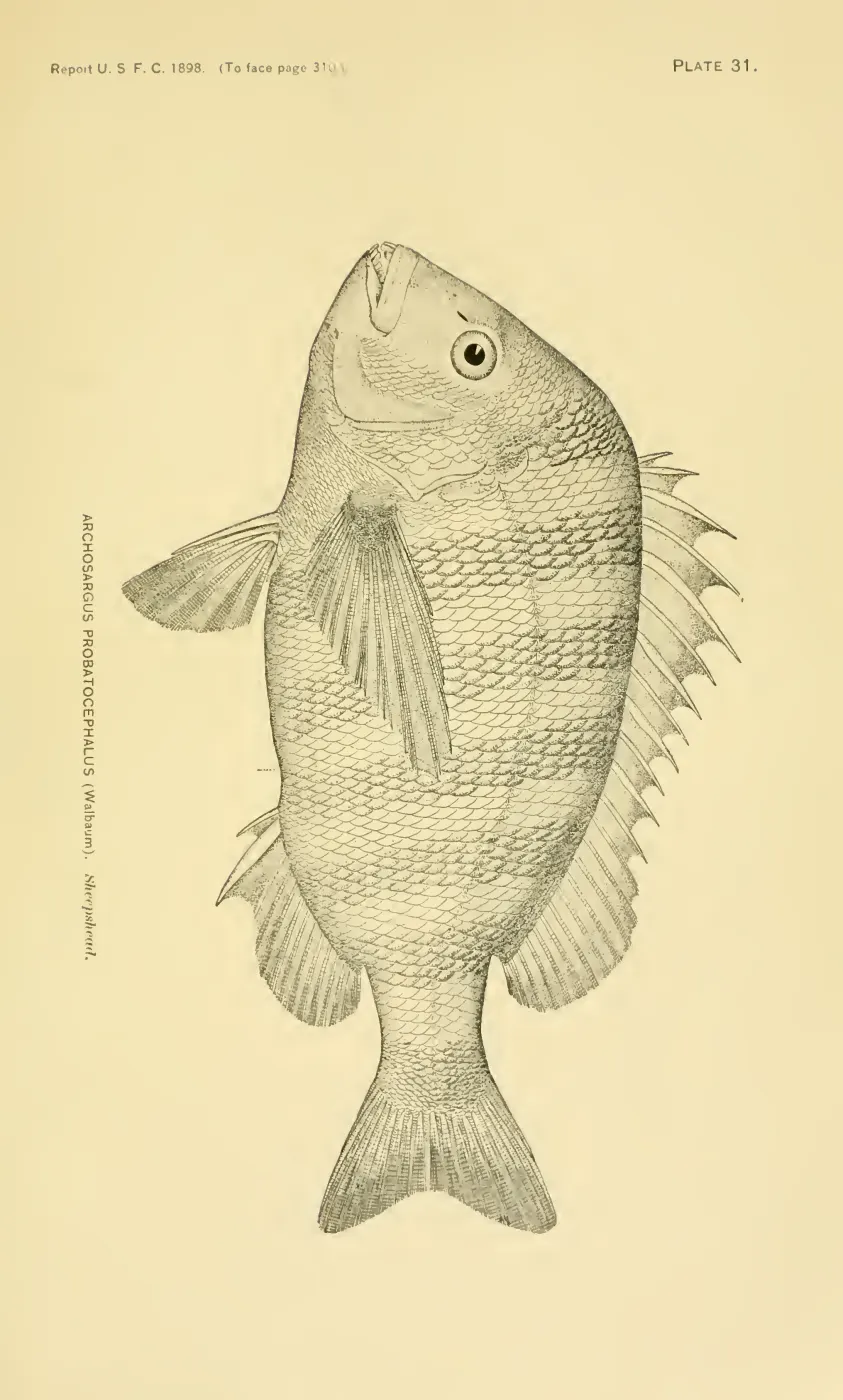
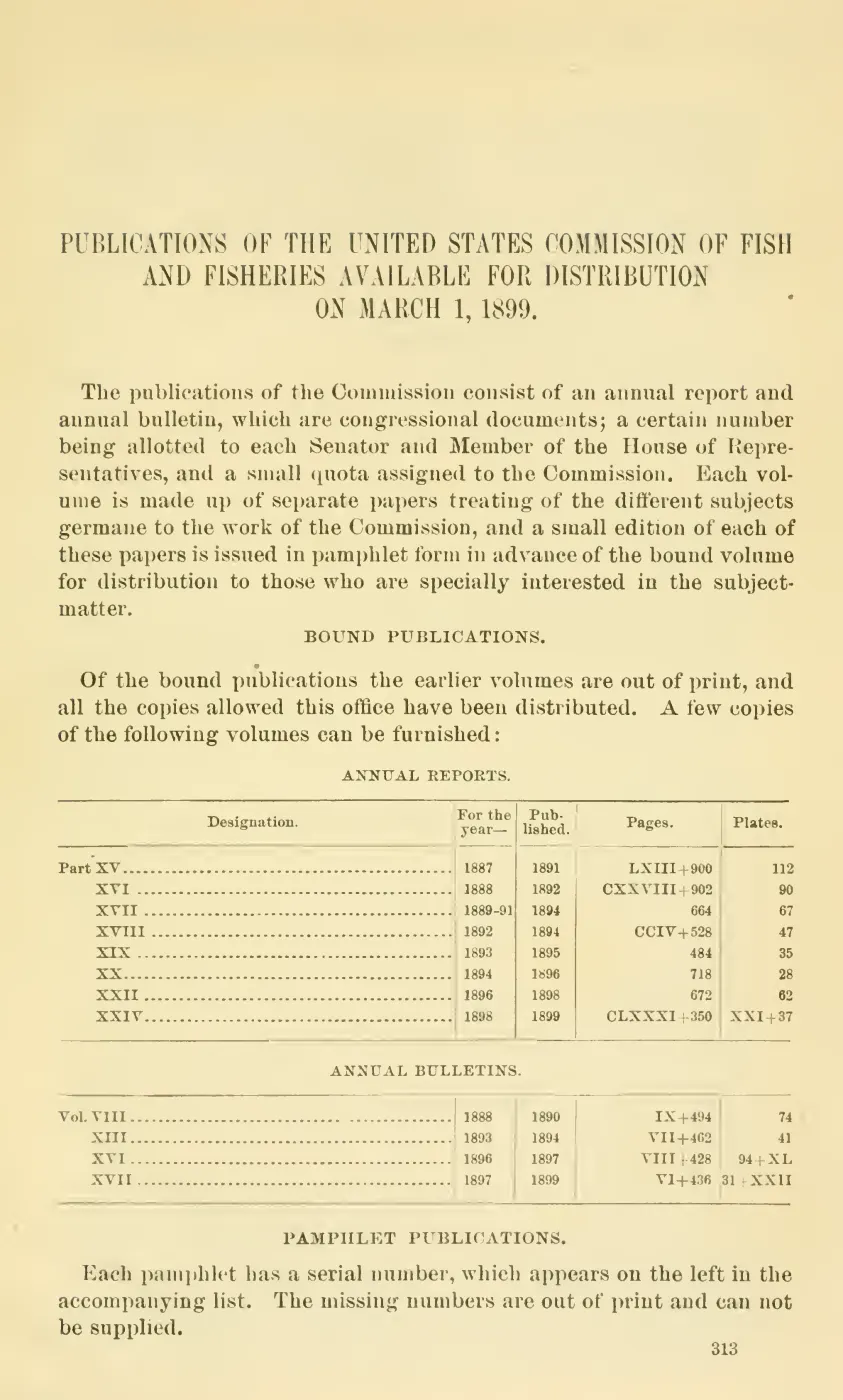
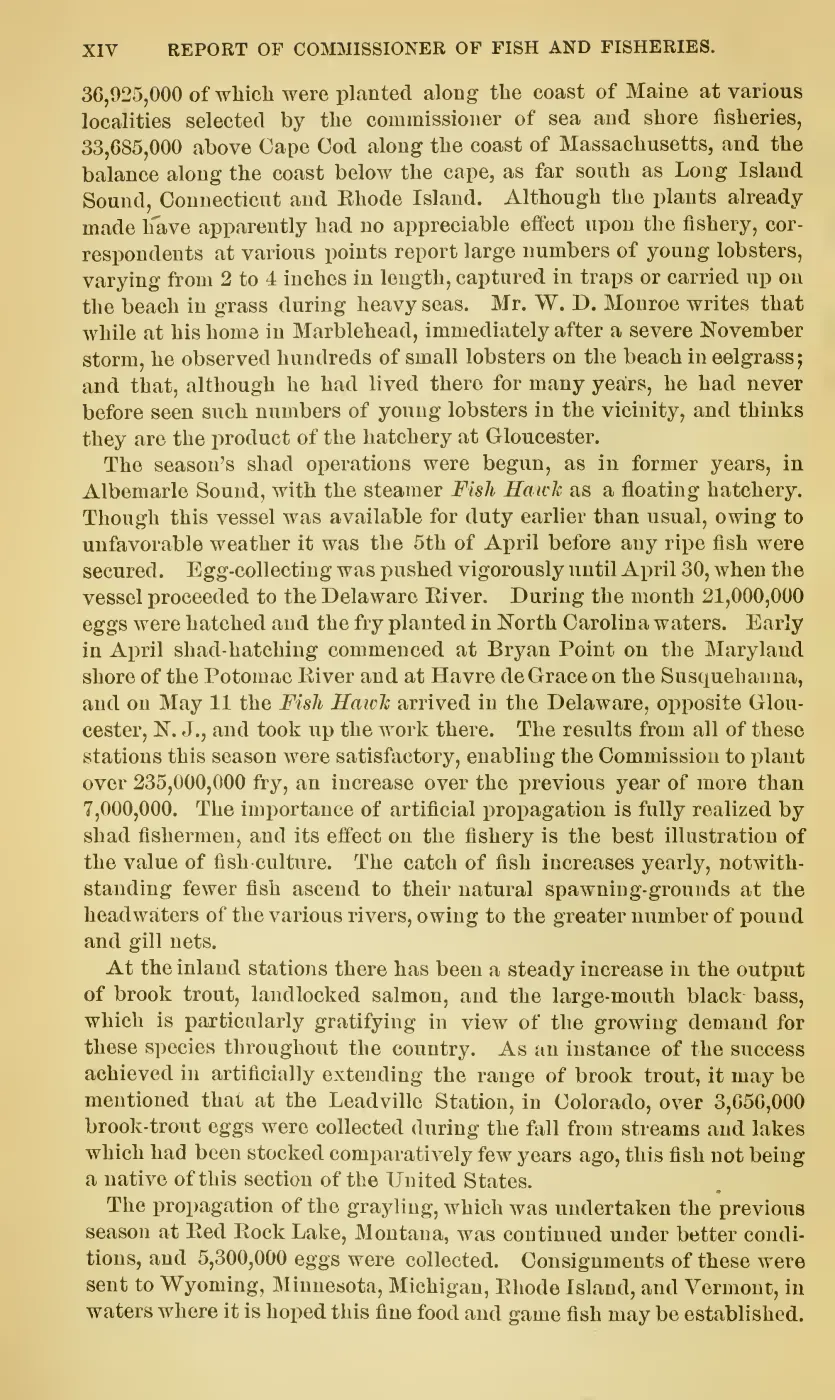
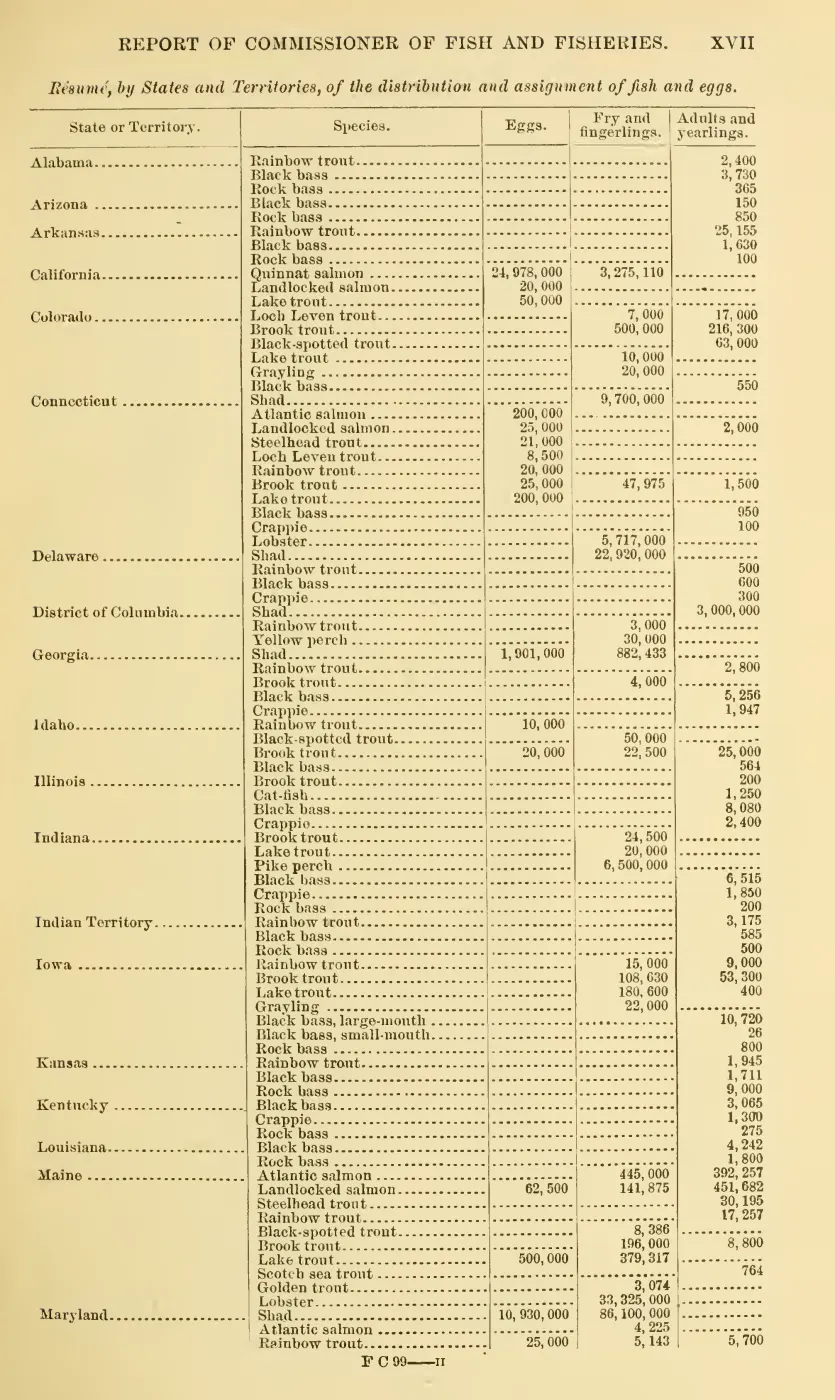
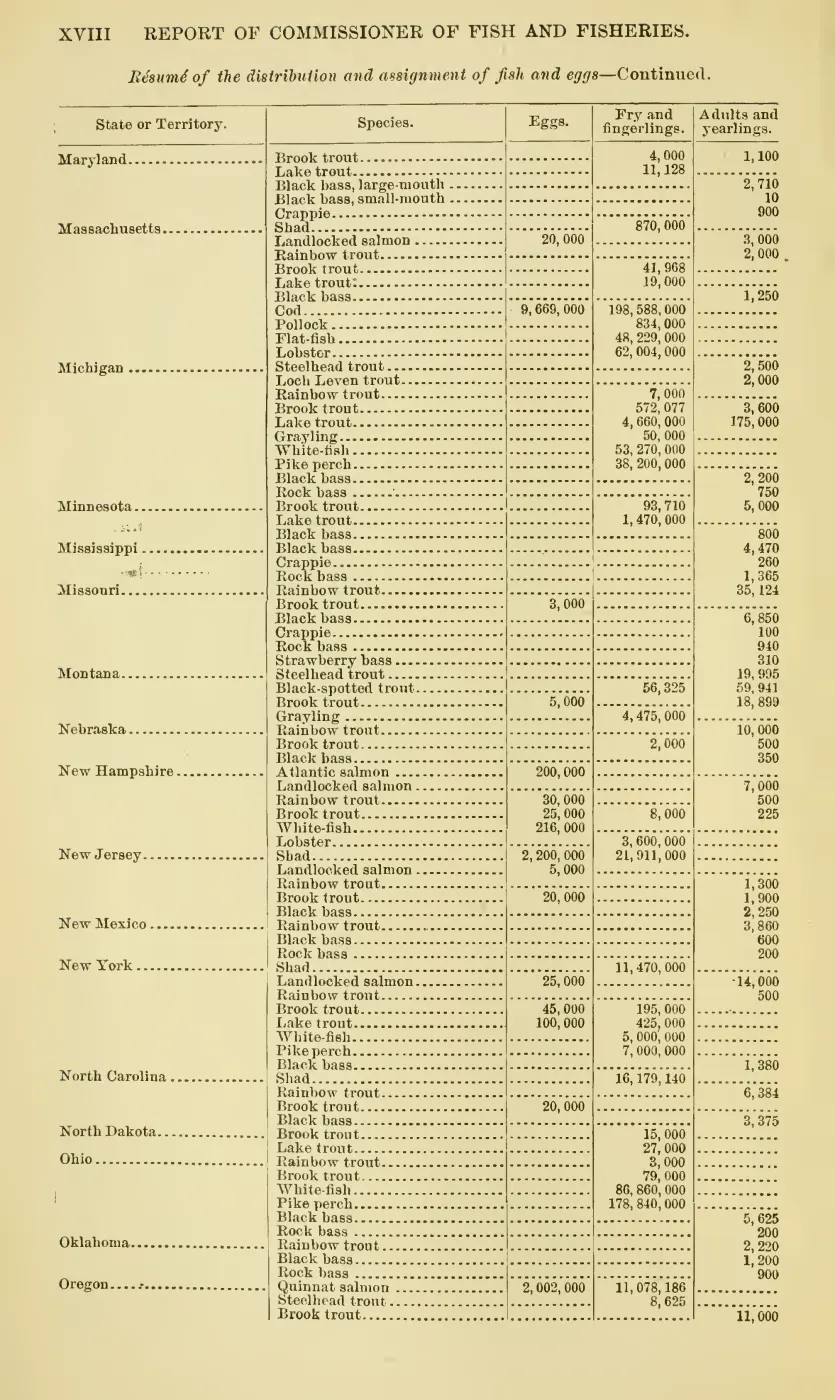
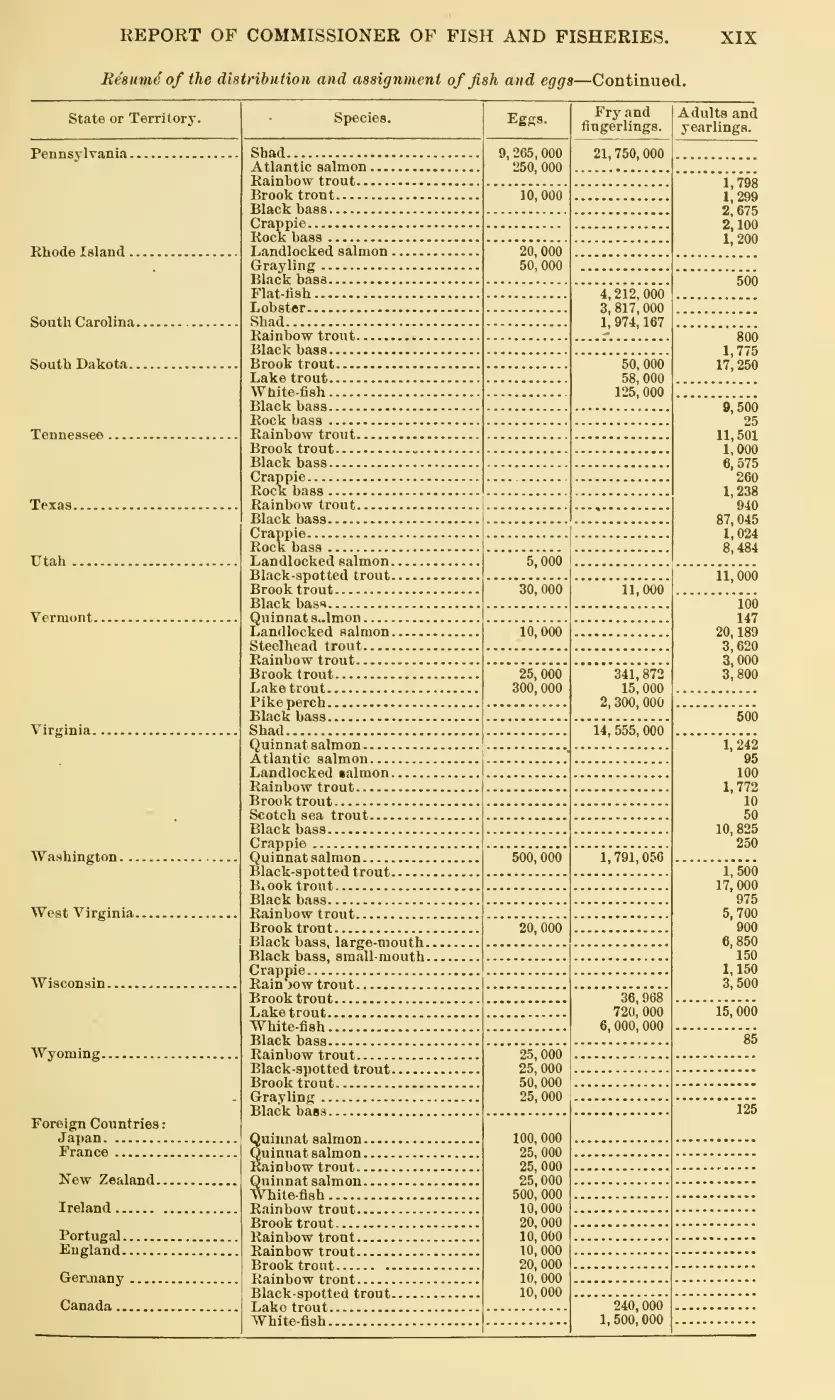
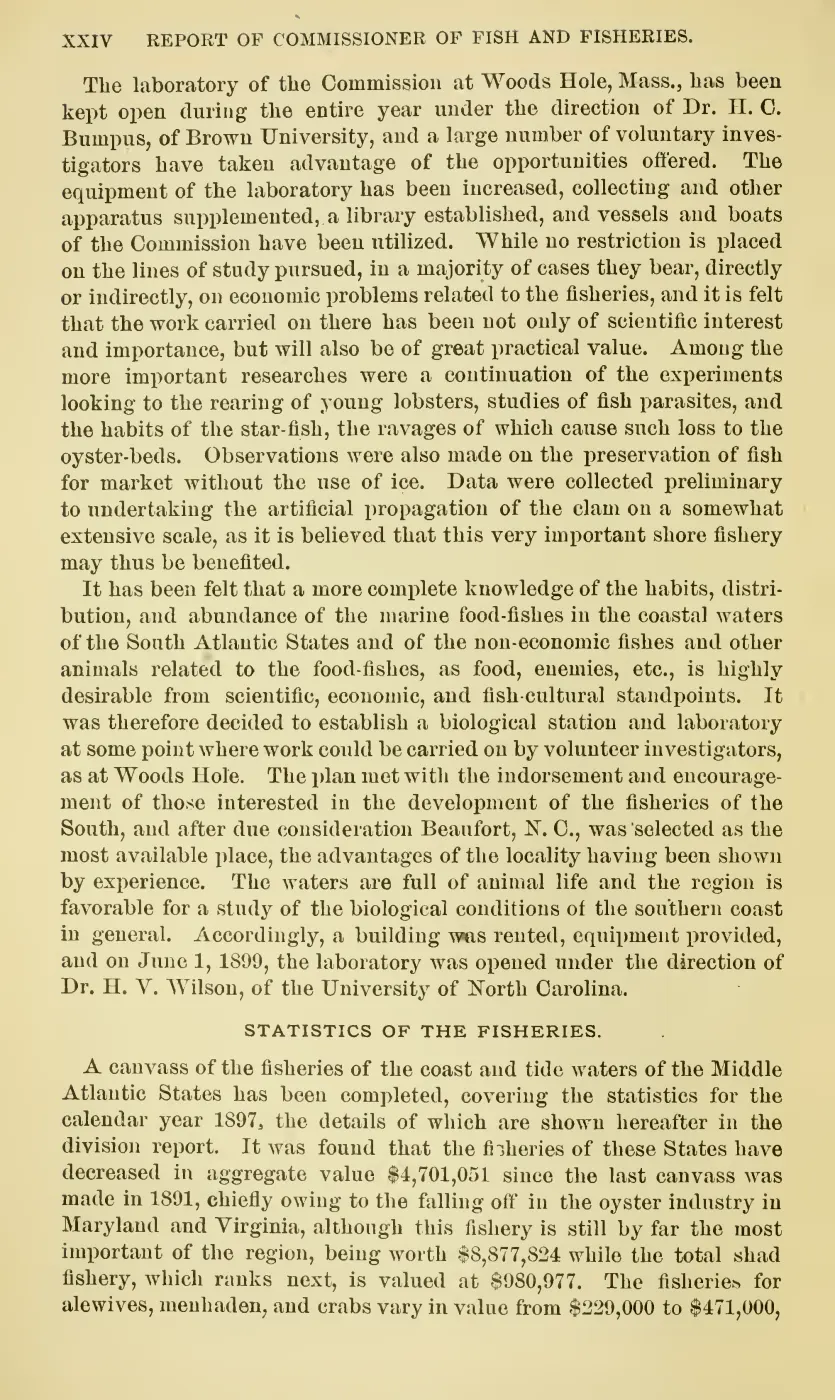
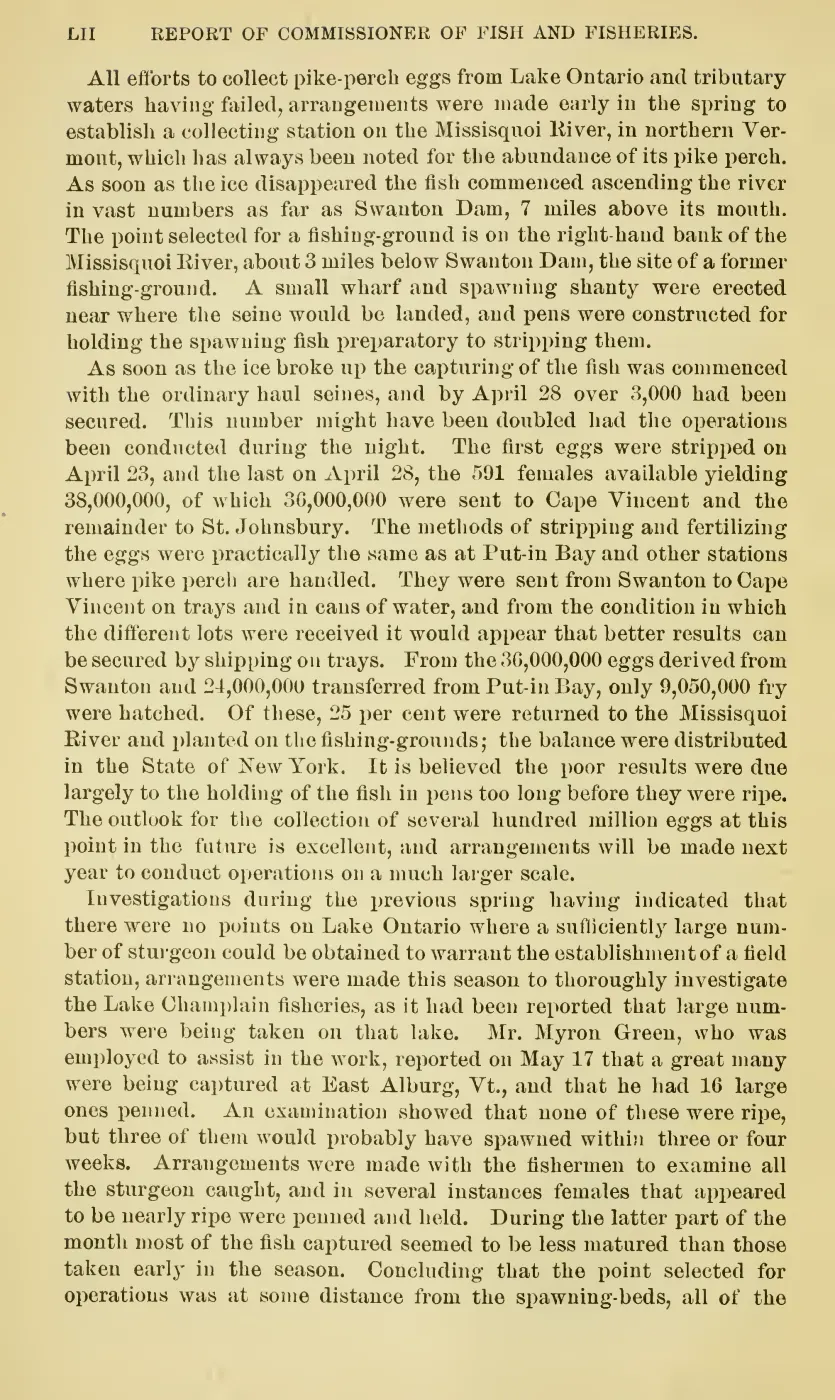
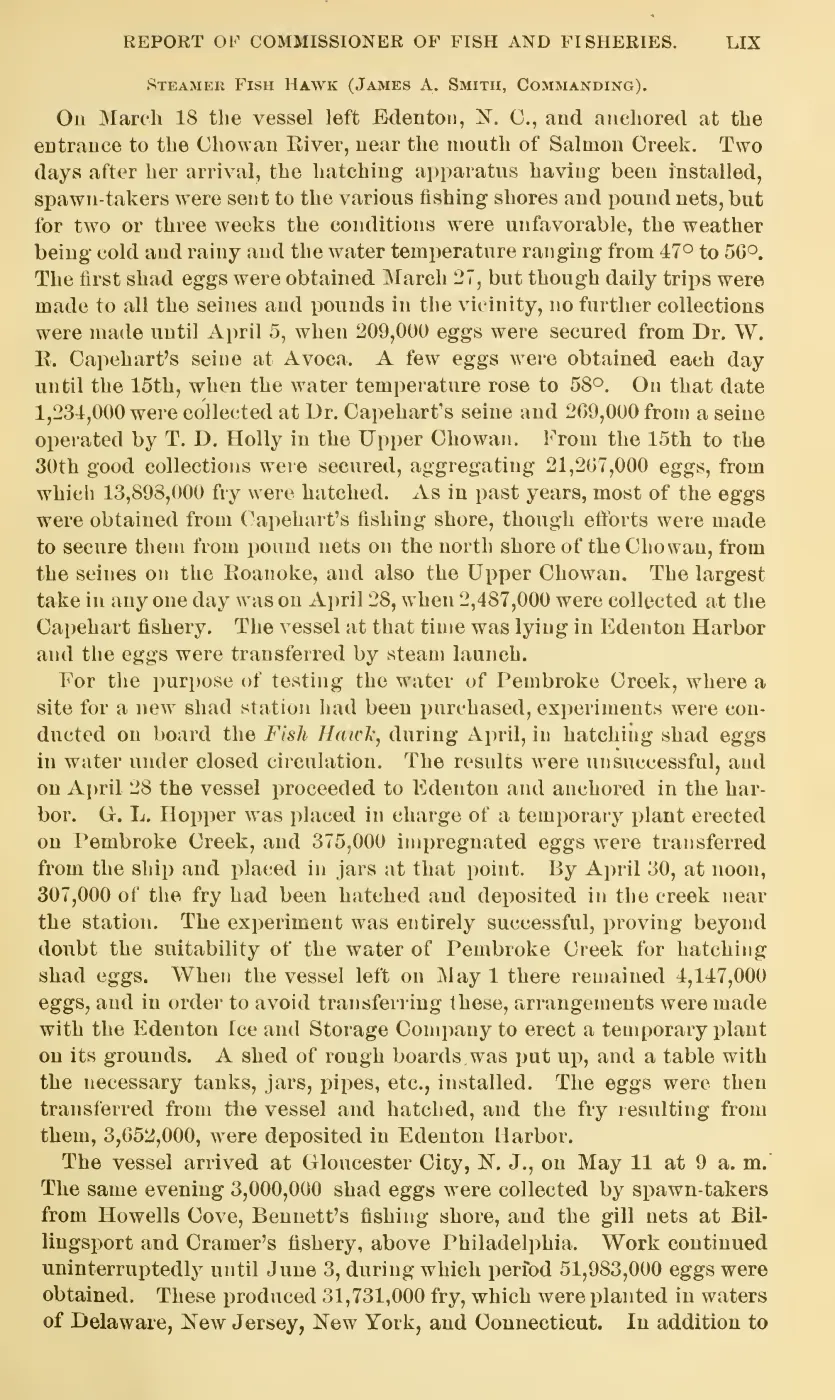
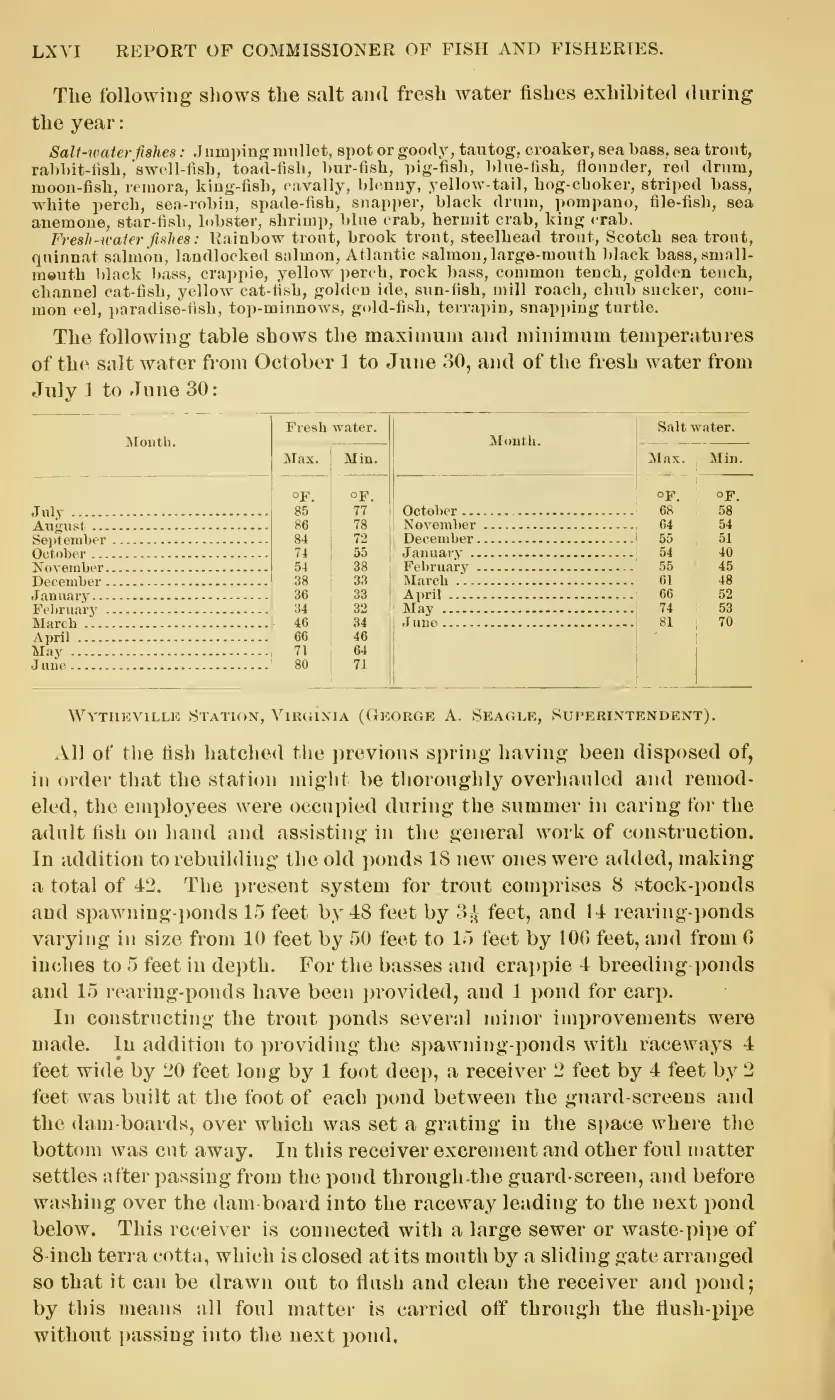
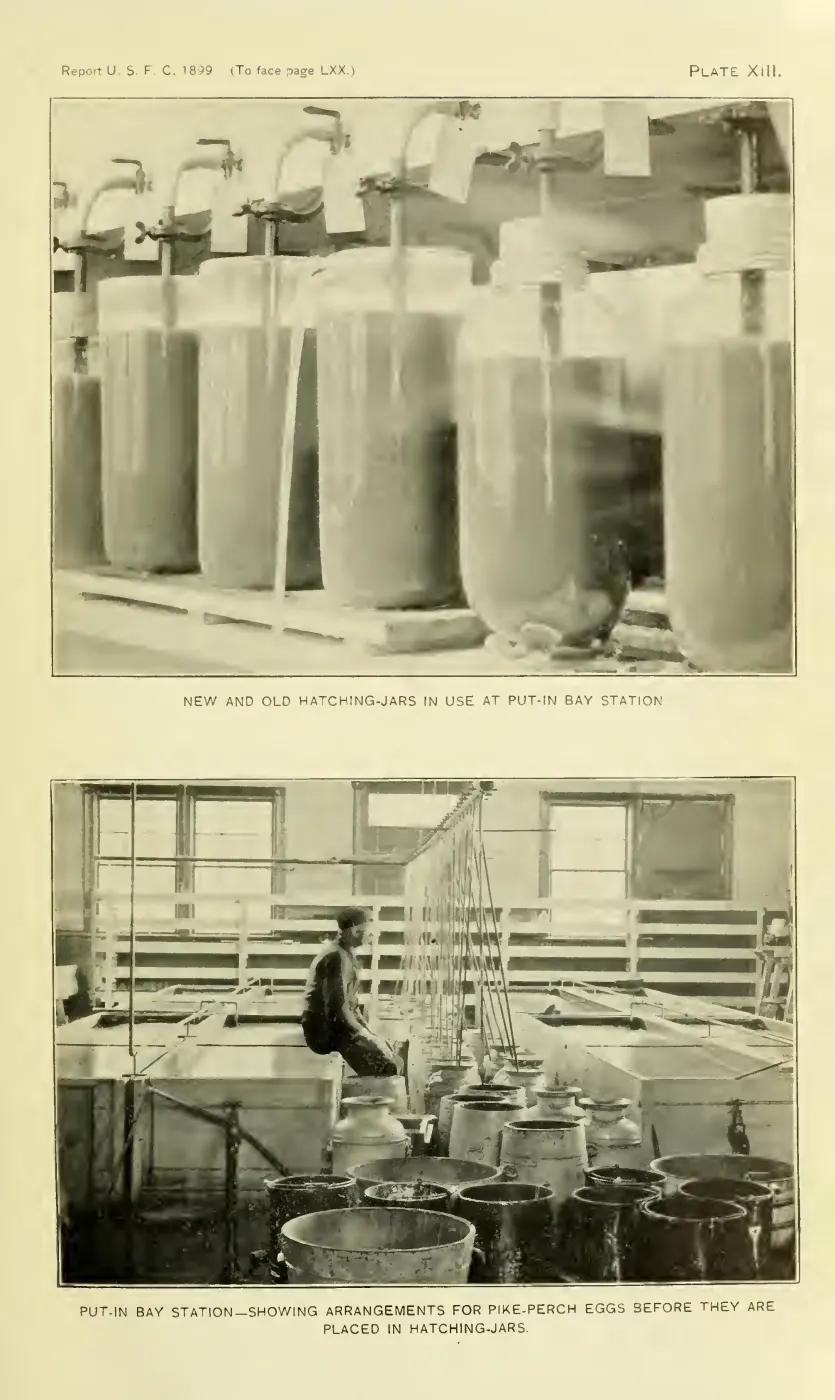
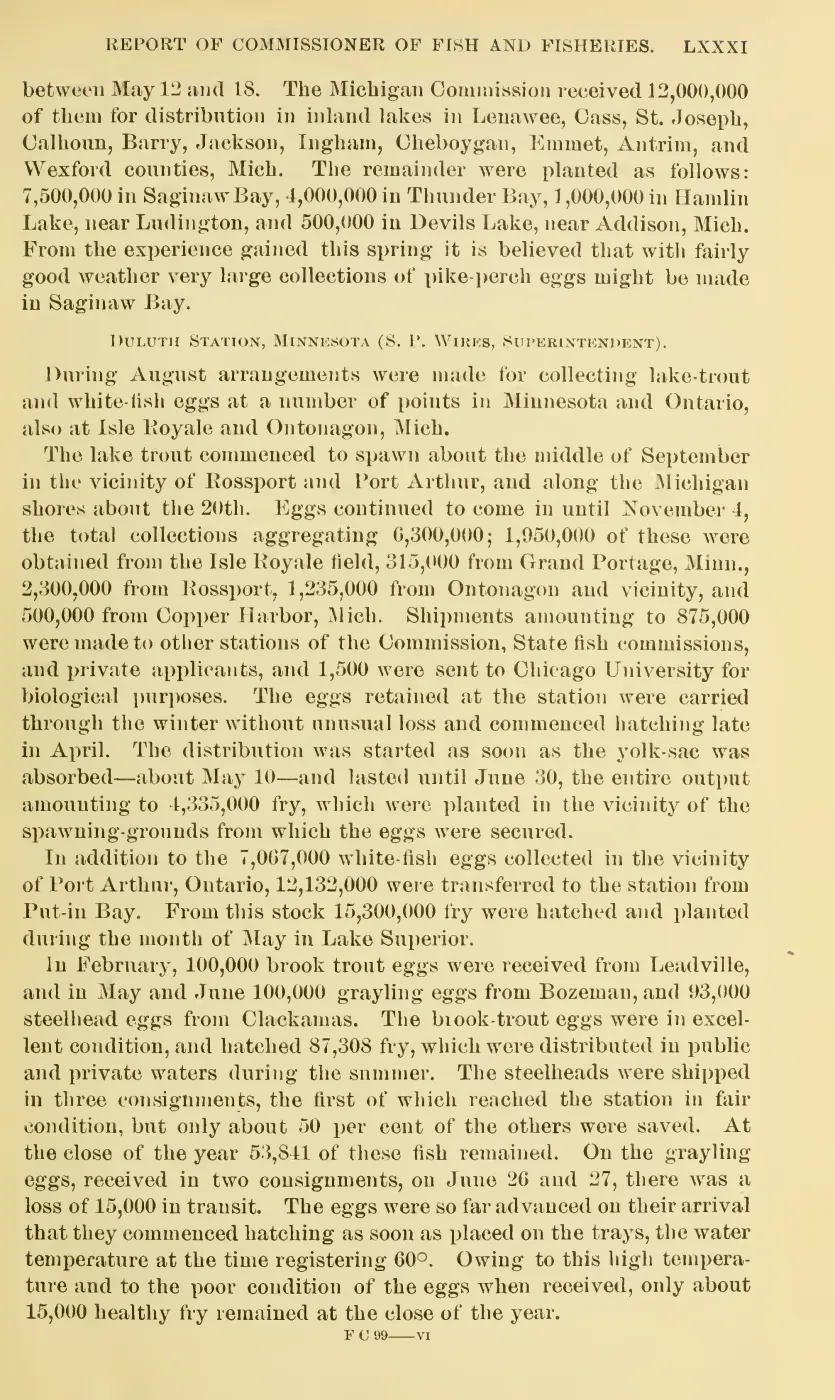
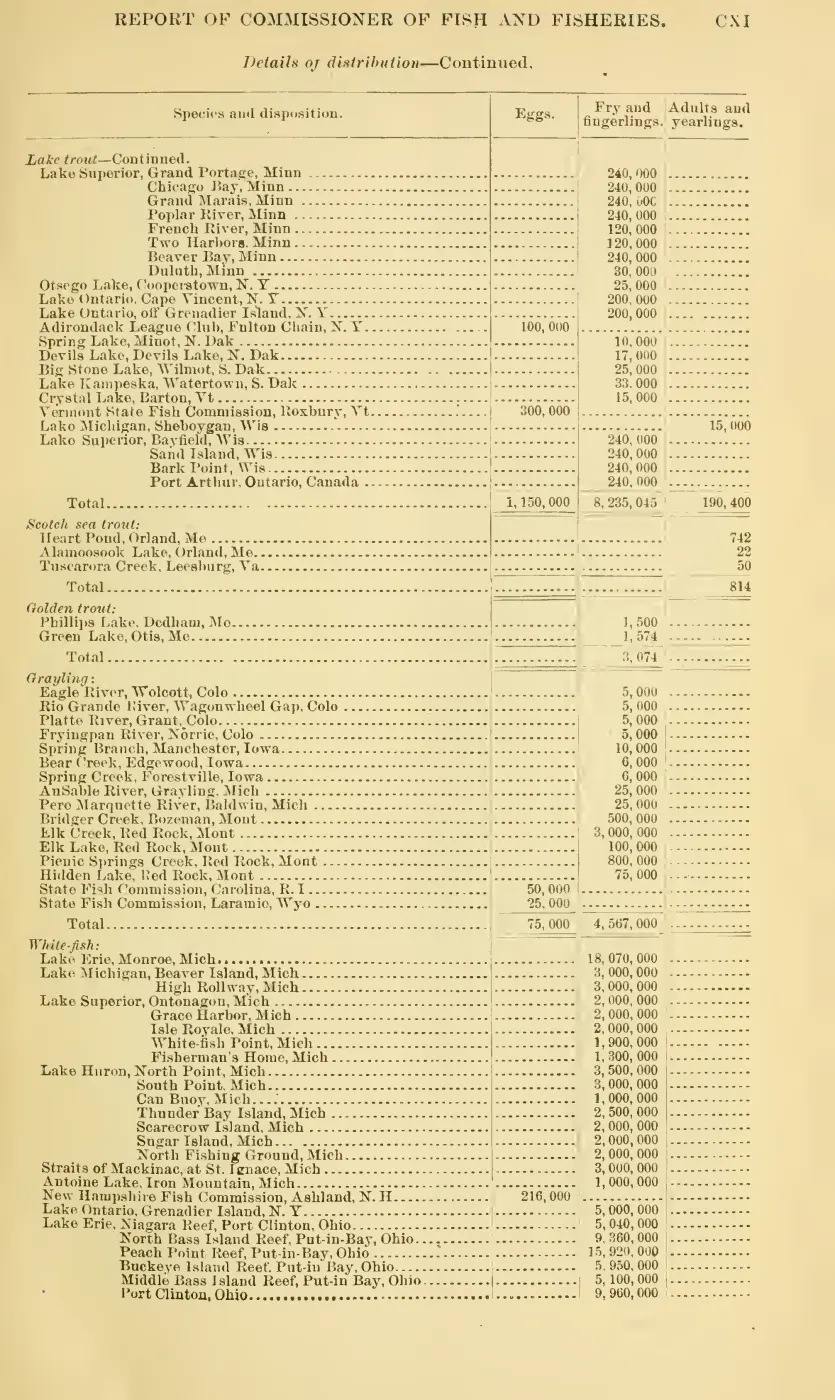
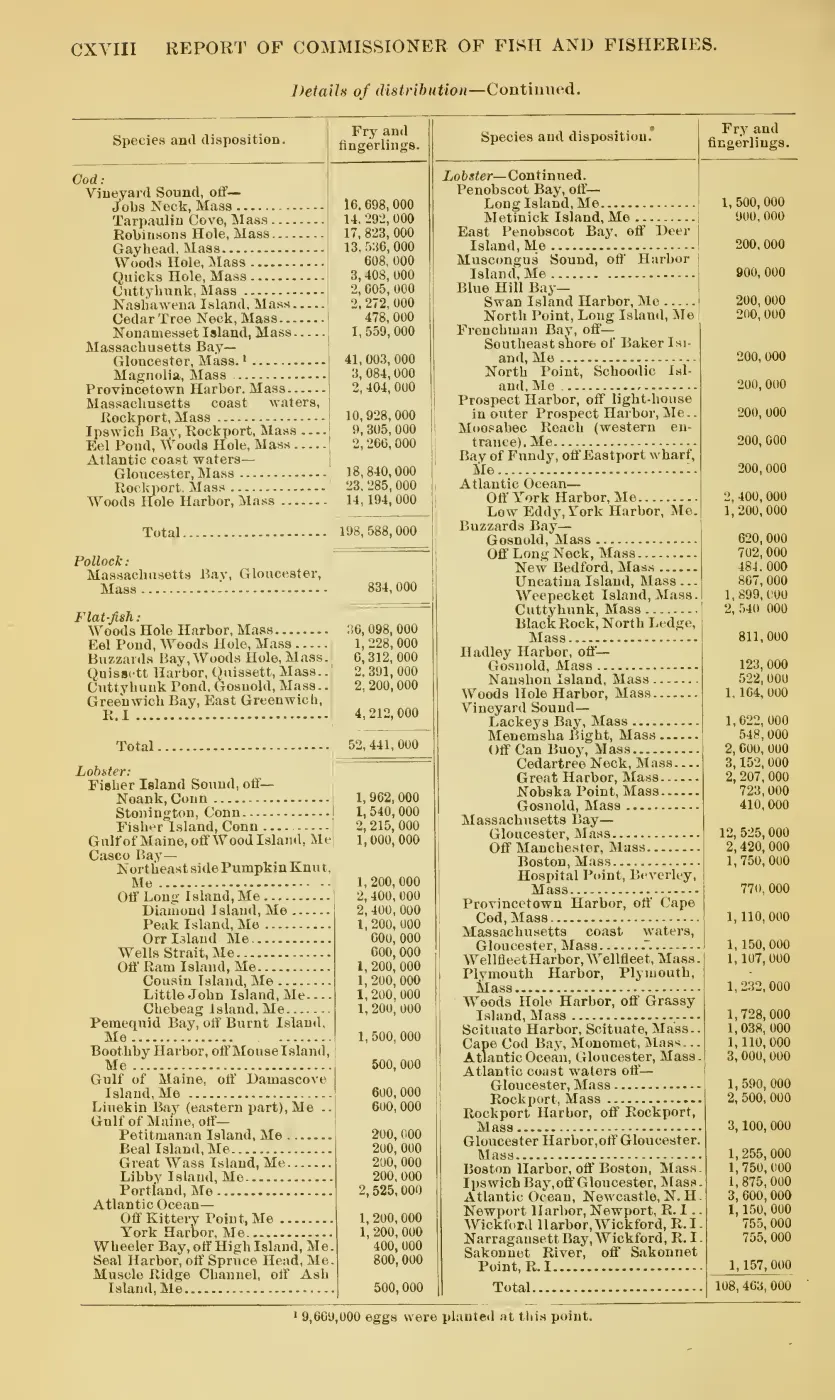
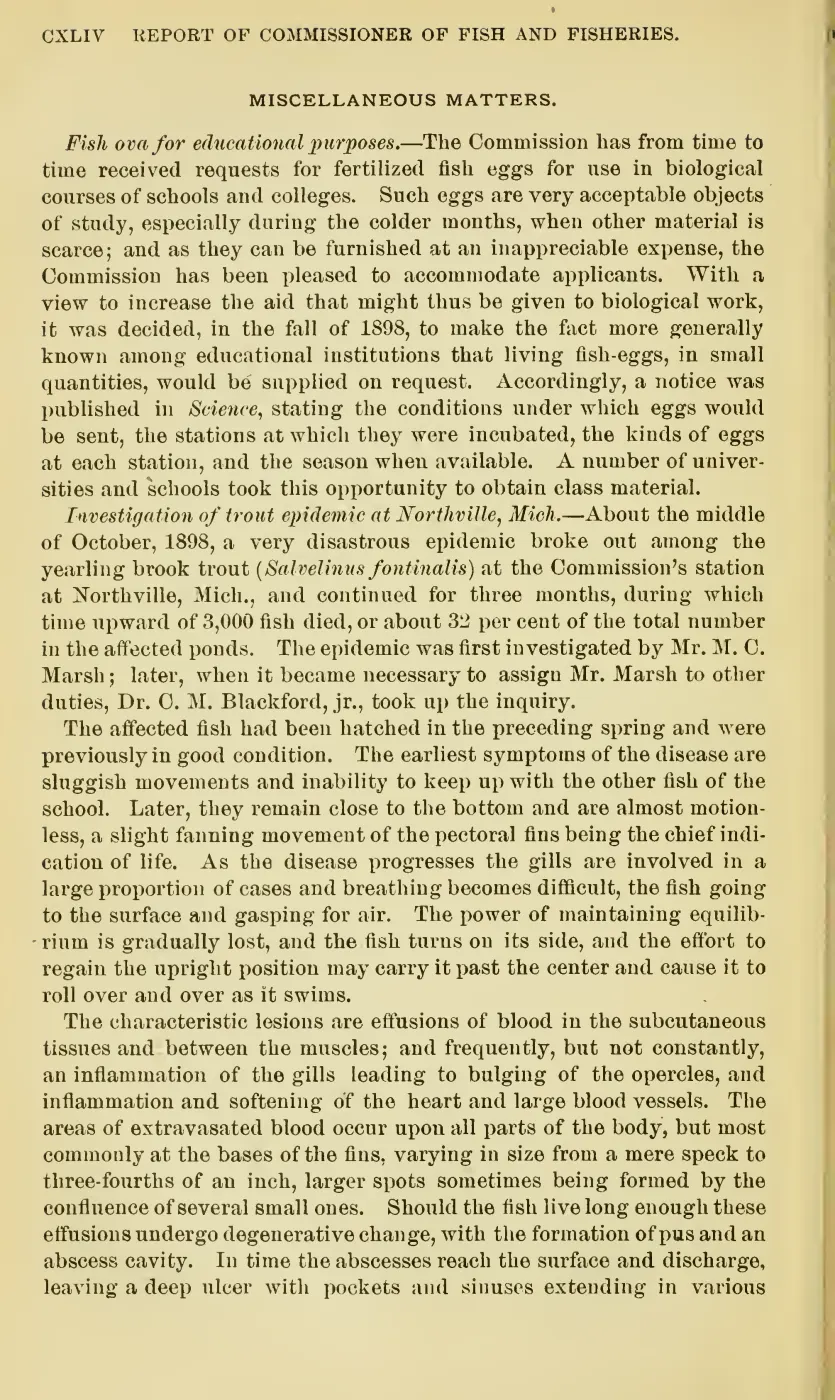
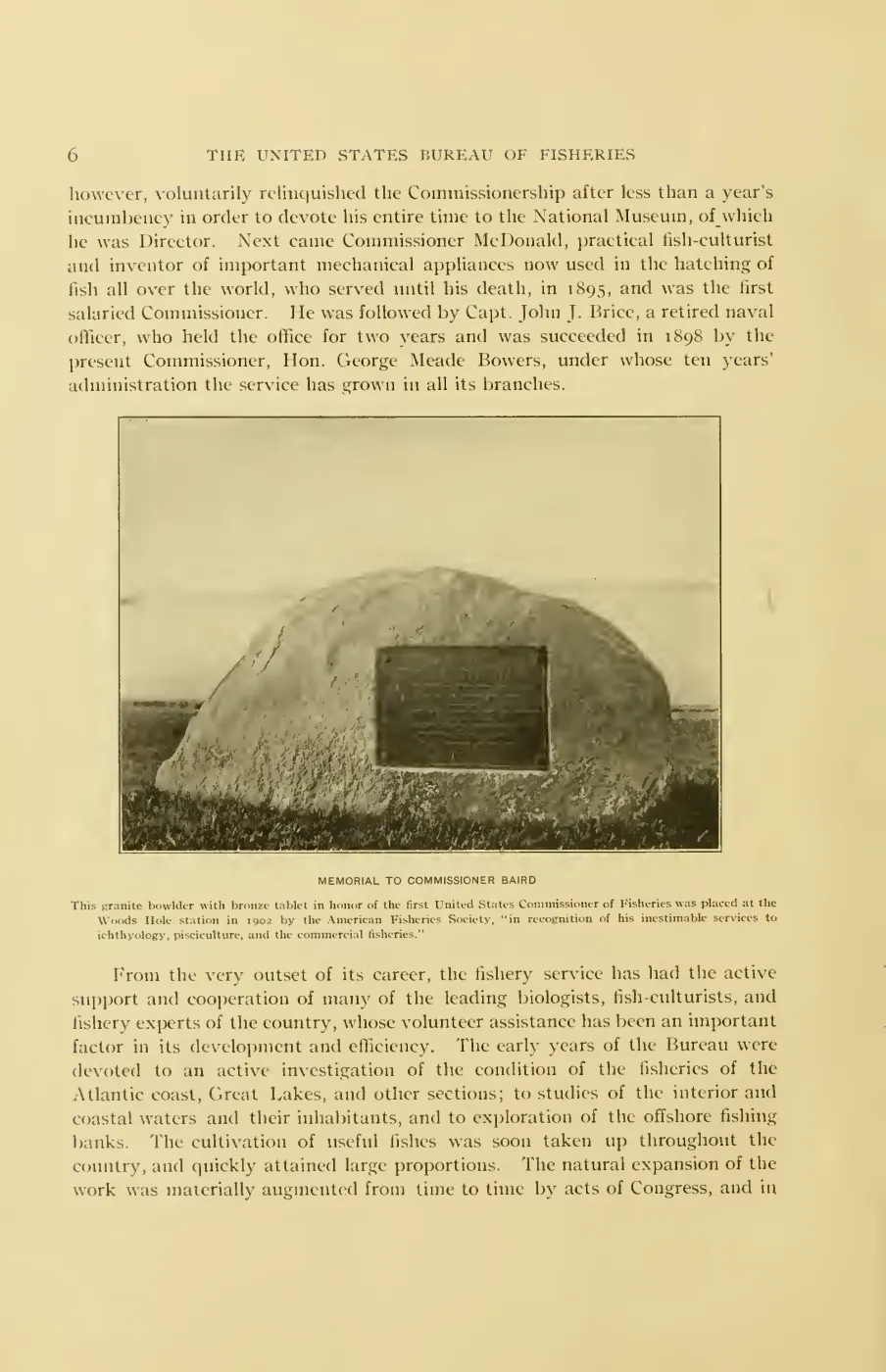
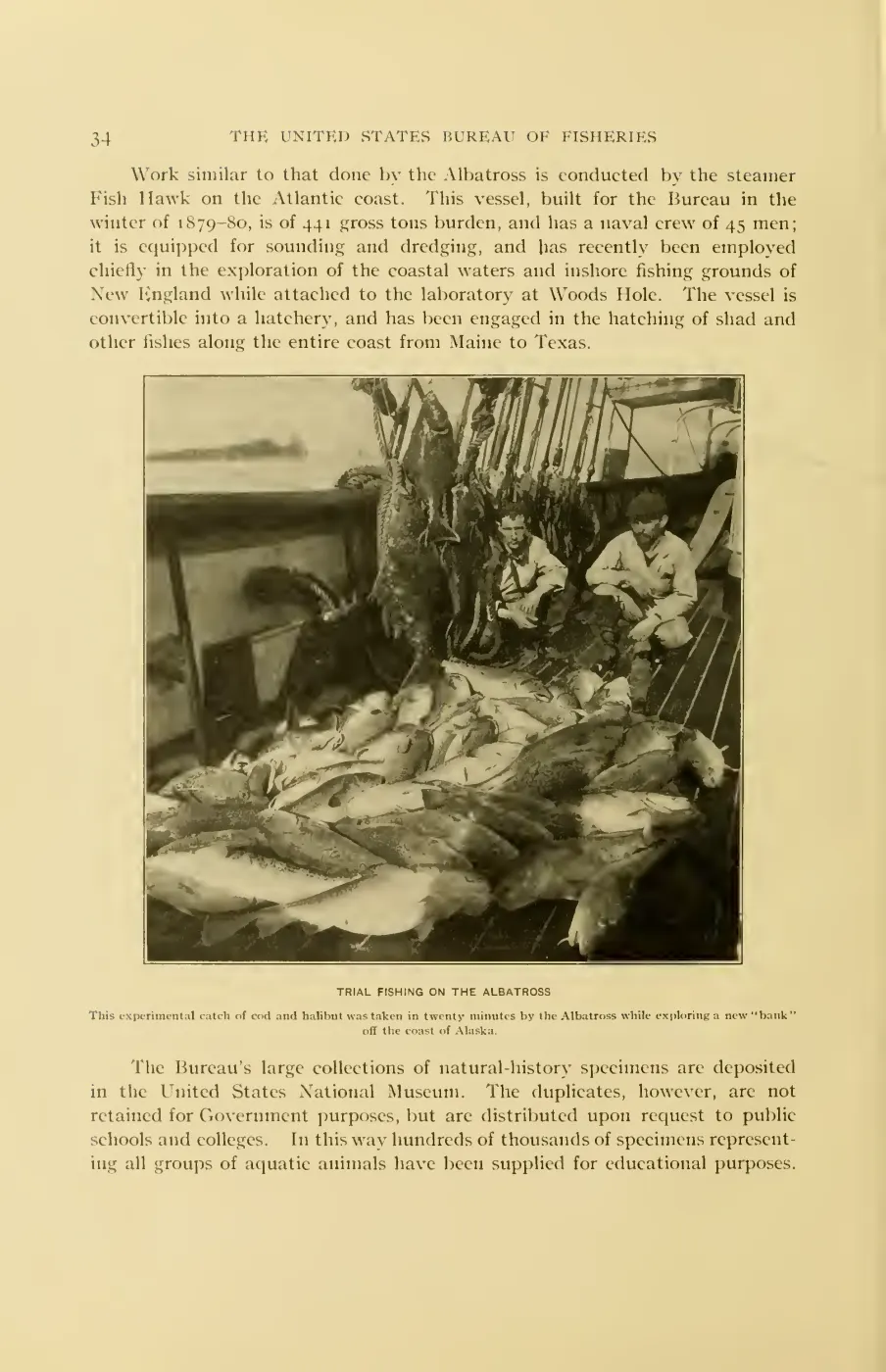
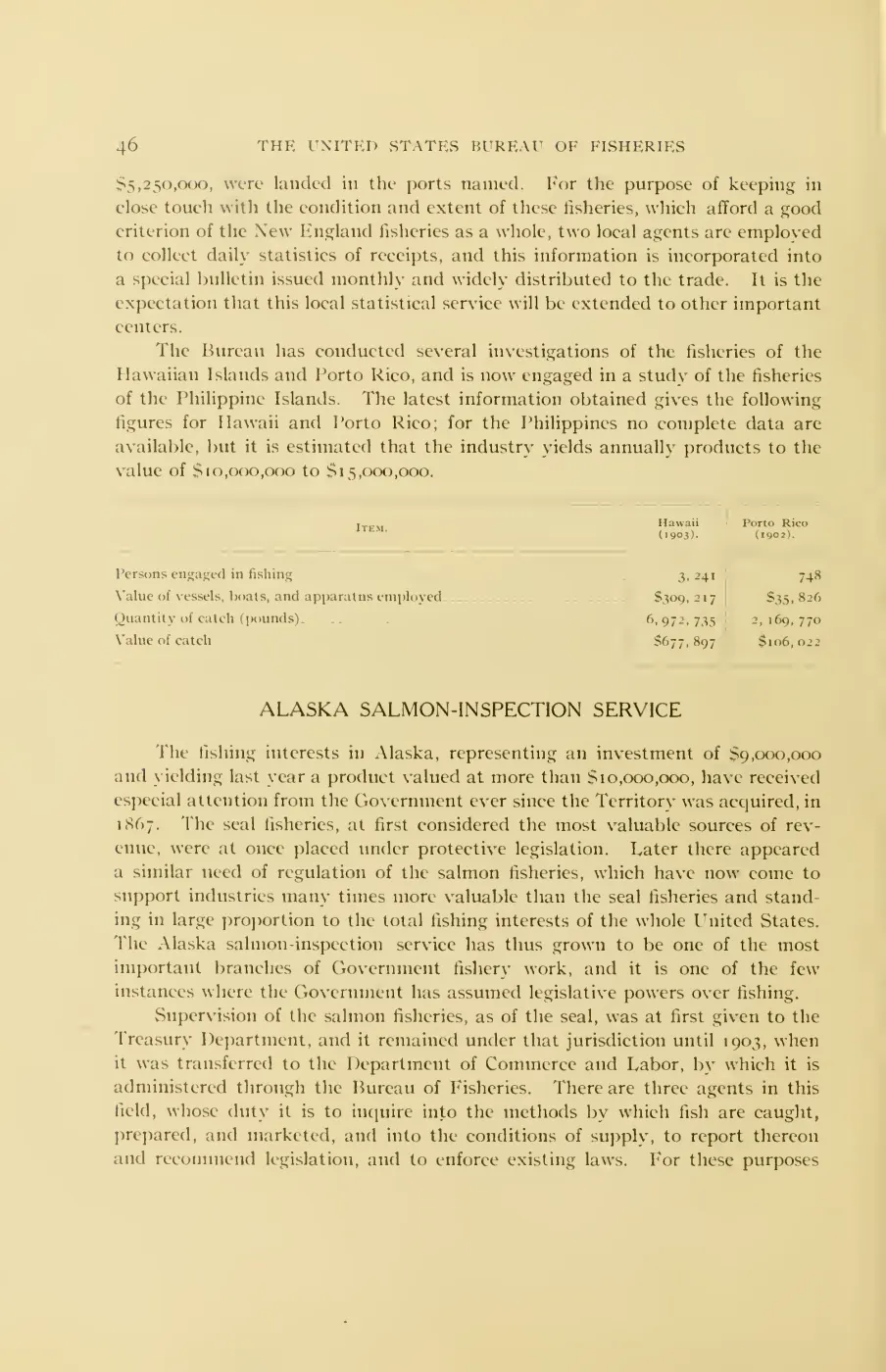
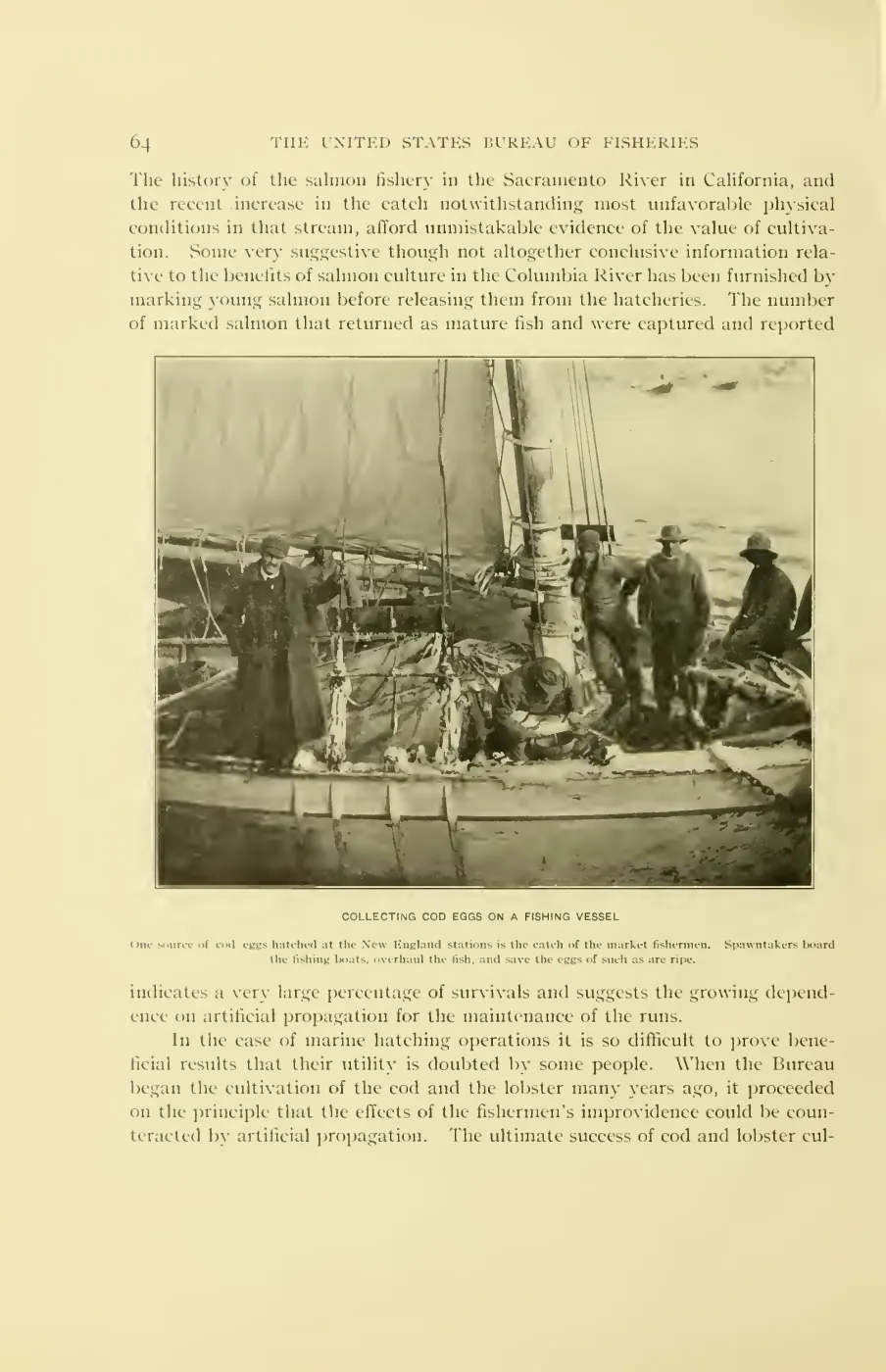
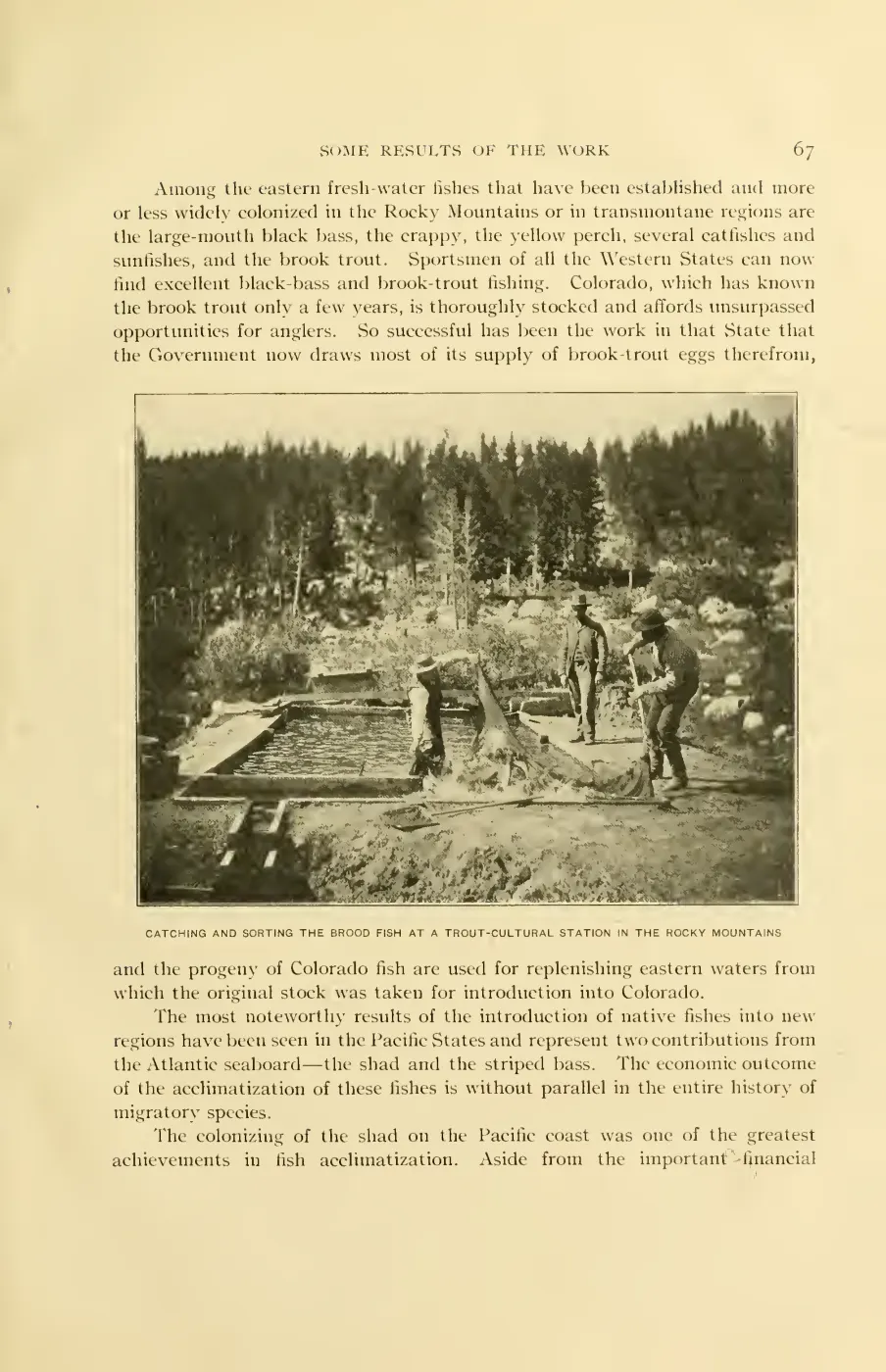
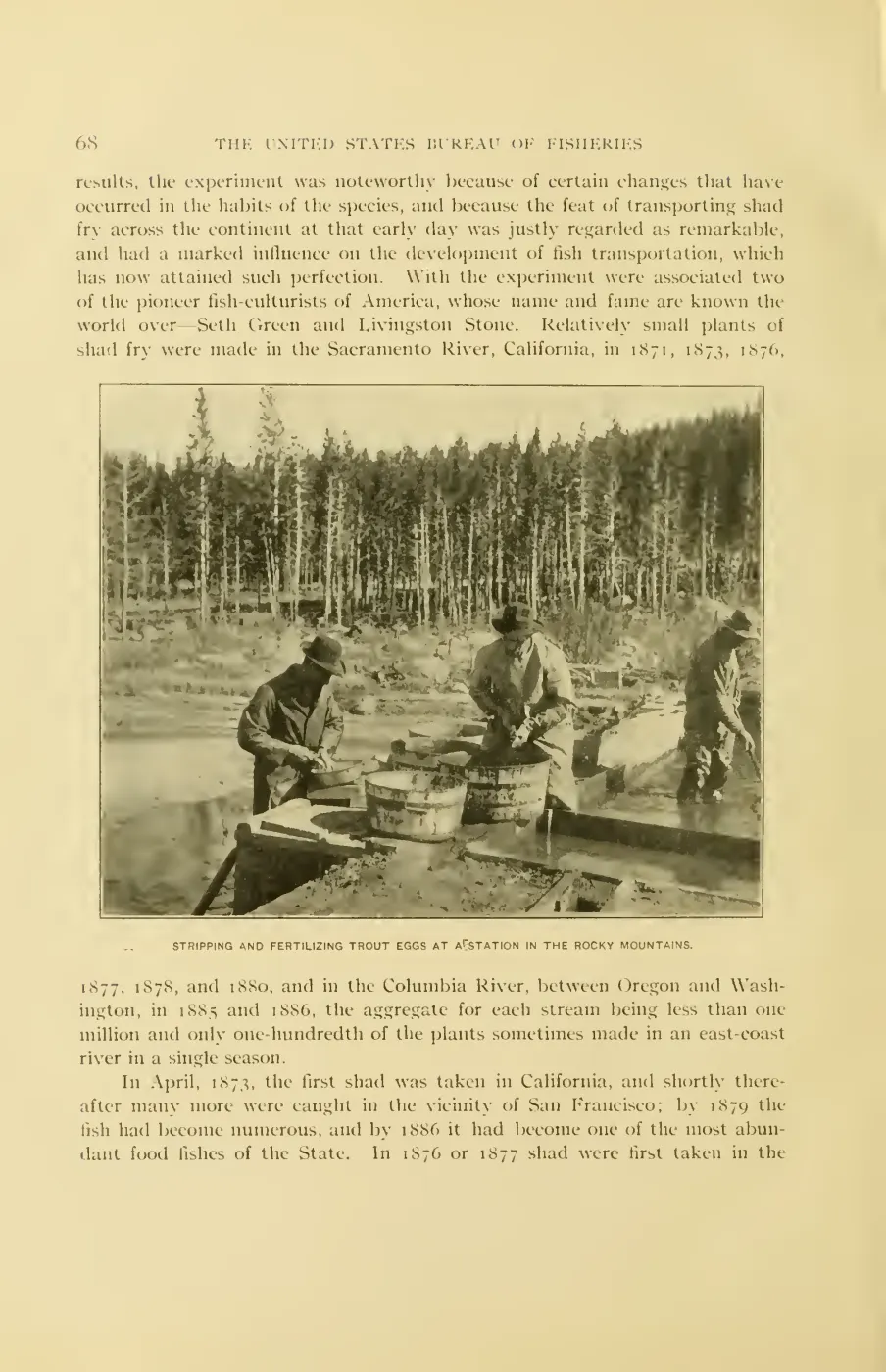
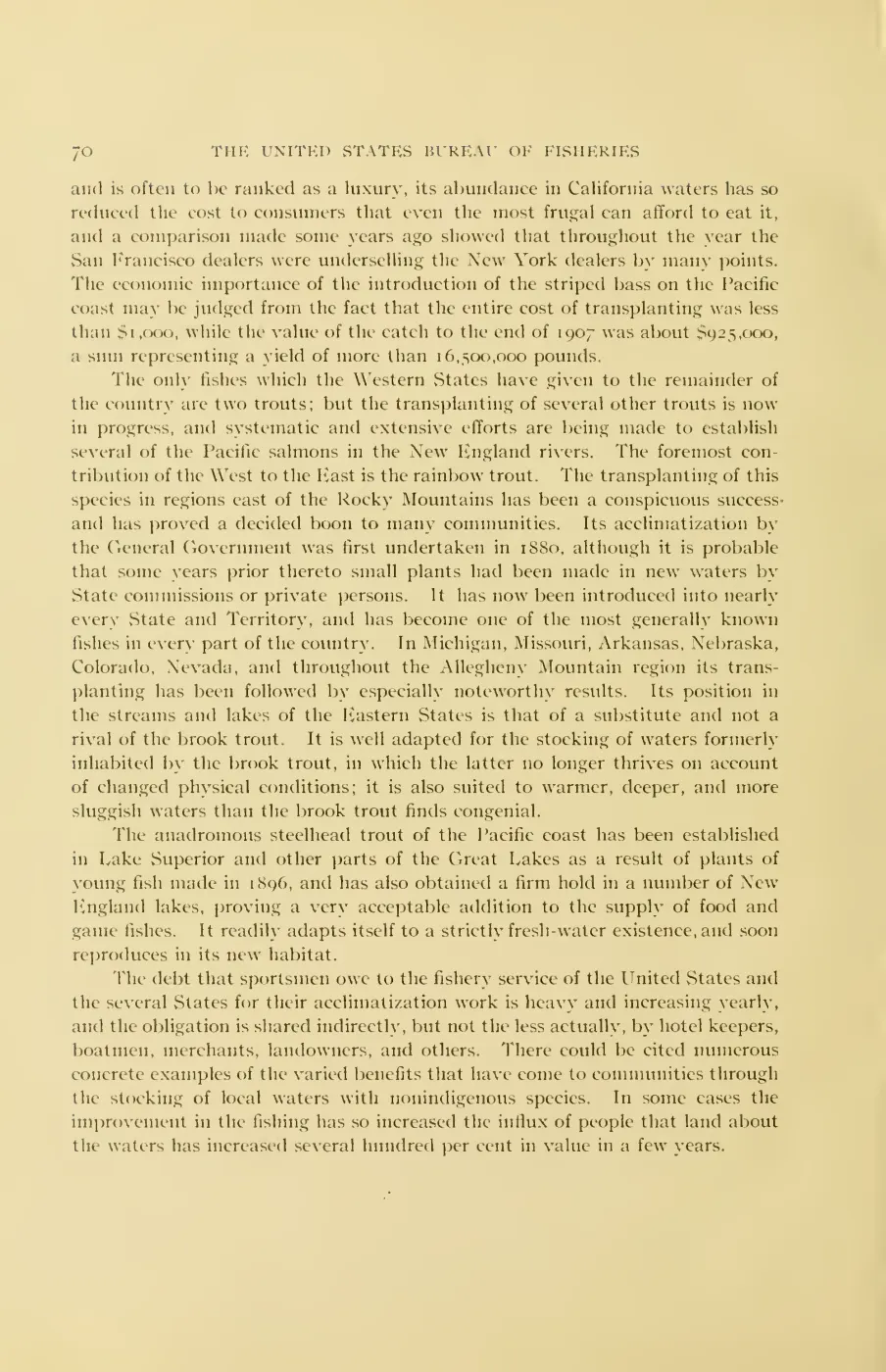
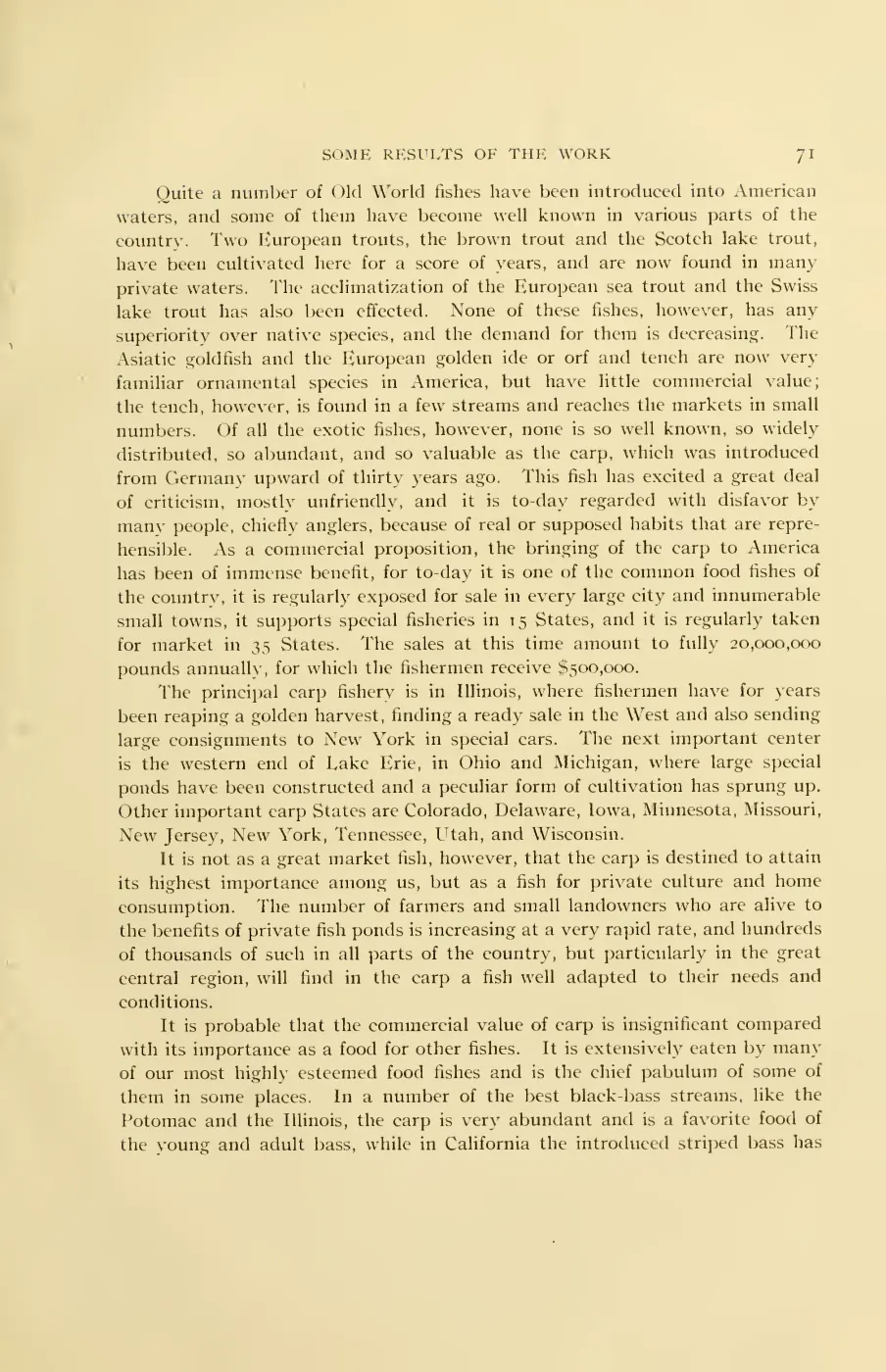
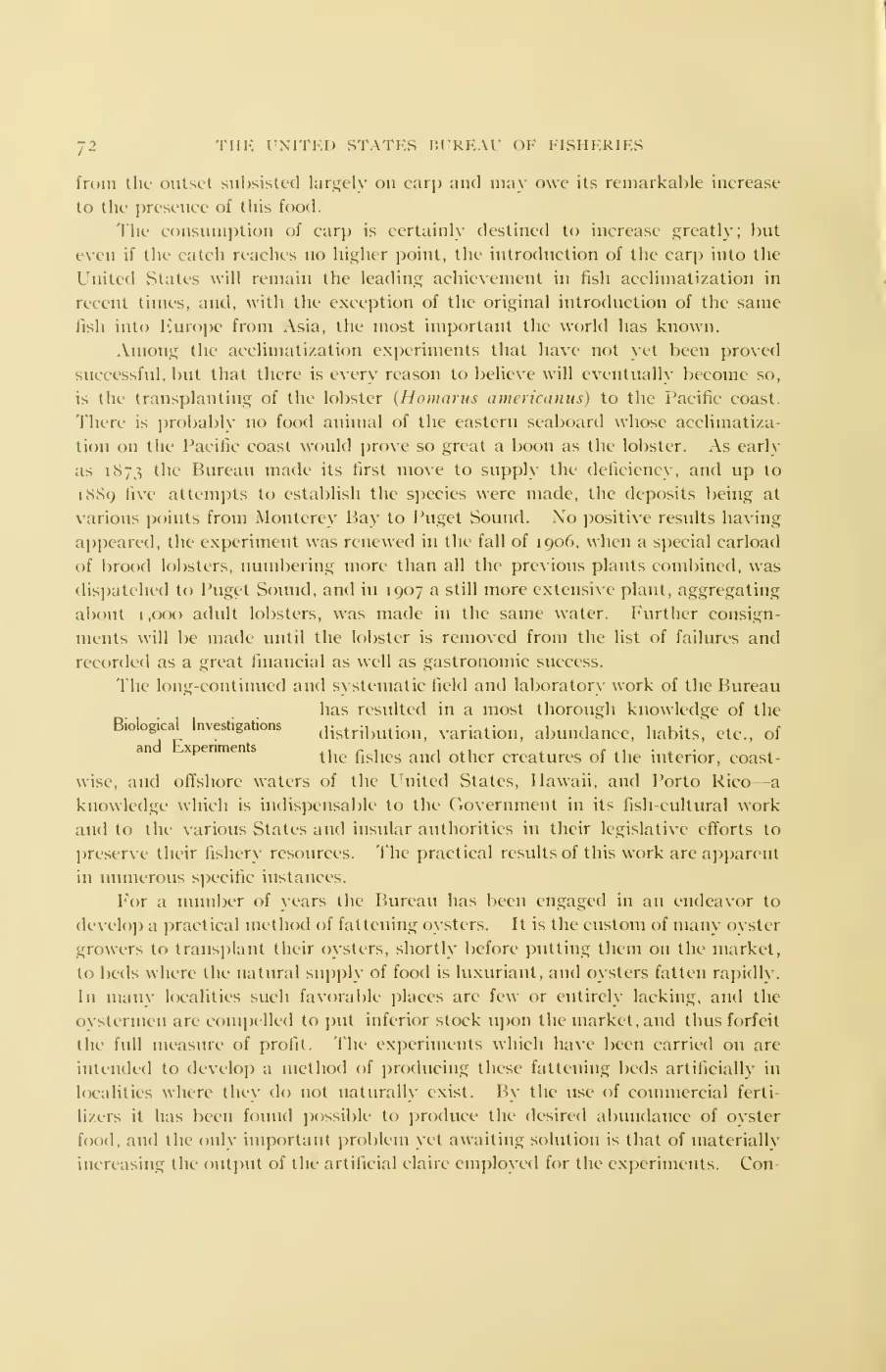
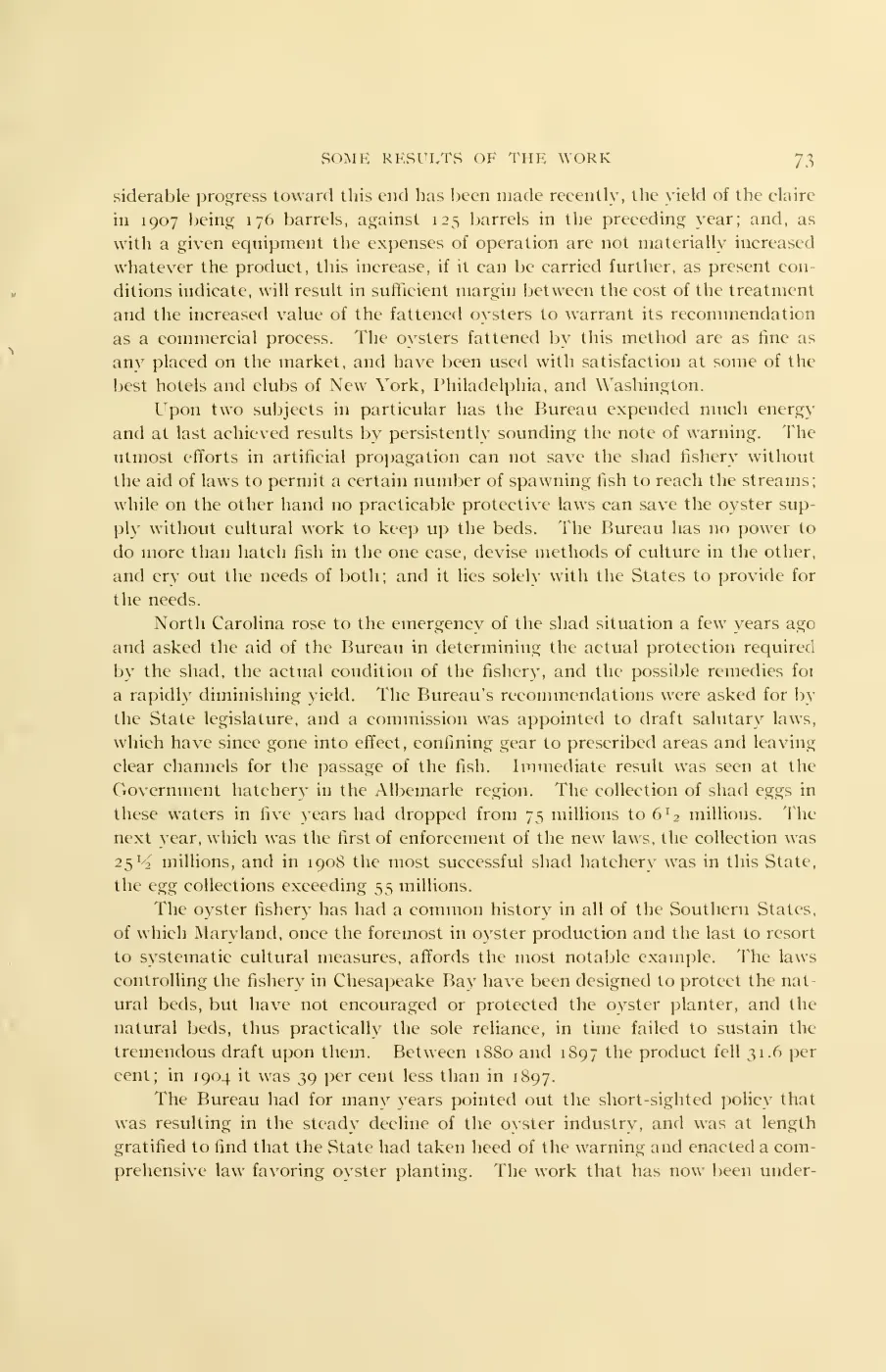
The U.S. Fish Commission’s 1898 annual report supplies a rare federal view of the island fishery, although not the missing catch series. During its fall lake-trout egg-collection work, the Commission made no effort to attend Beaver Island because trout there were not expected to spawn before 1 November. It called the island one of the most productive sections in past years, while later letters from fishers reported many spawning trout.6 The record establishes an agency decision and a qualitative historical characterization; it neither records an island egg collection nor measures the fishery’s annual catch, workforce, or fleet.
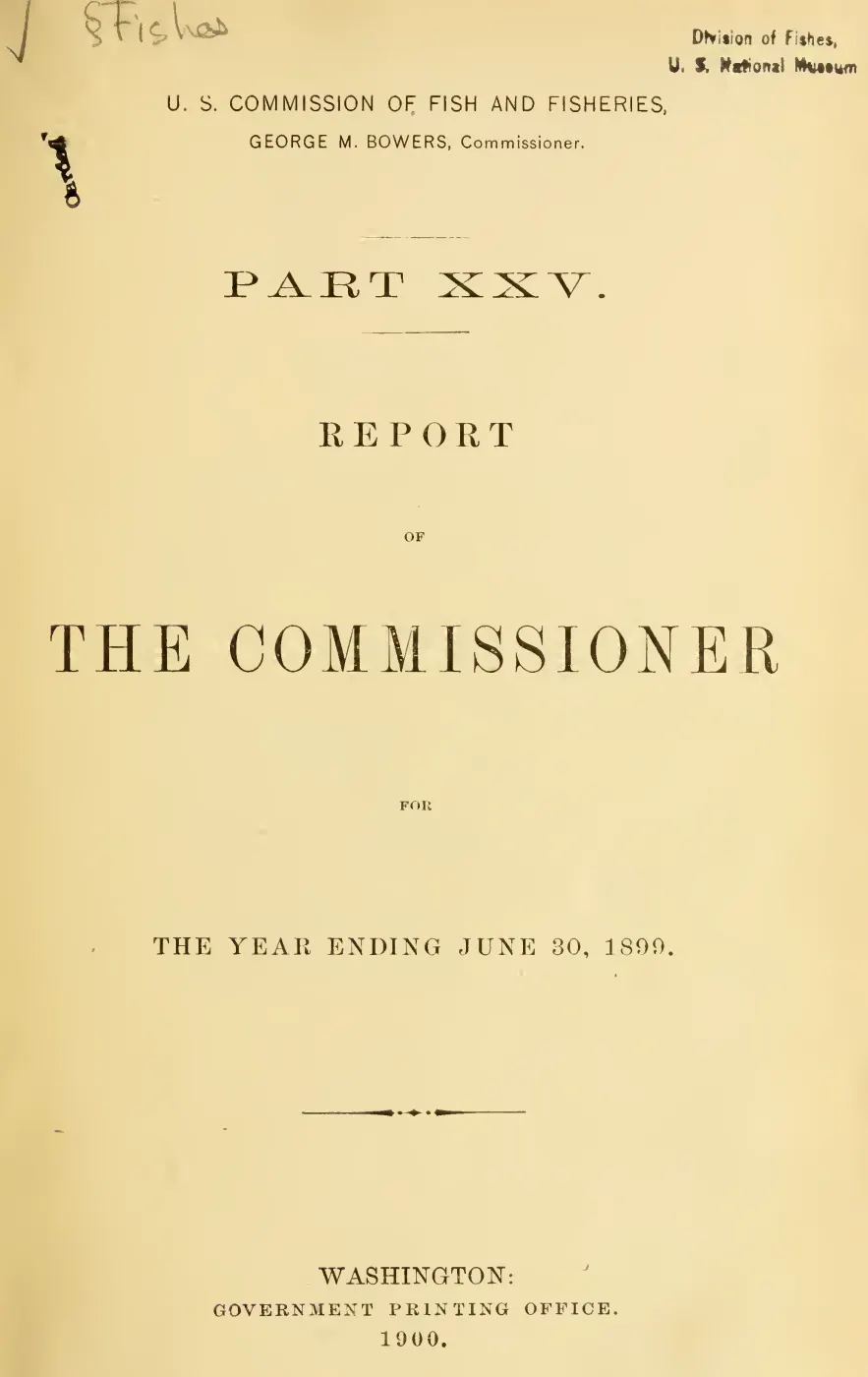
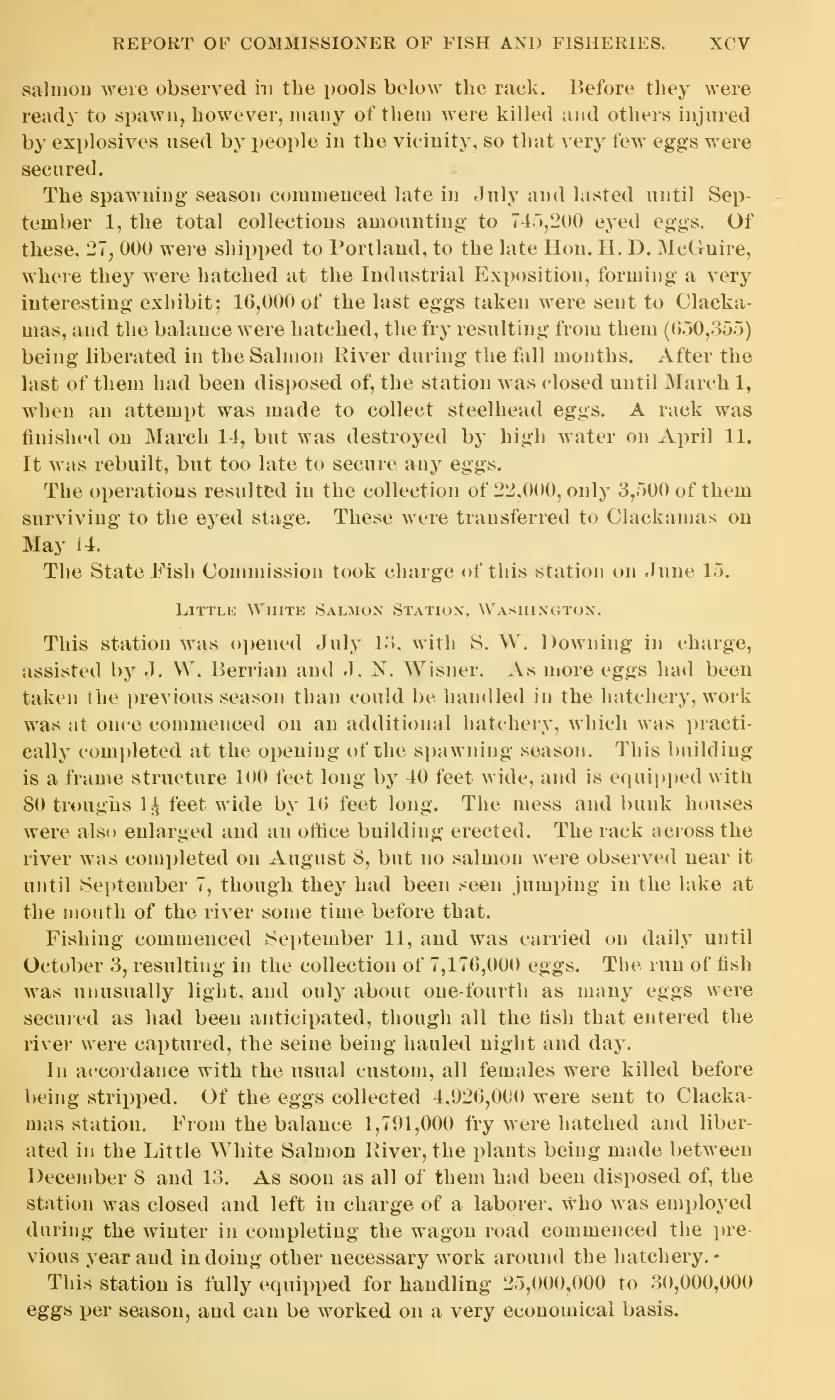
The following year’s report shows continuity without converting that interest into an outcome: the Commission gave particular attention to upper Lake Michigan grounds including Beaver Island, but named spawn-taker stations elsewhere. Storms and the close season curtailed the work, and the report said large collections could have been made particularly at Beaver Island if operations had continued ten to twelve days longer.7 That is a contemporaneous agency assessment of unrealized potential—not proof that a Beaver Island station or collection operated.
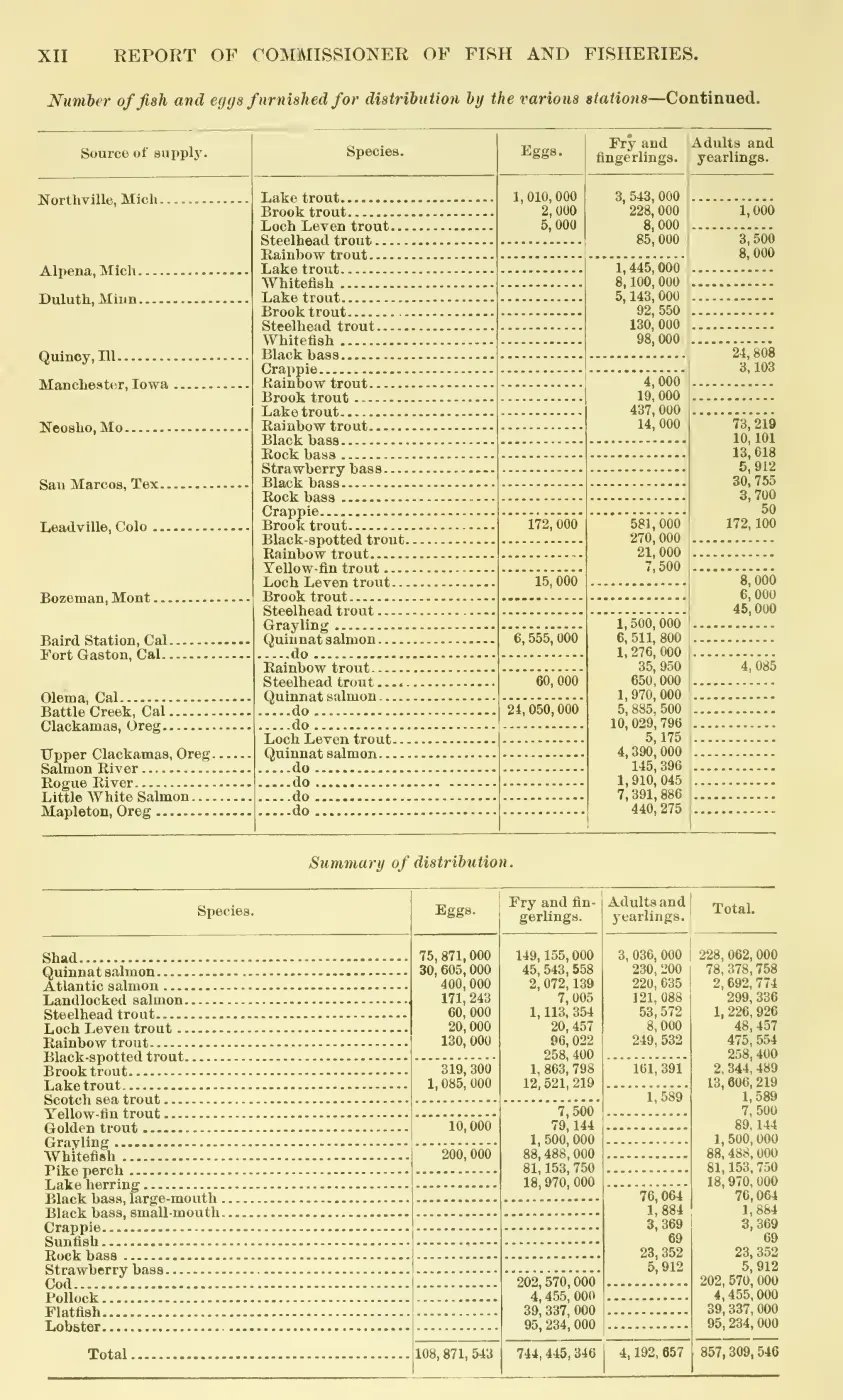
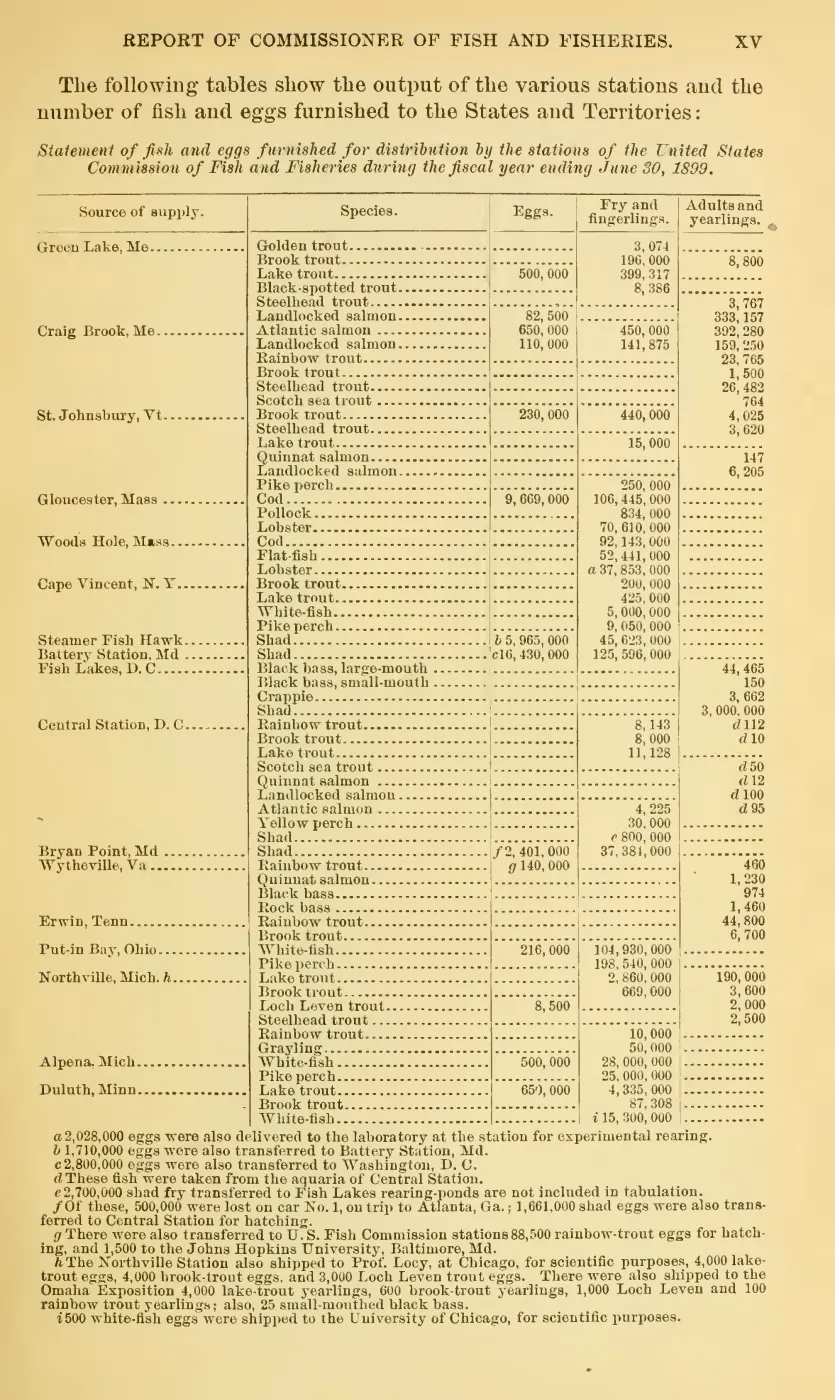
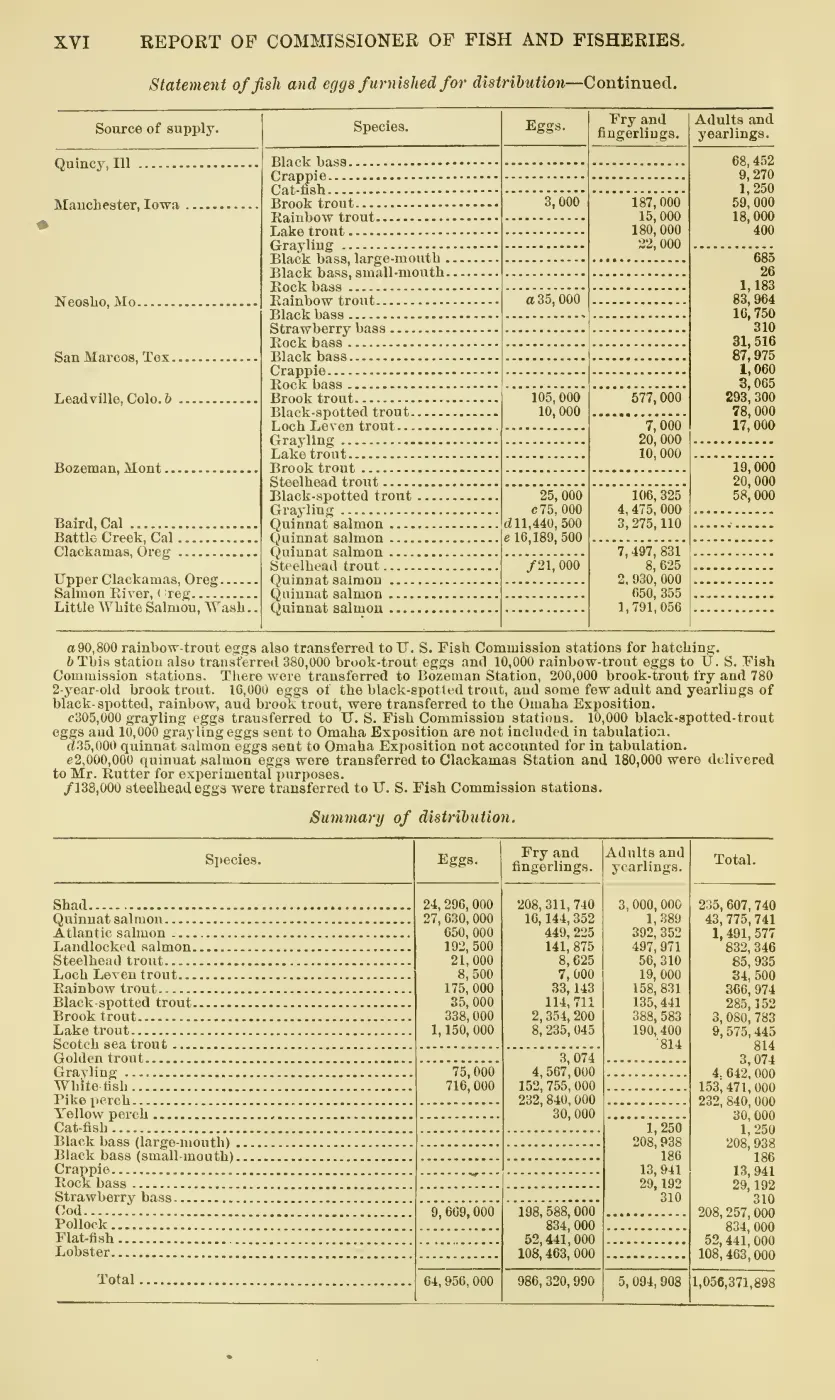
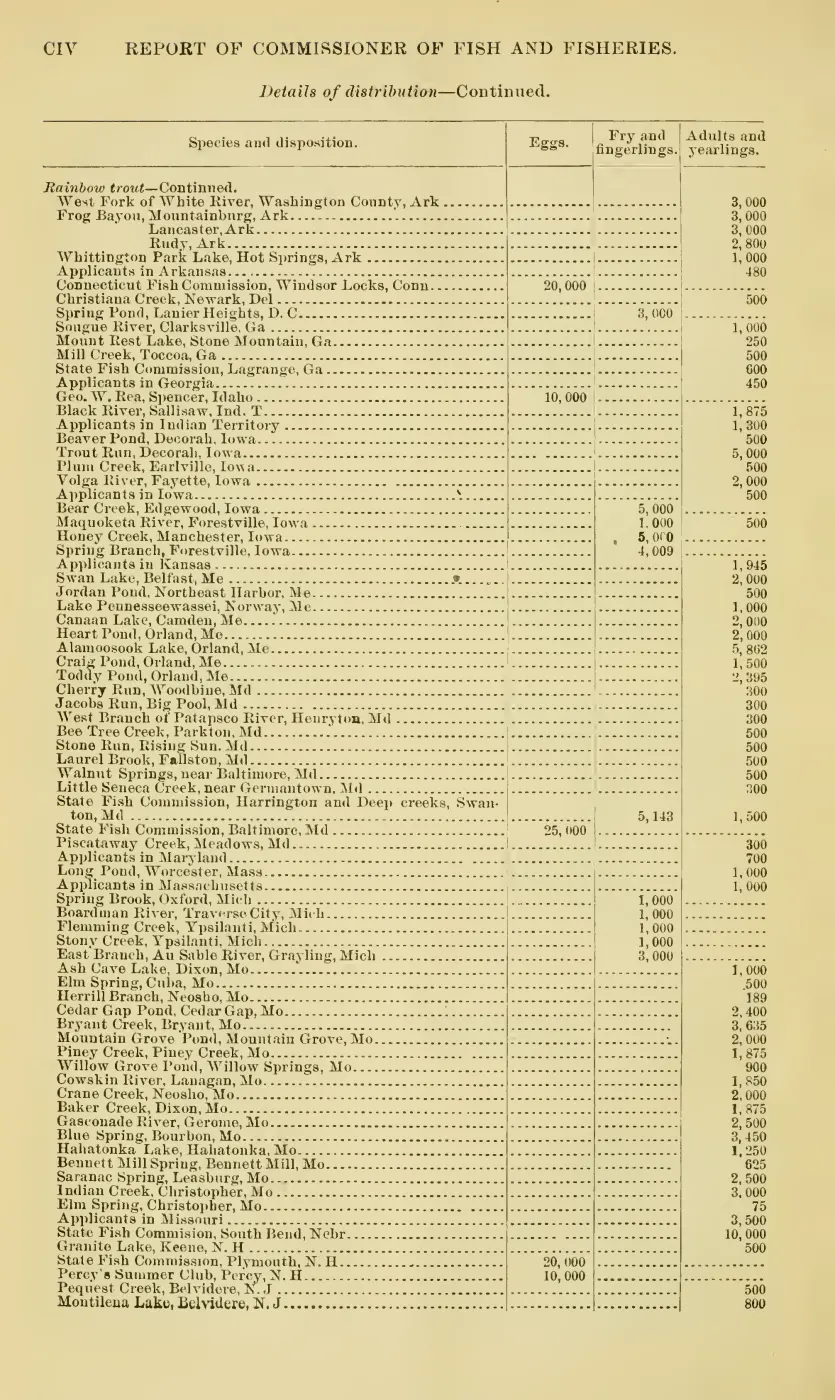
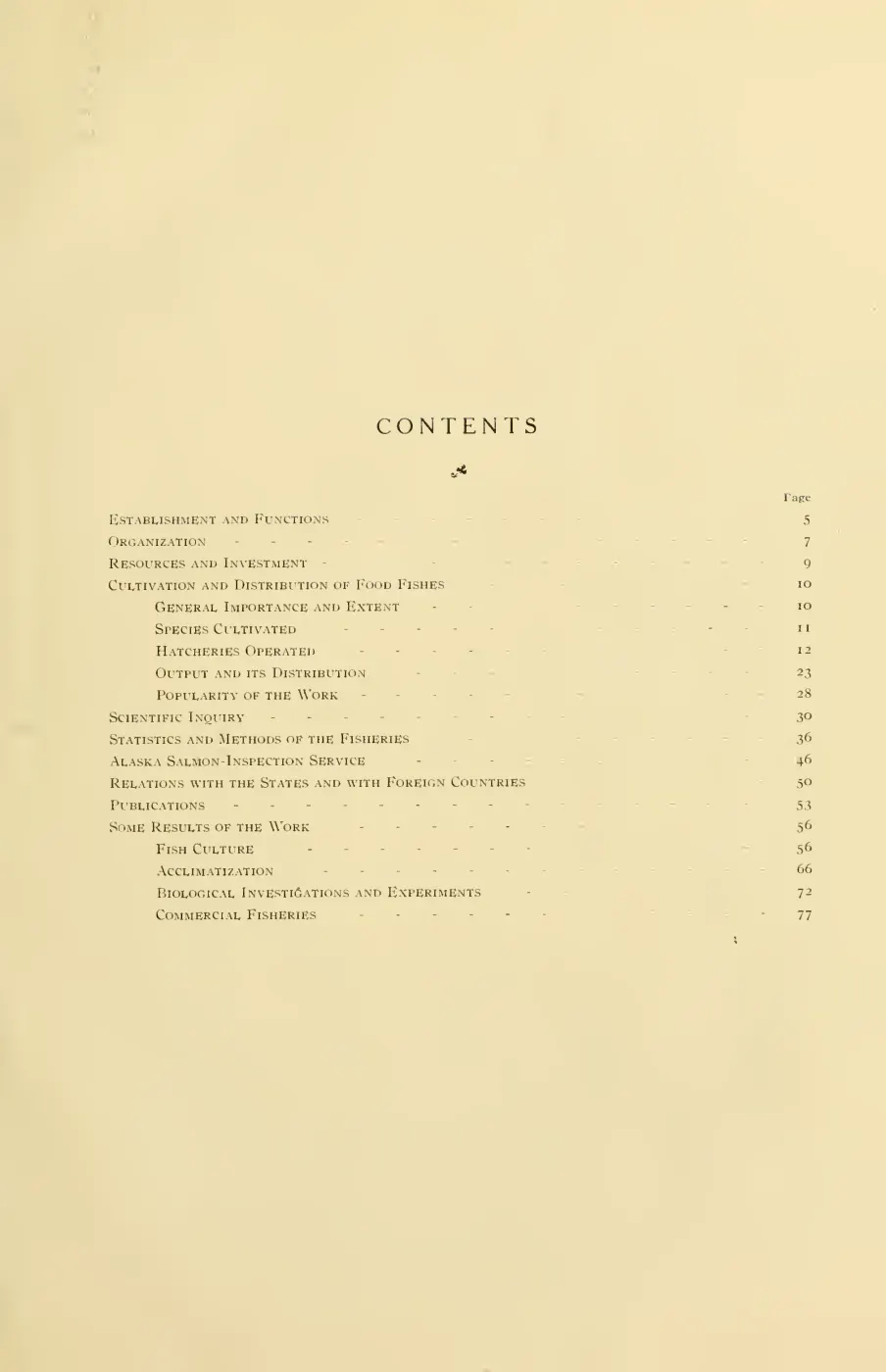
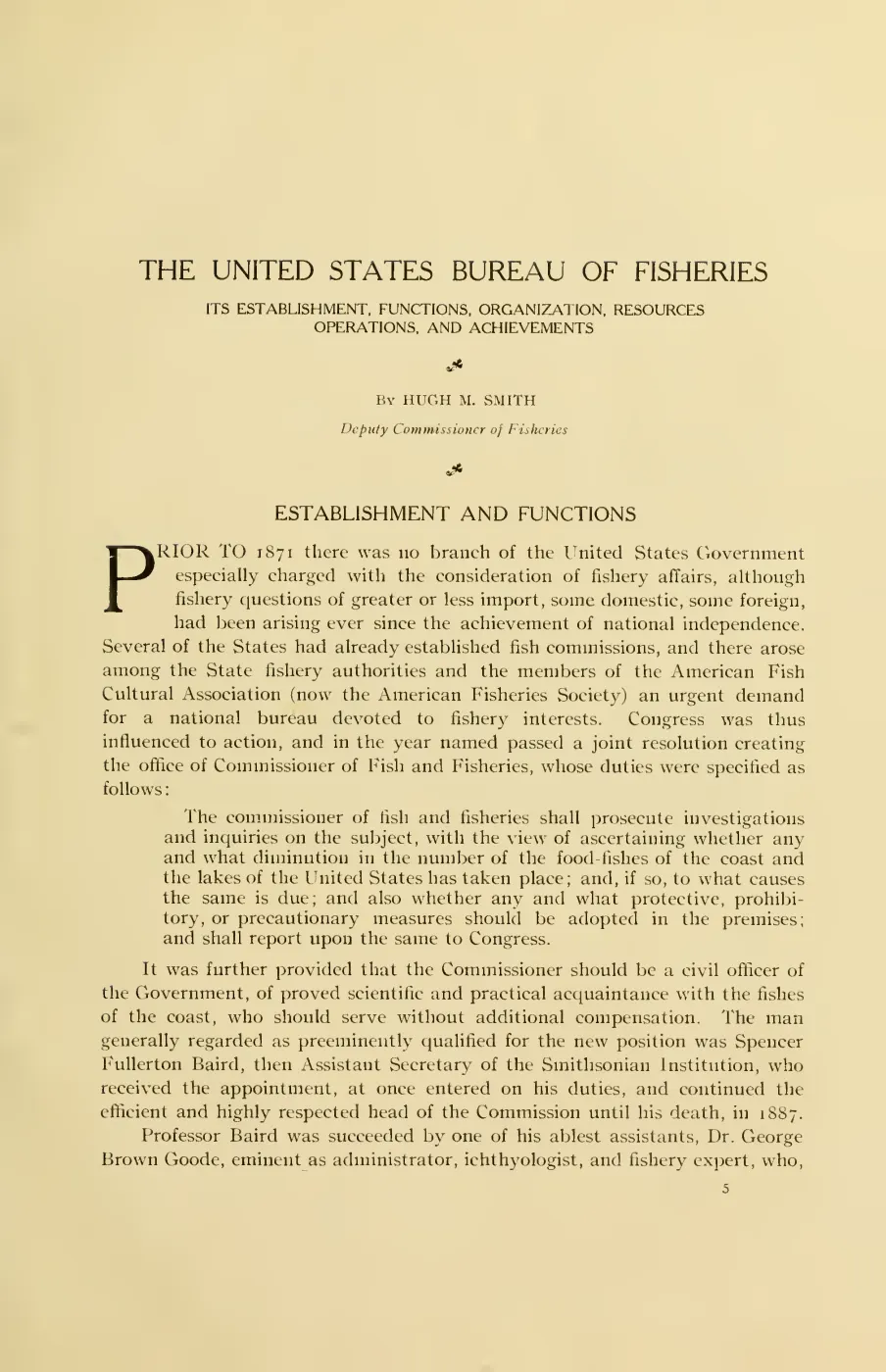
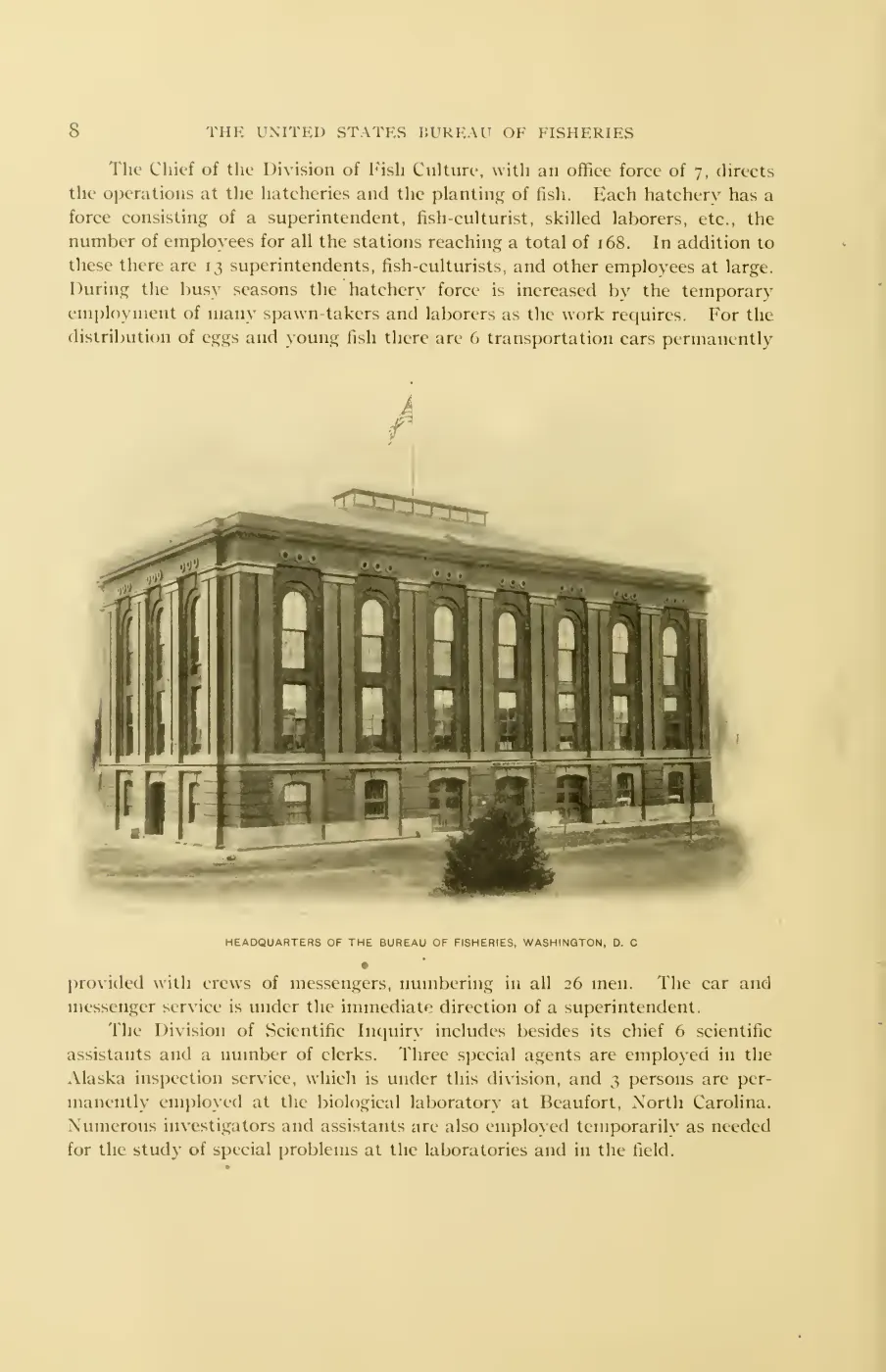
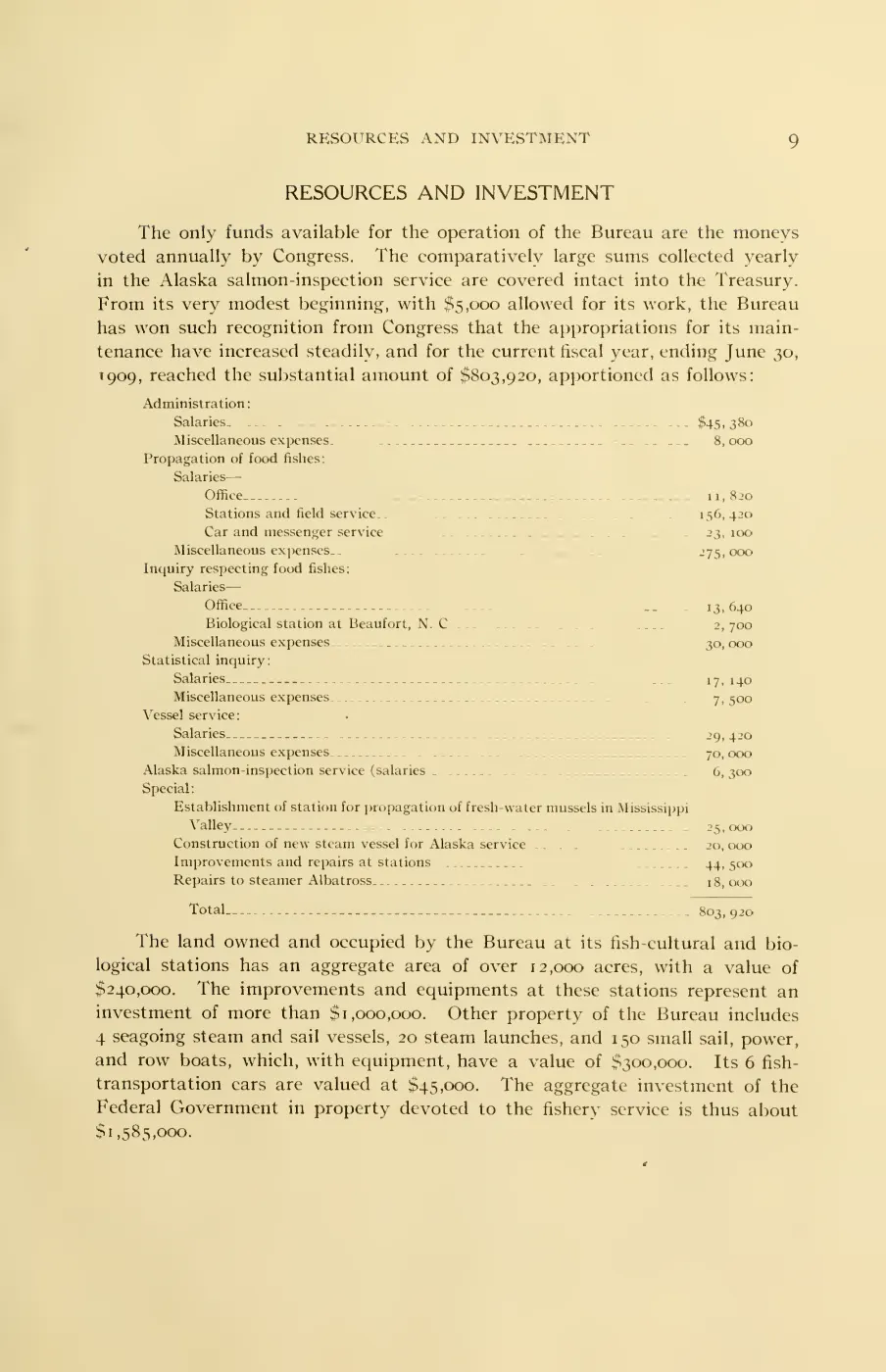
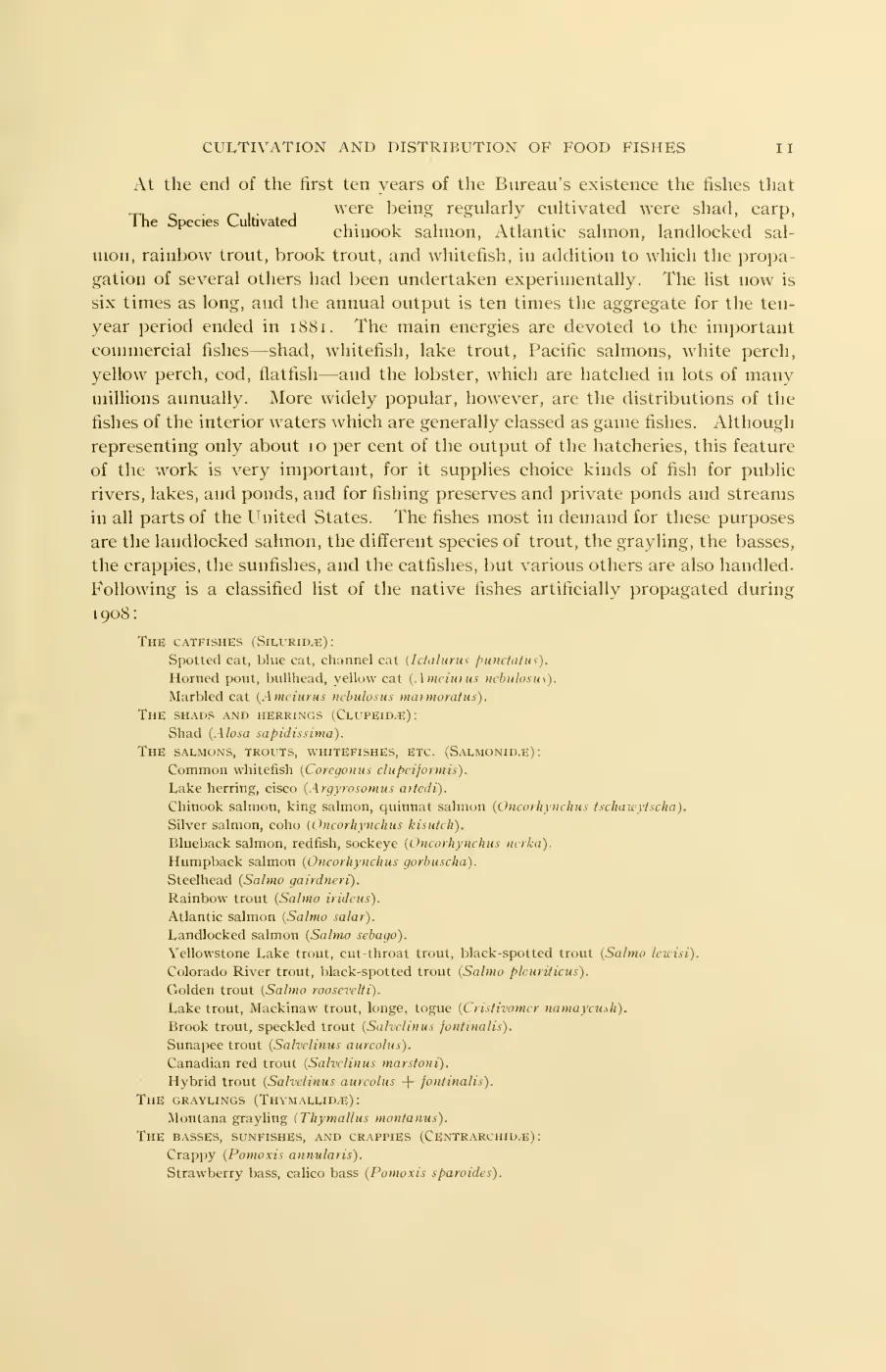
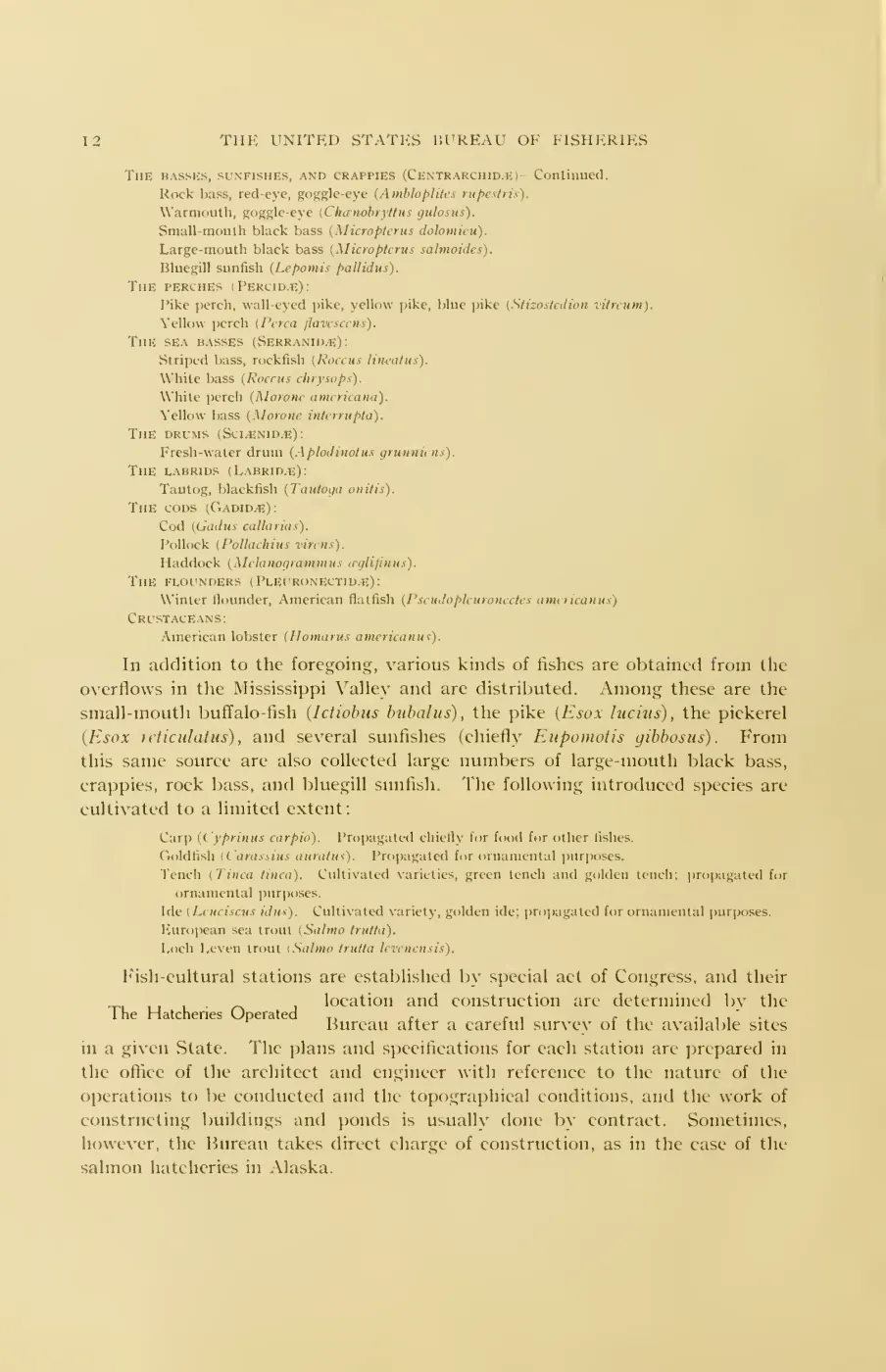
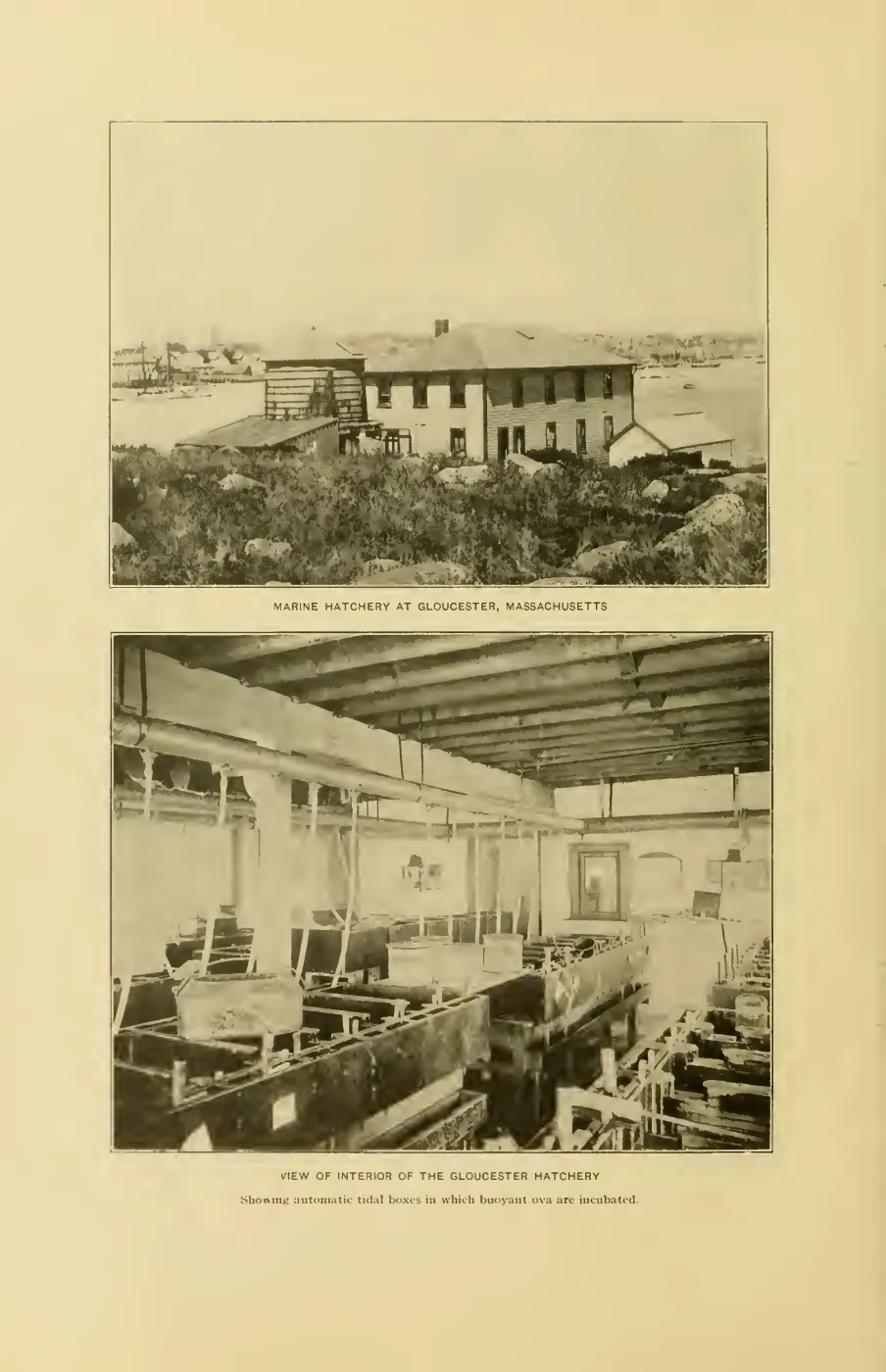
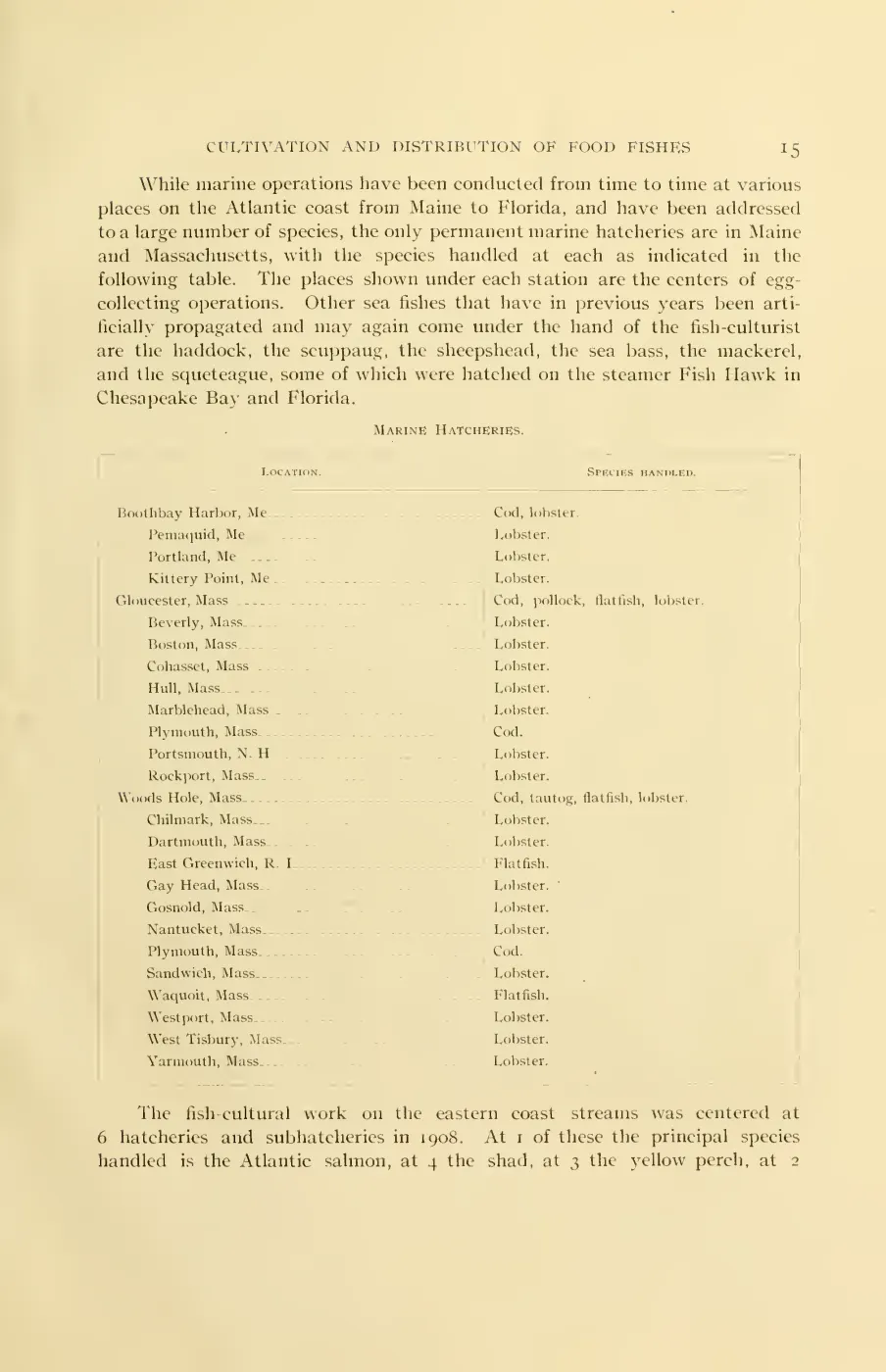
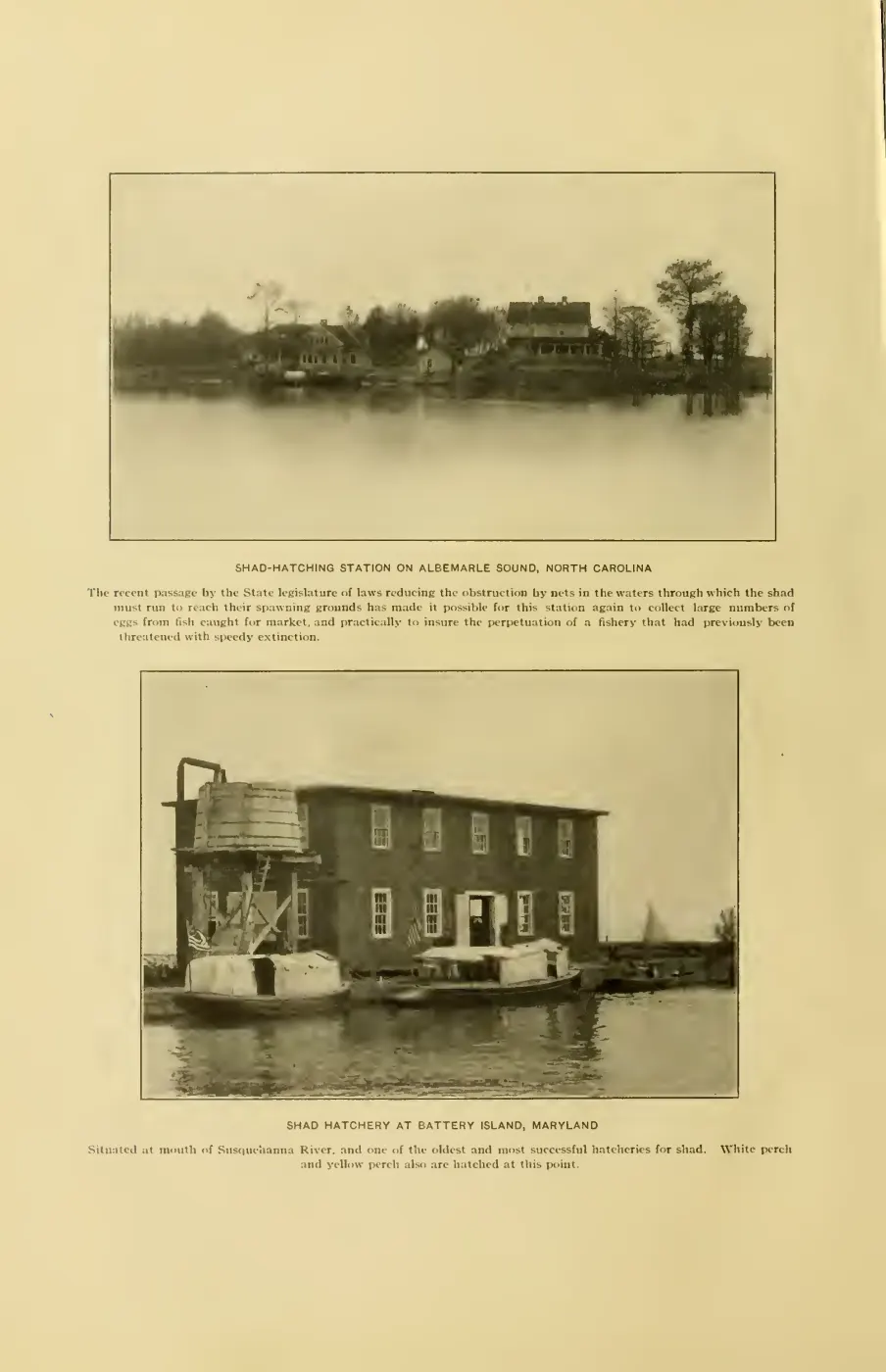
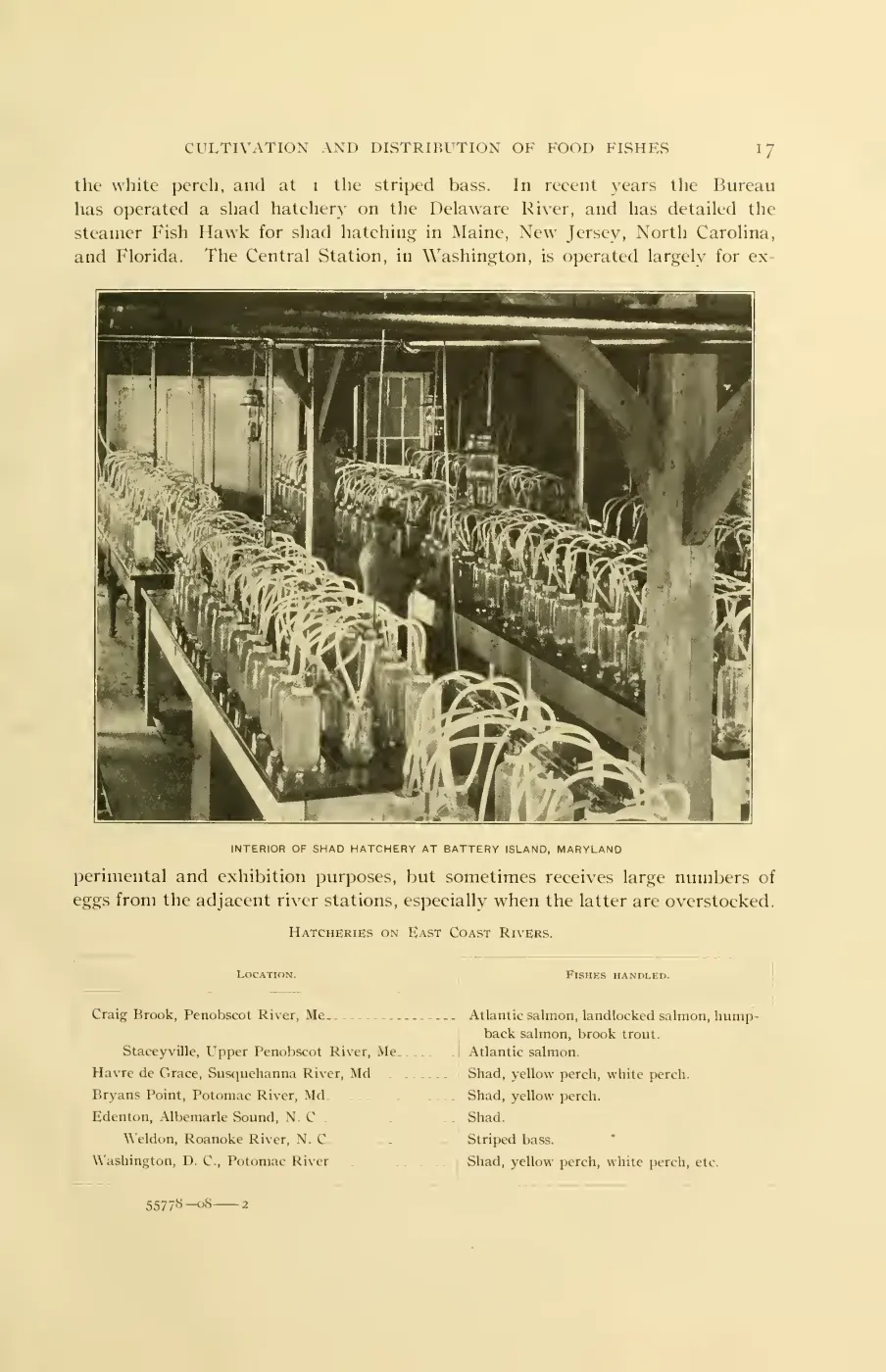
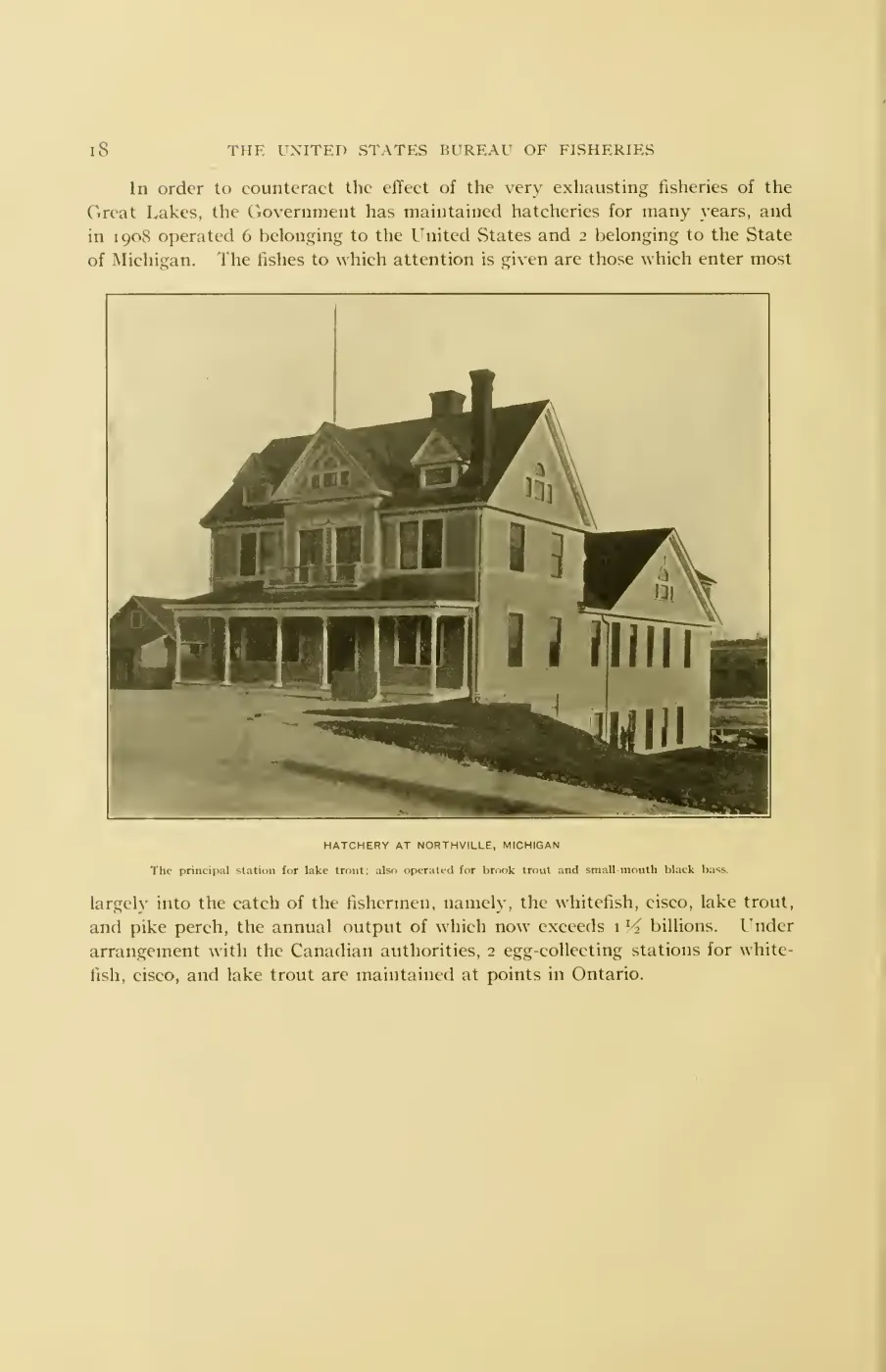
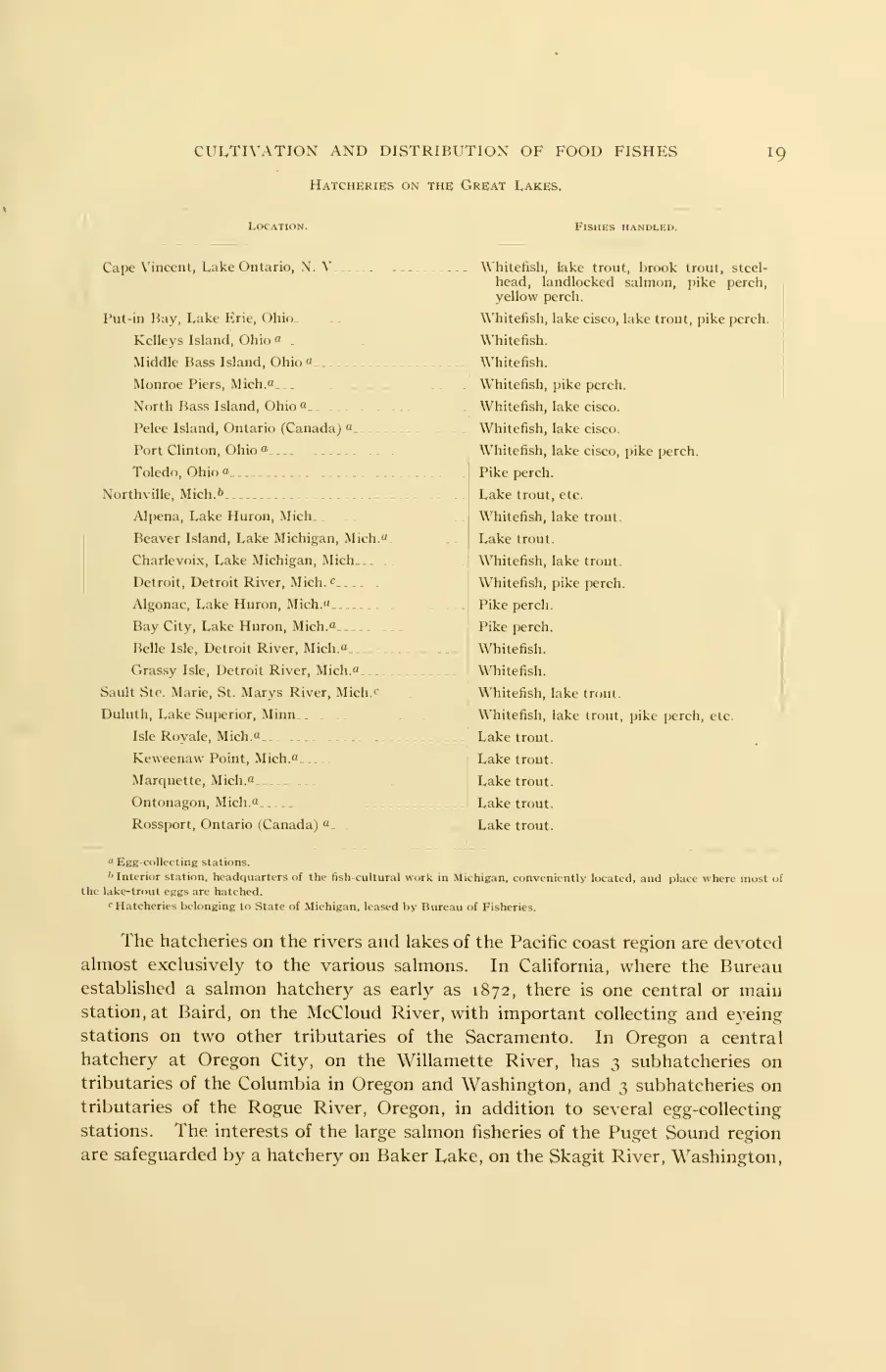
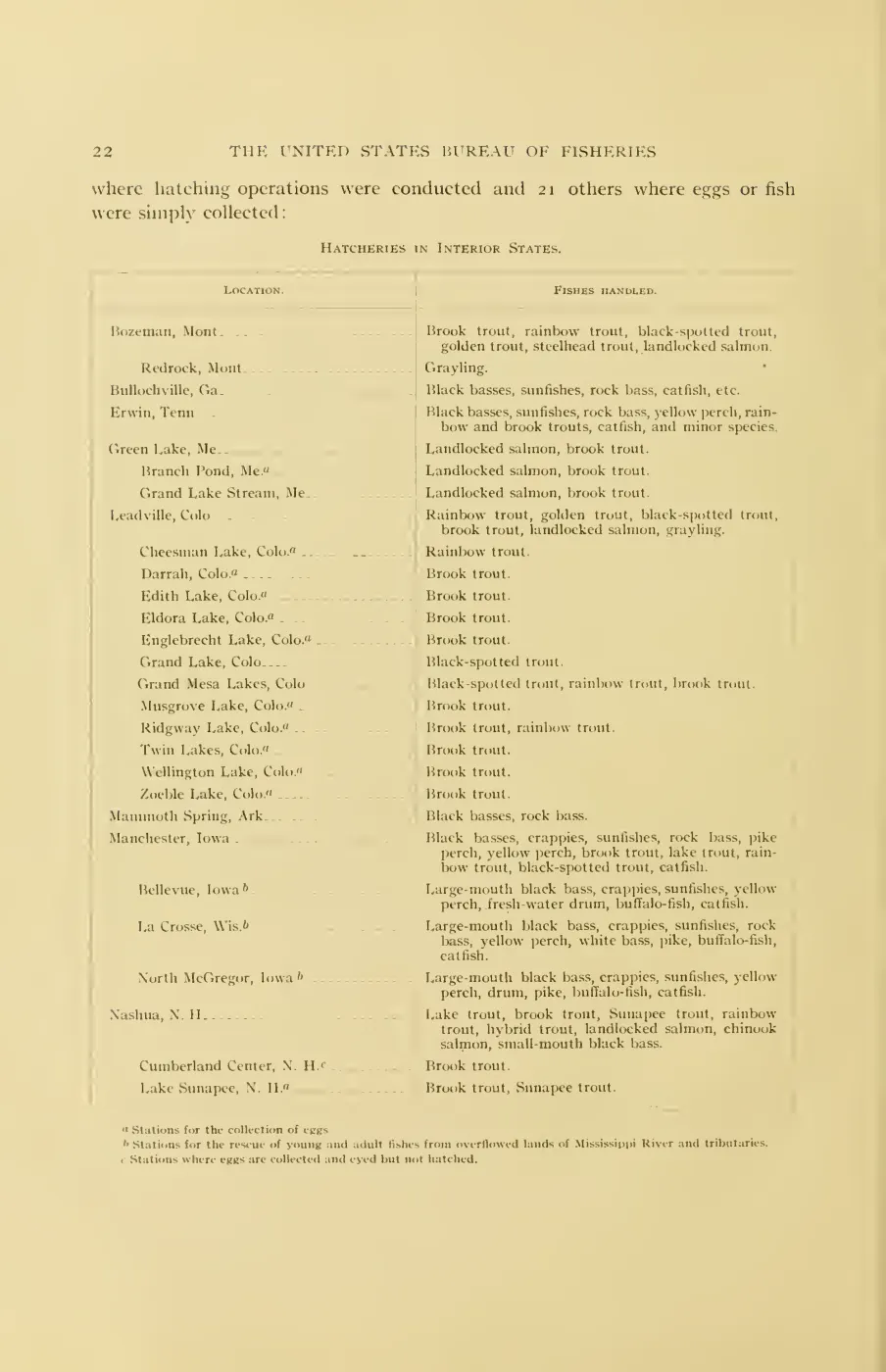
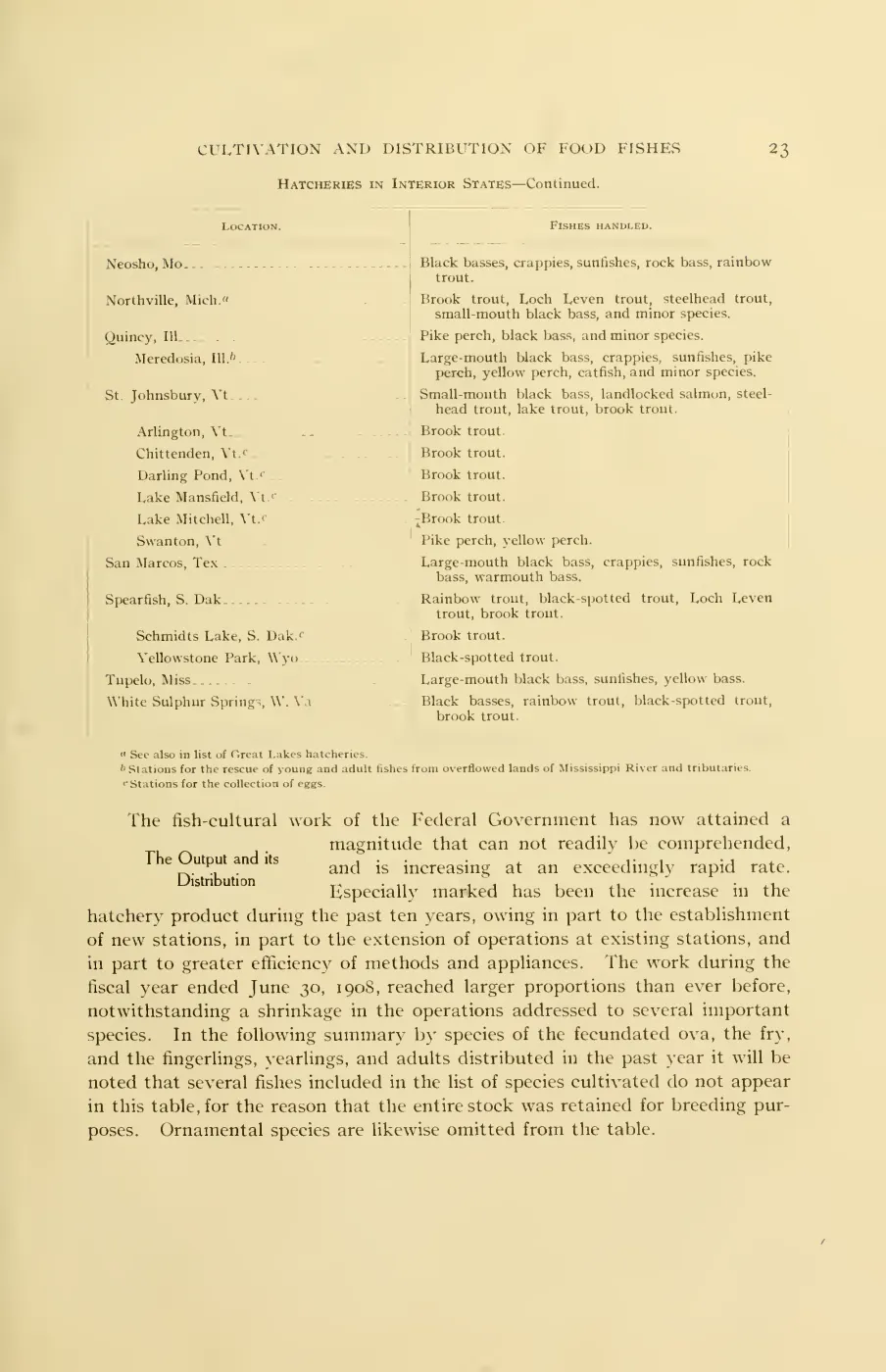
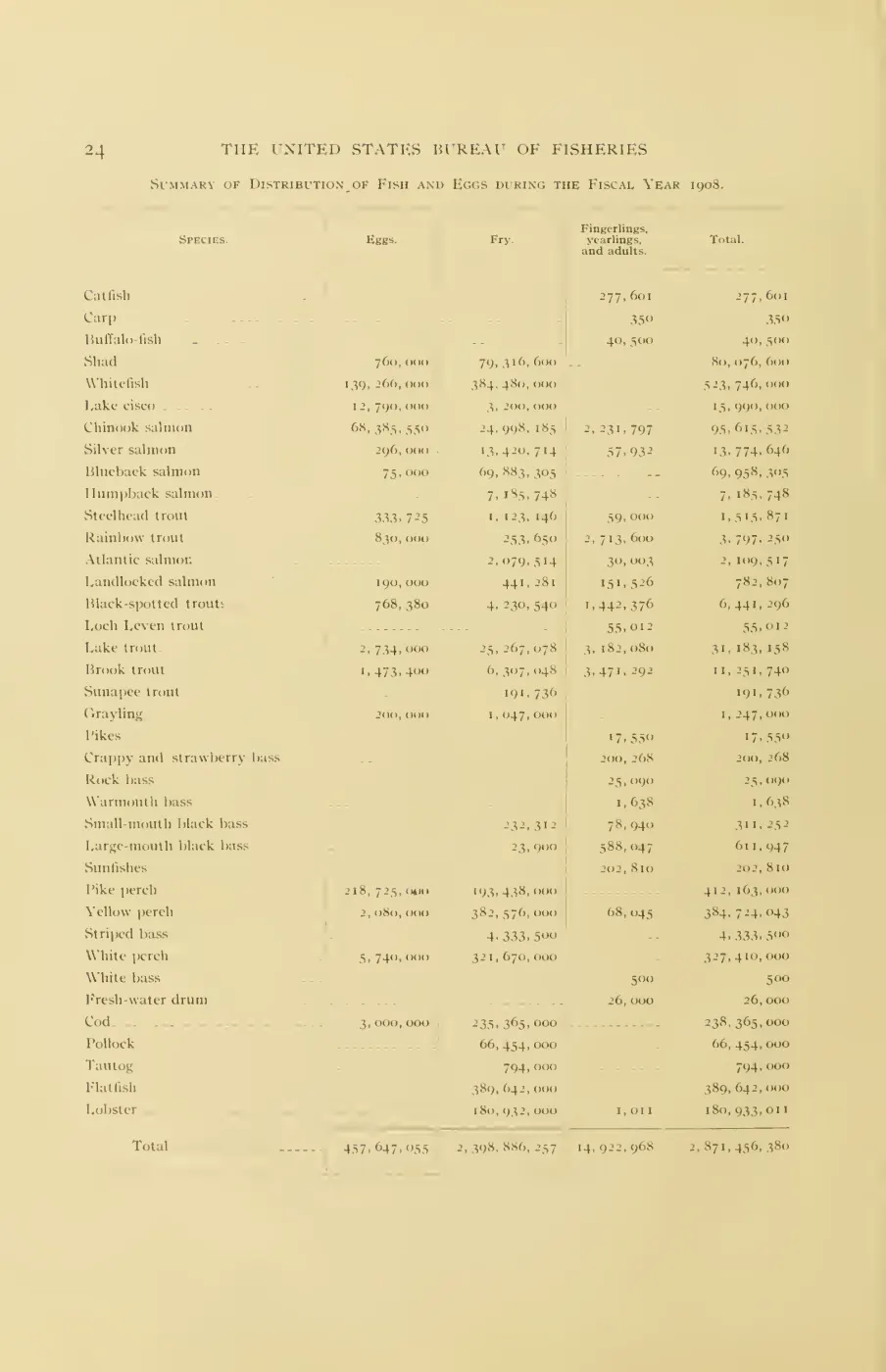
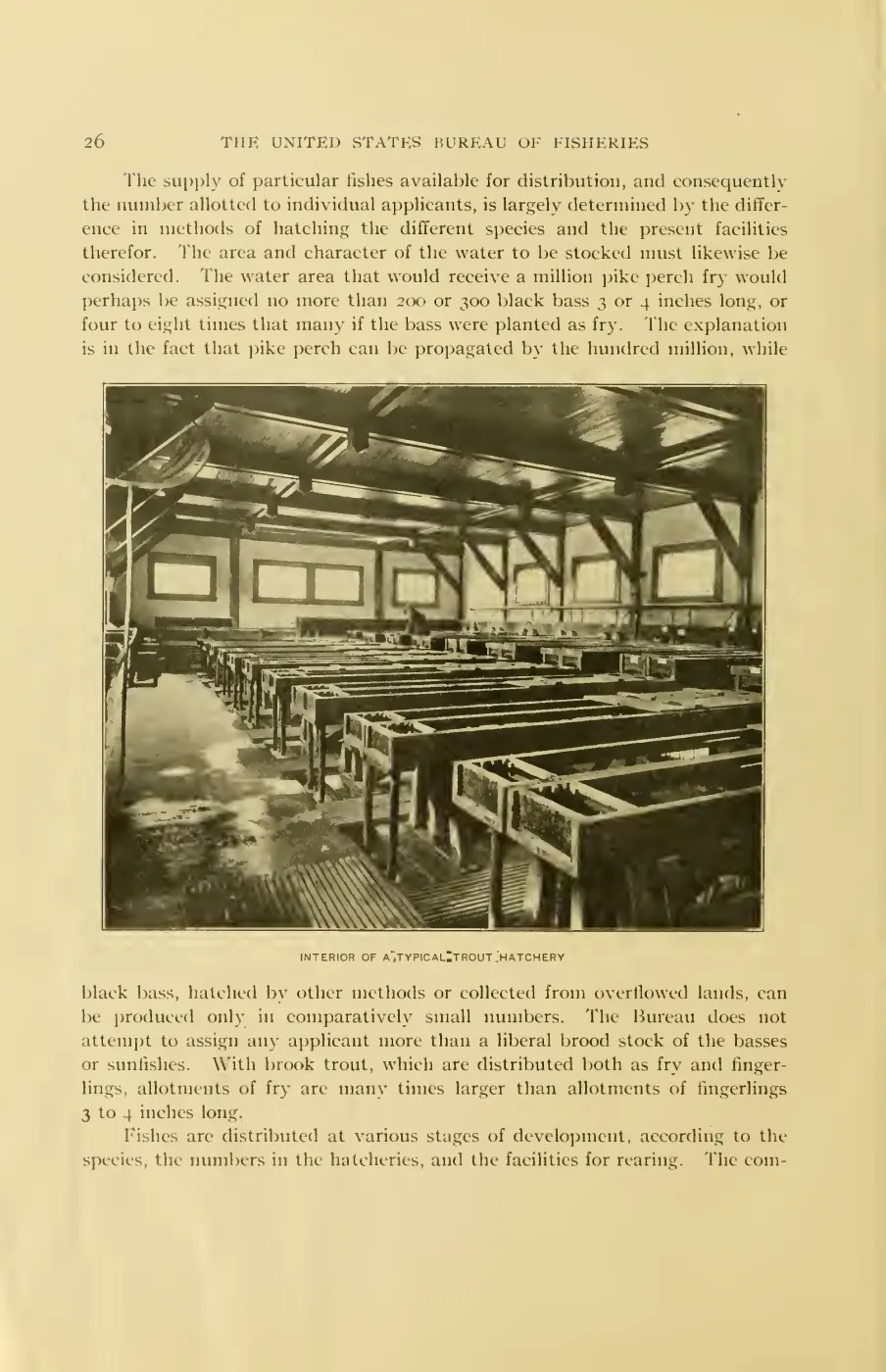
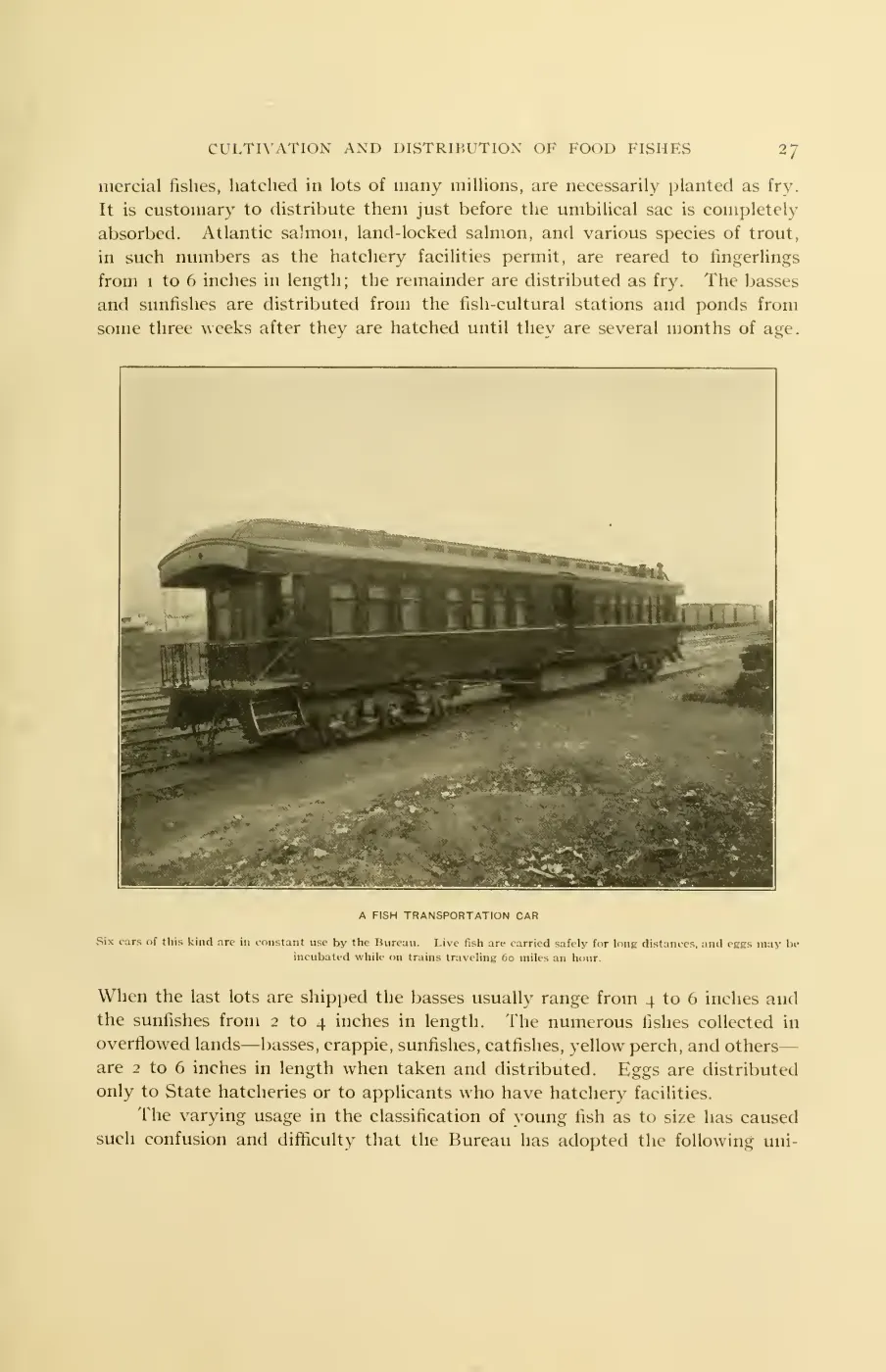
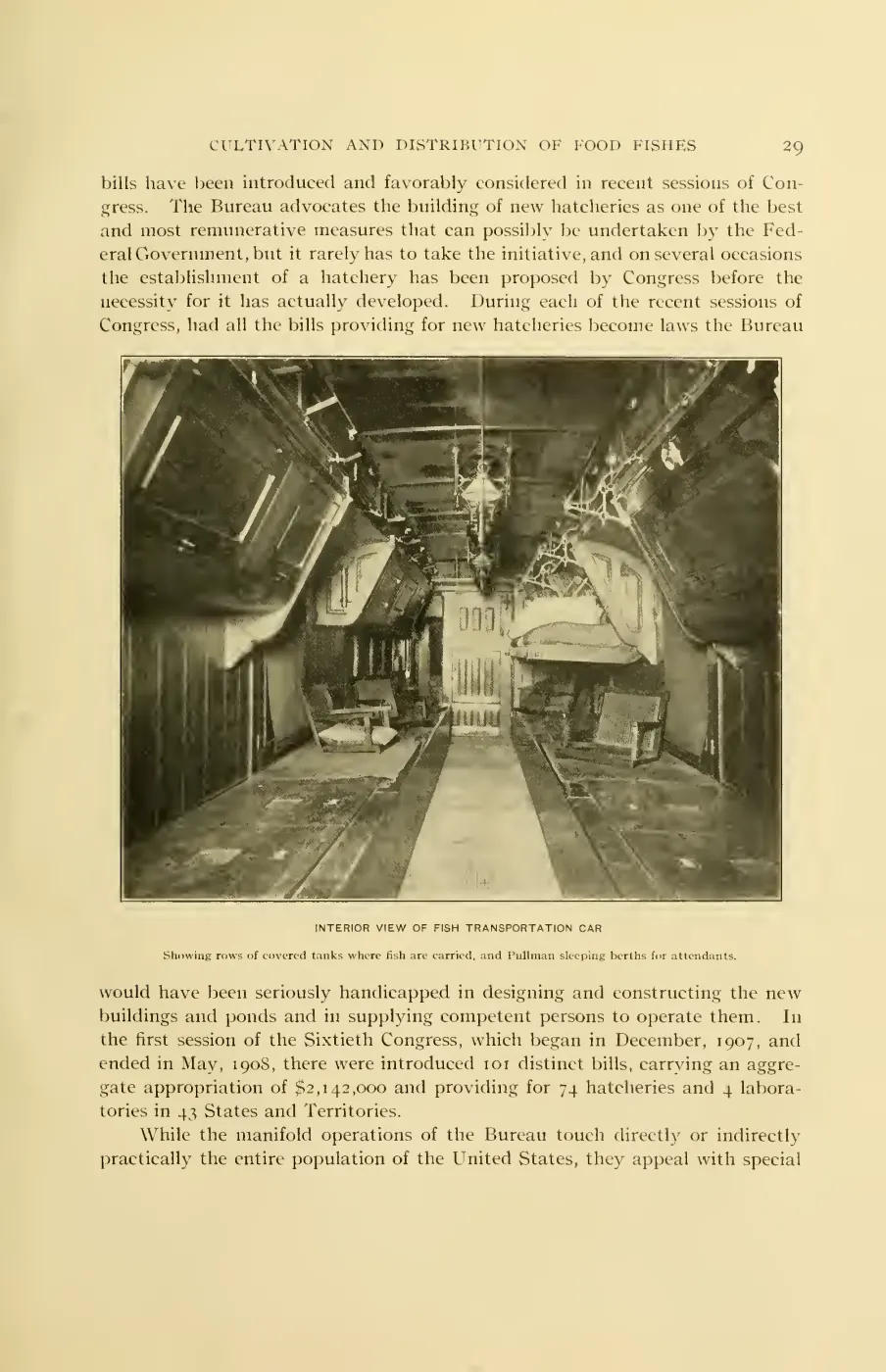
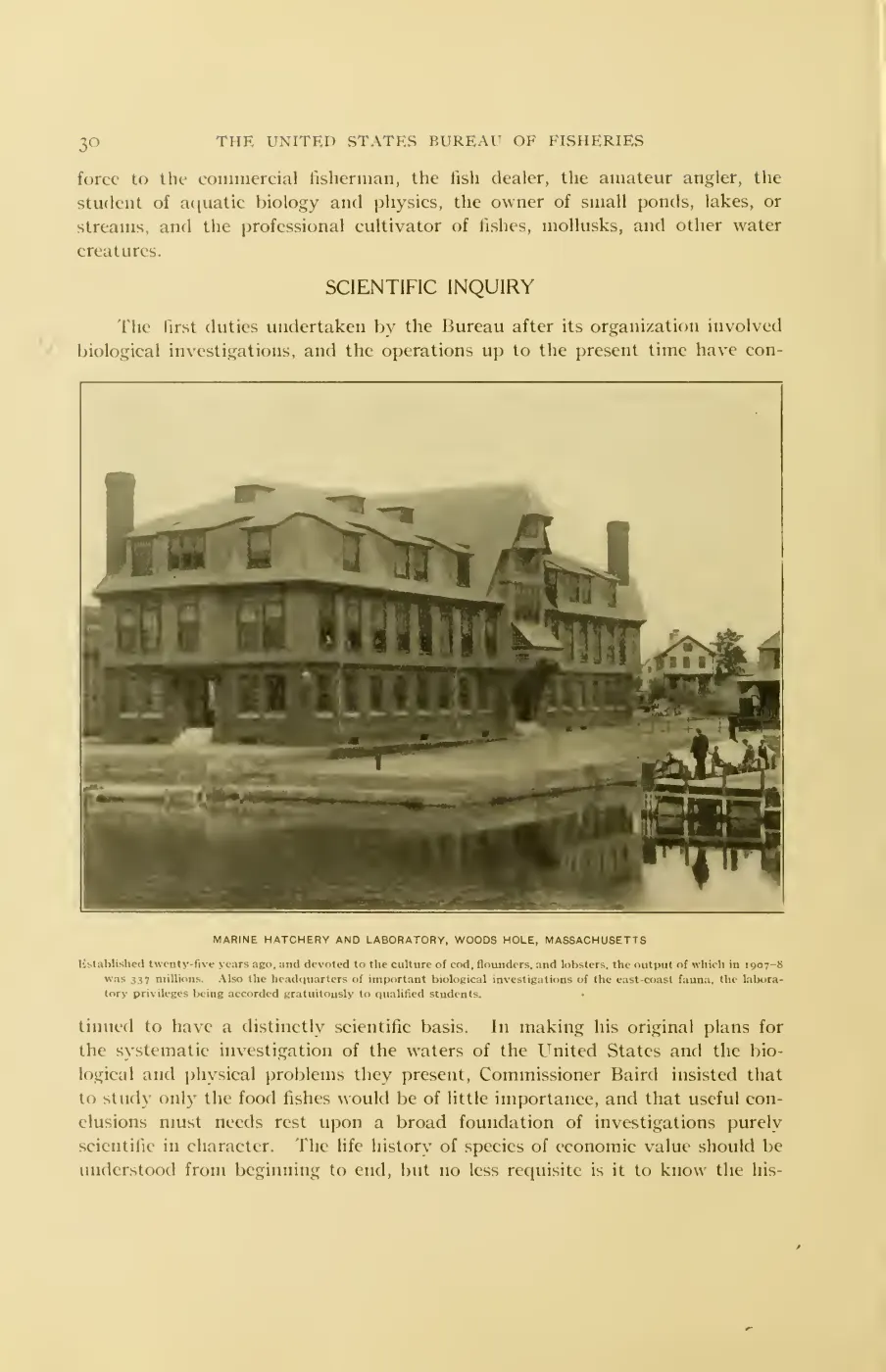
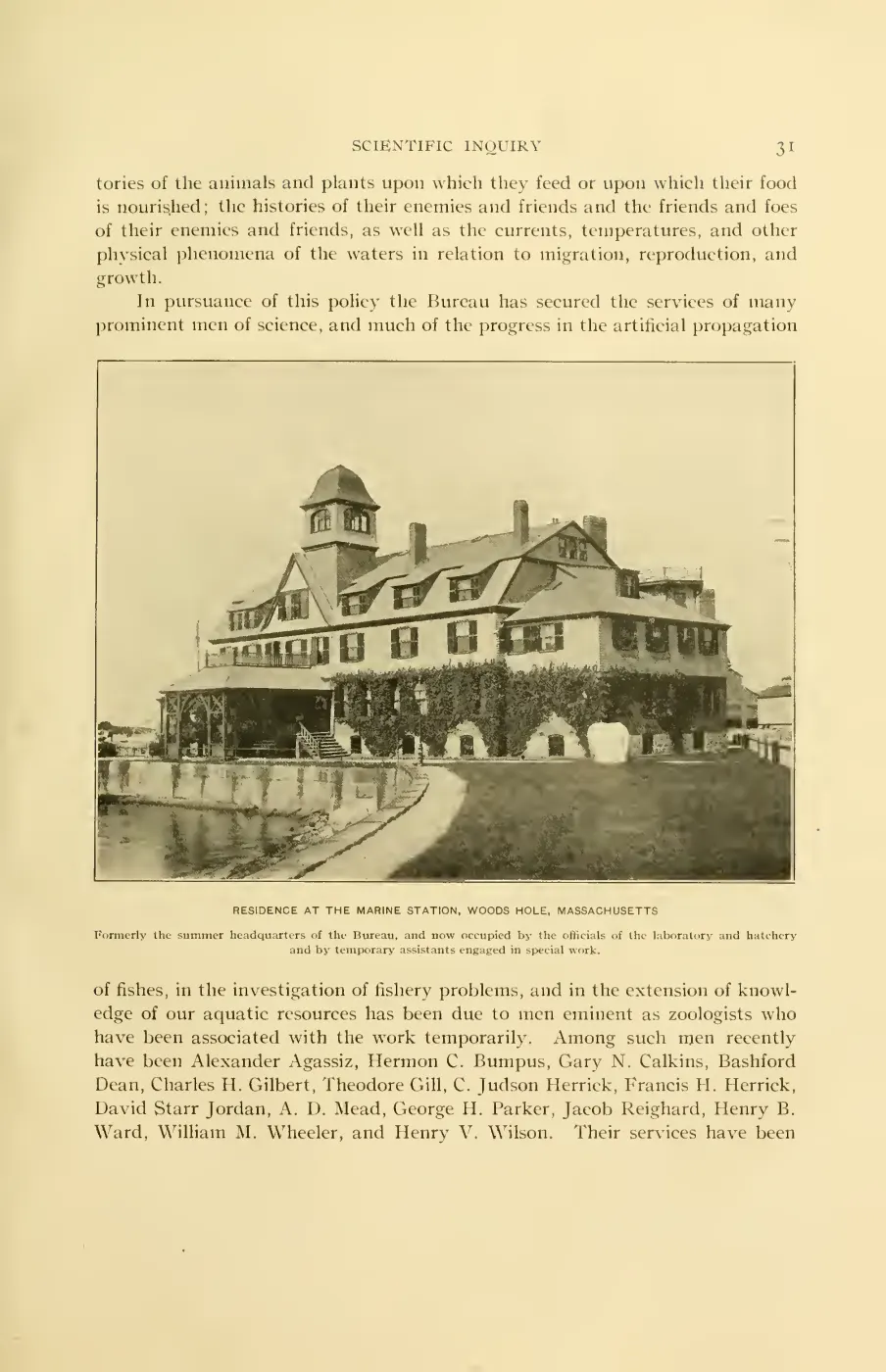
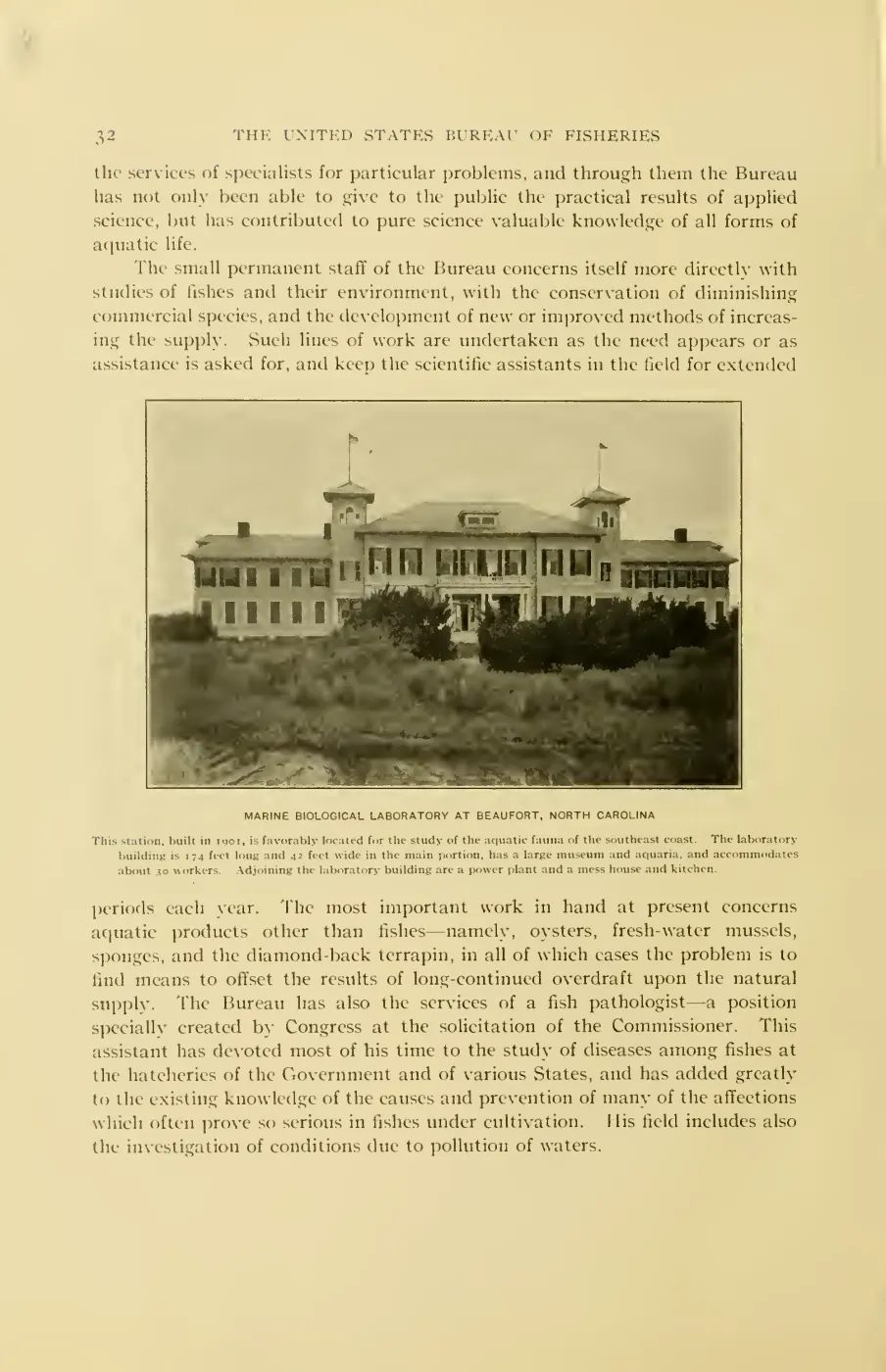
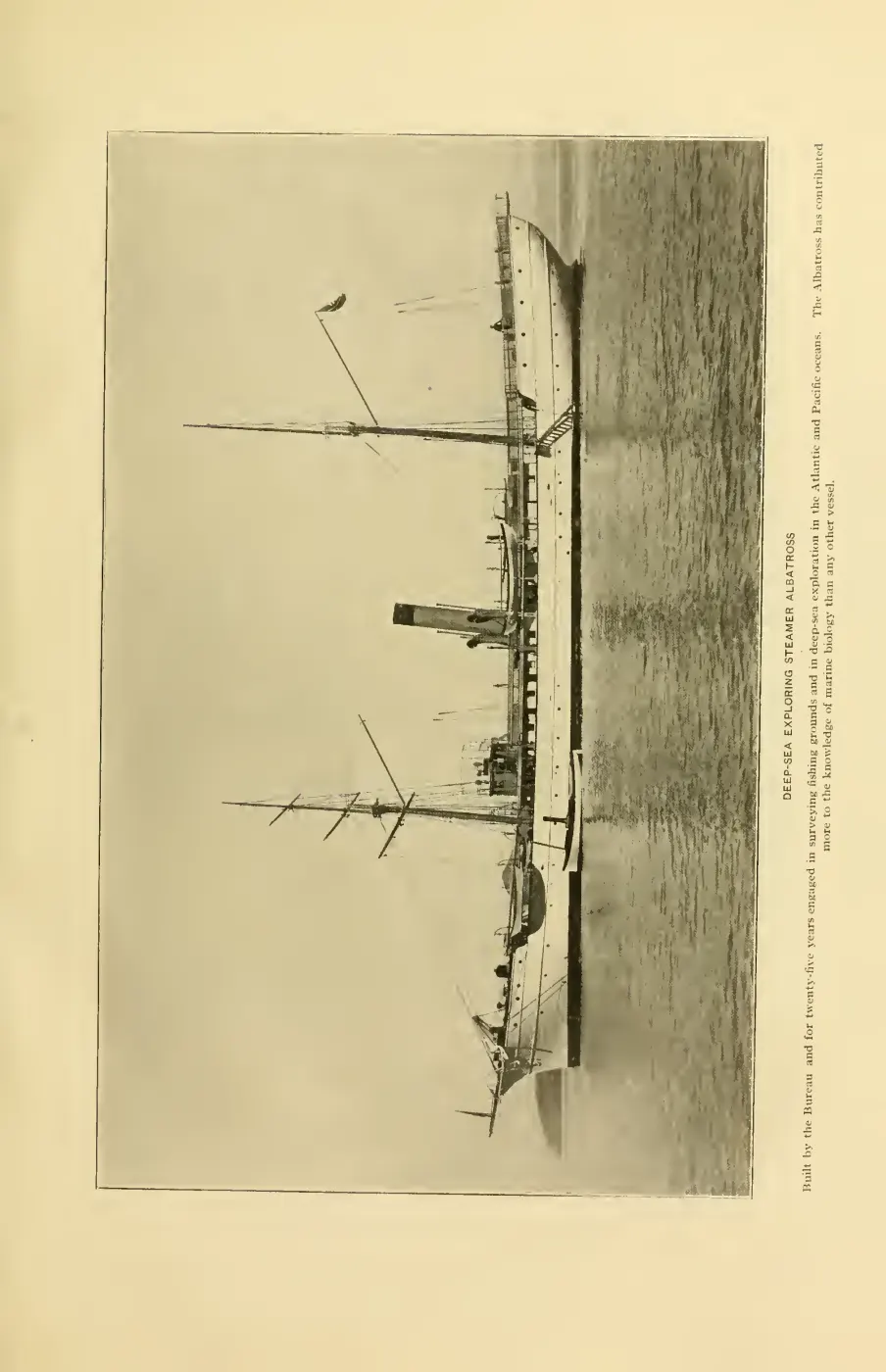
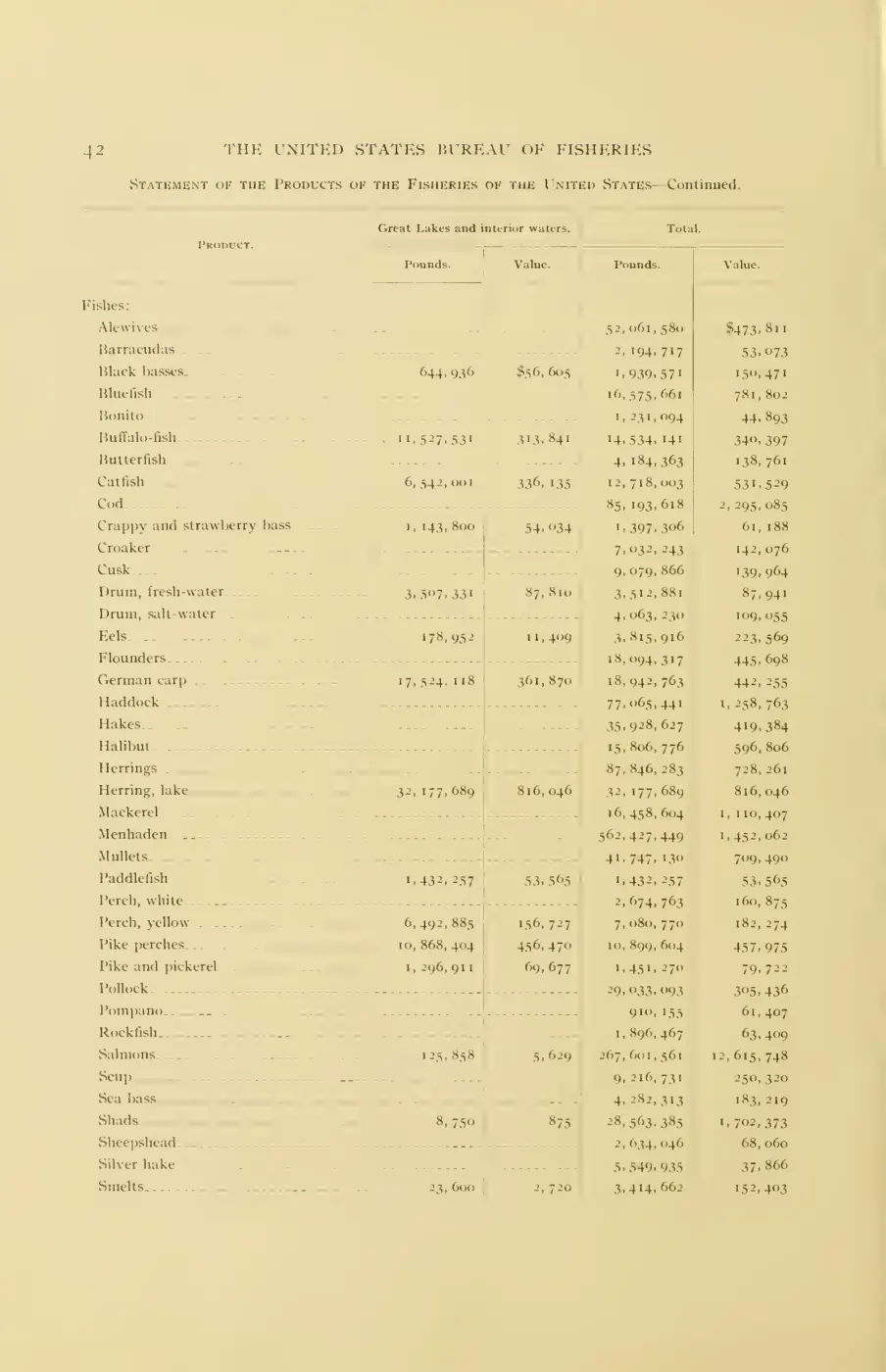
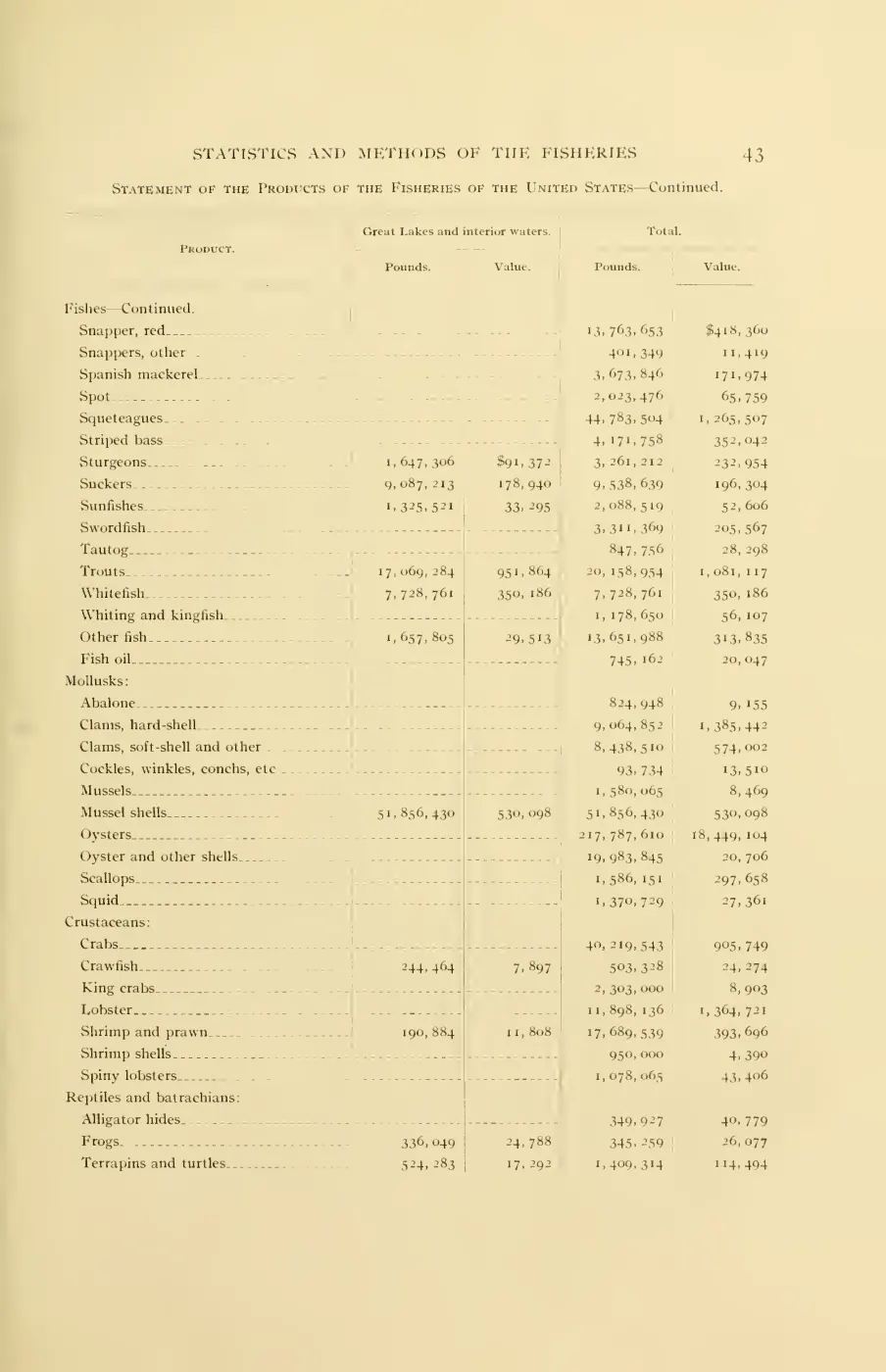
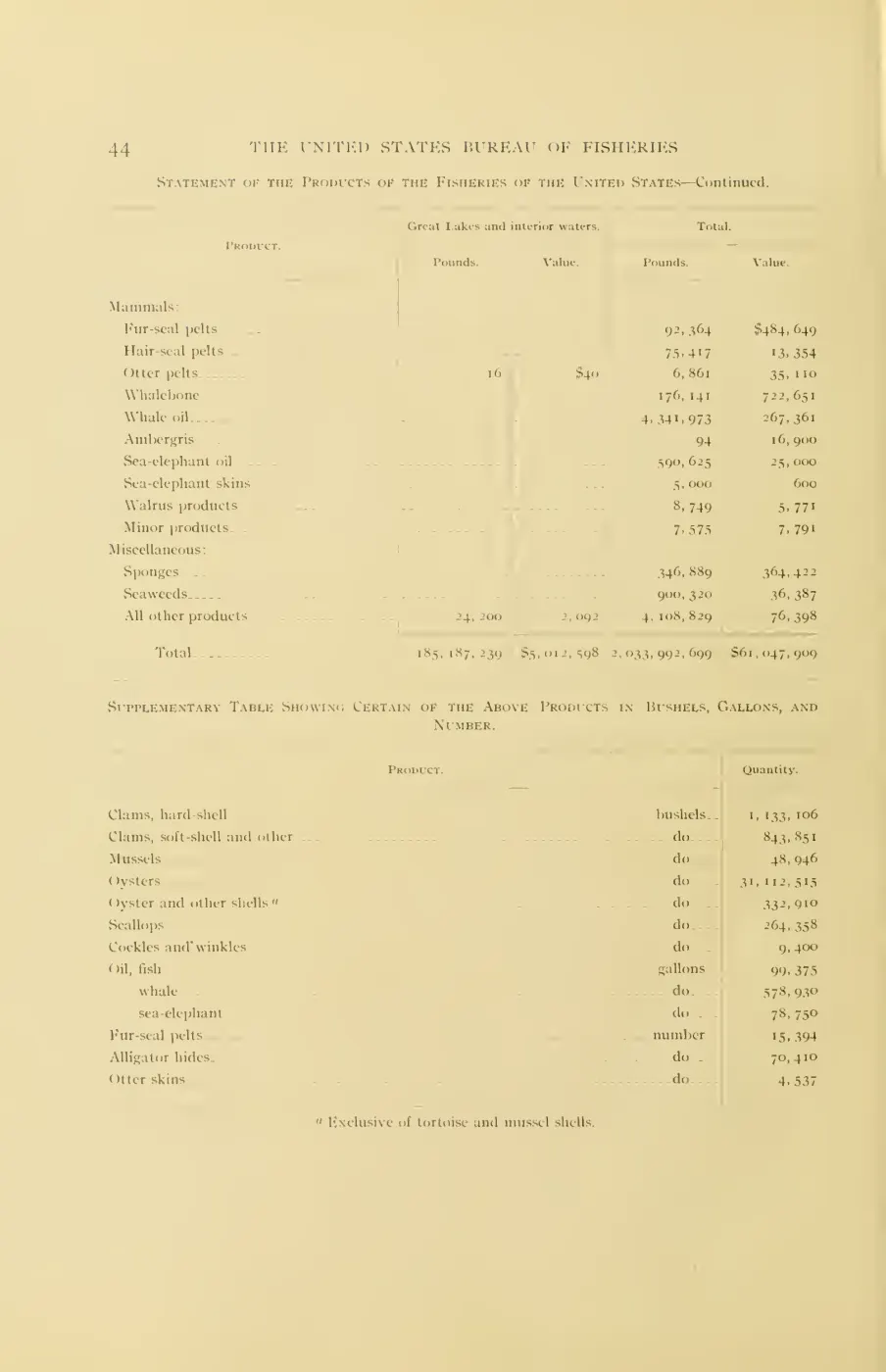
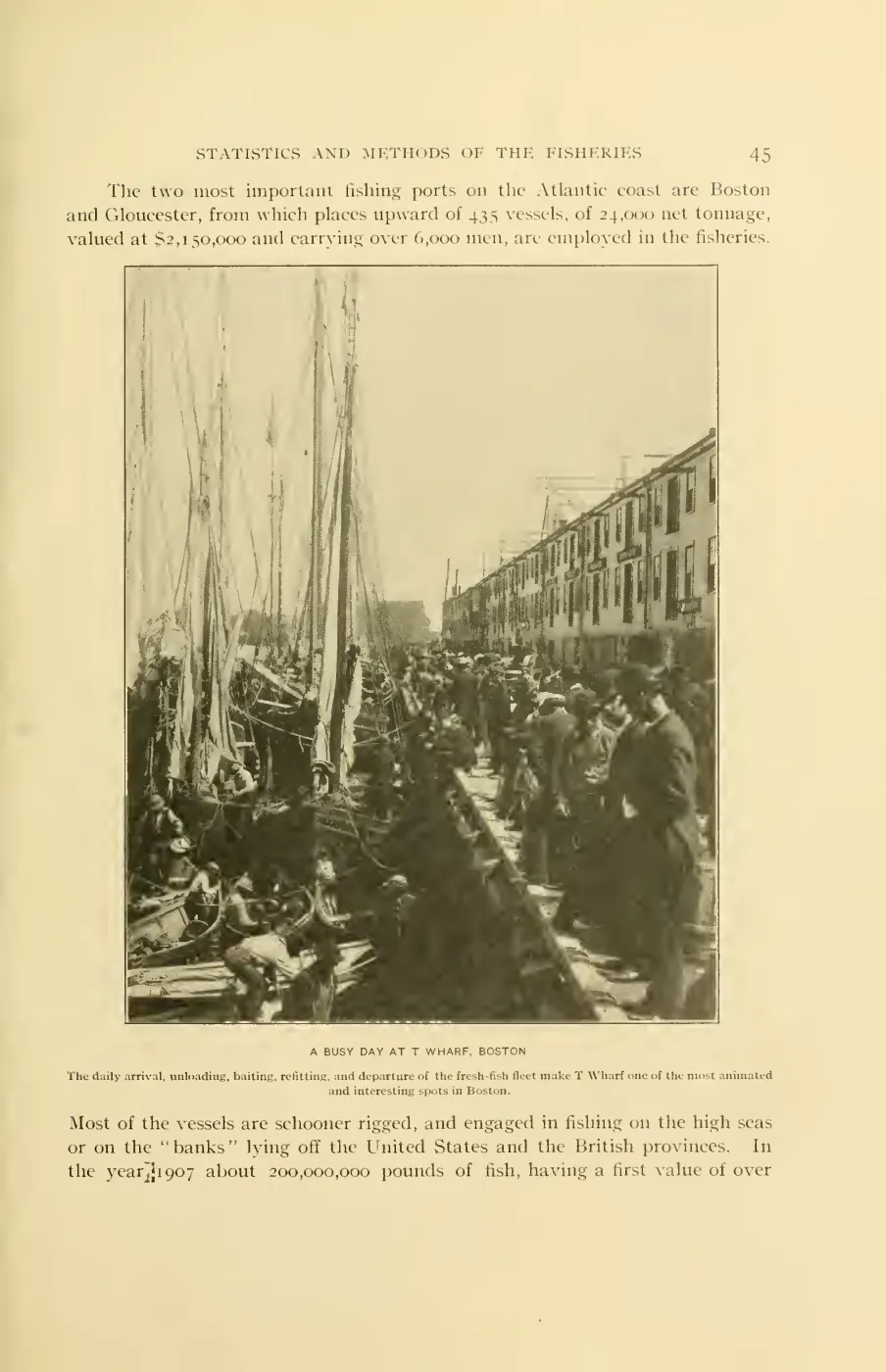
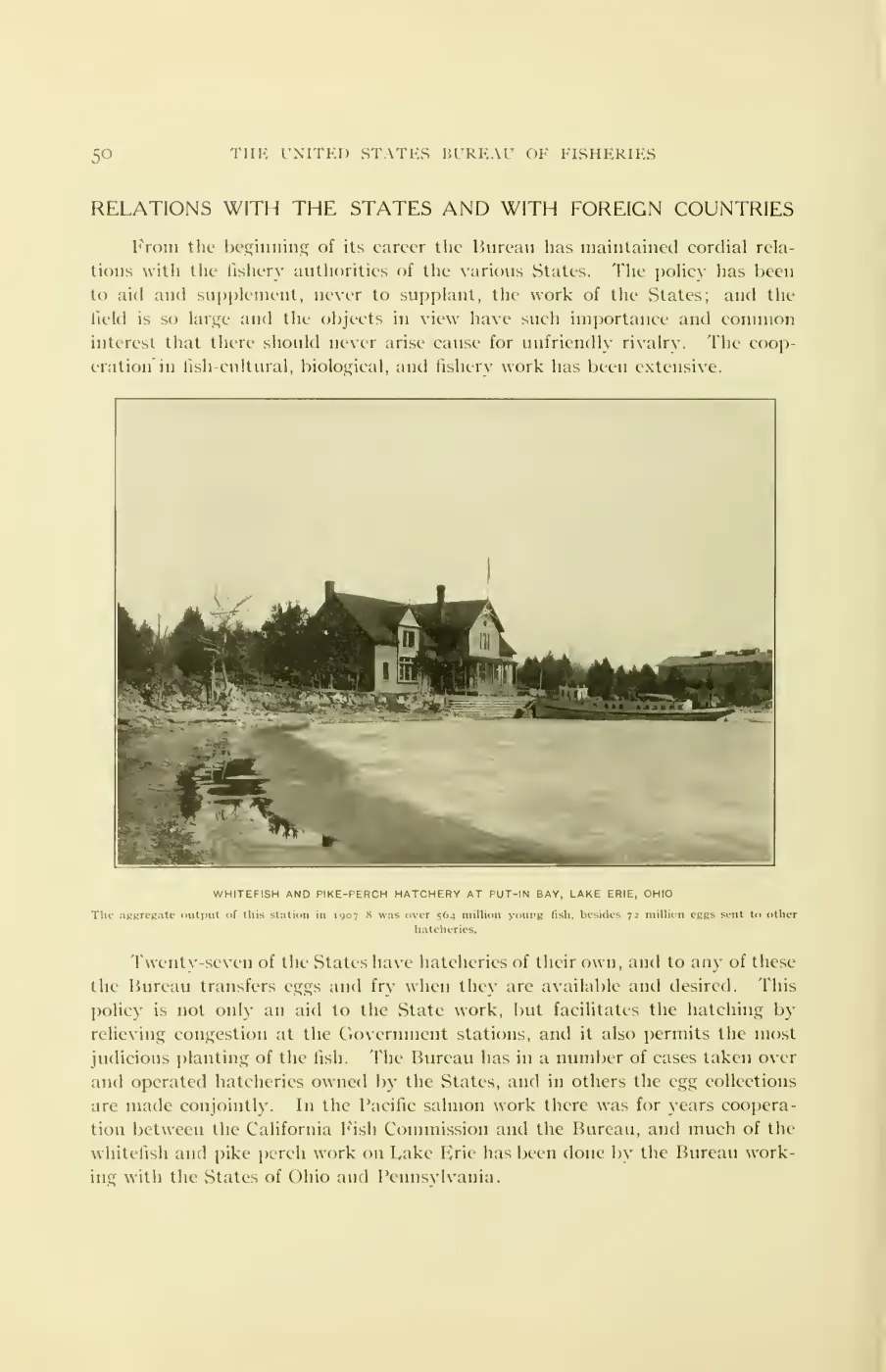
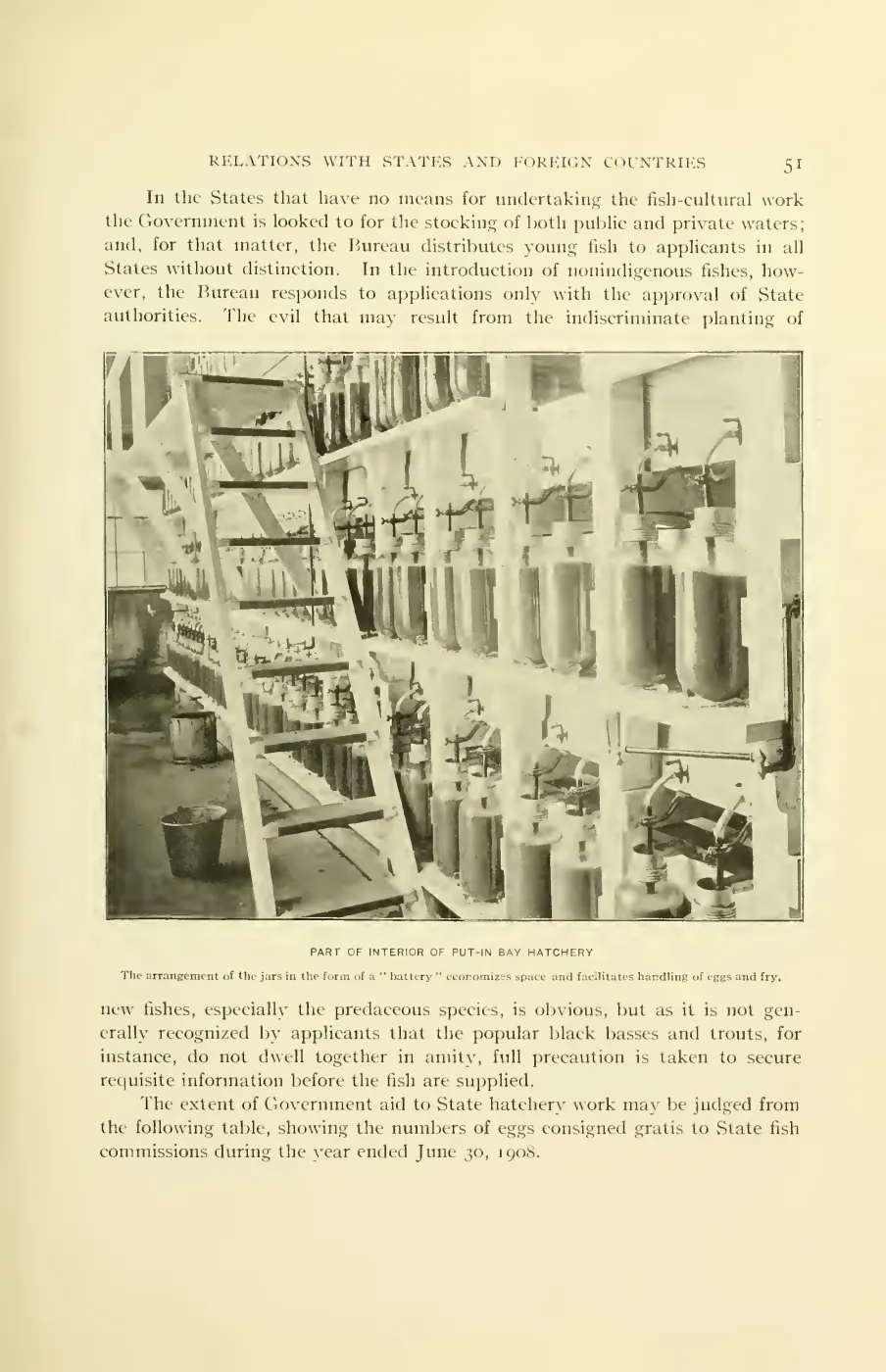
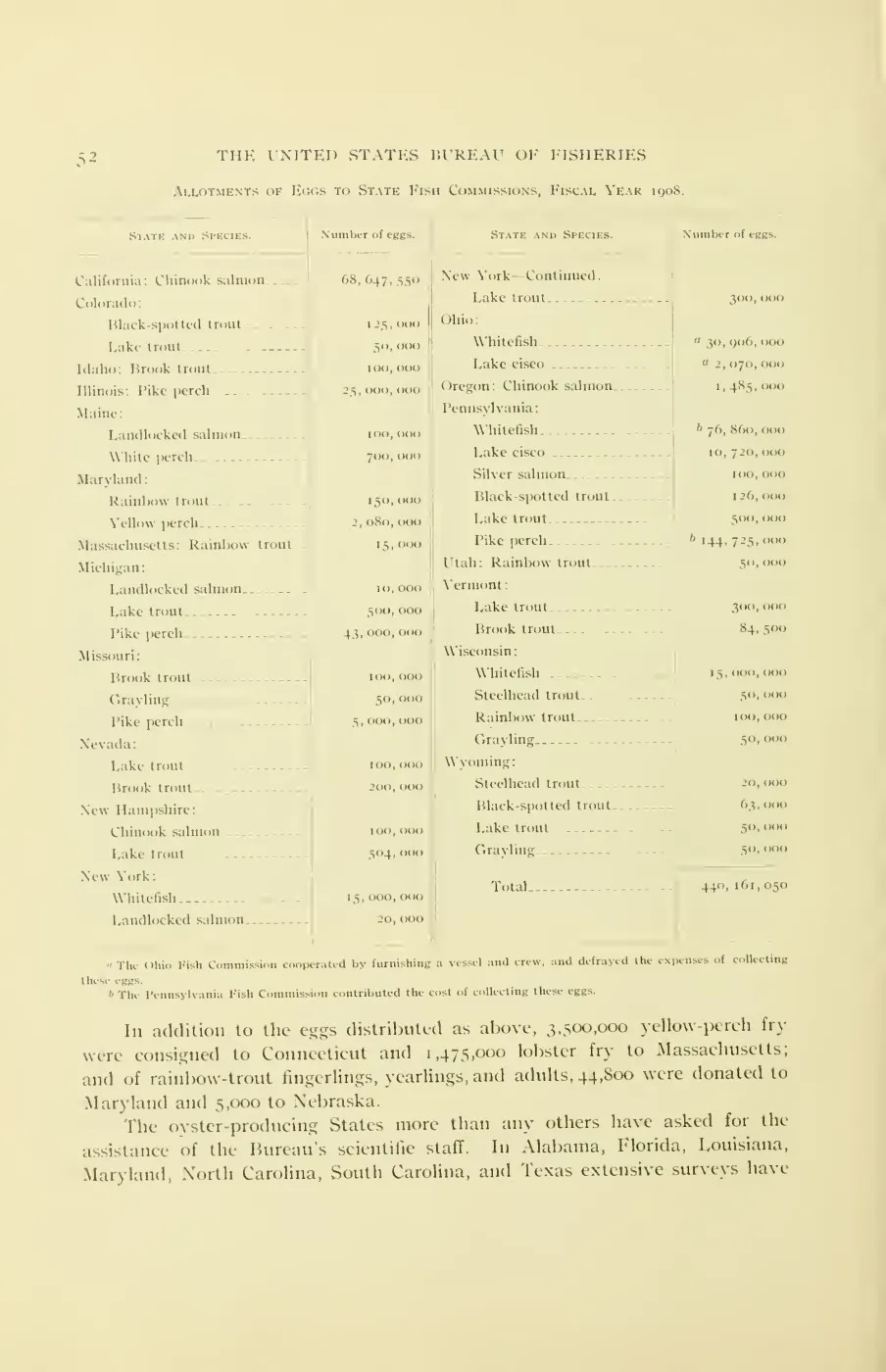
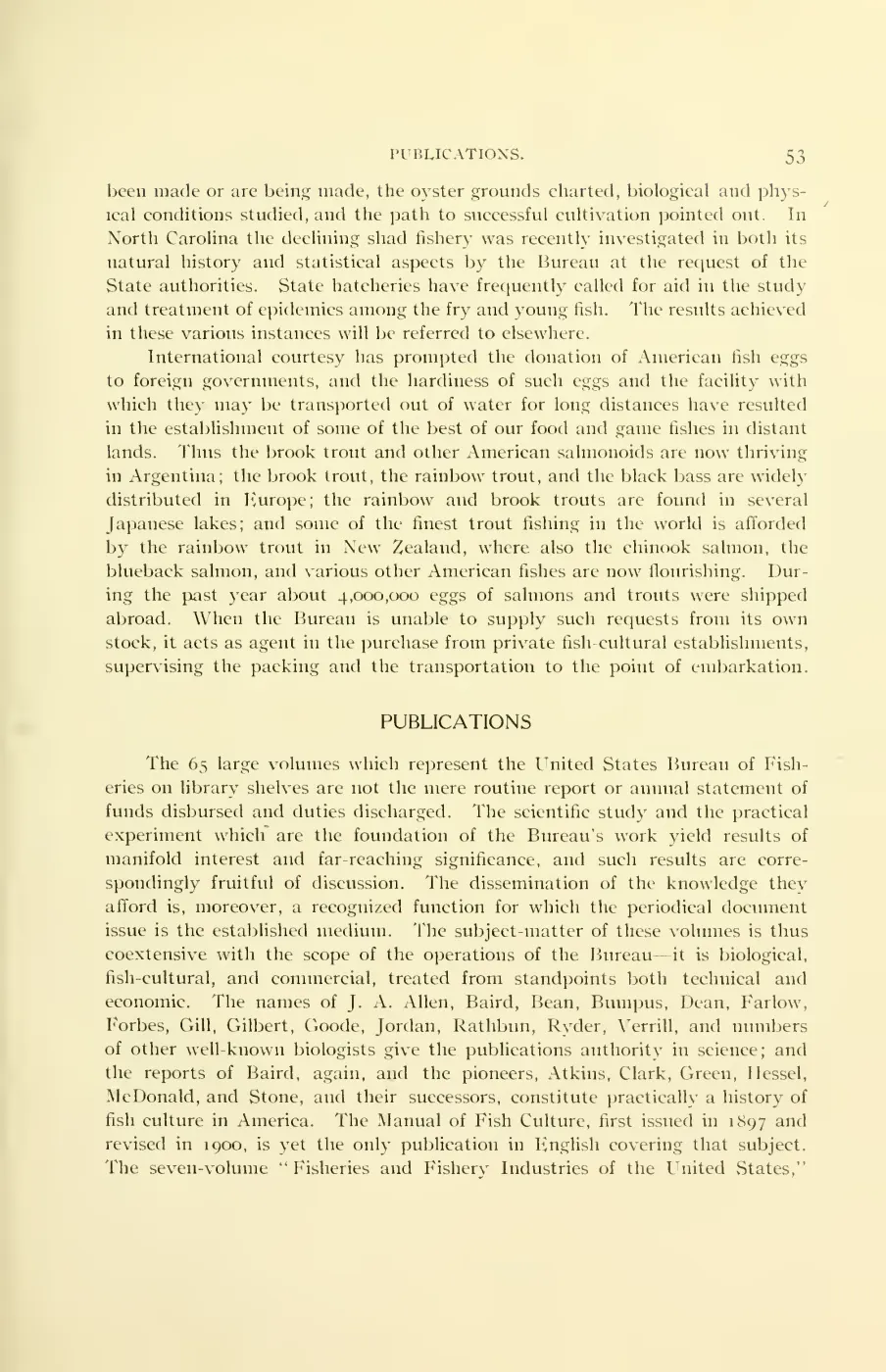
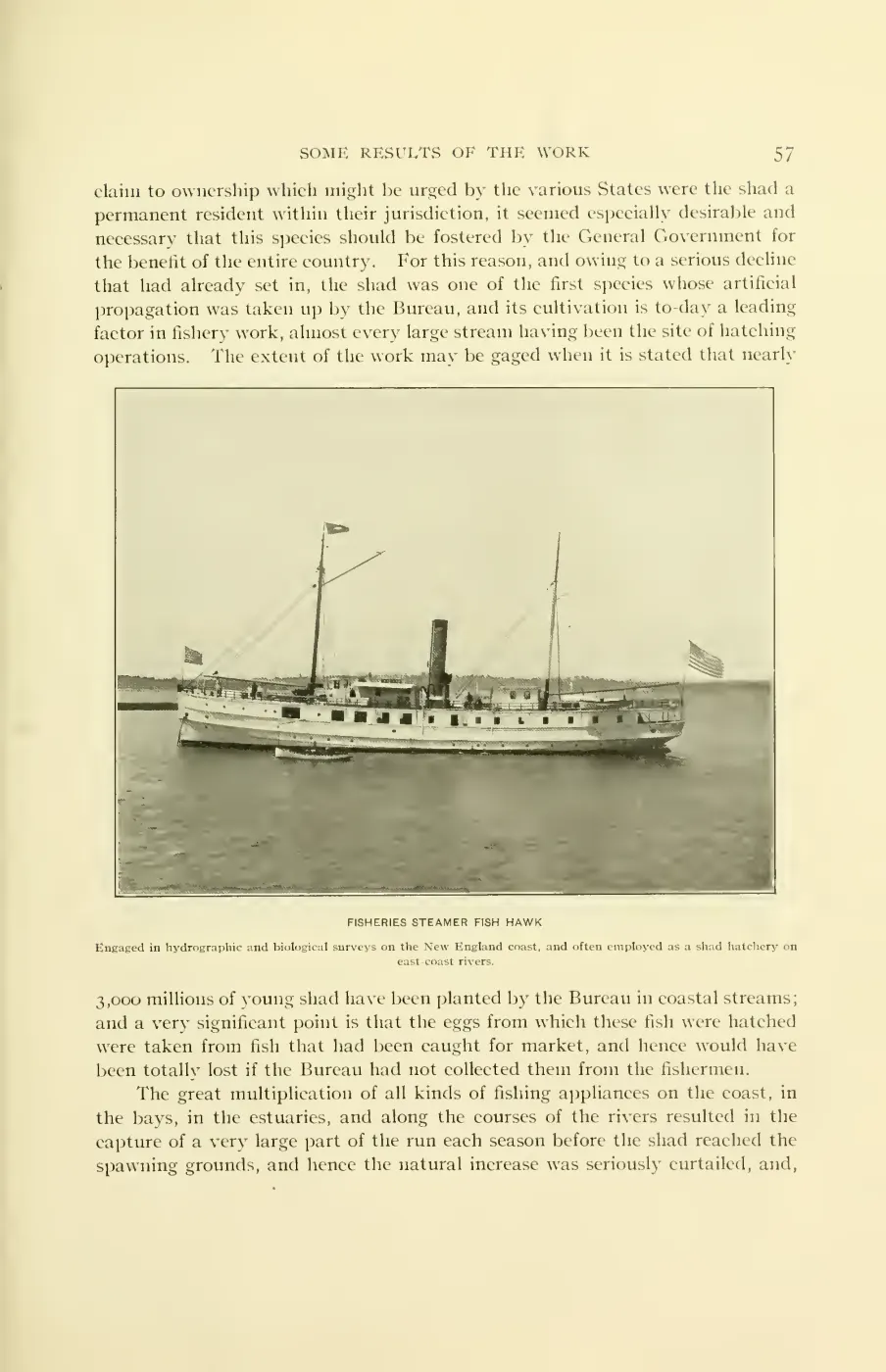
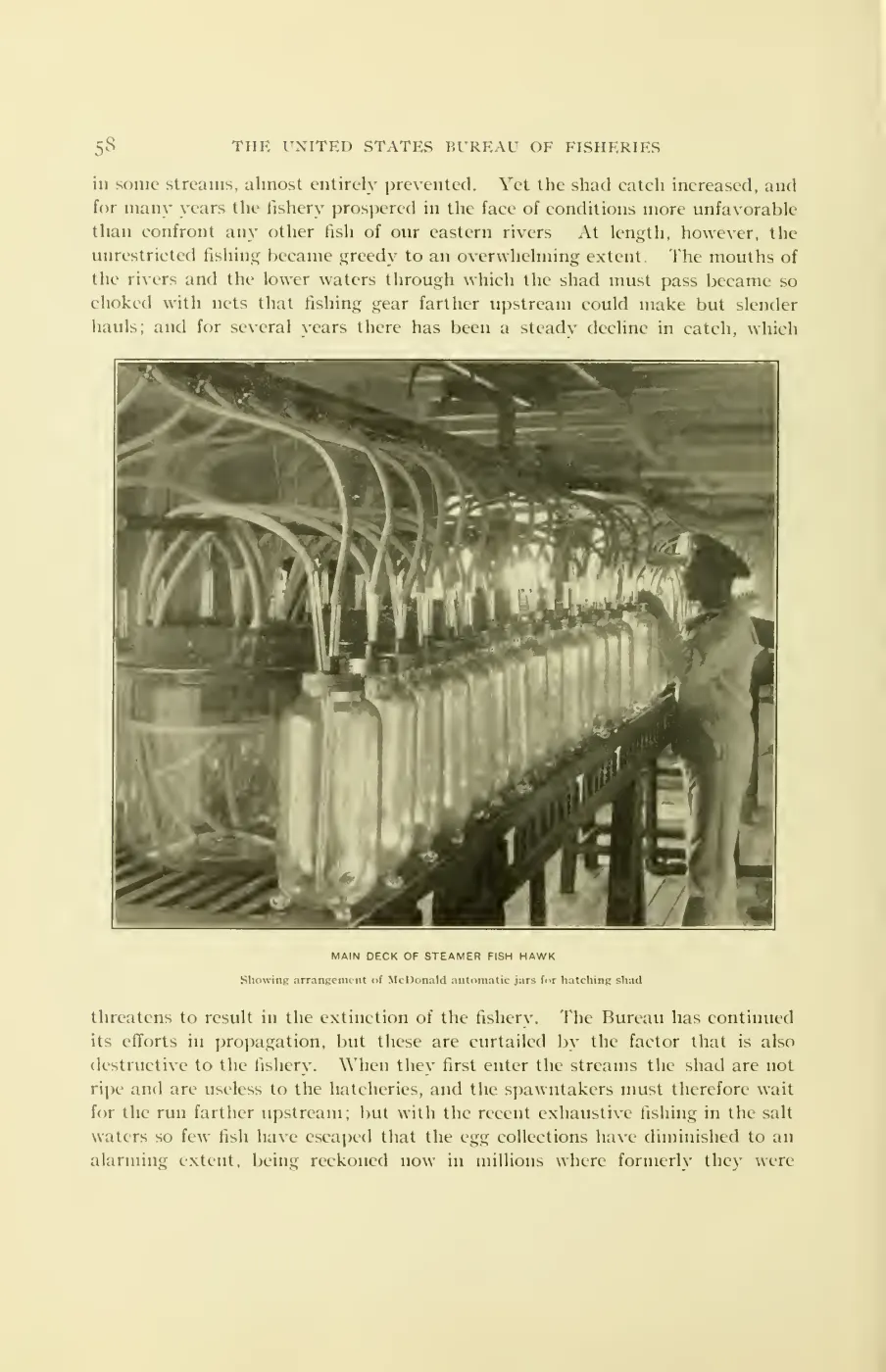
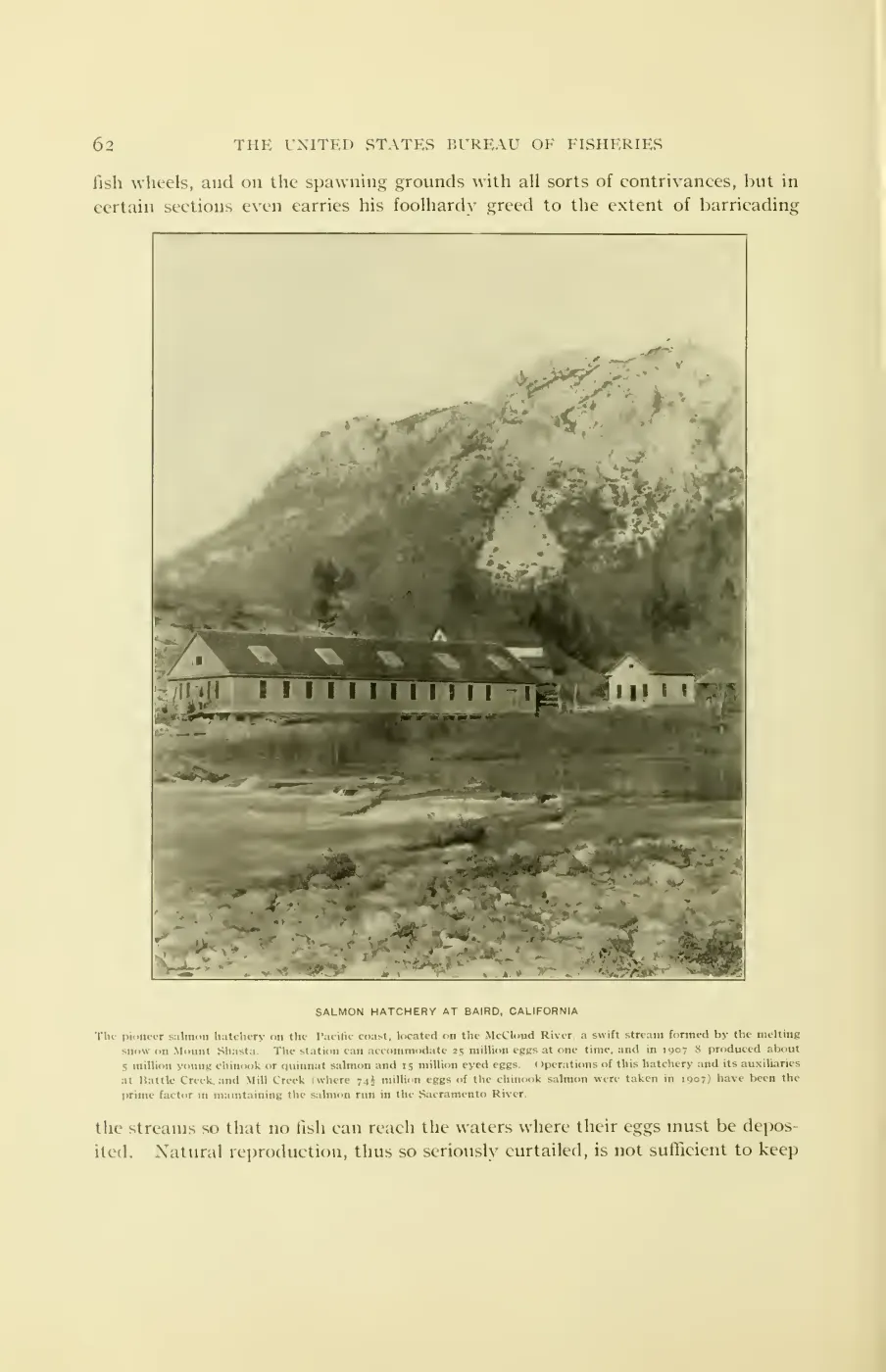
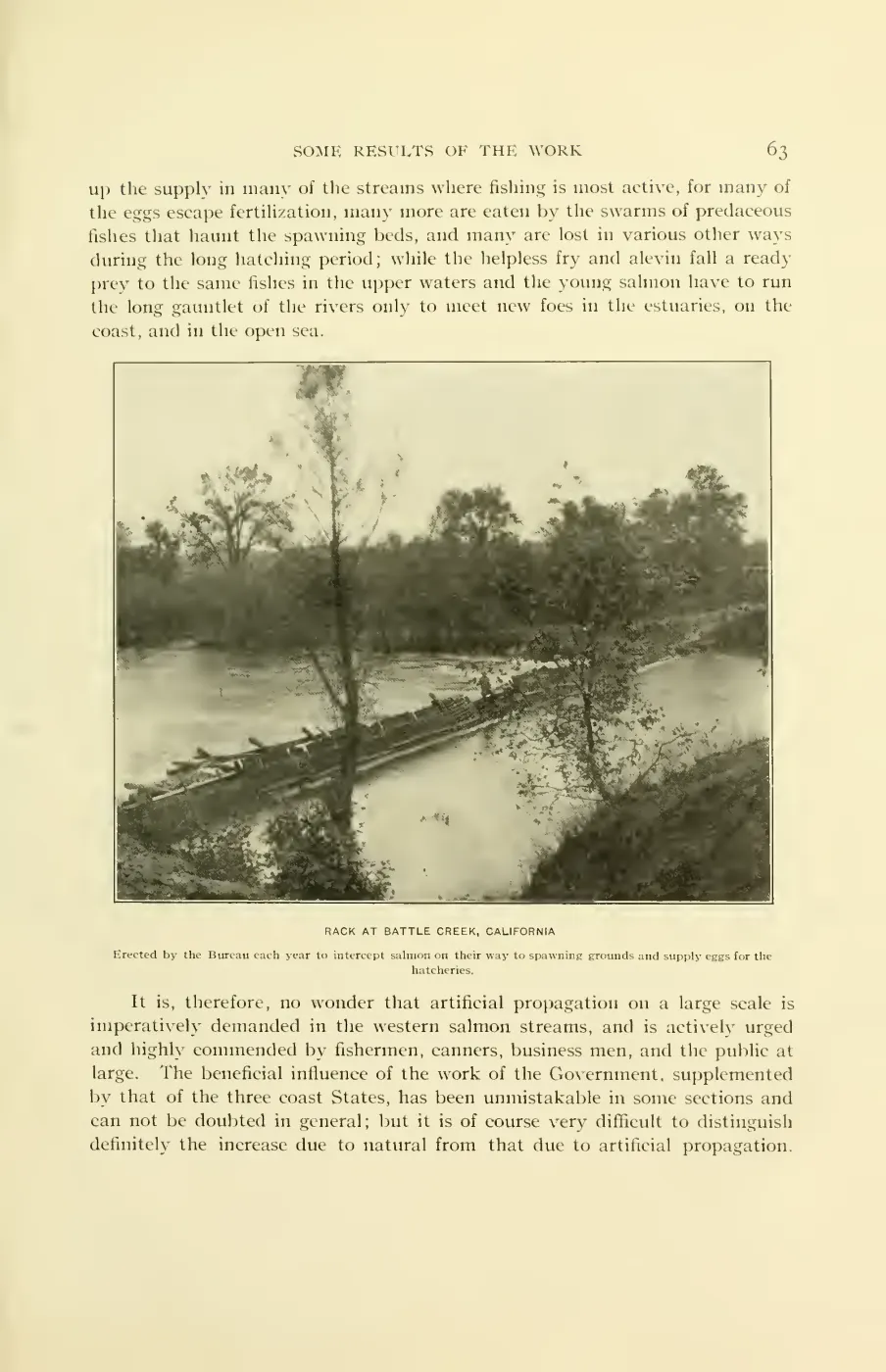
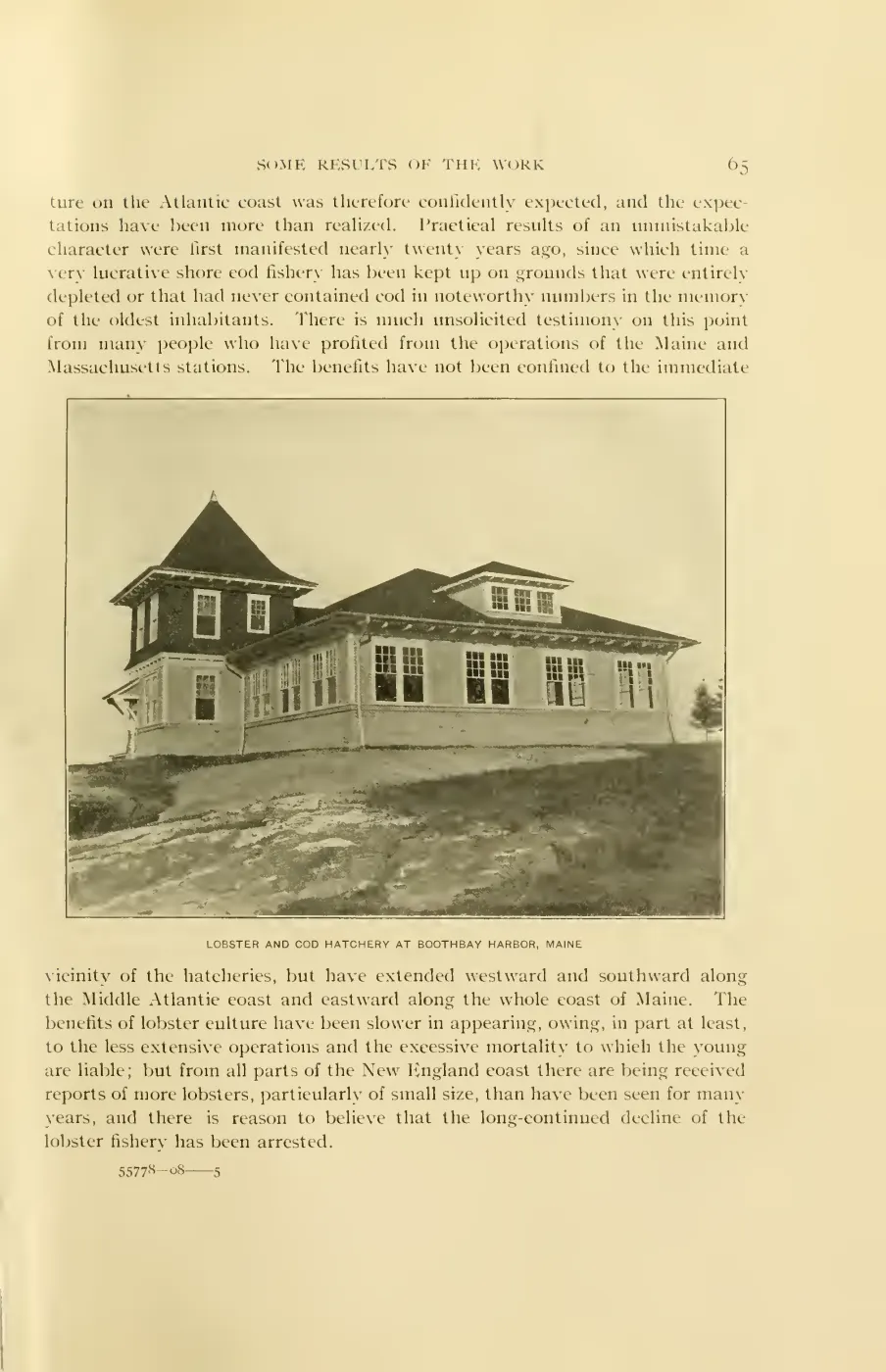
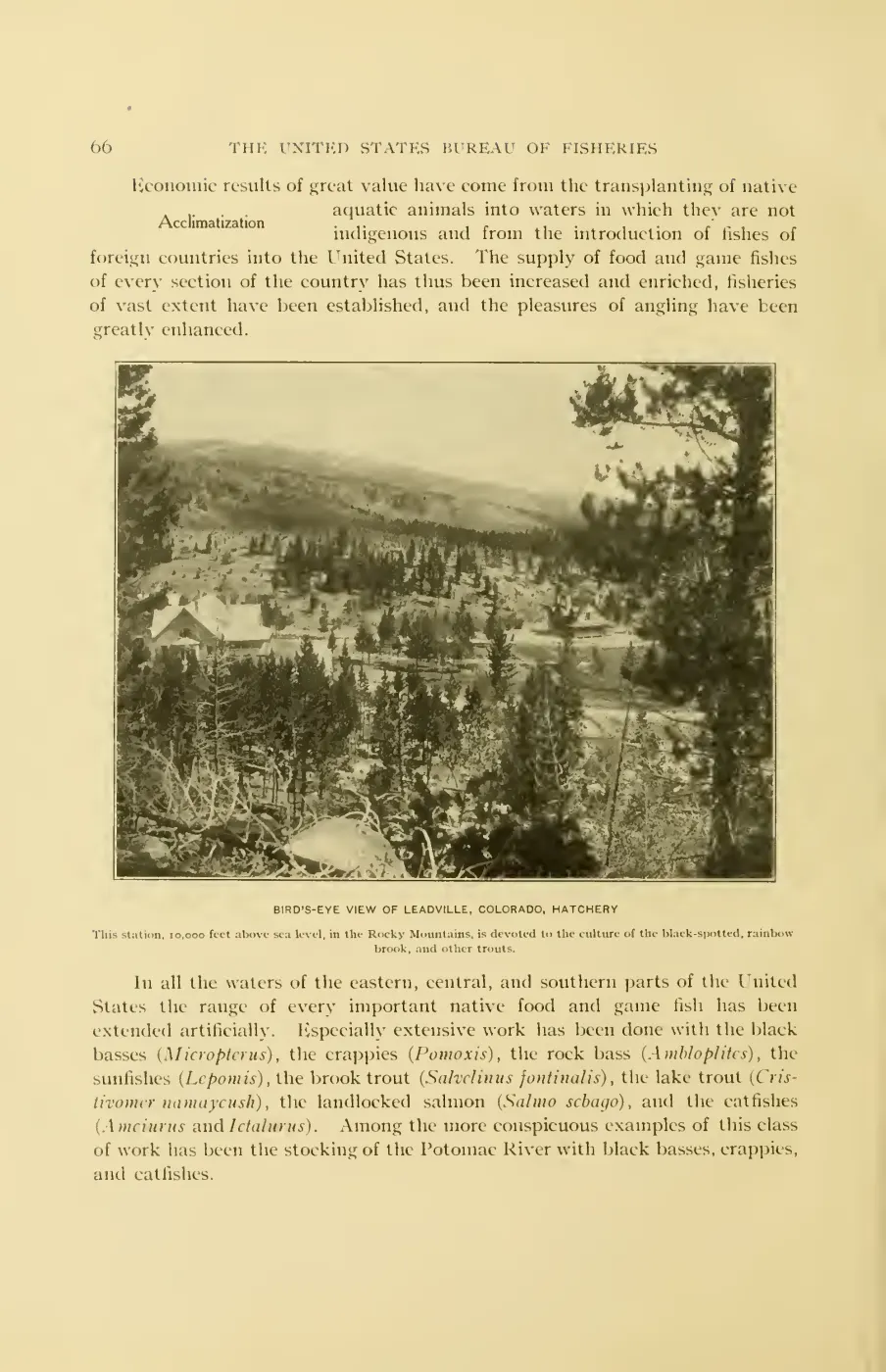
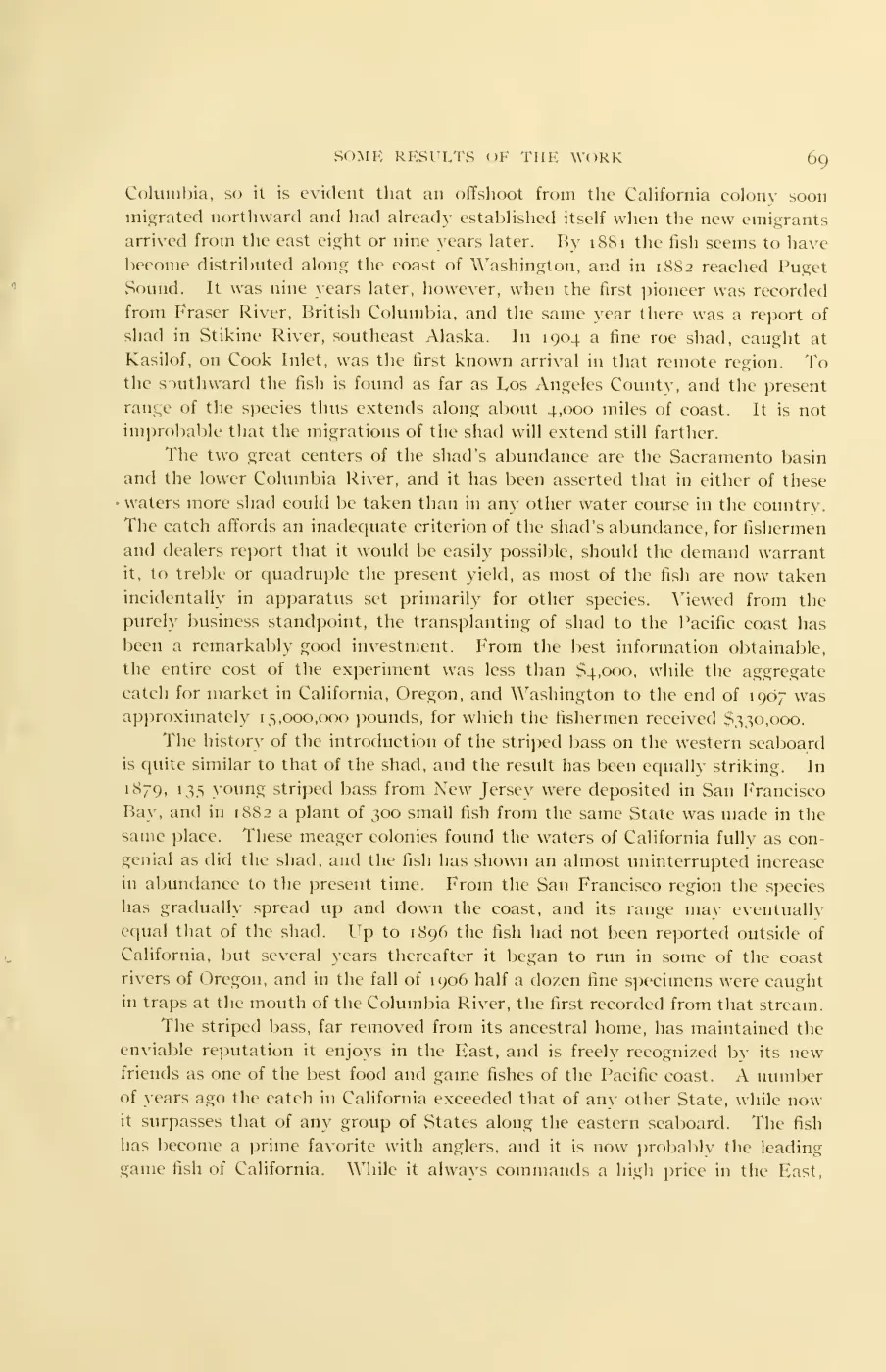
By 1908, a Bureau of Fisheries overview does provide the missing categorical outcome: its Great Lakes table lists Beaver Island as a lake-trout egg-collecting station.8 The table does not turn that into a hatchery, an island-wide station location, a production figure, or an operating chronology, so those remain open rather than inferred from the listing.
Open questions
- How large was the Beaver Island fishery, in barrels, in any given year? Strang’s 250,000-barrel figure is for the whole northern lake and comes from an interested source. The held 1898 Fish Commission report adds a qualitative productivity description and spawning-season observation, but no landings series for this port has been located.
- What caused the collapse, and when? Sea lamprey, overfishing, alewife invasion and habitat change are the standard explanations for Lake Michigan generally; nothing held here tests any of them against this archipelago, or dates the local end of commercial operation.
- Where were the fishing stations? Strang names Gull, Trout, Virgin and Rabbit Islands as fishing stations, and Whiskey Island and Fisherman Bay carry the trade in their names. None of these sites is documented archaeologically here. (“Virgin” and “Rabbit” are 1854 names; no source found so far identifies which features they now correspond to.)
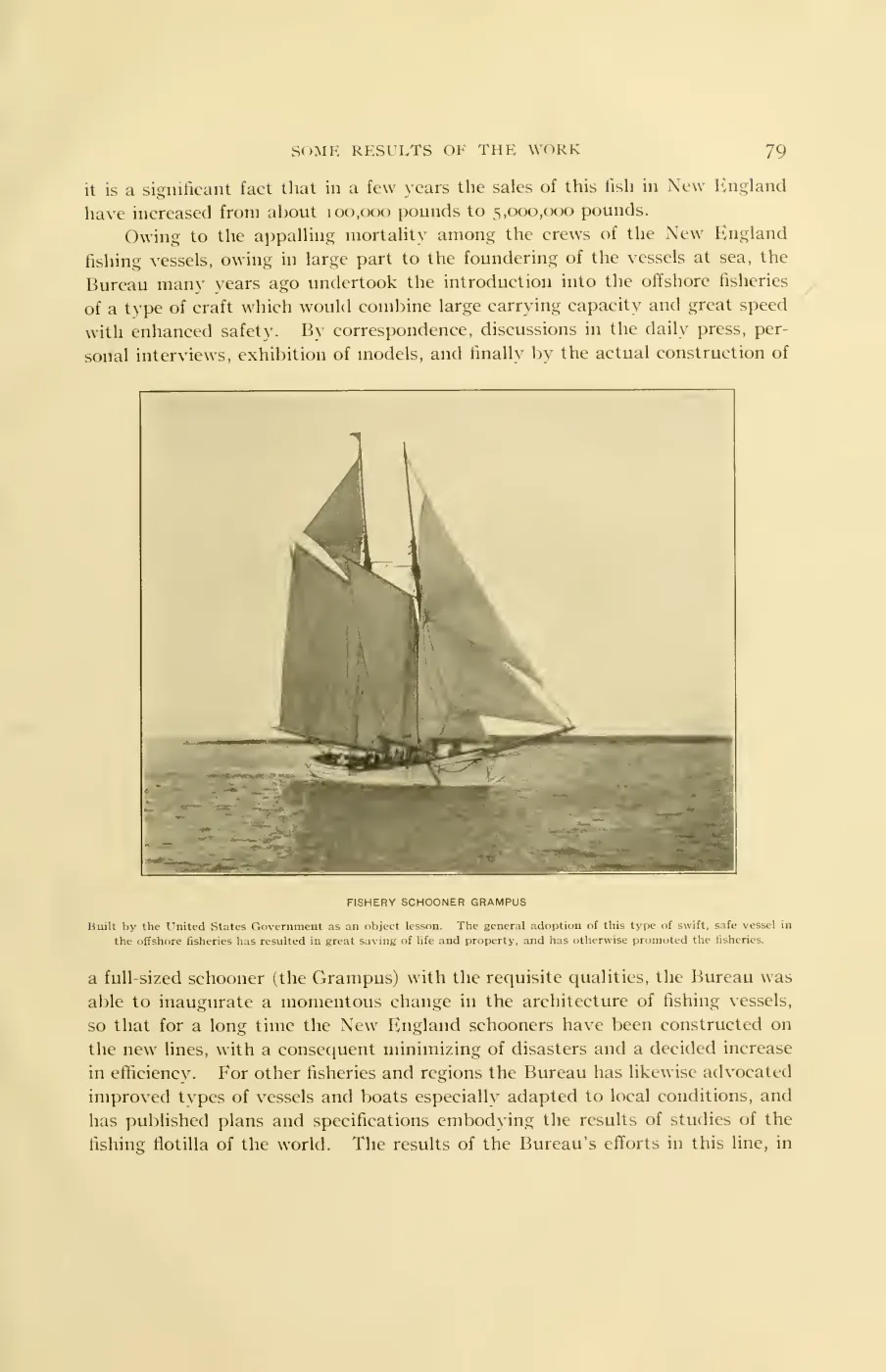
- How many boats, and whose? The schooner Nellie Johnson was built at Saint James in 1894, so vessels were being constructed on the island into the 1890s; Strang records “a few small schooners” built there by 1854. No vessel register for the port has been compiled.
- What were treaty-reserved fishing rights in practice? The archipelago falls within the 1836 cession, and LTBB and GTB exercise fishing rights today. The 20th-century history of those rights in these waters is outside anything held here.
See also
Footnotes
-
Beaver Beacon, September 1964, “Mike Cull Passes Away.” ↩
-
Beaver Beacon, November 1968, “Beaver Tales.” ↩
-
Beaver Beacon, February 1965, “Beaver Tales” (Gallagher Dock retrospective). ↩
-
Beaver Beacon, May 1966, “Obituaries: William A. Belfy.” ↩
-
Beaver Beacon, May 1972, “Lloyd McDonough Passes.” ↩
-
U.S. Commission of Fish and Fisheries, Report of the Commissioner for the Year Ending June 30, 1898, Part XXIV (1899), p. LXXIX. ↩
-
U.S. Commission of Fish and Fisheries, Report of the Commissioner for the Year Ending June 30, 1899, Part XXV (1900), p. LXXVII. ↩
-
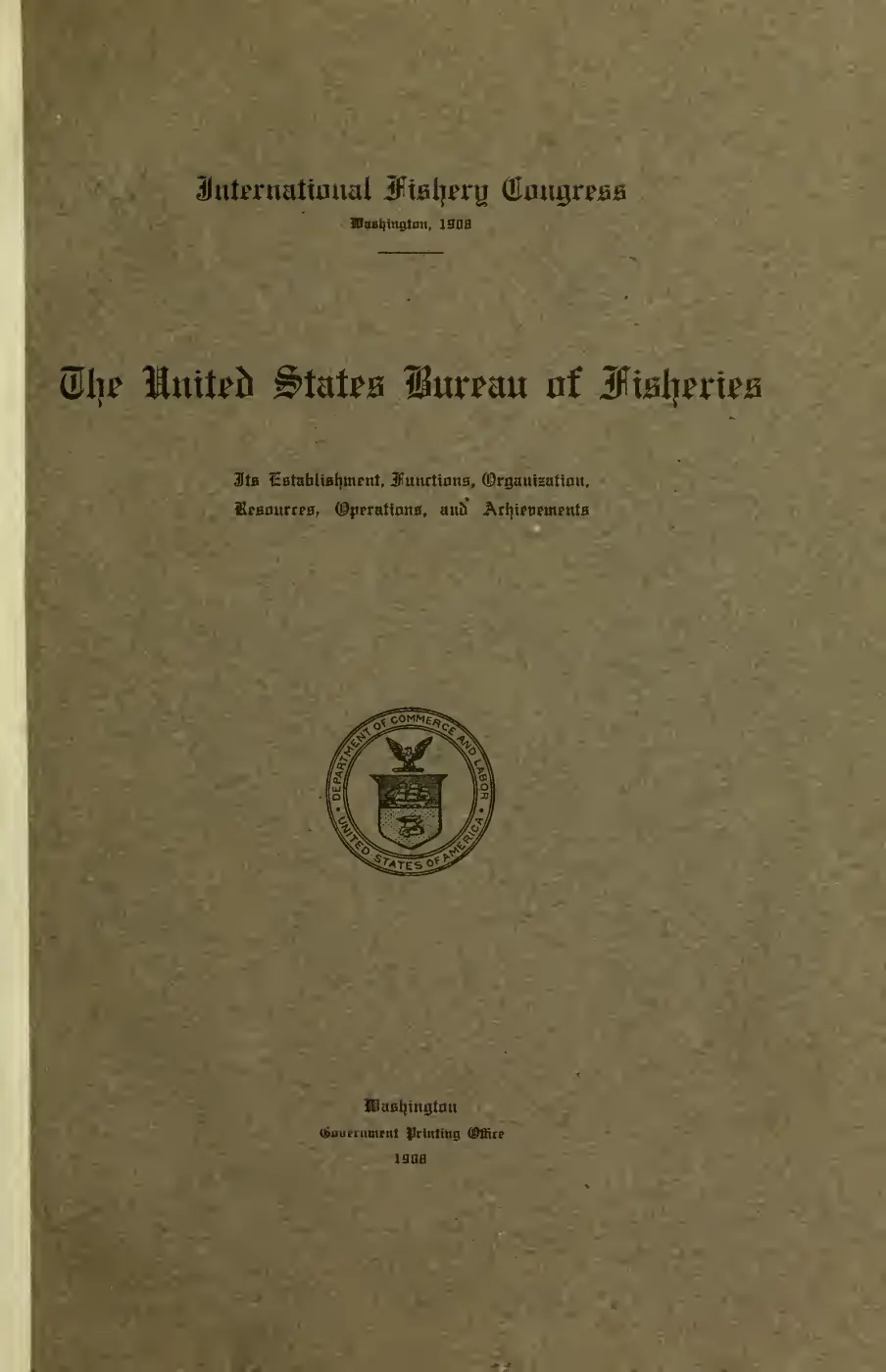
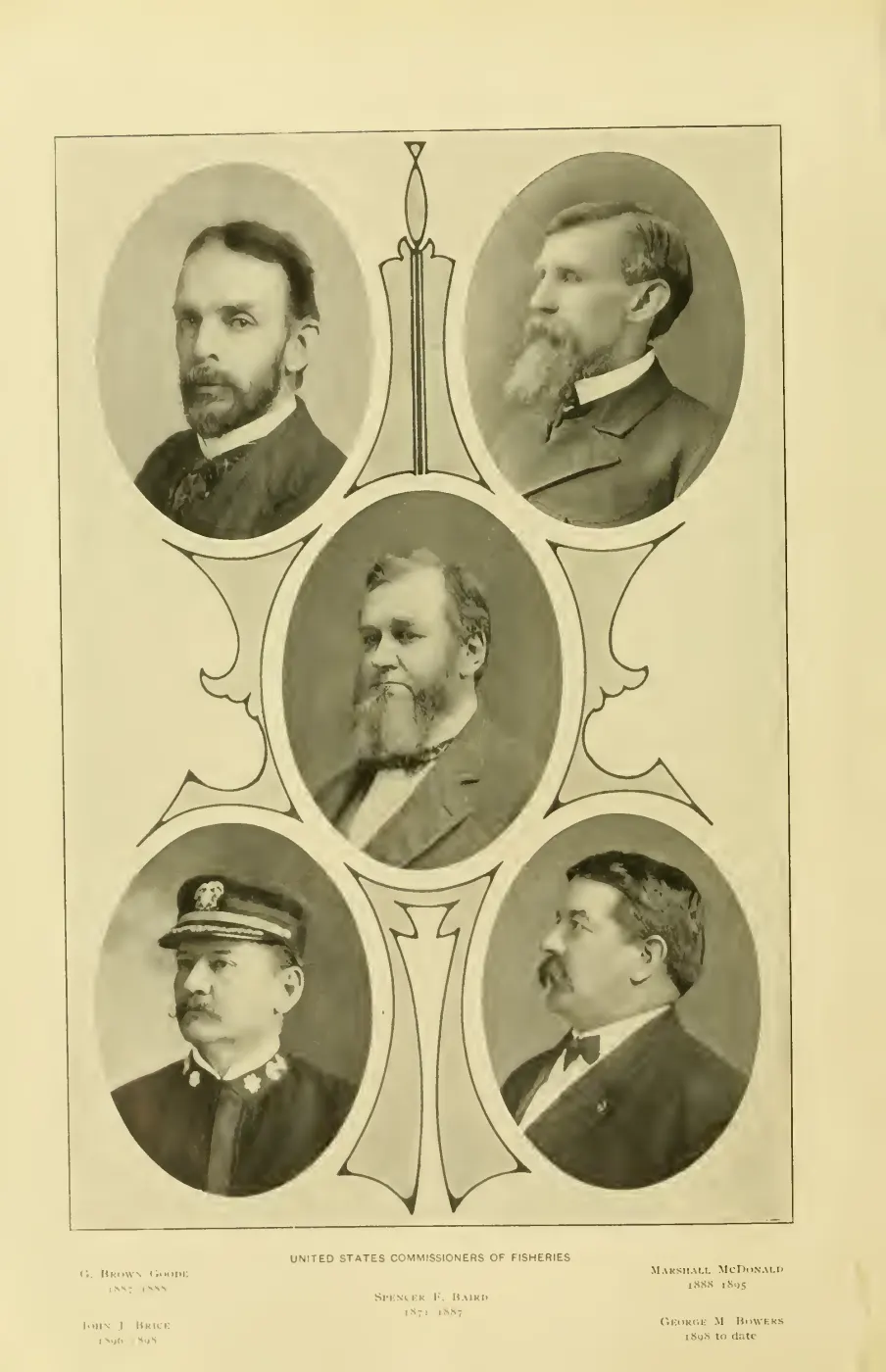
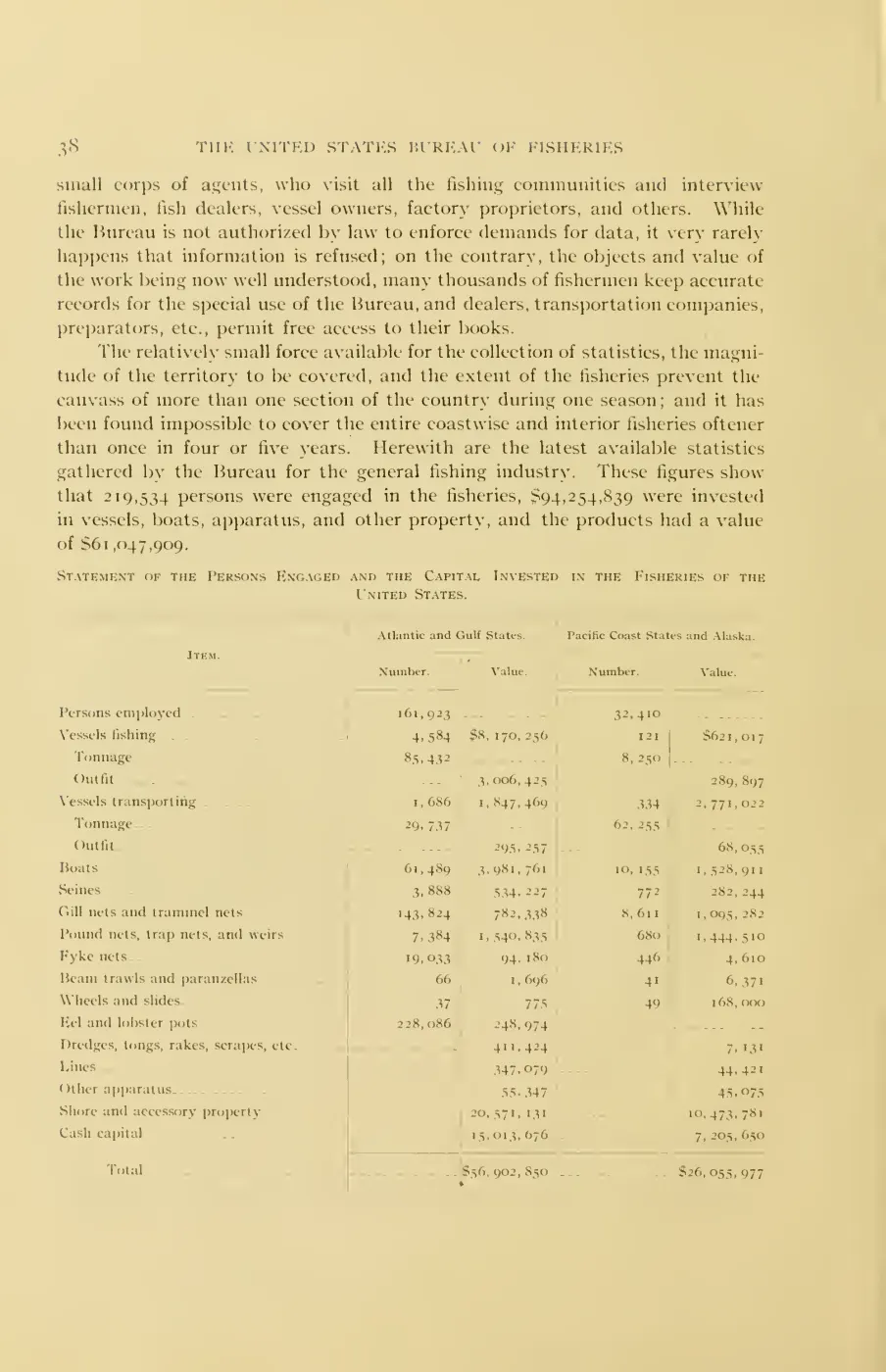
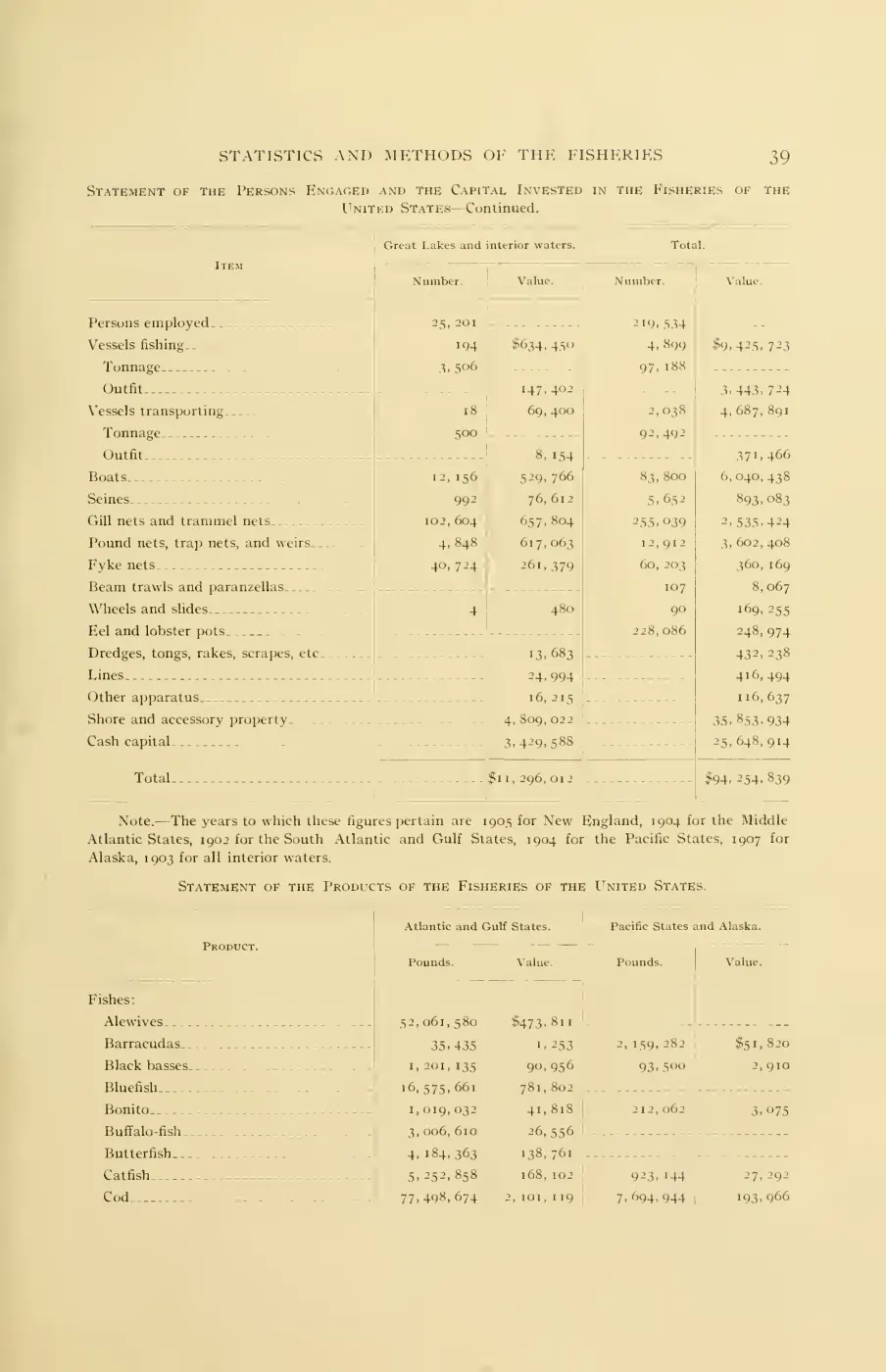
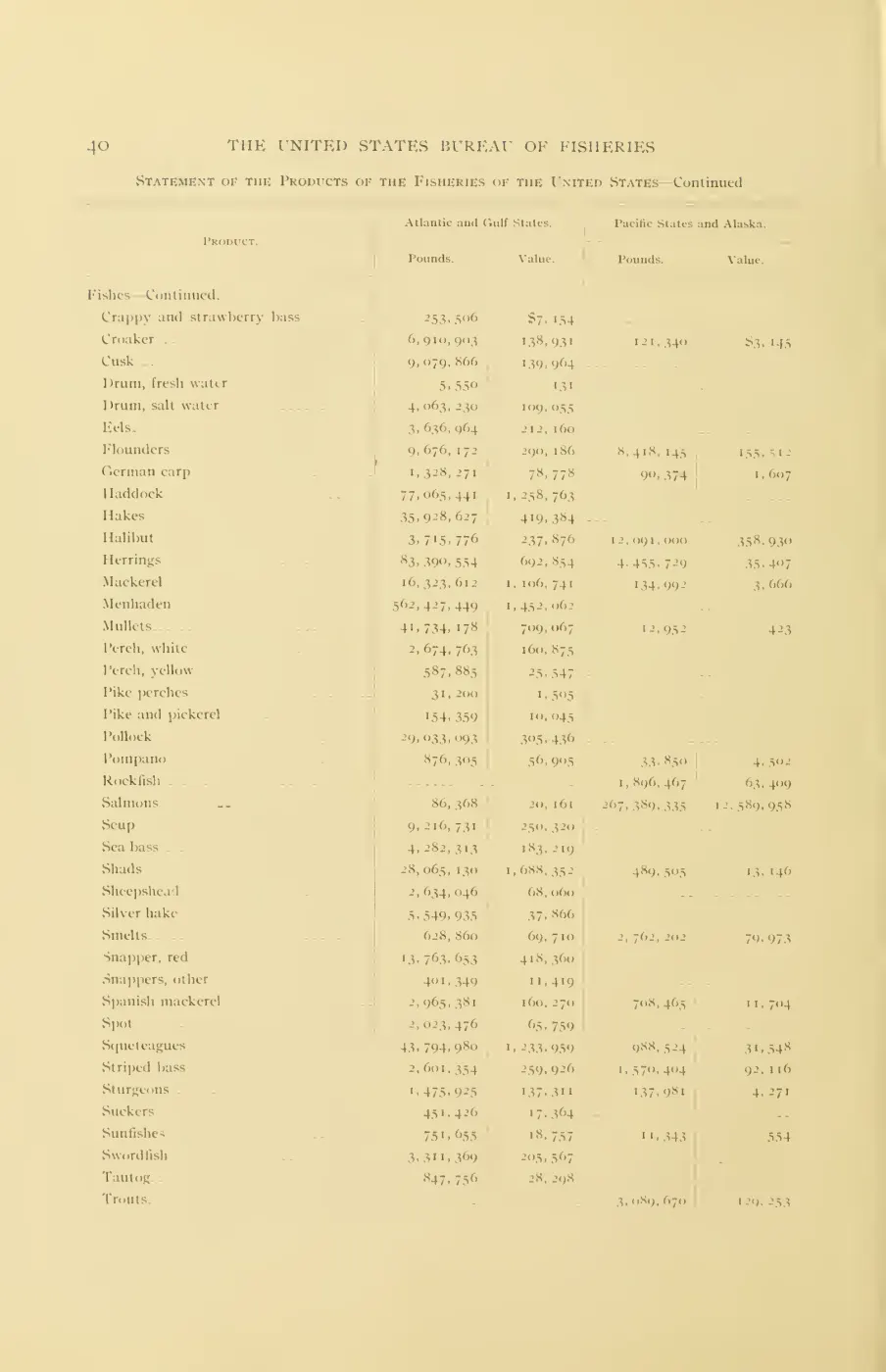
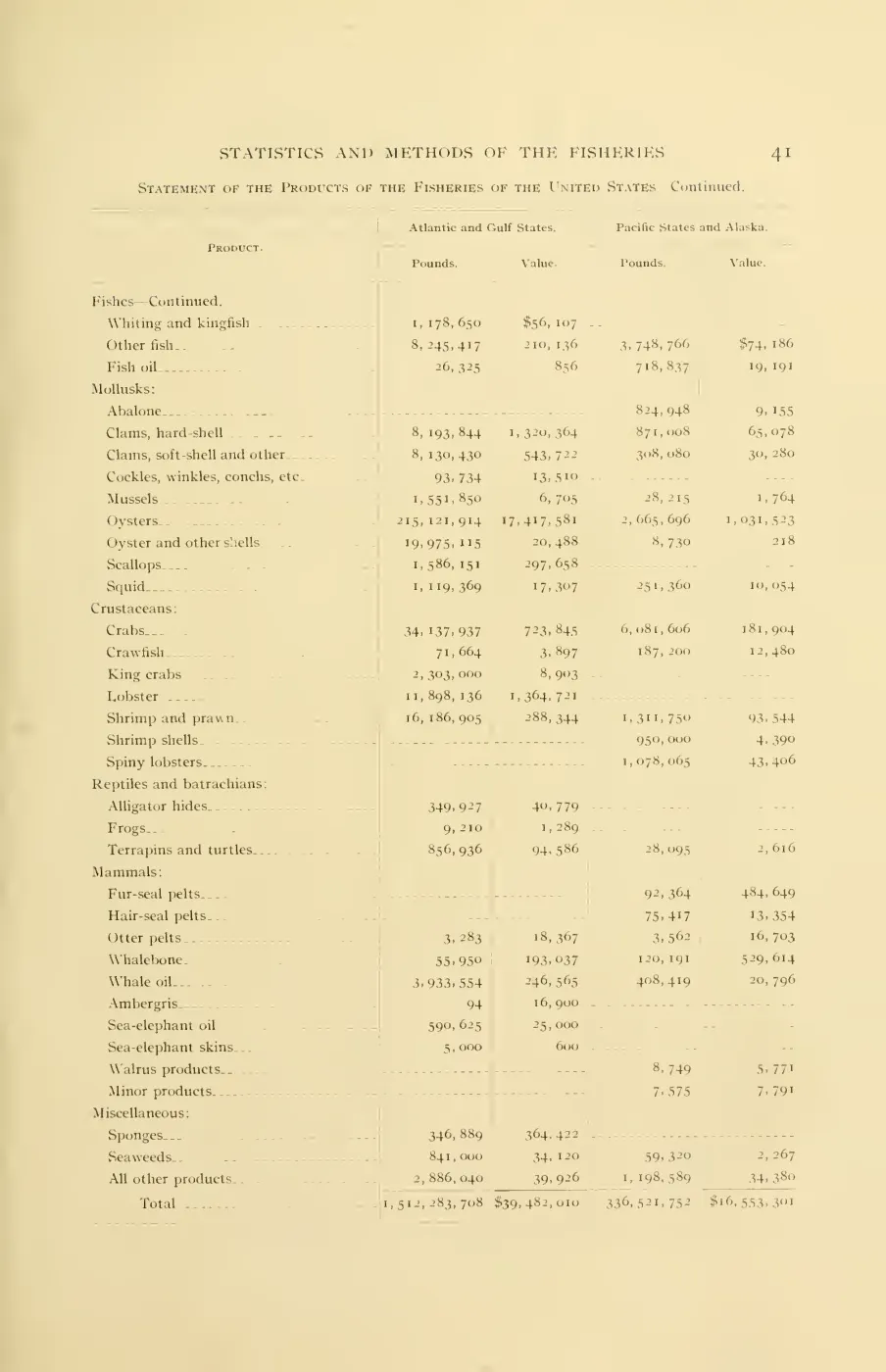
U.S. Bureau of Fisheries, The United States Bureau of Fisheries: Its Establishment, Functions, Organization, Resources, Operations, and Achievements (1908), p. 19. ↩
Read the document
393 pages, rendered from the held scan.

Jump to a page — 393 in all







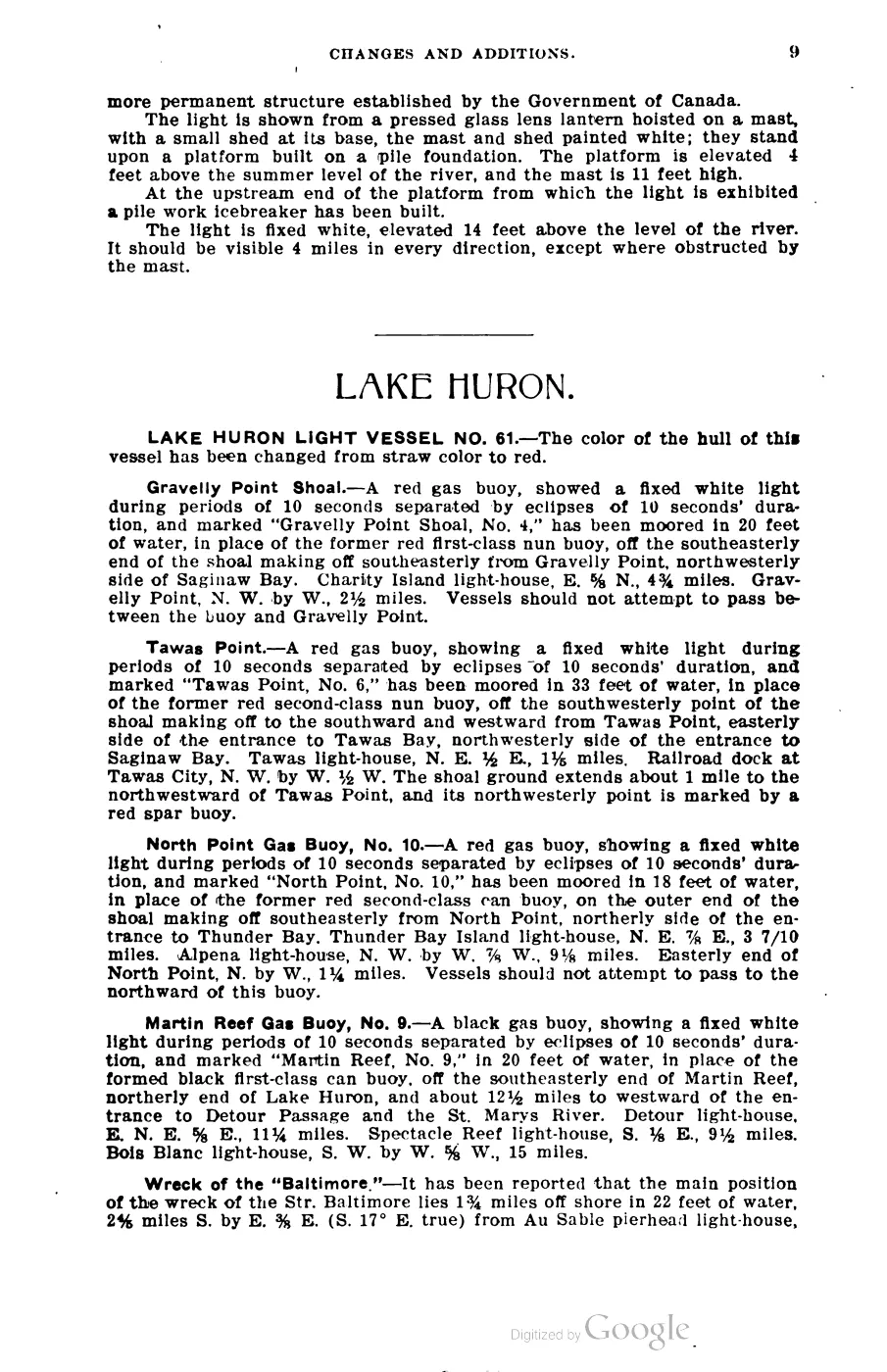
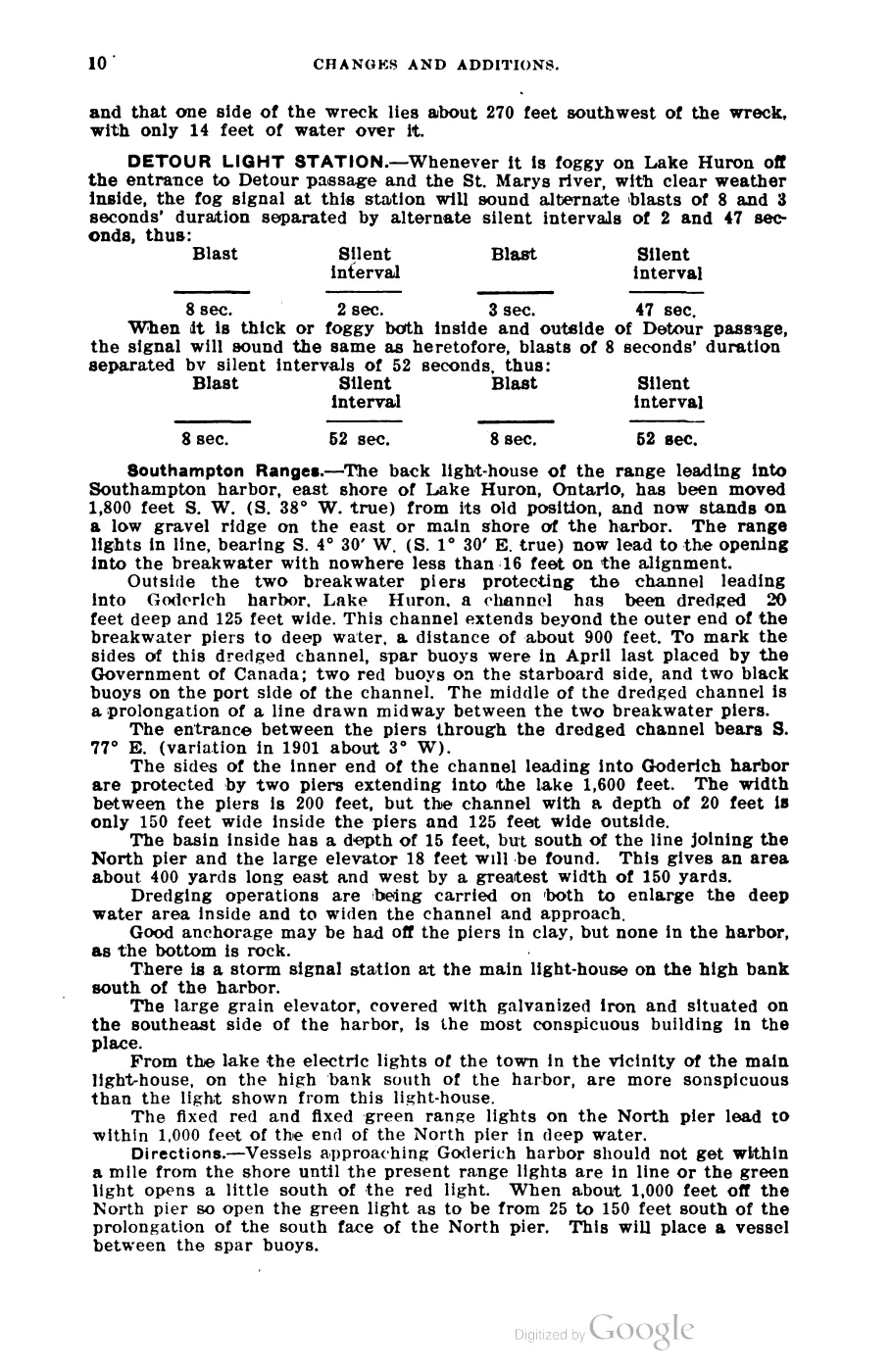
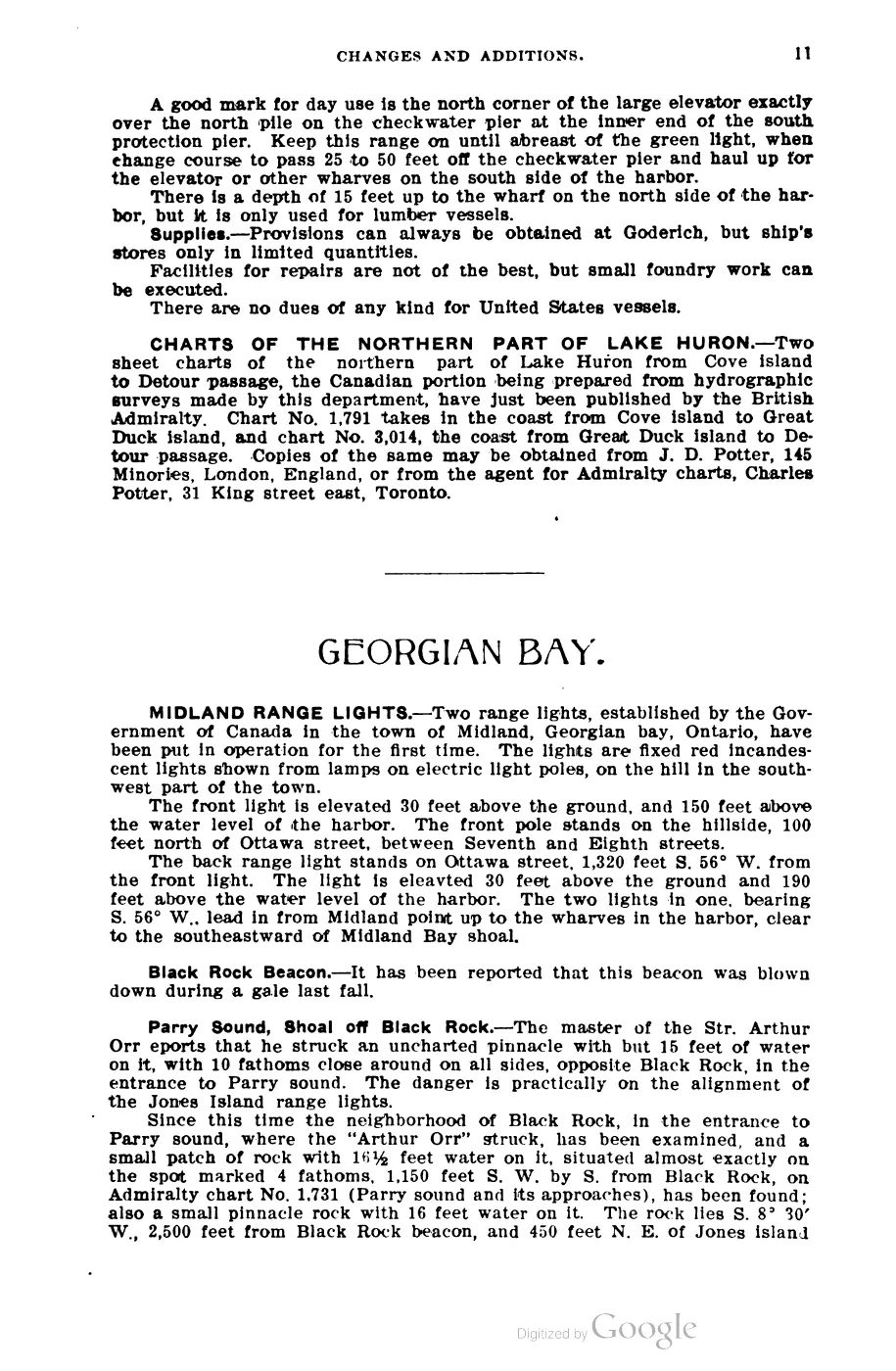
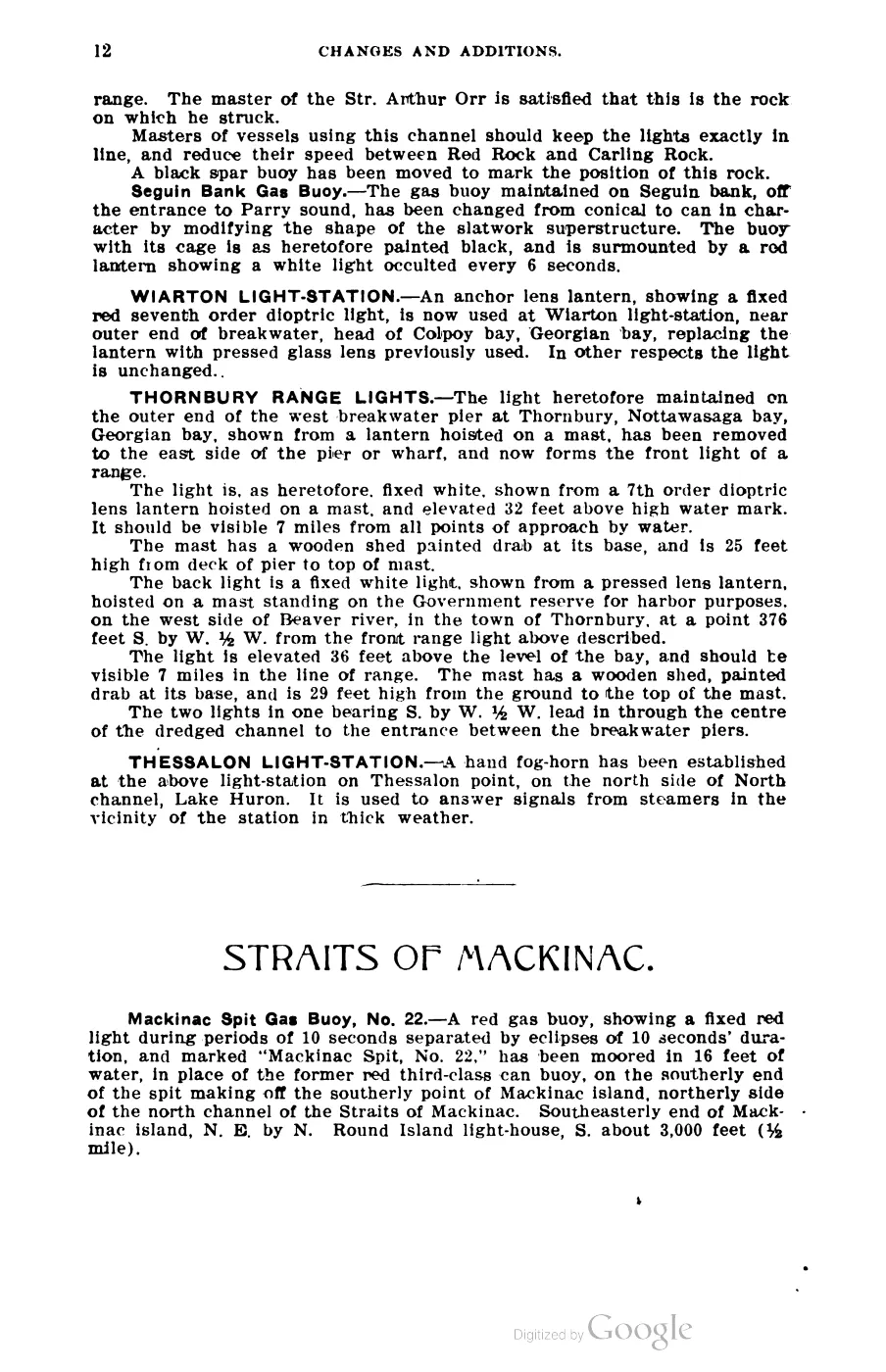

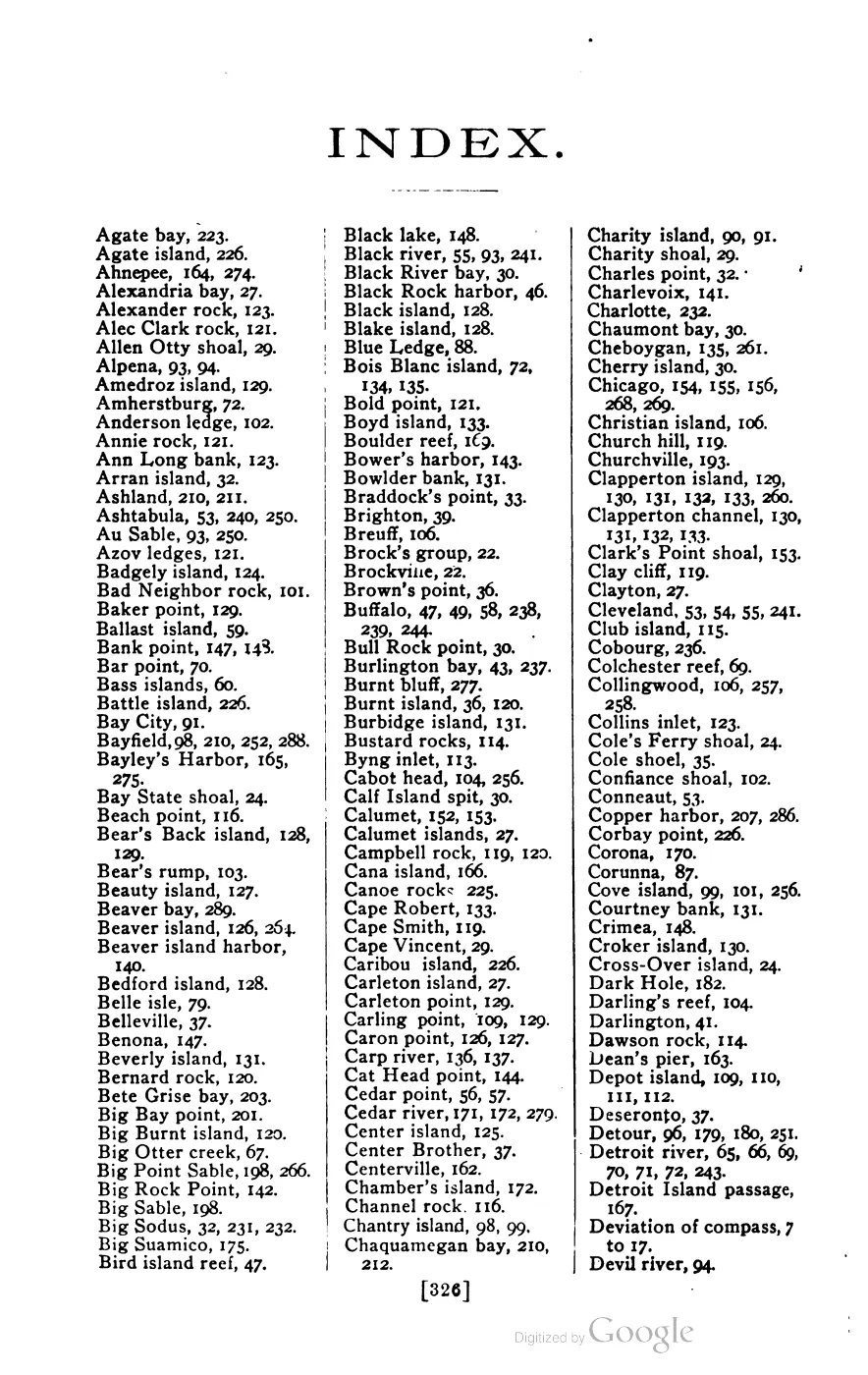
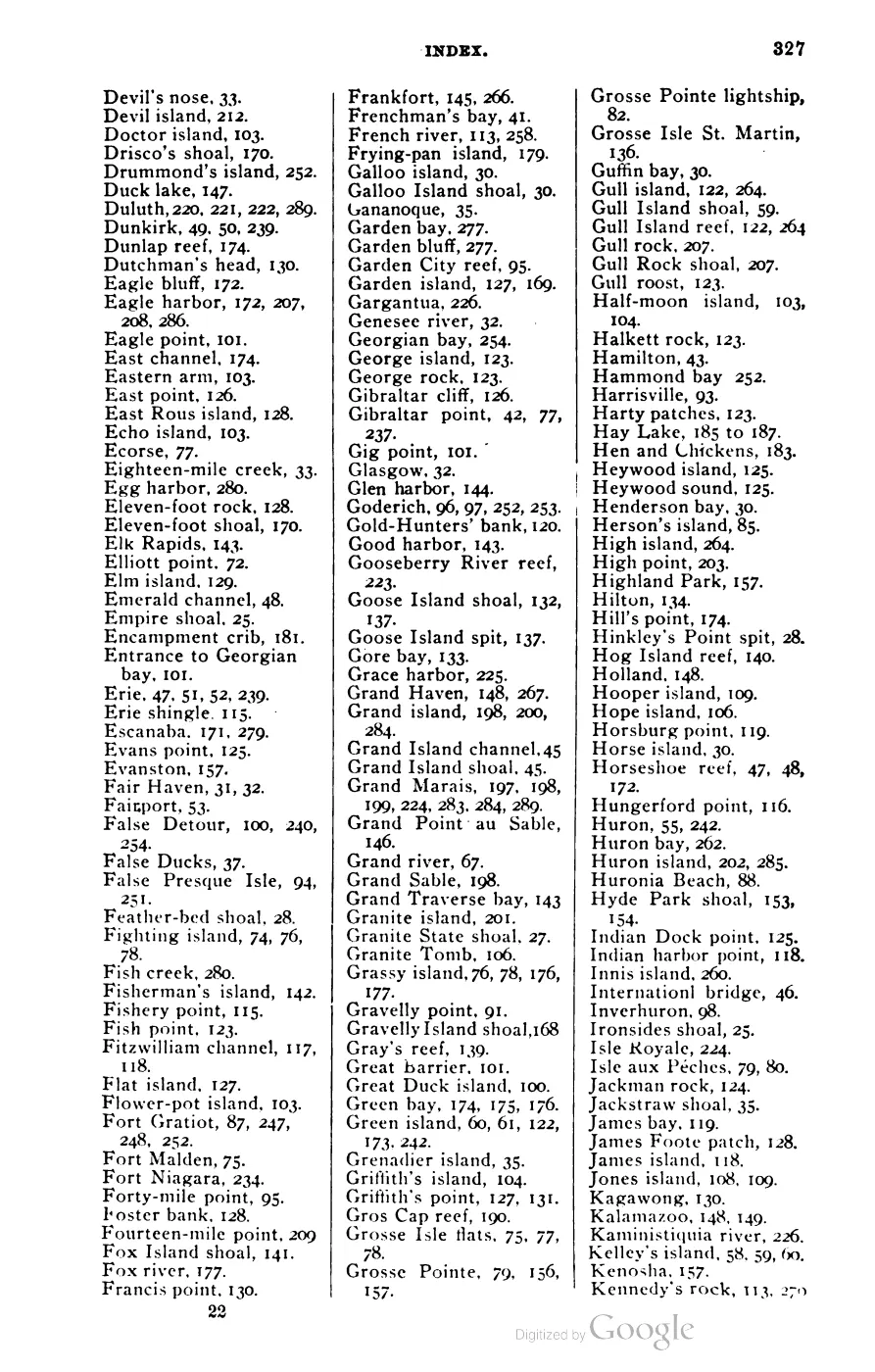
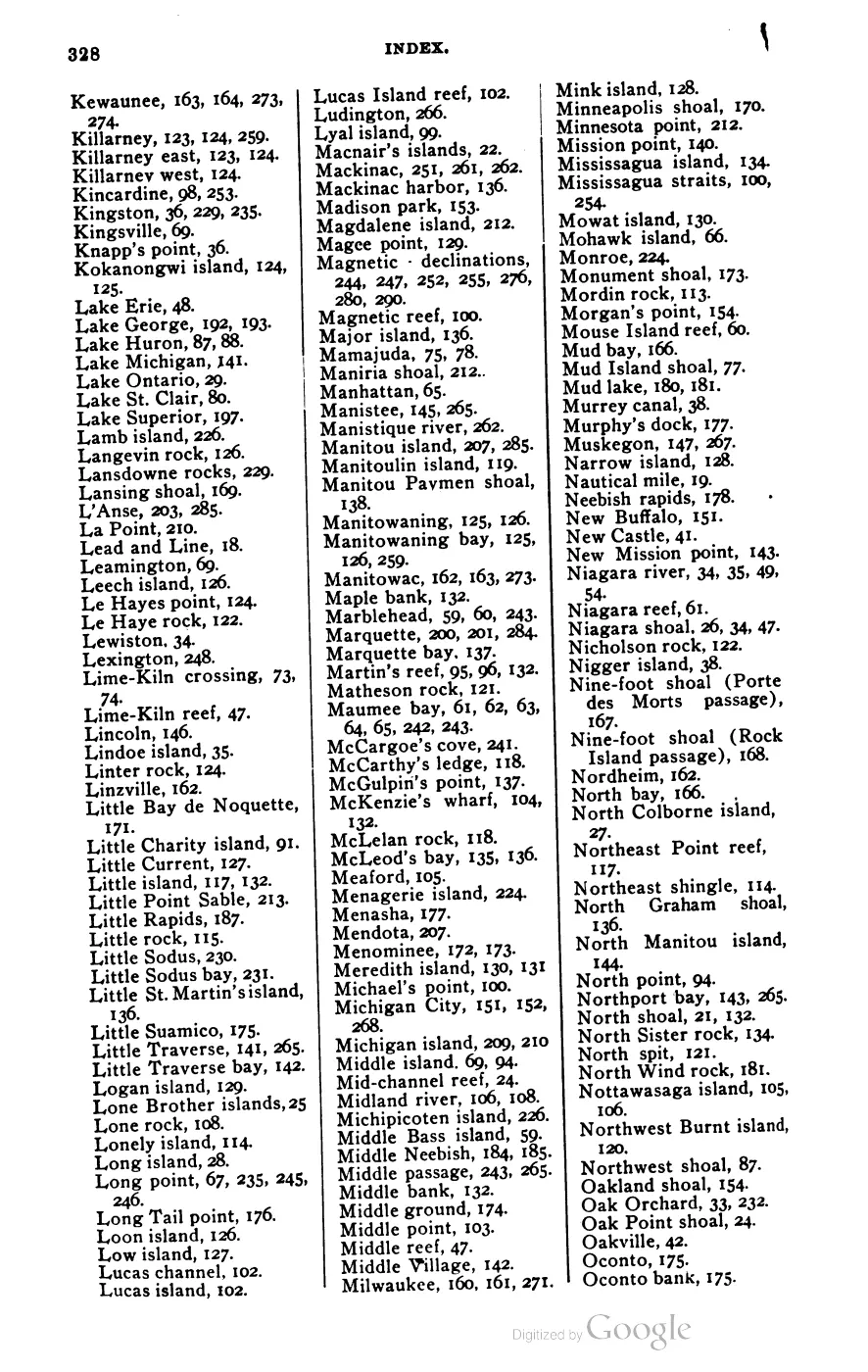
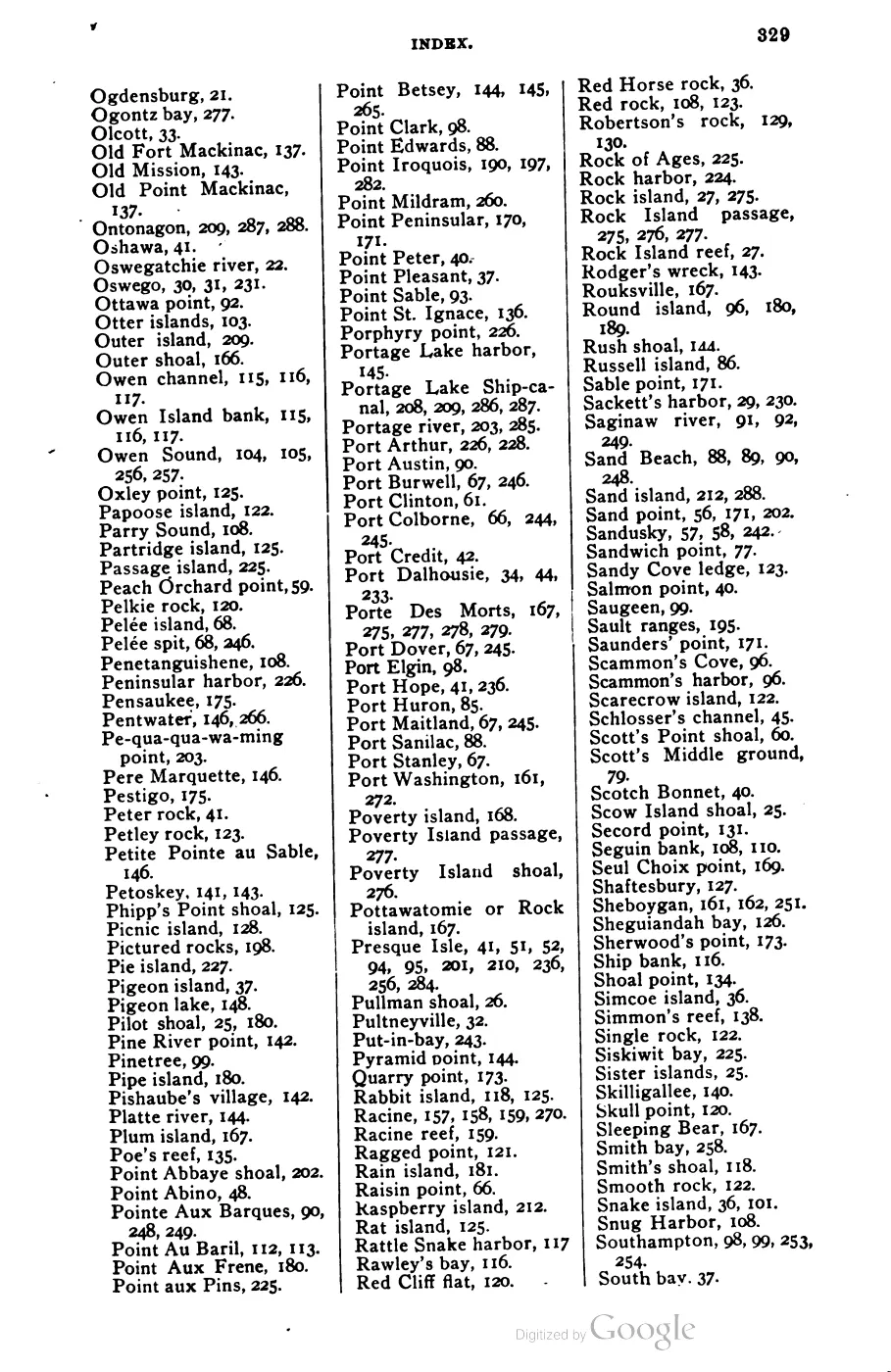






135 of 393 pages linked here — every page to 32, then every 4th, then the last 16. With JavaScript, every page.
Read the document
654 pages, rendered from the held scan.

Jump to a page — 654 in all








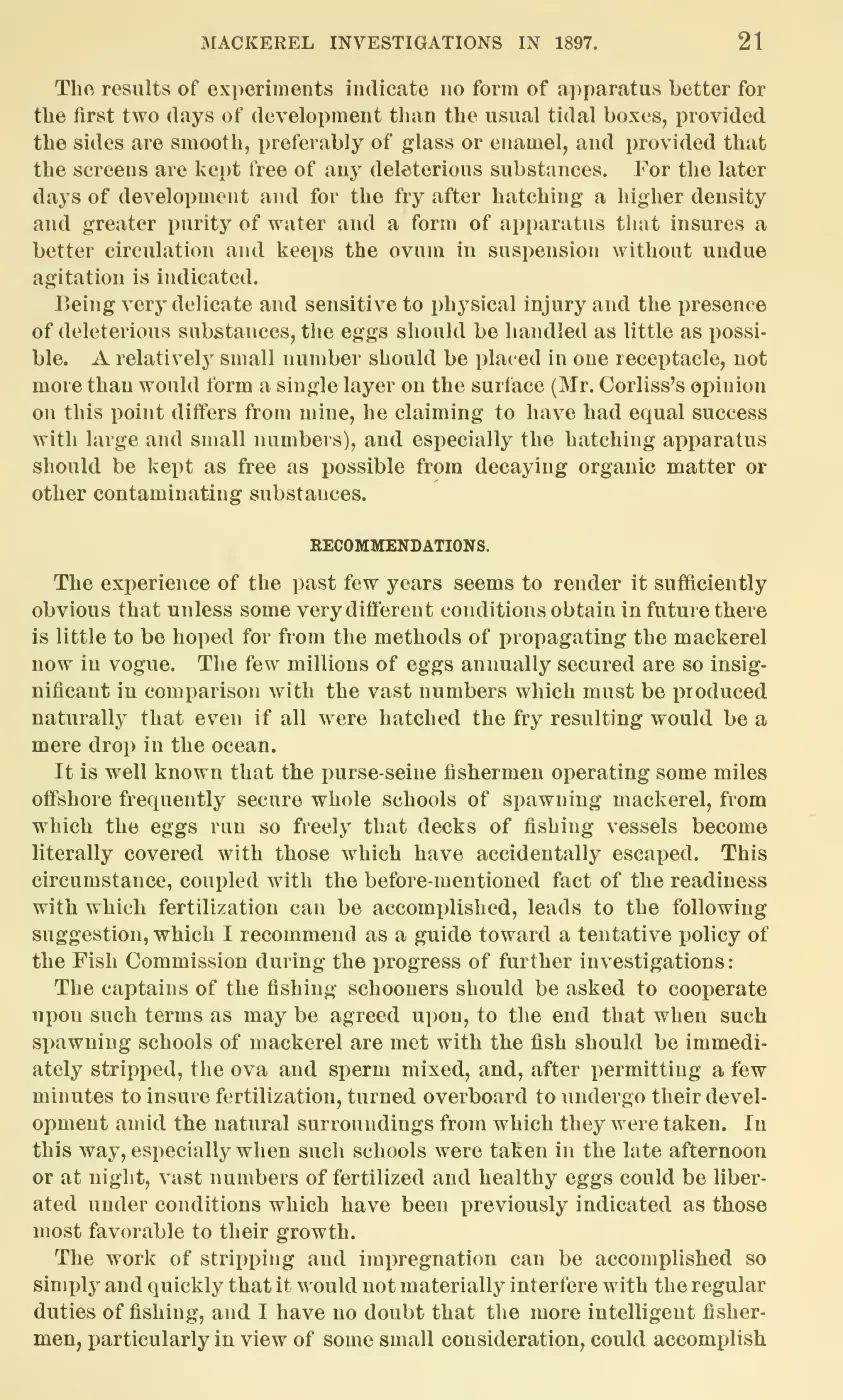

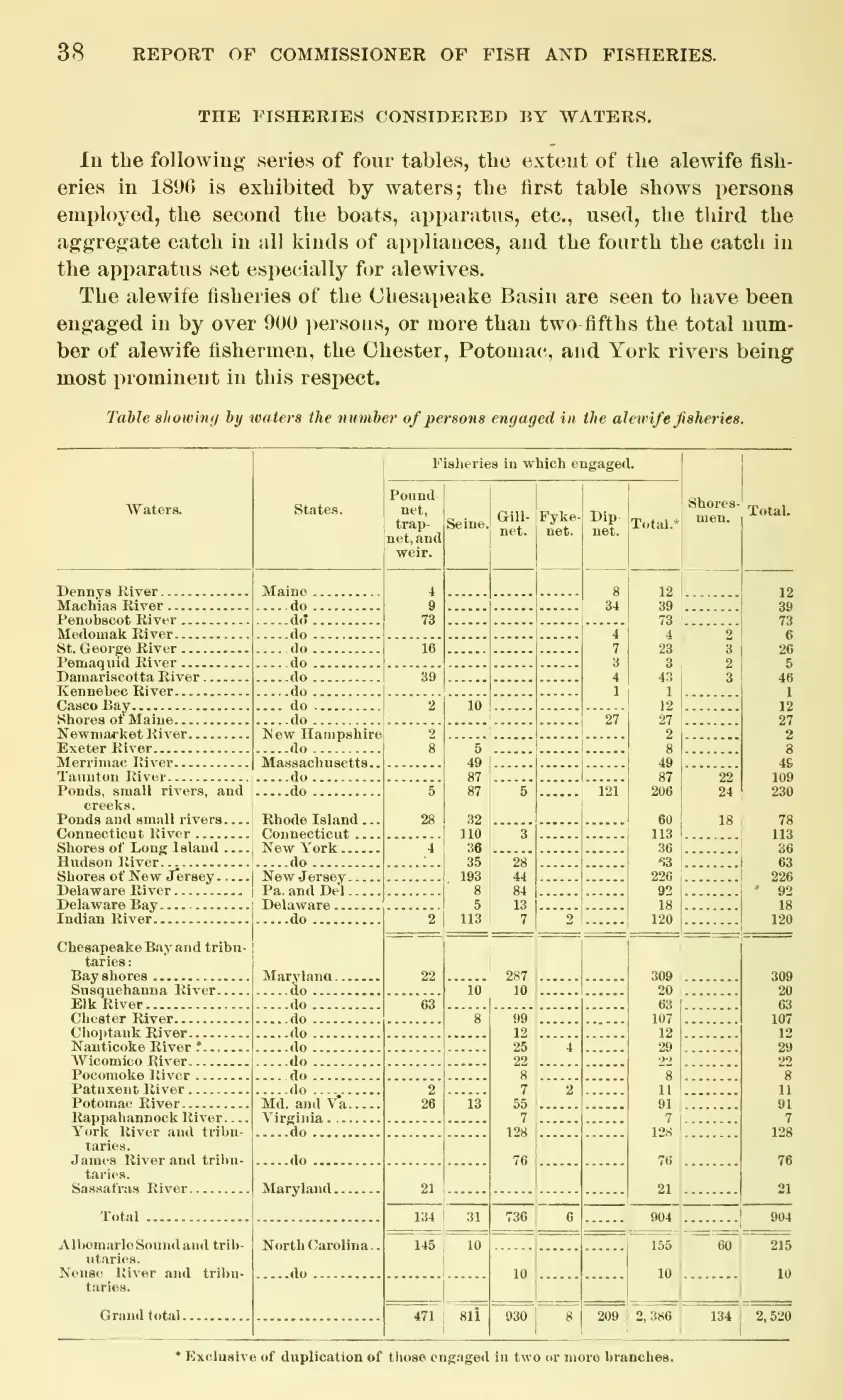
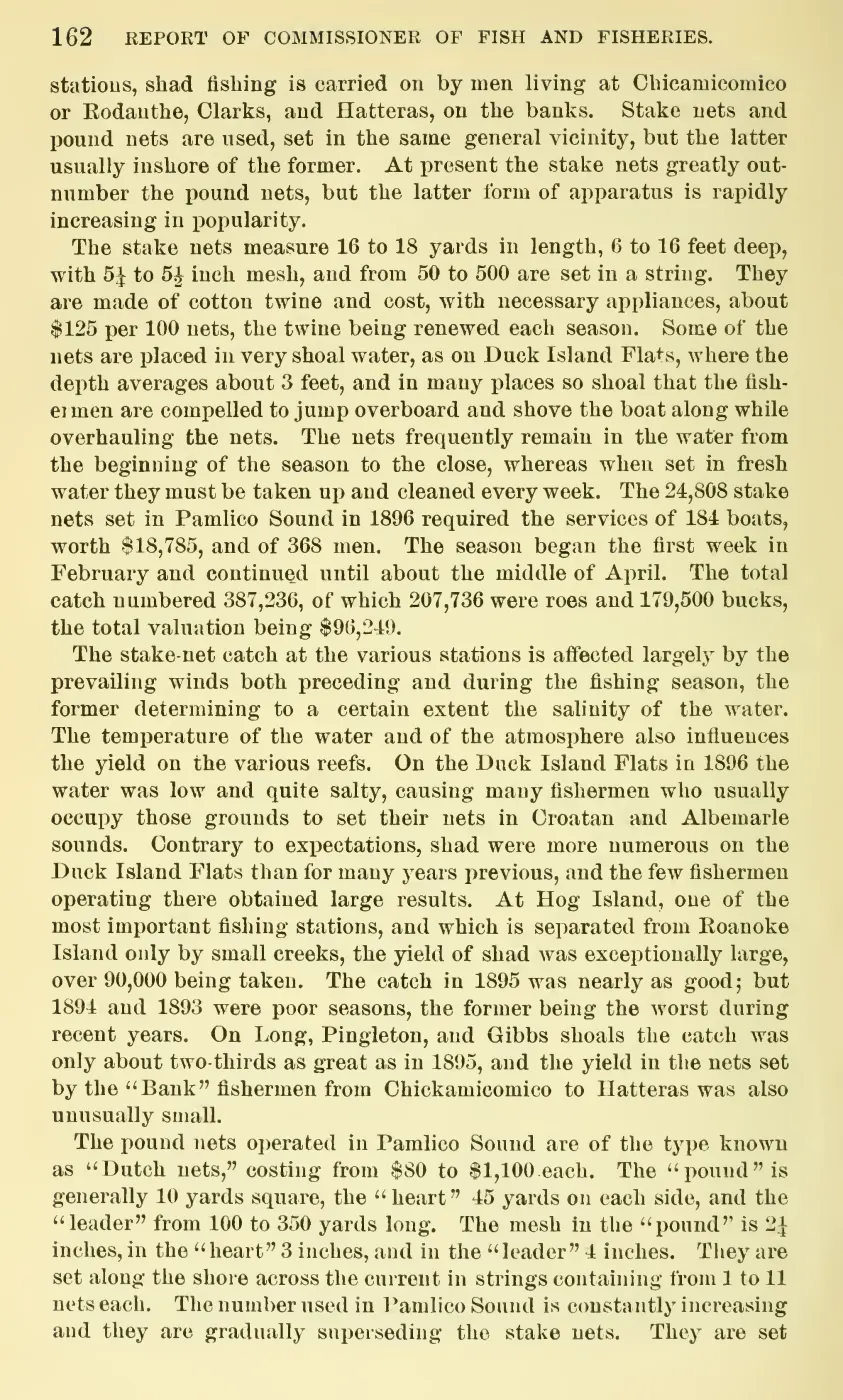
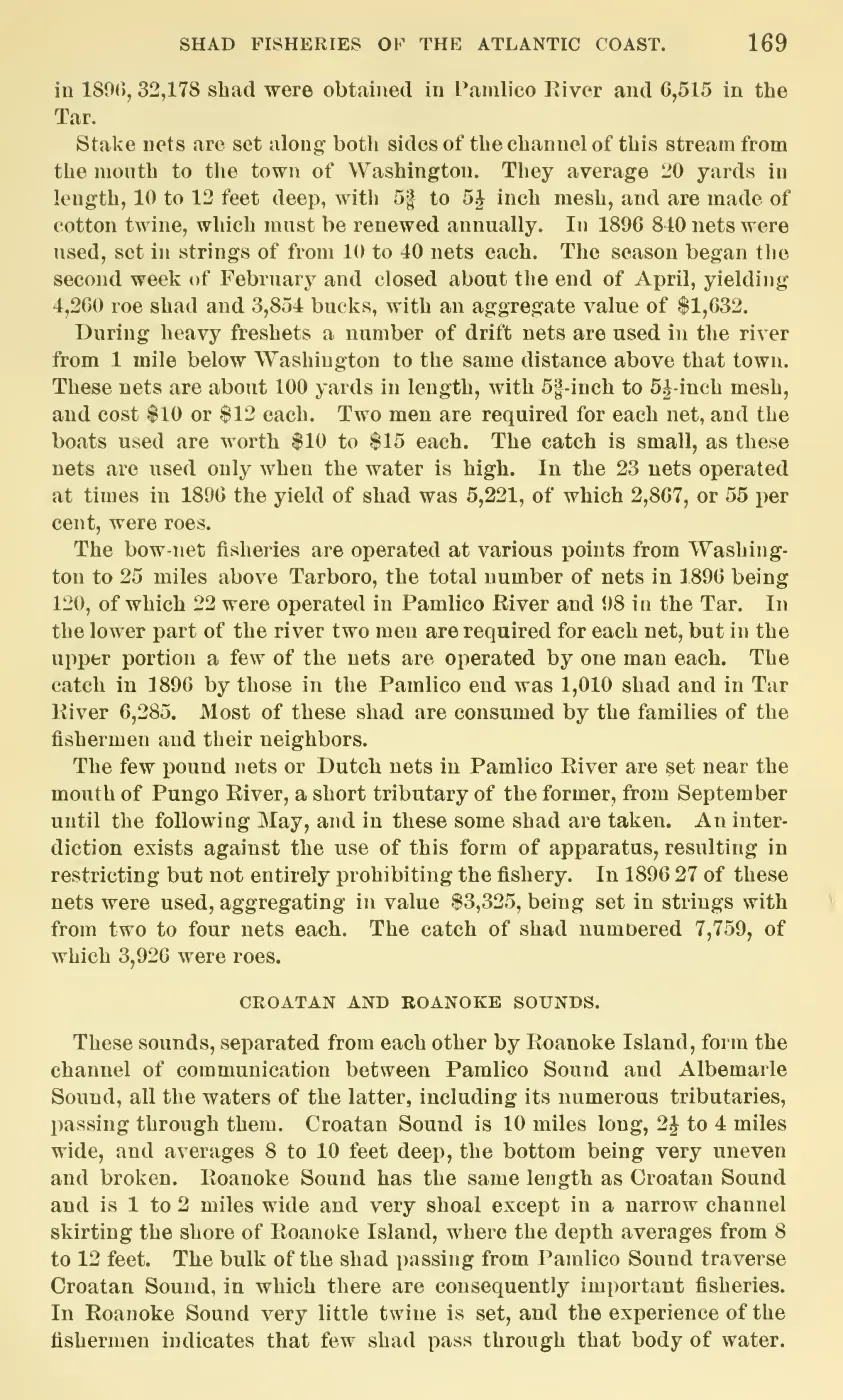
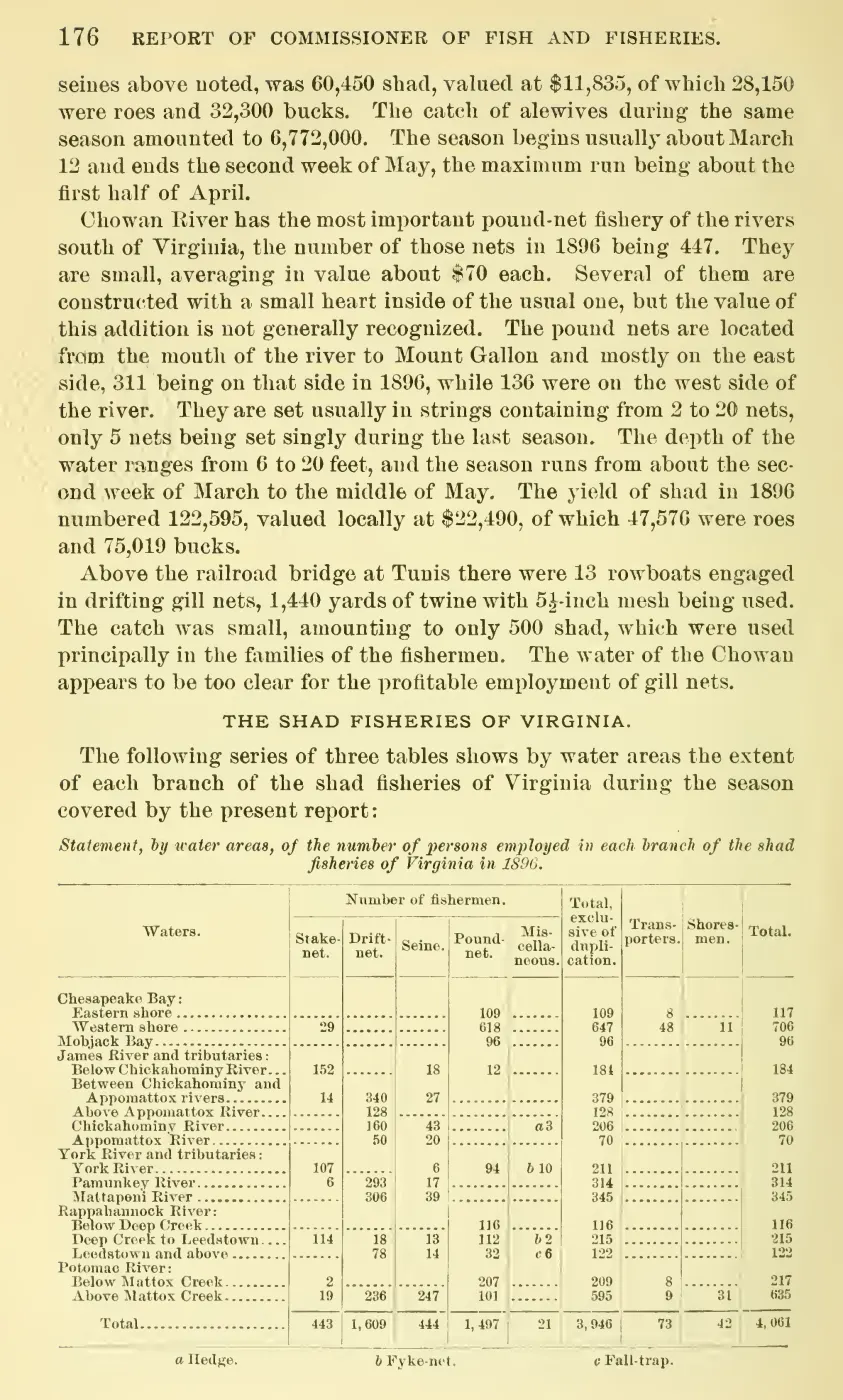
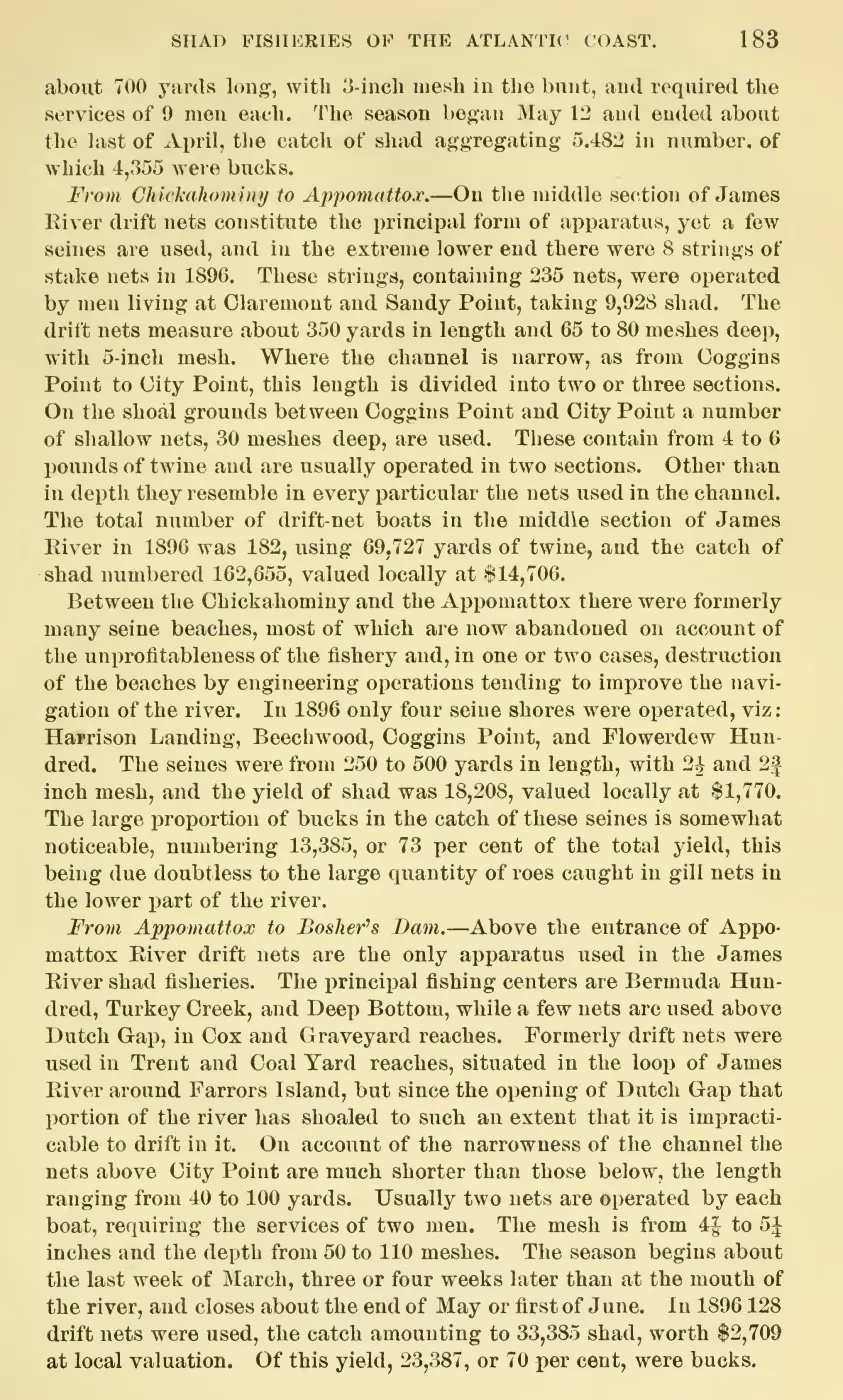
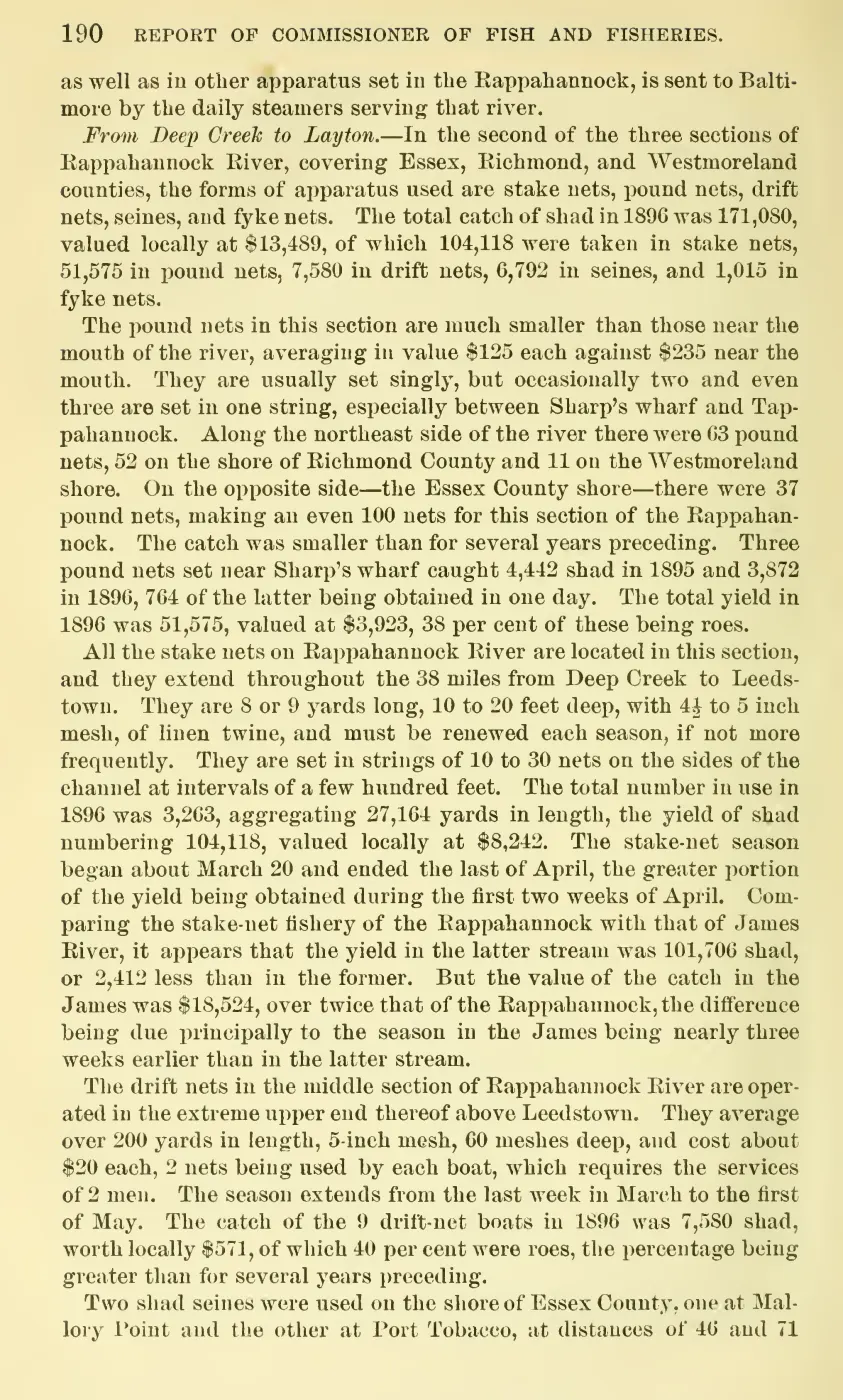
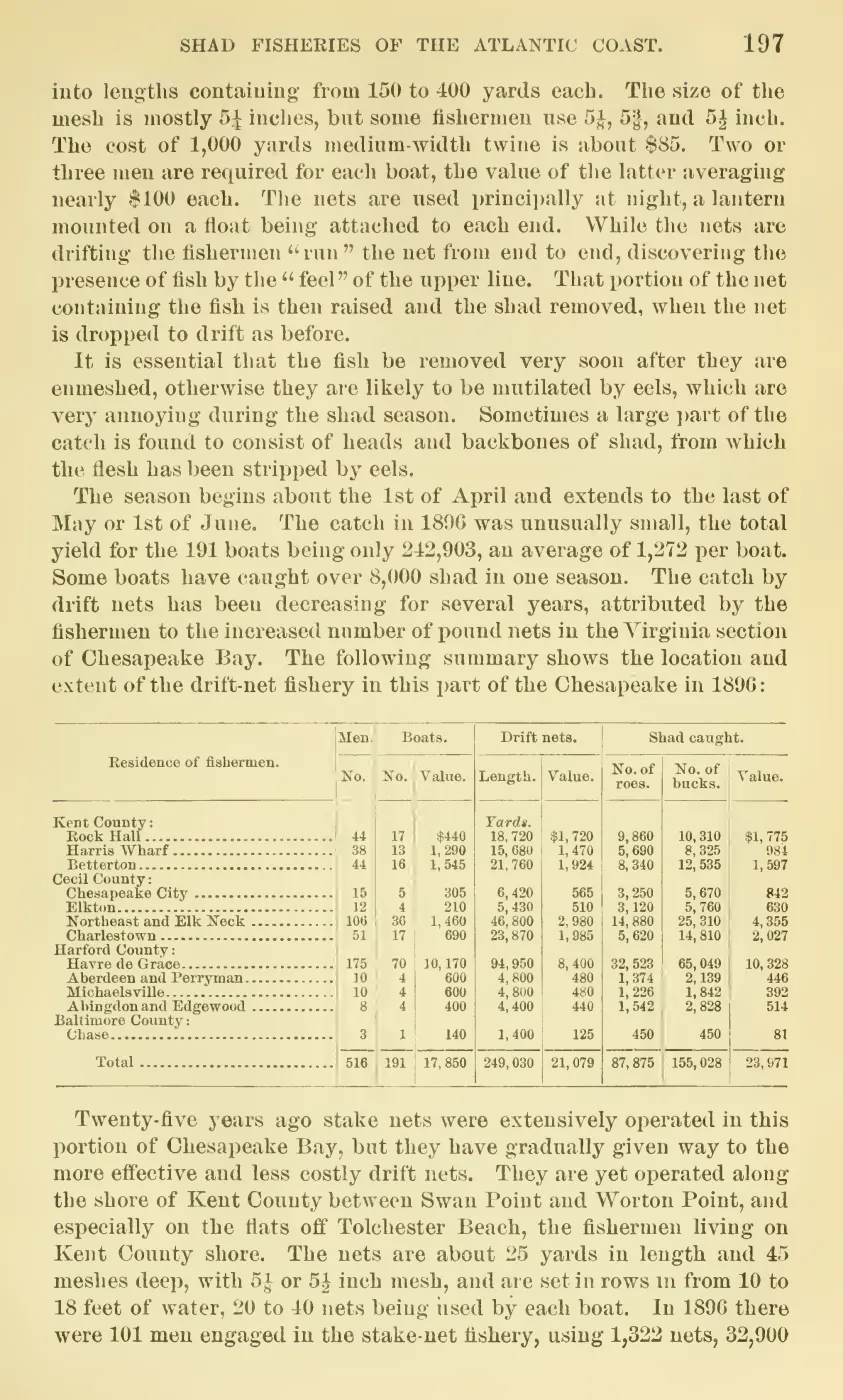
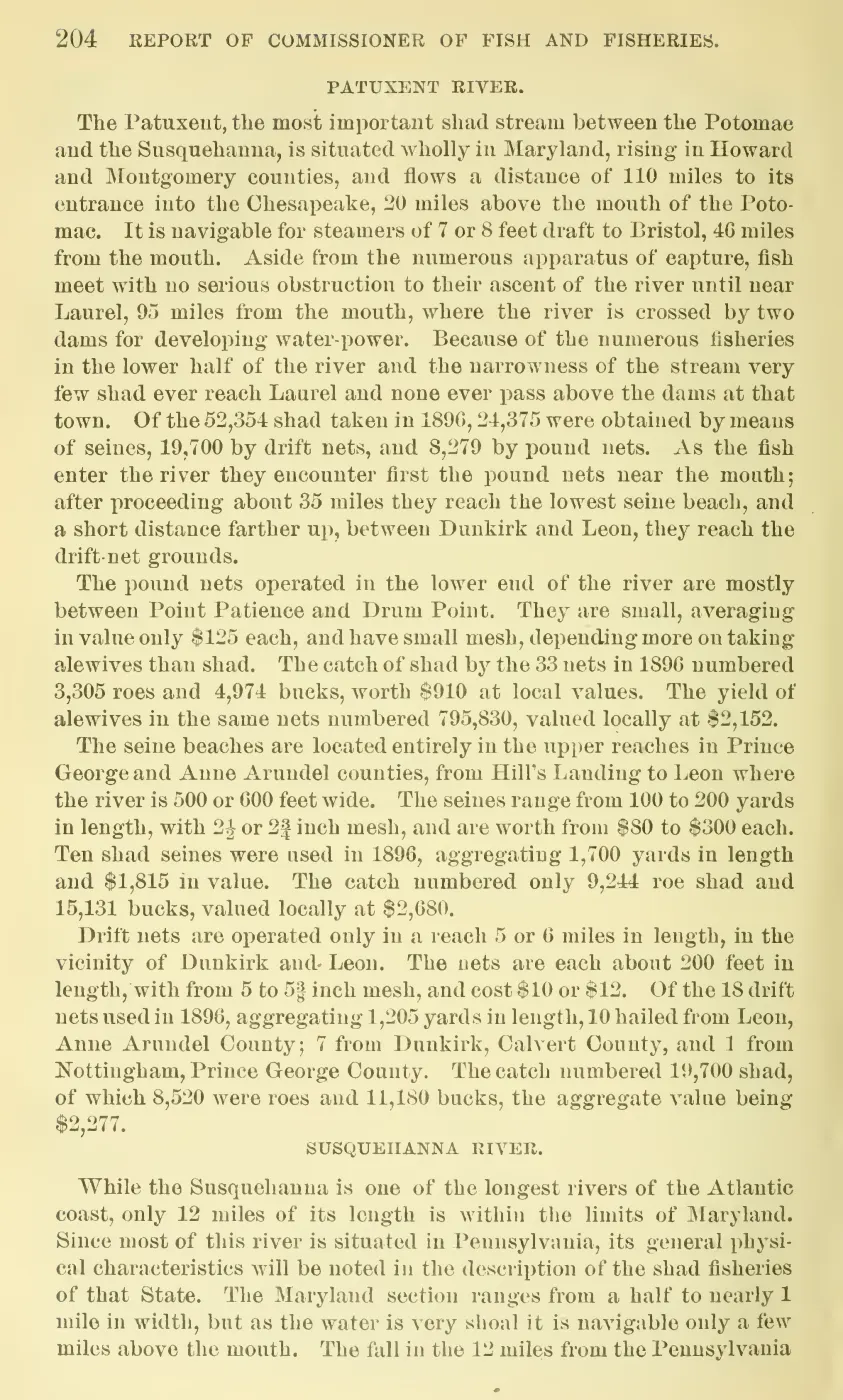
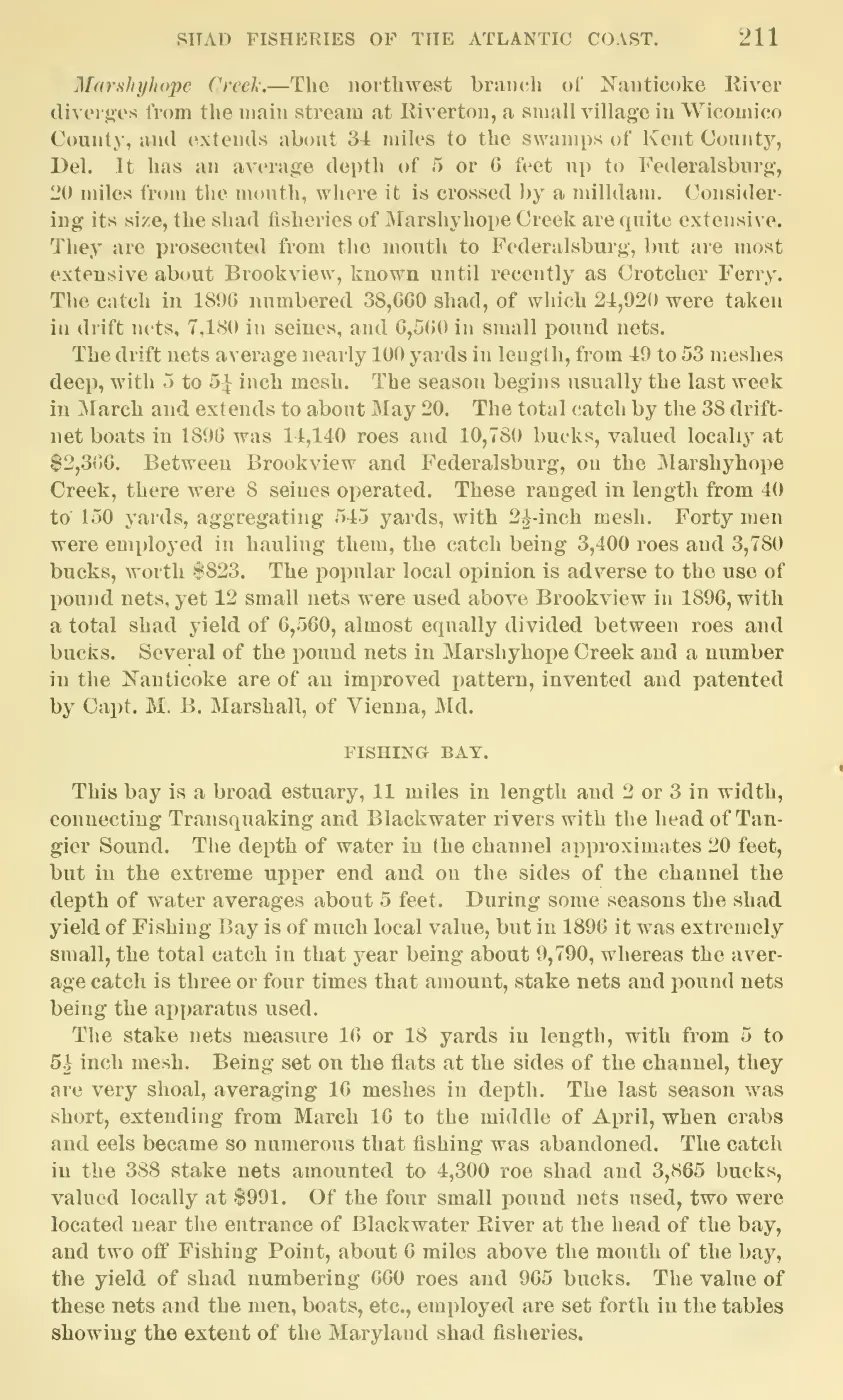
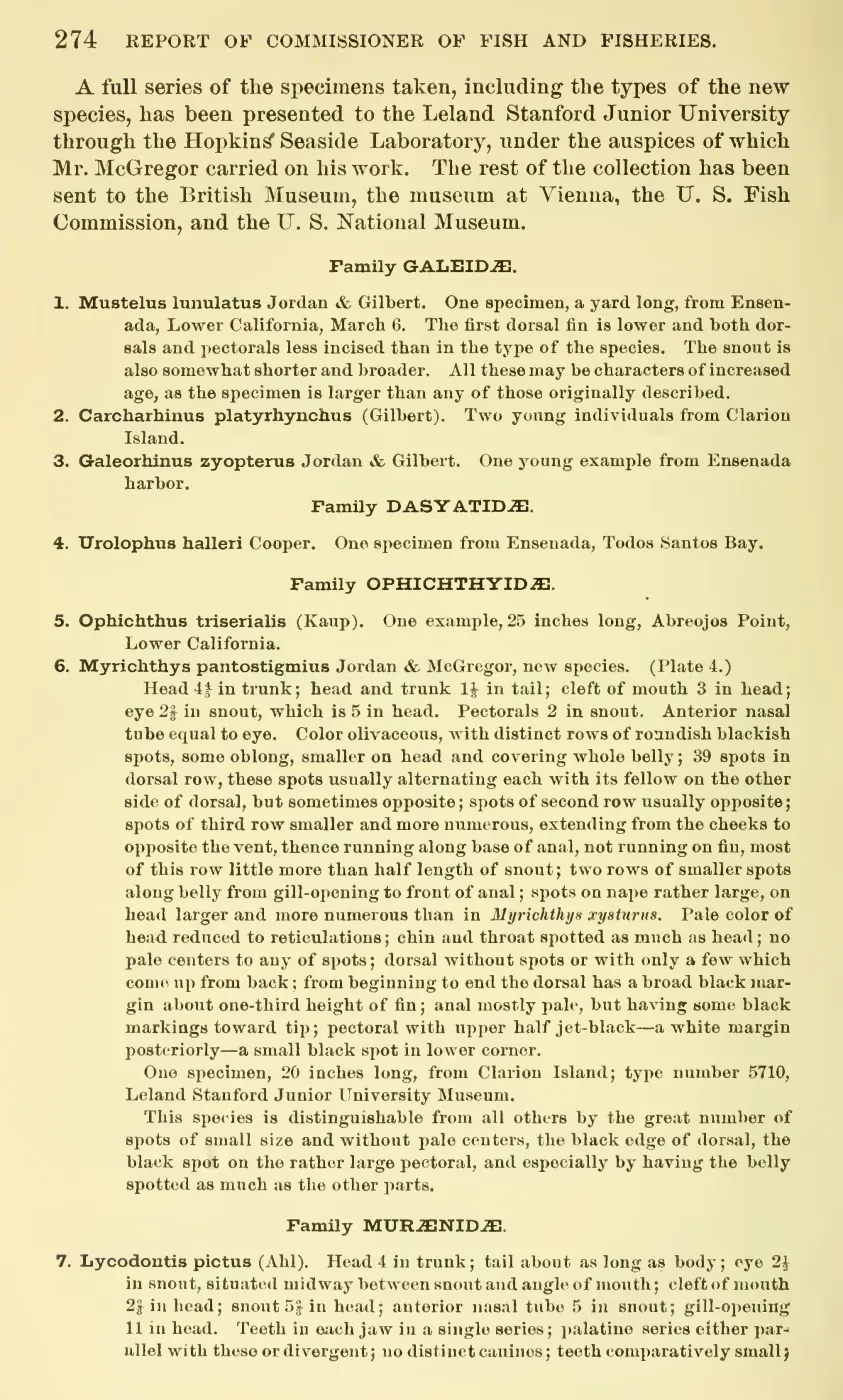
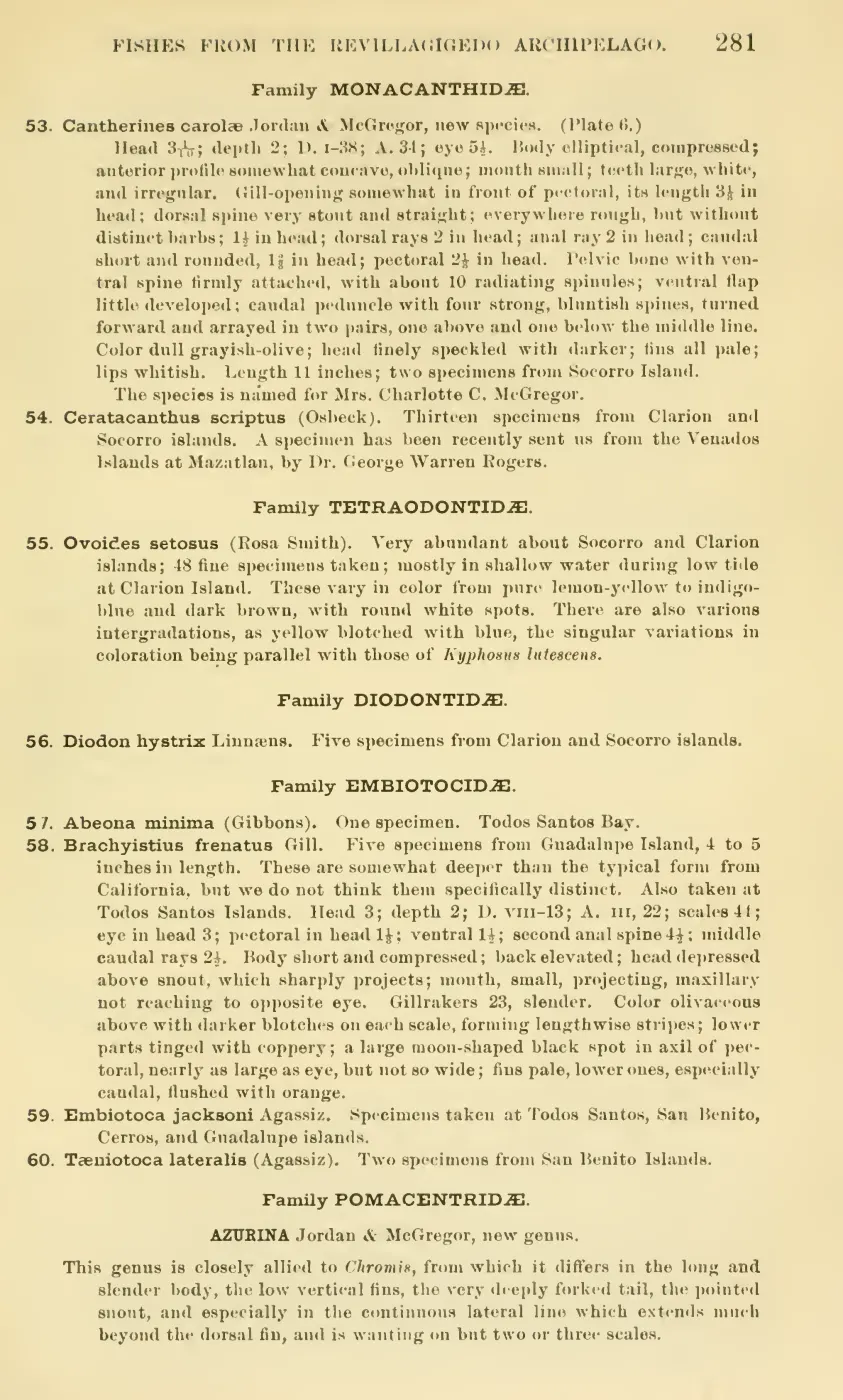

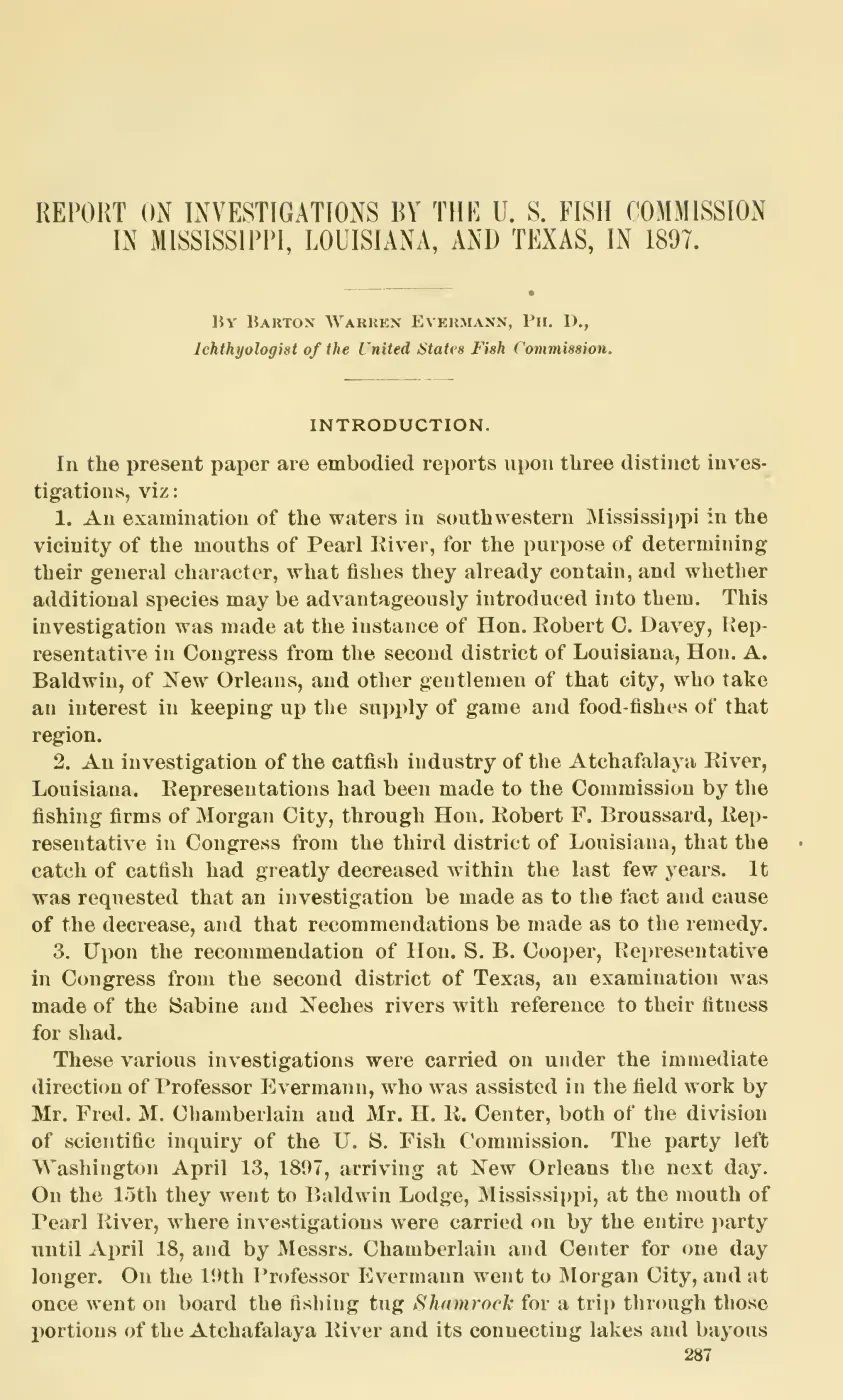
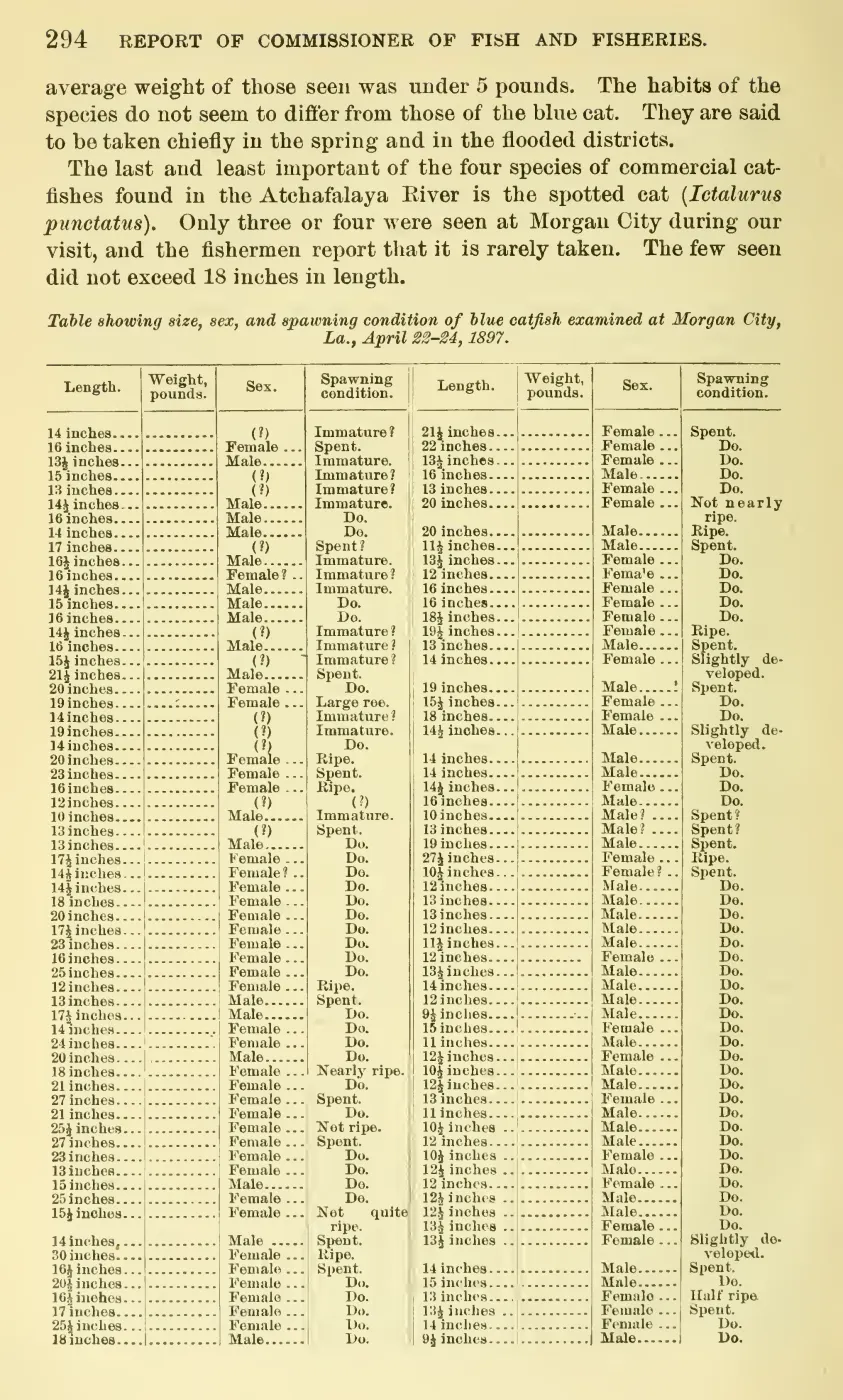












135 of 654 pages linked here — every page to 32, then every 7th, then the last 16. With JavaScript, every page.
Read the document
698 pages, rendered from the held scan.

Jump to a page — 698 in all
















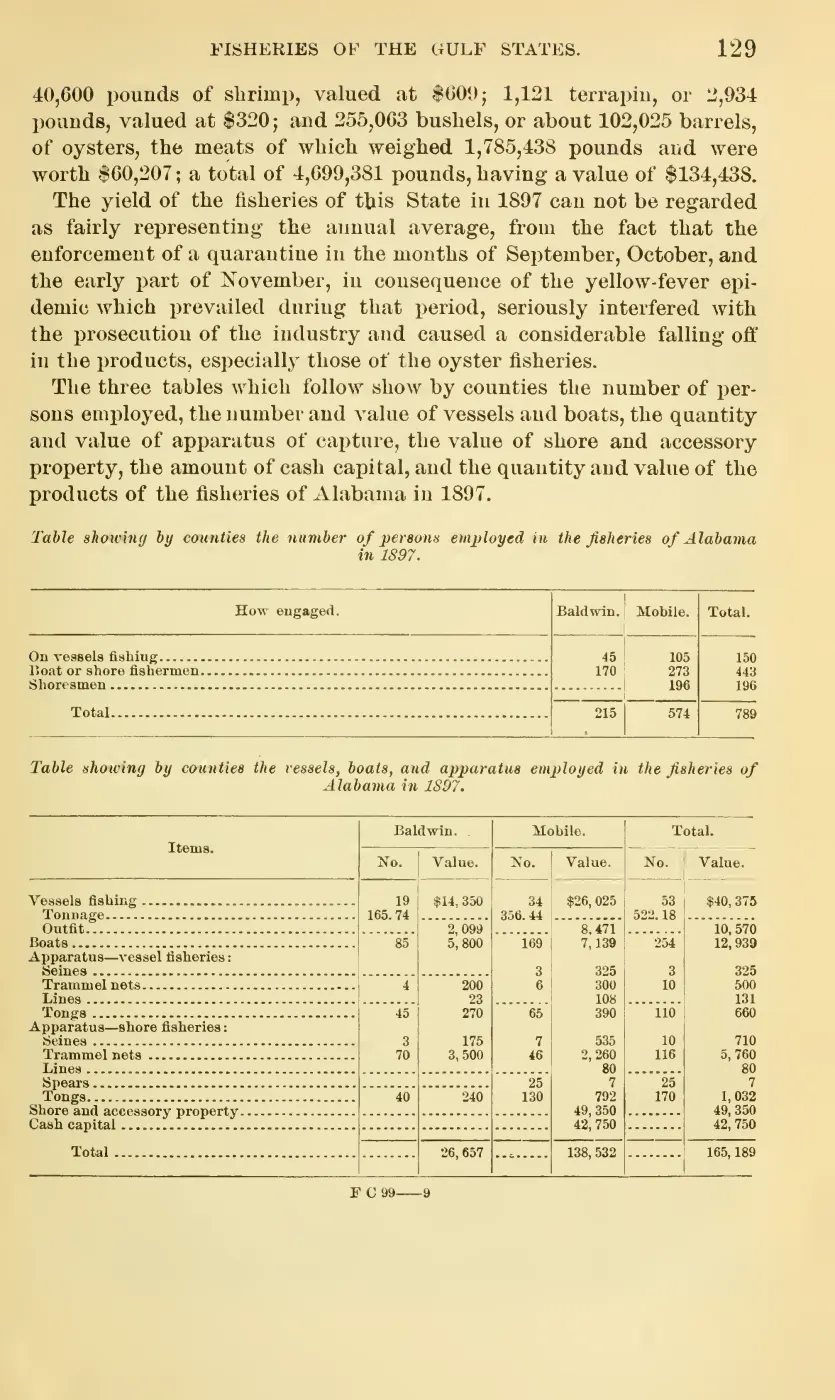
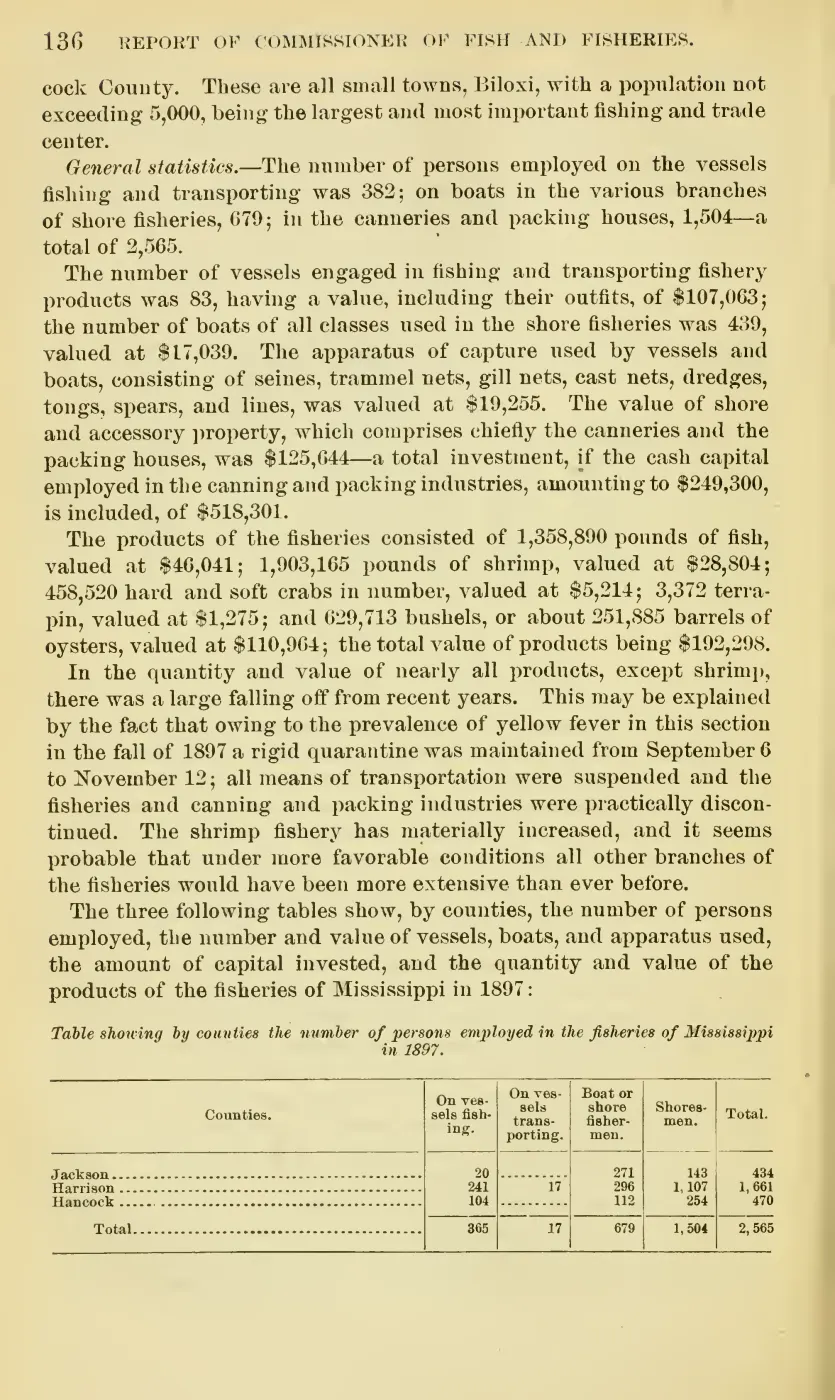
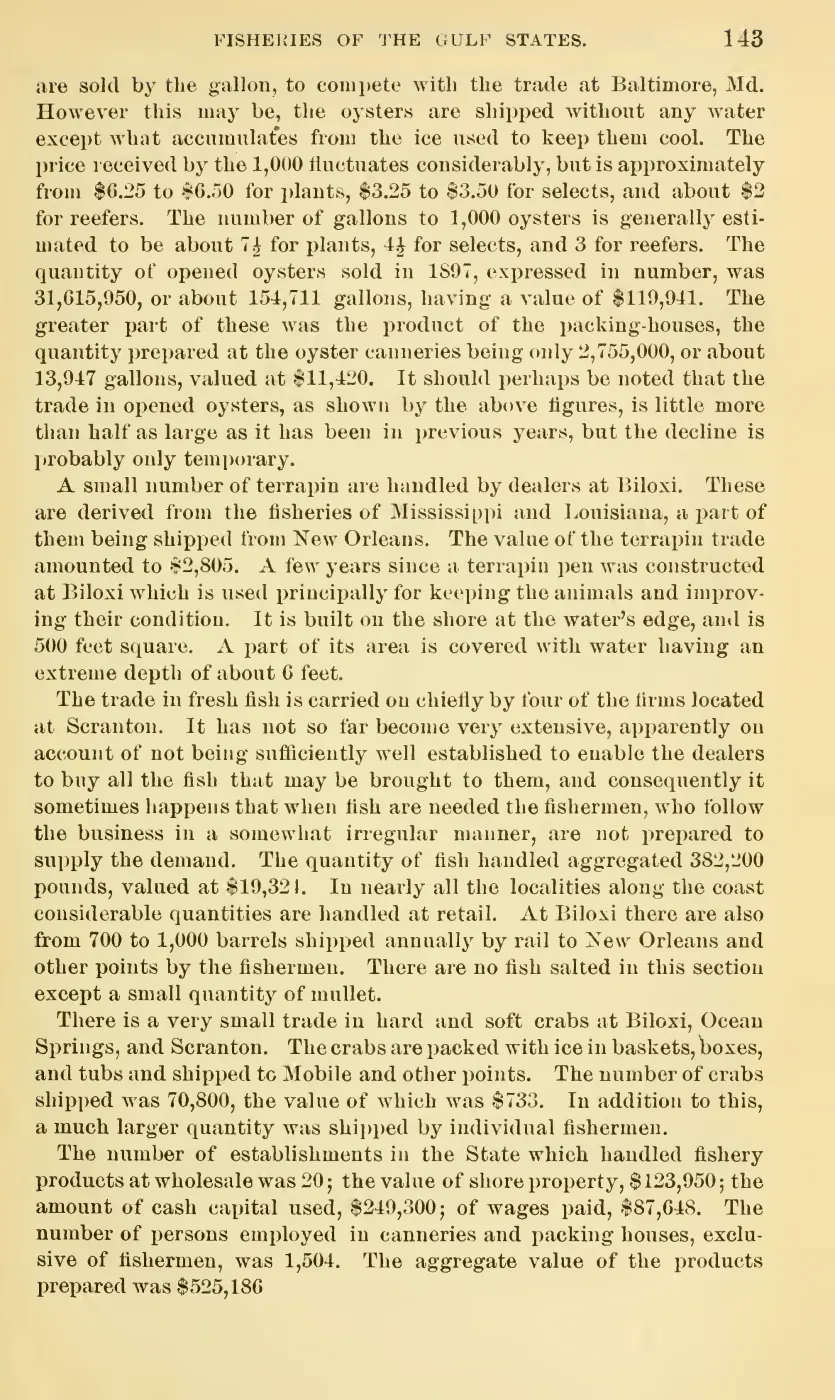
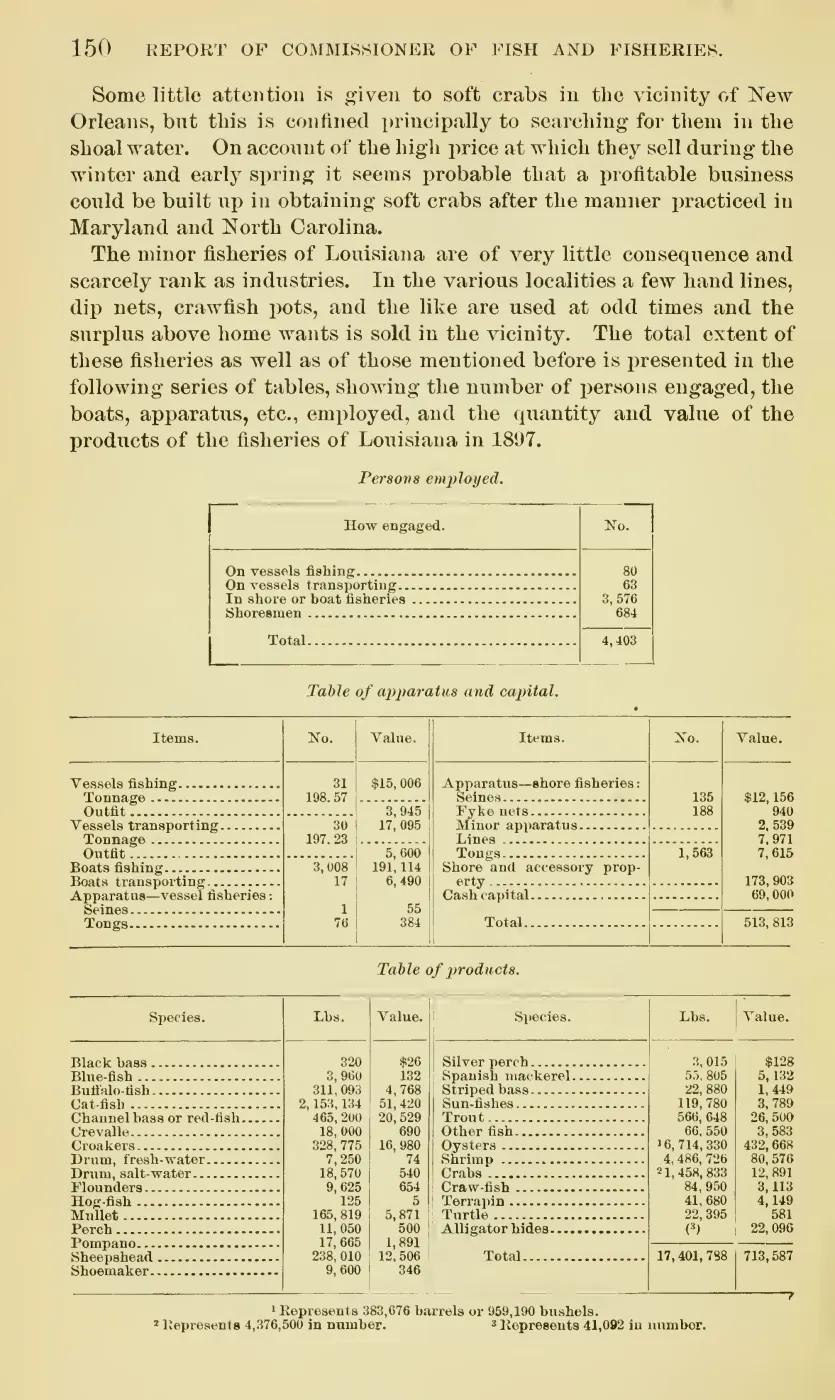
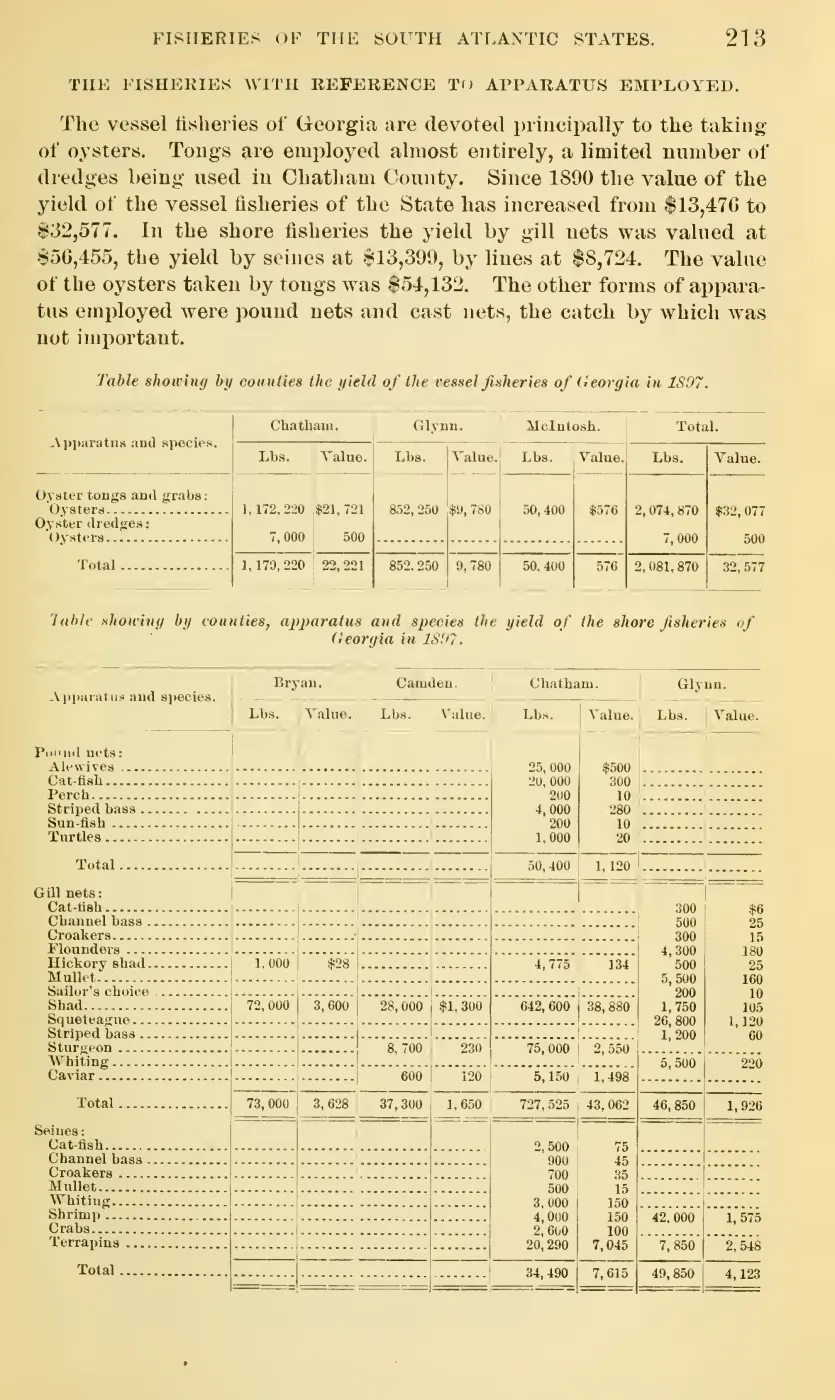
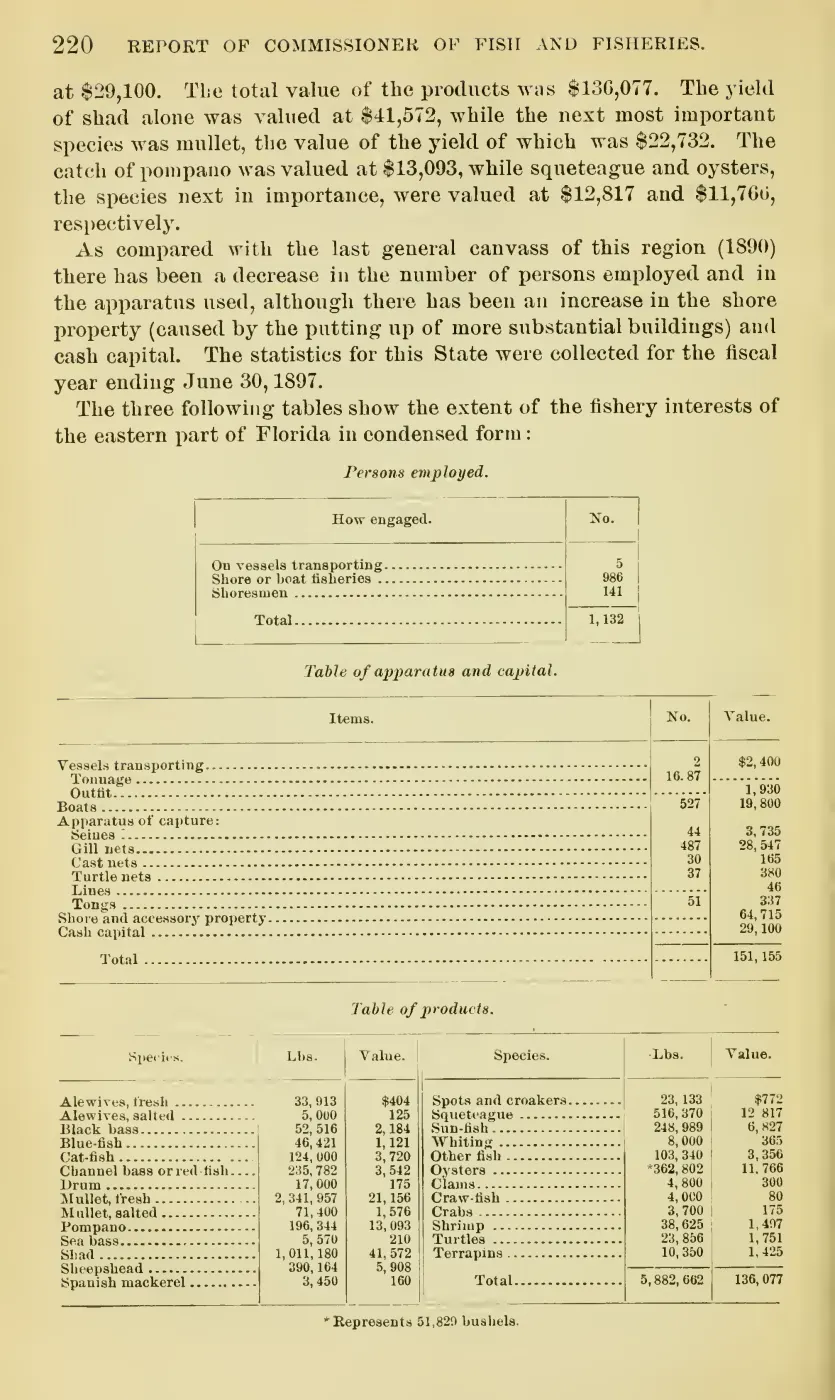
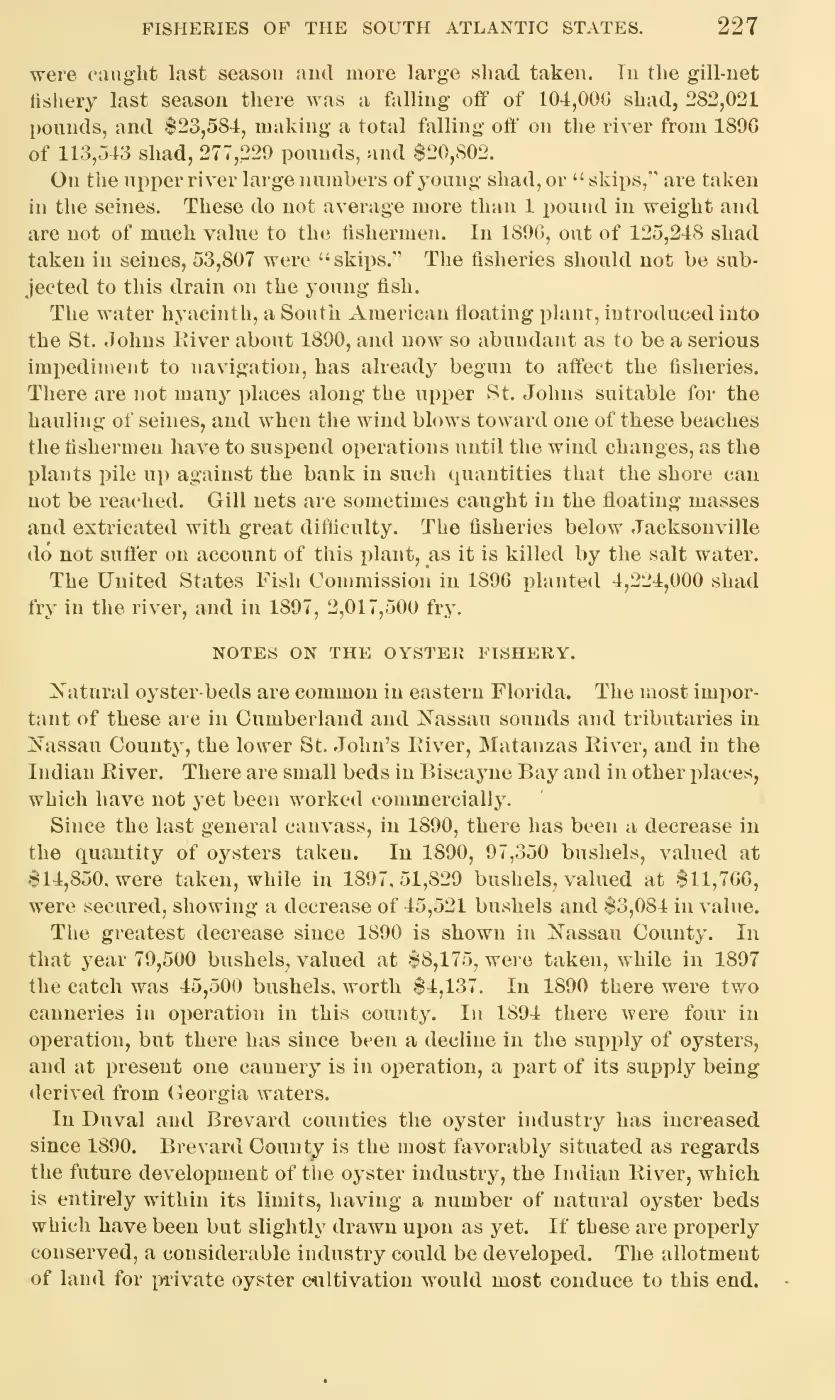
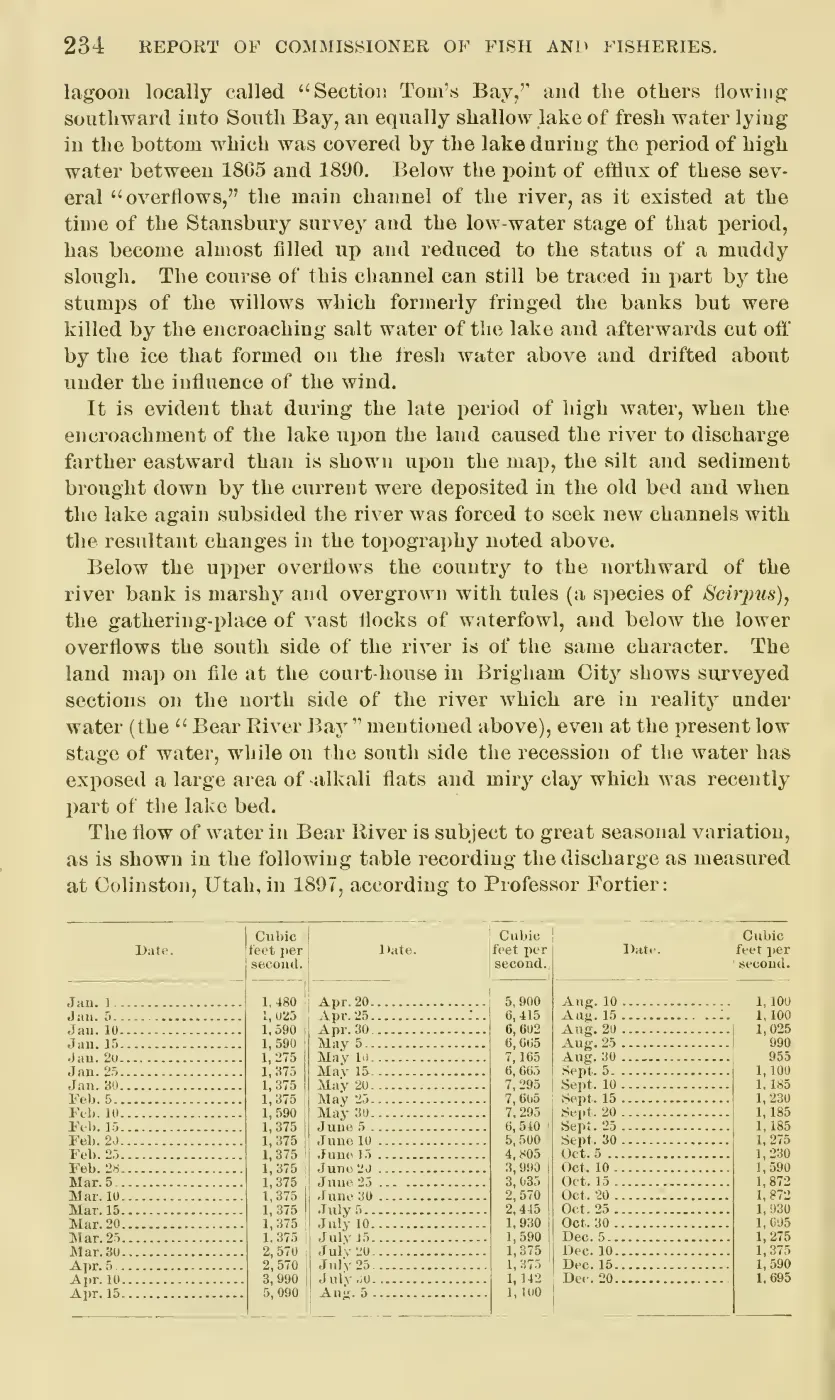
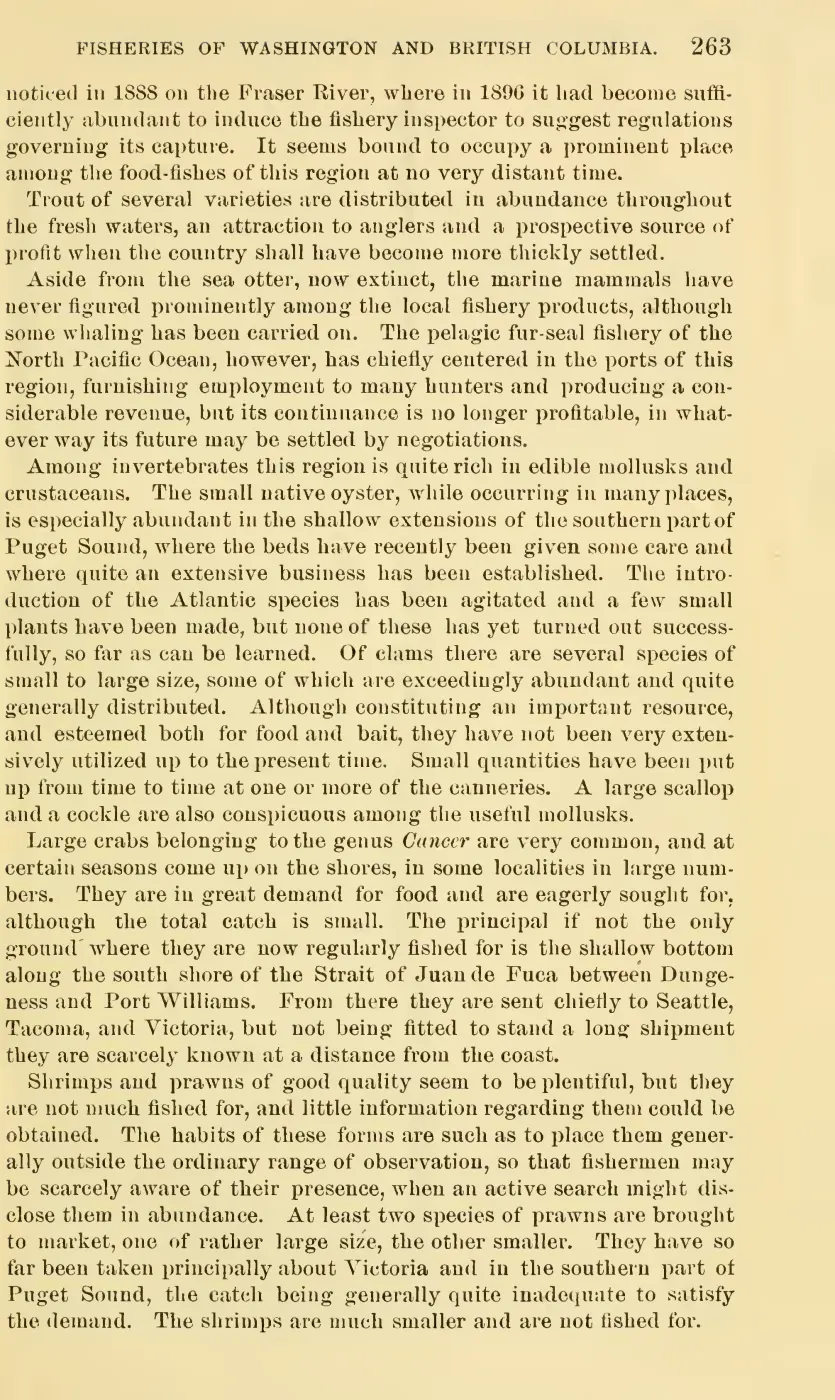
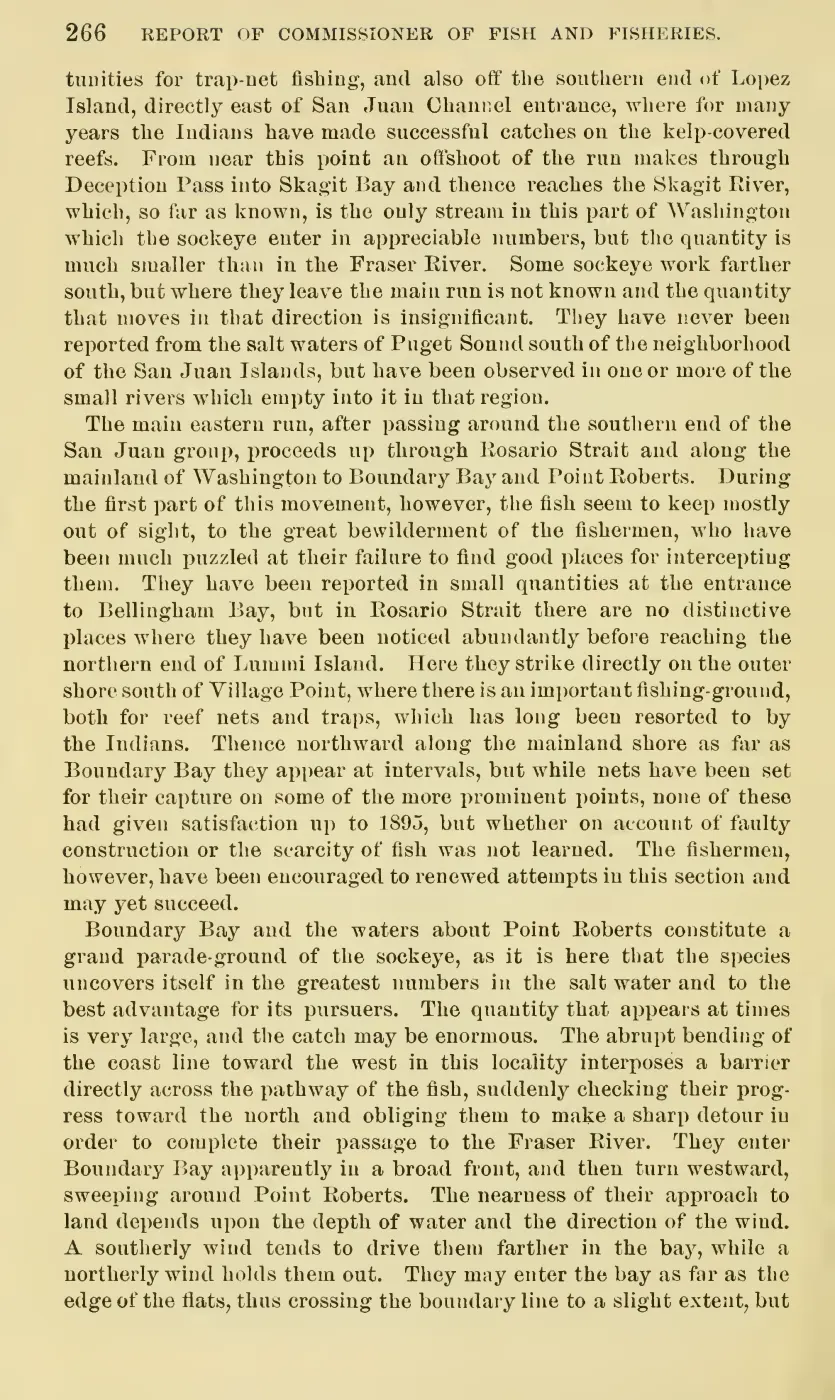
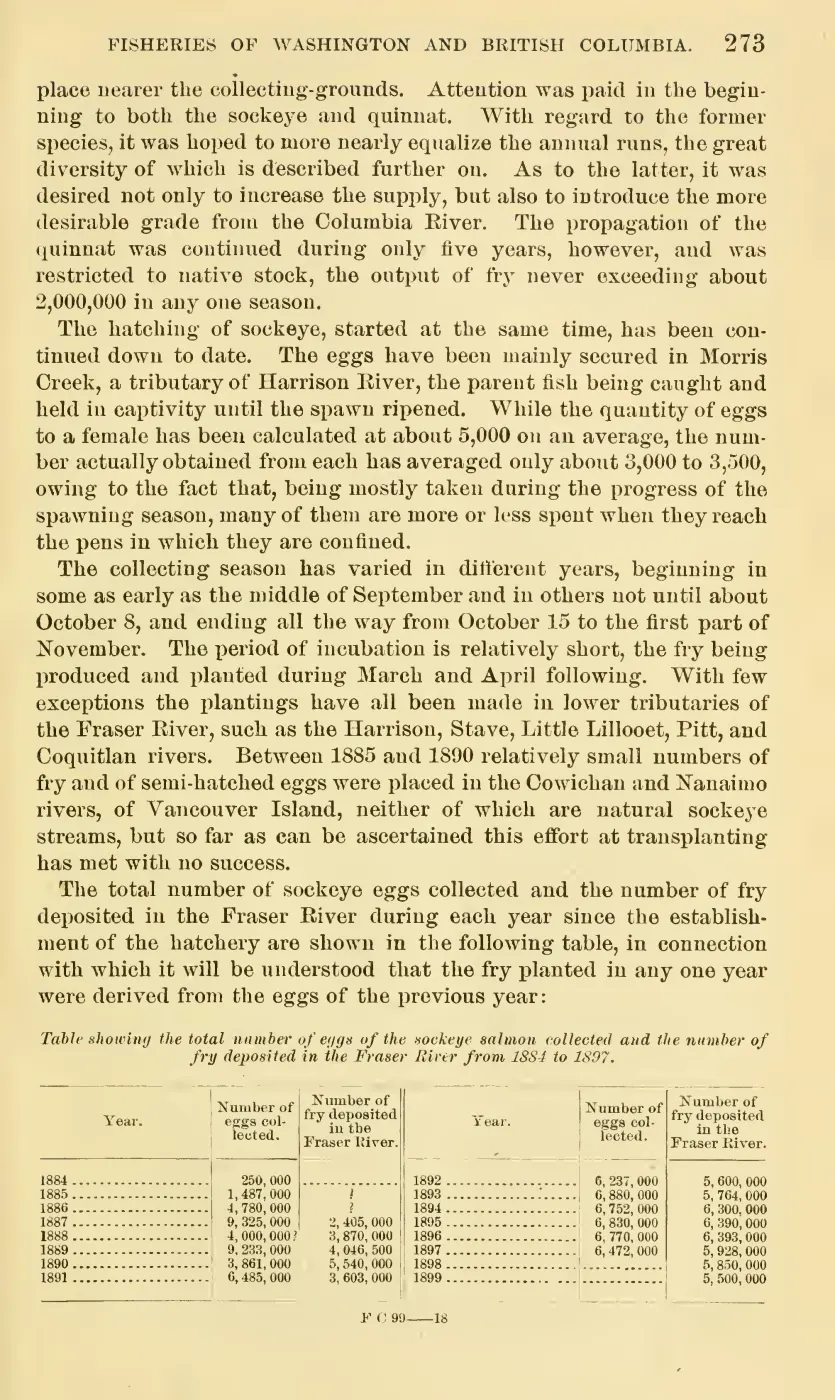
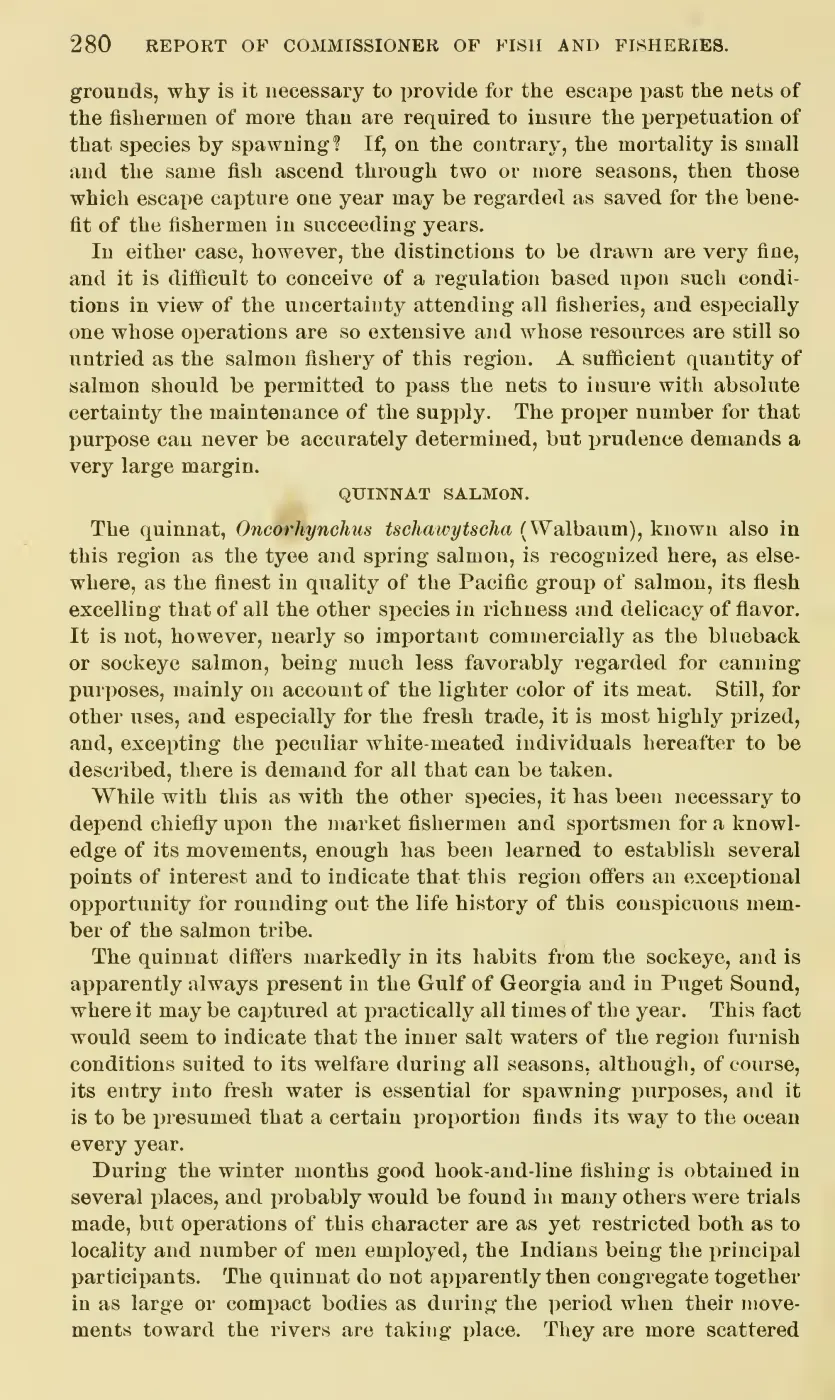


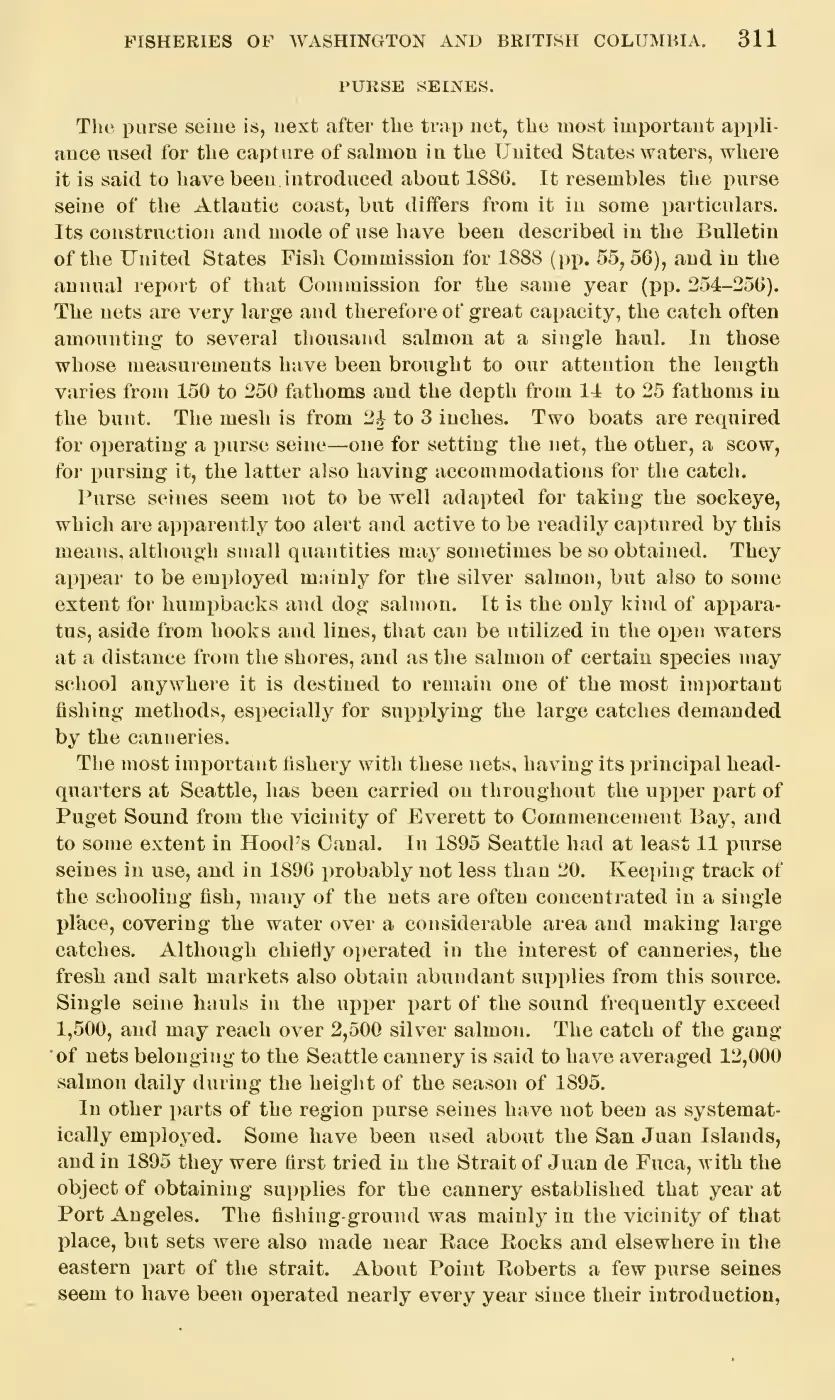
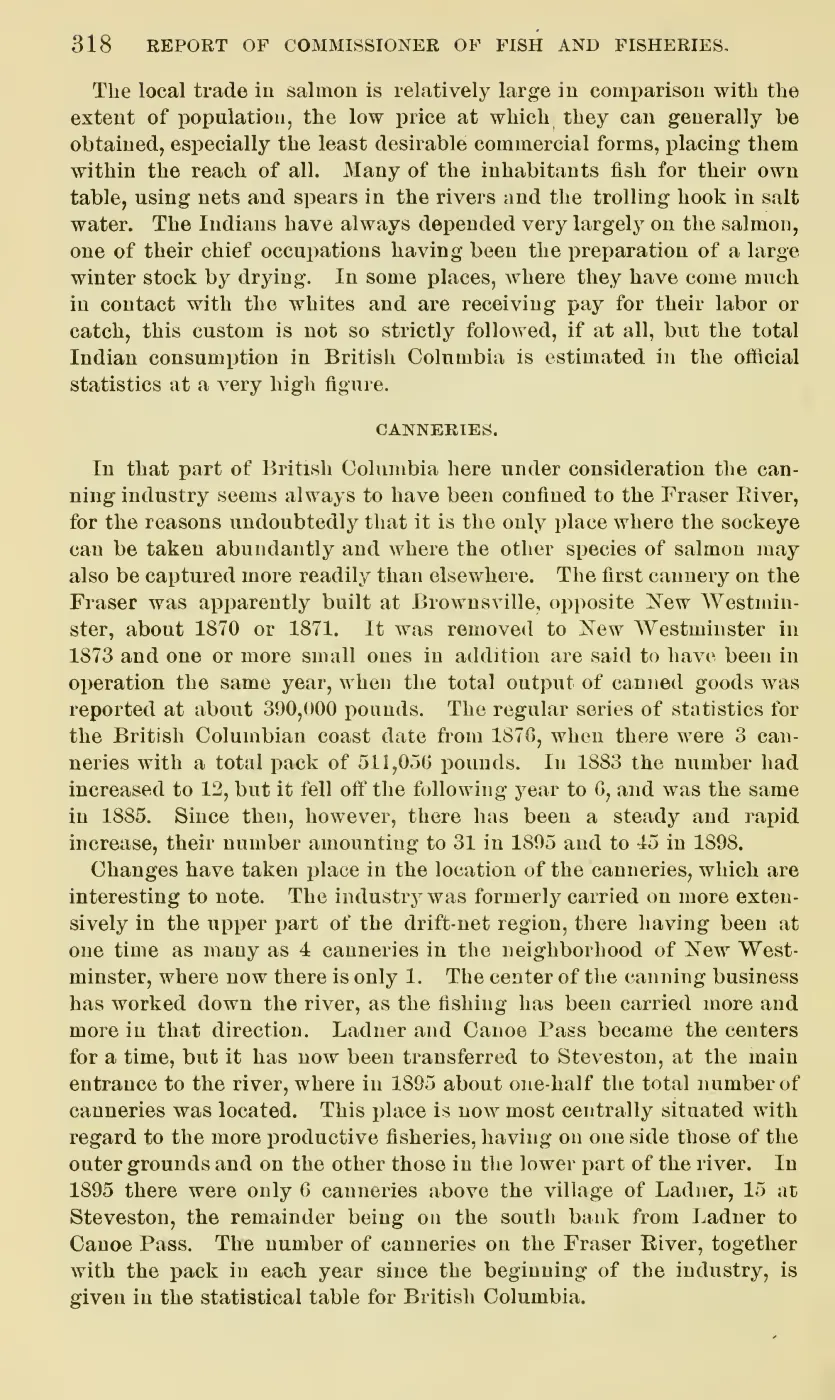
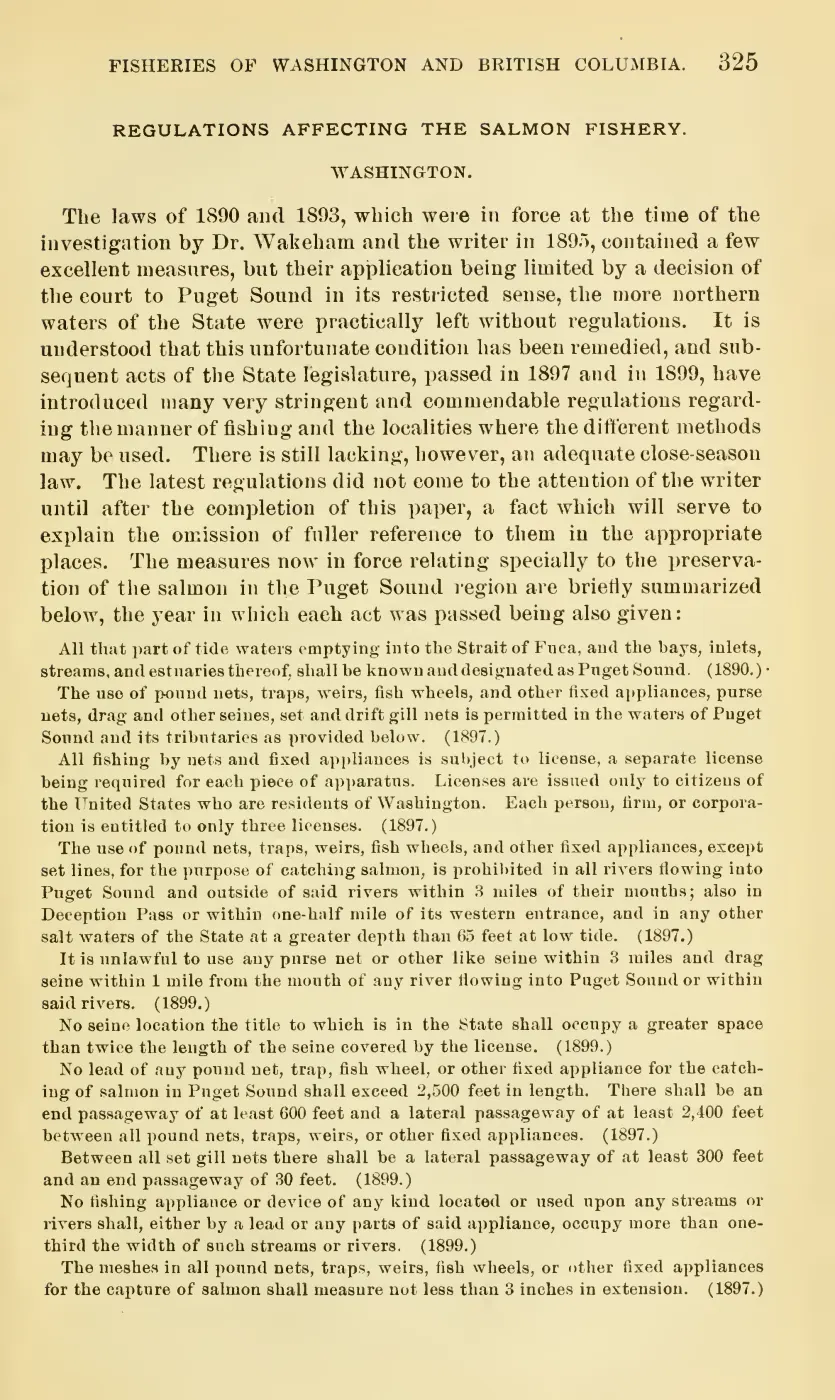
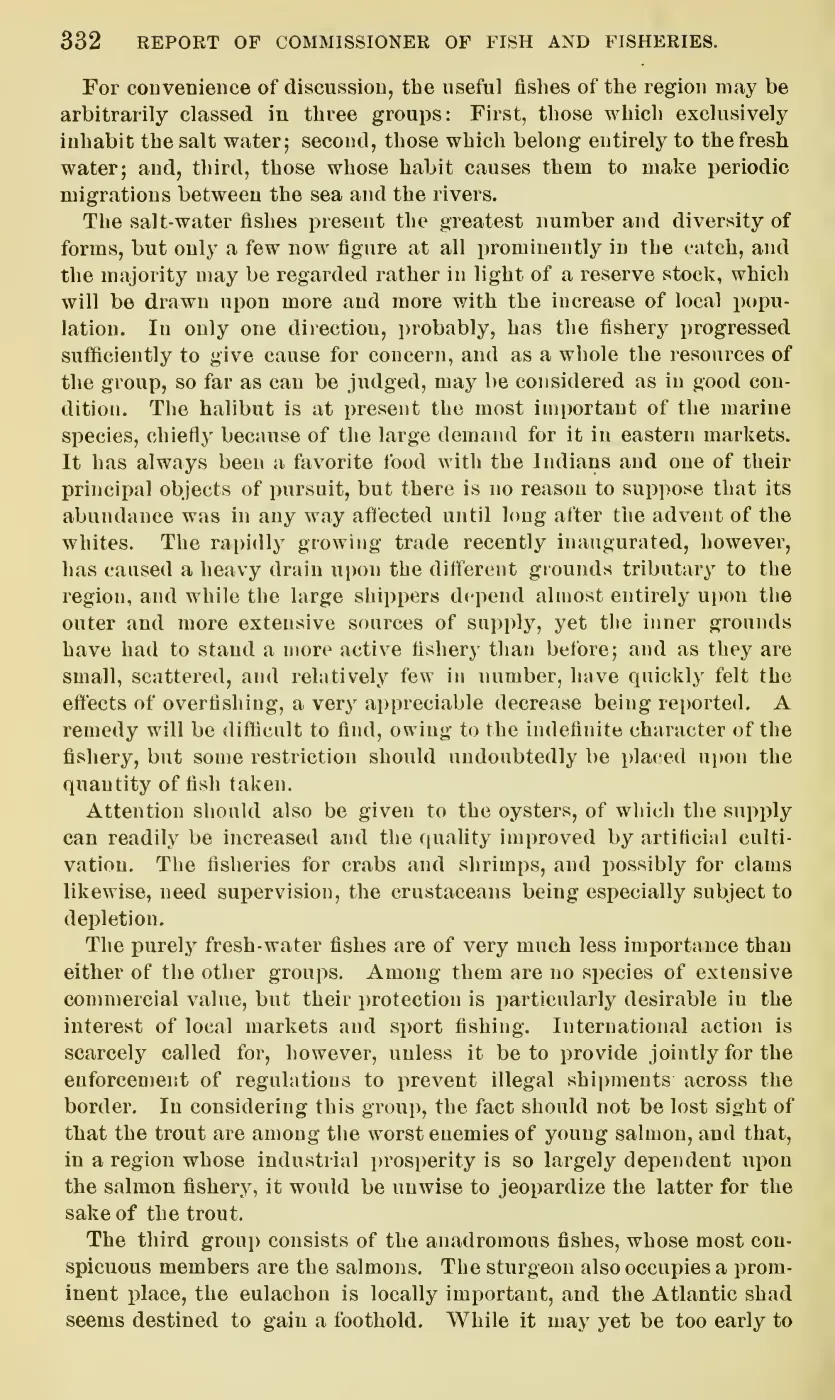









141 of 698 pages linked here — every page to 32, then every 7th, then the last 16. With JavaScript, every page.
Read the document
96 pages, rendered from the held scan.













Sources
- A forum participant linked an external article about EU fishing restrictions and Arranmore; the linked article is stronger evidence for its claims, while the forum preserves local circulation and comparison.forum · www.beaverislandforum.com · 06 · t006920
- A forum participant shared an Irish Examiner series about an Irish fishing crisis and wrote that it affected Arranmore urgently, linking the issue to Beaver Island’s Irish-island connections. The forum post is a pointer and the participant’s framing, not independent evidence about Arranmore’s fishery or a direct comparison with Beaver Island; the linked journalism should be assessed separately.forum · www.beaverislandforum.com · 17 · t017583
- George Scott, *Scott's New Coast Pilot for the Lakes*, 6th ed. (Detroit: The Free Press Printing Company, 1902), p. 220."Keep a lookout for trap nets" in the sailing directions — fishing gear as a charted navigational hazard by 1902. No public copy of this file is known; the archive holds one and can provide it on request.local_documents · 1902_scott-new-coast-pilot-for-the-lakes-6ed
- Land Information Access Association, *Beaver Island Master Plan 2023* (adopted 13 November 2023), chapters 1-2.Source for the early- and mid-20th-century decline attributed to fish population loss, and for LTBB whitefish yield reporting under lake warming. No public copy of this file is known; the archive holds one and can provide it on request.
- *Rock Island Argus* (Rock Island, Ill.), 12 April 1912, p. 12."Ashing [fishing] is one of the principal occupations of the people of the harbor" — the trade still central in 1912. No public copy of this file is known; the archive holds one and can provide it on request.federal · chronicling_america · sn92053934_1912-04-12_ed1_p12
- Described in this archive: U.S. Fish Commission report for the year ending 30 June 1898.Federal lake-trout egg-collection account: Beaver Island was called one of the most productive sections in past years, but the Commission did not attend it in the 1898 fall work because trout were not expected to spawn before 1 November. This is a qualitative agency characterization and a management decision, not a landings series.federal · us_fish_commission · usfc-commissioner-report-1898
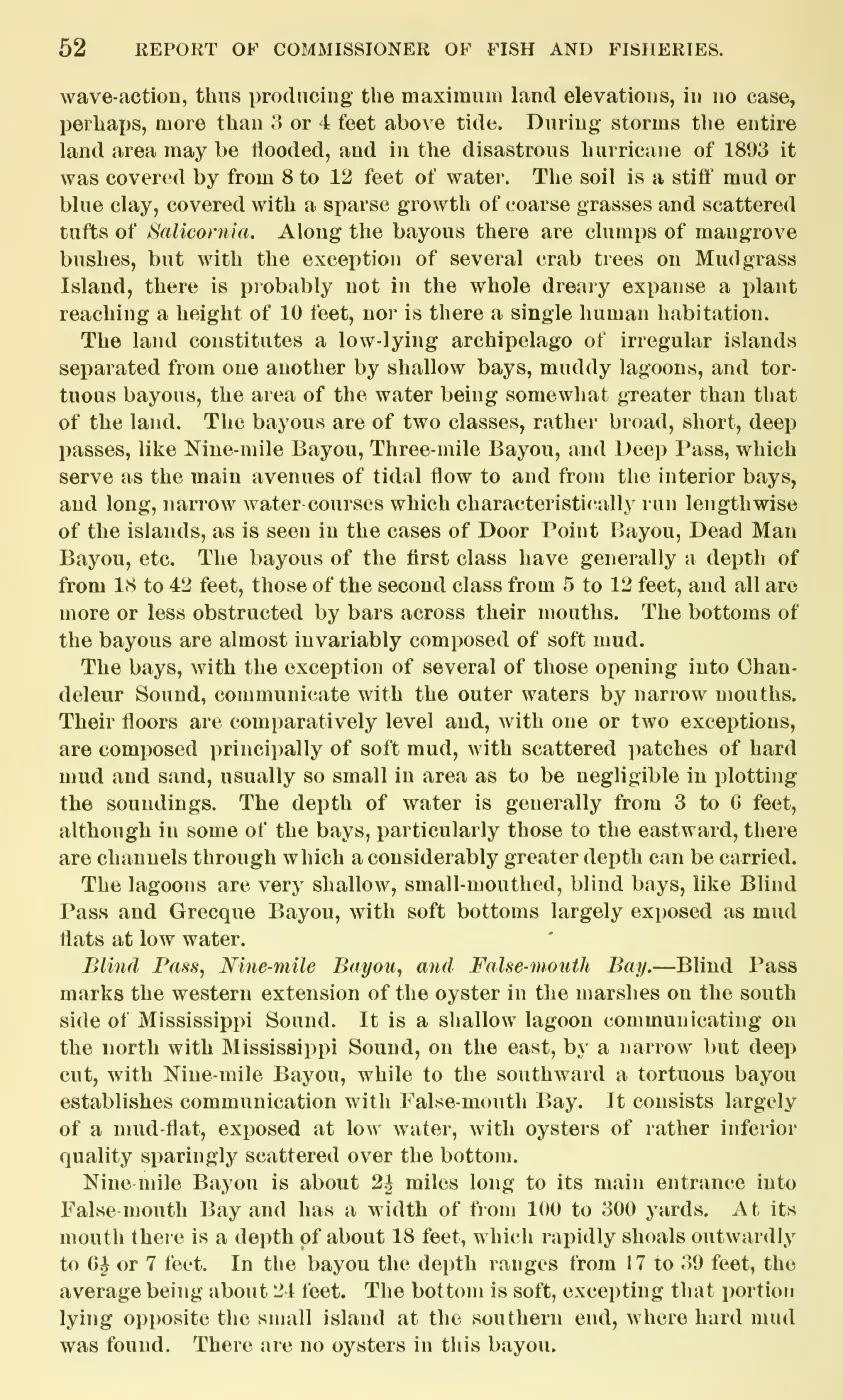
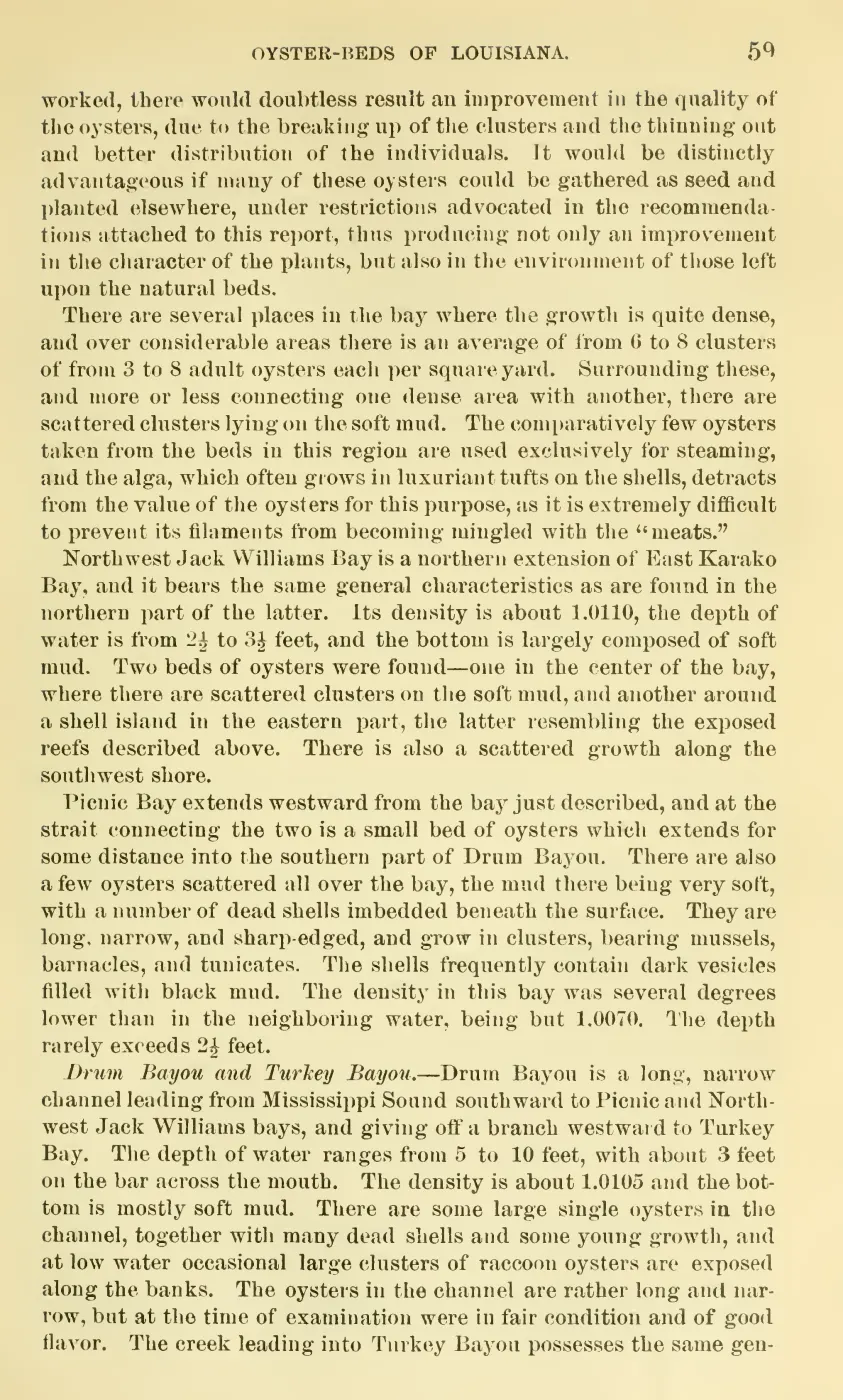
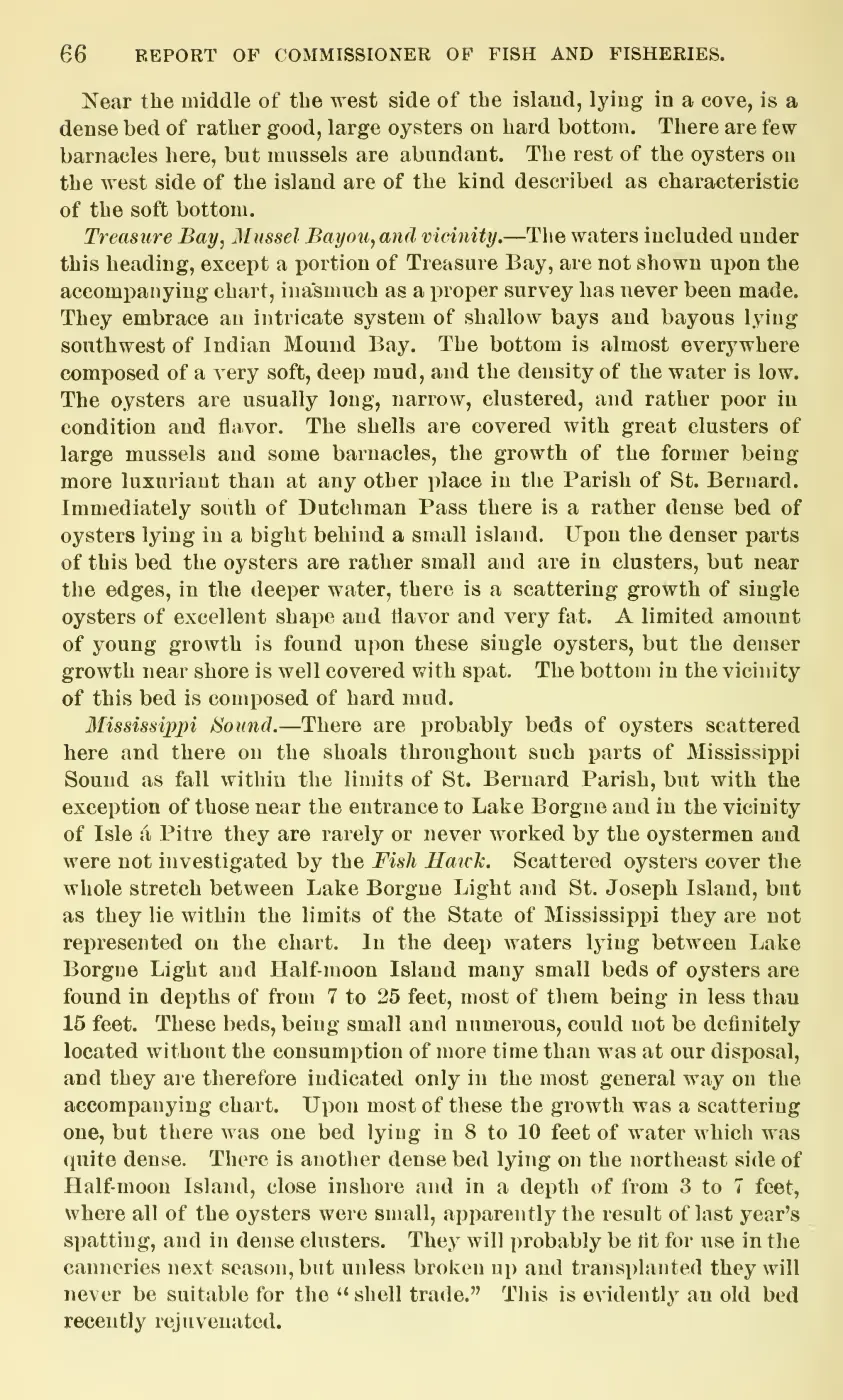
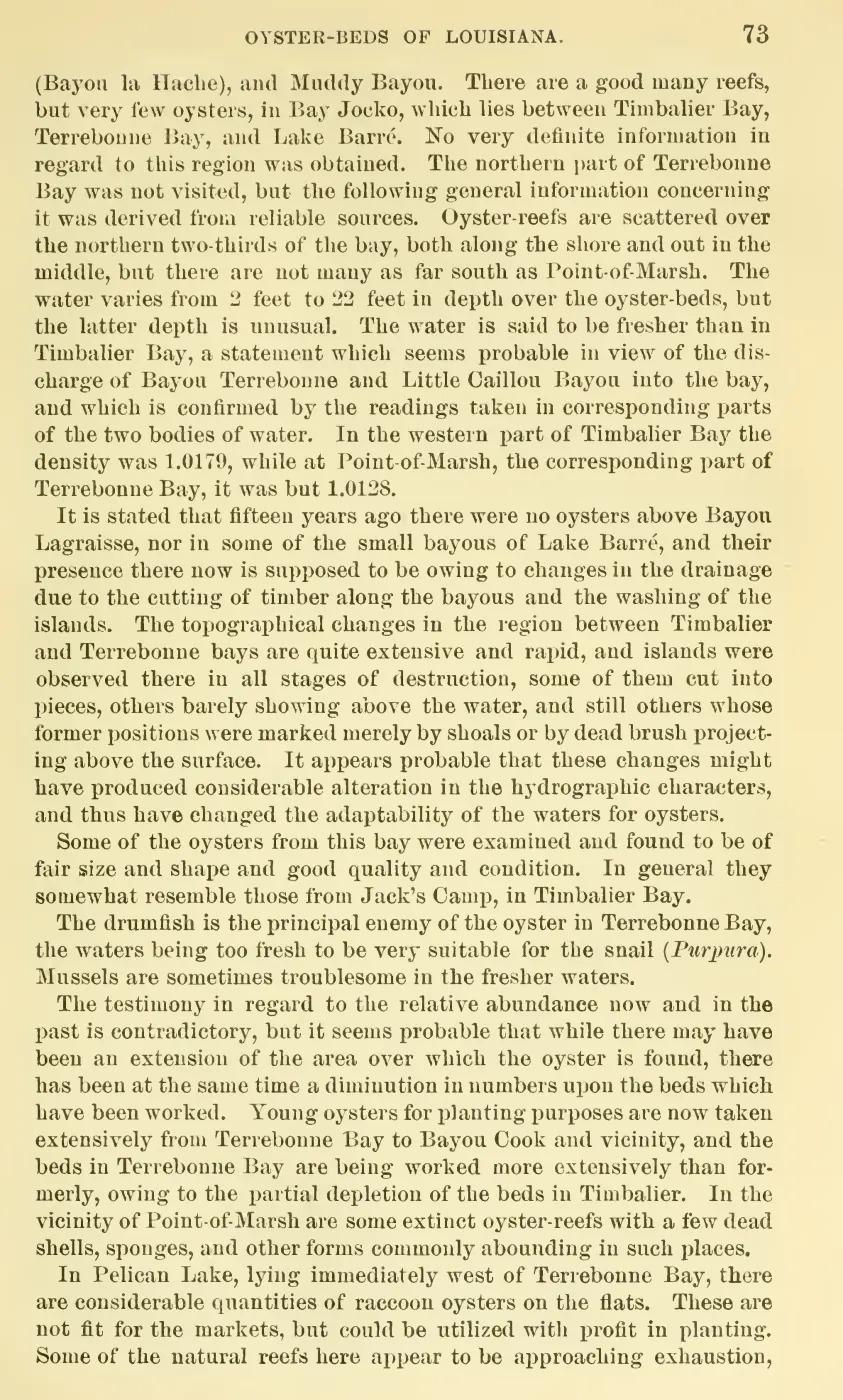
- Described in this archive: Visually verified GLO survey observations of archipelago soils, terrain, and trees, 1845–1849.Adds a pre-1850 fishery-use baseline: old fish shanties on the Little Beaver/High Island sequence, a Gull Island-area fisherman's village, a fishermen's log shanty, 15 fish houses, and a surveyor-estimated 20 families and 120–150 people engaged in fishing. These are page-bounded observations, not a census or catch series. The holder's public portal is searchable but does not link this record directly; the archive holds a copy of the file and can provide it on request.research · land_cover · crosswalks · glo_ecology_crosswalk_1845_1849
- Project-generated aquatic fauna and fisheries evidence index for the Beaver archipelago (2026).Described in this archive: Aquatic fauna and fisheries evidence index for the Beaver archipelago, 2026.Bridges GLO fishery-use pages to modern wetland-fauna signals and federal lake-trout/whitefish records while keeping human use, species evidence, and agency action distinct. No public copy of this file is known; the archive holds one and can provide it on request.research · wildlife · indices · aquatic_fauna_fisheries_evidence_index_2026
- Described in this archive: U.S. Fish Commission report for the year ending 30 June 1899.The following season the Commission gave particular attention to upper-Lake-Michigan grounds including Beaver Island, but lists its spawn-taker stations elsewhere and records weather/close-season constraints. Its statement that large collections could have been made particularly at Beaver Island is a counterfactual assessment, not a reported island harvest or egg total.federal · us_fish_commission · usfc-commissioner-report-1899
- Described in this archive: U.S. Bureau of Fisheries operations overview, 1908.The federal Great Lakes station table lists Beaver Island as an egg-collecting station handling lake trout. It is not a catch series and does not give a precise station site, seasonal operation date, personnel, egg total, or hatchery facility.federal · us_fish_commission · us-bureau-of-fisheries-establishment-1908
- Retrospective account says the author and relatives commercially fished with the tug *Silver Star* from 1915 to 1935, when catches were measured in tons rather than pounds. This is a qualitative local attestation, not a catch or employment series.data1 · beaver-island-archive · beaver_beacon · 1964-10_Beaver-Beacon
- The held five-page issue scan is paired with the OCR source and confirms the published notice or report; it does not expand the source-specific identity, event, or outcome claims.data1 · beaver-island-archive · scans · beaver_beacon · issues · 1964-10_Beaver-Beacon
- Retrospective obituary identifies Michael Cull as a Beaver Island commercial fisherman who owned and skippered the tugs Betty C and LaFond, and says he saw the fishery decline by 1940.data1 · beaver-island-archive · beaver_beacon · 1964-09_Beaver-Beacon
- The held eight-page issue scan is paired with the OCR source and confirms the published notice or report; it does not expand the source-specific identity, event, or outcome claims.data1 · beaver-island-archive · scans · beaver_beacon · issues · 1964-09_Beaver-Beacon
- Records the Gallagher Dock's turn-of-the-century construction, 1917 rebuild, 1933 Gallagher purchase, fishing-tug landings, and February 8, 1965 demolition for Yacht Dock expansion; the source is a retrospective rather than a complete dock or fleet register.data1 · beaver-island-archive · beaver_beacon · 1965-02_Beaver-Beacon
- The held eight-page issue scan is paired with the OCR source and confirms the published notice or report; it does not expand the source-specific identity, event, or outcome claims.data1 · beaver-island-archive · scans · beaver_beacon · issues · 1965-02_Beaver-Beacon
- Identifies William A. Belfy as a retired commercial fisherman, records his co-ownership of the tug Silver Star with his brother Erwin, and reports his May 8, 1966 death and Holy Cross Cemetery burial.data1 · beaver-island-archive · beaver_beacon · 1966-05_Beaver-Beacon
- The held ten-page issue scan is paired with the OCR source and confirms the published notice or report; it does not expand the source-specific identity, event, or outcome claims.data1 · beaver-island-archive · scans · beaver_beacon · issues · 1966-05_Beaver-Beacon
- Retrospective account of the November 11, 1940 Armistice Day storm at Beaver Island, including the Estonia, Evelyn, Mary Margaret, named skippers, harbor conditions, and fishing-net losses.data1 · beaver-island-archive · beaver_beacon · 1968-11_Beaver-Beacon
- The held seven-page issue scan is paired with the OCR source and confirms the published notice or report; it does not expand the source-specific identity, event, or outcome claims.data1 · beaver-island-archive · scans · beaver_beacon · issues · 1968-11_Beaver-Beacon
- Profile of Martin Arthur “Big Art” Larsen, his fishing career, Estonia, and nearly $7,000 net loss in the 1940 storm.data1 · beaver-island-archive · beaver_beacon · 1964-06_Beaver-Beacon
- The held five-page issue scan is paired with the OCR source and confirms the published notice or report; it does not expand the source-specific identity, event, or outcome claims.data1 · beaver-island-archive · scans · beaver_beacon · issues · 1964-06_Beaver-Beacon
- Helen Hoffman Collar’s retrospective describes the harbor fishery, the Island’s first diesel-powered outfit, and the transition from steam tugs to gasoline boats.data1 · beaver-island-archive · beaver_beacon · 1964-09_Beaver-Beacon
- The held eight-page issue scan is paired with the OCR source and confirms the published notice or report; it does not expand the source-specific identity, event, or outcome claims.data1 · beaver-island-archive · scans · beaver_beacon · issues · 1964-09_Beaver-Beacon
- The obituary remembers Lloyd McDonough’s lifetime across the island’s fishing-and-farming peak and tourism transition; the same issue documents the Beaver Islander’s 1972 supply, repair, and inspection season.data1 · beaver-island-archive · beaver_beacon · 1972-05_Beaver-Beacon
- The held eight-page issue scan is paired with the OCR source and confirms the published notice or report; it does not expand the source-specific identity, event, or outcome claims.data1 · beaver-island-archive · scans · beaver_beacon · issues · 1972-05_Beaver-Beacon
- Described in this archive: GLFC guide for Lake Michigan lake-trout rehabilitation, 2008.Modern management source defines the West Beaver Group as Trout Island, High Island, Gull Island Shoal, and Boulder Reef, and the East Beaver Group as Hog Island Reef, Ile aux Galets, and Dahlia Shoal. It also preserves 1891 testimony that deep-water lake trout occurred especially between the Manitou and Beaver Islands.geology · publications · glfc_2008_lake_trout
- Described in this archive: St. James Township 1880 census occupational summary, Collar transcription.The compiled summary lists seven fishermen, ten coopers, four sailors, one wholesale-fish occupation, and related harbor work in the township. It is not an original schedule, a complete fishery workforce list, or evidence of annual employment.local_documents · 2006_collar-beaver-island-census-compilation
Added 28 July 2026 · revised 3 August 2026. Recent changes
Cite this article
Beaver Island Archive, “Commercial fishing”, https://beaverislandarchive.org/themes/commercial-fishing/, accessed [date], citing Beaver Island Forum, "Article about fishing bans effect on Arranmore", November 2013, topic 6920. (and 26 further sources listed on the page).
Last revised 2026-08-03. Fill in [date] with the date you read it — this page is static and cannot know that.