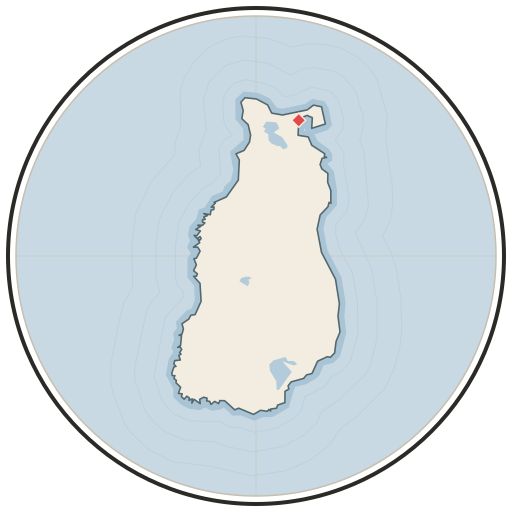
- Built
- 1851
- Until
- 1962
- Along road
- South End Road
- Coordinates
- 45.5783° N, 85.5713° WGoogle Maps: Beaver Island Light StationDownload KML
- Concepts
- maritimelighthousesshippingheritage
- Within
- Beaver Island
- Media
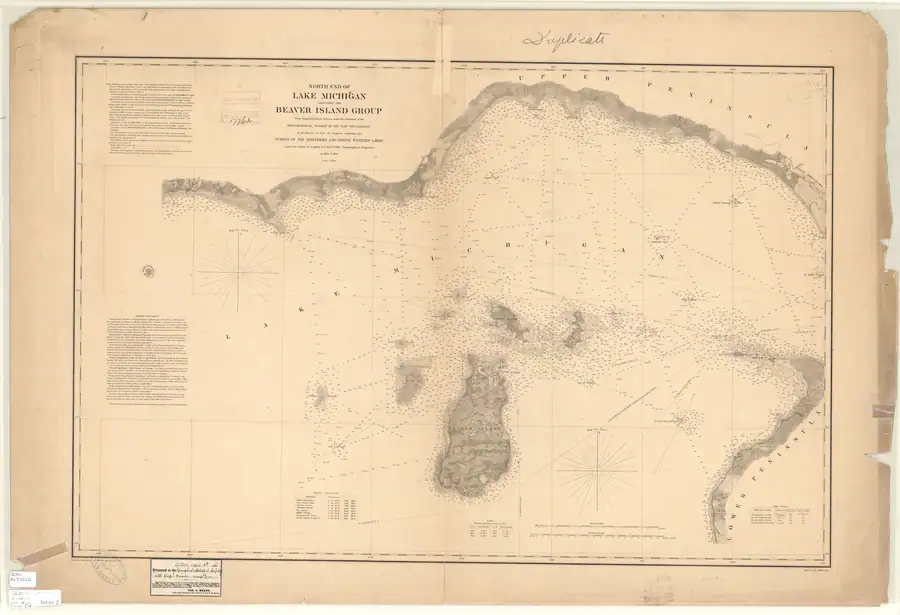
- Beaver Island History Map, 1978 revision · North End of Lake Michigan Including the Beaver Island Group, 1855 Lake Survey chart
Summary
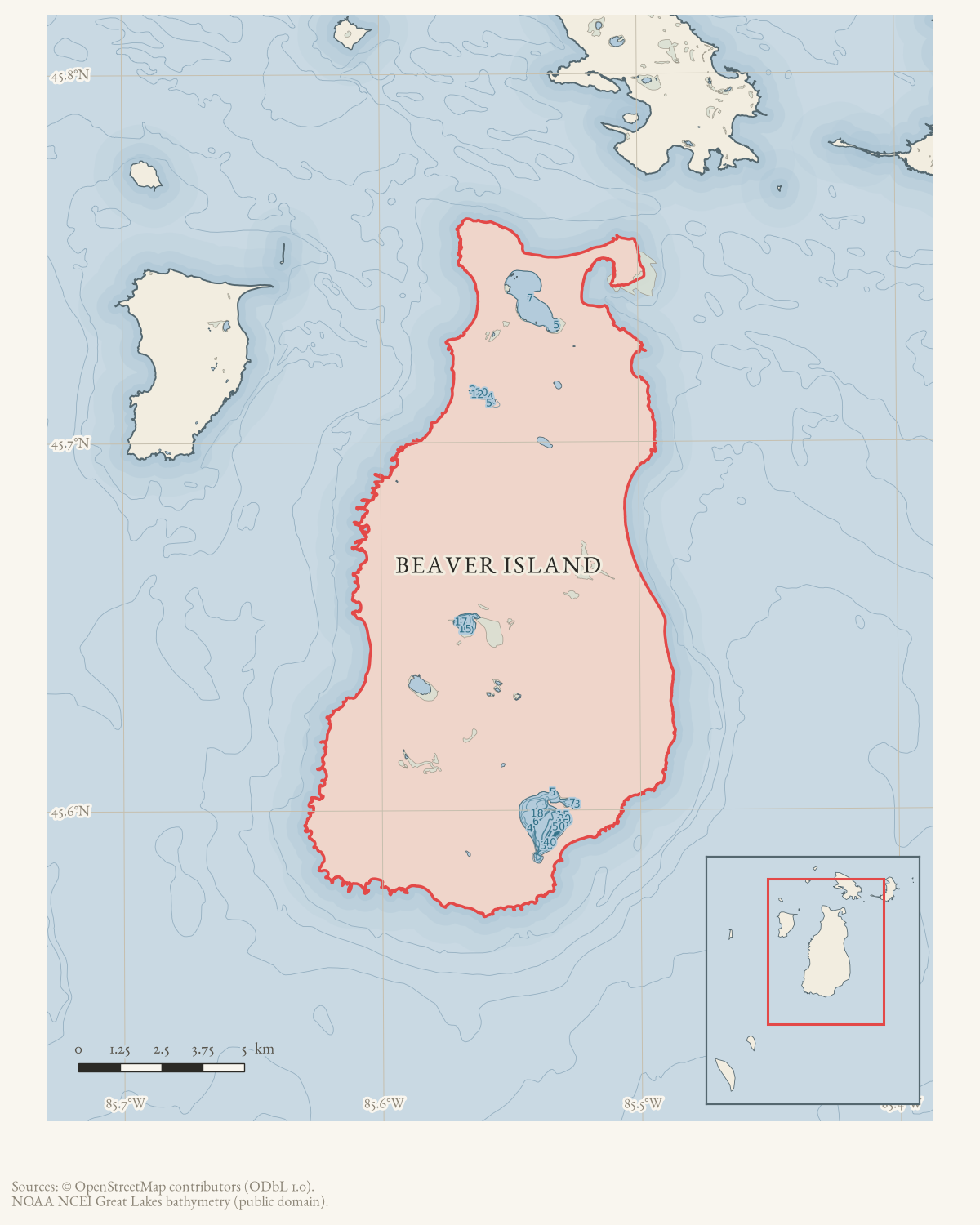
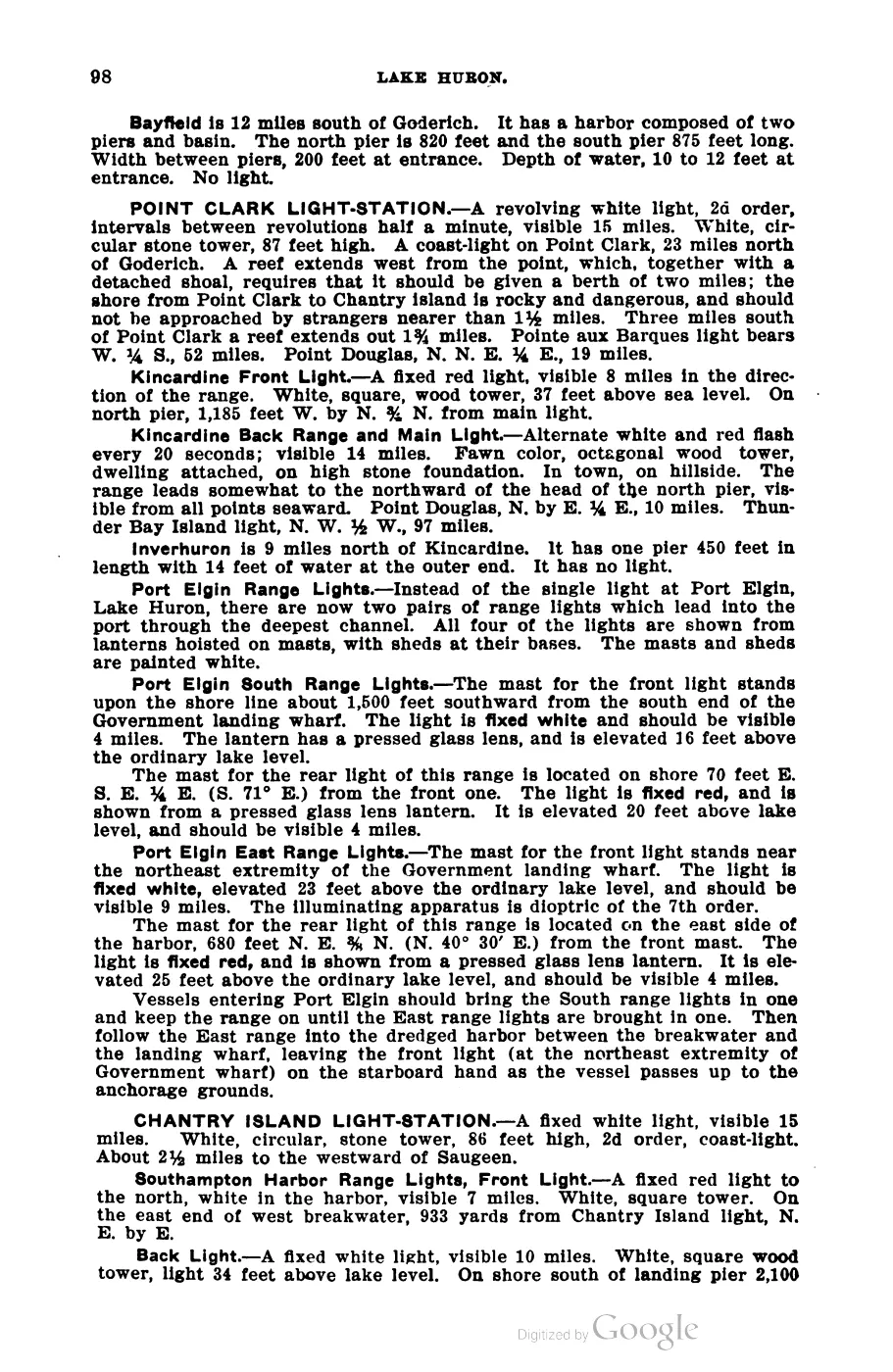
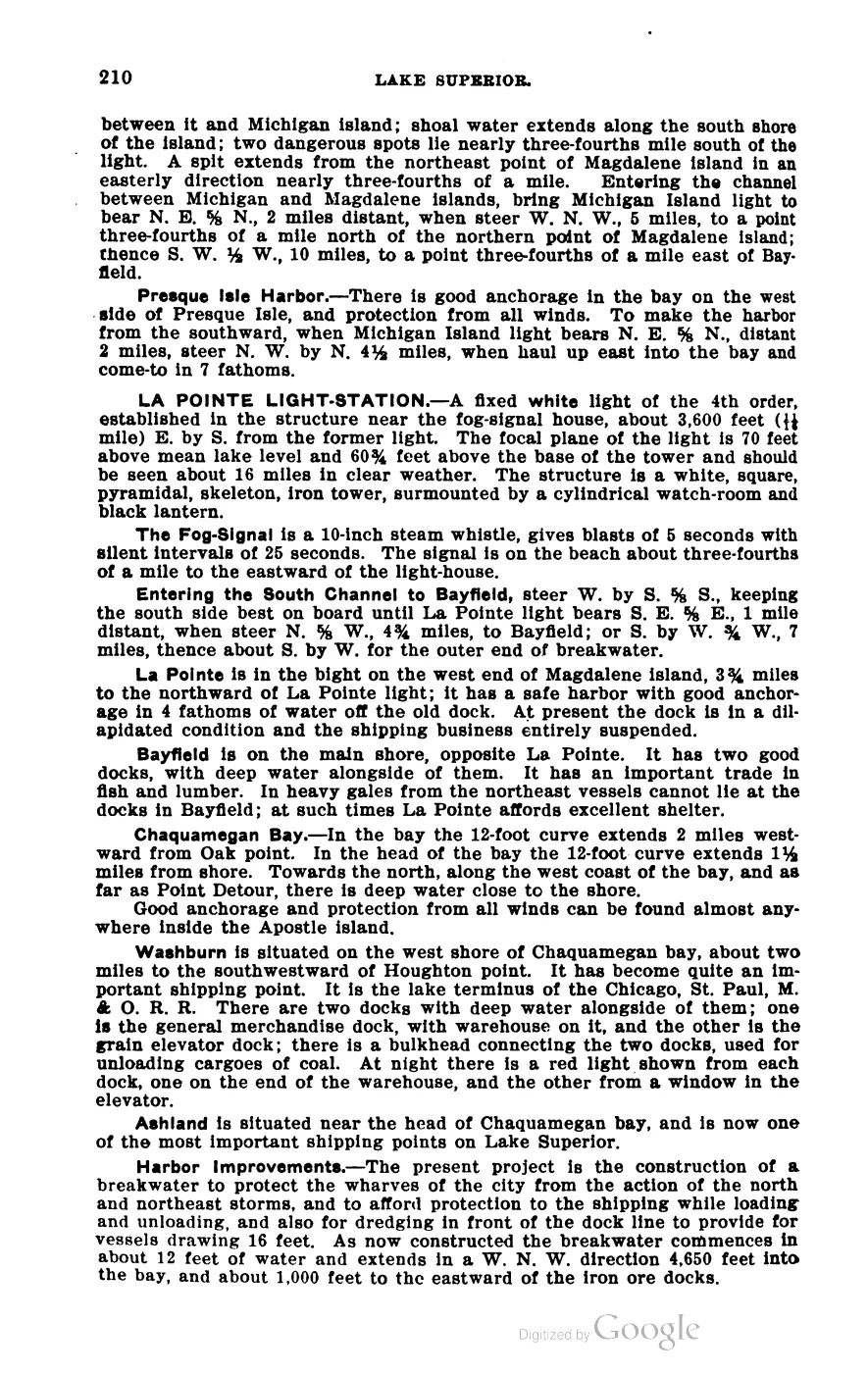
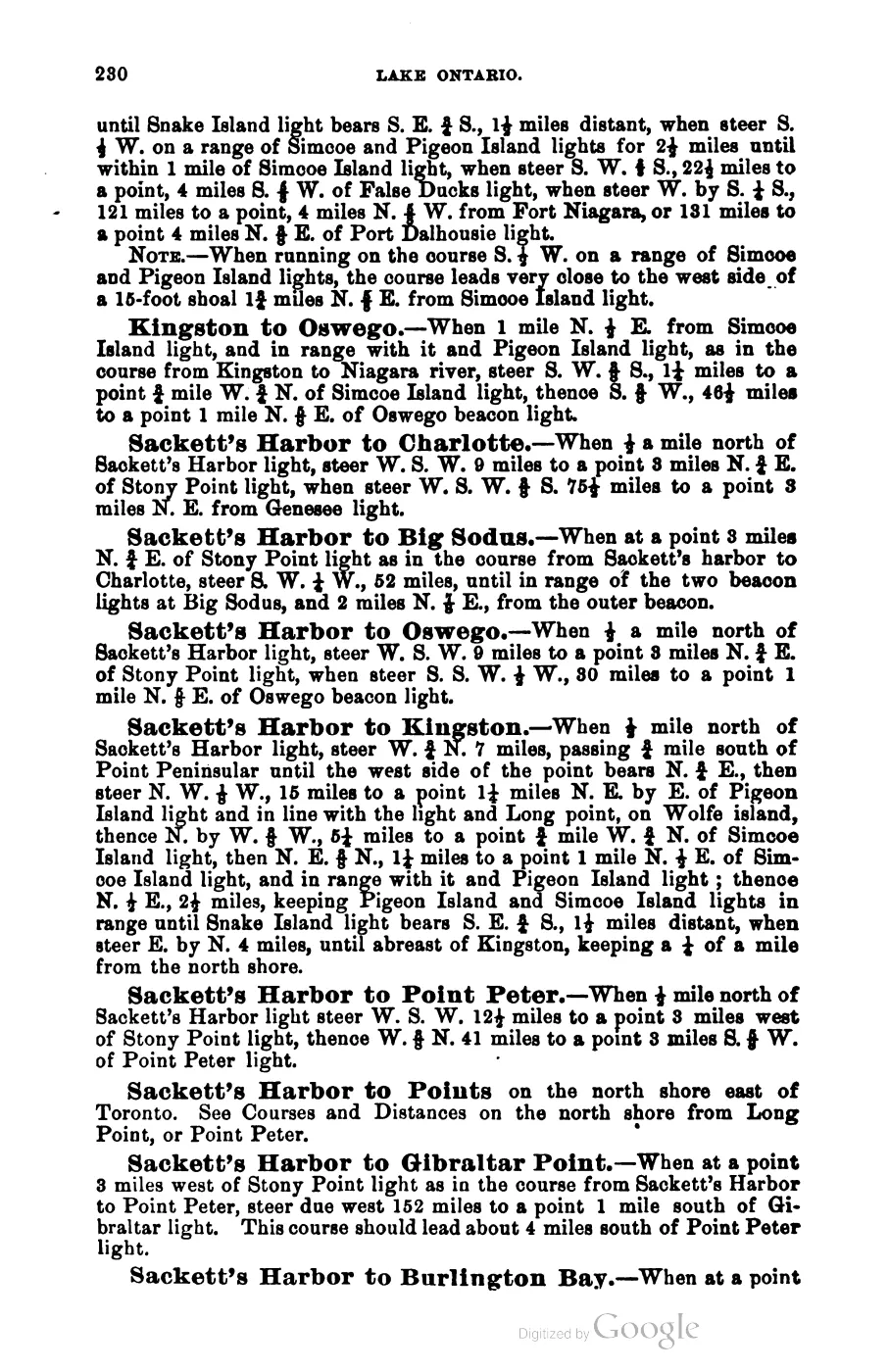
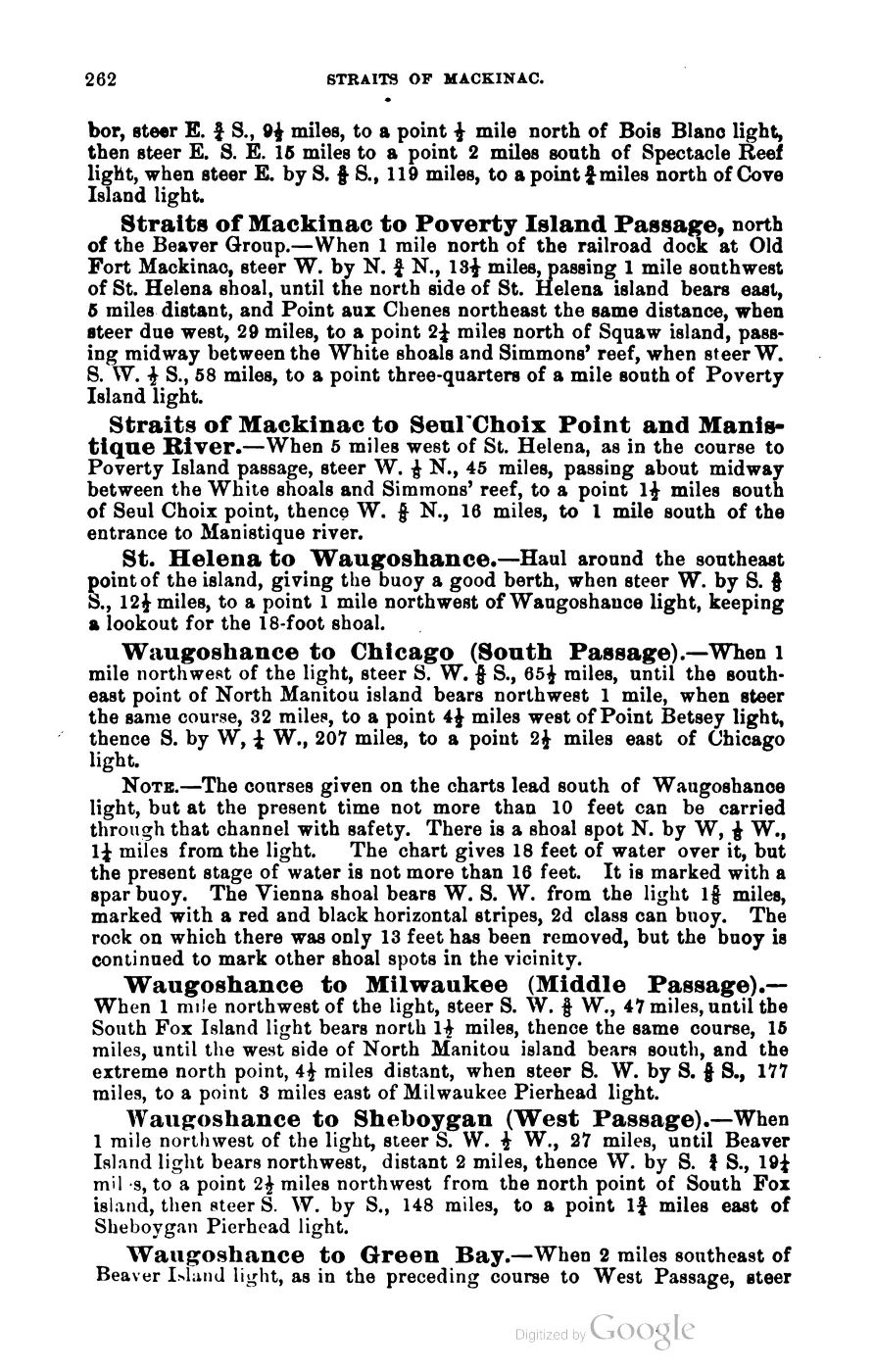
Beaver Island Light Station — commonly called the Beaver Head Light to distinguish it from the harbor light at Saint James — stands on a bluff about 60 feet above lake level at the south end of Beaver Island. It marks the 9½-mile-wide channel between Beaver Island and North Fox Island, one of the principal shipping tracks of northern Lake Michigan. The 1902 Coast Pilot describes a yellow brick tower 40 feet high, showing a fixed white light varied by white flashes every minute, of the 4th order and visible 18 miles, with a first-class steam siren as fog signal. The station (dwelling, tower and associated buildings) was listed on the National Register of Historic Places in 1978 (reference 78001495, five contributing buildings). It is not the same structure as the Beaver Island Harbor Light, which stands at the entrance to Saint James harbor at the opposite end of the island.
History
The station was built under an 1851 contract: John McReynolds contracted in March 1851 for $4,480, and the tower and dwelling were reported complete on 1 October 1851 — the date the National Register treats as the site’s “significant year.”1 First keeper Van Allen served 1851-52, which is likely why the Beaver Island Historical Society and other secondary accounts instead give 1852 as the light’s first year: probably construction-complete (1851, per the contract and NRHP) versus first full season of operation (1852), a distinction no source consulted here resolves explicitly.2
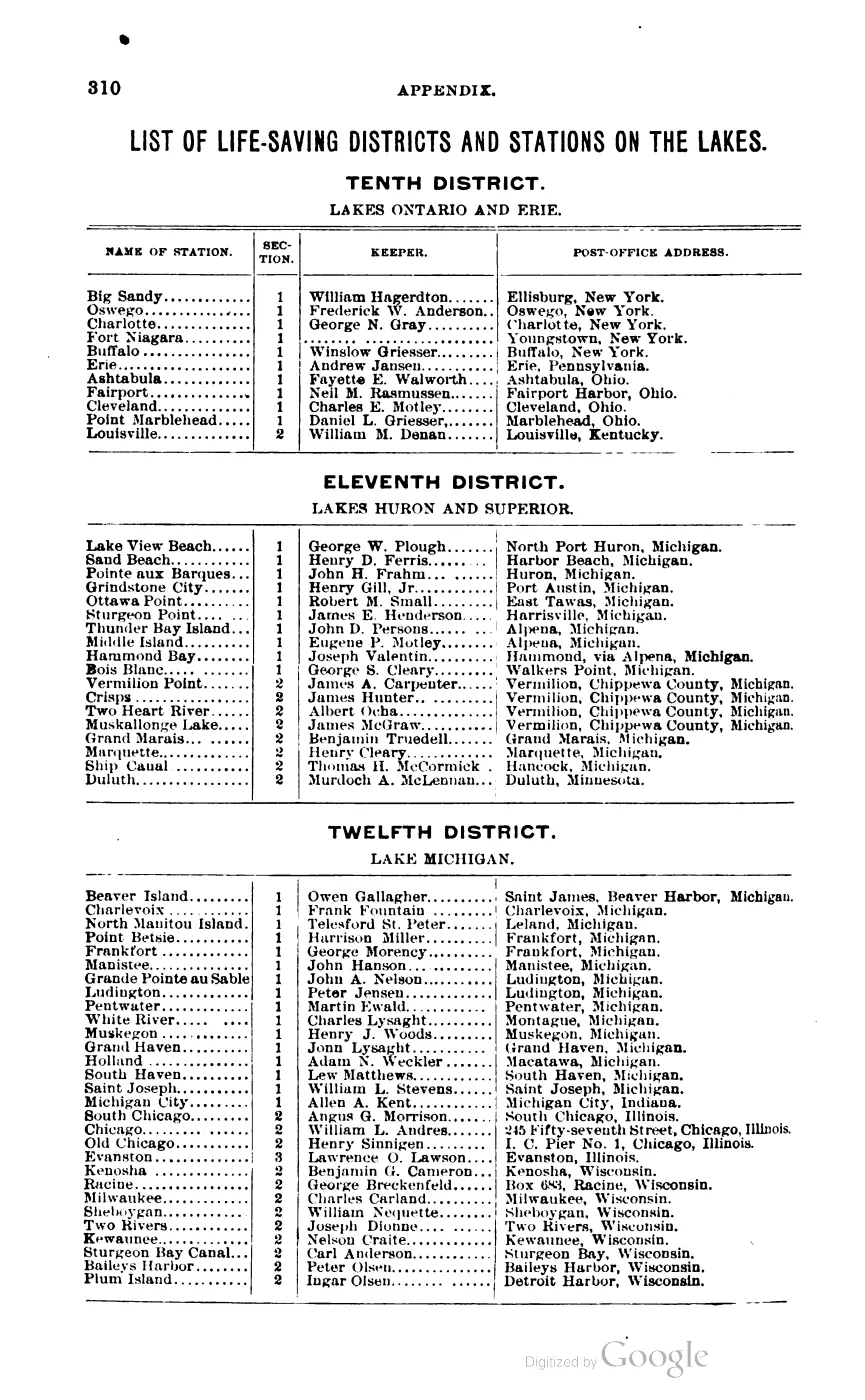
A light-house “at the head of the Island” already existed by the time Elizabeth Whitney Williams’s family returned to Beaver Island after the 1856 expulsion of the Strangites: her memoir names a Mr. Van Allen as “the first keeper when the light was first erected,” succeeded by Mr. Loaney — an Irish settler who had himself been driven off the island by the Mormons and came back once they were gone.3 The keeper succession she records continues with Capt. Appleby of Buffalo, N.Y.; Harrison Miller, who held the post about eleven years before moving to the newly created life-saving station at Beaver Harbor; and William Duclon, who succeeded Miller and was “at this writing” (1905) recently transferred to the Eagle Bluff light in Wisconsin.3
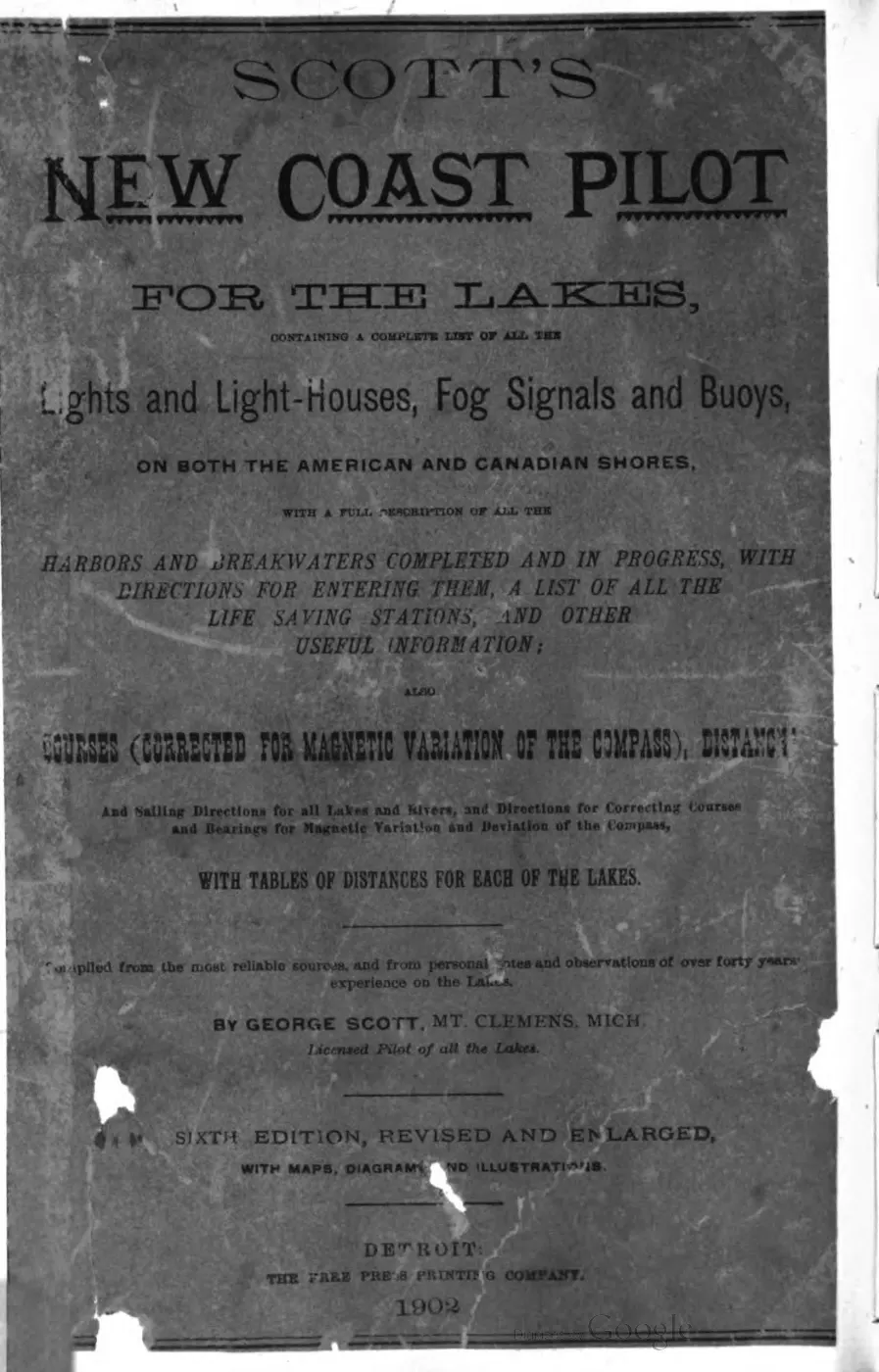
An 1855 US Lake Survey chart of the Beaver Island group — presented in 1861 by Capt. George G. Meade, later of Gettysburg, to the American Geographical and Statistical Society of New York (see North End of Lake Michigan Including the Beaver Island Group, 1855 Lake Survey chart) — already carries a “Light Houses” table listing “Head of Beaver Id. Lt. Ho.” as a revolving light, 110 feet above the lake, visible 19 statute miles.4 By 1902 Scott’s Coast Pilot describes the apparatus differently: a fixed white light varied by white flashes every minute, 4th order, visible 18 miles, on a 40-foot yellow brick tower, with a first-class steam siren sounding blasts of 7 seconds separated by 42-second silences.5 The change from “revolving” to “fixed, varied by flashes” between the two sources indicates at least one re-equipping of the light between the 1860s and 1902; no source in hand dates that change precisely (see Open questions).
The standing tower is usually dated to 1858, not 1851: lighthousefriends.com states the original tower “toppled over in 1857,” prompting construction of the current 46-foot brick tower in 1858. At least one other lighthouse-history site is reported elsewhere as describing that same 1858 work as major repairs rather than a full rebuild; that account has not been obtained directly, so the toppled-tower/rebuild reading is the only one verified here, and is not treated as settling the question.1 Separately, lighthousefriends.com dates a change of illuminant — to incandescent oil vapor — to 17 April 1916, recording the resulting signature as a 1.3-second flash every twenty seconds.1 That is a documented 1916 event, but it cannot be the undated revolving-to-fixed-flash characteristic change discussed above: Scott’s Coast Pilot already records a fixed-varied-by-flashes light in 1902, fourteen years earlier. Any source that dates the optical characteristic change itself to 1916 or 1917 is therefore either describing this later illuminant change or has simply mis-dated the actual transition.
The 1978 nomination states that the U.S. Lighthouse Service operated the light from 1851 to 1938, followed by the Coast Guard through 1962. It reports that the Coast Guard decommissioned the light in 1962, removed its illuminant and lenses, and replaced it with an automated radiobeacon tower; the nomination does not provide a closure day or radiobeacon identifier (see Beaver Island Light Station decommissioning and radiobeacon replacement, 1962).6
The Coast Guard’s south-end operation also depended on overland communications. In February 1943 the Charlevoix Courier reported that John A. Gallagher and two other Coast Guardsmen followed the telephone line to Beaver Head to locate and repair noisy service. Heavy snow made the round trip take three days. This contemporary report corroborates the 1978 Historical Map’s “Coast Guard Phone Line” annotation, though neither source fixes the exact line alignment or the endpoint within the station. See Beaver Island Coast Guard telephone line.7
By 1978, the nomination identifies Charlevoix Public Schools as owner, stating that the site had passed through a surplus federal-property distribution and was used as an outdoor and environmental education center. That is a dated ownership/use snapshot, not evidence of present ownership or use. Two additions to the dwelling — a two-story frame addition and a screened porch — are dated to around 1915 and around 1920 respectively by both the nomination and a later historical-structures account.68
The station was listed on the National Register of Historic Places on 29 December 1978 (reference 78001495), with five contributing buildings, at an address given as “S of St. James on Beaver Island,” Charlevoix County.9 Modern preservation work by the Beaver Island Historical Society, described in the community newspaper as an ongoing “facelift,” continues as of 2024-2025; the lower level operates as a museum open to the public.10
Geography
The station sits on a bluff roughly 60 feet above the level of Lake Michigan at the south end of Beaver Island, marking the south side of the channel — 9½ miles wide per Scott’s Coast Pilot — between Beaver Island and North Fox Island. Bearings given in the 1902 Coast Pilot situate it relative to other regional lights: North Fox Island’s north point bears S.W. by W. ¾ W., 11½ miles; Grand Traverse light bears S. ¾ E., 25½ miles.5 Shoal water extends from the island’s south and southwest points for about three-quarters of a mile.
Names
19th-century sources uniformly call this “the light-house at the head of the island,” or “Beaver Island Light-Station,” to distinguish it from the harbor light near Saint James village. The modern informal name “Beaver Head Light” / “Beaver Head Lighthouse” preserves that same head-of-the-island distinction; OpenStreetMap and Wikipedia both use it (Wikidata Q4878099).11
Significance
As the light marking the principal deep-water passage past the Beaver Island archipelago, this station is a fixed point in the maritime history threaded through Scott's New Coast Pilot for the Lakes and the sailing directions on North End of Lake Michigan Including the Beaver Island Group, 1855 Lake Survey chart. Its keepers overlap with the same small cast of Irish settlers and lighthouse families documented in Elizabeth Whitney Williams’s memoir, connecting it to the Irish fishing settlement that followed the Strangite expulsion.
Open questions
- Construction: 1851, with a first-season/complete-tower ambiguity. John McReynolds’ contract (March 1851, $4,480) reports the tower and dwelling complete 1 October 1851; the National Register’s own significant year is 1851. The Beaver Island Historical Society and other secondary accounts instead give 1852 — plausibly the first season the light actually operated (keeper Van Allen served 1851-52) rather than the construction date. Neither reading has been adopted over the other; both are recorded, in History above.
- The 1858 works: full rebuild, or repair? lighthousefriends.com describes a full rebuild after the original tower “toppled over” in 1857; at least one other lighthouse-history site is reported elsewhere to describe the same 1858 work as major repairs rather than a rebuild. The rebuild account has been read and verified directly here; the repair account has not been independently located.
- When and why the light’s characteristic changed from “revolving” (1855/61 chart) to “fixed, varied by flashes” (Scott 1902) is not established from the sources consulted. A documented 1916 illuminant change (to incandescent oil vapor, per lighthousefriends.com) is sometimes conflated with this characteristic change — see History — but post-dates Scott 1902 by fourteen years and cannot be it.
- The precise years each keeper (Van Allen, Loaney, Appleby, Miller, Duclon) held the post are not given in Williams’s memoir beyond relative durations; no Light List or annual report was consulted to fix them.
See also
Sources
Footnotes
-
“Beaver Island Light, Michigan,” lighthousefriends.com, retrieved 2026-07-31, https://www.lighthousefriends.com/light.asp?ID=205. ↩ ↩2 ↩3
-
Beaver Island Historical Society, “Lighthouses,” beaverislandhistory.org, retrieved 2026-07-31, https://www.beaverislandhistory.org/lighthouses/. ↩
-
Elizabeth Whitney Williams, A Child of the Sea; and Life Among the Mormons (1905),
data/books/internet_archive/childofsealifeam00will/childofsealifeam00will_djvu.txt. ↩ ↩2 -
US Lake Survey, “North End of Lake Michigan Including the Beaver Island Group,” surveyed 1854-55 under Capt. J. N. Macomb, presentation copy dated 1 April 1861;
data/federal/noaa_charts/images/1855_NORTH-END-OF-LAKE-MICHIGAN-INCLUDING-THE-BEAVER-ISLAND-GROUP-NORTH-END_LC00010-00-1855WWL.jpg. ↩ -
George Scott, Scott’s New Coast Pilot for the Lakes, 6th ed. (Detroit: Free Press Printing Company, 1902), p. 140. ↩ ↩2
-
National Park Service, National Register nomination, “Beaver Island Light Station,” reference 78001495, 1978;
data/research/beaver_island_light_station/sources/nps-nrhp-beaver-island-light-station-78001495.pdf. ↩ ↩2 -
Charlevoix Courier, February 17, 1943, Beaver Island correspondence;
data/newspapers/charlevoix/ocr/markdown/charlevoixcourie0408unse.md. ↩ -
“Beaver Island Light Station,” historic-structures.com, retrieved 2026-07-31, https://www.historic-structures.com/mi/st_james/beaver-island-light-station/. ↩
-
National Park Service, National Register of Historic Places, reference 78001495;
data/federal/layers/nrhp_polygons.geojson. ↩ -
Northern Islander (Beaver Island community newspaper), August 2024 and December 2024 issues,
data/books/internet_archive/northern_islander_2024.08,northern_islander_2024.12— modern secondary reporting on restoration and museum use, cited for present-day context only. ↩ -
OpenStreetMap contributors, node 582784558,
data/osm/lighthouses_maritime.geojson. ↩
The dated record
Read the document
393 pages, rendered from the held scan.

Jump to a page — 393 in all







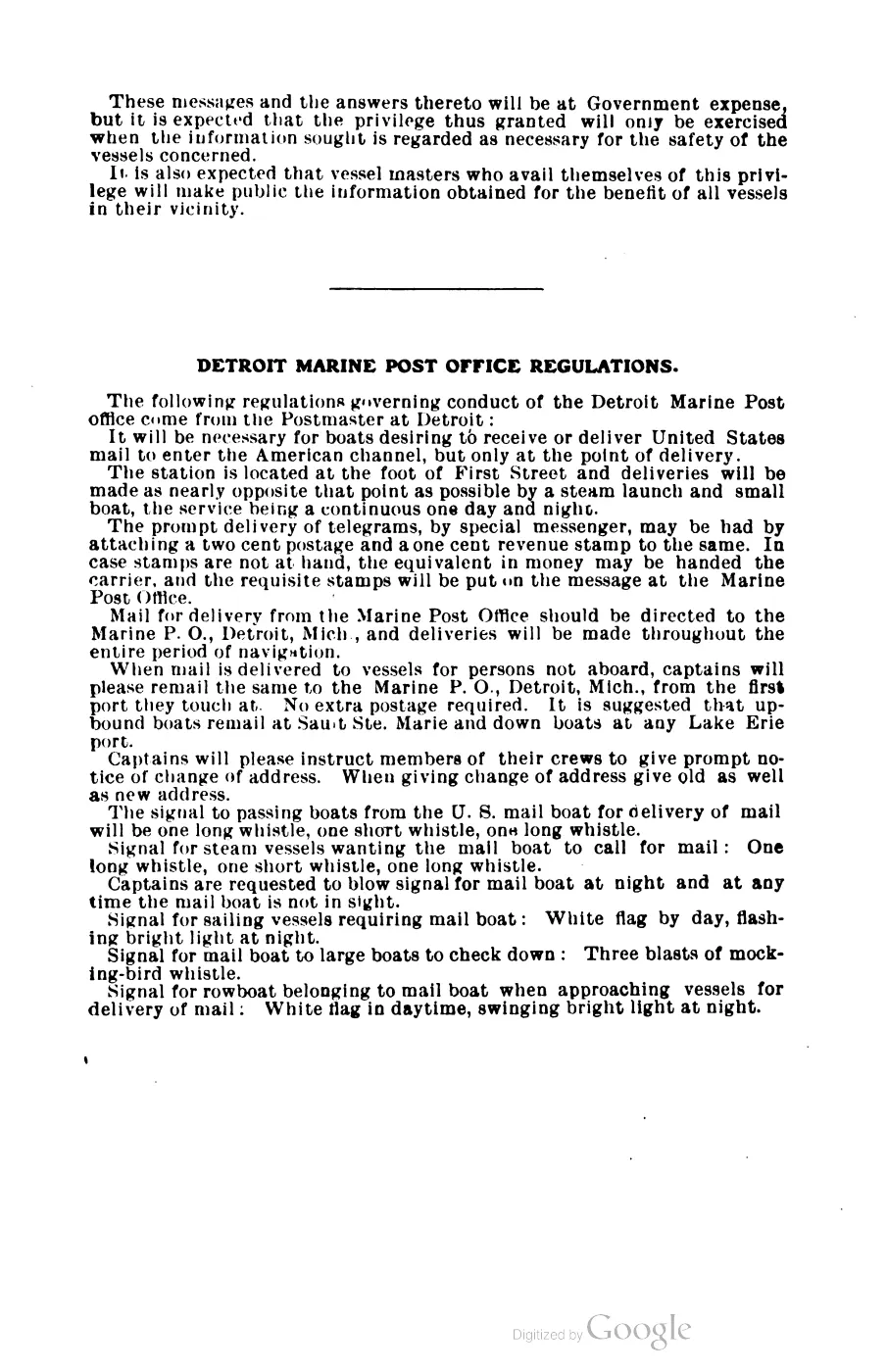
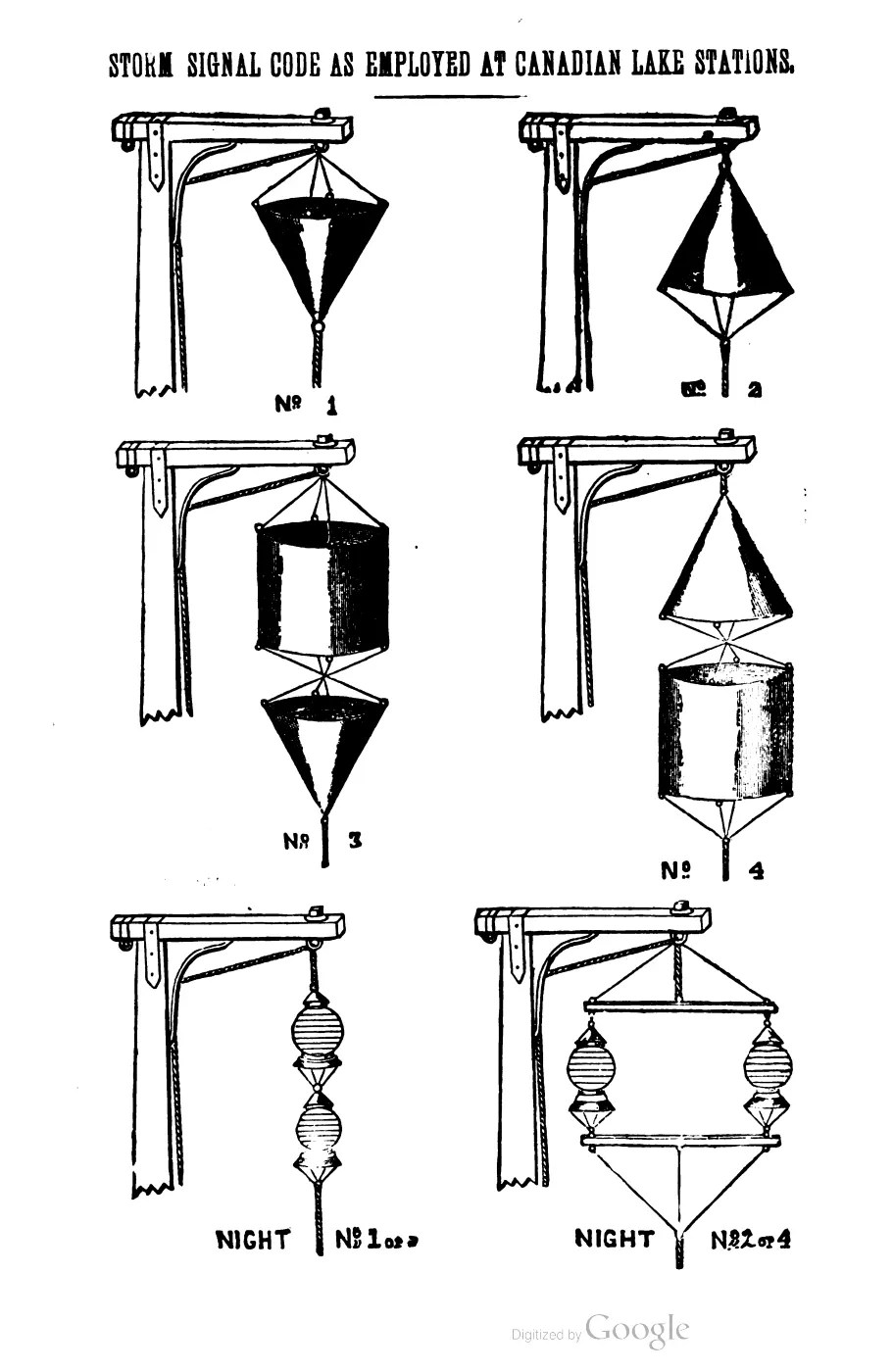
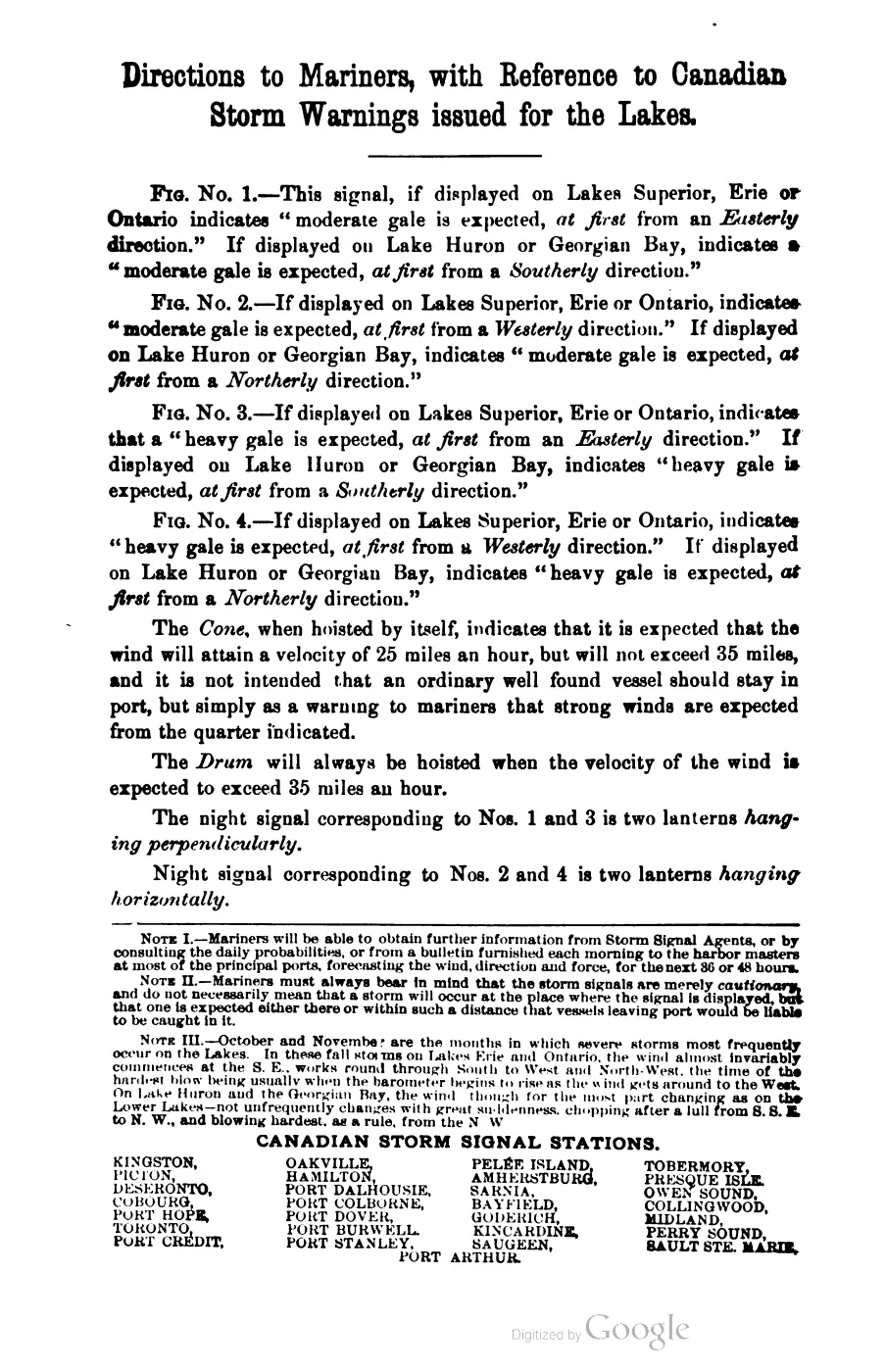

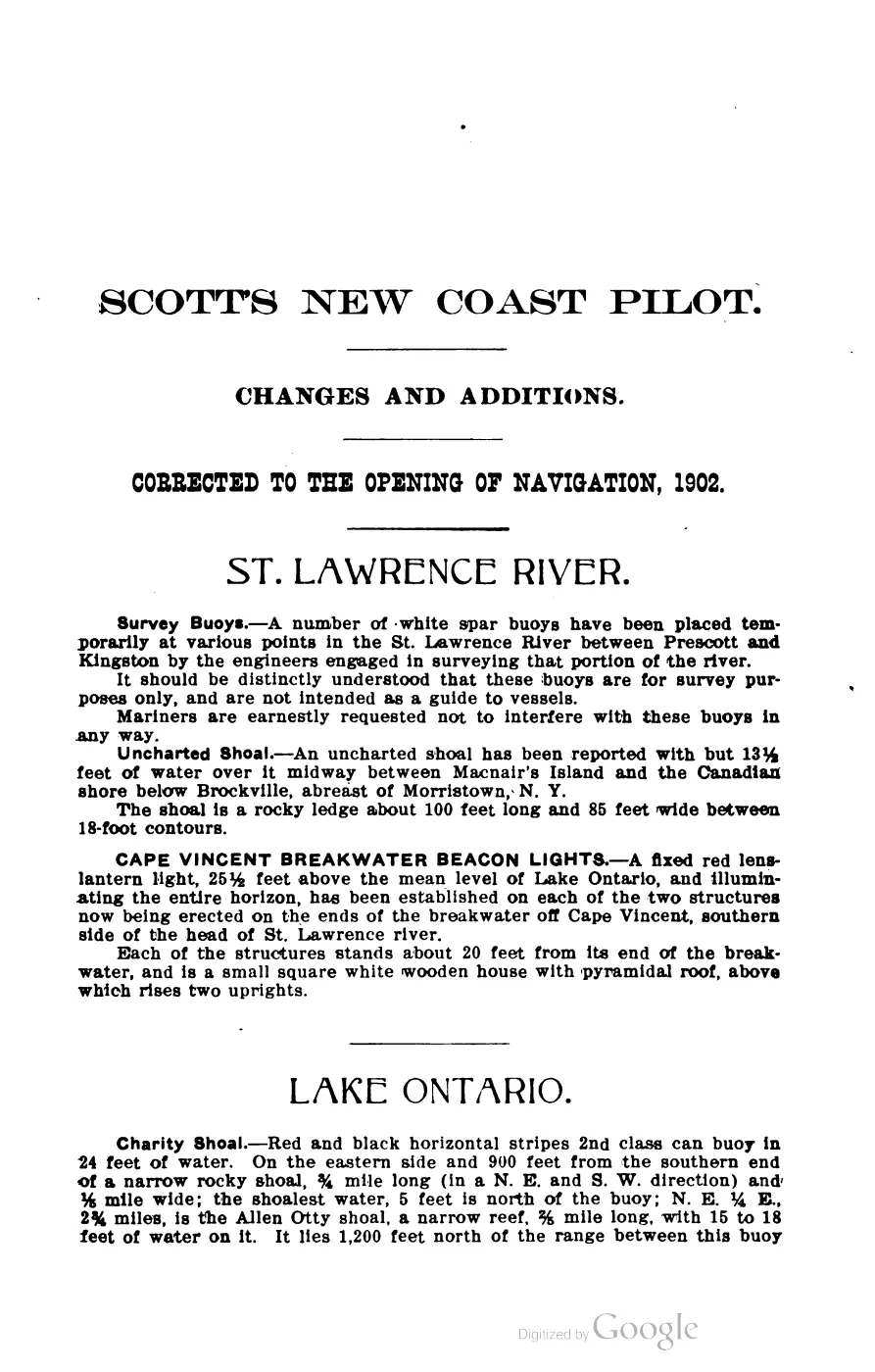
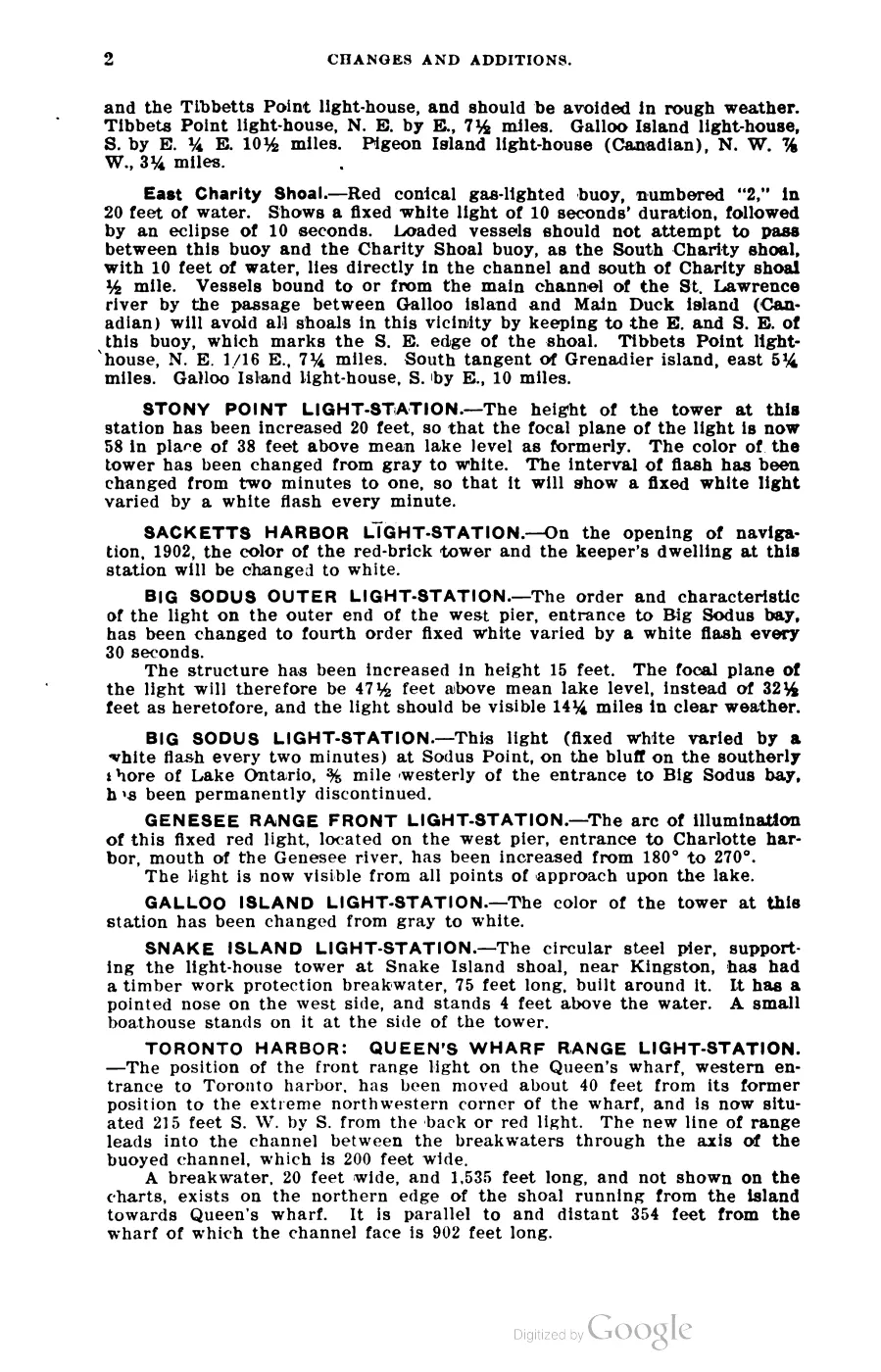
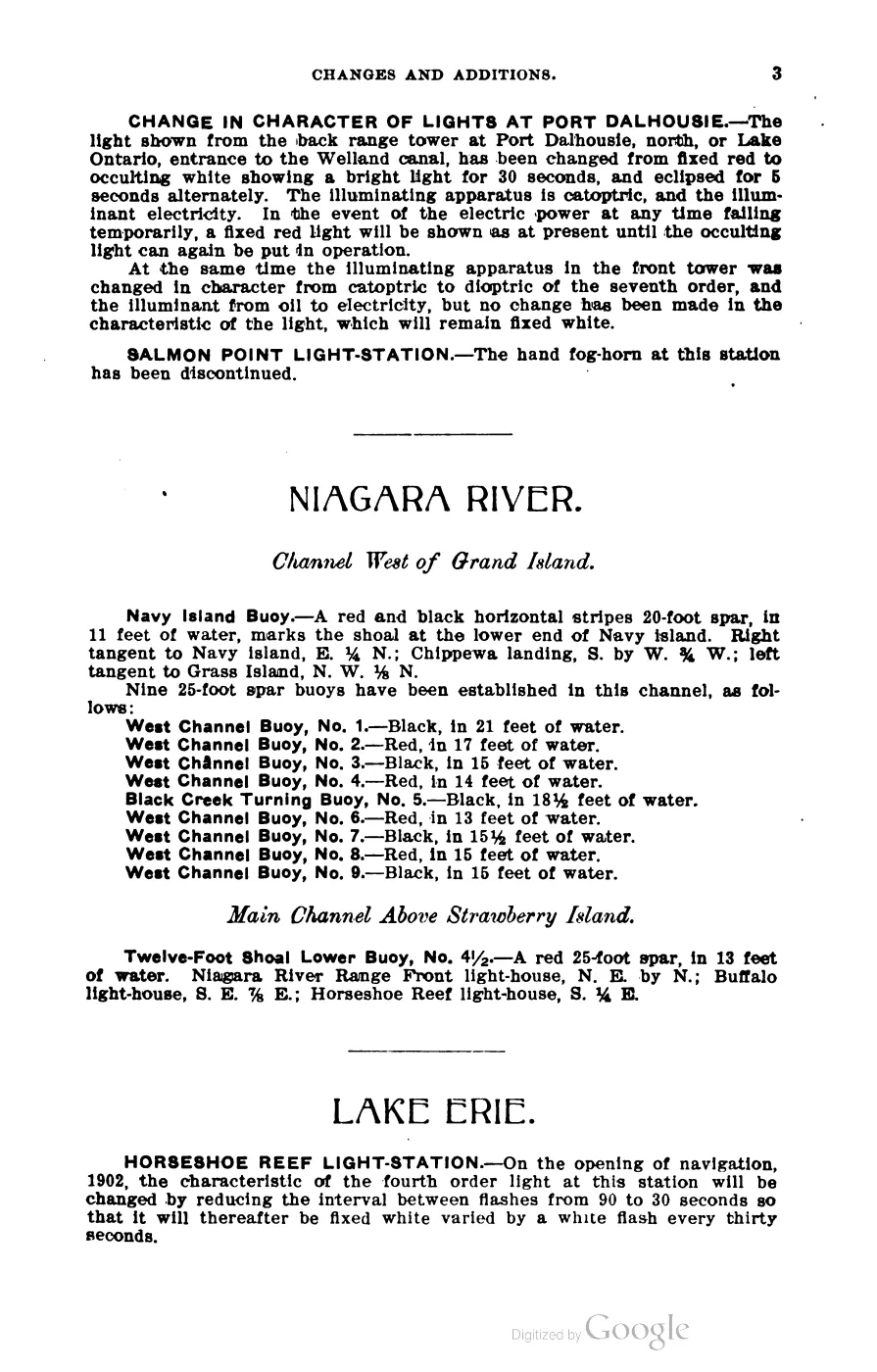
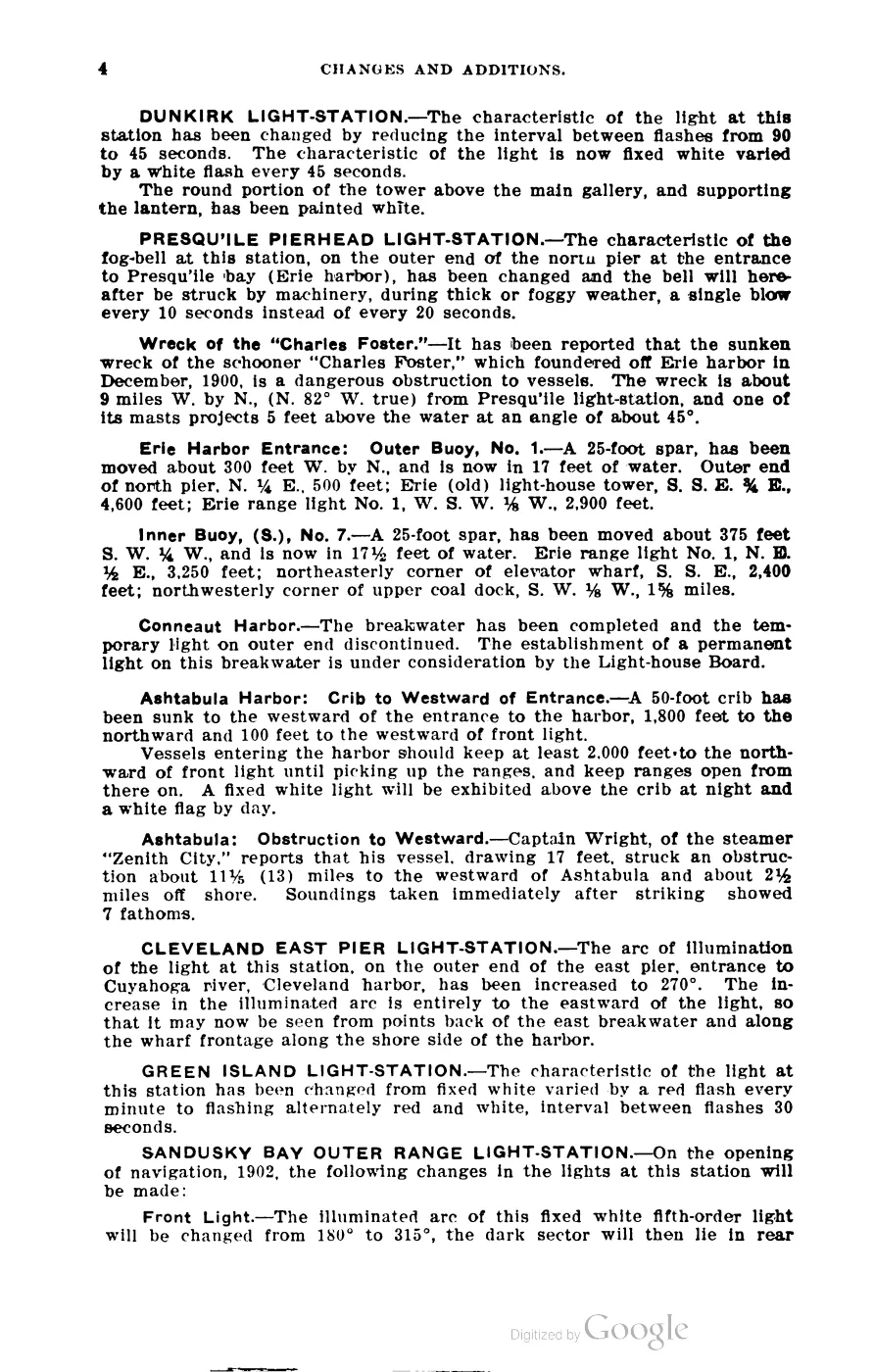
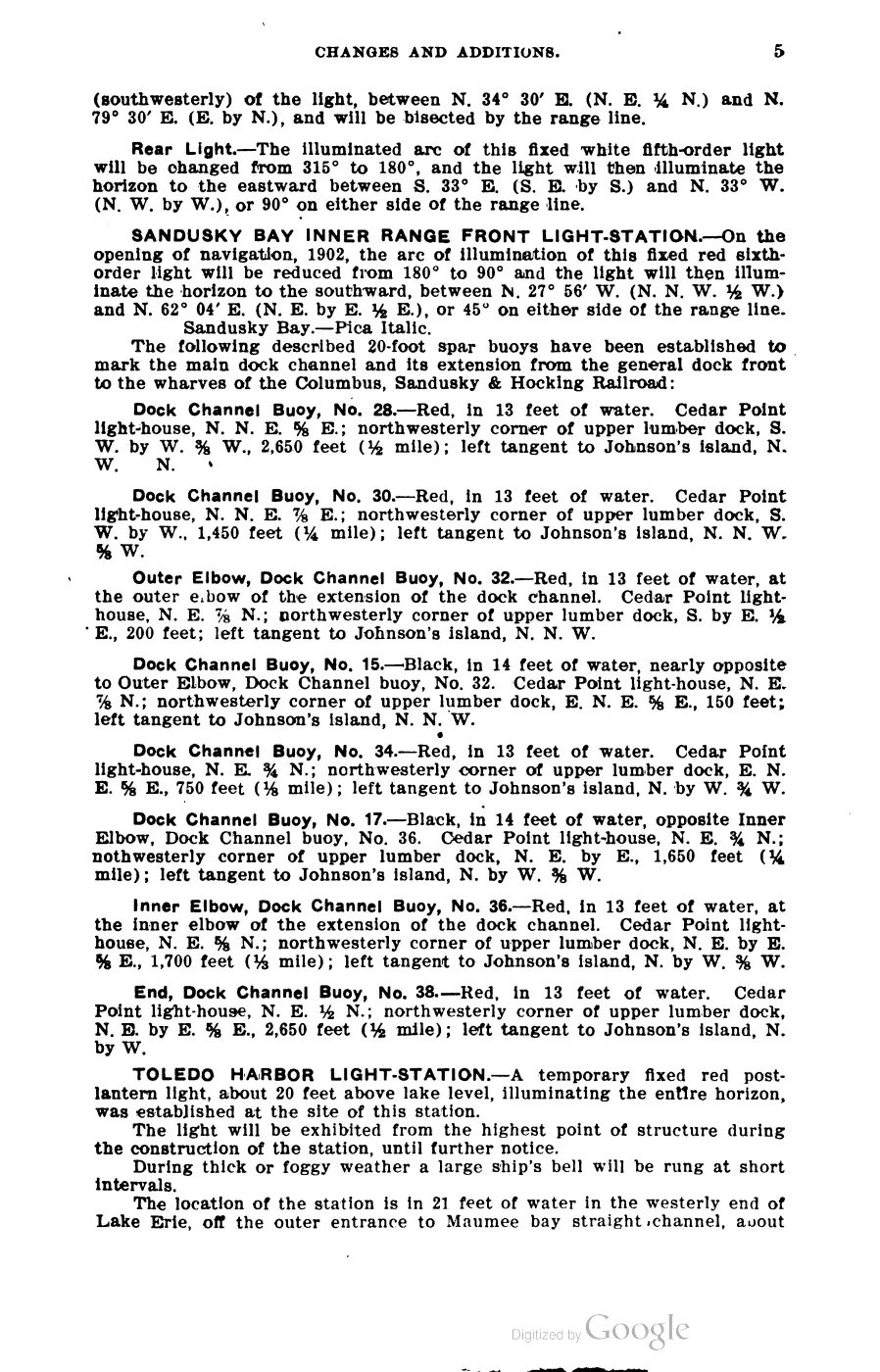
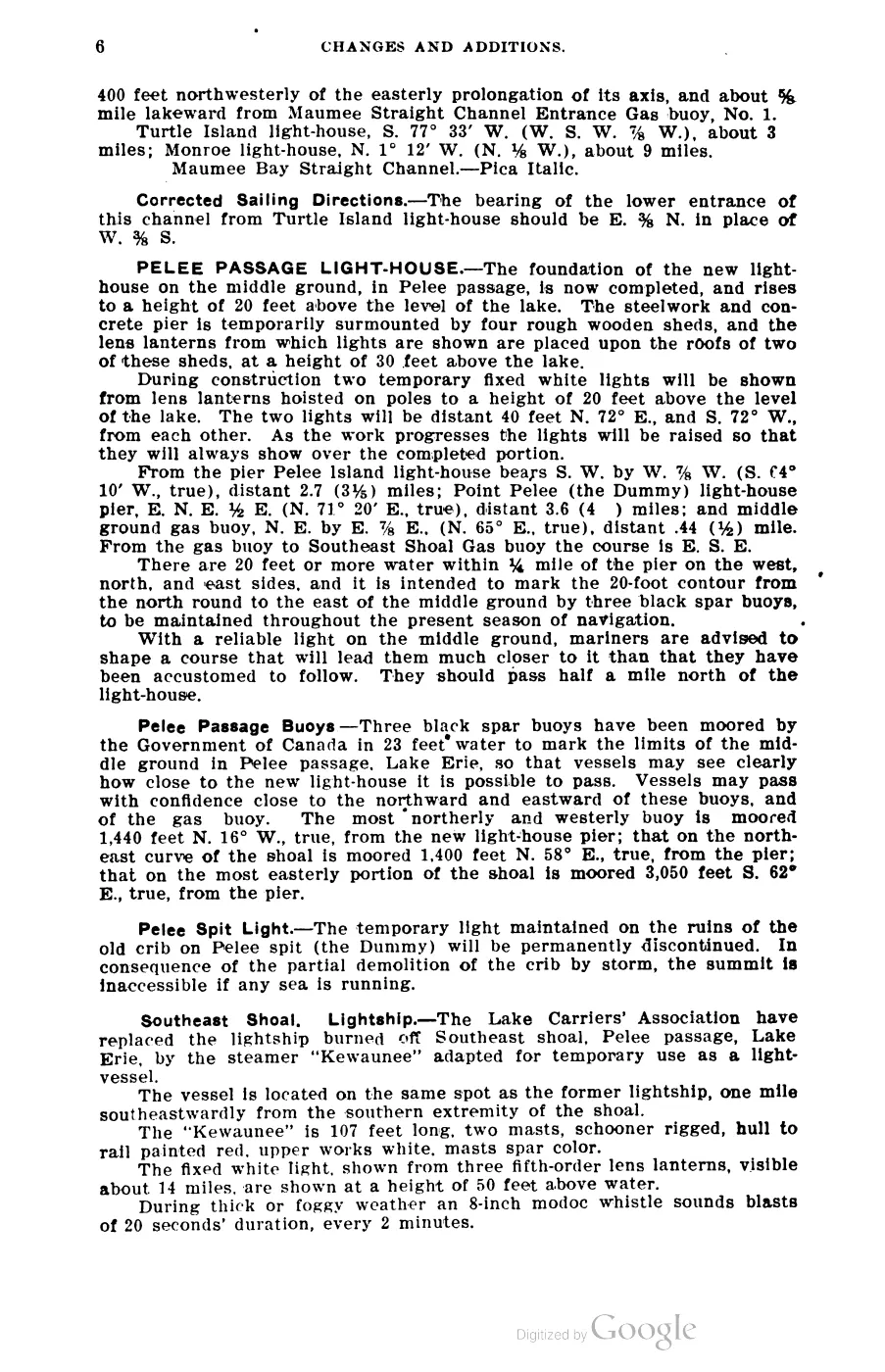
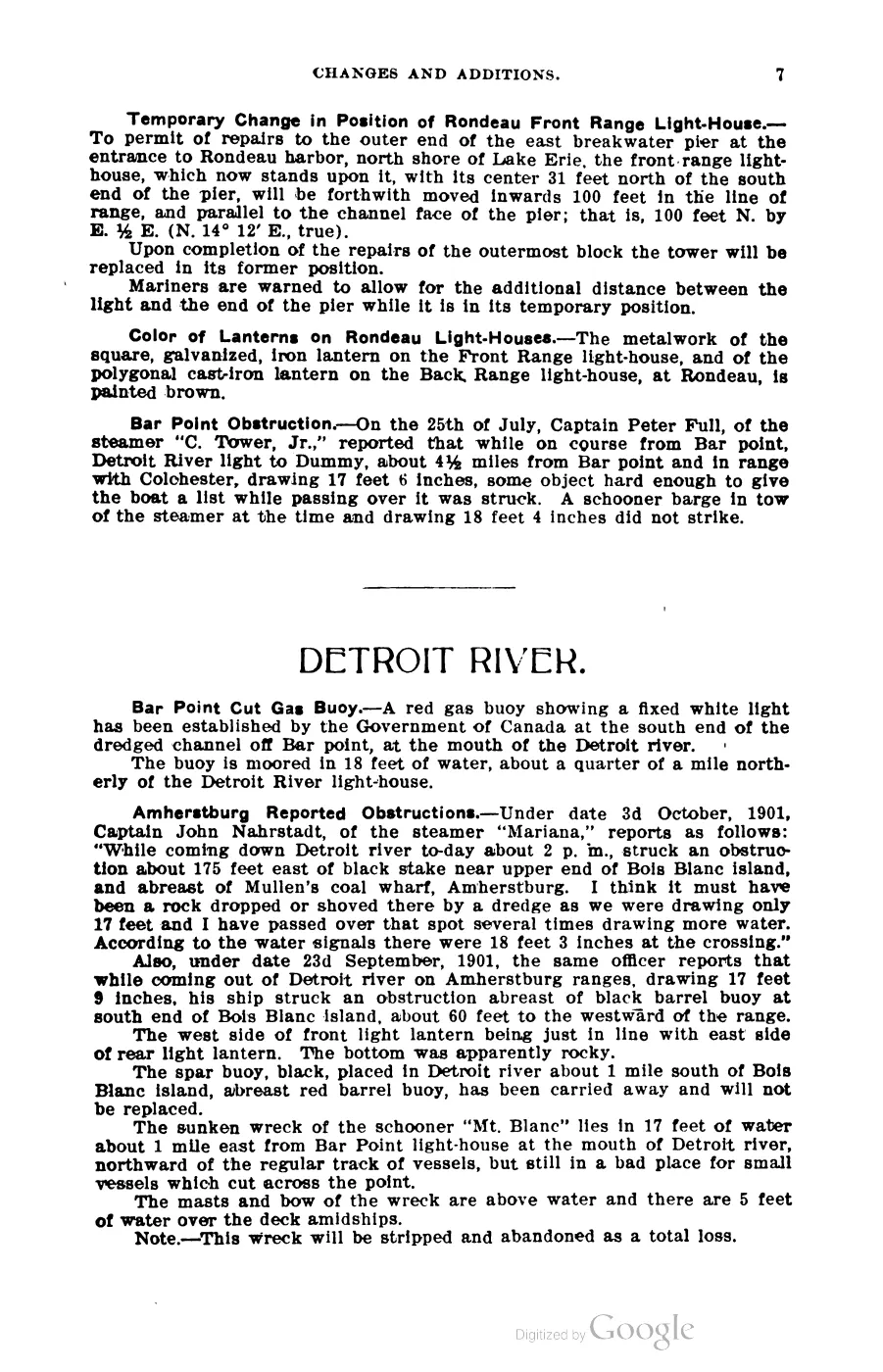
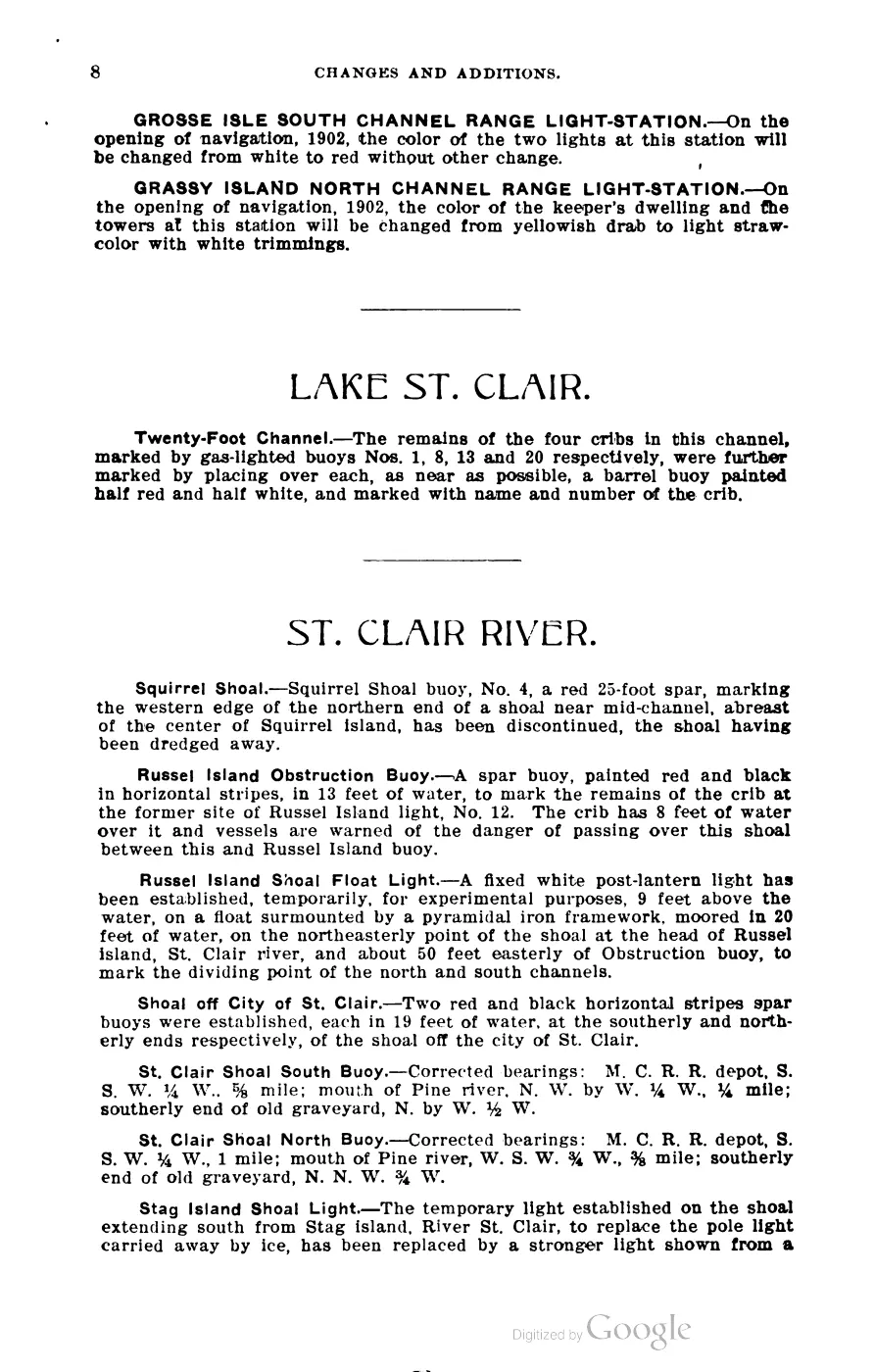
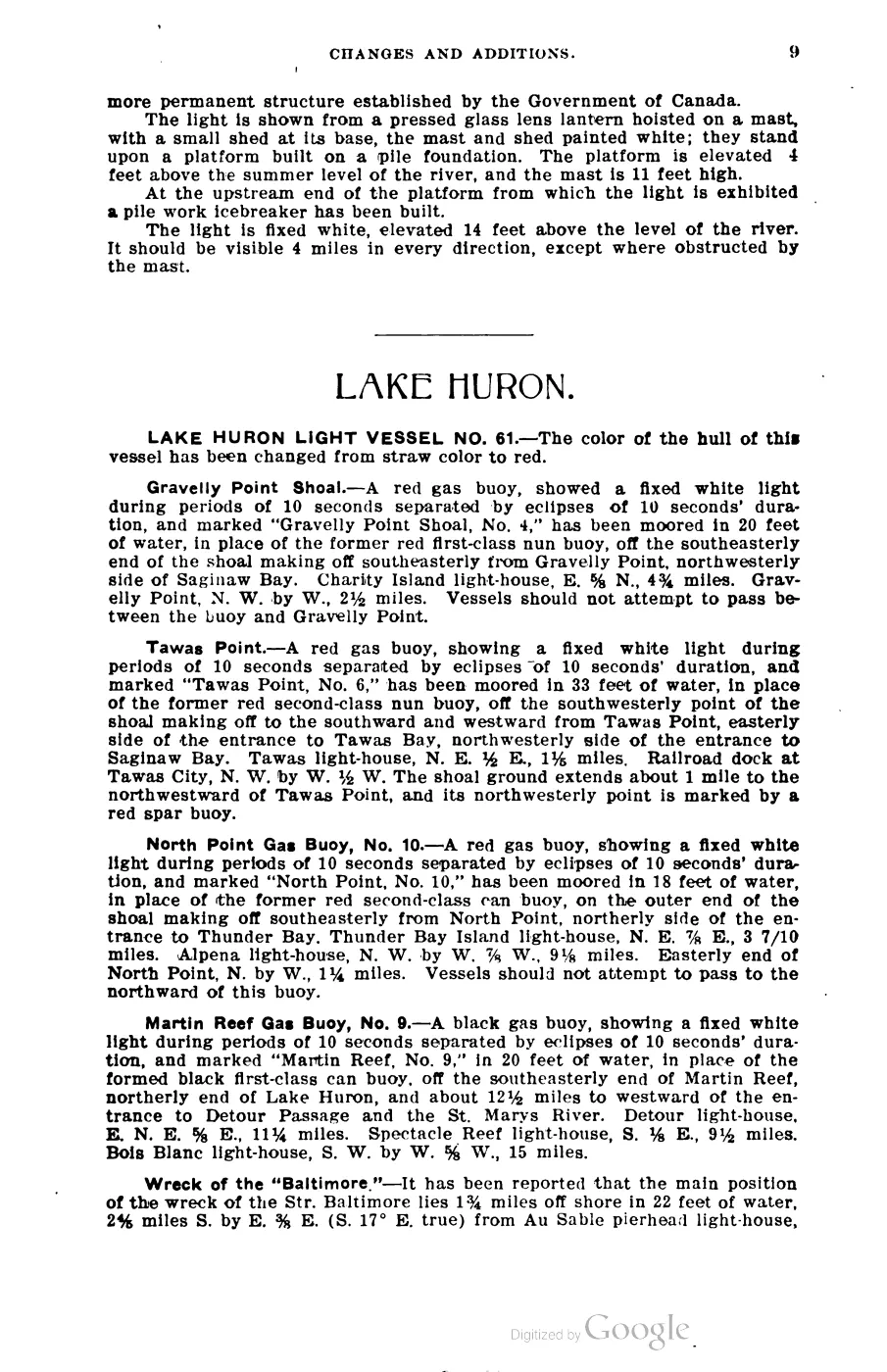
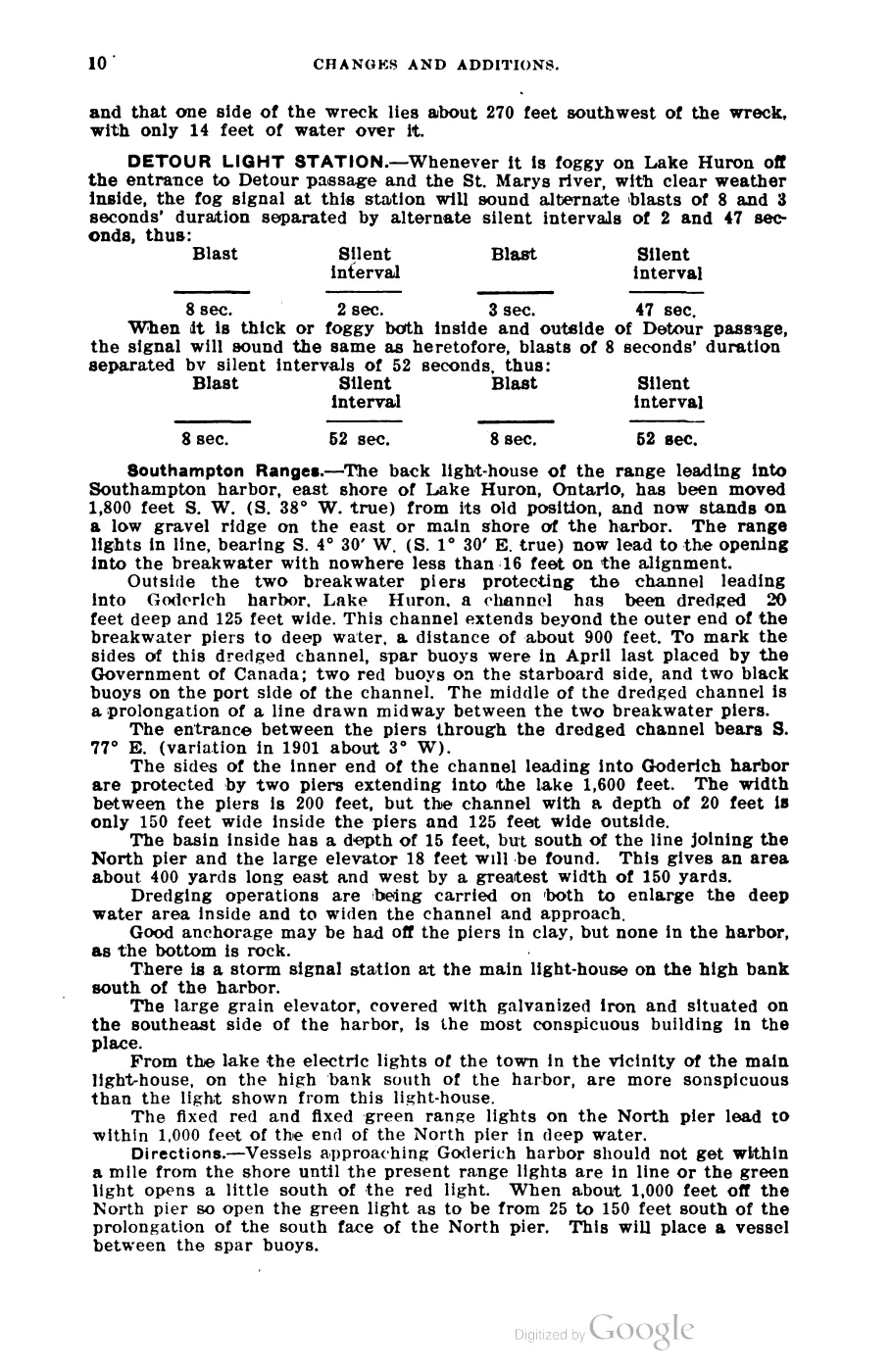
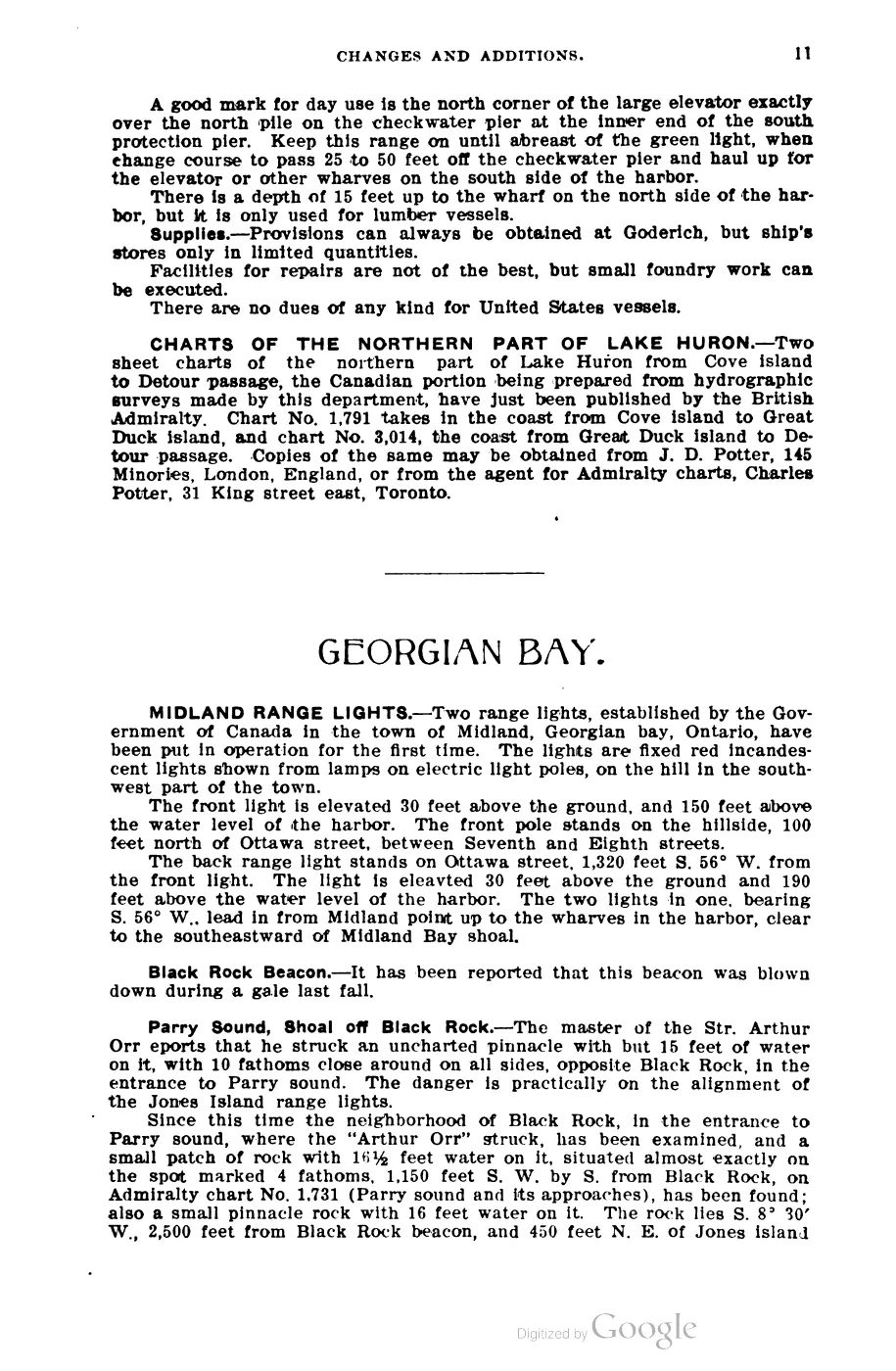
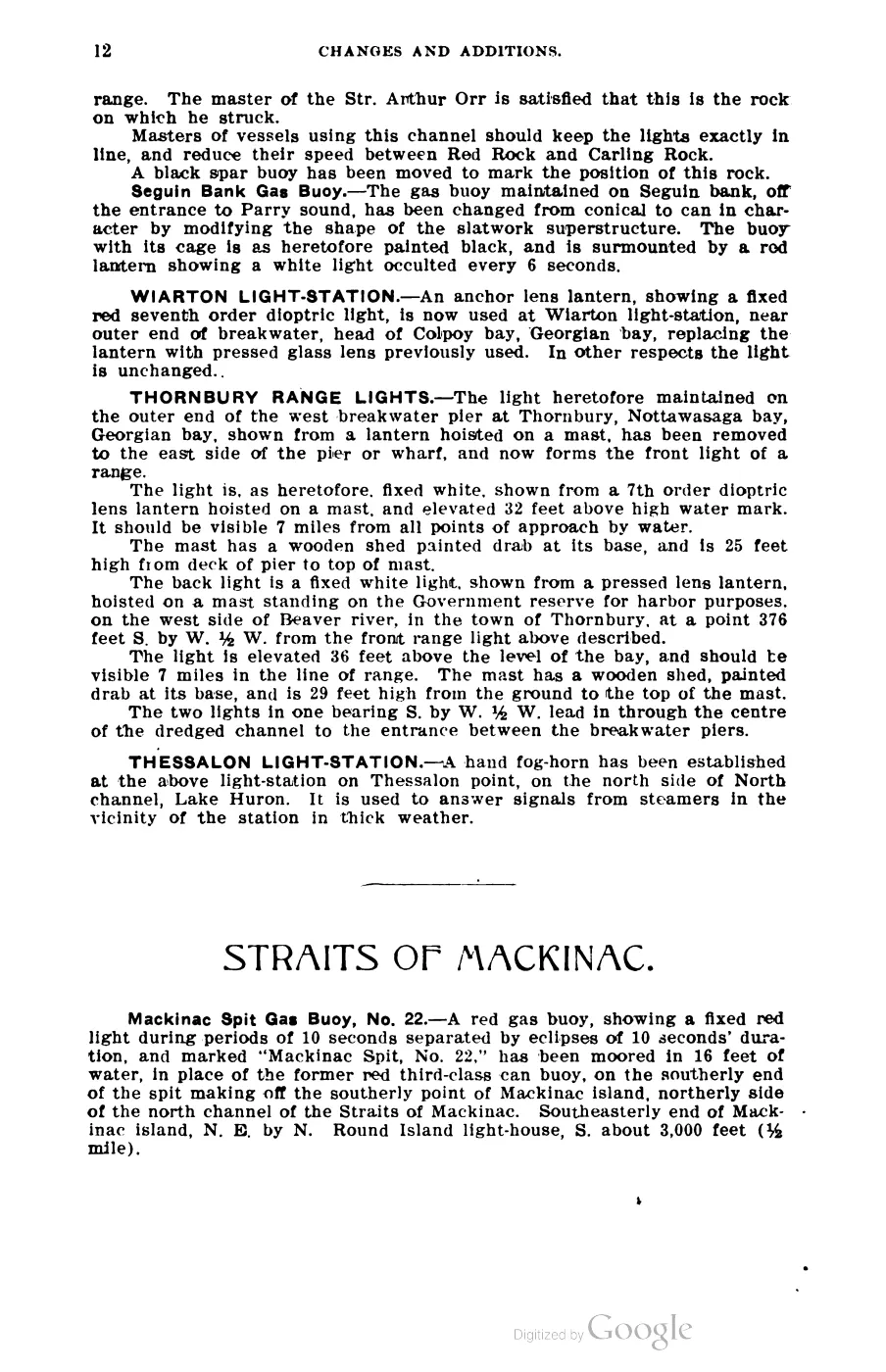

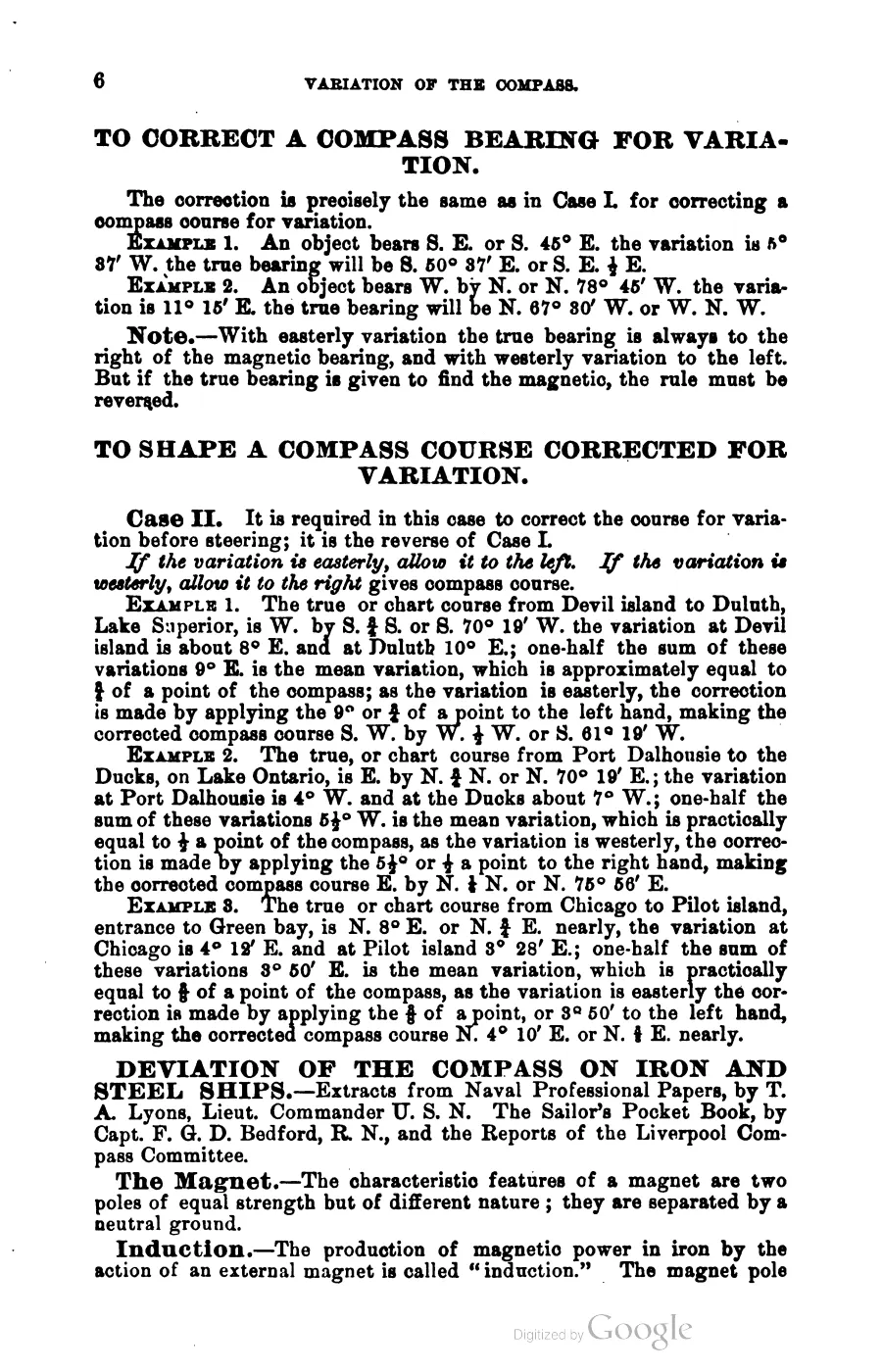
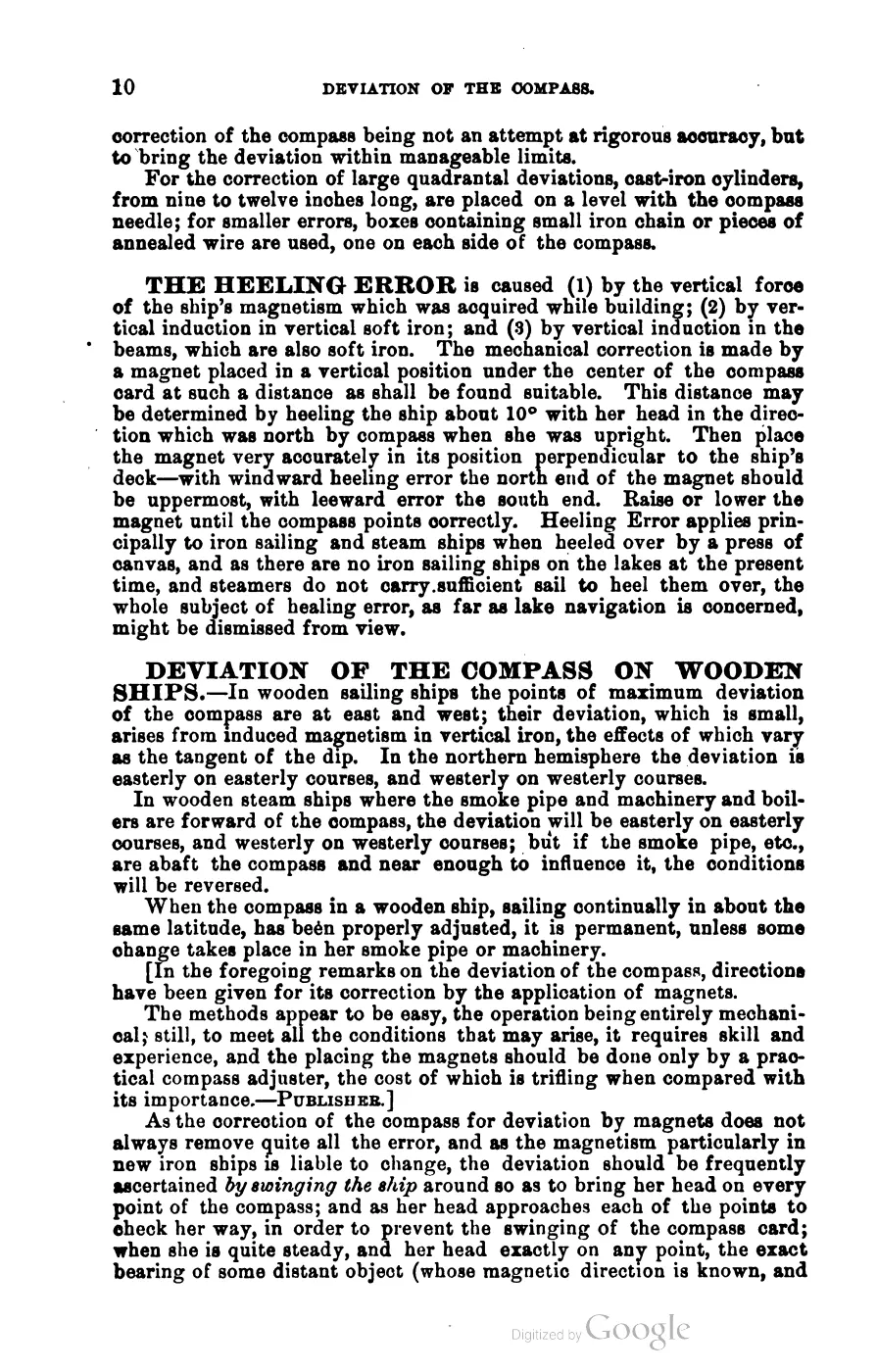
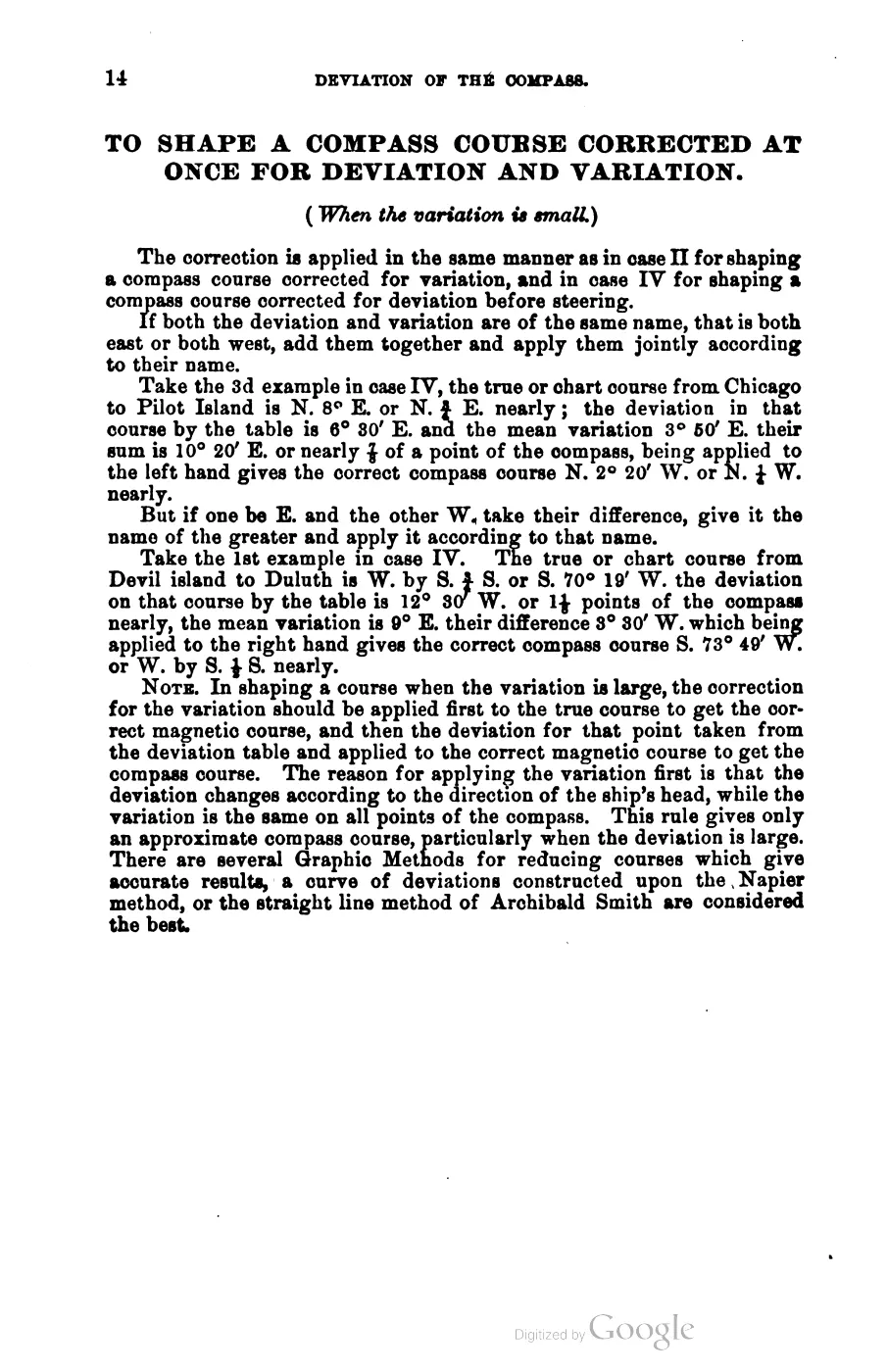
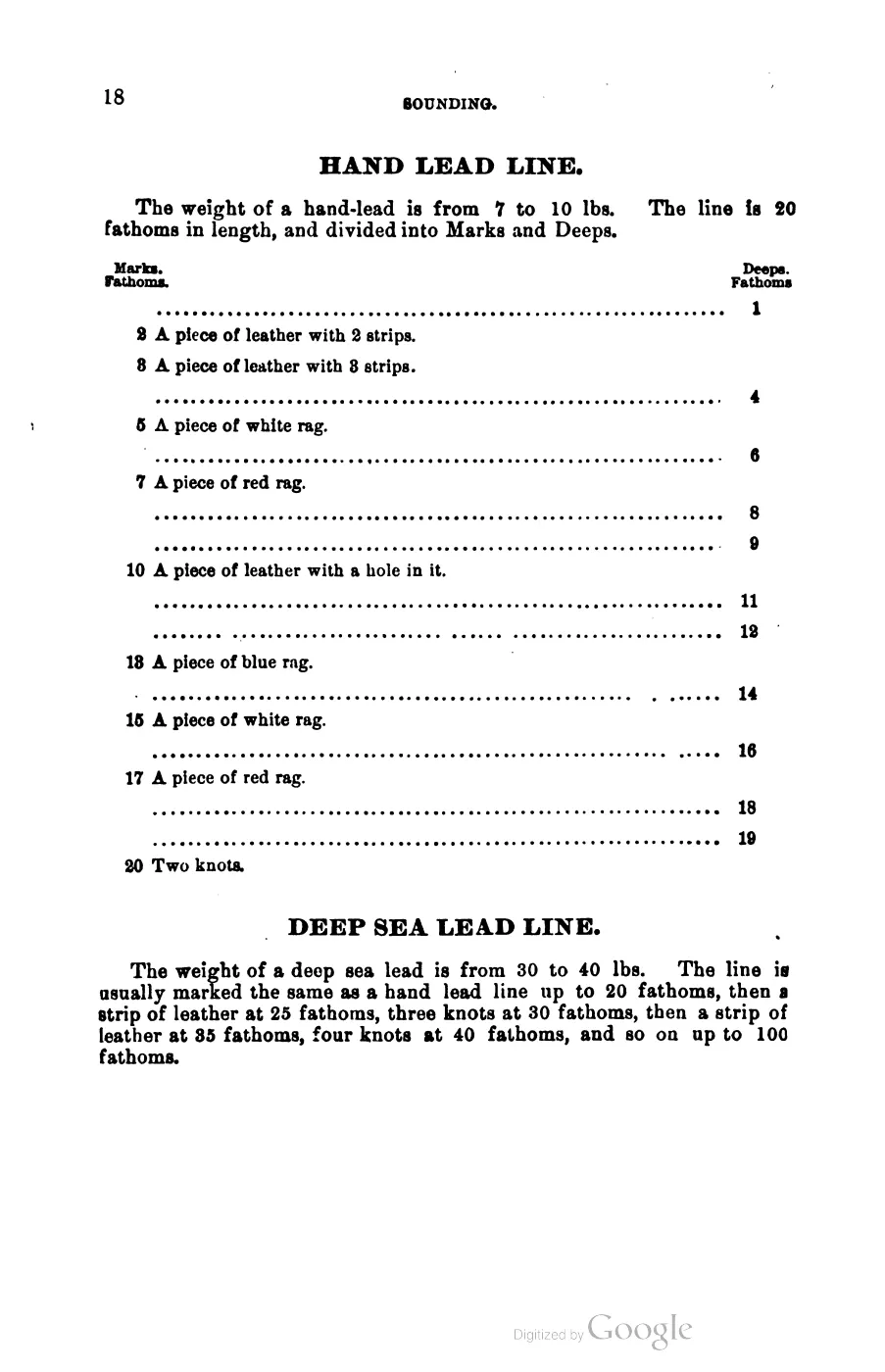
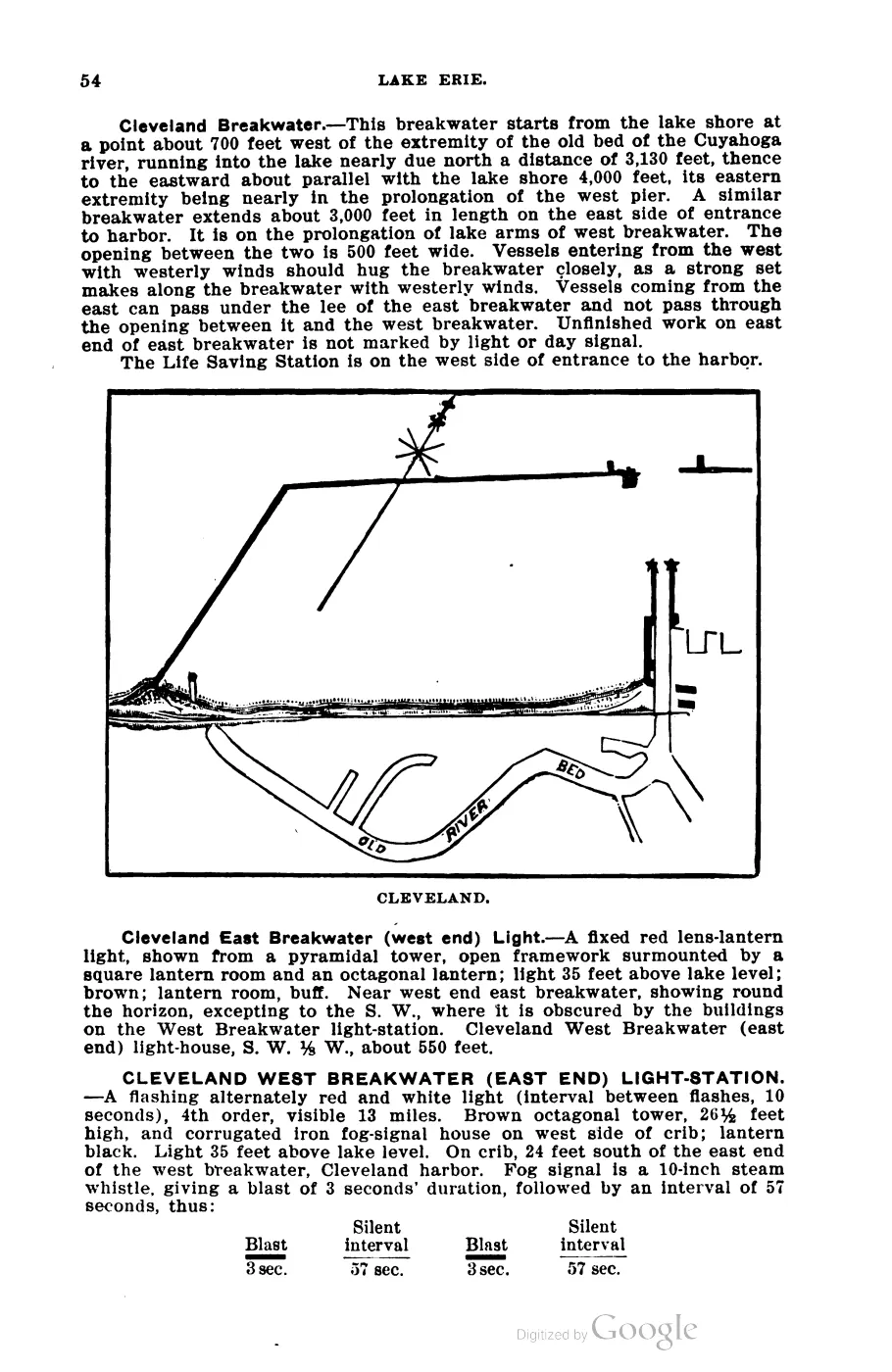
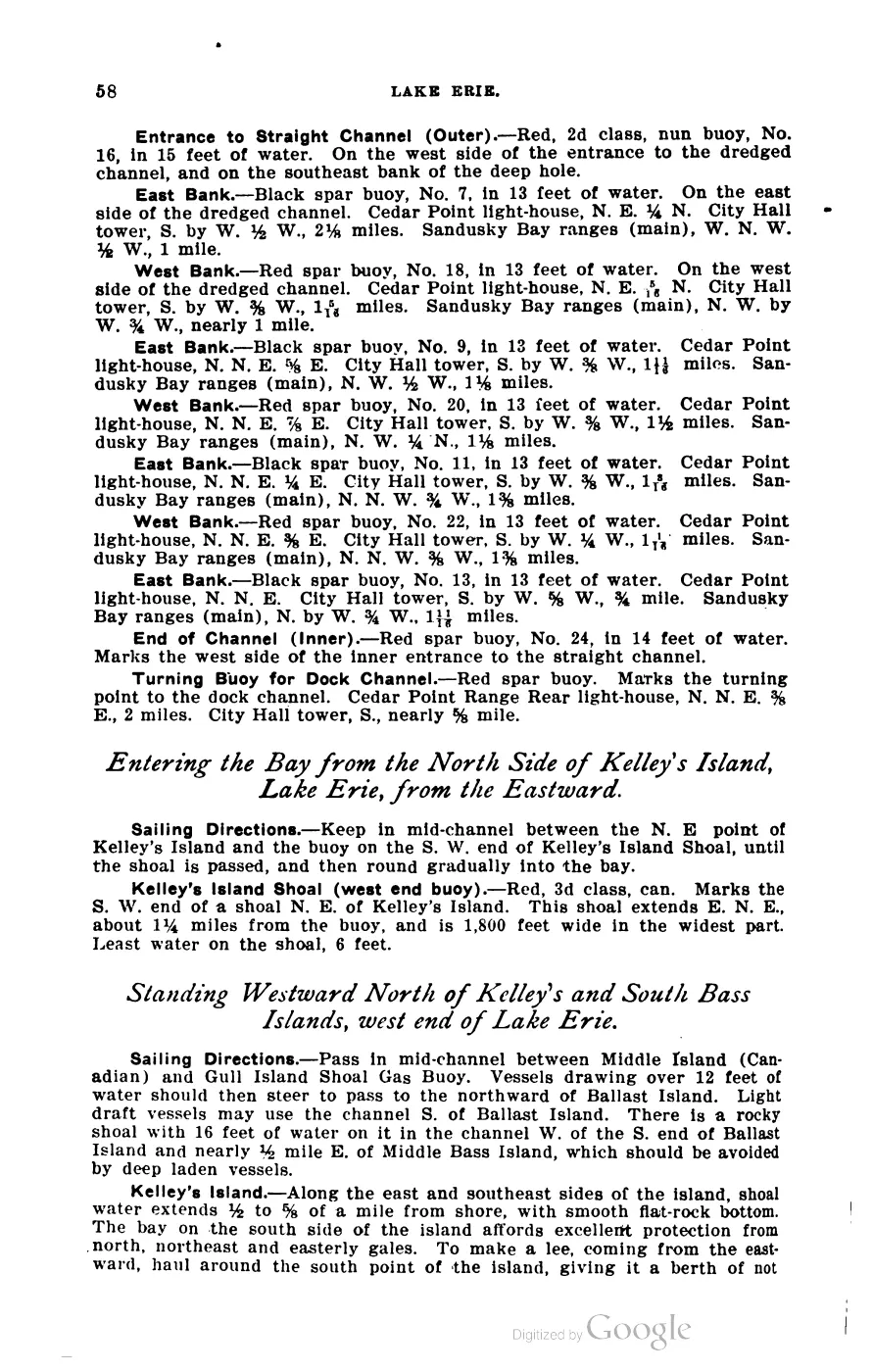
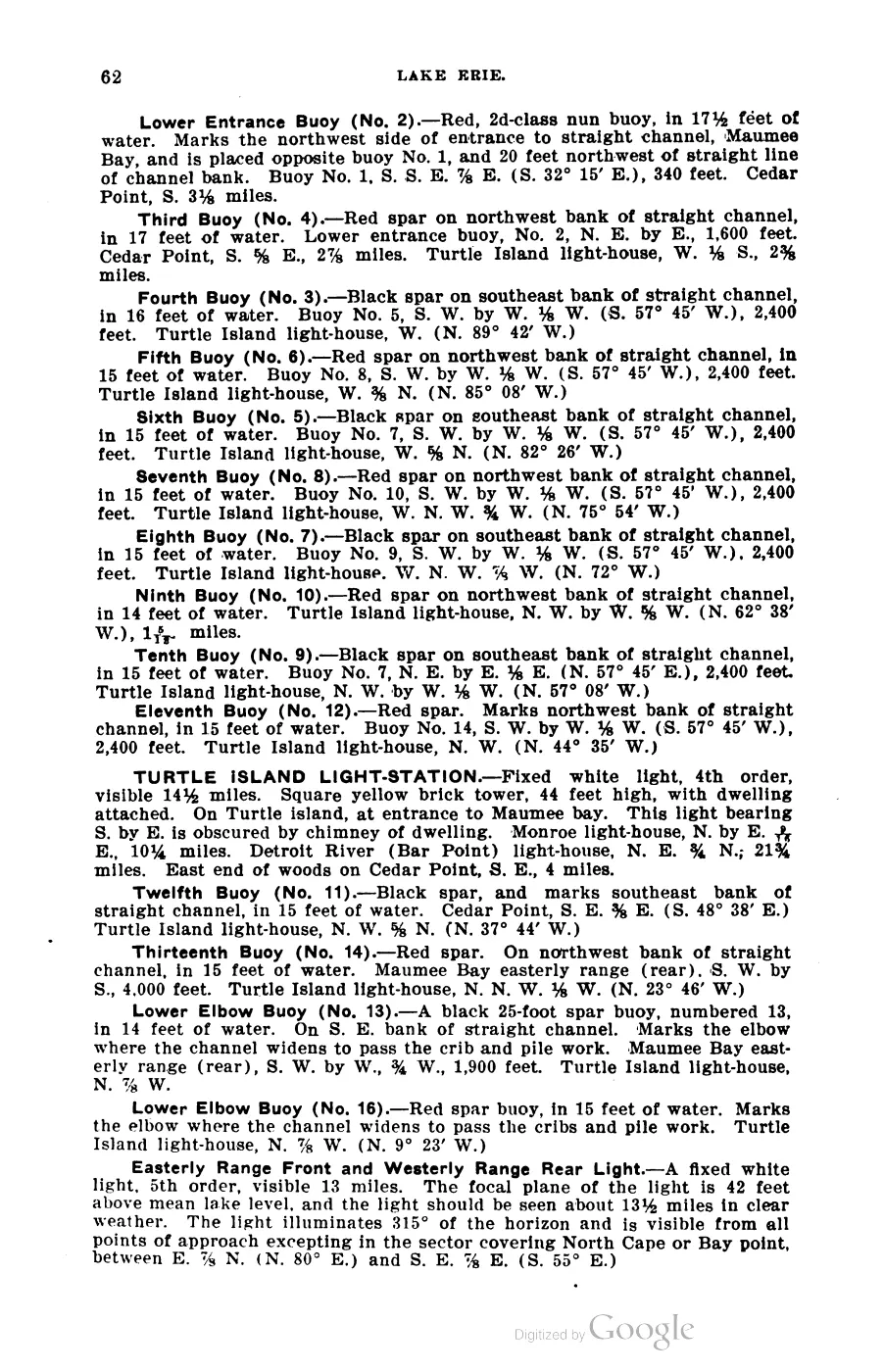
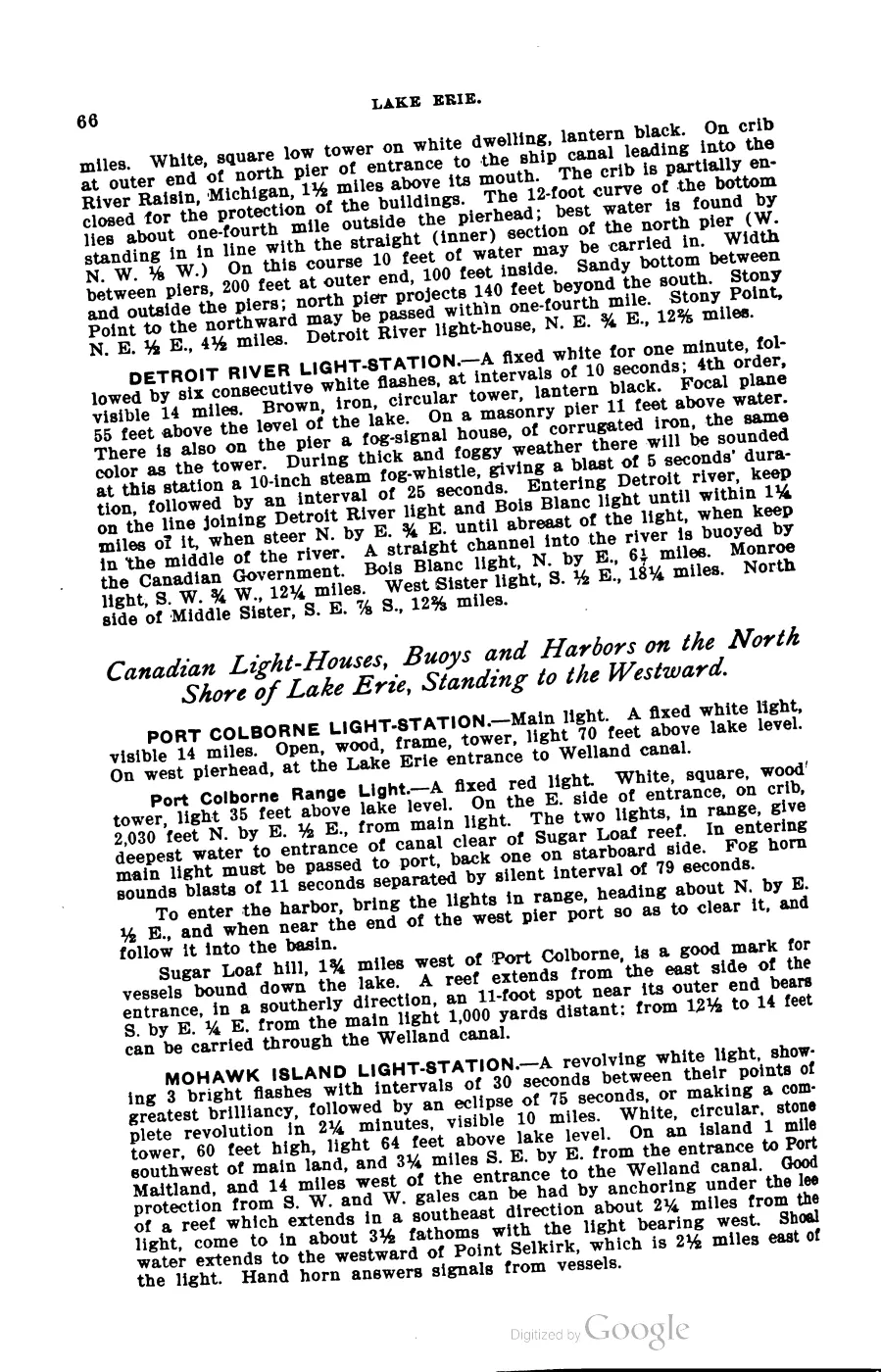
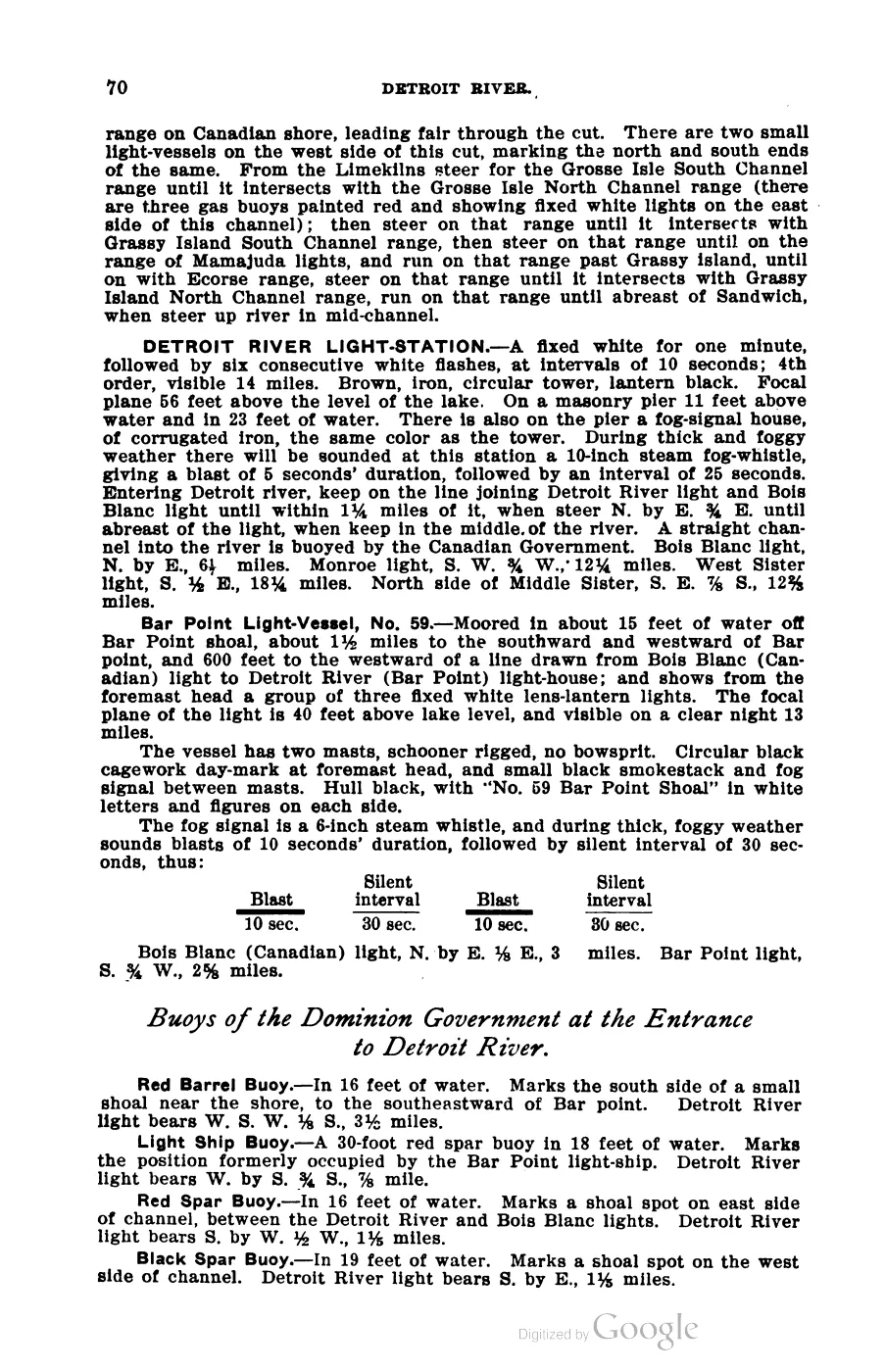
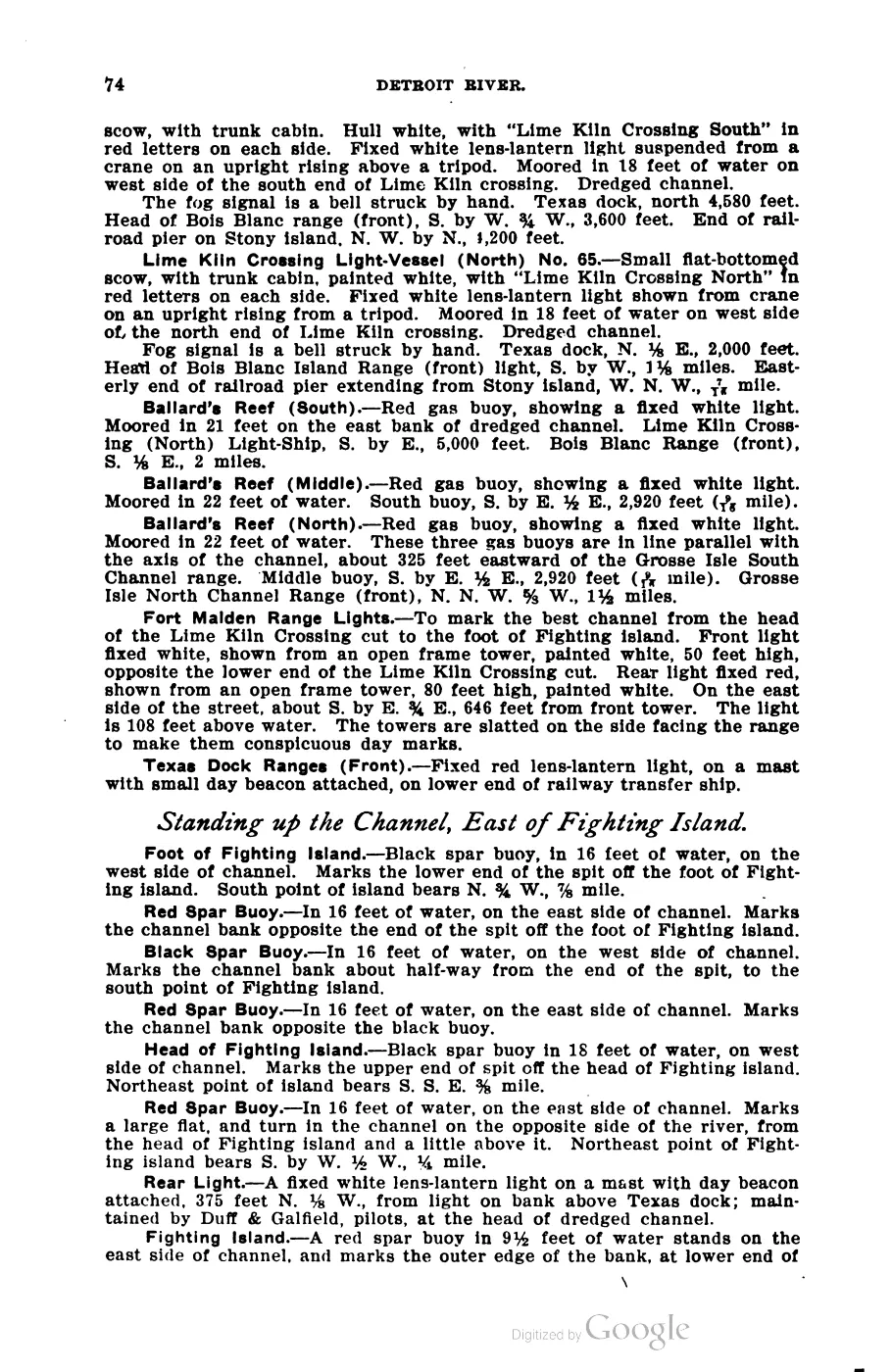
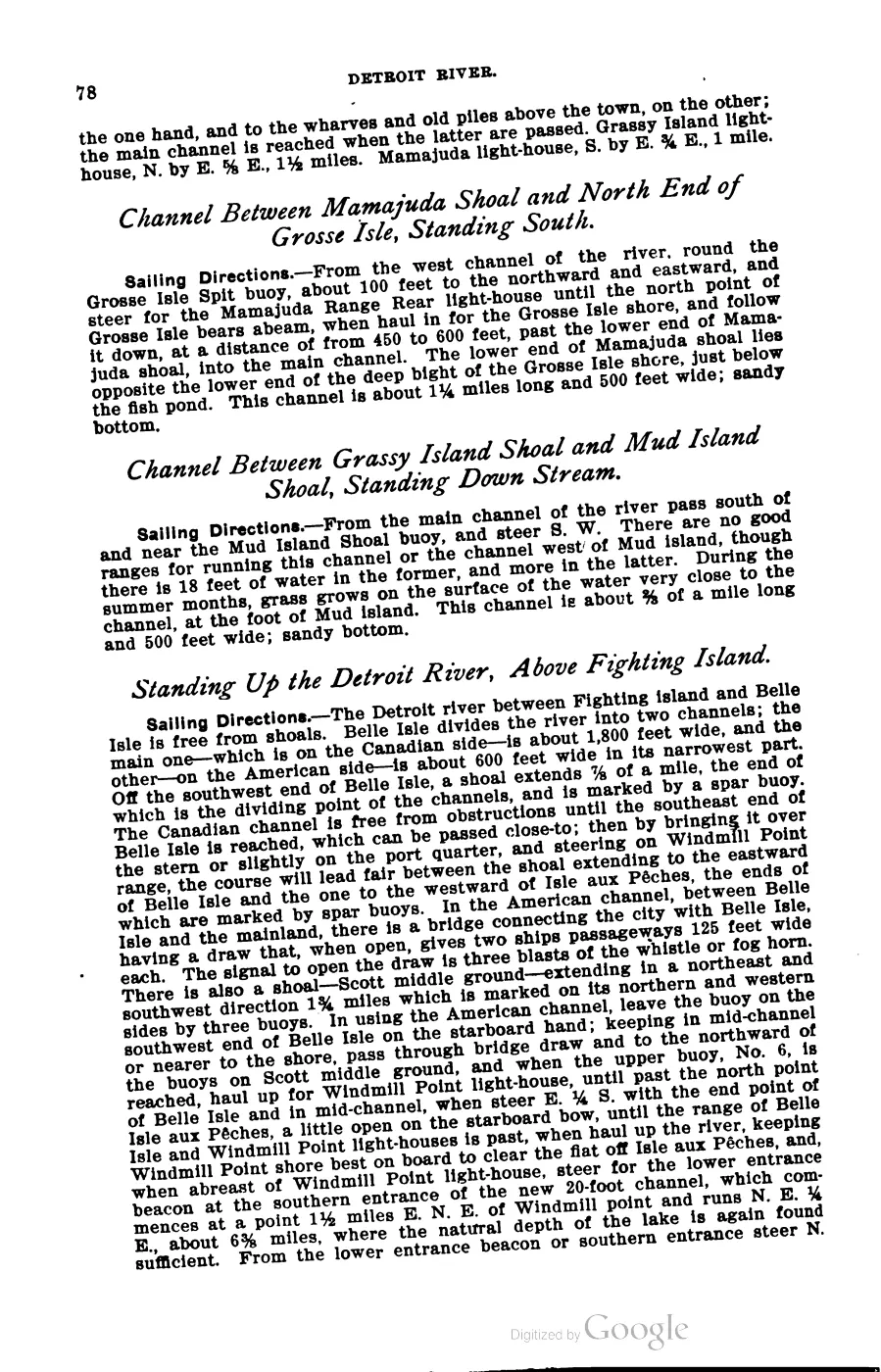
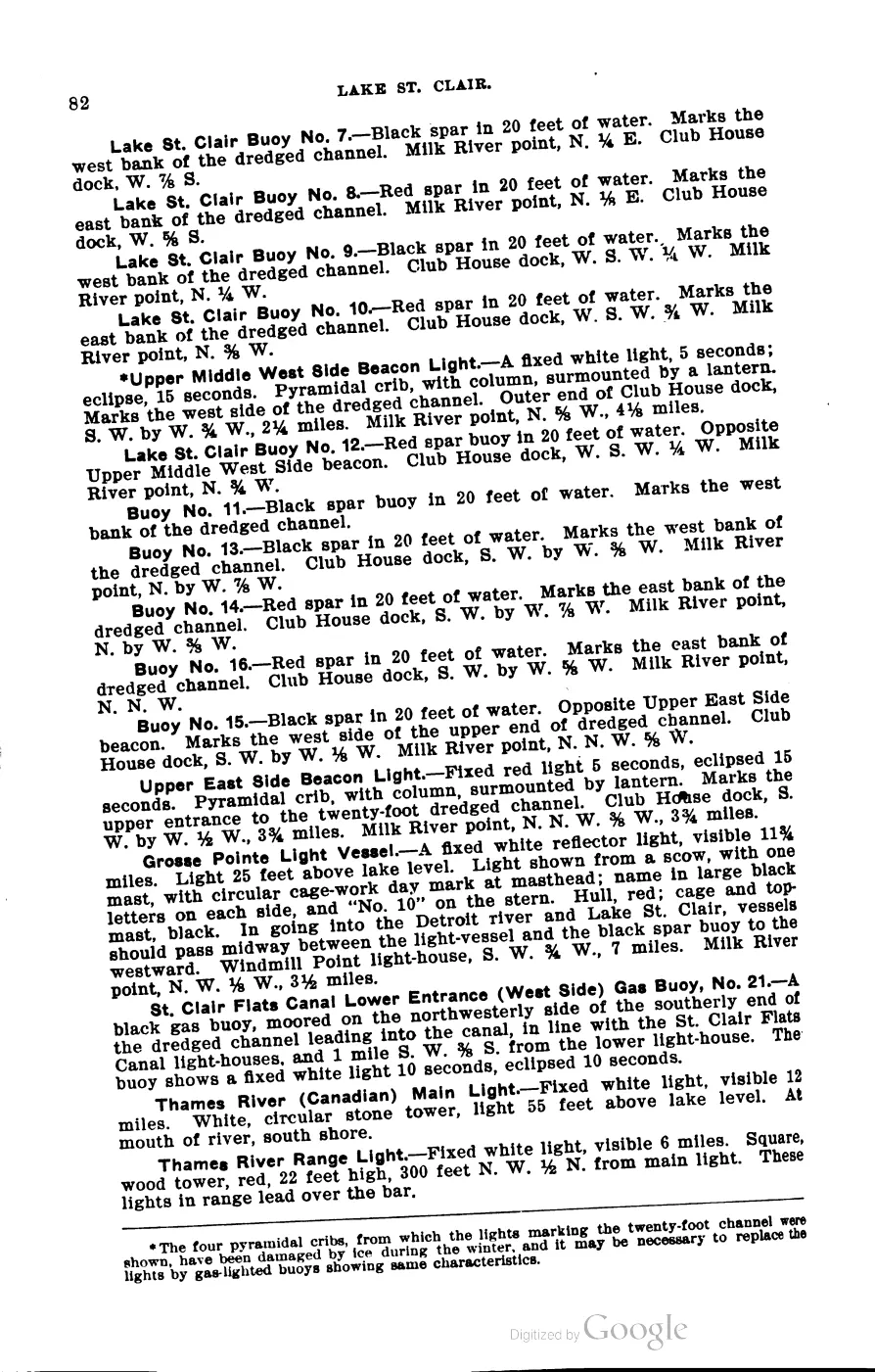
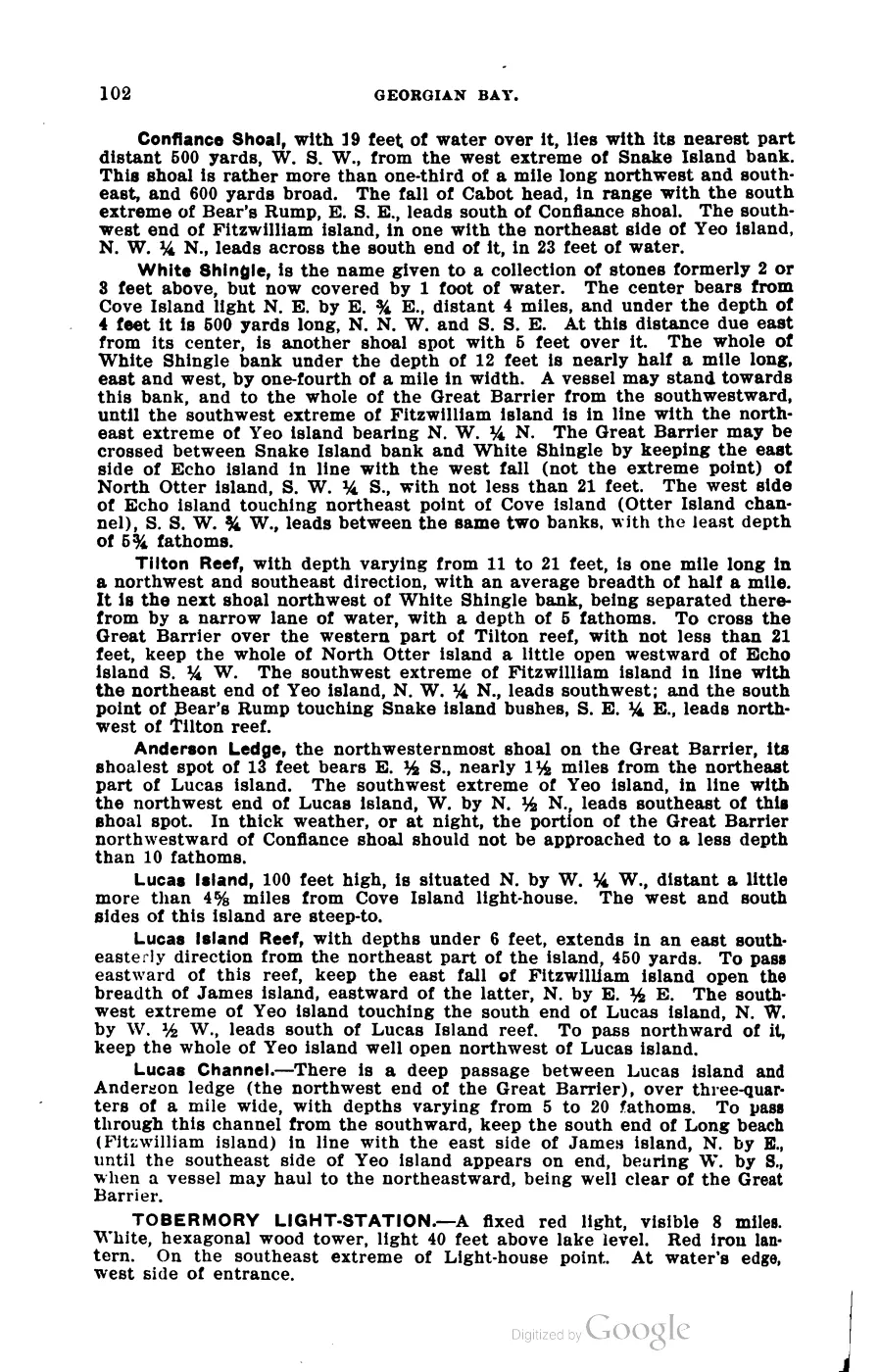
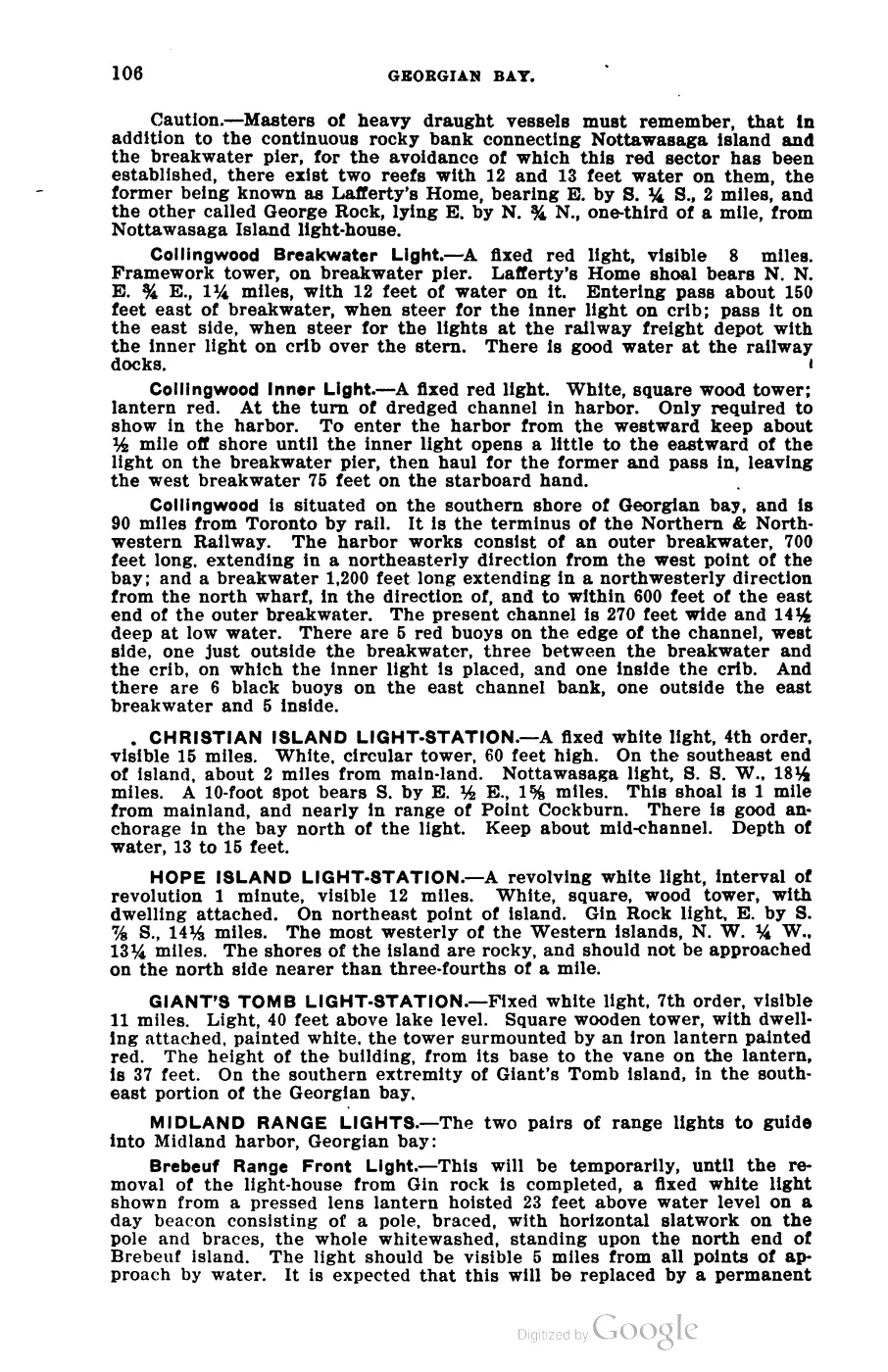
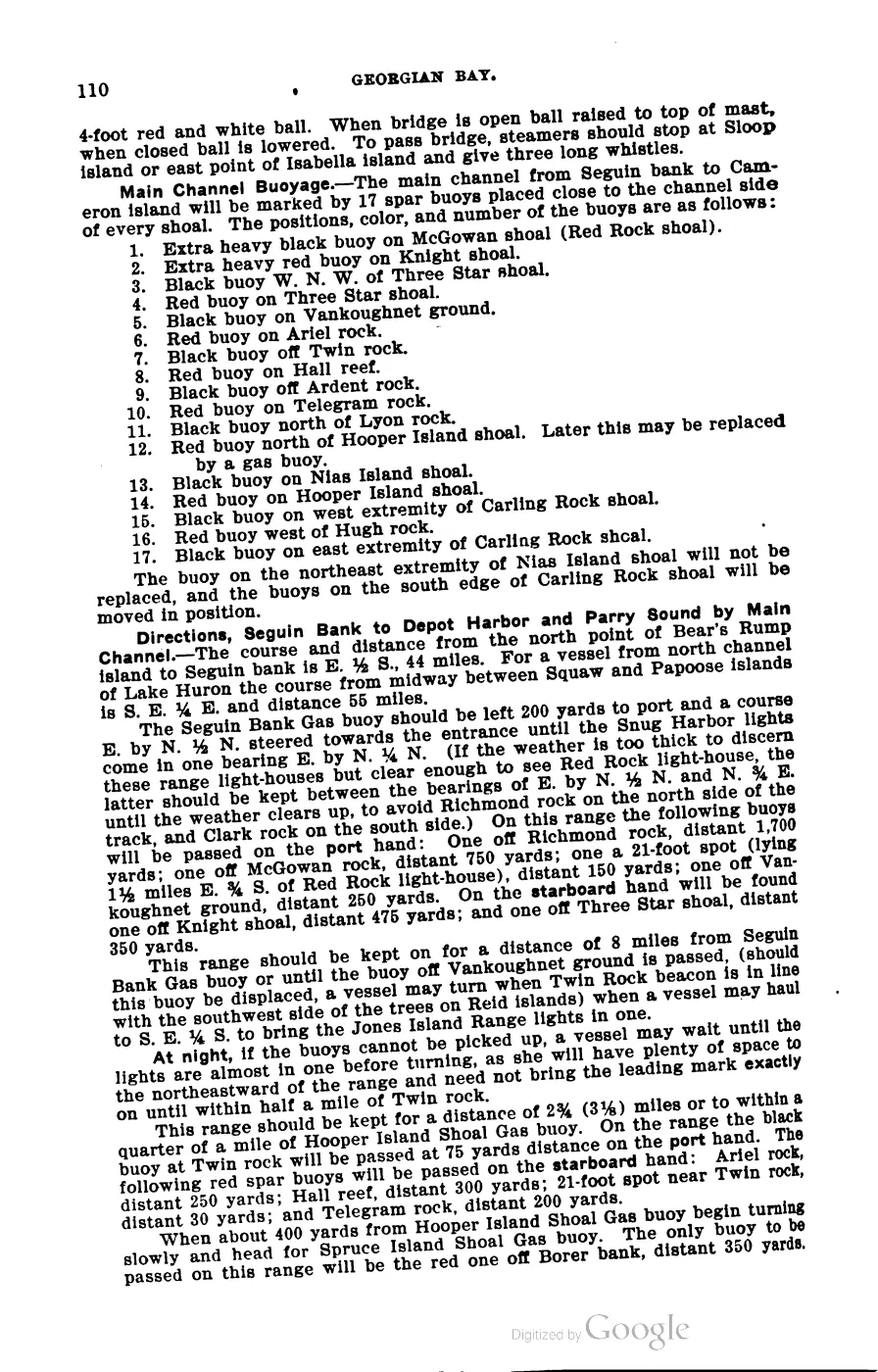
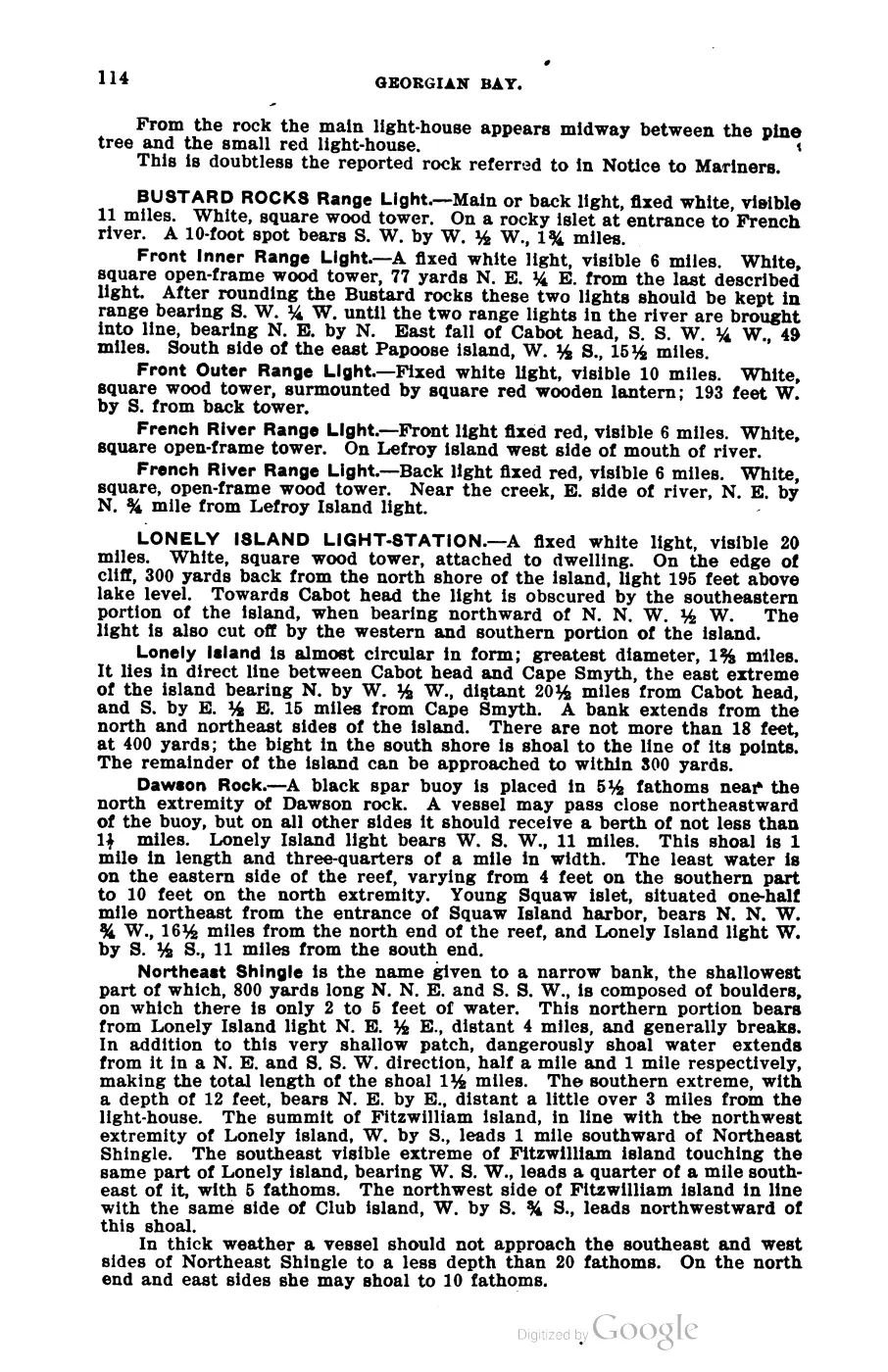
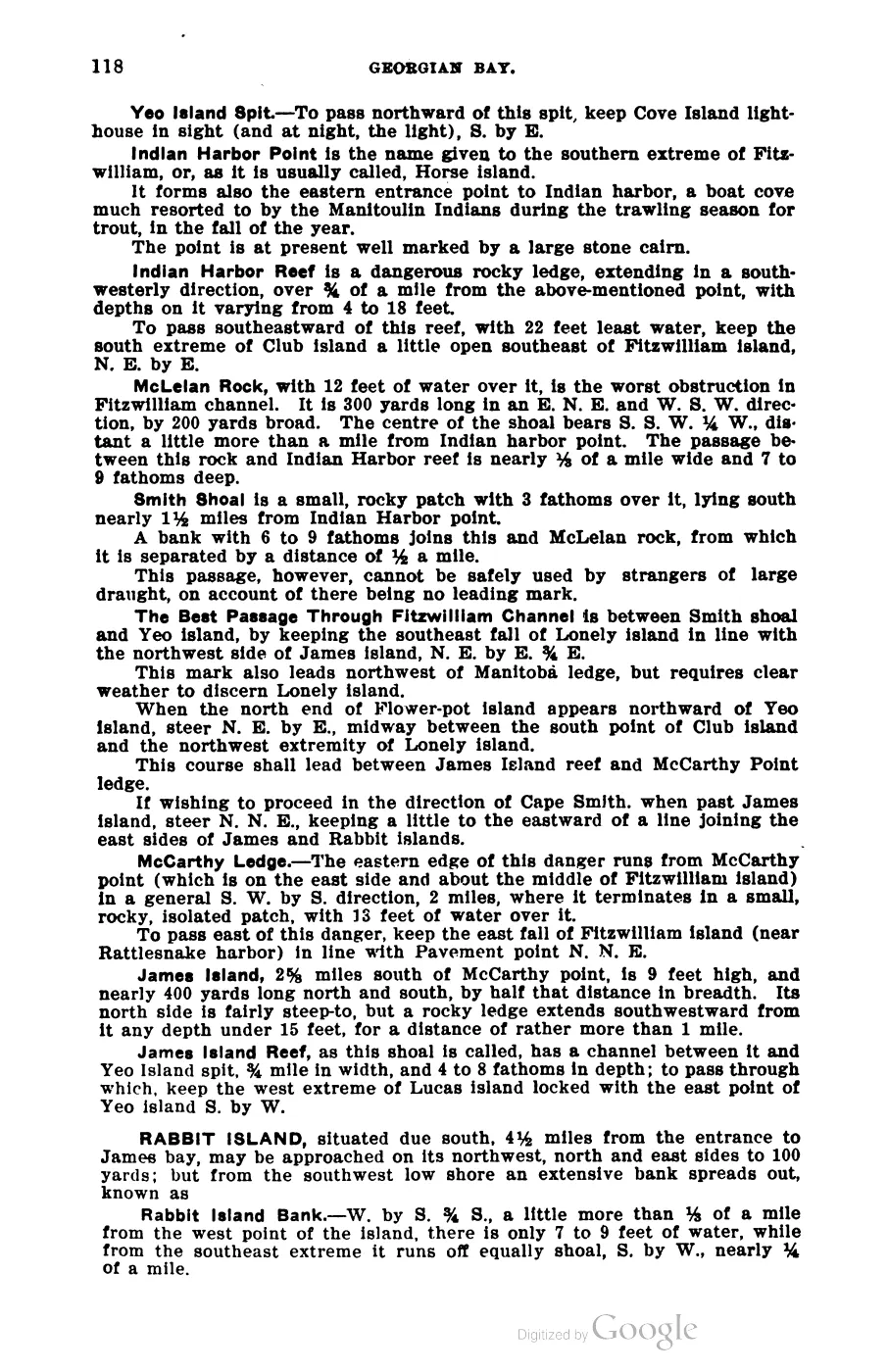
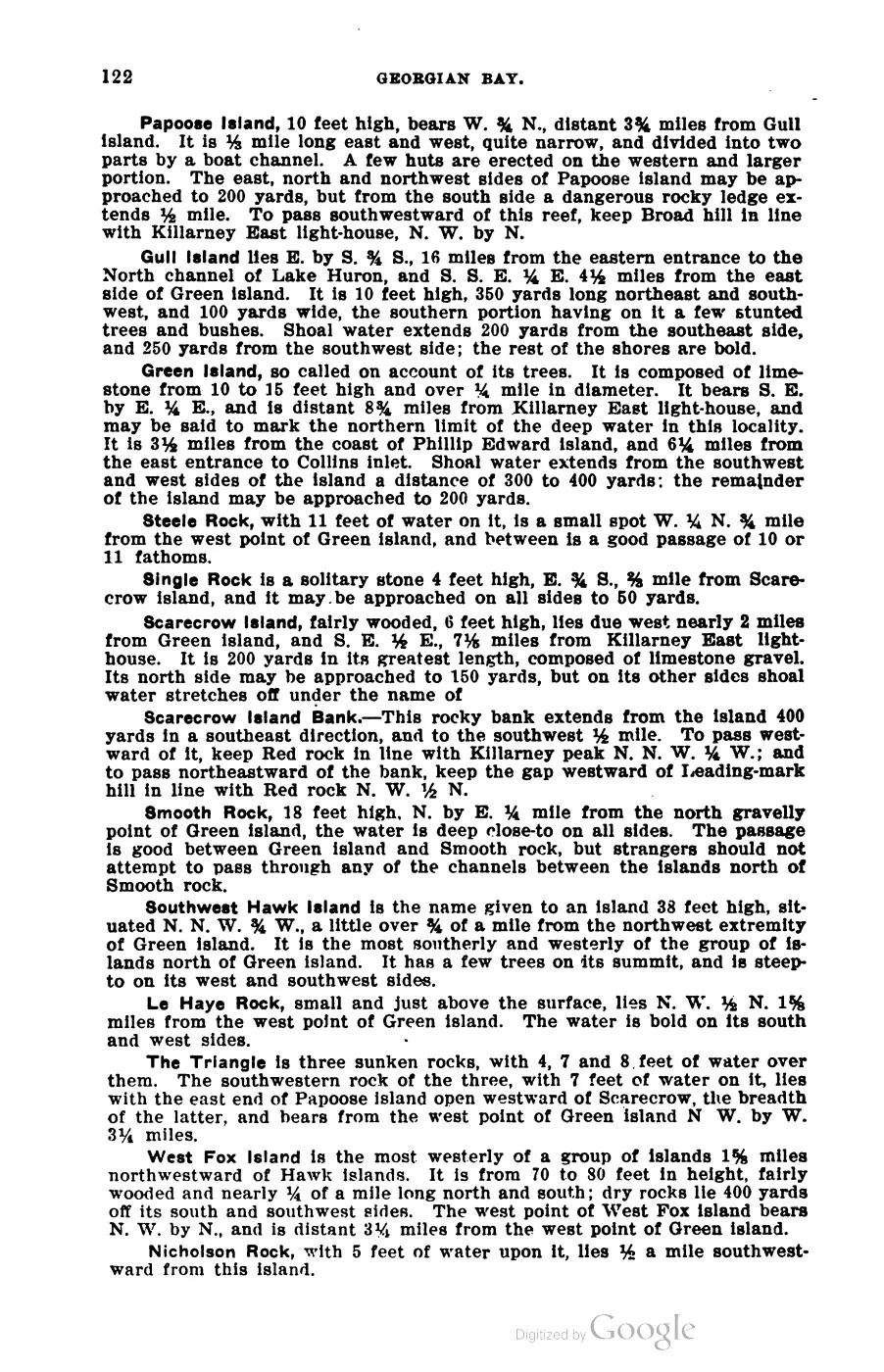
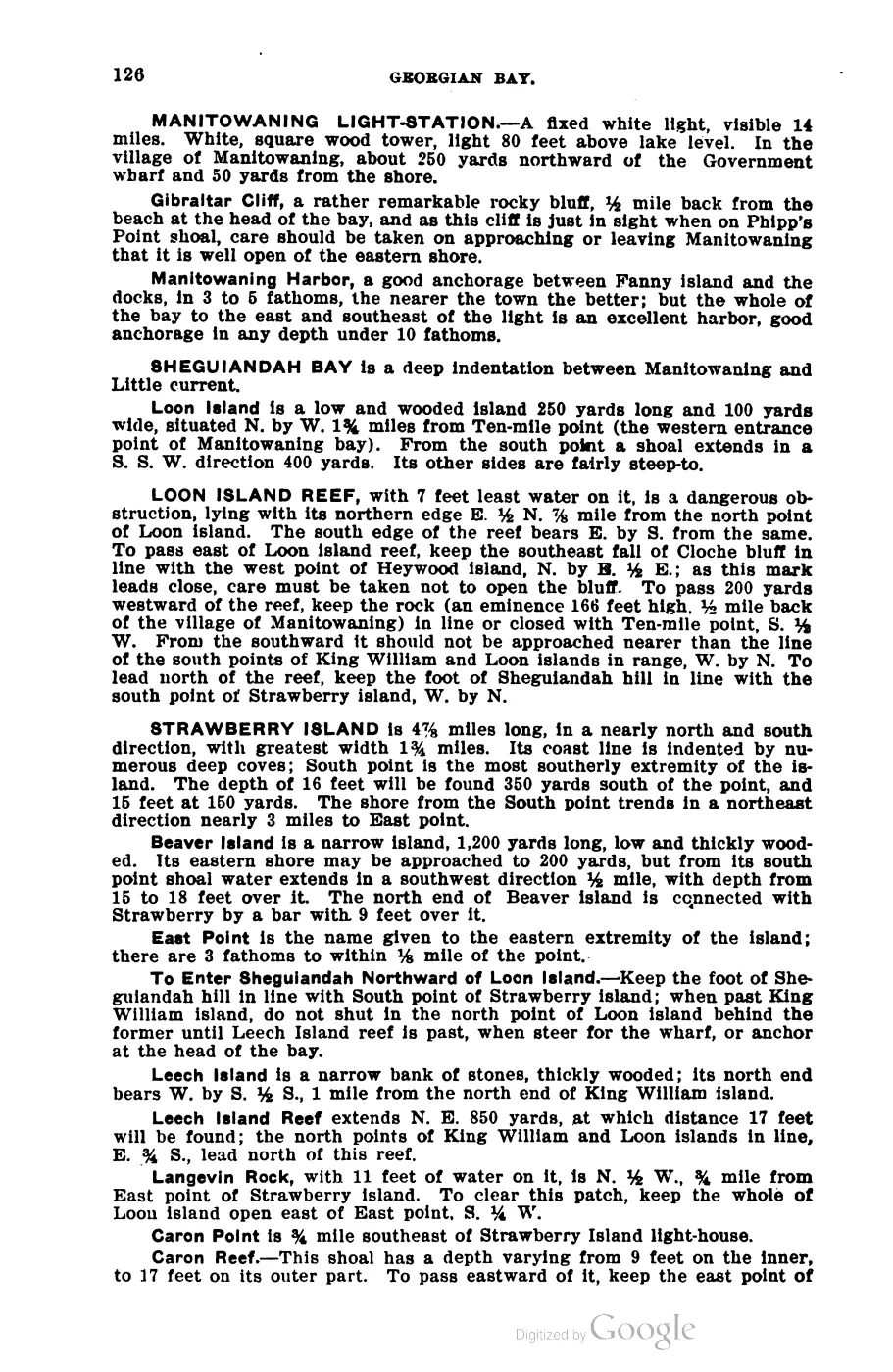
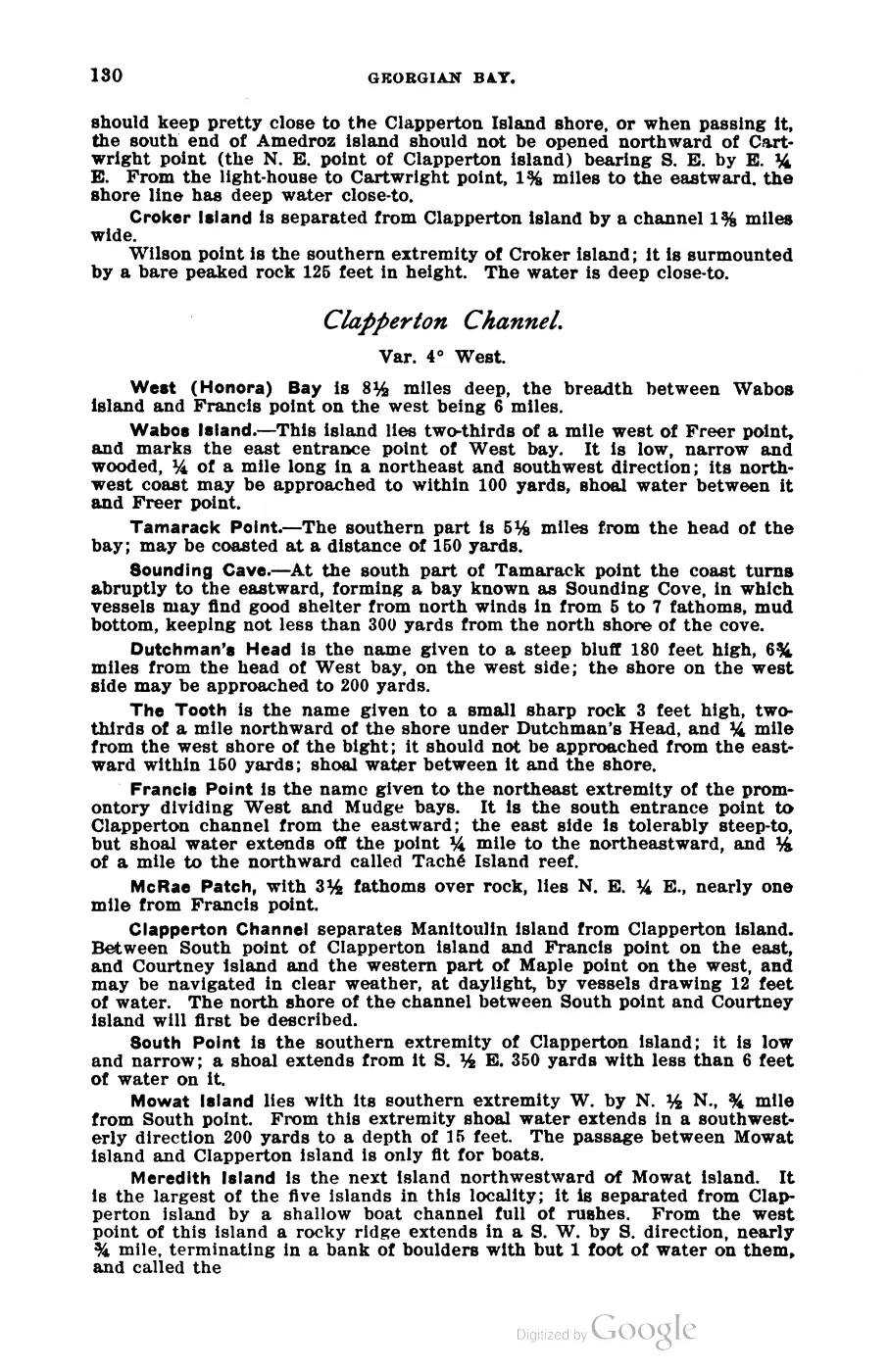
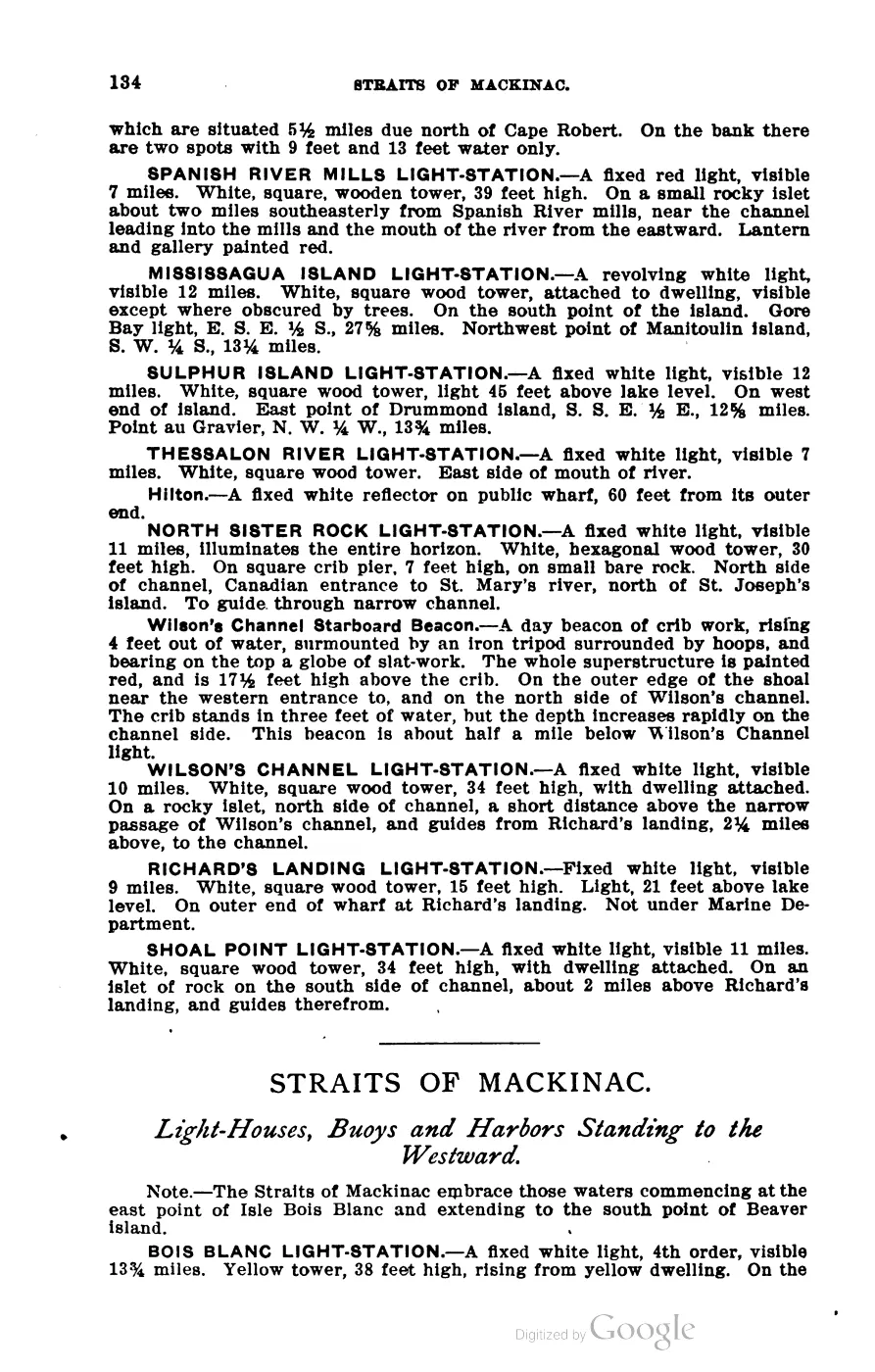
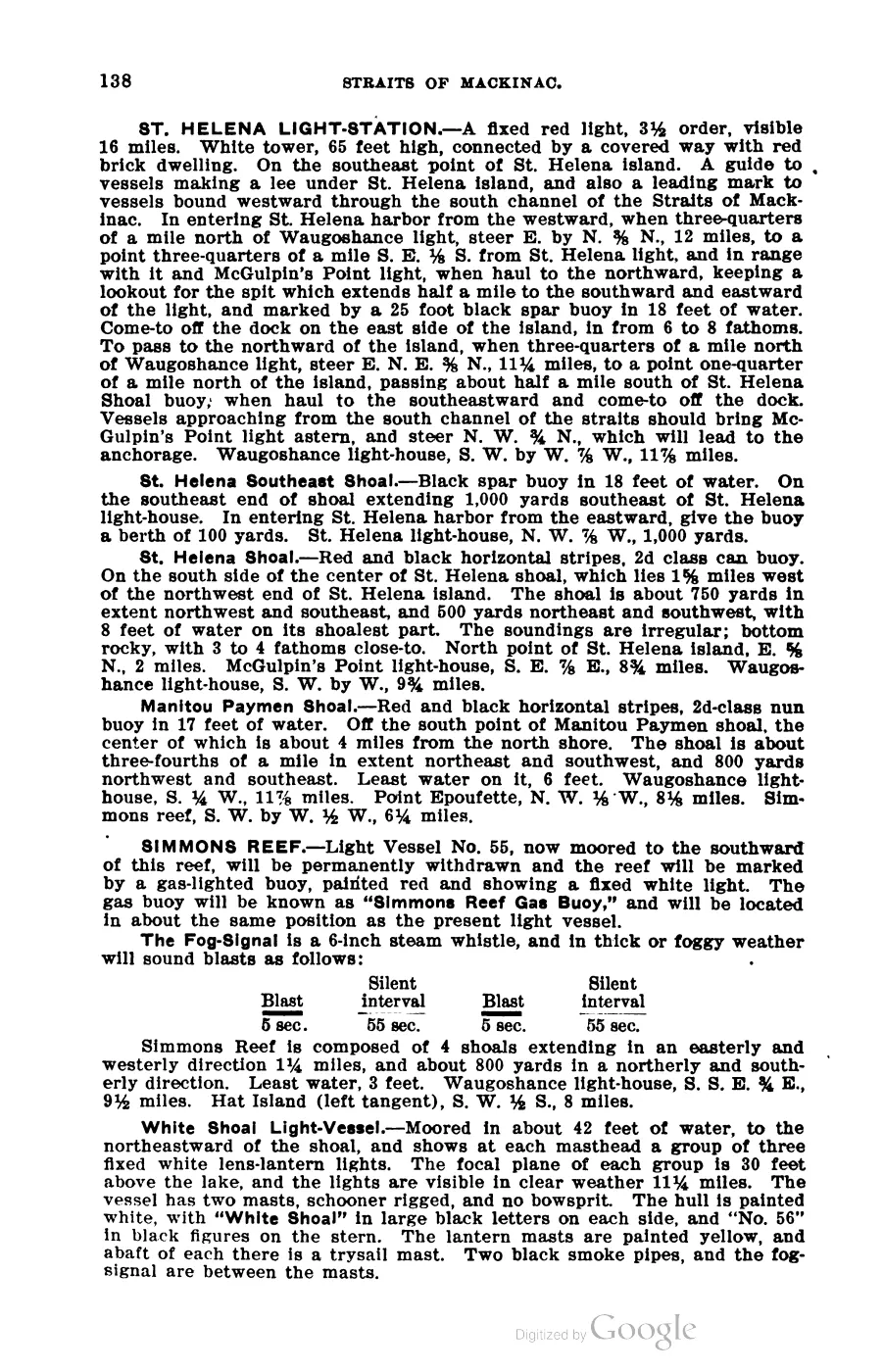
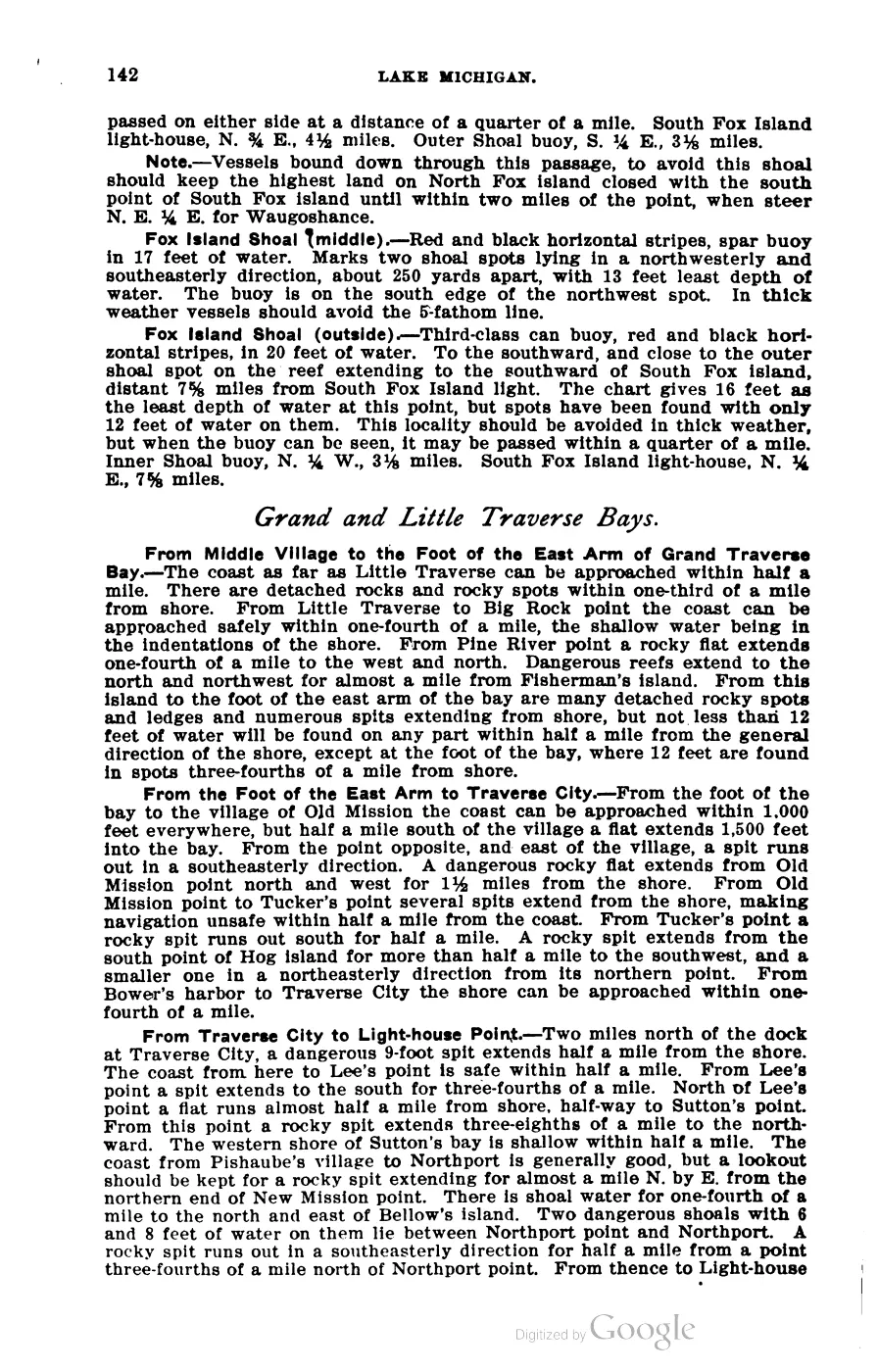
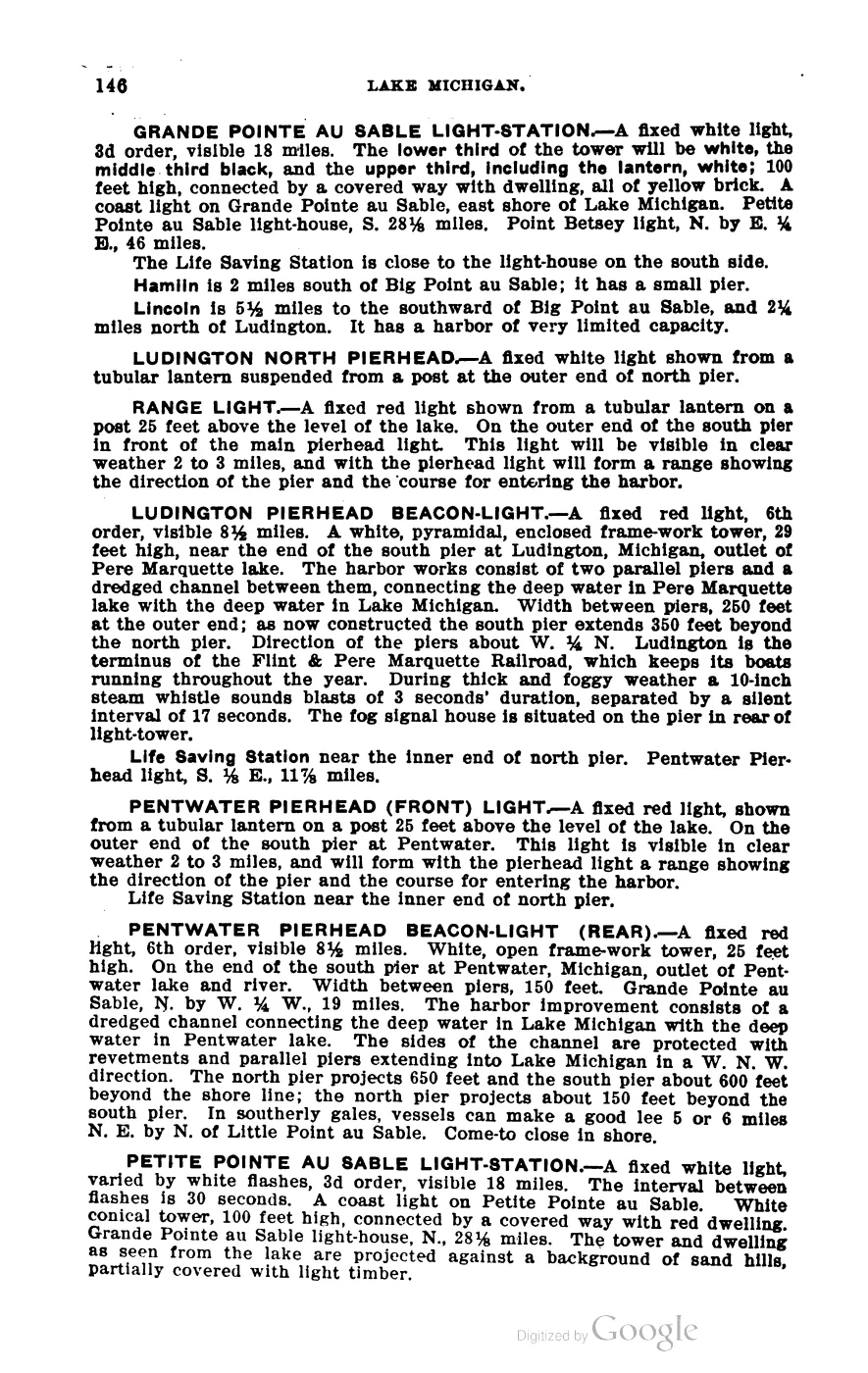
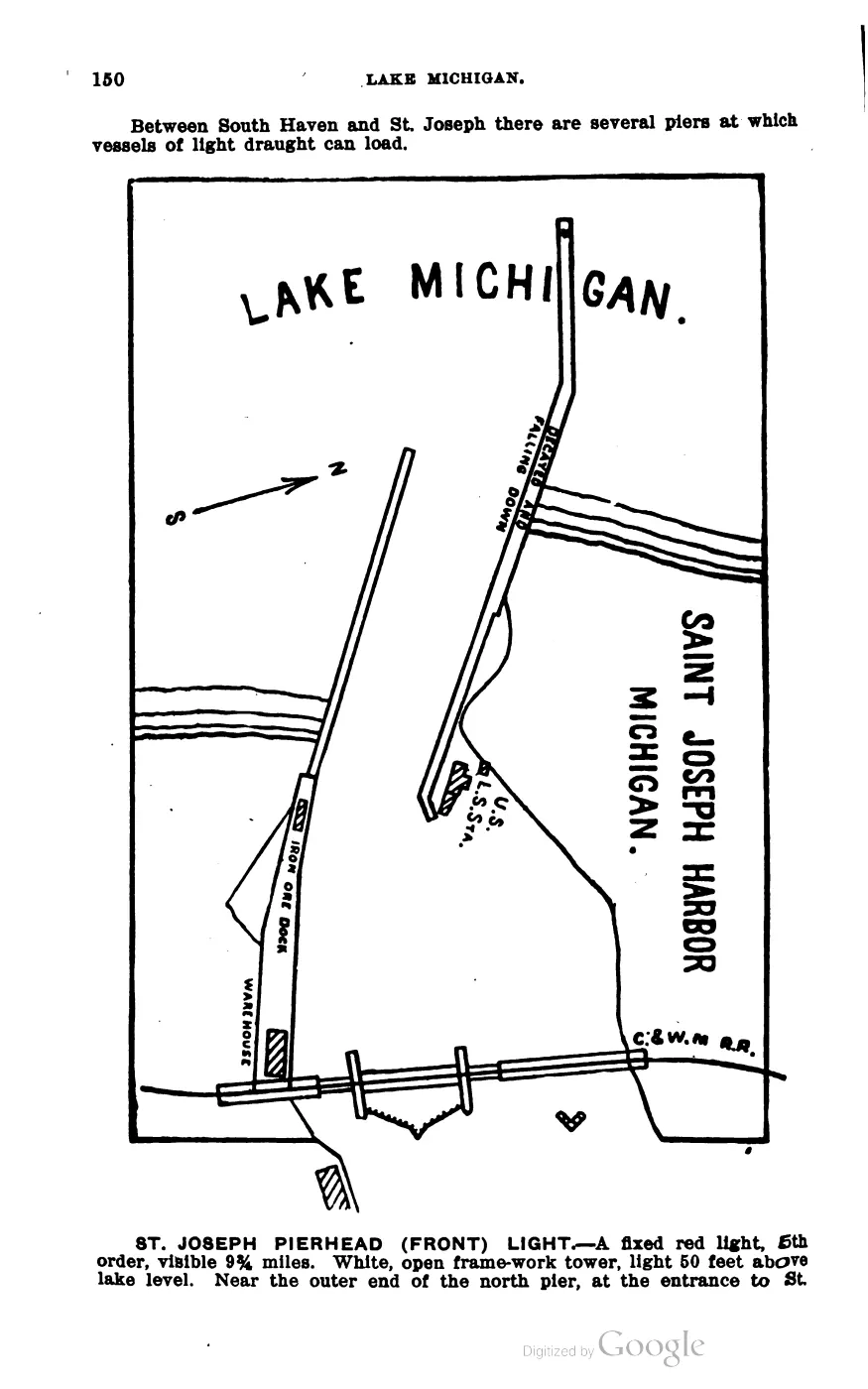
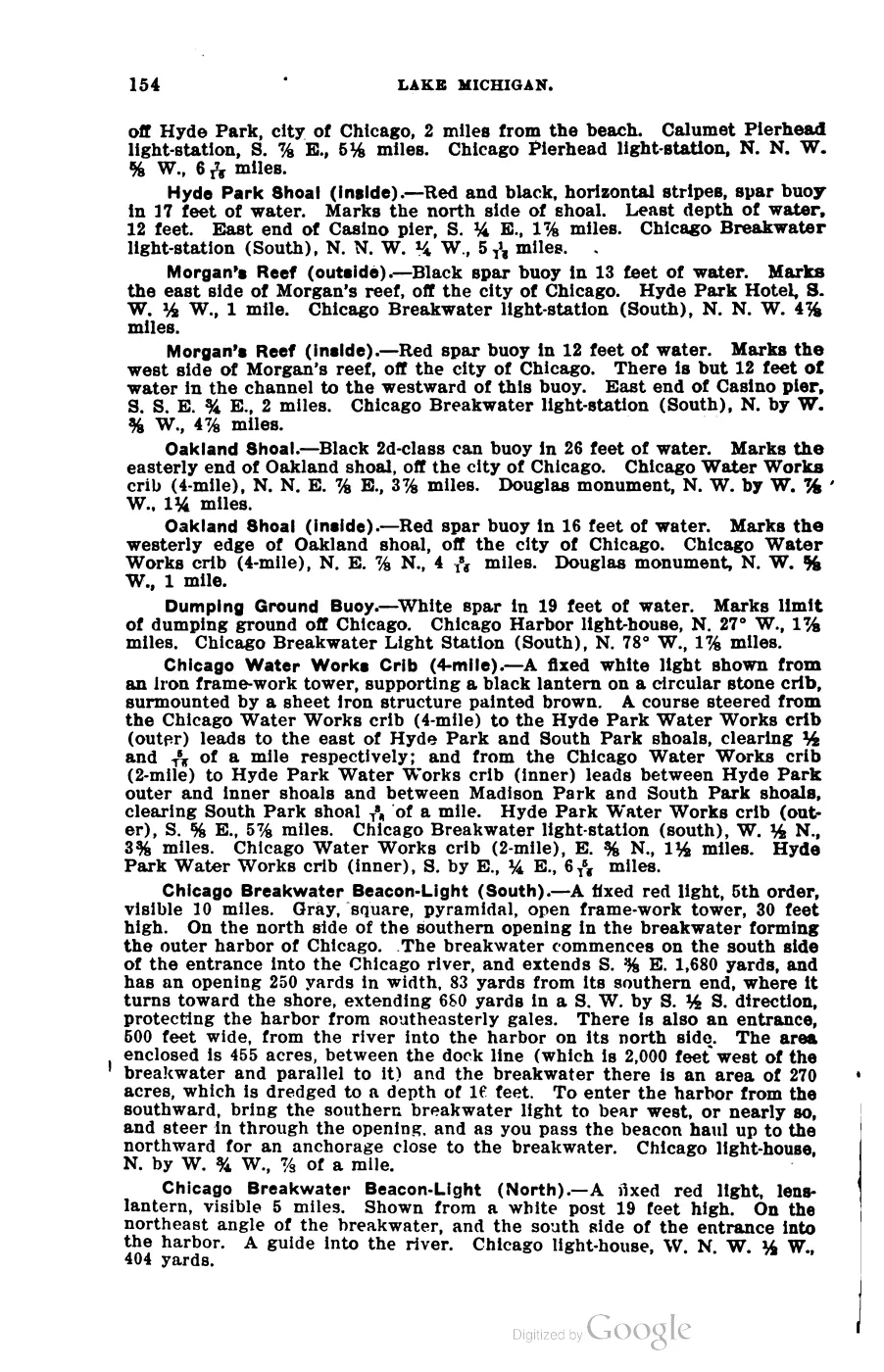
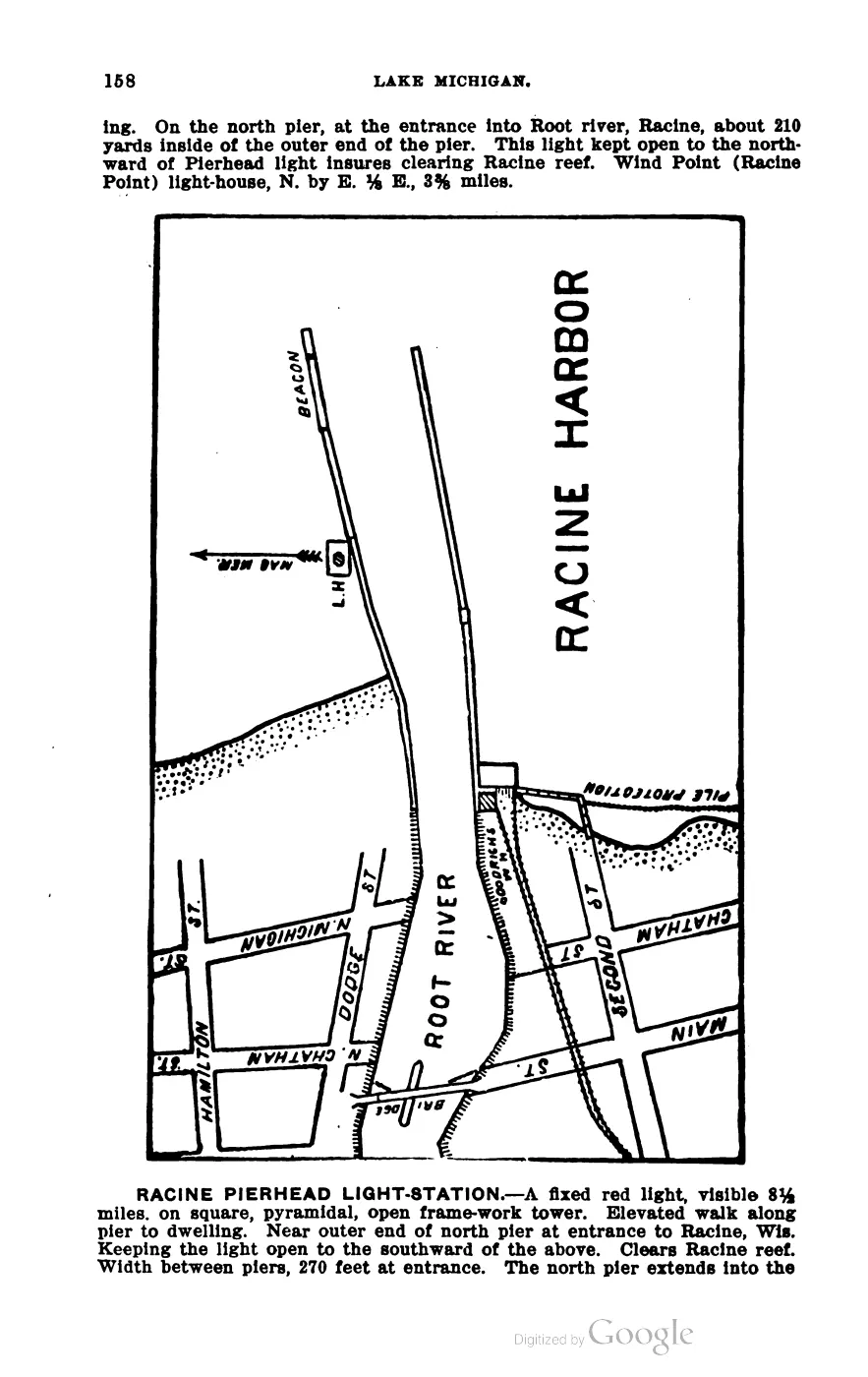
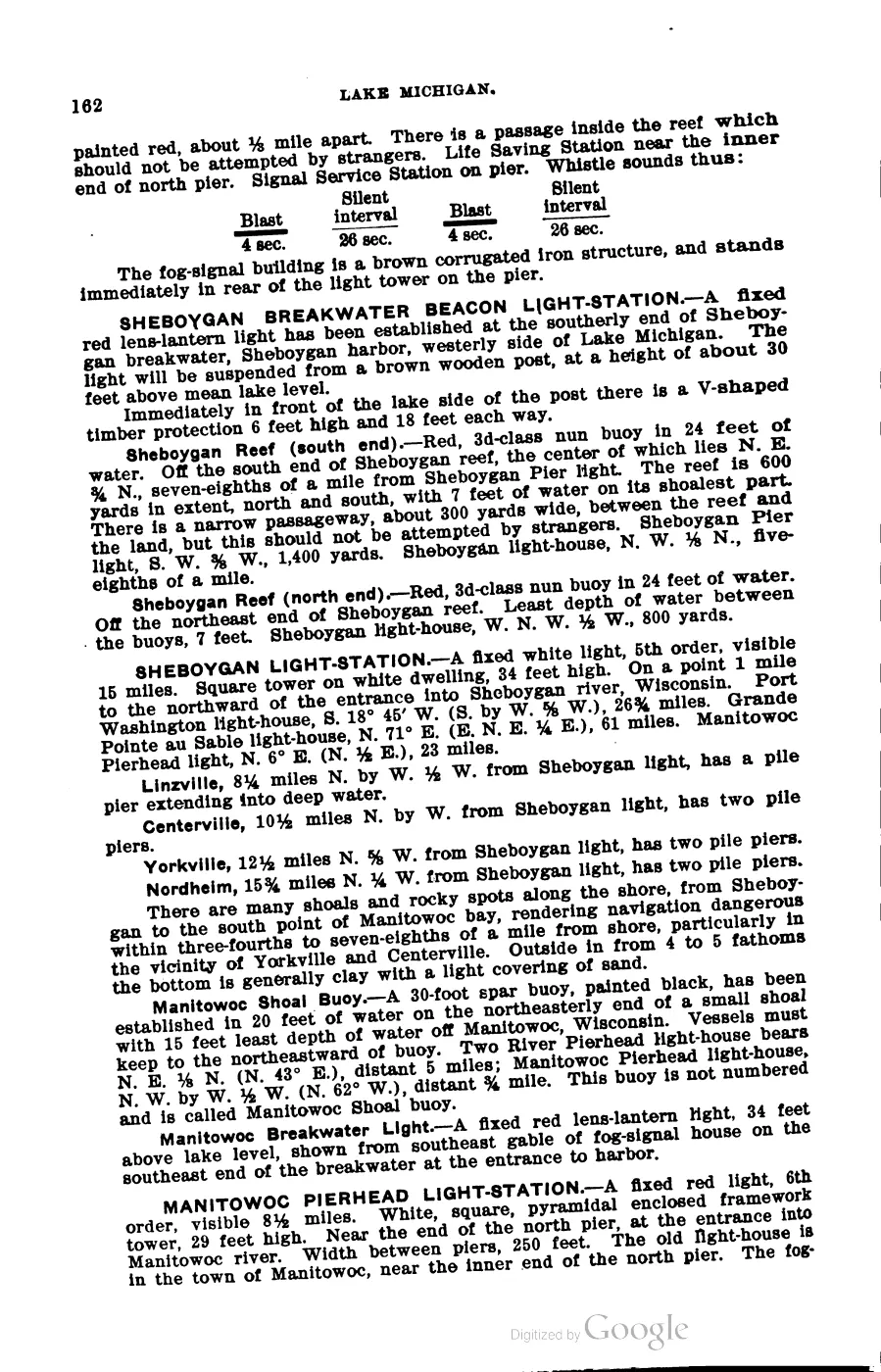
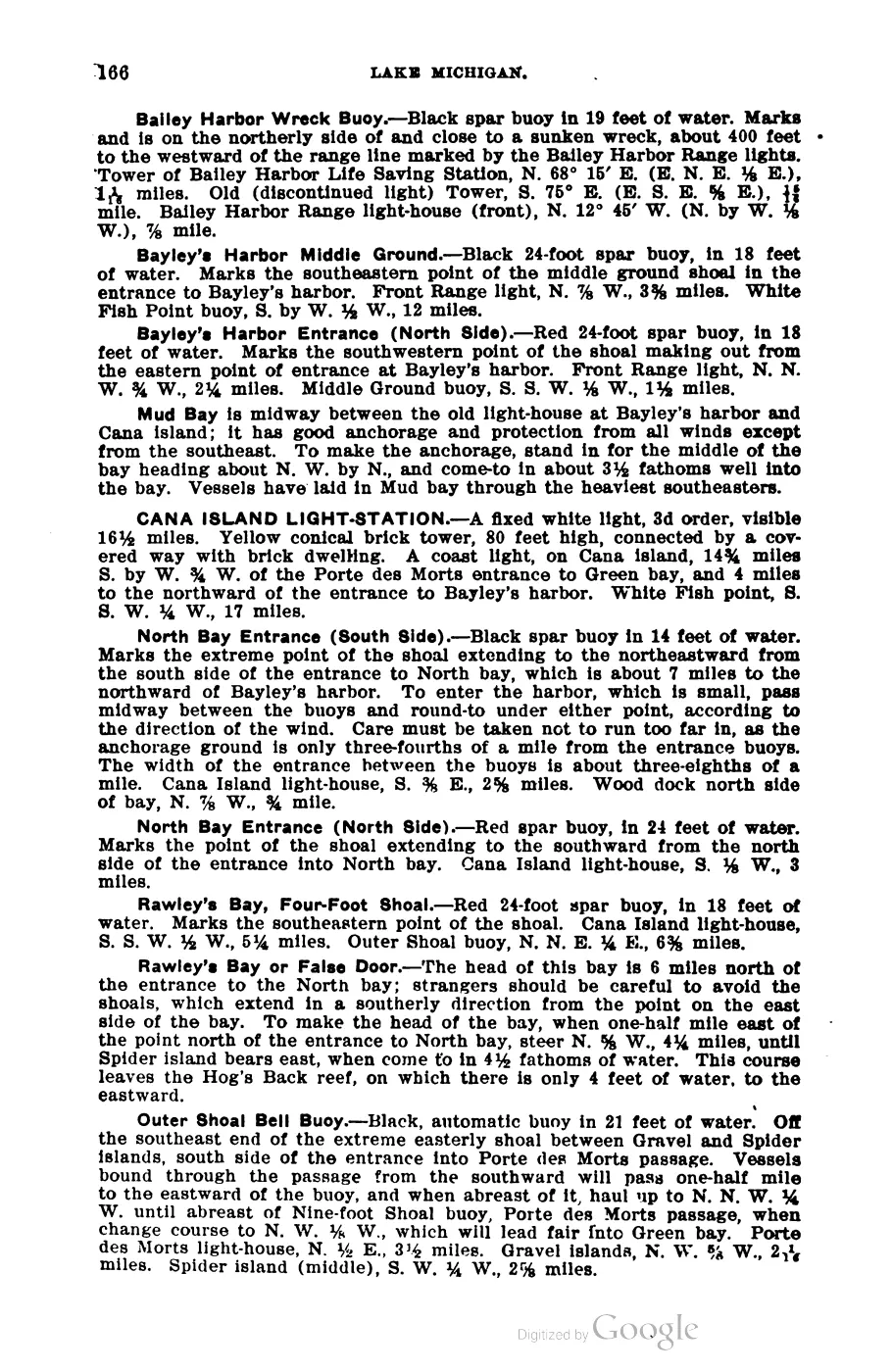
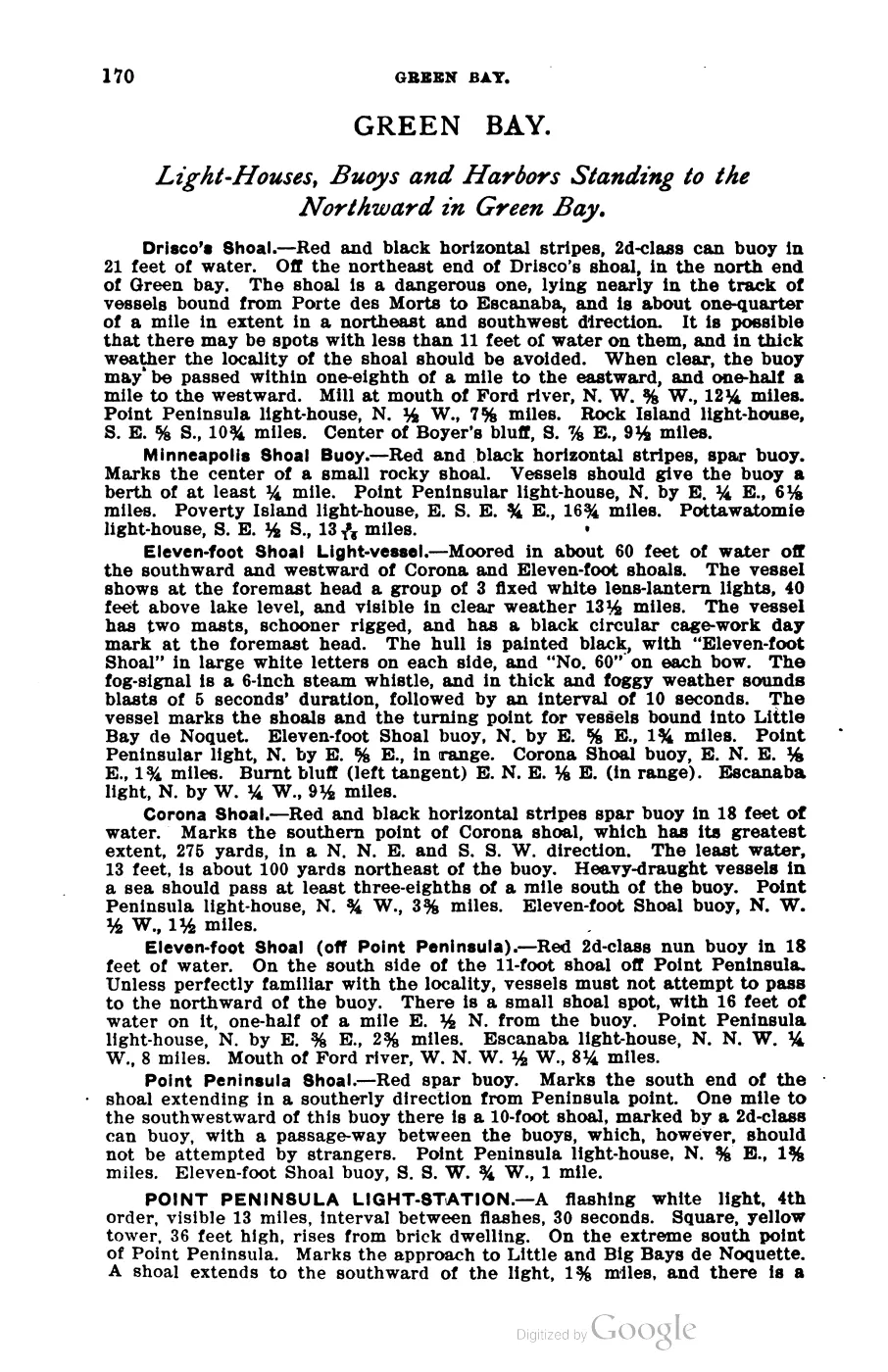
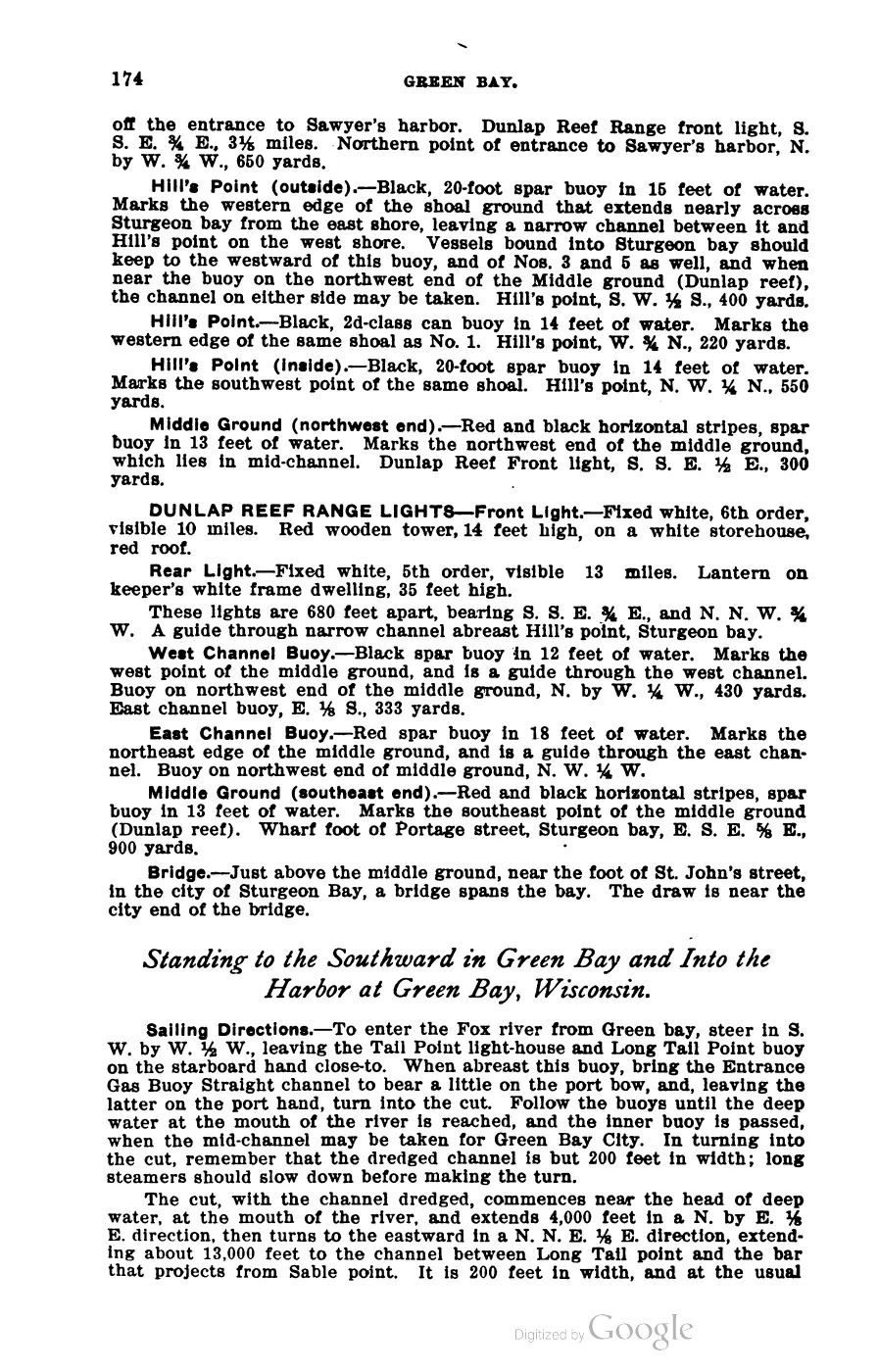
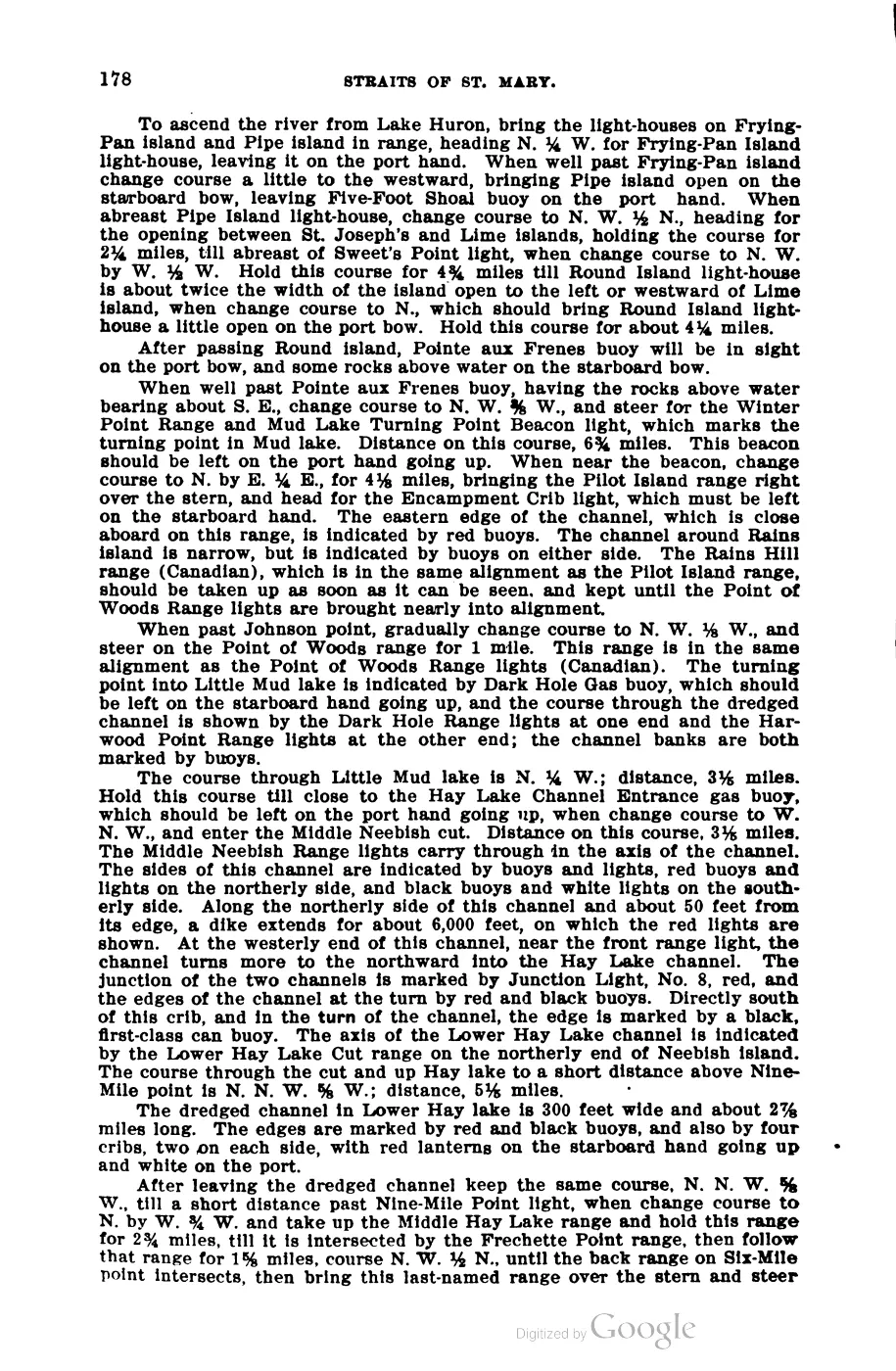
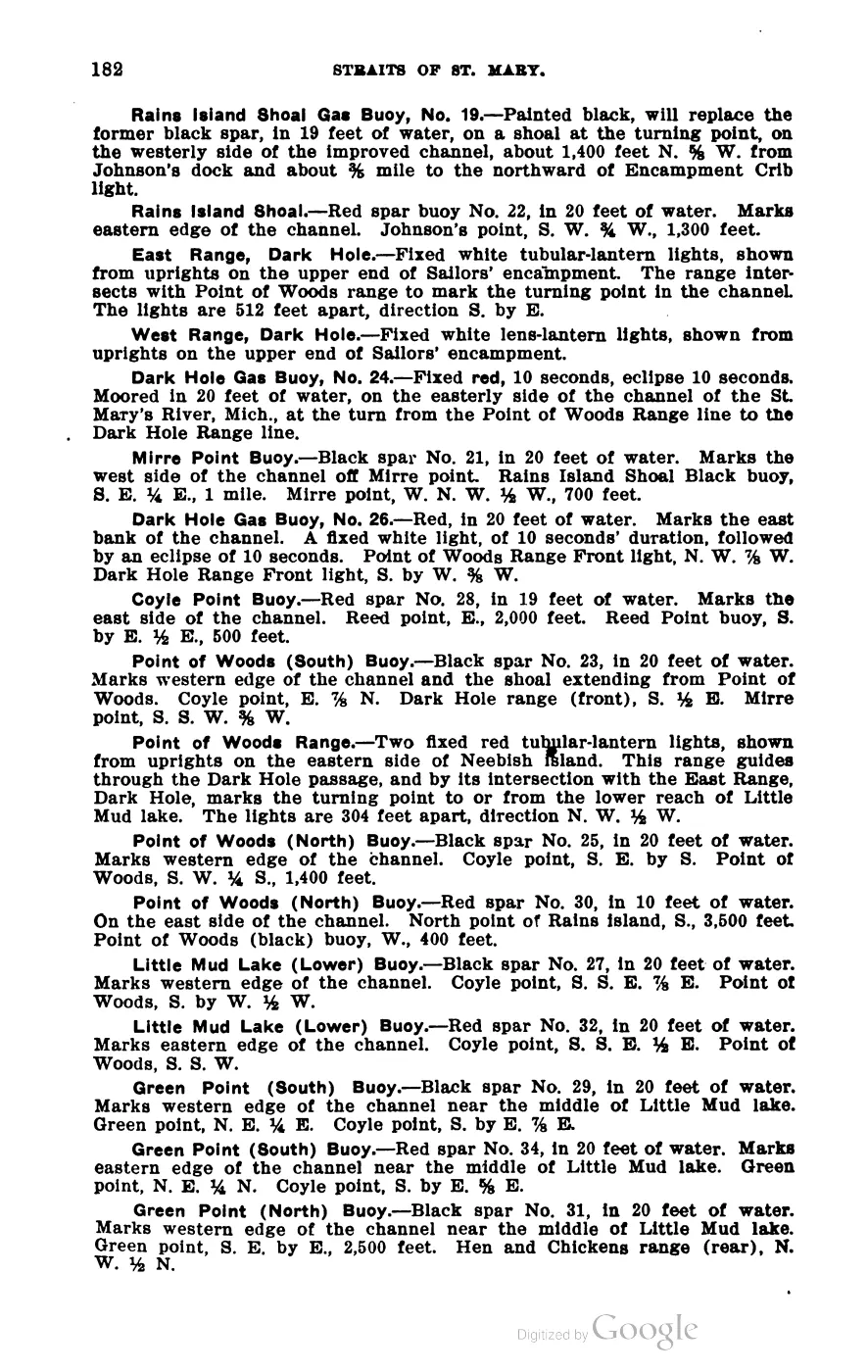
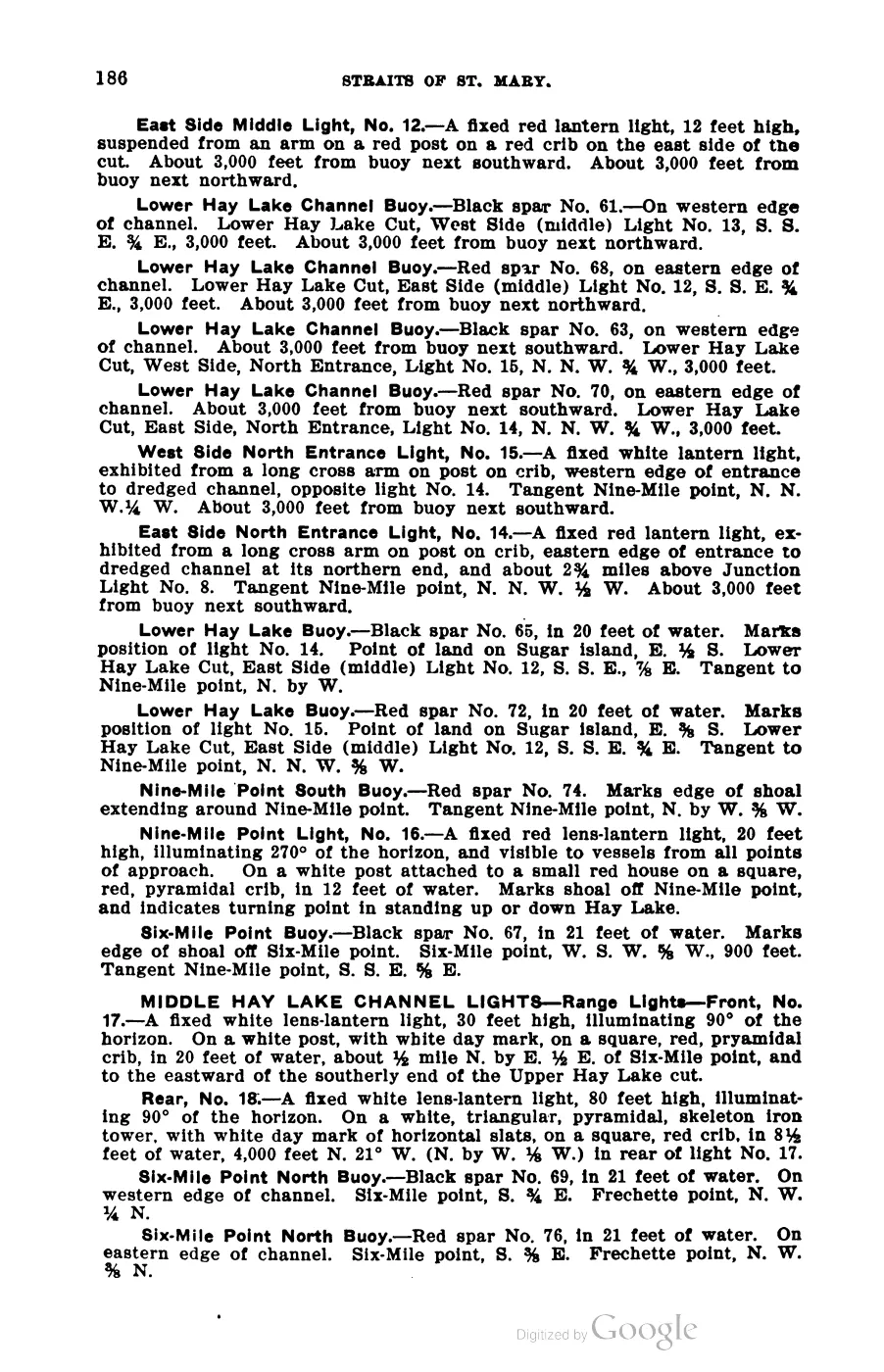
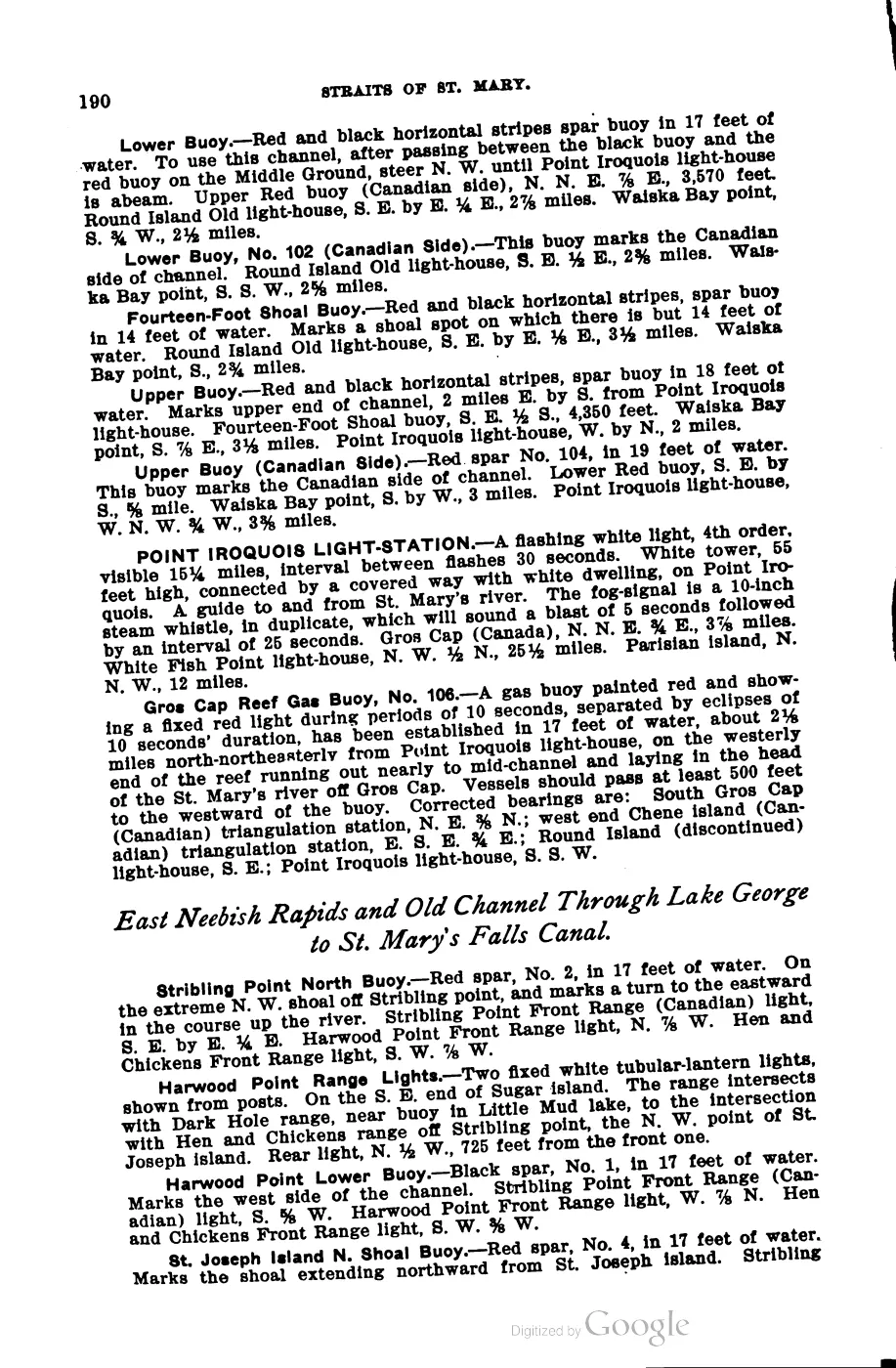
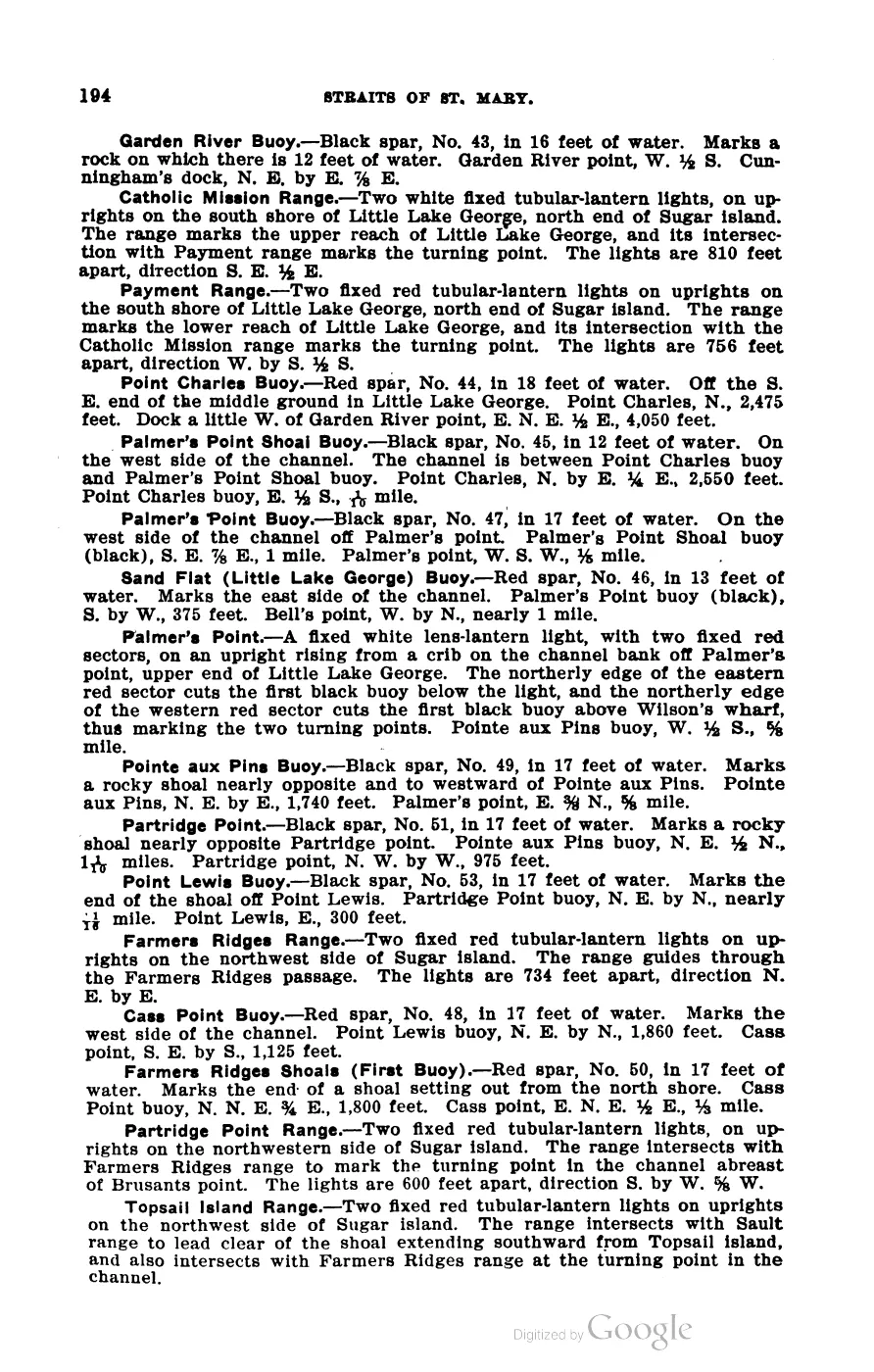
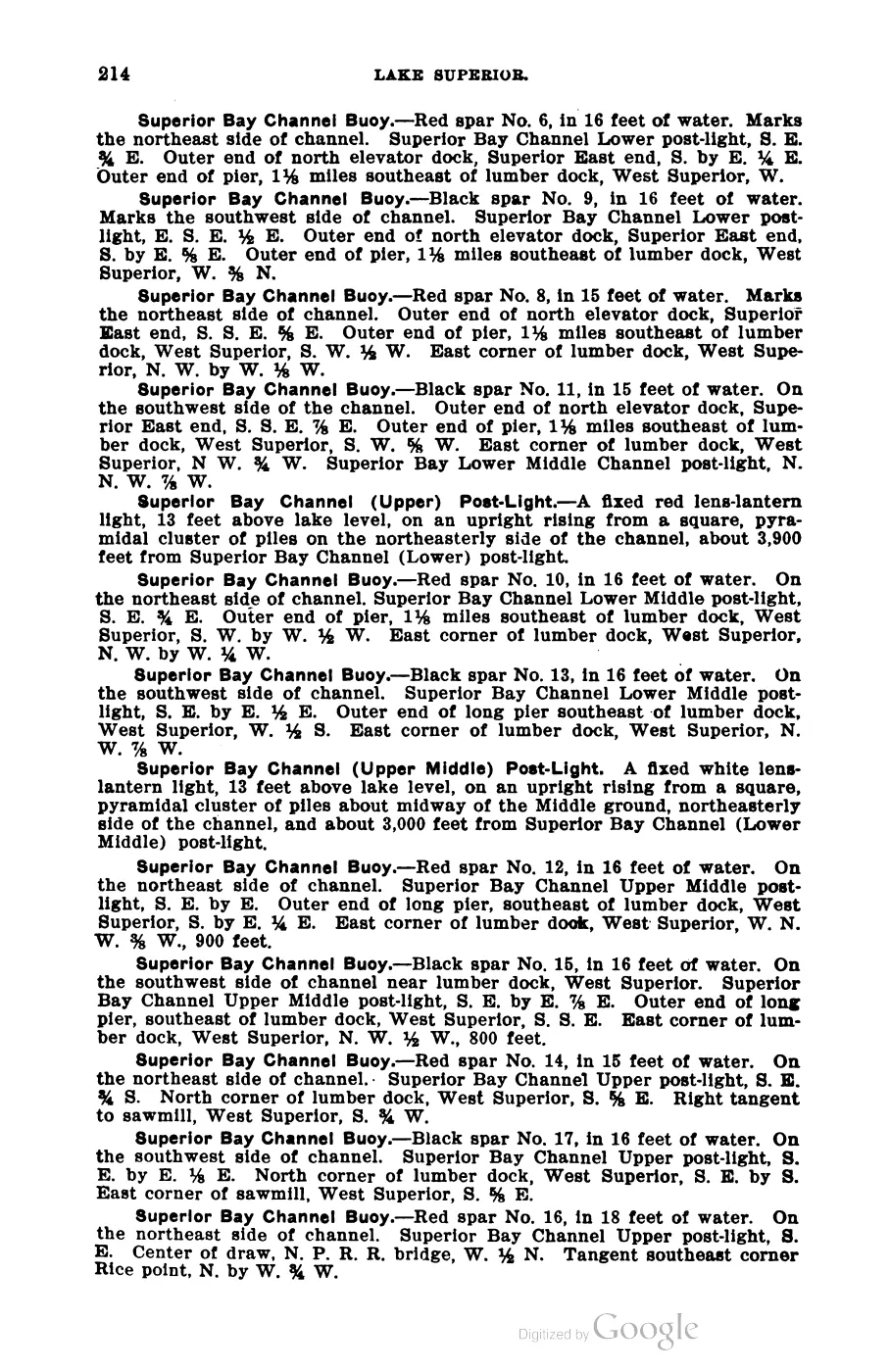
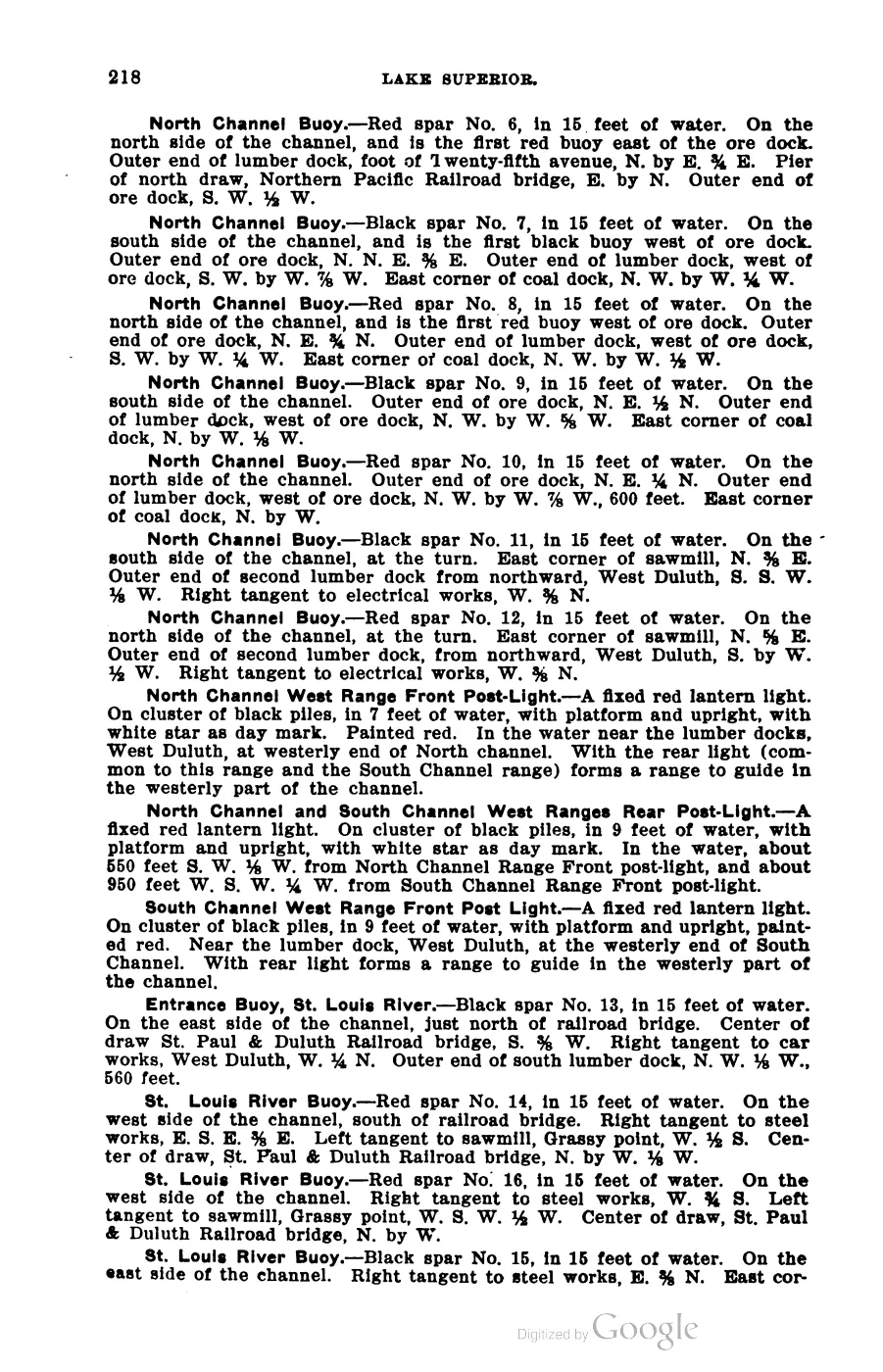
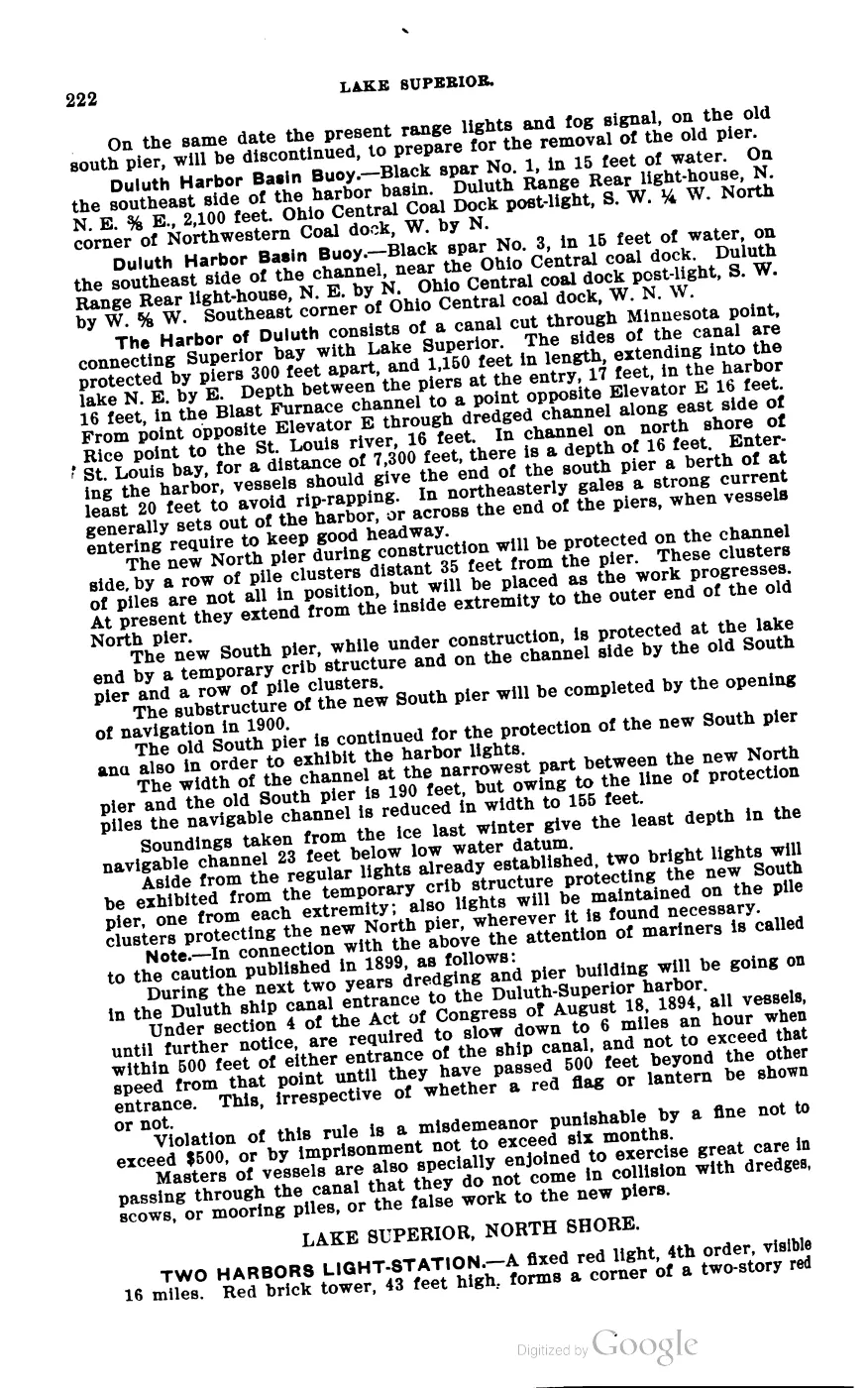
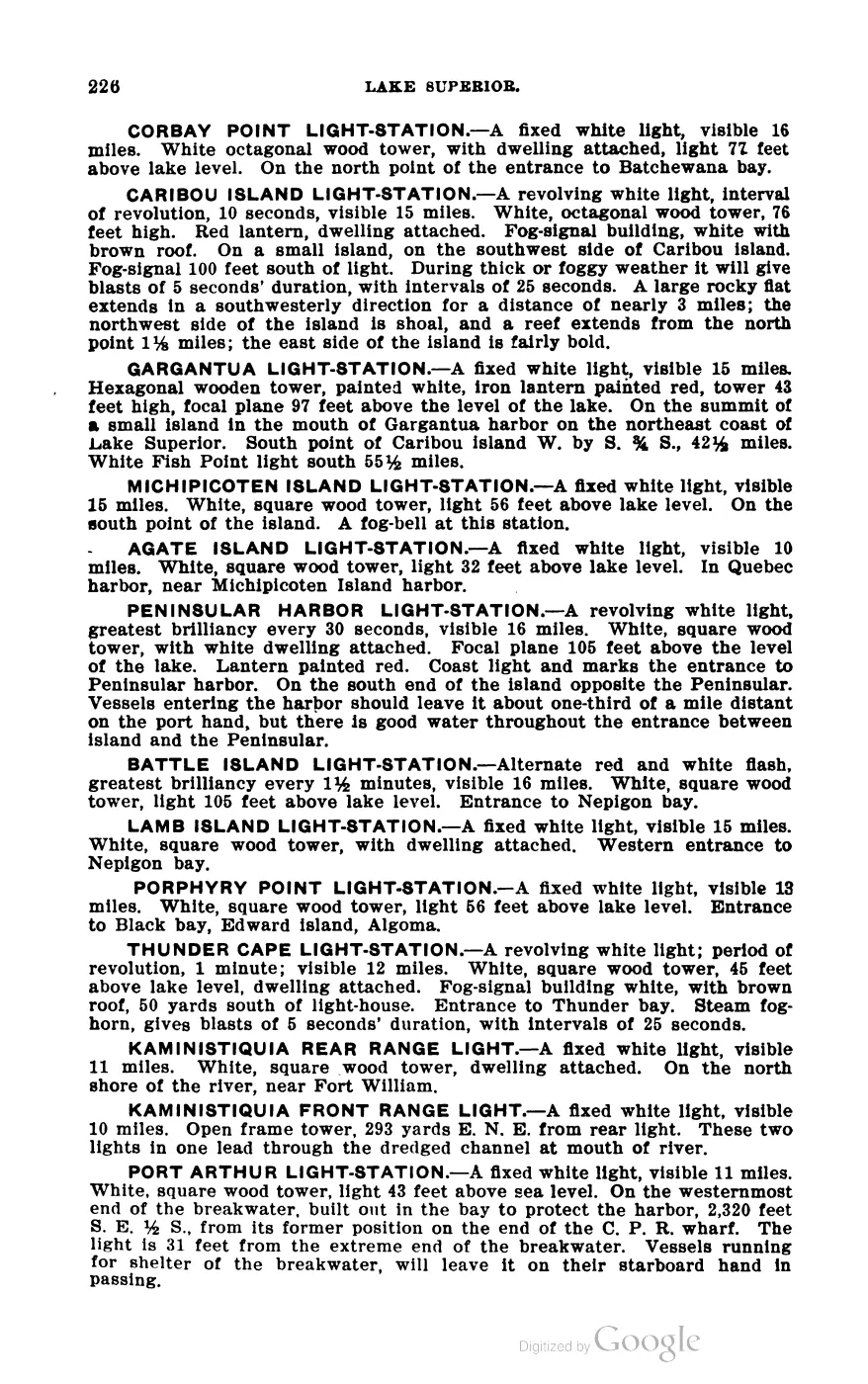
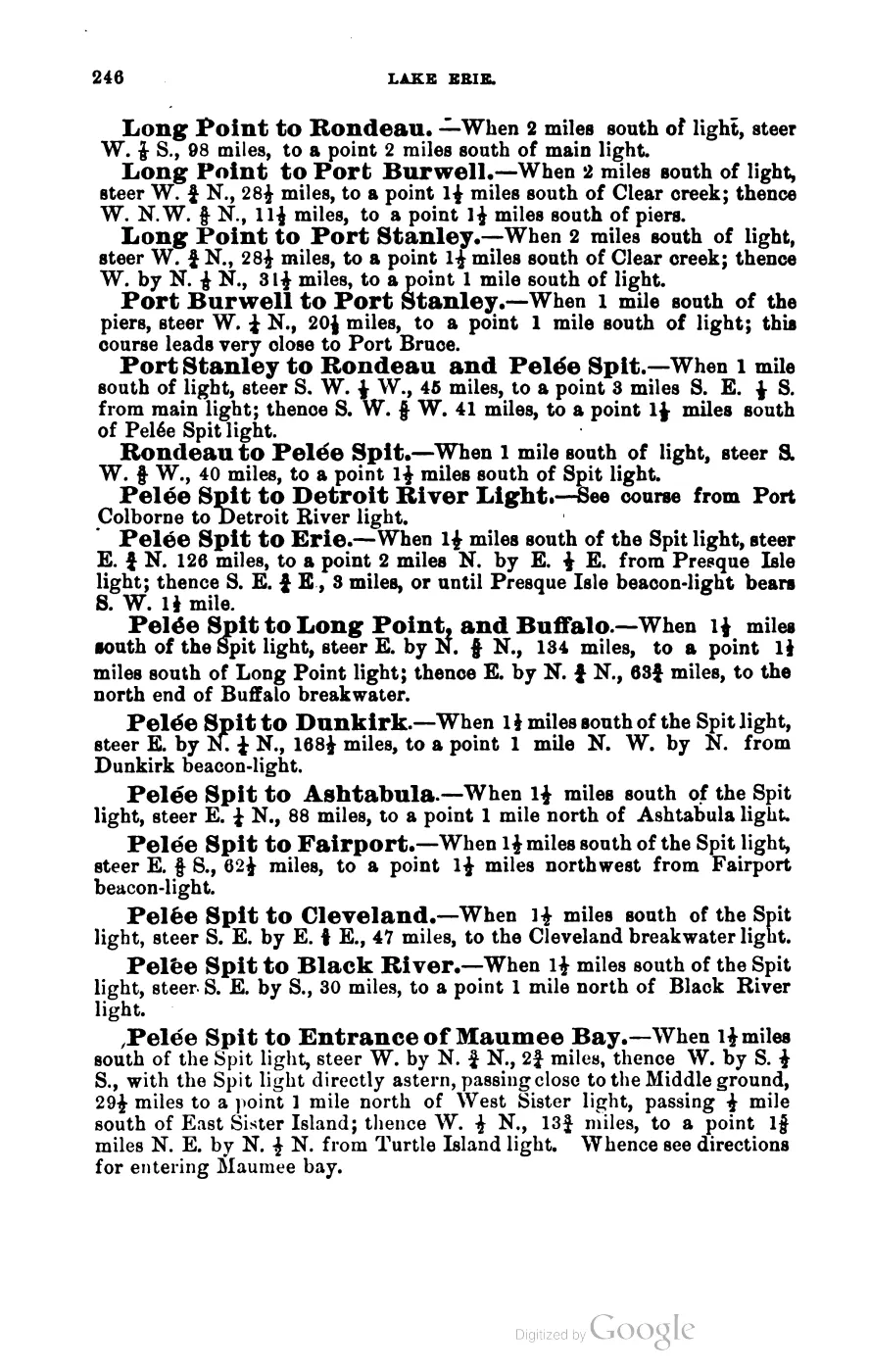
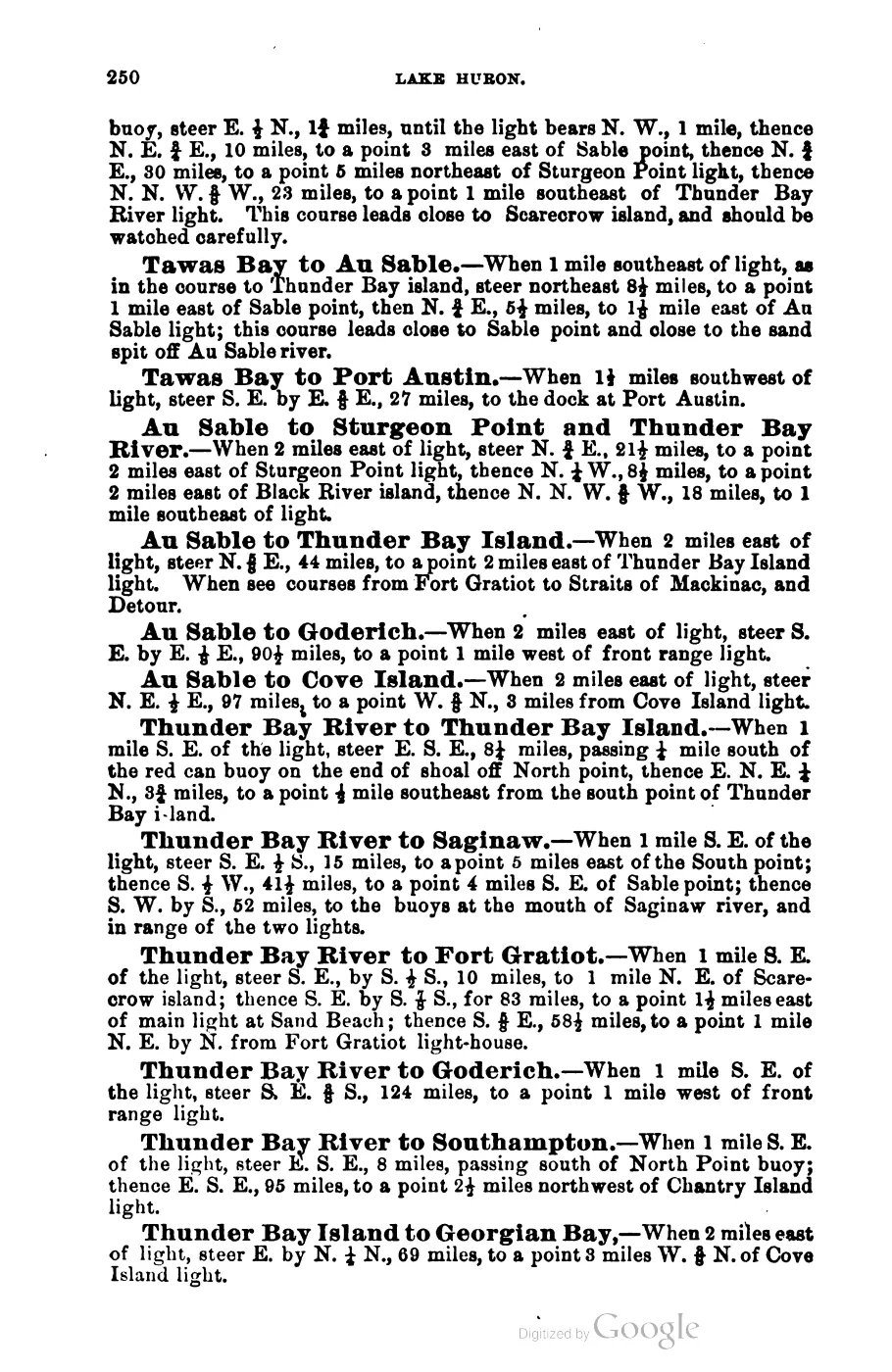
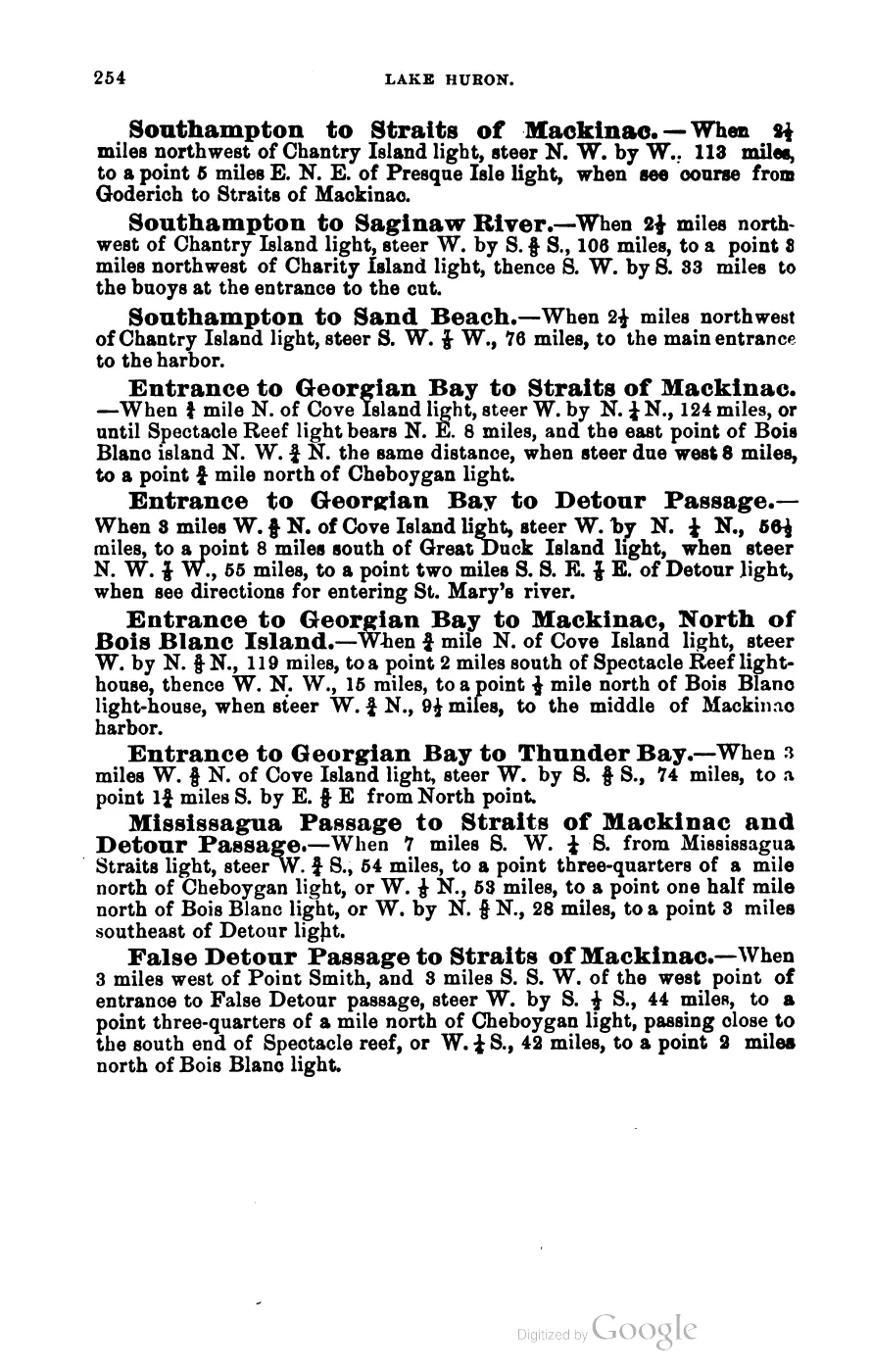
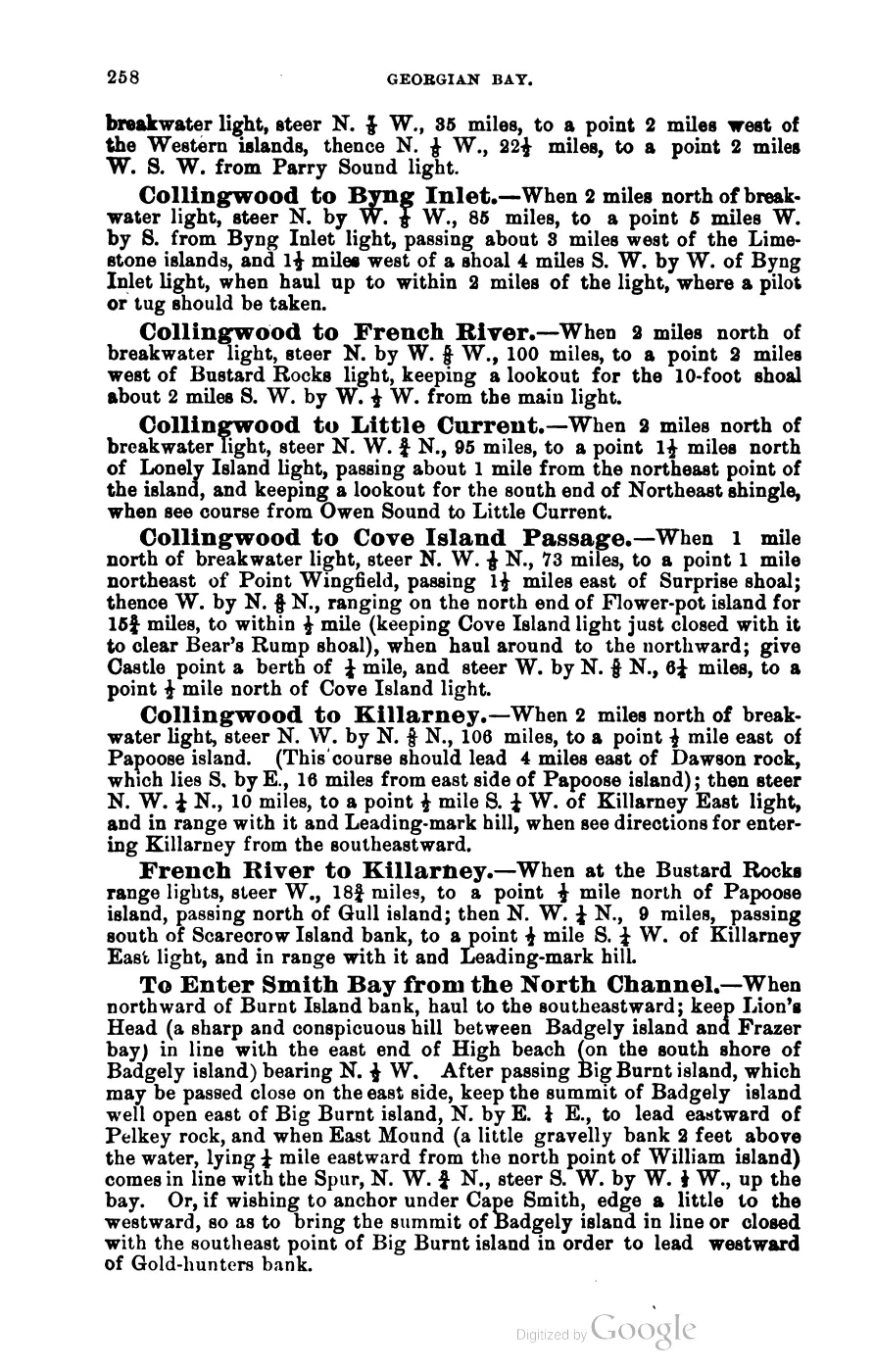
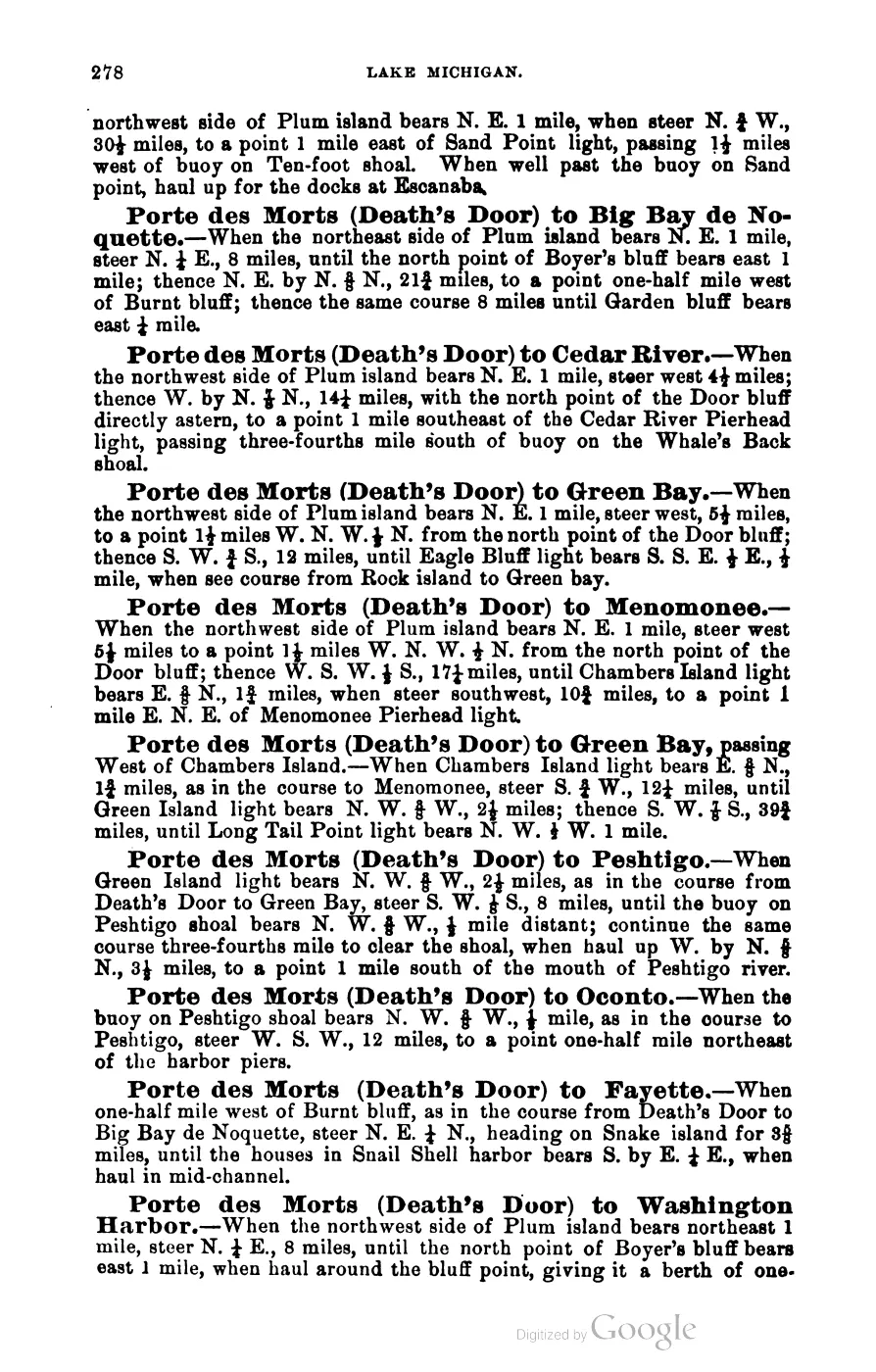
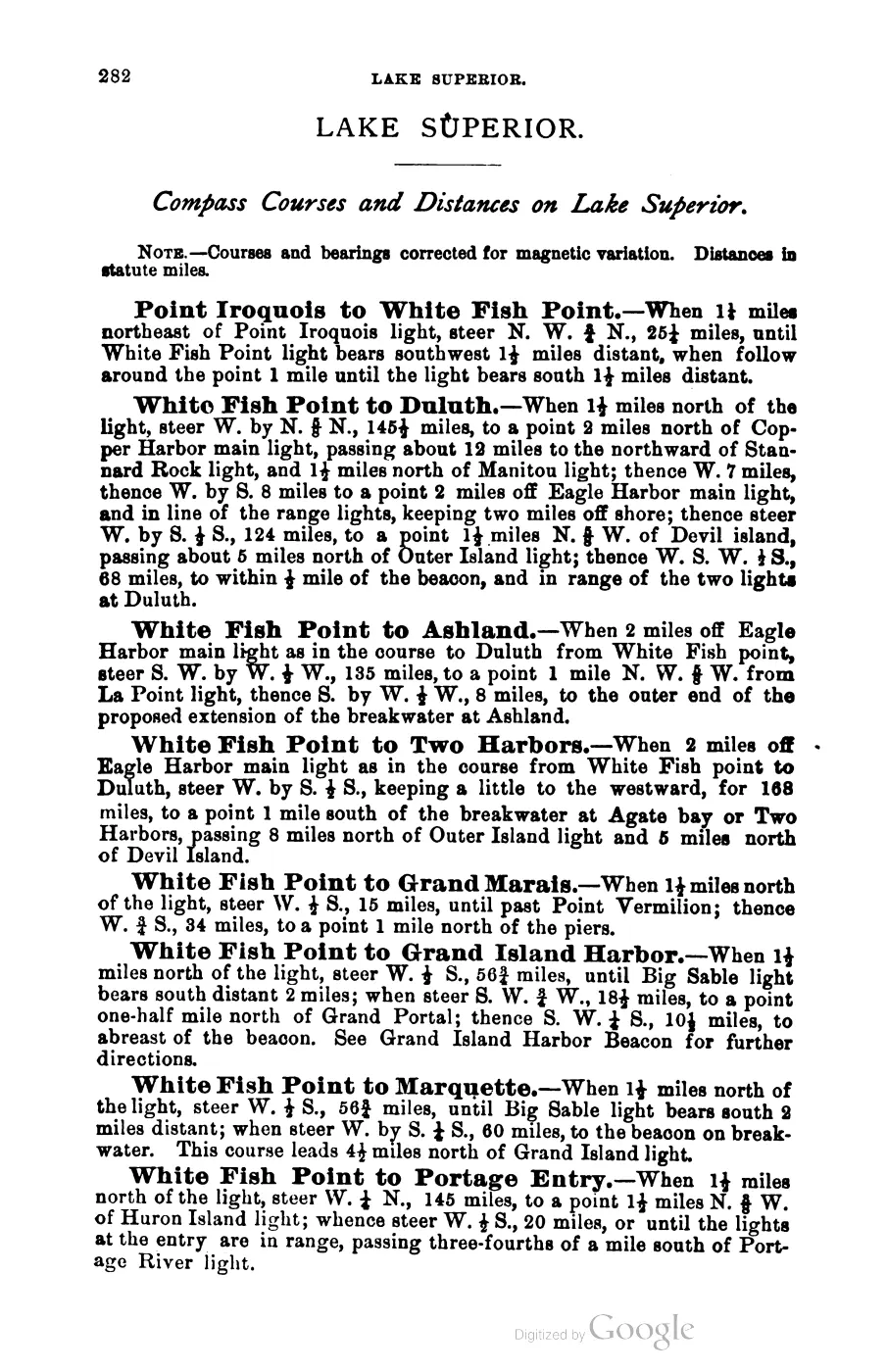
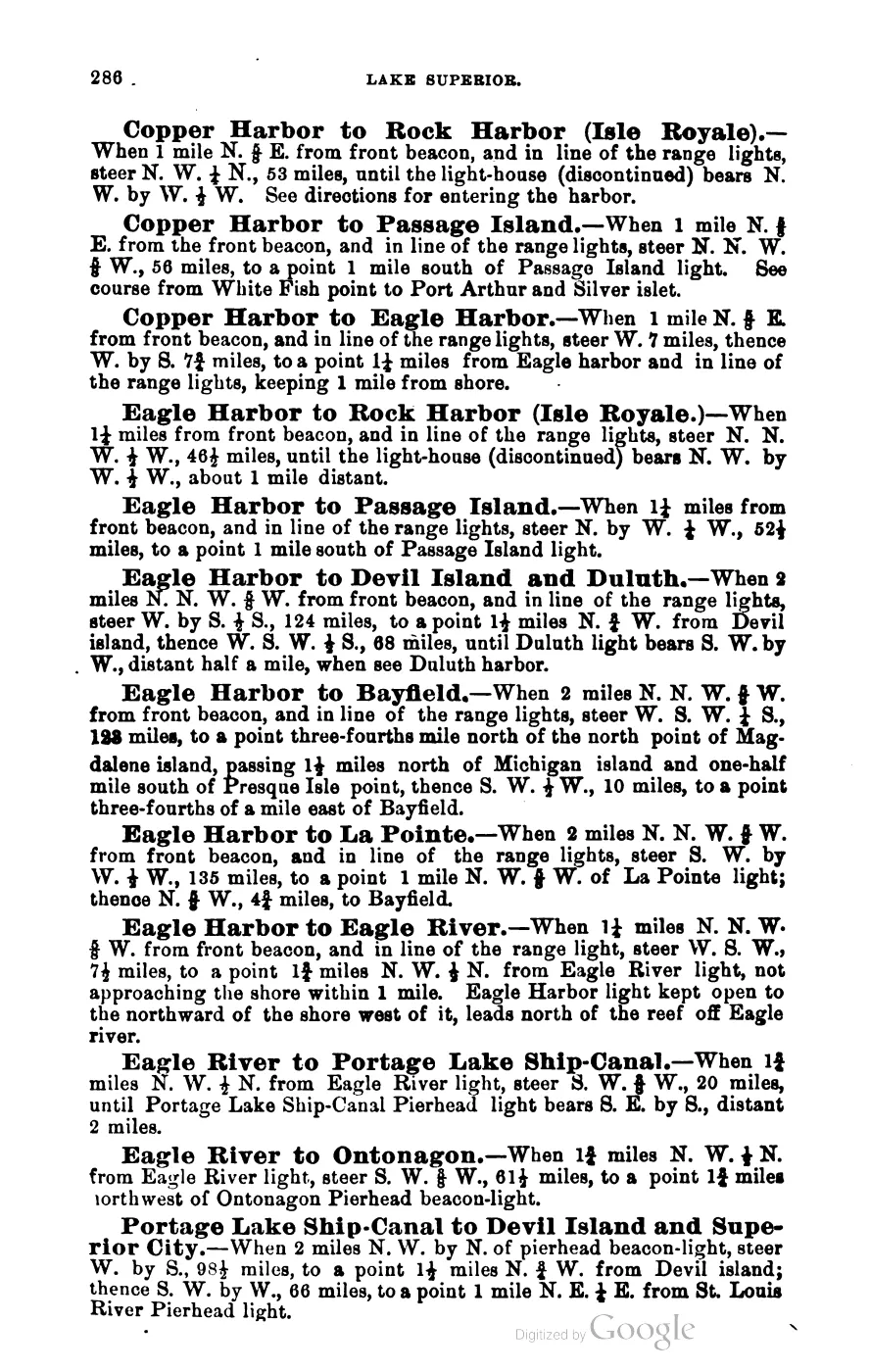
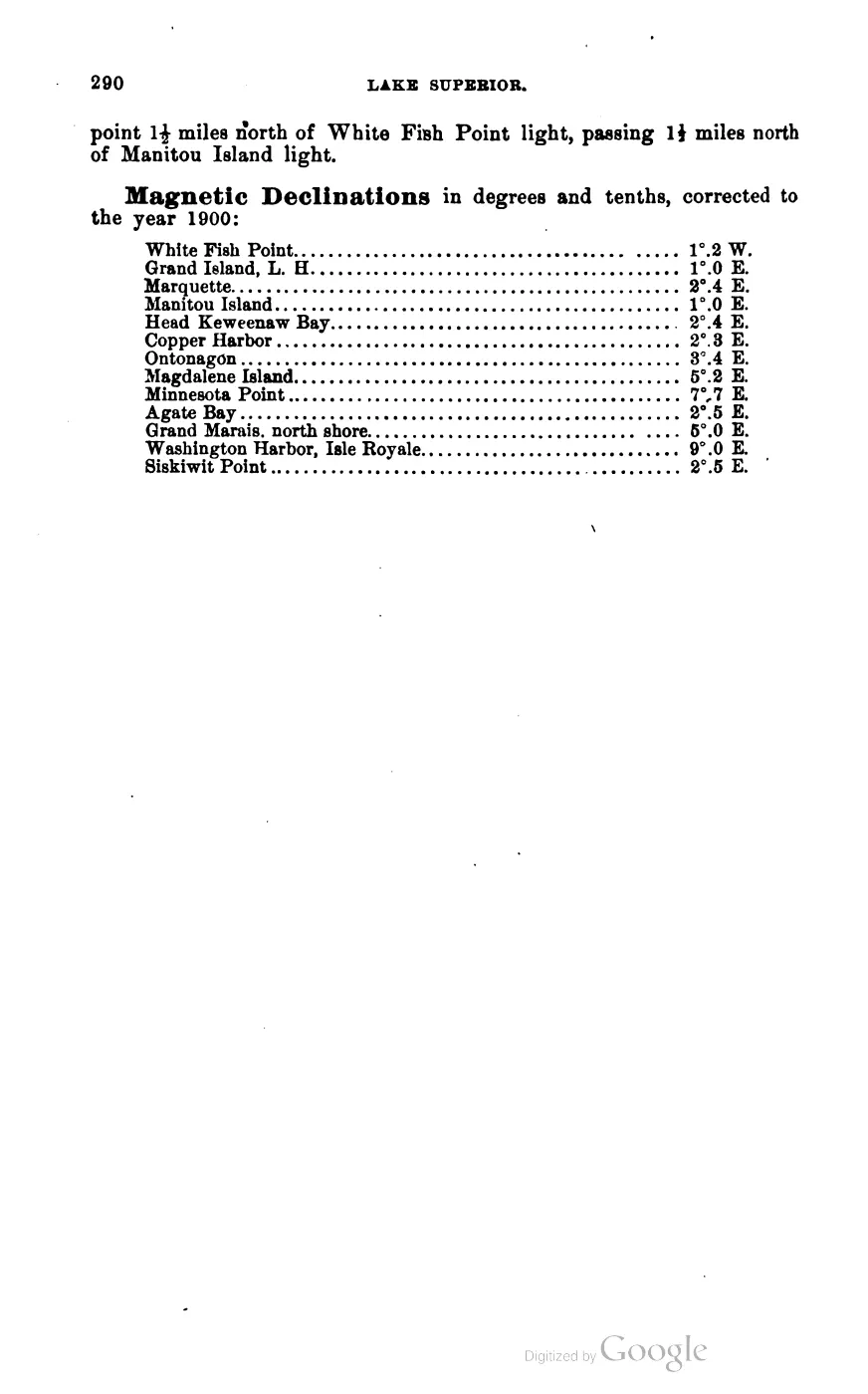
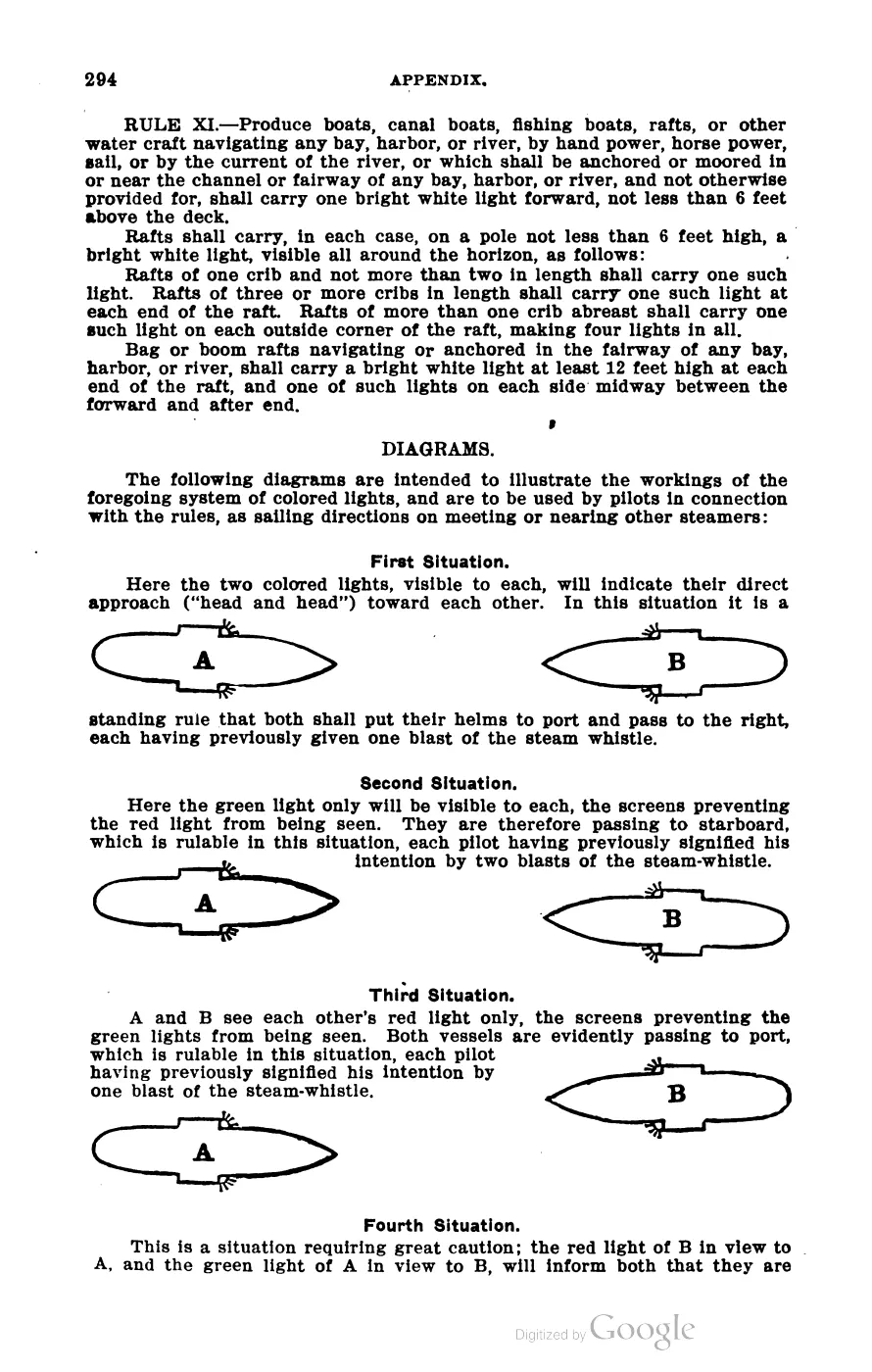
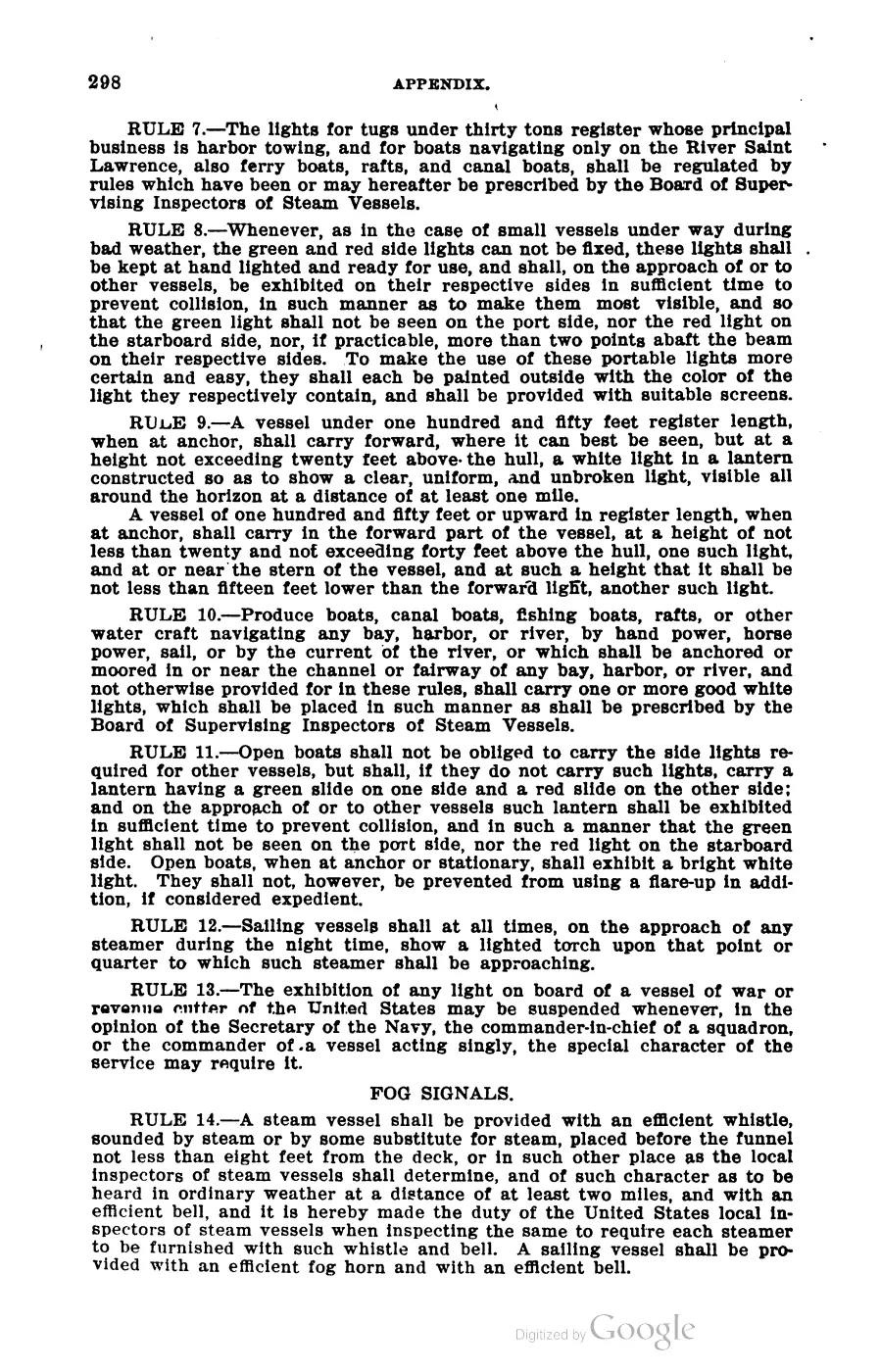
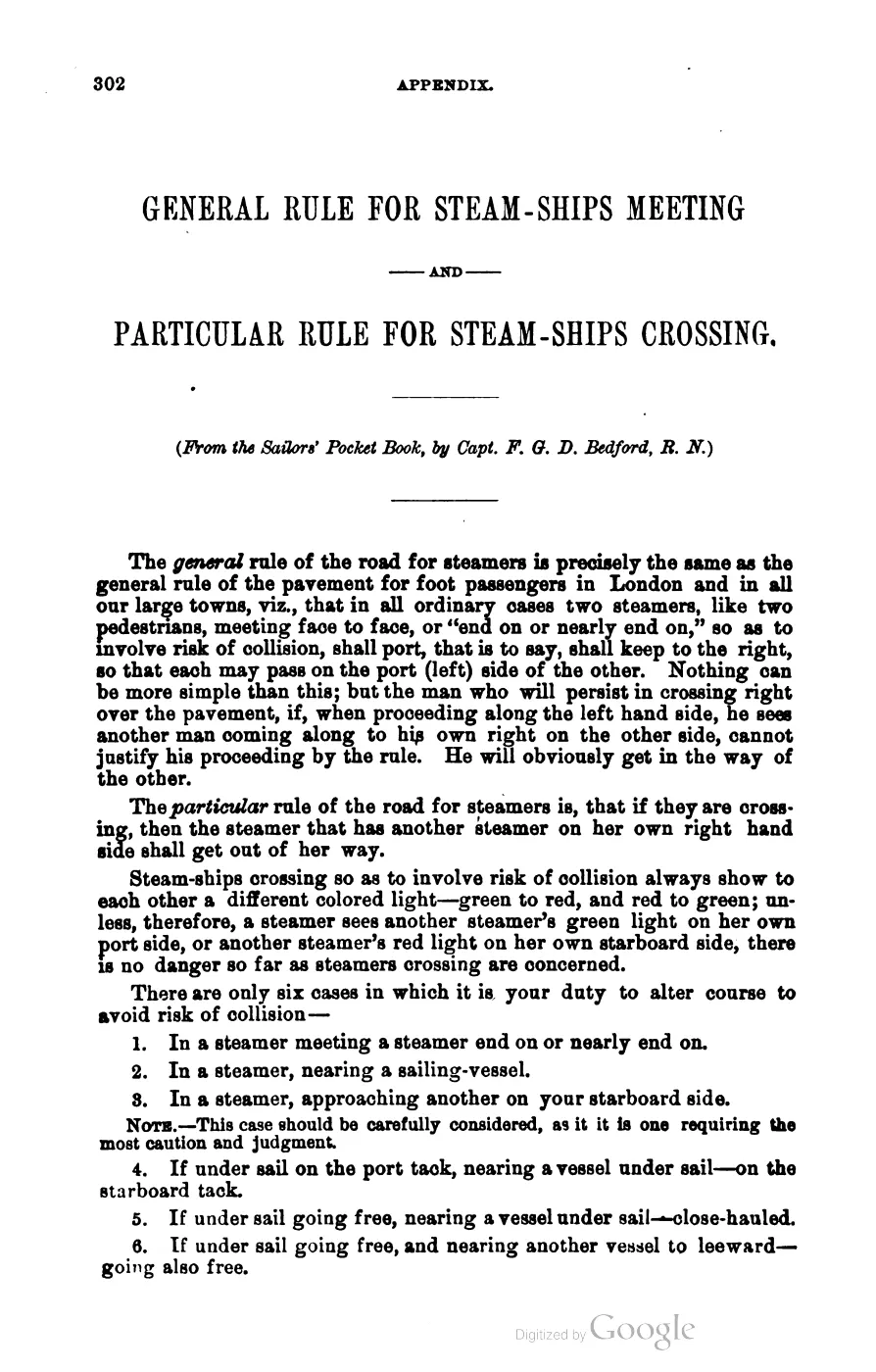
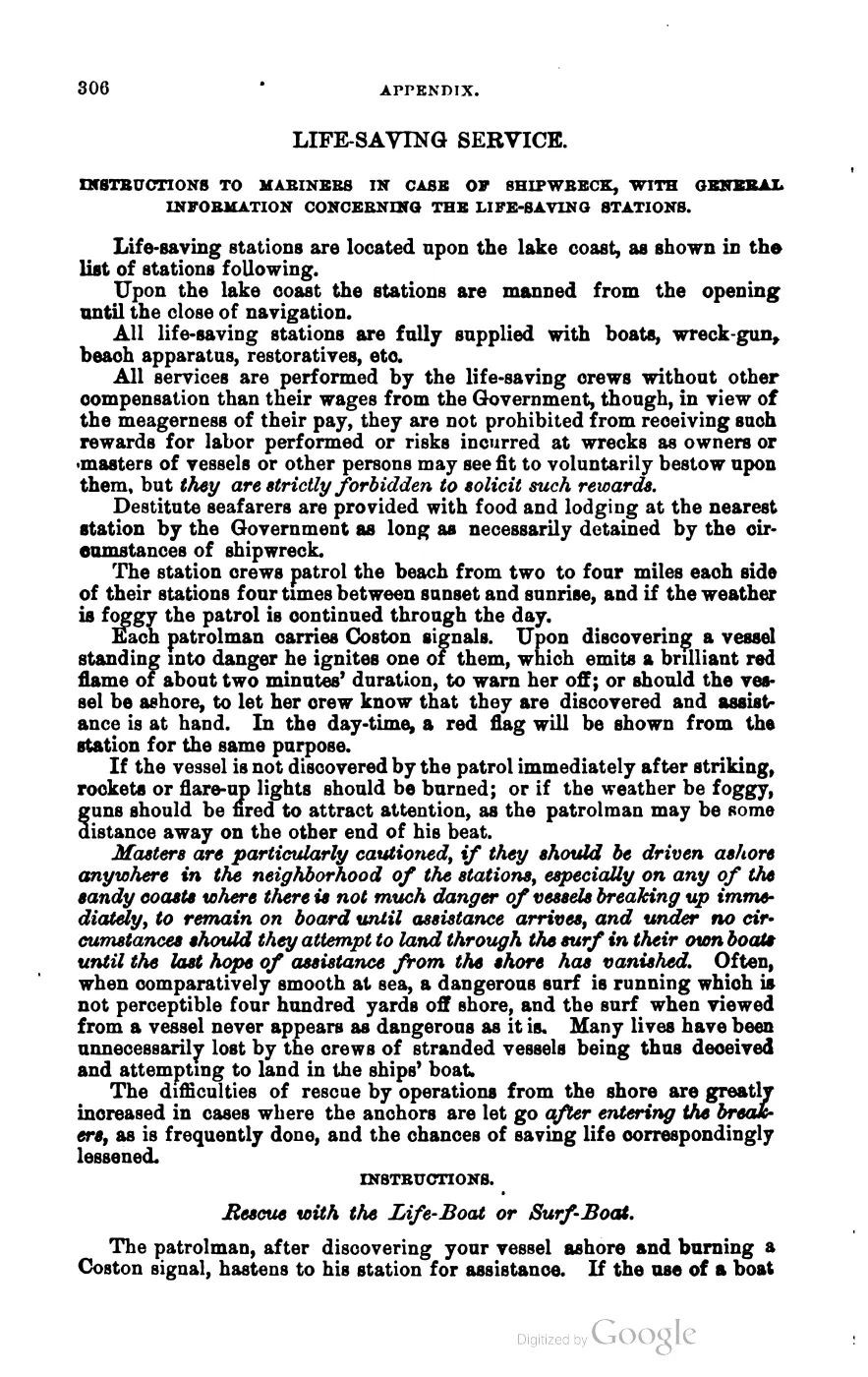
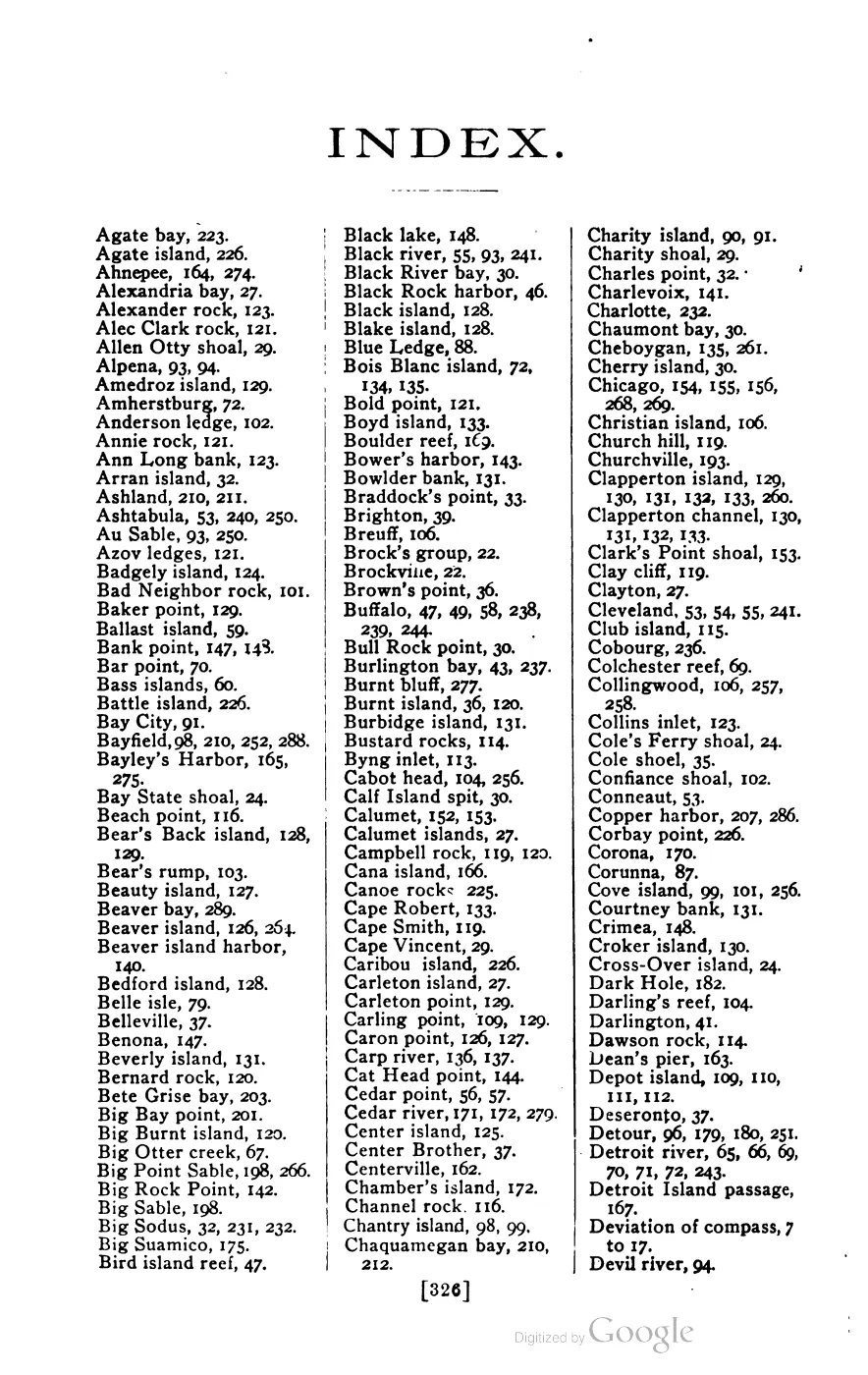
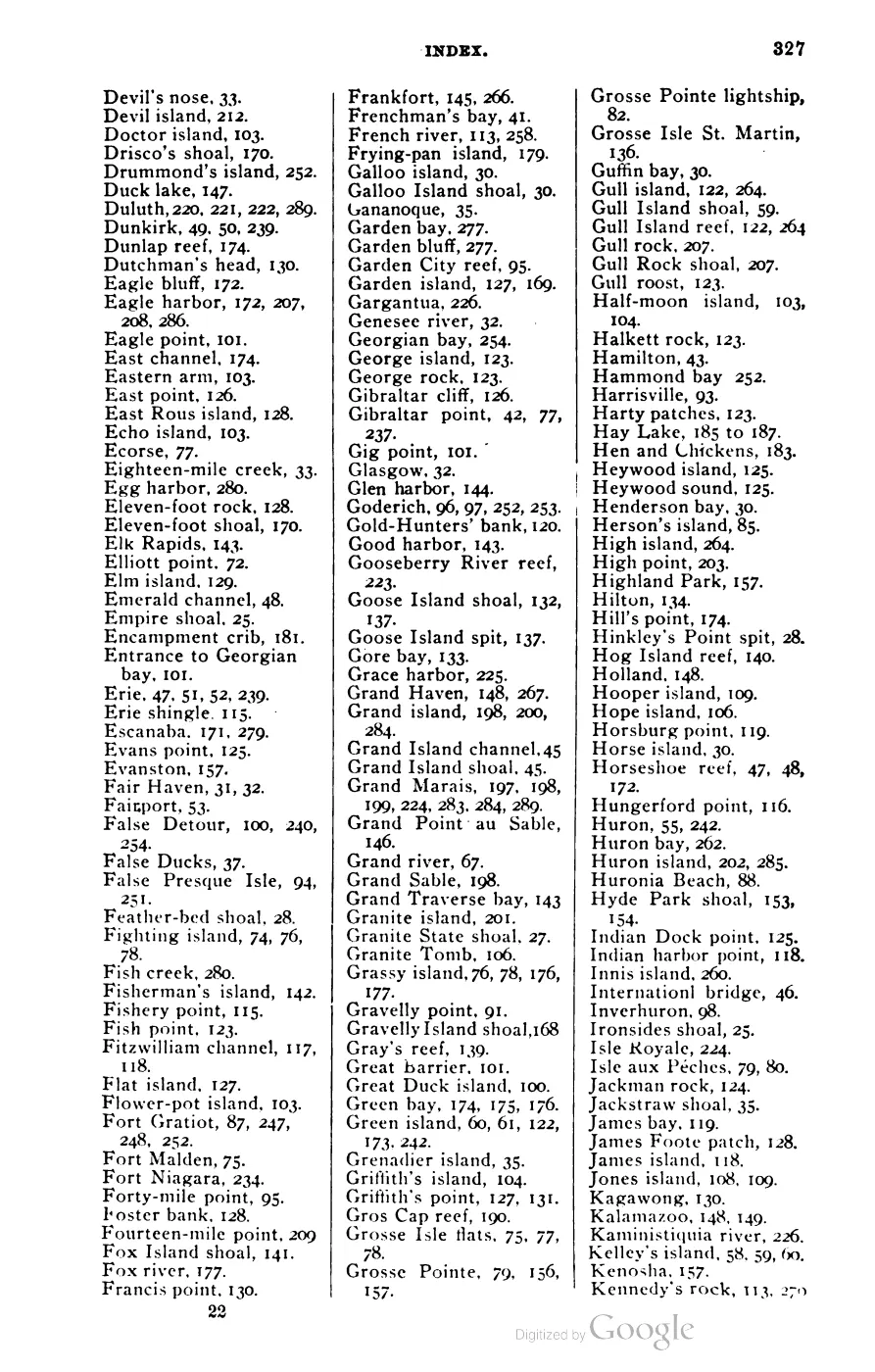
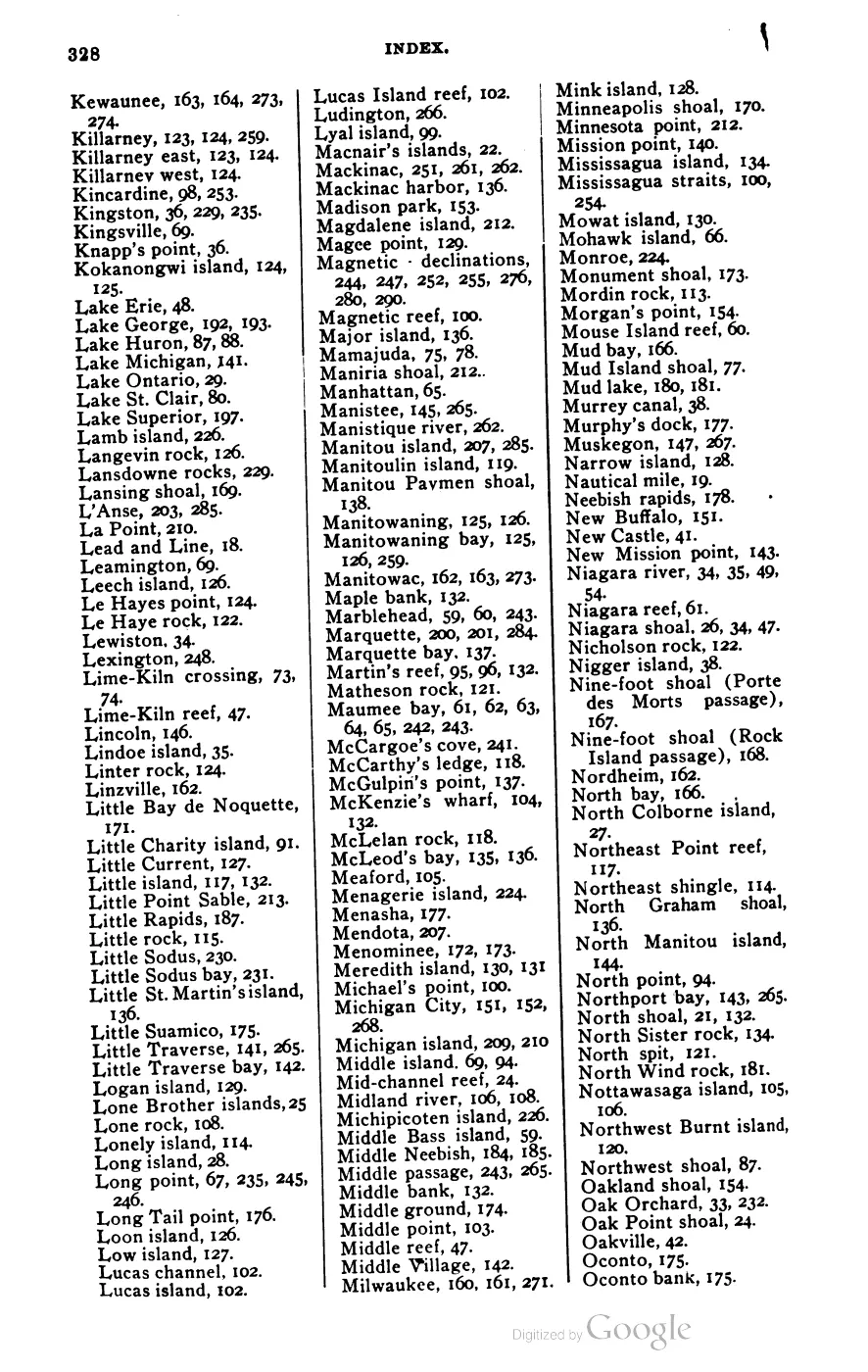
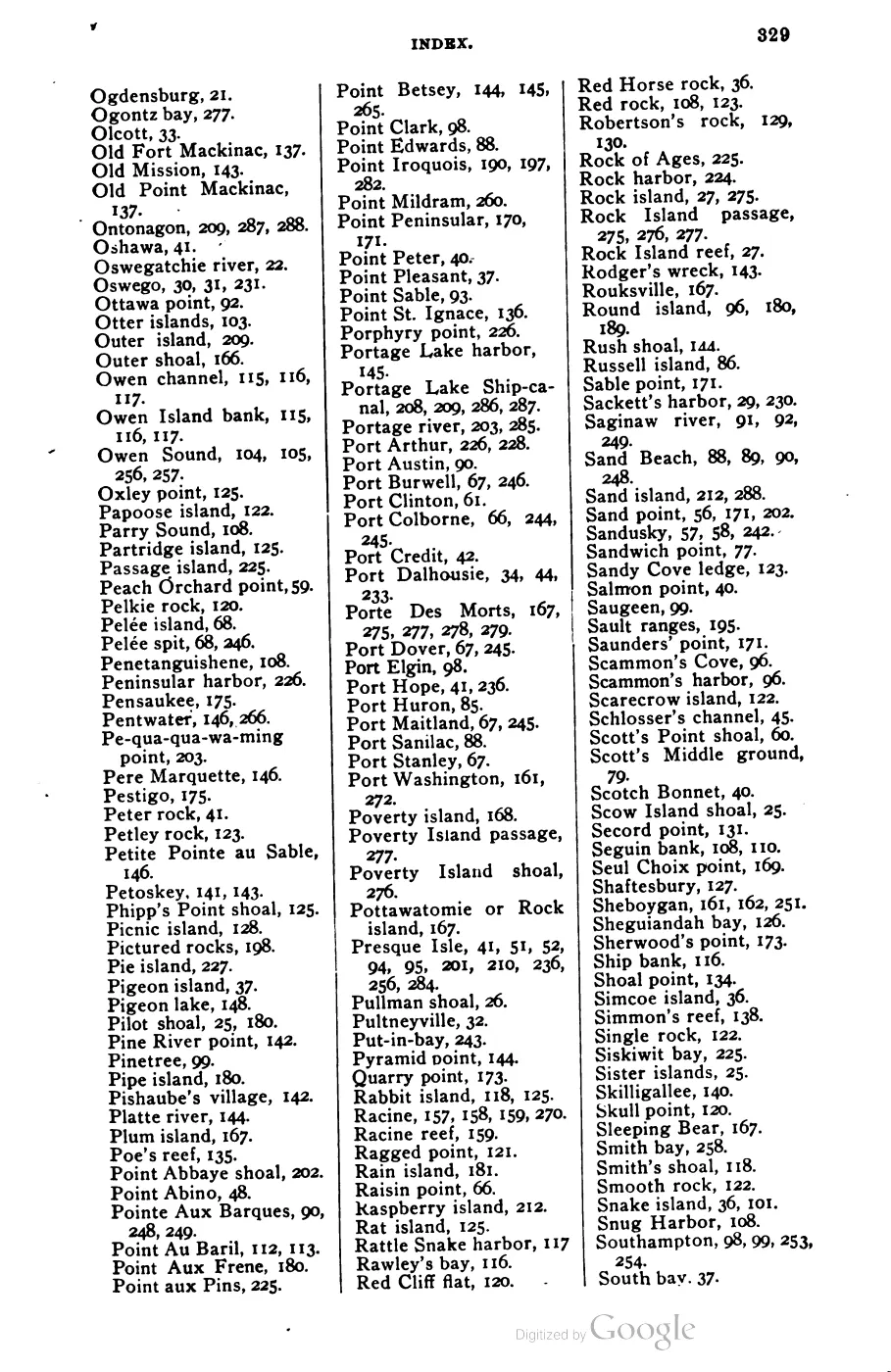





135 of 393 pages linked here — every page to 32, then every 4th, then the last 16. With JavaScript, every page.
Sources
- A participant shared Terry Pepper’s external Beaver Head Lighthouse history page and repeated a local claim that the light was built in the wrong place. The forum post is a pointer and folklore report, not independent evidence for the site’s placement or the alleged conflict.forum · www.beaverislandforum.com · 00 · t000294
- BIHS announced that the tower was unlocked for summer access and said Charlevoix County and Networks Northwest, described as the new owners, would present public-use visions at a July 14 community picnic. This is an institutional community notice, not a deed or current title record; it supports reported public access and a reported ownership transition only.forum · www.beaverislandforum.com · 14 · t014241
- Reports the Charlevoix School District’s receipt of a deed for a 61-acre tract at the southernmost Beaver Island Light Station site, while noting a retained Coast Guard right for a light and F.M. relay station. It is a newspaper report, not the deed or survey. The holding institution's portal restricts automated access; the archive holds a copy of this issue and can provide it on request.data1 · beaver-island-archive · beaver_beacon · 1975-10_Beaver-Beacon
- The held issue confirms the reported transfer ceremony and retained federal right.data1 · beaver-island-archive · scans · beaver_beacon · issues · 1975-10_Beaver-Beacon
- External entity identifier only; physical and historical claims remain grounded in the sources below.
- Listing name, reference number, address ('S of St. James on Beaver Island'), contributing-resource count.federal · layers · nrhp_polygons
- Described in this archive: National Register nomination for Beaver Island Light Station, 1978.Public NARA nomination PDF. It records the 1978 physical description and then-owner, and retrospectively states Lighthouse Service operation 1851–1938, Coast Guard operation to 1962, decommissioning/replacement, and surplus-property transfer. It is not a current ownership or condition record.research · beaver_island_light_station · sources · nps-nrhp-beaver-island-light-station-78001495
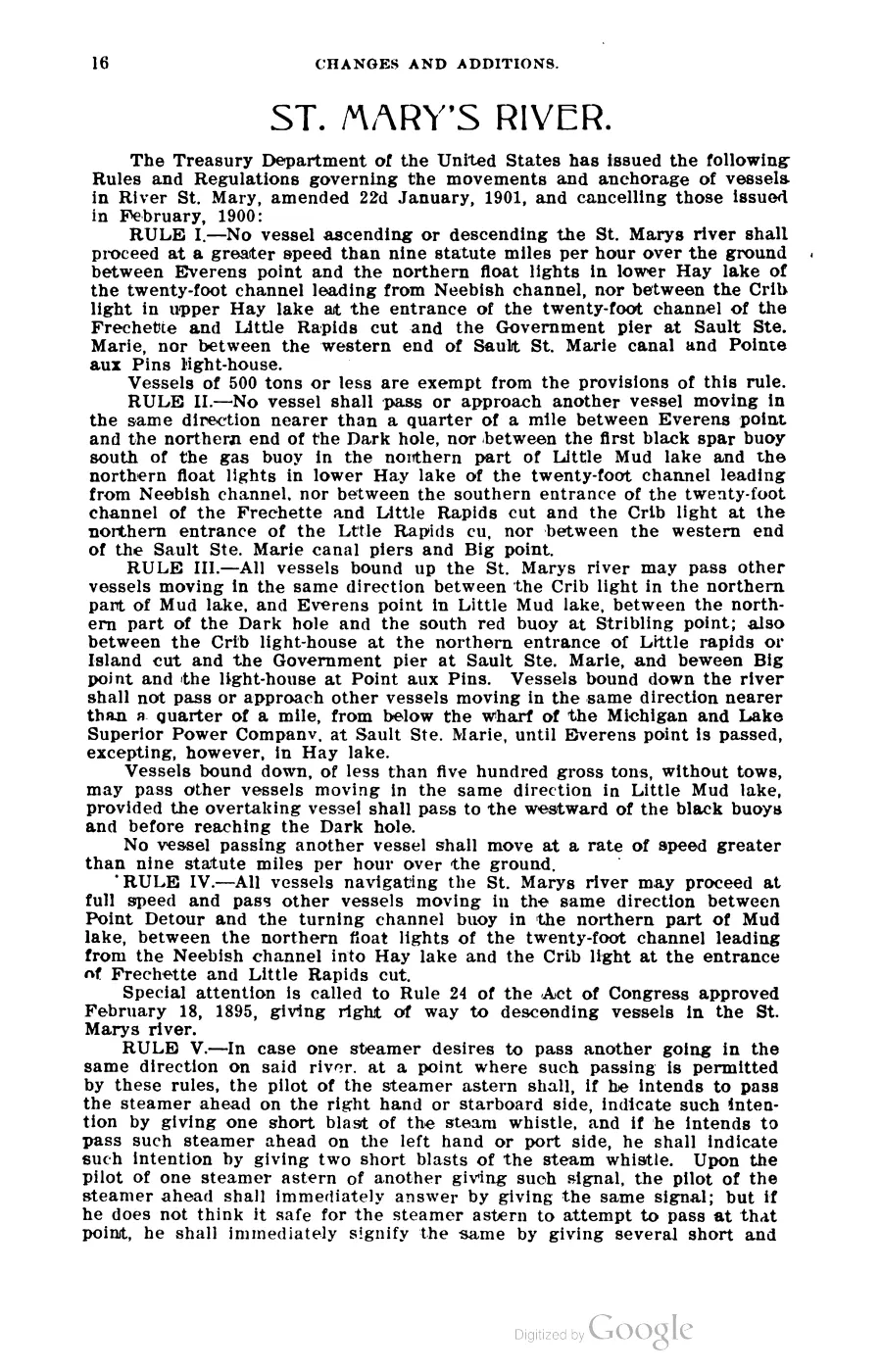
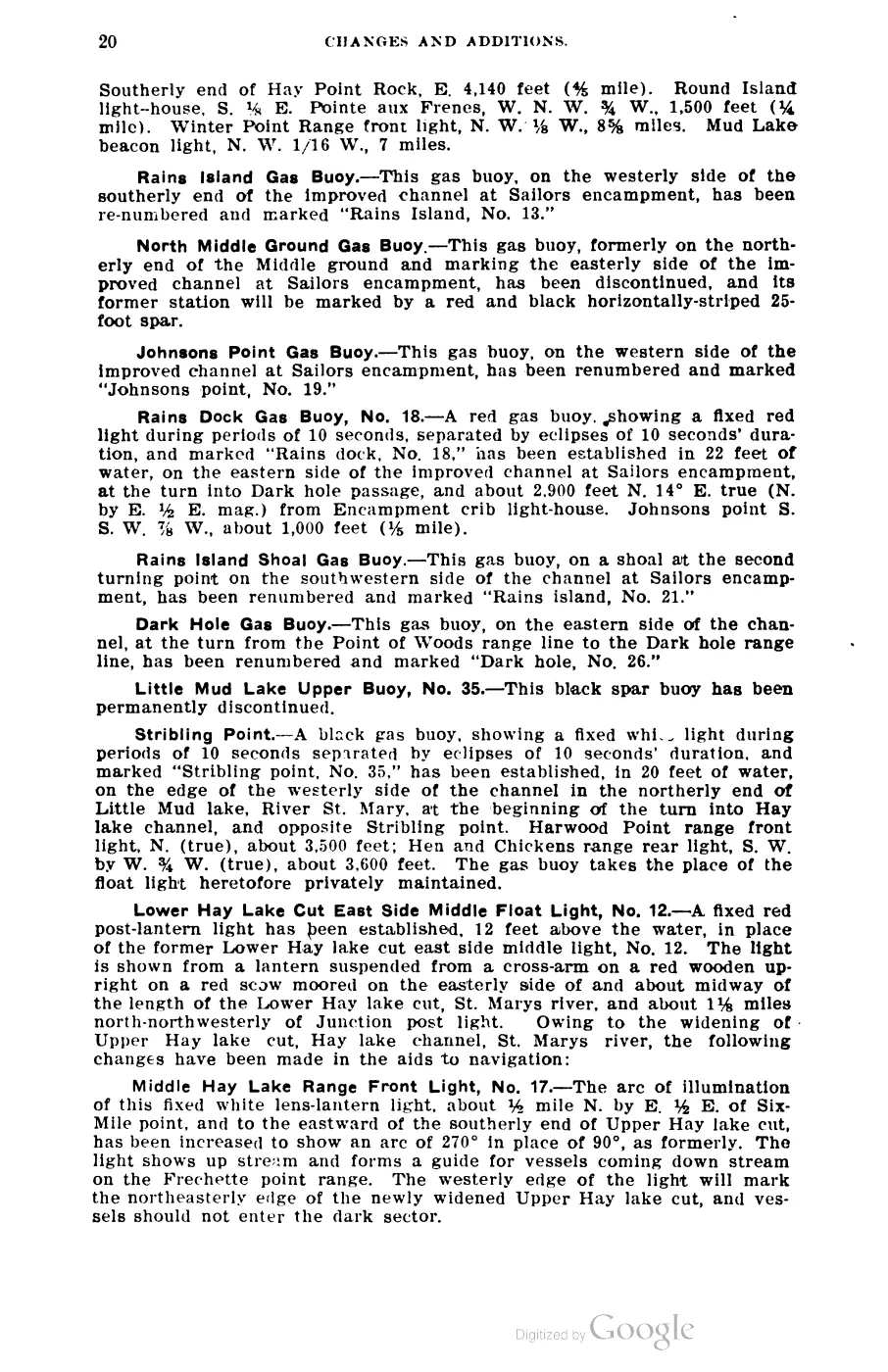
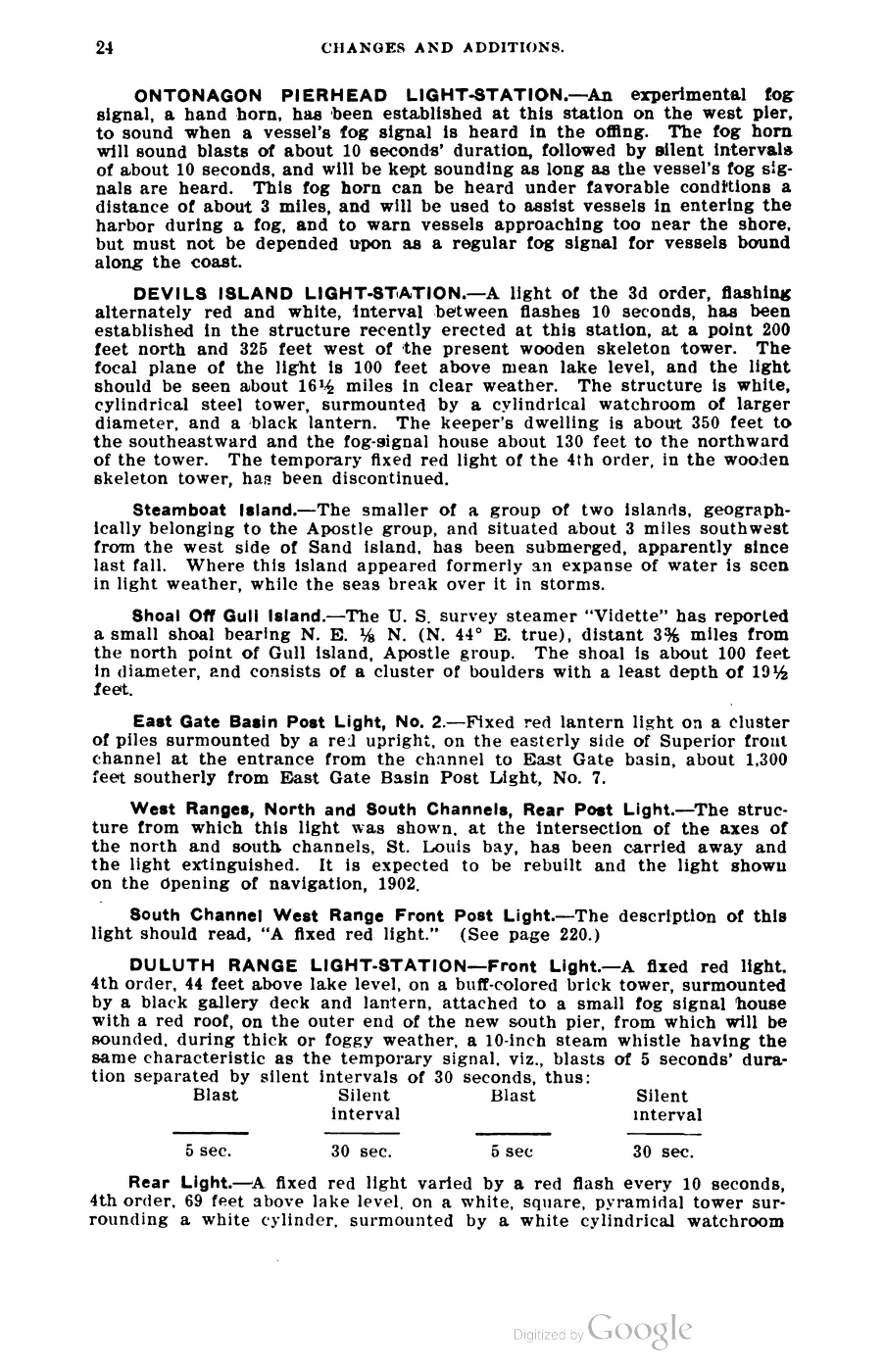
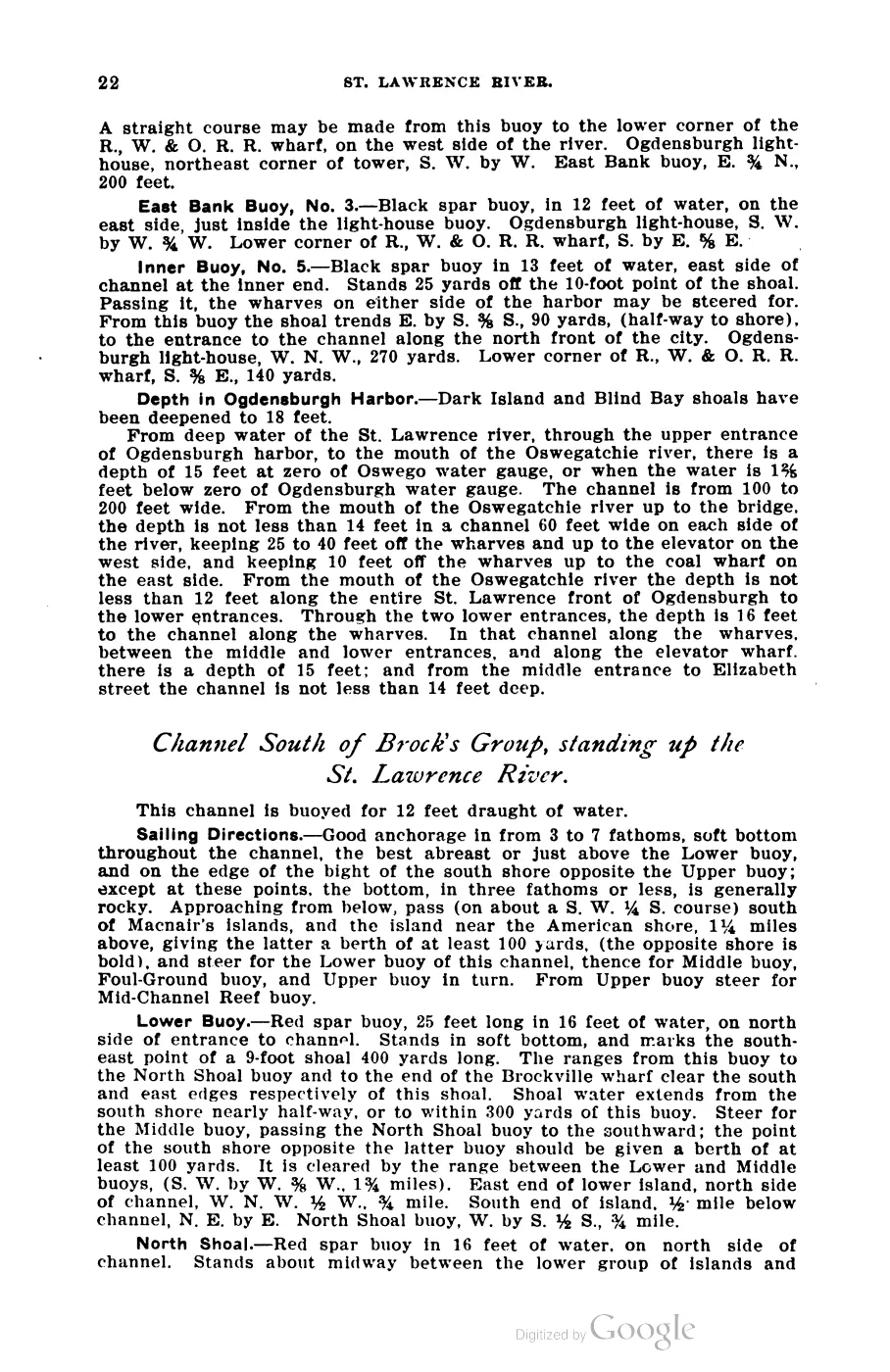
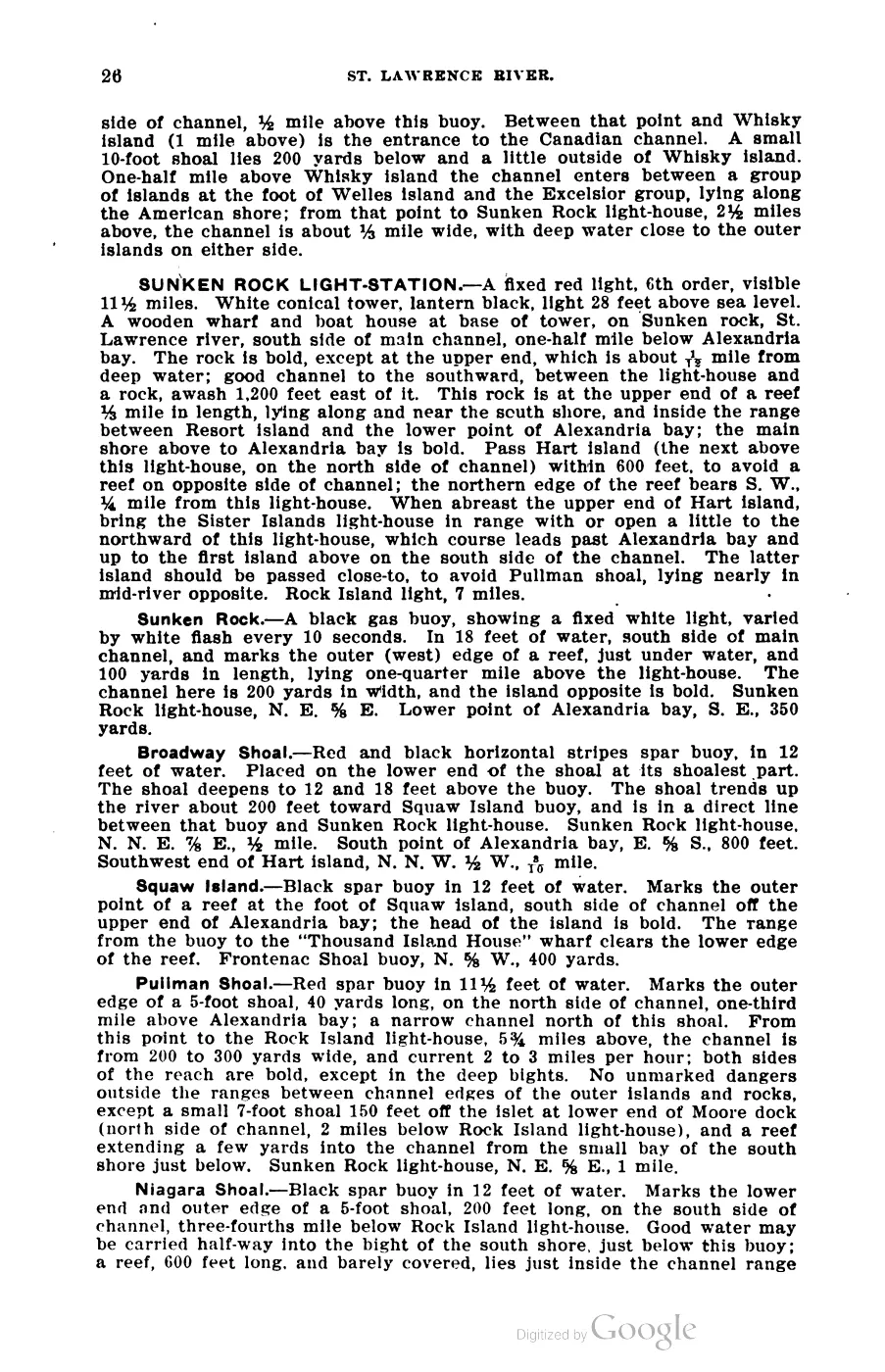
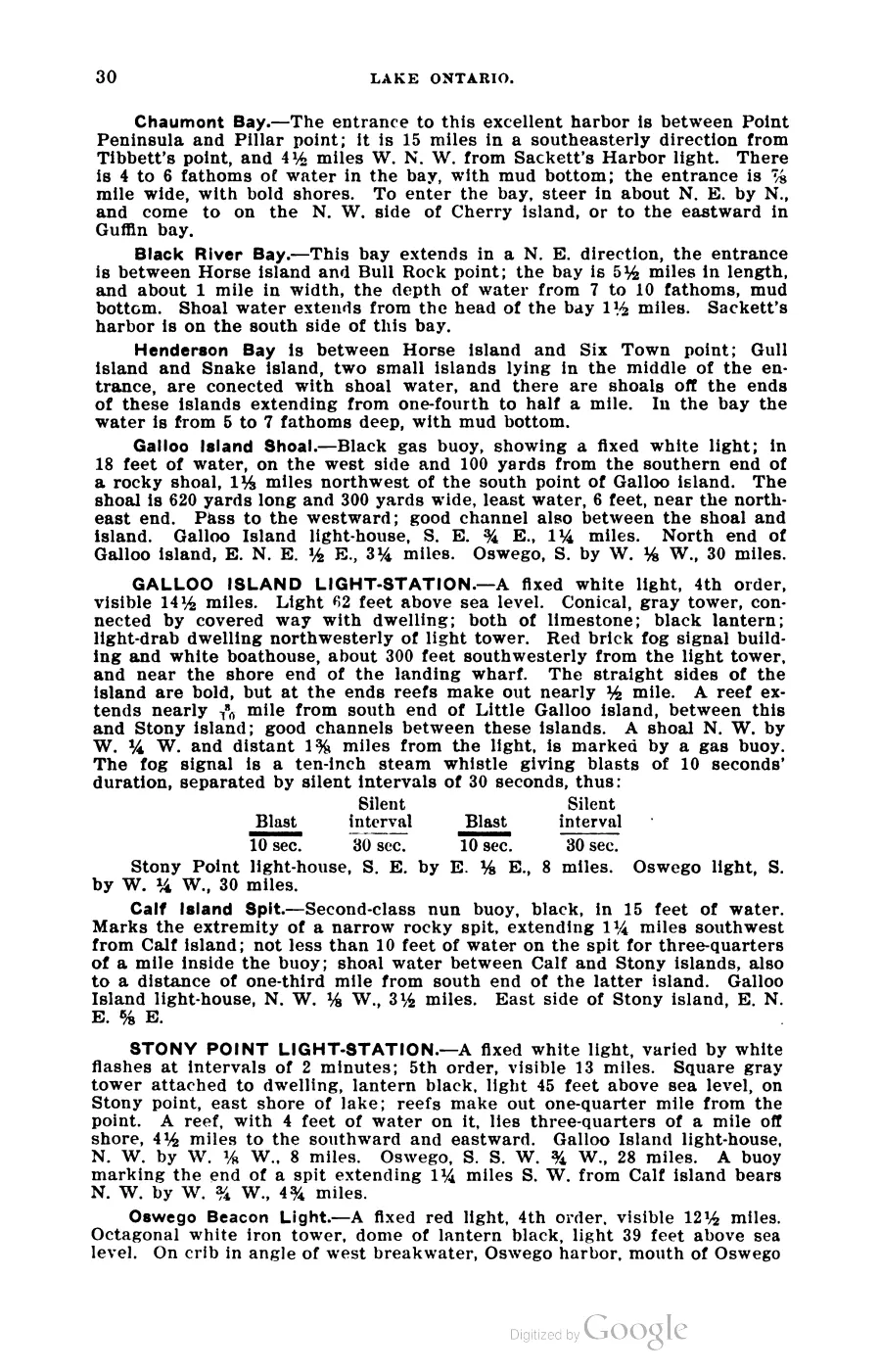
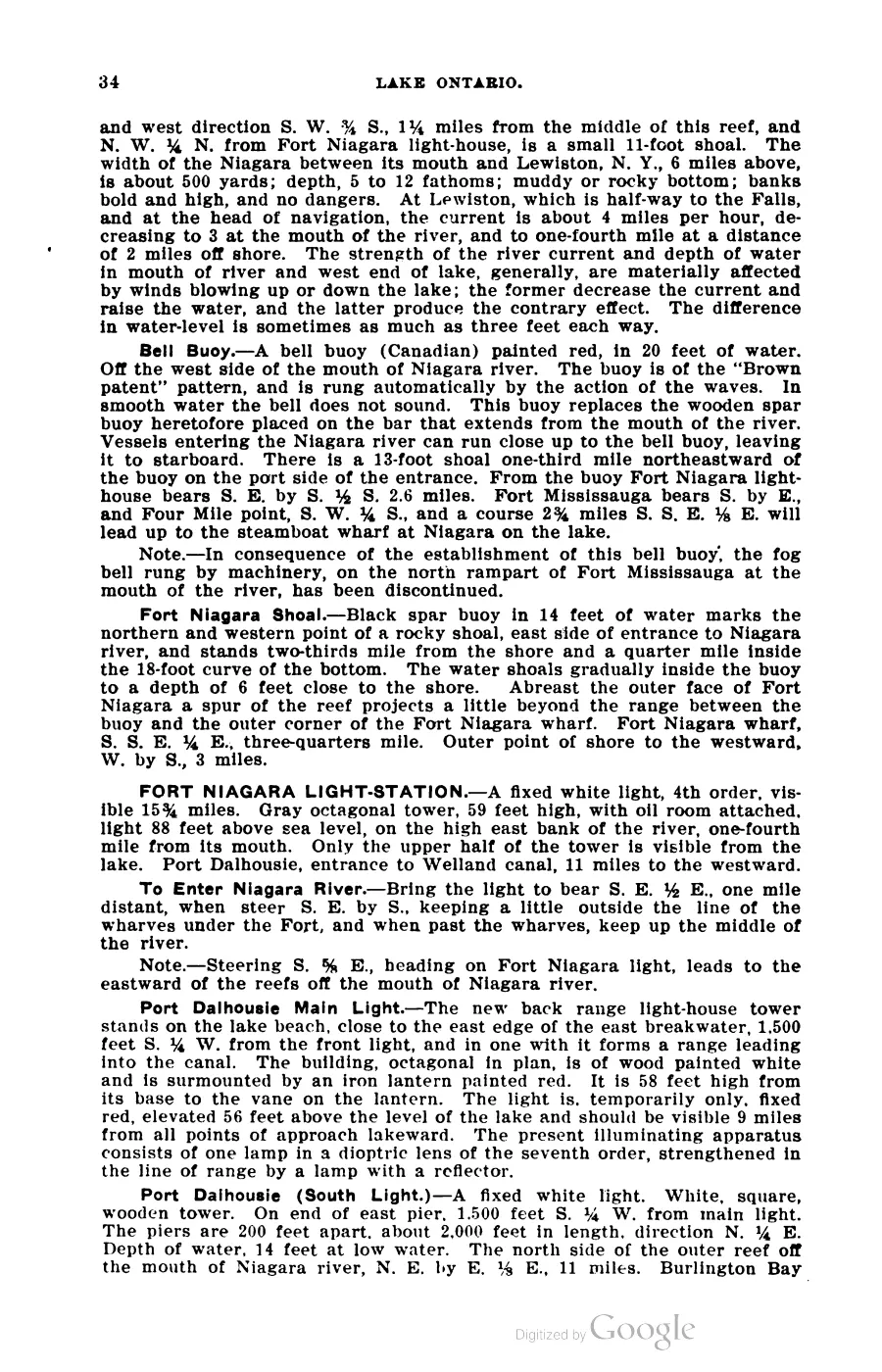
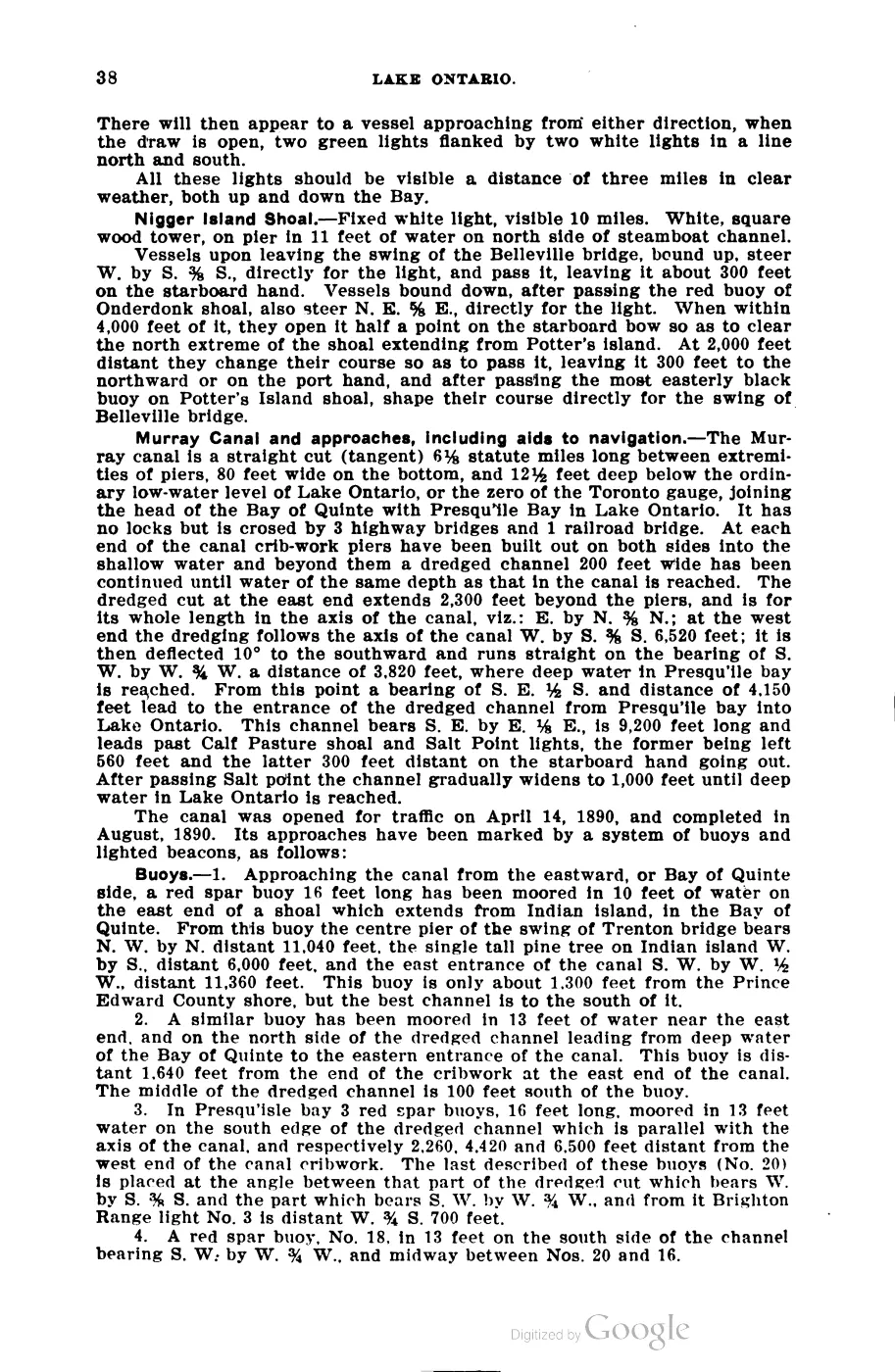
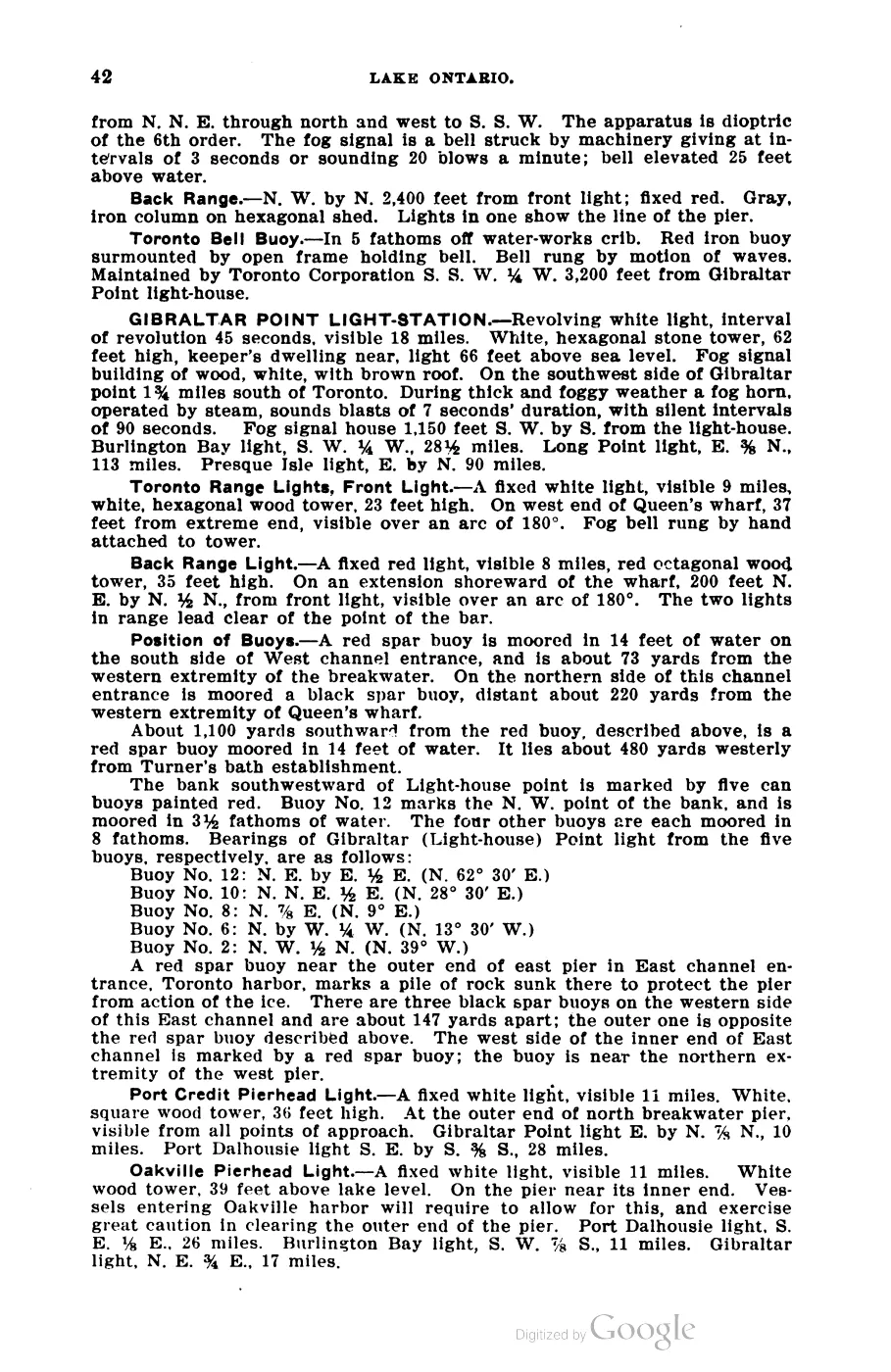
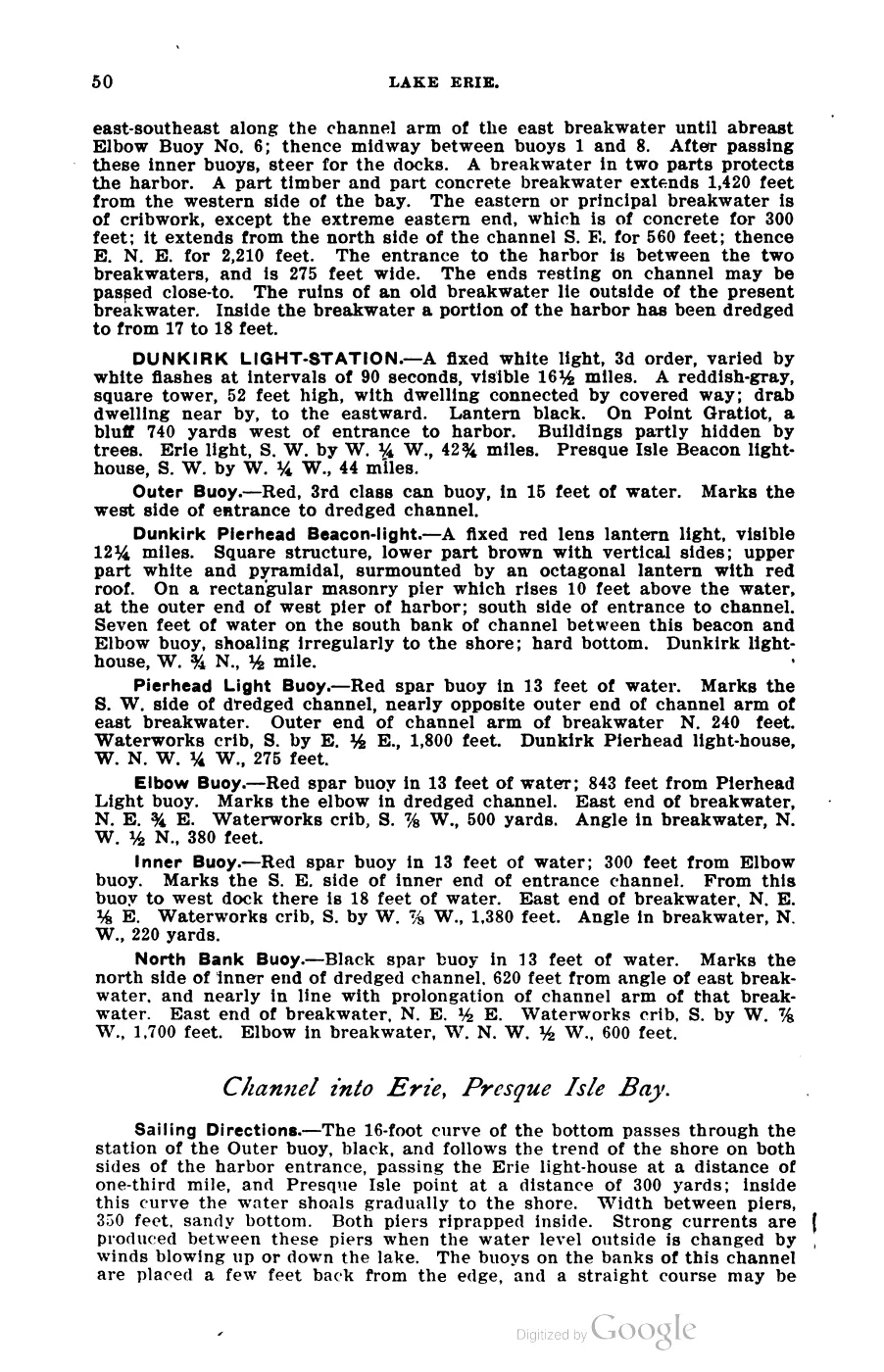
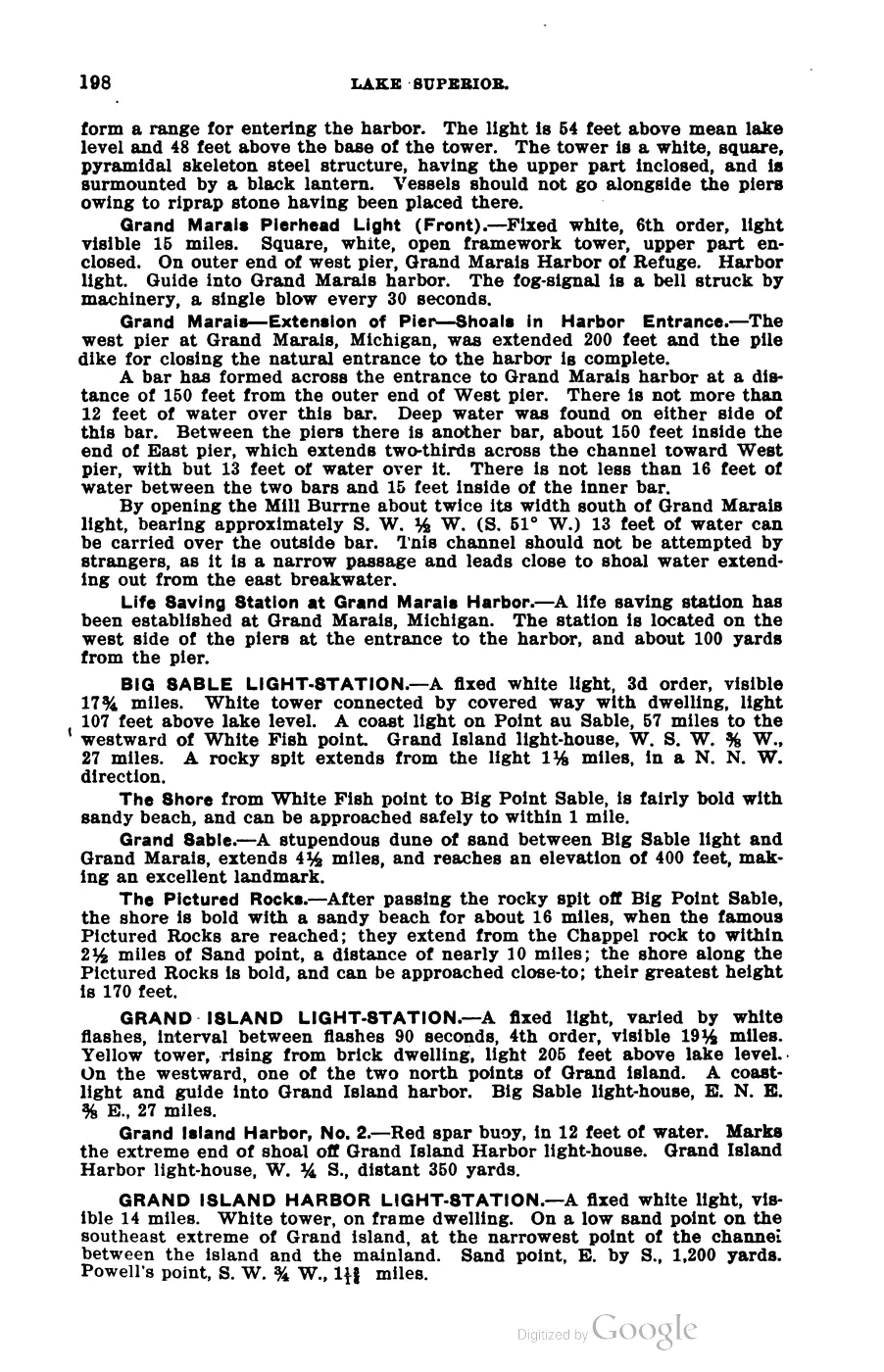
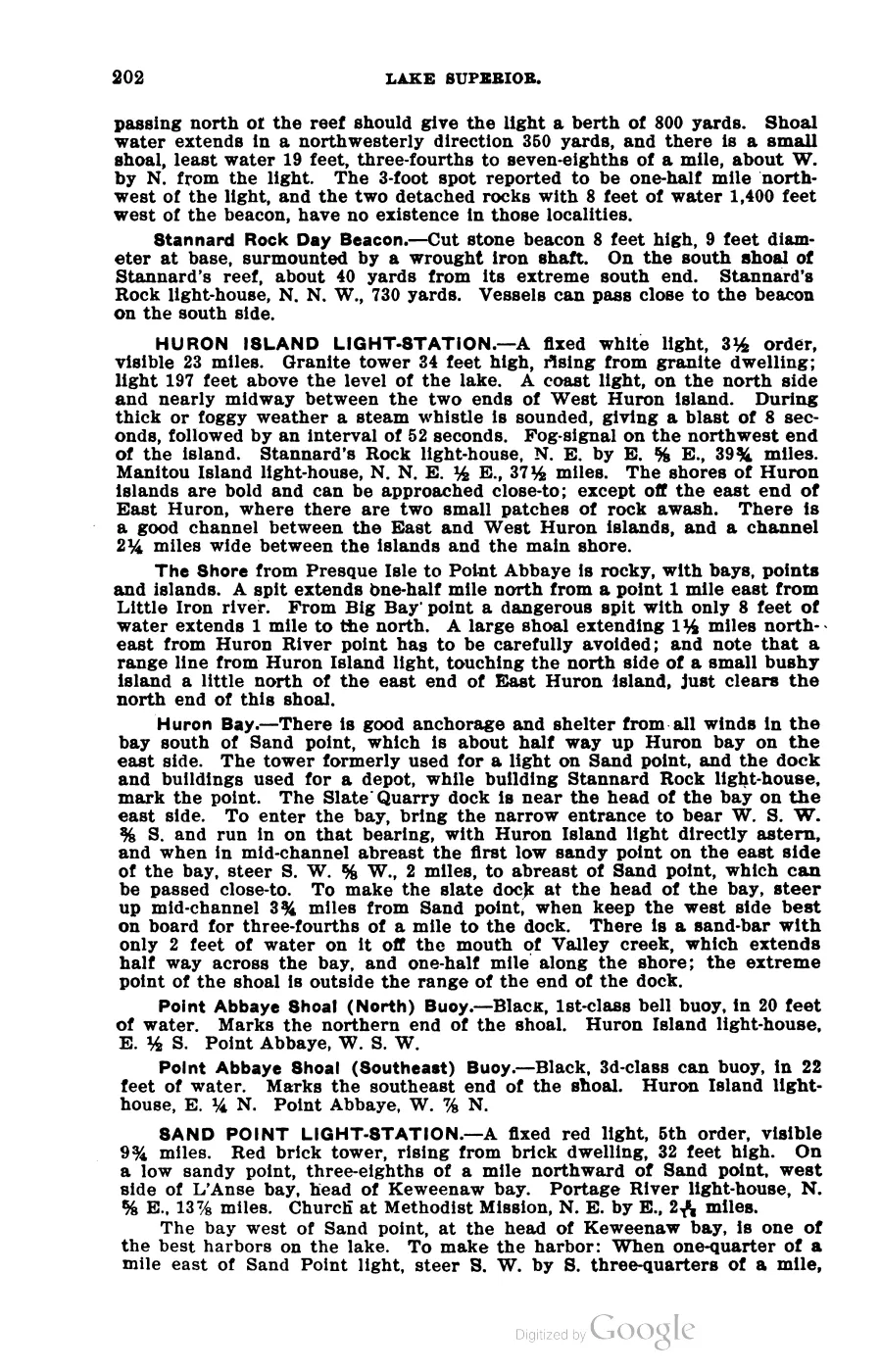
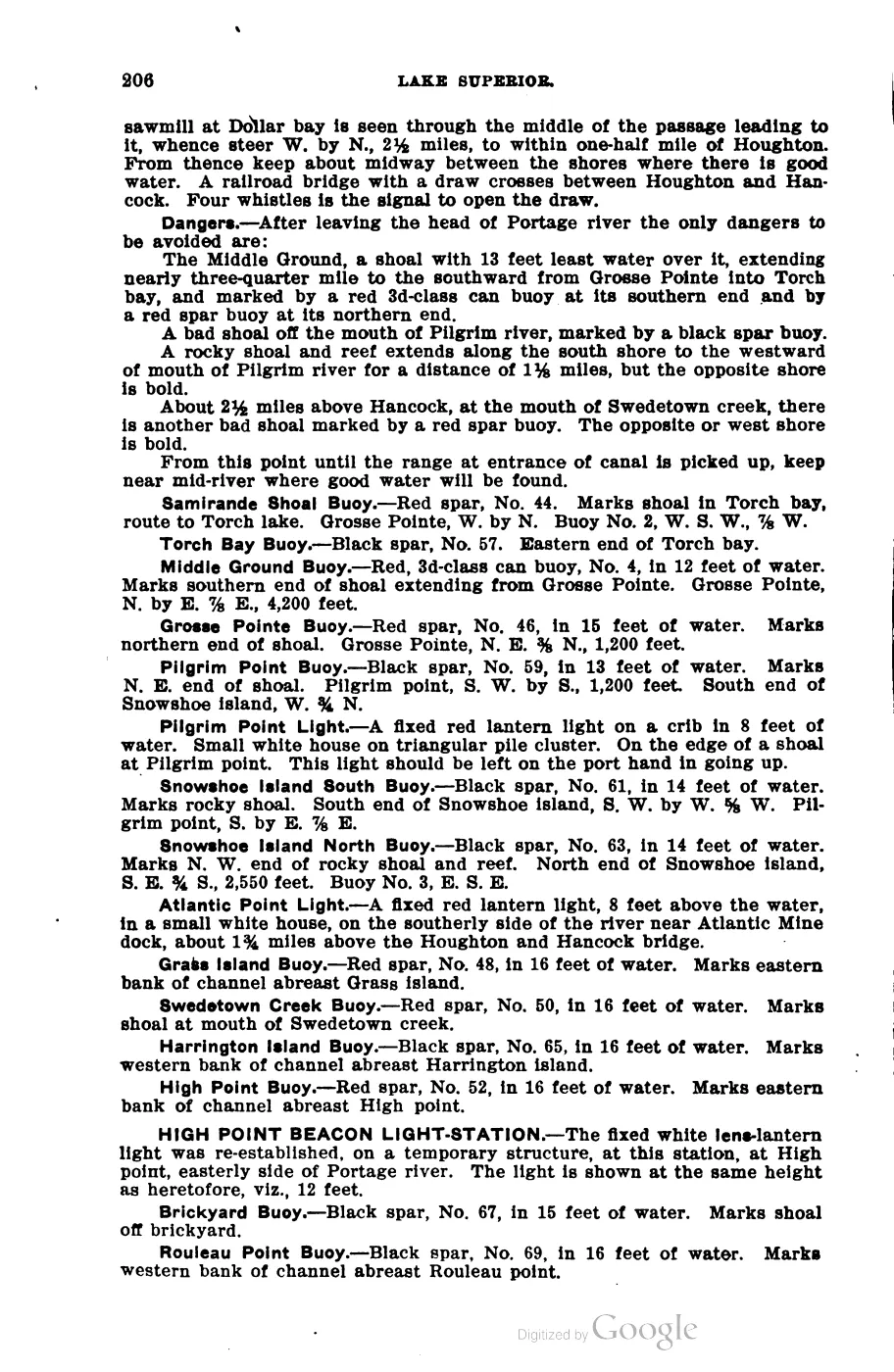
- George Scott, Scott's New Coast Pilot for the Lakes, 6th ed. (Detroit: Free Press Printing Company, 1902), p. 140.Full light characteristic, verbatim: 'BEAVER ISLAND LIGHT-STATION.—A fixed white light, varied by white flashes at intervals of 1 minute, 4th order, visible 18 miles. Yellow tower, 40 feet high, connected by a covered way with dwelling, all of yellow brick. On the bluff, about 60 feet high, at the south end of Beaver island. A guide through the channel, 9½ miles wide, between Beaver and North Fox islands. The fog-signal is a first-class steam-siren... blasts of 7 seconds with intervals of 42 seconds.' No public copy of this file is known; the archive holds one and can provide it on request.local_documents · 1902_scott-new-coast-pilot-for-the-lakes-6ed
- Table 'Light Houses' lists 'Head of Beaver Id. Lt. Ho., revolving, 110 ft above lake, visible 19 statute miles' — an earlier (pre-1861) characteristic than Scott 1902's fixed-varied-by-flashes description, showing the apparatus changed between the two.federal · noaa_charts · images · 1855_NORTH-END-OF-LAKE-MICHIGAN-INCLUDING-THE-BEAVER-ISLAND-GROUP-NORTH-END_LC00010-00-1855WWL
- Eyewitness account of the keeper succession at 'the Beaver Island lighthouse at the head of the Island': Van Allen (first keeper, at construction), Mr. Loaney (second keeper, after being driven off by the Mormons and returning post-1856), Capt. Appleby of Buffalo, Harrison Miller (~11 years), William Duclon (~8 years, later transferred to Eagle Bluff light, Wisconsin).
- Modern point location, name and Wikidata/Wikipedia cross-reference.osm · lighthouses_maritime
- Confirms the 1851 contract completion date ("completed by October 1, 1851"); states the original tower "toppled over in 1857," prompting the 46-foot brick tower built in 1858; and dates a change to incandescent oil-vapor illumination to 17 April 1916 (signature then a 1.3-second flash every 20 seconds) — a documented 1916 event that is NOT the undated revolving-to-fixed-flash change, since Scott 1902 already records fixed-plus-flash.
- States the light was "a working light from 1852" and separately mentions the tower as "constructed in 1858" — giving 1852 rather than 1851 for first operation, and not distinguishing the 1851 original from the standing 1858 tower.
- The inventory gives Beaver Head Lighthouse an approximate location on South End Road in Peaine Township. It does not establish a surveyed access route, current ownership, or present condition.planning · beaver_island_master_plan · 2017-beaver-island-resilient-master-plan-8cbeebcd
- States the Charlevoix Public School District "secured the title to the Beaver Island Light Station through a surplus federal property distribution" after decommissioning, using the site as an outdoor/environmental education center; records a two-story frame addition (20 by 31 ft) built "around 1915" and a screened porch added "around 1920."
- Described in this archive: Beaver Island History Map, 1978 revision.Labels “Beaver Head Light & Signal Station — 1851.” The establishment year agrees with contract and NRHP evidence, but the standing tower is generally dated 1858 and later signal equipment should not be back-dated to the original establishment.
- Charlevoix Courier, February 17, 1943, Beaver Island correspondence.Contemporary report says John A. Gallagher and two other Coast Guardsmen followed the telephone line to Beaver Head, found and repaired the trouble, and took three days for the winter round trip. It establishes Coast Guard telephone connectivity to Beaver Head by 1943, but not the line's construction date or exact endpoint within the station. No public copy of this file is known; the archive holds one and can provide it on request.

Added 28 July 2026 · revised 7 August 2026. Recent changes
Cite this article
Beaver Island Archive, “Beaver Island Light Station”, https://beaverislandarchive.org/structures/beaver-island-light-station/, accessed [date], citing Rich, “Beaver Head Lighthouse,” Beaver Island Forum, February 8, 2005, topic 294. (and 16 further sources listed on the page).
Last revised 2026-08-07. Fill in [date] with the date you read it — this page is static and cannot know that.
BibTeX for “Beaver Island Light Station”RIS for “Beaver Island Light Station”