- Eras
- Strang eraModern era
- Concepts
- heritagehistoriographymormonismmusic-folkloreStrang eraModern era
- Within
- Beaver Island archipelago
Summary
“Strang’s treasure” is a web of stories rather than one stable legend. They place different valuables at Holy Island, Fox Lake, High Island, and North Fox Island. A separate South Fox Island murder-payoff story and a single coin reportedly found near the Saint James palace became neighboring pieces of the folklore. Across the versions, the treasure changes from stolen goods to Spanish coins, Chicago robbery loot, a royal treasury, or a chest of gold hidden in a lake.
The traditions are historically important because they show how the memory of the Kingdom of Saint James was reshaped after 1856. They are not evidence that a Strang treasury existed. No held source documents a cache in a contemporary Strangite ledger, diary, inventory, sworn statement, or archaeological report.
The related research dossier makes the source inventory, claim distinctions, and dates of attestation explicit. It is a provenance aid rather than an additional legend: its 12-source manifest states that no held source establishes that a cache existed or was found.
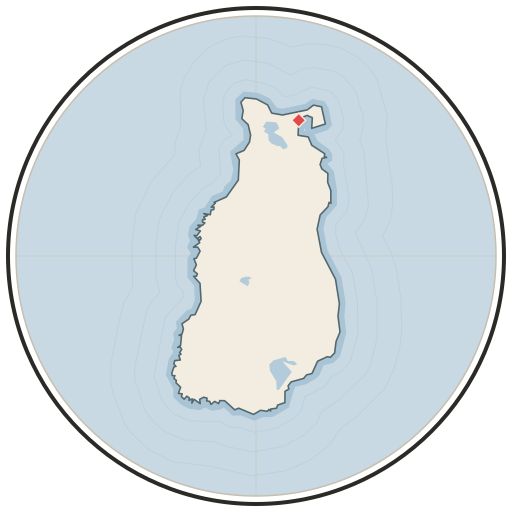
A map of the variants
Holy Island: treasure as resort history
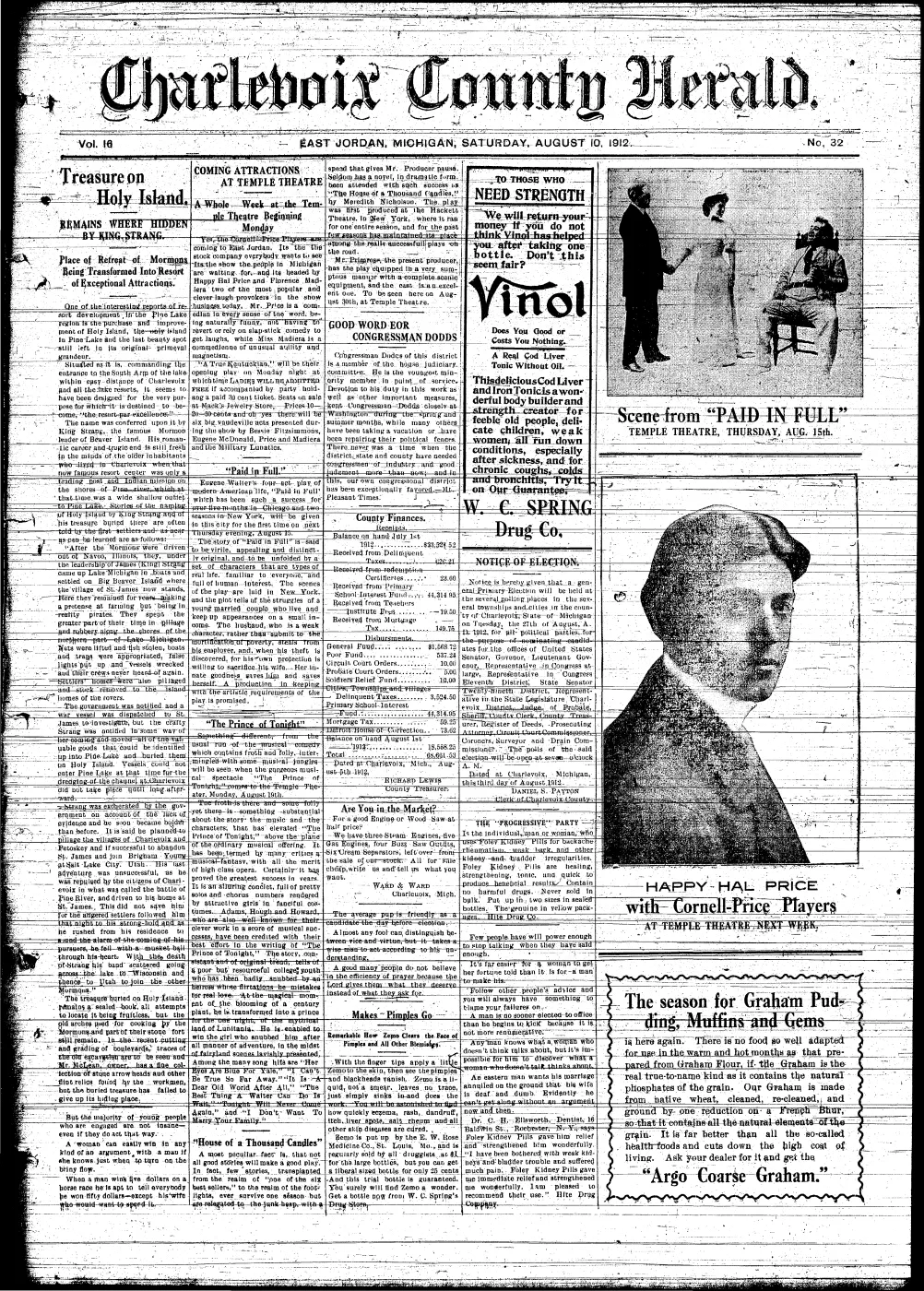
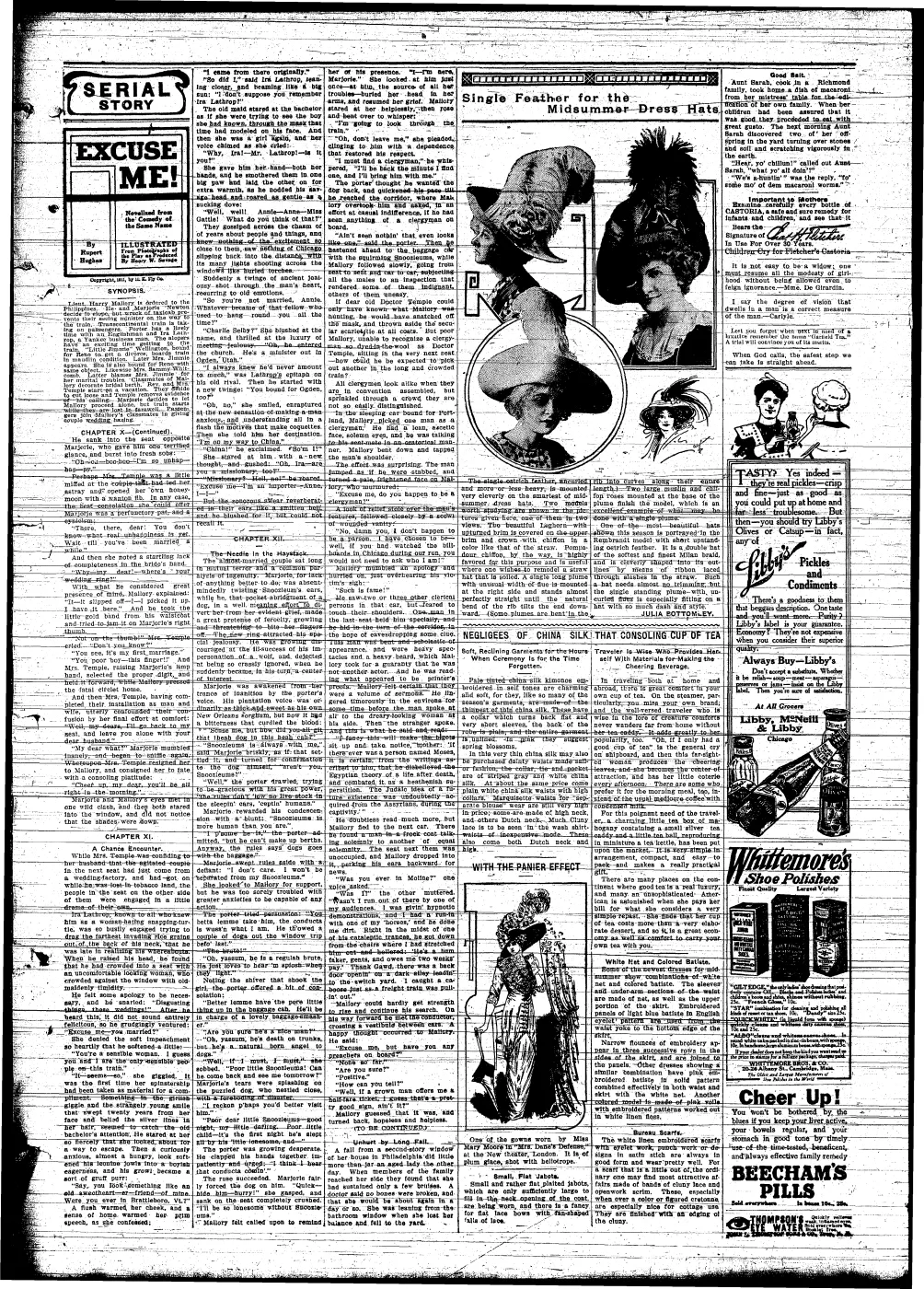
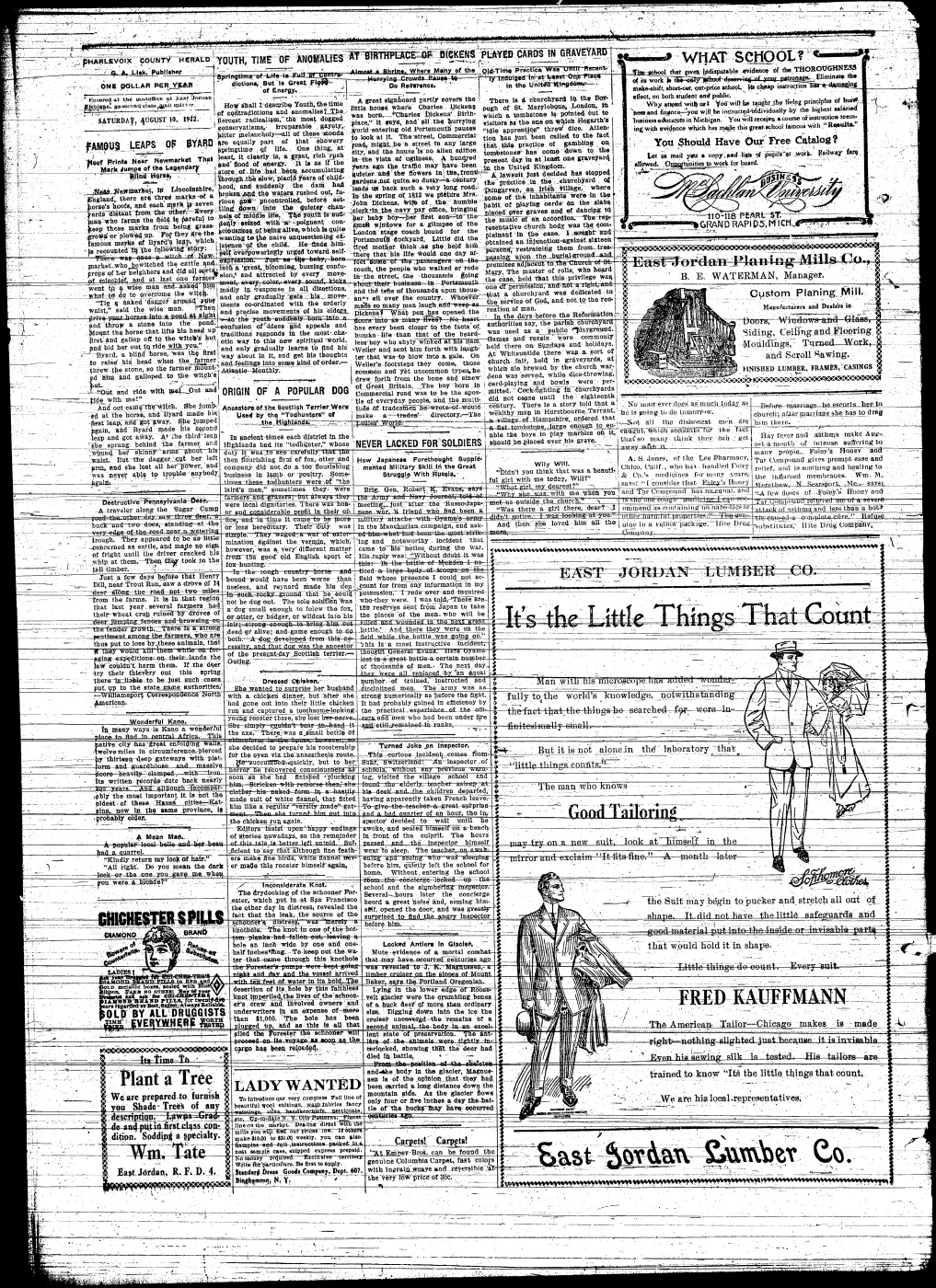
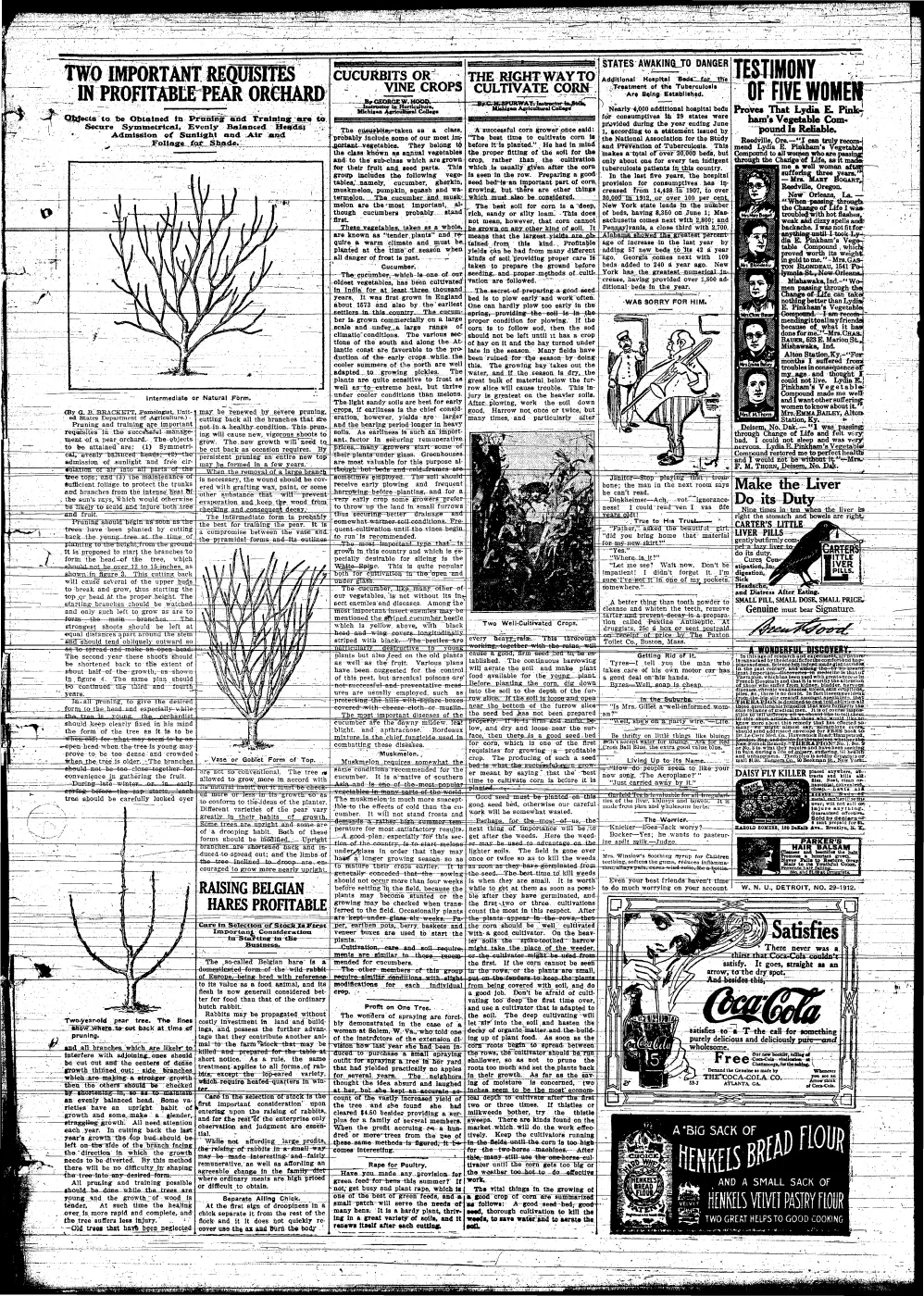
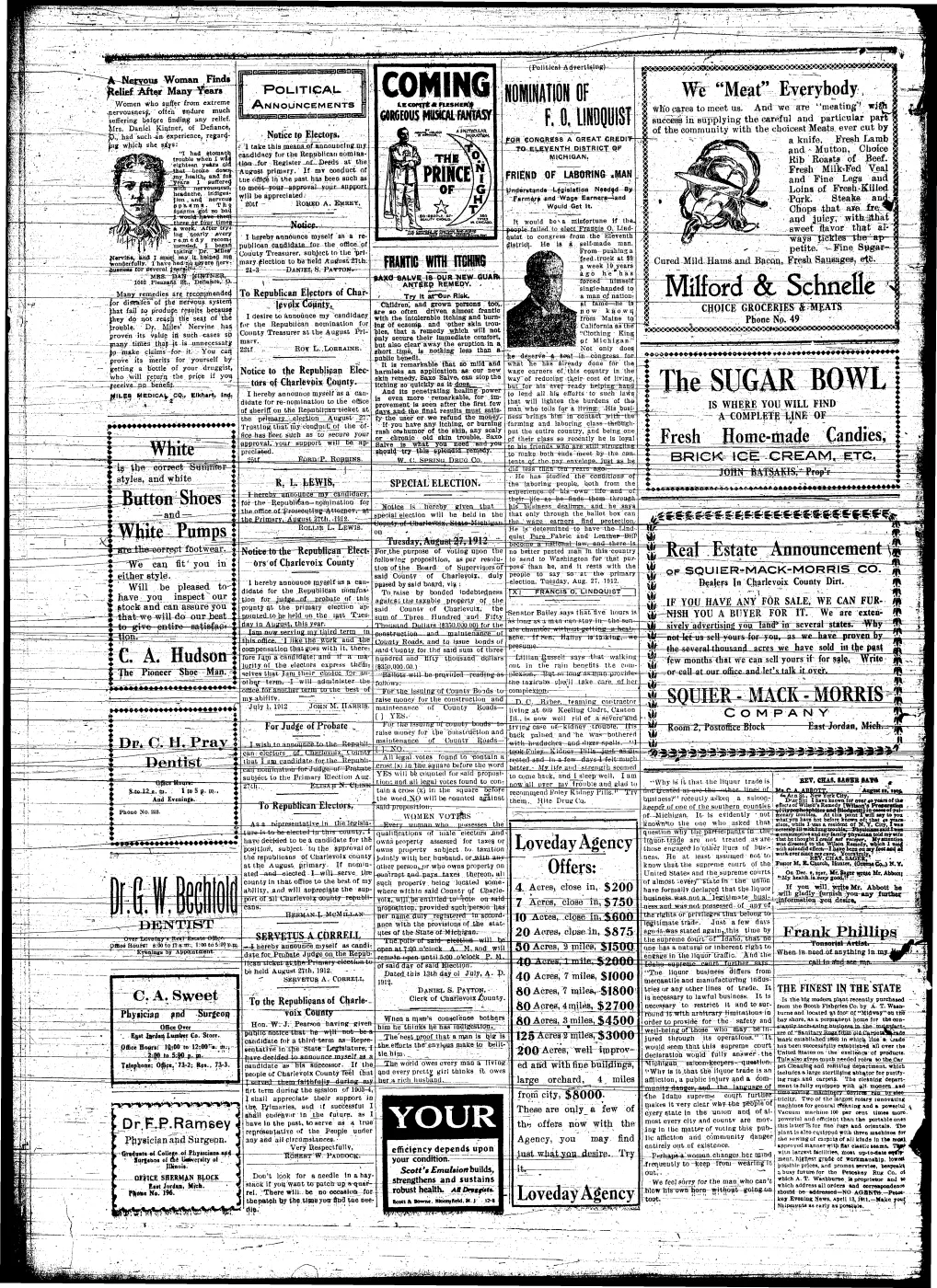
The 1912 Charlevoix County Herald says Strang hid identifiable stolen goods as a government vessel approached. Nearby publicity offered a free history of “King Strang and the Buried Treasure.” A 1955 retrospective adds a clue near a flat stone, reported searches by Bert Wilhelm in 1900 and 1912, and a stone vault about thirty inches square. It also identifies I. B. McLean as a skilled real-estate salesman. What the sources best support is that the legend helped sell Holy Island as a place of mystery. They do not support treasure lying there.
Fox Lake: the hurried-departure story
The modern Fox Lake version says Strangites hid a large chest of gold while leaving Beaver Island after Strang’s death. The currently held 2011 lecture manuscript calls it a persistent rumor and says treasure probably does not exist. Frederick Stonehouse’s Great Lakes Crime (2004), pp. 100–101, is the earliest identified publication for the large-chest wording, but those pages remain a controlled-loan acquisition target rather than a held source.
High Island: thirty paces from the tree
Later summaries cite Carl A. Norberg’s 1987 article for a royal treasury hidden thirty paces from a large tree overlooking High Island’s northeast harbor. The tree was supposedly removed by logging. Because Norberg’s article itself is not held, the clue and his underlying sources remain unverified. The subject index also exposes an issue-number discrepancy: 43.3 in the index, 43.2 in later citations.
North Fox: two stories joined together
Firestone preserves an old Northport tradition of $150,000 in Spanish gold, sealed in jars inside an iron chest, sometimes attributed to Strang. The 1905 Evening Record instead reports two travelers and an alleged Chicago robbery cache. It says plainly “Not Strang’s Money.” By 1996 the oral legend and the newspaper episode had been woven into one narrative. Their relationship is evidence of folklore changing—not two independent confirmations of treasure.
South Fox and the palace coin: useful comparisons
The South Fox story involves a shipwrecked murderer’s payoff: $35,000 in dishpans in one circa-1920 childhood version, or a tree bearing a nail in another. It has no Strang connection. Likewise, the Beaver Beacon’s 1964 recollection of a $20 gold coin near former palace foundations is a lone-coin story, not a cache. Keeping these comparisons visible prevents every island gold story from being retroactively absorbed into “Strang’s treasure.”
Evidence detective: a young historian’s challenge
Every clue has two dates: when the event supposedly happened and when someone wrote it down. Put both on a card. Then sort the cards:
- Did the writer see the event, interview someone, repeat a family story, or quote an earlier booklet?
- Is the clue stable? Watch the tree become a marked cedar, a large landmark, or a tree with a nail.
- What was the storyteller’s purpose—news, tourism, family memory, or research?
- What evidence would change the answer: an original booklet, a ledger, a diary, a period newspaper, or an archaeological report?
Mystery and skepticism belong together. Whether a story is true is one question; how a community keeps remaking it is the one the sources can actually answer.
Open questions
- Obtain Norberg’s six pages and verify his sources and issue number.
- Locate I. B. McLean’s illustrated Holy Island booklet.
- Recover the Northport Leader report preceding the September 14, 1905 article.
- Read Stonehouse pp. 92–101 and trace the Fox Lake version earlier than 2004.
- Search Strangite financial and personal papers specifically for treasury, church funds, emergency concealment, and the 1856 evacuation.
See also
In the sources
Helen Collar (1911–1995) spent four decades transcribing Beaver Island census returns, parish registers, deeds and death records onto index cards, and recording what islanders told her. Clarke Historical Library publishes that work. It is a researcher's working file — what a record says, what she suspected, and what an informant remembered, often in the same paragraph — so what follows is what the archive holds, not what this archive claims.
Collar wrote a general account of this subject: The Mormon period. A secondary account in her own words, cited as hers; where she names a source, cite that instead.
Collar's account of the Strang kingdom and its aftermath.
These are Collar's twentieth-century working notes. They preserve the language of her informants and of her period, including racial descriptions of Anishinaabe residents, and they are quoted verbatim because altering a transcription silently would be worse. See the register of dated records for what the parish registers record, and the editorial standards for what this archive will and will not turn a transcription into.
Read the document
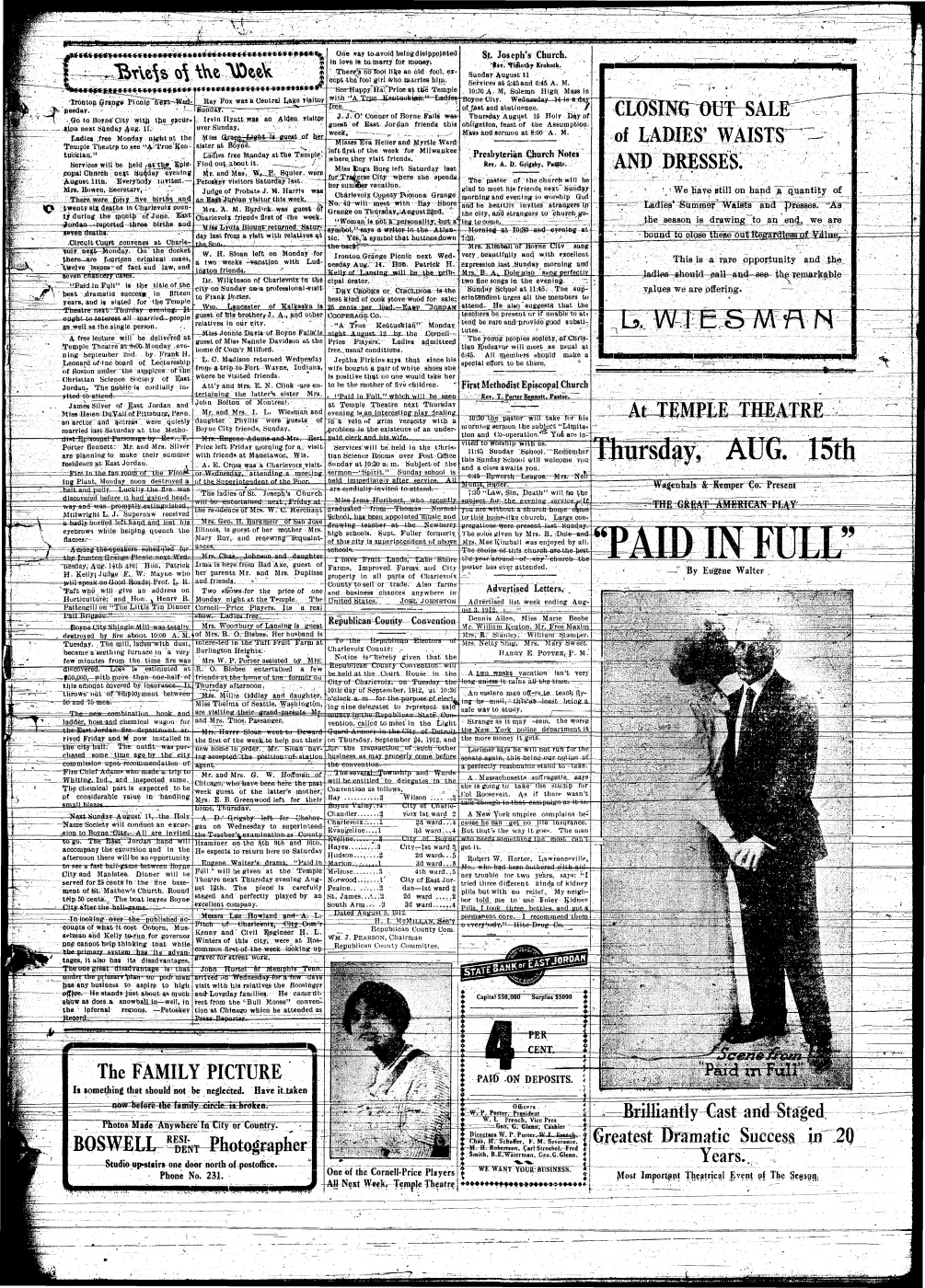
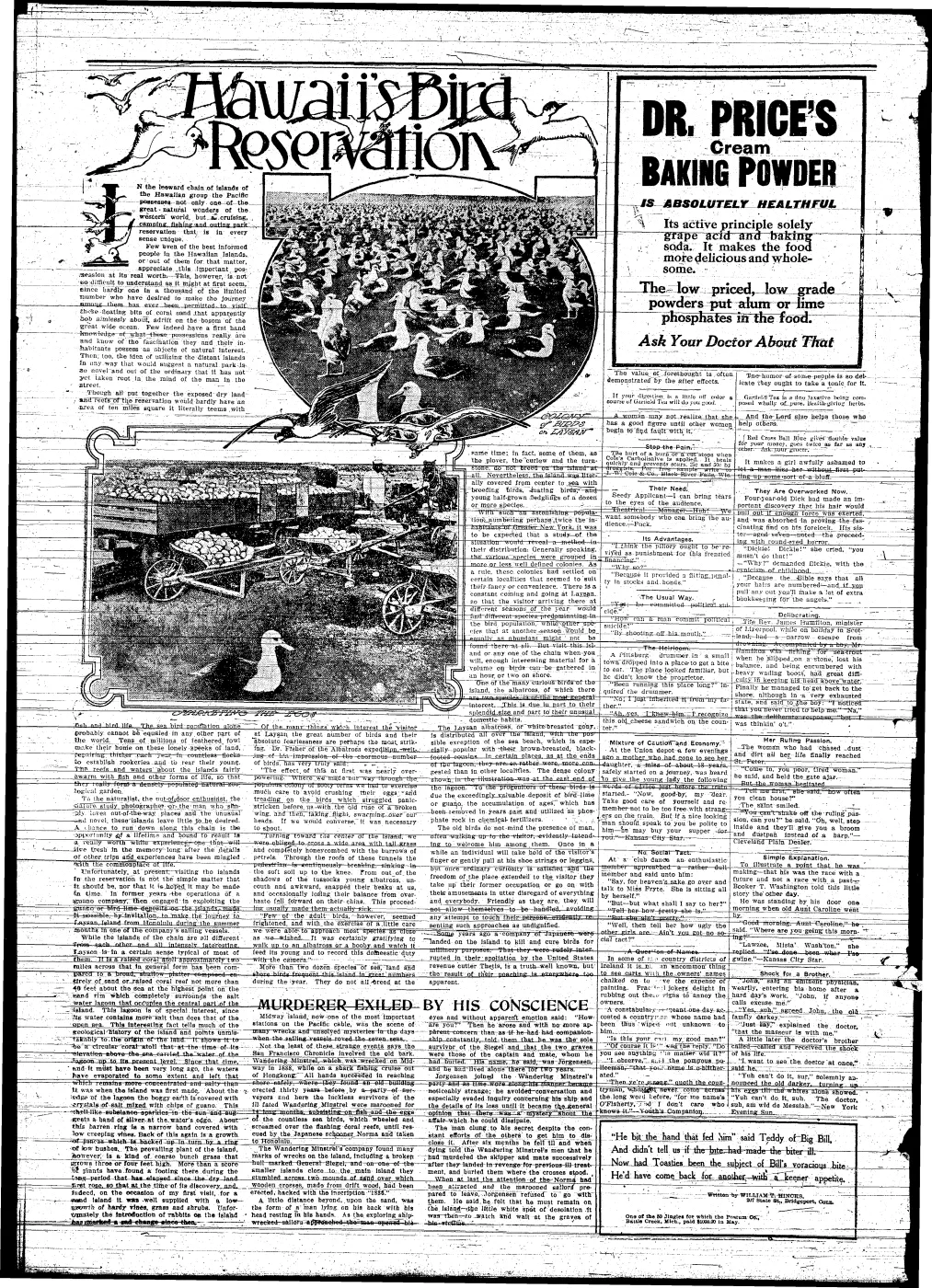
8 pages, rendered from the held scan.
Sources
- A participant offered a personal recollection about placement of a copy of *The Book of the Law of the Lord* at an unspecified location in 1979. It is preserved only as an unverified oral-history/research lead and must not be used to map a site or assert that a copy survives.forum · www.beaverislandforum.com · 00 · t000617
- Described in this archive: “The Treasure?” — The Evening Record, 1905.Contemporary North Fox search report. It explicitly says the alleged gold was not Strang’s money and connects it to a different robbery story.research · strang_treasure · evening_record_1905-09-14_omeka_ocr
- “Treasure on Holy Island,” *Charlevoix County Herald*, August 10, 1912.Described in this archive: “Treasure on Holy Island”, 1912.Earliest held Holy Island version, published in a resort-development context. No public copy of this file is known; the archive holds one and can provide it on request.
- Described in this archive: “Holy Island treasures mystery after 100 years”, 1955.A 1955 retrospective of the Holy Island tradition, its reported 1900 and 1912 searches, and a small stone vault. It establishes the later account, not the alleged searches, vault chronology, treasure, or cultural attribution.research · strang_treasure · east_jordan_news-herald_1955-09-22
- Described in this archive: “Lost treasure of the Beaver Island Mormon Colony”, 1987.Bibliographic evidence for the key High Island article; article text not held.research · strang_treasure · sources · inland_seas_subject_index
- Secondary source distinguishing North and South Fox stories and preserving oral variants; its 1905 newspaper citation conflicts with the held issue.research · strang_treasure · firestone_fox_islands_excerpt_1996
- Modern Fox Lake retelling. The speaker says treasure likely does not exist while acknowledging the continuing rumor.research · strang_treasure · mcclurg_james_jesse_strang_lecture
- The discussions show modern public interest in metal detecting and Strang treasure, but no participant supplies documentary, archaeological, or firsthand evidence. One reply is explicitly humorous; these posts support the persistence of the tradition, not the existence of treasure or legal permission to detect.forum · www.beaverislandforum.com · 17 · t017585
- The discussions show modern public interest in metal detecting and Strang treasure, but no participant supplies documentary, archaeological, or firsthand evidence. One reply is explicitly humorous; these posts support the persistence of the tradition, not the existence of treasure or legal permission to detect.forum · www.beaverislandforum.com · 17 · t017586
Added 1 August 2026 · revised 2 August 2026. Recent changes
Cite this article
Beaver Island Archive, “Strang treasure traditions”, https://beaverislandarchive.org/themes/strang-treasure-traditions/, accessed [date], citing Beaver Island Forum, "Strang", June 2006, topic 617. (and 7 further sources listed on the page).
Last revised 2026-08-02. Fill in [date] with the date you read it — this page is static and cannot know that.
BibTeX for “Strang treasure traditions”RIS for “Strang treasure traditions”