- Eras
- Indigenous eraStrang eraIrish eraModern era
- Concepts
- religioncatholicismmormonismmonarchygovernancemigrationhistoriographycommunityconstructioncelebration
- Within
- Beaver Island
Summary
Beaver Island’s religious history runs through four strands with different kinds of evidence behind them. Anishinaabe religious and ceremonial life on Garden Island and elsewhere in the archipelago is continuous and predates every settler institution; it is surveyed in full at Anishinaabe presence in the archipelago, and this article treats only the narrower thread of Catholic missionary contact — Frederic Baraga’s 1832 visit and 1859 return — that later Catholic institutions point back to. From 1847 to 1856 the island’s dominant institution was James Jesse Strang’s Church of Jesus Christ of Latter Day Saints, fused after 1850 with a civil kingdom under Strang as crowned king; its theology, discipline, and 1856 collapse are documented in a literature “partisan on both sides,” from Strang’s own press through Quaife’s 1930 scholarly narrative to Doyle Fitzpatrick’s 1970 vindication, and this survey attributes rather than adjudicates between them, following Historiography. The 1856 expulsion of the Strangites opened the island to Irish Catholic resettlement, chiefly from Arranmore, County Donegal, whose parish, Holy Cross Catholic Church, has been the island’s dominant religious institution ever since — its 1860 building consecrated by the same Bishop Baraga, its Gaelic liturgies continuing to the 1890s, and its Dominican Sisters teaching island children from 1899 to 1991. A smaller, later, and more thinly documented Protestant presence grew up alongside it from the 1950s and 1960s: St. James Episcopal Mission, dedicated in 1963; the Beaver Island Christian Church, founded in 1963; and a short-lived United Protestant Church organized in 1964. By 1972 the three surviving congregations jointly sponsored an annual Ecumenical Service, the clearest documented instance of the island’s religious traditions acting together. What the held sources do not support is set out below rather than filled in: the Anishinaabe religious record before the modern Northern Islander, several points of Catholic and Protestant institutional detail, and a large body of parish sacramental records this survey has deliberately declined to draw on.
Anishinaabe religious life and the Catholic mission to it
Anishinaabe communities, chiefly on Garden Island, held their own religious
and ceremonial life before, through, and after every settler period recorded
here, and living practice continues today — the Northern Islander’s
Anishinaabek column describes Ghost Suppers (Jiibay Wiikongewin) among
families on Beaver, Garden, and High Islands. That continuous history, its
documentary problems, and the sensitivity of Garden Island’s burial ground
are covered in full at Anishinaabe presence in the archipelago, which this survey
does not repeat; the c:religion concept’s scope treats
Anishinaabe religious life as part of that theme rather than a subject this
article should absorb.
What belongs here is the narrower thread of Catholic missionary contact, because it is the origin point later Catholic institutions on the island point back to. Frederic Baraga, later Bishop of the Diocese of Sault Ste. Marie, first landed on Beaver Island as a missionary in 1832; a later missionary-biography account of that visit describes an eight-hut village, a council, and 22 baptisms performed on 11 May — a rendition written well after the fact, not a primary mission register. A separate, mediated 1915 footnote reports that a Baraga mission list gave Beaver Island “fifty-five Christians,” calling it Castor Island in manuscript; neither source is treated here as a population count. The modern Northern Islander reports that Baraga returned as bishop in 1859 and found a Native Catholic community on Garden Island with a school, a church, and a post office. Baraga consecrated the first Holy Cross church building on Beaver Island in 1860, tying the Irish-Catholic parish’s founding to the same missionary presence — see below. None of this is continuity of one congregation: the mission to Anishinaabe communities on Garden Island and the Irish-Catholic parish on Beaver Island are related through a shared bishop and diocese, not a single unbroken parish register, and no source held here narrates Garden Island Catholic religious life in Anishinaabe voice before the modern Northern Islander.
Strang’s Church of Jesus Christ of Latter Day Saints, 1847-1856
The archipelago’s second and, for nine years, dominant religious institution was a Latter Day Saint body under James Jesse Strang, who claimed Joseph Smith’s succession after Smith’s 1844 death, was rejected by Brigham Young and the Twelve, and gathered his own following first at Voree, Wisconsin, then on Beaver Island from 1847. Strang’s church is not the Utah LDS Church; the concept scheme this survey uses draws that line explicitly, and Strangite doctrine — a seventh-day sabbath, a fourth standard scripture in the Book of the Law of the Lord, and, from 1849, plural marriage introduced after Strang had publicly denounced it — diverged from Utah practice as much as from the Protestant and Catholic practice around it. The organization is documented in full at Church of Jesus Christ of Latter Day Saints, Strangite and its civil form at Kingdom of Saint James; this survey summarizes the religious dimension rather than repeating either article’s evidence.
On 8 July 1850, in the still-uncompleted tabernacle at Saint James, Strang was crowned king before an assembled congregation. George J. Adams, a touring actor turned church elder who had co-presided with Strang since the Voree years, served as master of ceremonies. The published warrant was chapter XX of the Book of the Law of the Lord: “He hath chosen his servant James to be King … and appointed him King in Zion.” From that day church and civil government were fused: church law bound the faithful, ordinary township and county office governed dealings with non-members, and a Saint who withdrew forfeited real estate the Law of the Lord placed under the Prophet’s control. A manuscript by Strang’s wife, quoted in an 1892 Michigan Pioneer sketch, describes tea, coffee, tobacco and liquor prohibited, compulsory sabbath attendance, a tithe of everything raised or earned, and, her own figure, “never over 20 cases of plural marriages upon the islands,” with no man but Strang recorded as having more than three wives. Strang’s follower Wingfield Watson, interviewed decades later, insisted the kingship was claimed “only to the Mormon people” and that Strang “carefully kept his monarchial pretensions for home consumption” while submitting to state law when it suited him — a Strangite’s own retrospective account, offered as such.
Church authority extended to punishment unknown to state law. The clearest case is Thomas Bedford, publicly whipped under Strangite authority before June 1856; no two sources agree on why — the contemporary press said he had withheld facts about a robbery, Elizabeth Whitney Williams’s 1905 memoir says he had informed on Mormon thefts, and Quaife’s Strangite informants said he was caught in adultery and beaten privately rather than by Strang’s order. Quaife himself doubted the innocent version, calling Strang’s responsibility “clear” — his own judgment, not a finding this survey adopts. What is agreed is the consequence: on 16 June 1856 Bedford and Alexander Wentworth shot Strang from behind on the dock at Saint James, an act Strang’s own newspaper reported four days later while he still lived. See Coronation of James Strang and Assassination of James Strang for the fuller narratives. Adams’s own trajectory shows the same discipline turned outward: stripped of his church office within months of staging the coronation, on grounds Quaife suspected were “a convenient pretext,” he defected to the “gentile” faction at Mackinac and became a prosecution witness against Strang in 1851.
Strang died on 9 July 1856, 23 days after the shooting, without naming a successor. Within three weeks the entire Mormon population was removed from the island — some departed voluntarily, the remainder forced to the harbor by an armed mainland party, whose printed manifesto declared “the dominion of King Strang is at an end.” See Expulsion of the Strangites for the contested account of how much was flight and how much was force. A single held notice records a special church conference planned at Holy Island, on the mainland Pine Lake (by then called Lake Mormon), for 12 July 1856; whether it ever convened is not established here — see Announced Special Conference at Holy Island. The organized church did not end with the expulsion: Quaife traces an unbroken, if diminishing, line of successor leadership into the 1920s, and the Book of the Law of the Lord held here is a 1991 facsimile reprint issued from the modern Voree community’s Burlington, Wisconsin headquarters. Quaife’s 1930 verdict that “the Strangite Church is a thing of the past” has not held; full detail is at Church of Jesus Christ of Latter Day Saints, Strangite.
This literature is partisan on both sides, and this survey’s rule is to attribute rather than adjudicate — see Historiography for the fuller treatment. The contemporary record splits between Strang’s own press (the Northern Islander and Gospel Herald) and a hostile mainland press that called the settlement a “nest of banditti.” The modern literature repeats the split: Milo Quaife’s 1930 The Kingdom of Saint James is the scholarly narrative this survey draws on most, and Doyle C. Fitzpatrick’s 1970 The King Strang Story announces its position on its title page — A Vindication of James J. Strang. Fitzpatrick himself lived on Beaver Island; a Beaver Beacon memorial notice records his death on 15 October 1989 and burial six days later at Holy Cross Cemetery — the parish cemetery of the community that succeeded the kingdom he spent a book defending. See Doyle C. Fitzpatrick dies on Beaver Island, 1989. Strangite belief is not Utah LDS belief, and neither Quaife nor Fitzpatrick is a neutral check on the other; each is named here as what it is.
Irish Catholicism and Holy Cross parish
The expulsion of the Strangites created the demographic space for the religious community that has defined the island since. After 1856, Irish families — predominantly from Arranmore Island, County Donegal, joined by Irish-American neighbors already living on Mackinac Island — resettled Beaver Island and made Holy Cross Catholic Church their parish. See Irish settlement of Beaver Island for the migration itself. Catholic parish life is the dedicated survey of the parish as an institution — its clergy sequence, the Dominican Sisters’ 1899–1991 school mission, the Altar Society, sacraments, and the 1960 centennial — and this umbrella article does not repeat that ground; what follows is the minimum needed to place the parish among the island’s other traditions.
The present church building was constructed in 1860 and consecrated by Frederic Baraga — the same missionary who had visited the island in 1832, by then Bishop of Sault Ste. Marie, tying the parish’s founding to the mission described above. It originally stood inland beside the parish cemetery; in 1957 it was cut in half, moved, and reassembled on Donegal Bay Road. The building’s physical record is at the Holy Cross church building. Gaelic-language liturgies continued until the 1890s, consistent with the Arranmore-origin settlers’ Irish-speaking founding generation. Holy Cross has been the island’s dominant religious institution without interruption since, and its cemetery, adjoining the church’s original 1860 site, remains the burial ground for many of the island’s founding Irish families. The parish remains active: the modern Northern Islander records weekly Sunday Mass and continued use of Holy Cross Parish Hall for the annual Homecoming dinner and Irish heritage-festival events.
St. James Episcopal Mission and the island’s Protestant congregations
Catholic and Strangite institutions are the best documented here, but they were never the island’s only ones. A smaller Protestant presence grew up alongside Holy Cross from the mid-twentieth century, and its newspaper record is thinner and later, in most cases beginning only when the Beaver Beacon itself begins, in 1955.
St. James Episcopal Mission was organized as a summer mission in 1954, initially holding services in an island home. A log chapel seating more than 100 was dedicated on 1 September 1963 by the Rt. Rev. Charles E. Bennison, Bishop of the Diocese of Western Michigan, on a harbor-front site in St. James; its physical record, including the unresolved question of whether the site moved between the 1961 plan and 1963 construction, is at St. James Episcopal Mission church. Retired Episcopal Bishop Dudley B. McNeil officiated at an island wedding aboard the Hutari in July 1973 — see Dudley Barr McNeil. Decades later the chapel had a second life as a concert venue: the 2002 Bach program that grew into the Baroque on Beaver festival was performed there before a crowd the Beacon put at more than 125, and by 2003 the mission, still the concert’s sponsor, had moved the performance to Holy Cross Hall to accommodate a larger audience.
The Beaver Island Christian Church held its first service at an Easter Sunday gathering in 1963, in a motel room, and met in the Medical Center’s basement and, each summer, in Holy Cross Parish Hall for its first three years before purchasing a log building in St. James in April 1966. The Beacon calls it “non-denominational” from 1966 through at least 2006; the Beaver Island Chamber of Commerce’s current page instead calls it “multi-denominational,” a shift this survey notes without resolving. Dr. H. B. Haynes, the island’s physician from 1962, is credited with a founding role and occasional ministry, and the congregation had no full-time pastor until 1999. Full detail is at Beaver Island Christian Church.
Two smaller, thinly attested bodies round out the record. The United Protestant Church of Beaver Island was reported organized at a Medical Center meeting on 9 September 1964; no later issue found mentions it again, and whether it is a distinct institution from the Christian Church founded the previous year, an earlier name for it, or an unrelated venture that did not survive is not established — see United Protestant Church of Beaver Island. The Clergy Economic Foundation appears once, as co-sponsor of a September 1961 conference at Central Michigan University’s Beaver Island center, with nothing establishing its broader history — see Clergy Economic Foundation.
By 1972 the island’s three surviving congregations — Holy Cross, St. James Episcopal Mission, and the Christian Church — jointly sponsored an annual Ecumenical Service: a 23 July service at Holy Cross Church with clergy from all three, followed by refreshments in Holy Cross Parish Hall served by women of the three churches. The same year’s Bicentennial planning committee assigned “church histories” jointly to the same three congregations — evidence that, by the mid-1970s, they were understood locally as the island’s standing set of churches. See Beaver Island ecumenical church service, 1972.
Open questions
- What became of the United Protestant Church of Beaver Island after 1964, and is it related to the Christian Church founded the year before?
- The Dominican Community of St. Gertrude is attested electing a prior in 1975; its relationship to the school-teaching Dominican Sisters is not established. Open questions on Holy Cross clergy, the Sisters’ founding, and the 1960 centennial belong to Catholic parish life and are not repeated here.
- Did the site of St. James Episcopal Mission’s log chapel move between the 1961 plan and its 1963 dedication, and does the building survive?
- Helen Collar’s transcriptions of the Beaver Island Catholic sacramental registers — baptisms, marriages, deaths, and an 1864 membership roll, held by the Clarke Historical Library — carry entries into the 1950s and 1960s naming individuals with living descendants on the island. This survey deliberately does not draw on that extract, given the privacy of entries naming people with living descendants.
- No source held here narrates the island’s Catholic, Strangite, or Protestant religious history in an Anishinaabe voice; see Anishinaabe presence in the archipelago for that documentary gap in full.
- Did the Ecumenical Service continue past the mid-1970s Beacon issues held here, and did other congregations ever join the three named in 1972?
See also
- Anishinaabe presence in the archipelago
- Historiography
- Irish language and identity on Beaver Island
- Catholic parish life
- Church of Jesus Christ of Latter Day Saints, Strangite
- Kingdom of Saint James
- Holy Cross Catholic Church
- St. James Episcopal Mission
- Beaver Island Christian Church
- Irish settlement of Beaver Island
- Expulsion of the Strangites
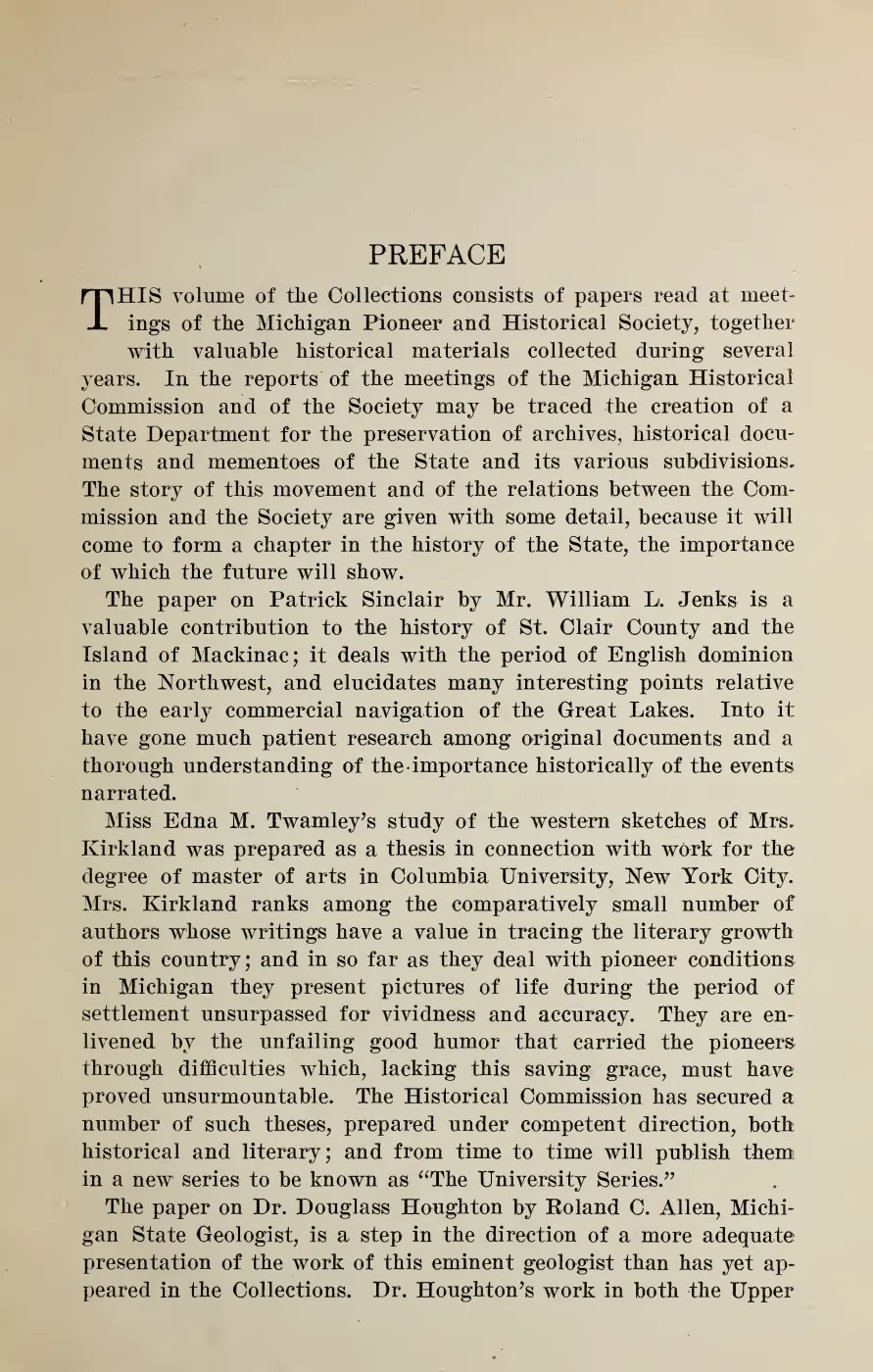
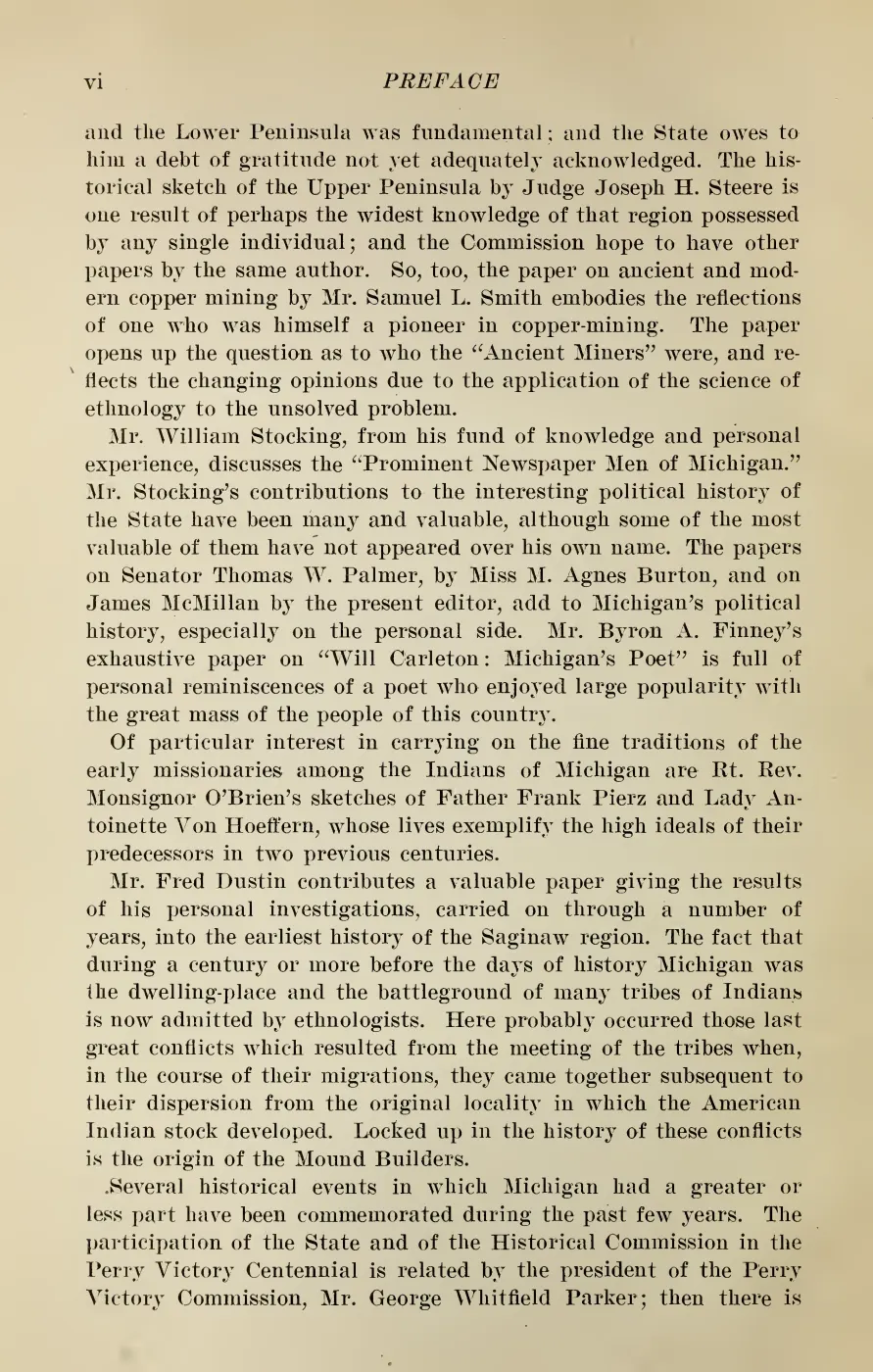
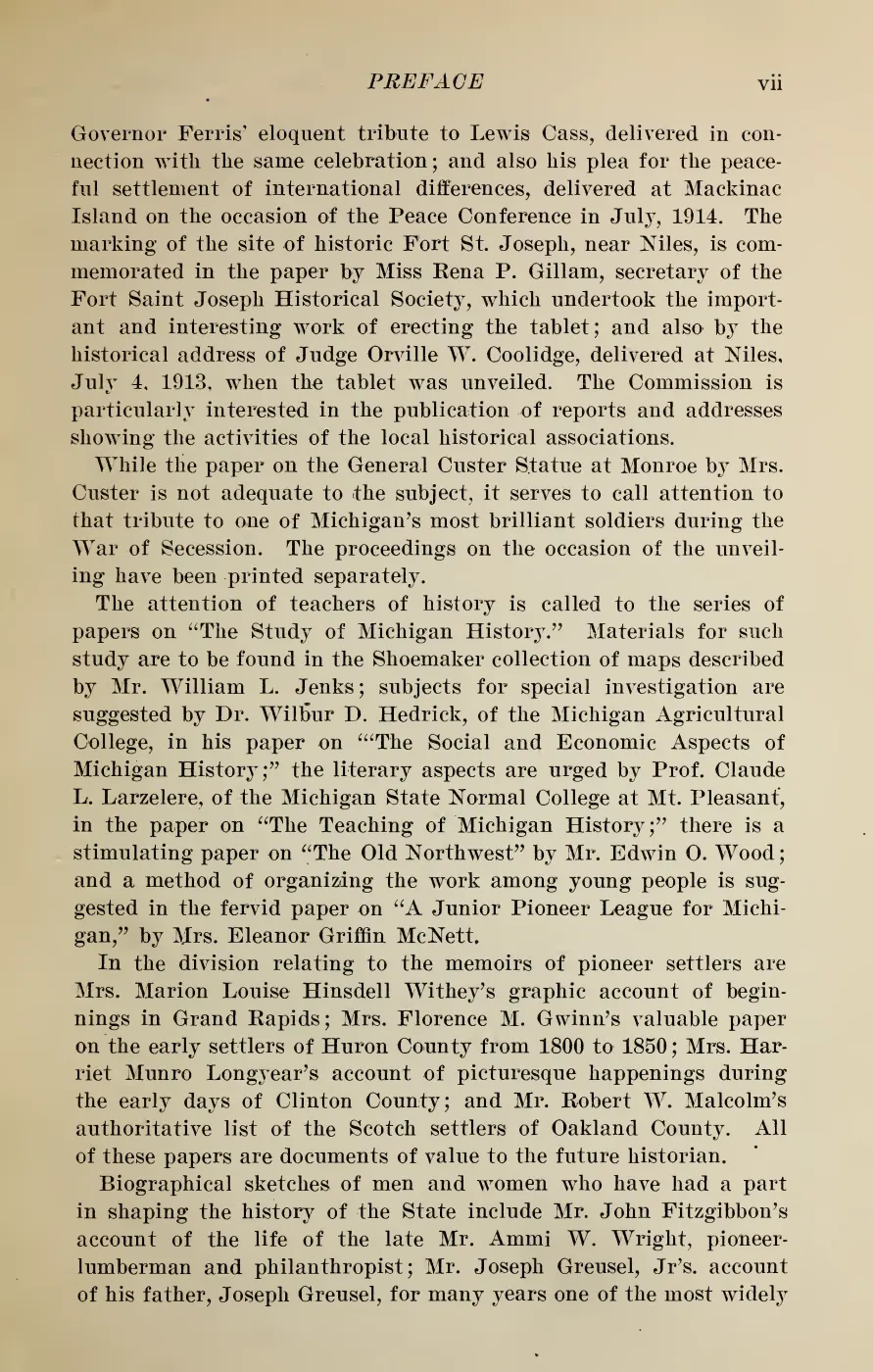
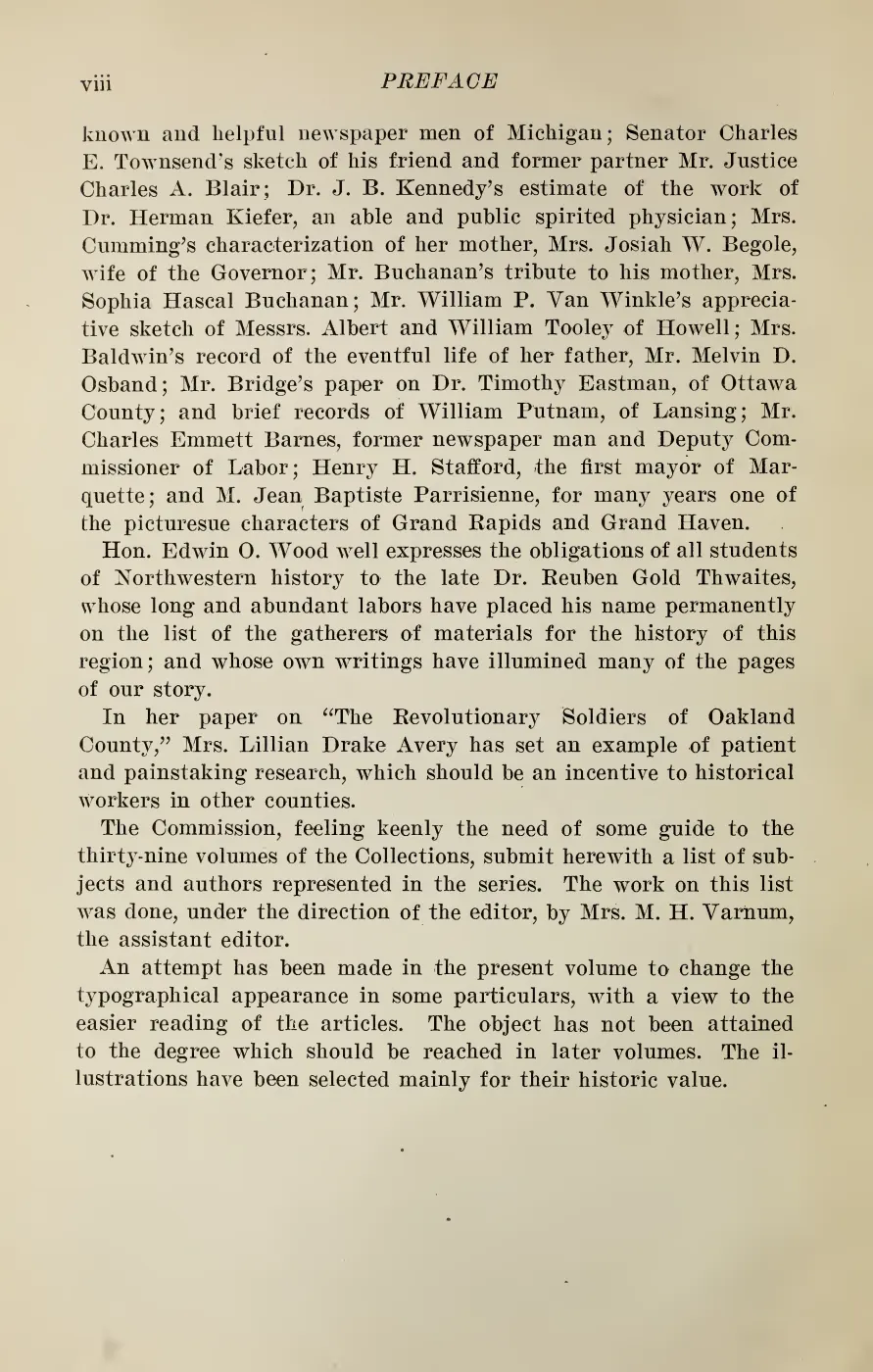
Read the document
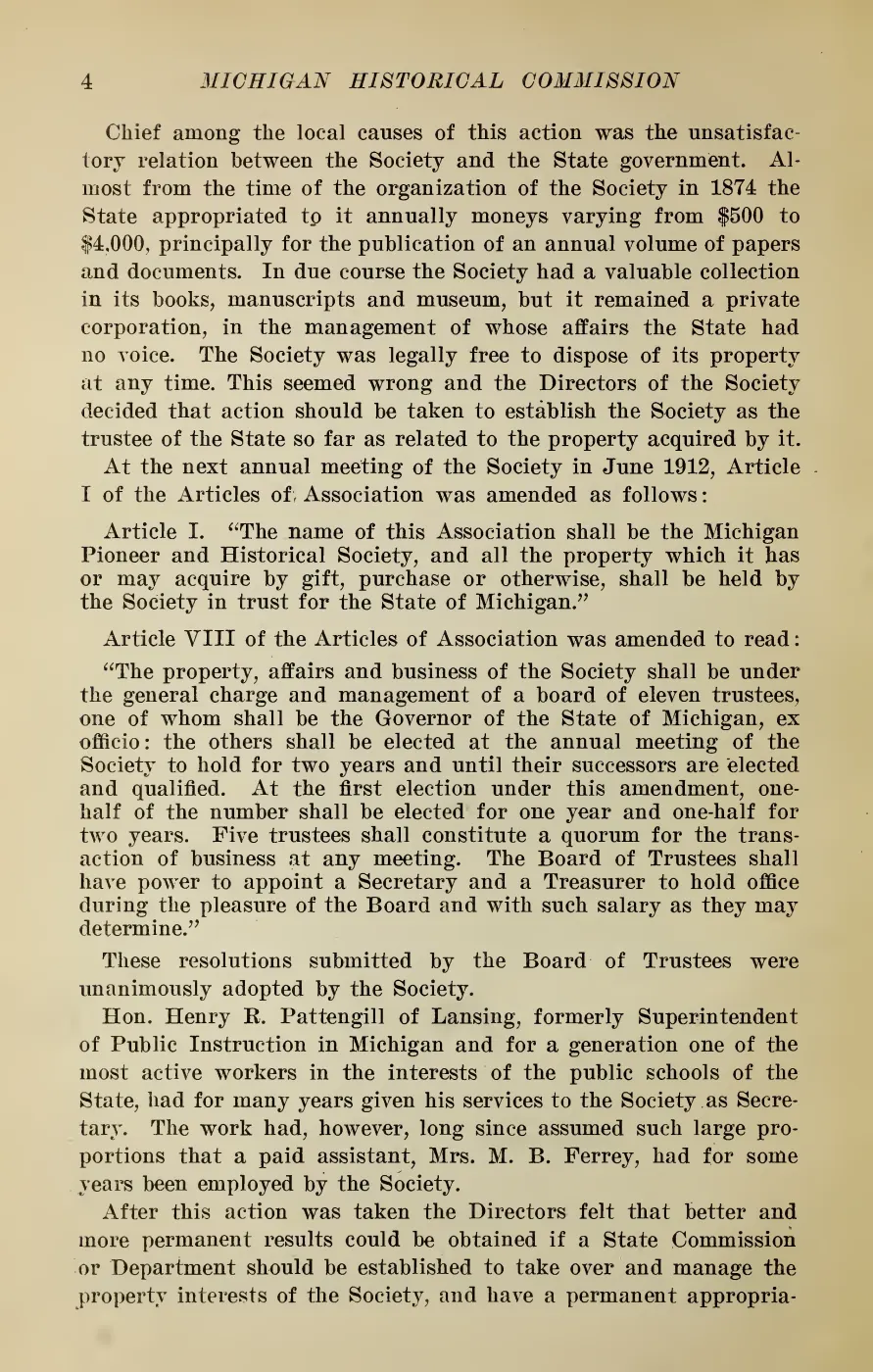
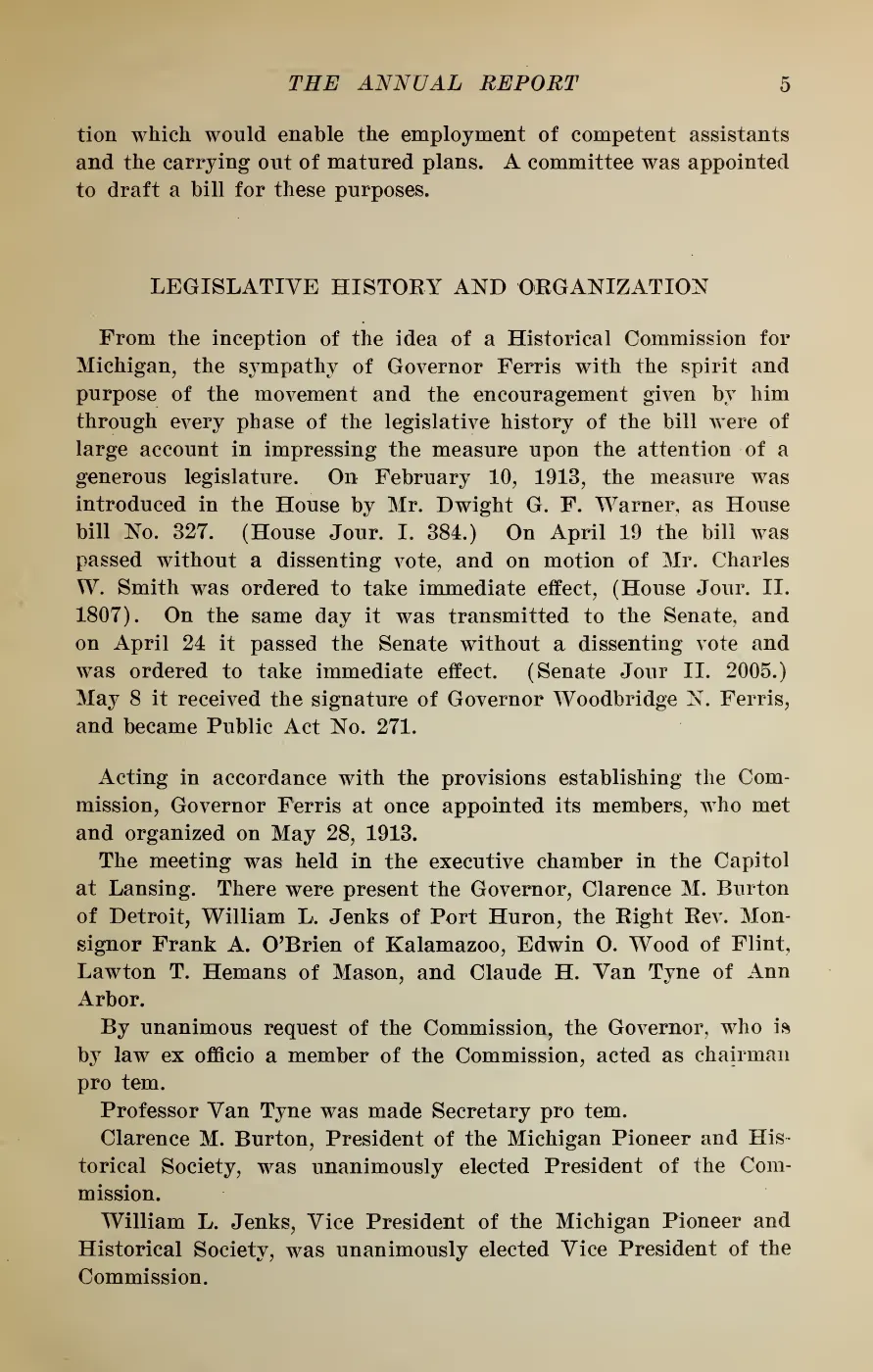
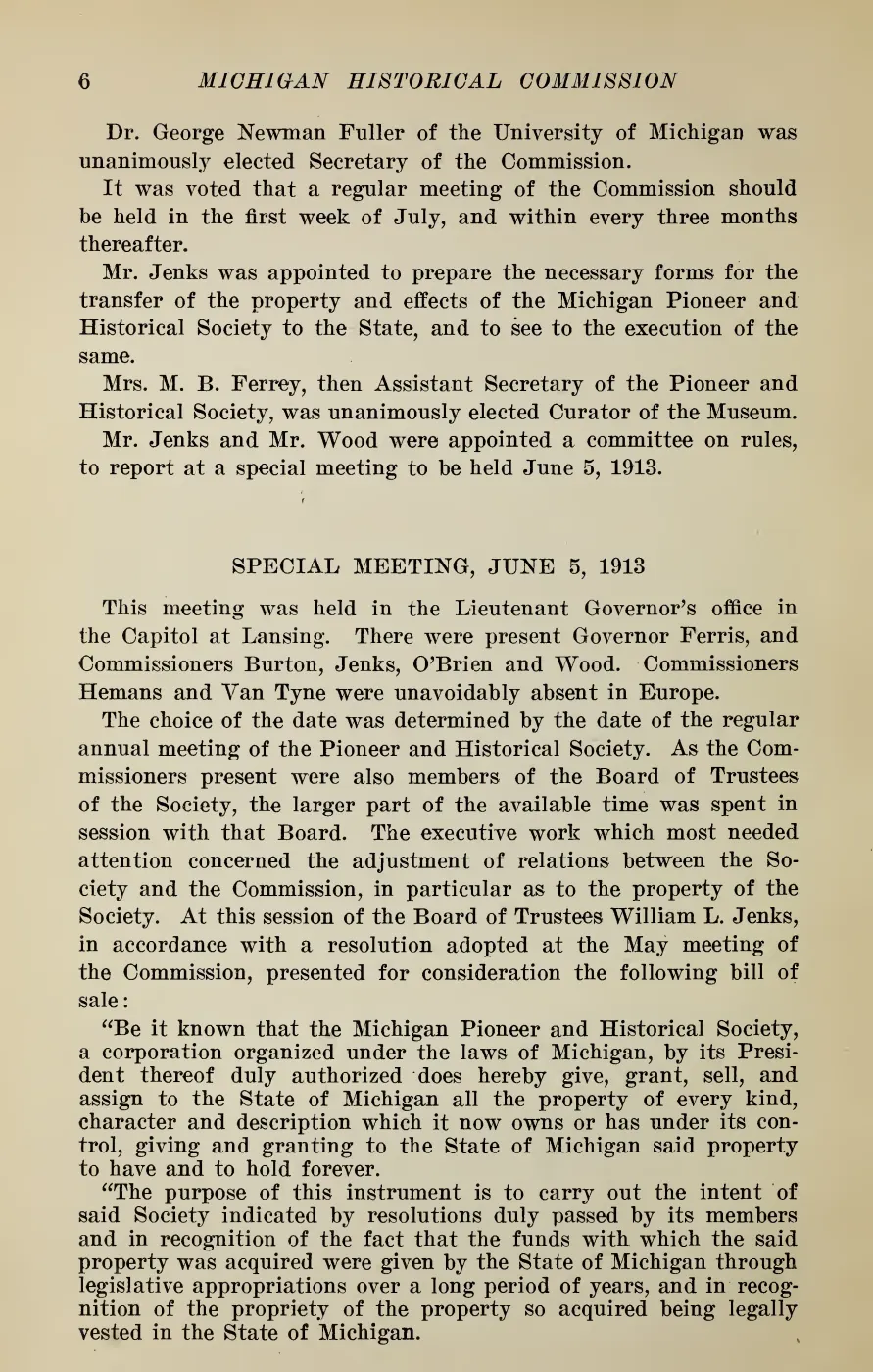
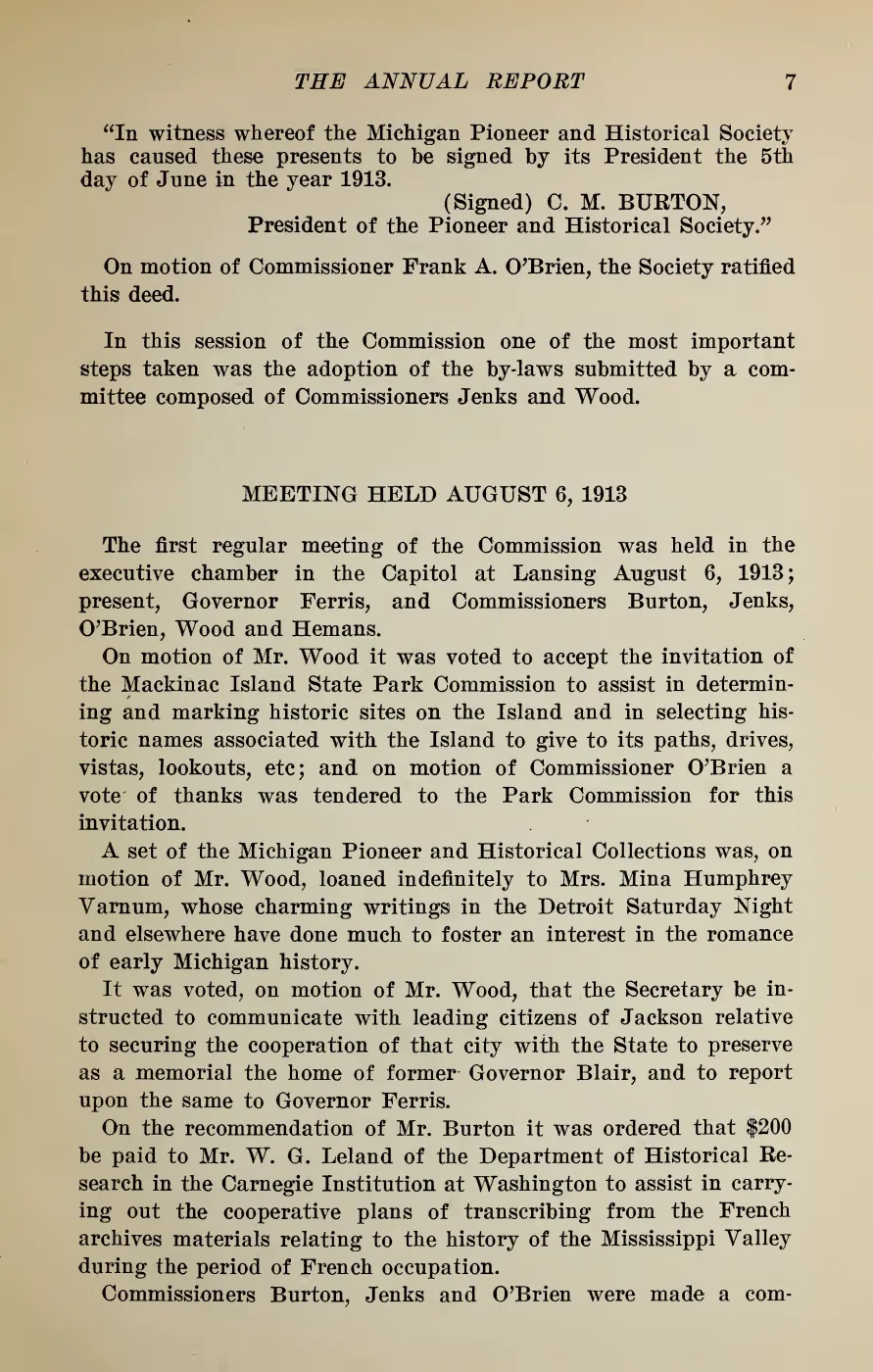
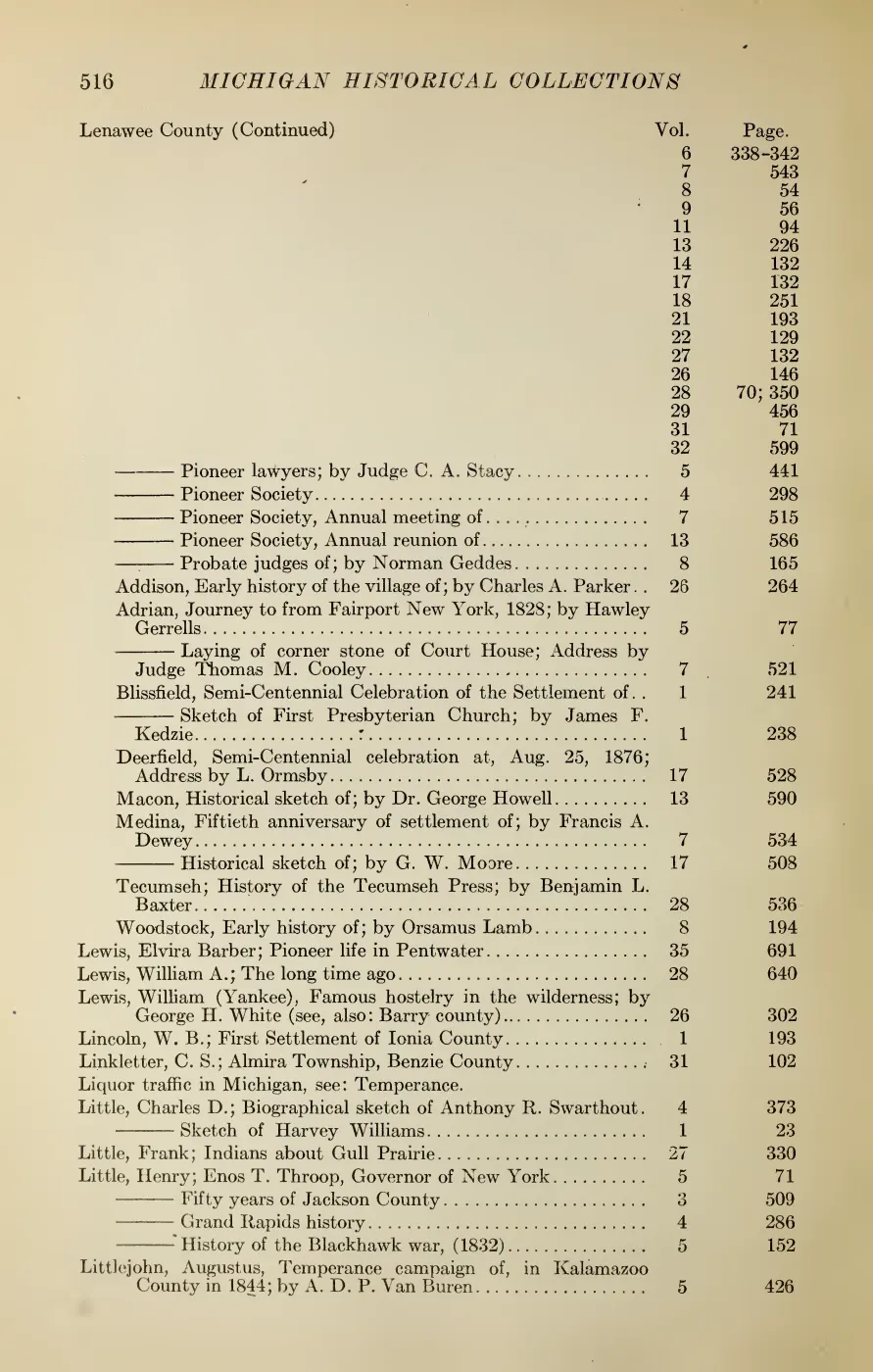
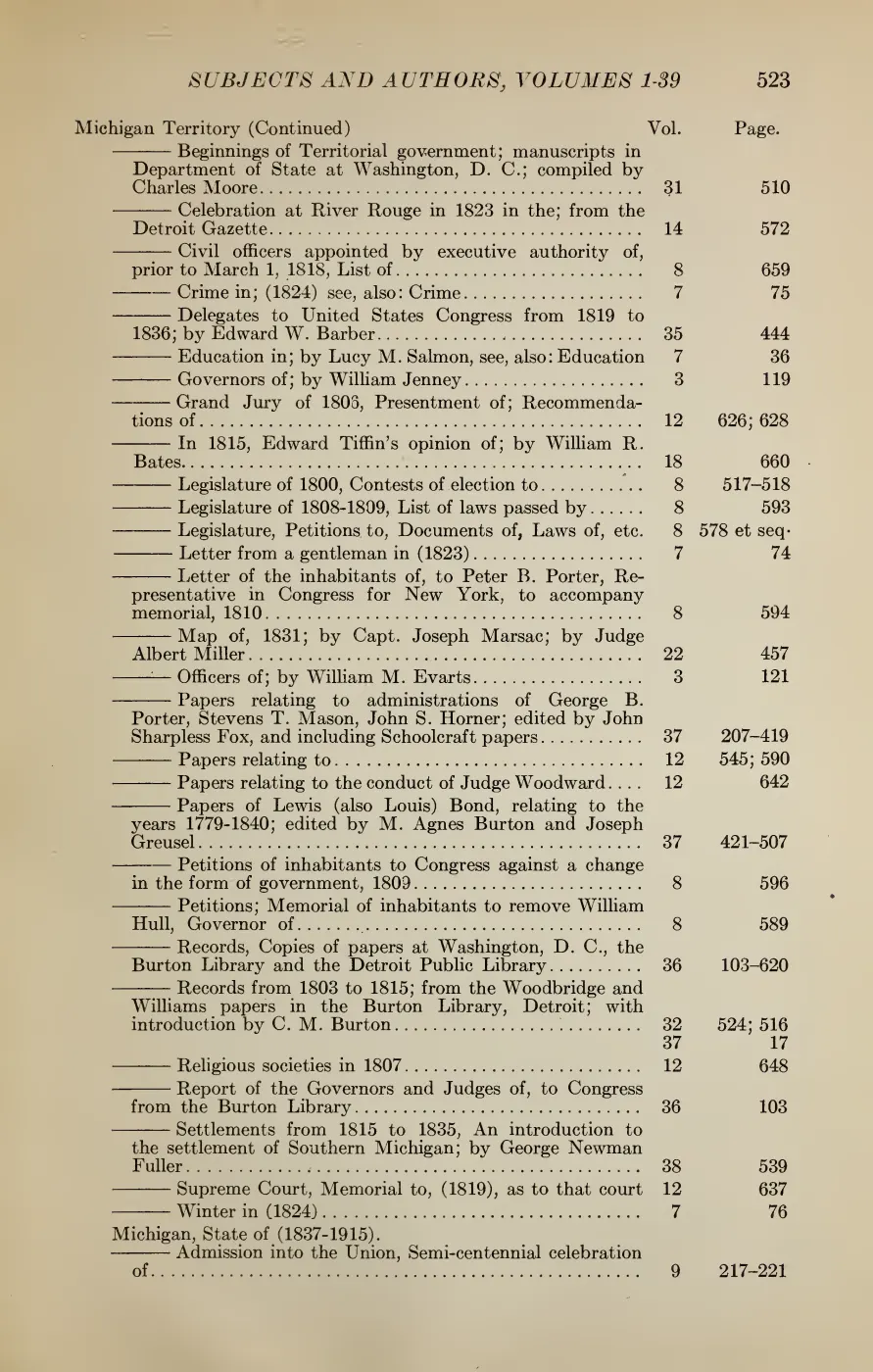
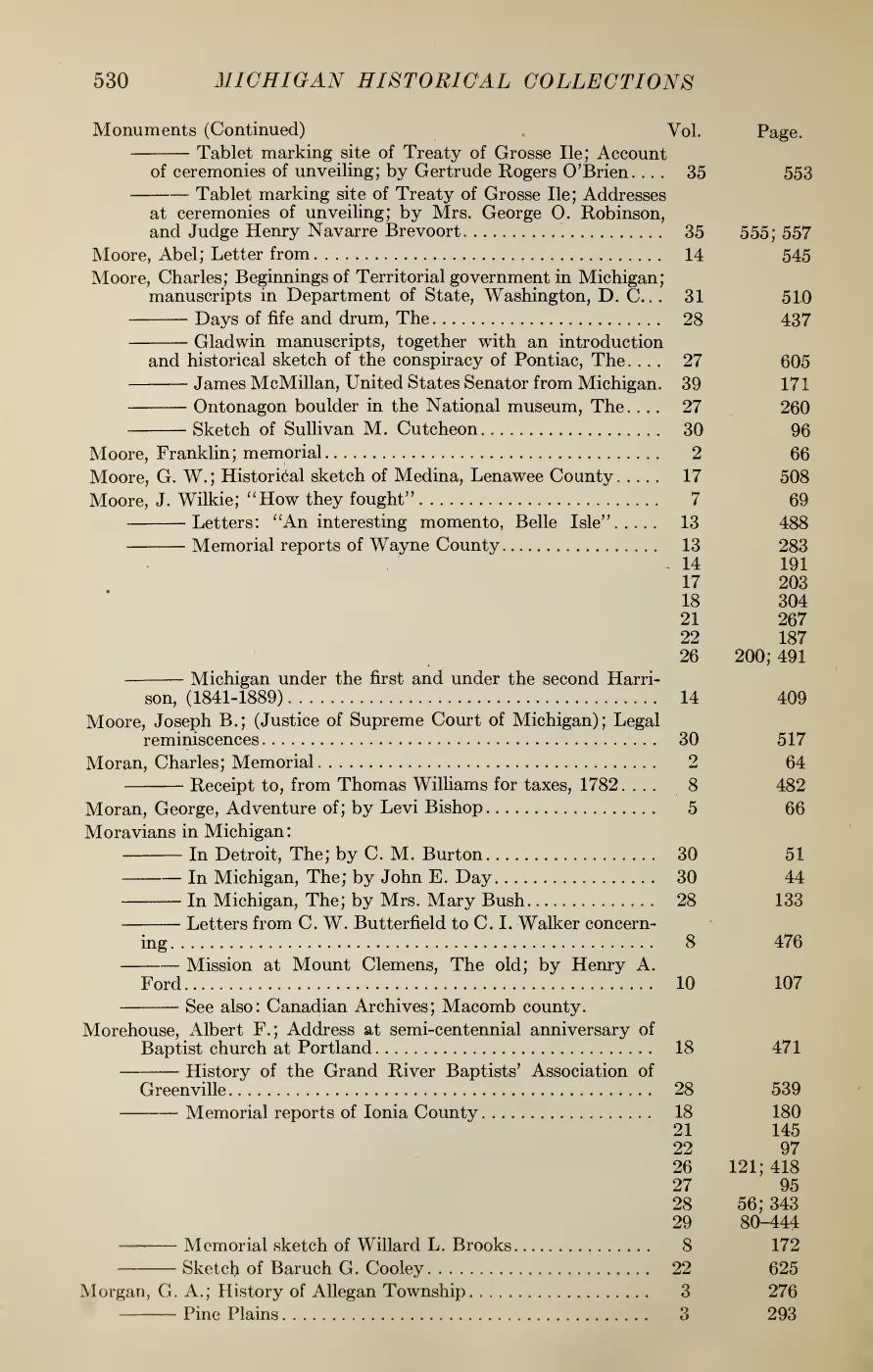
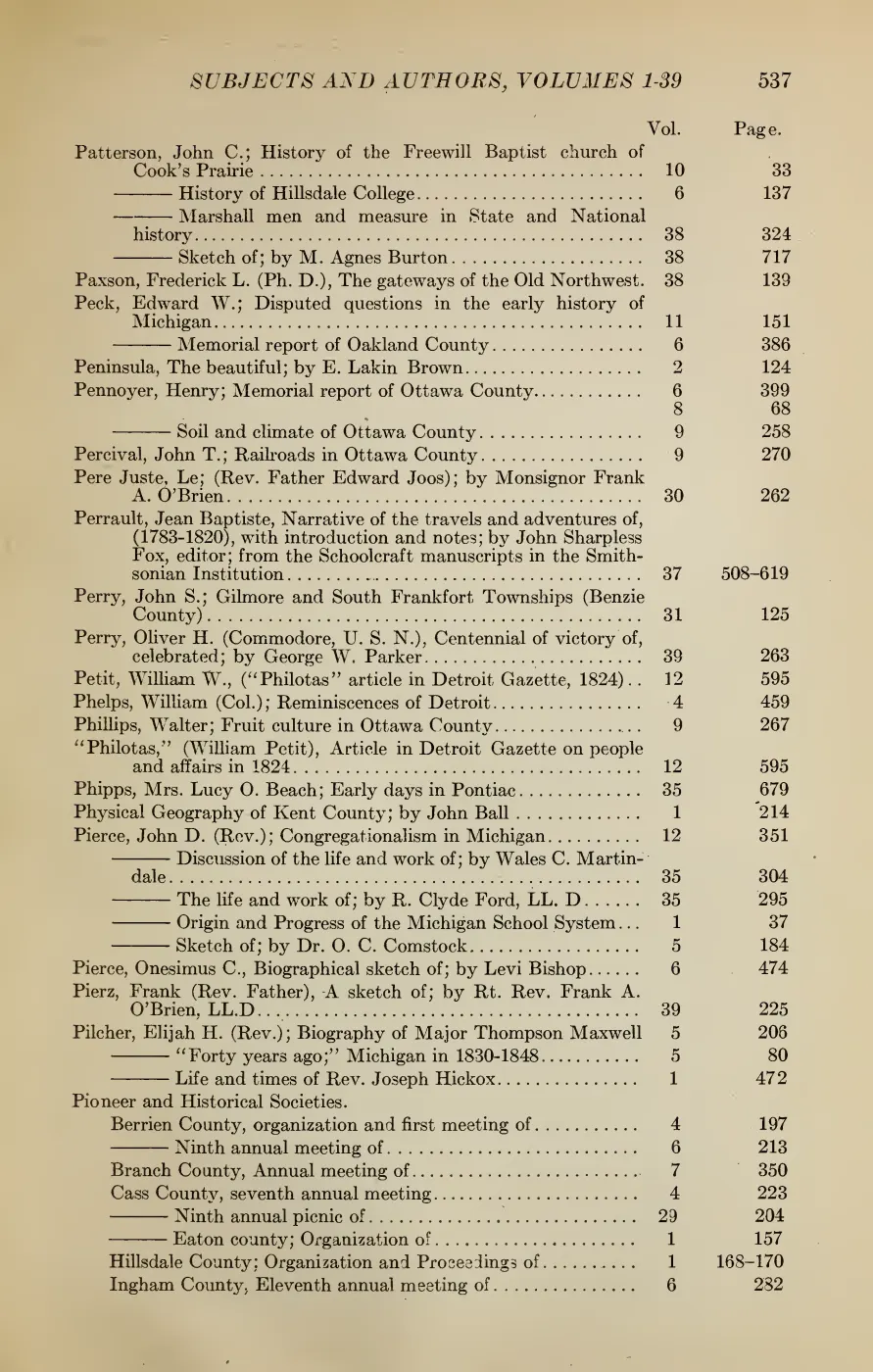
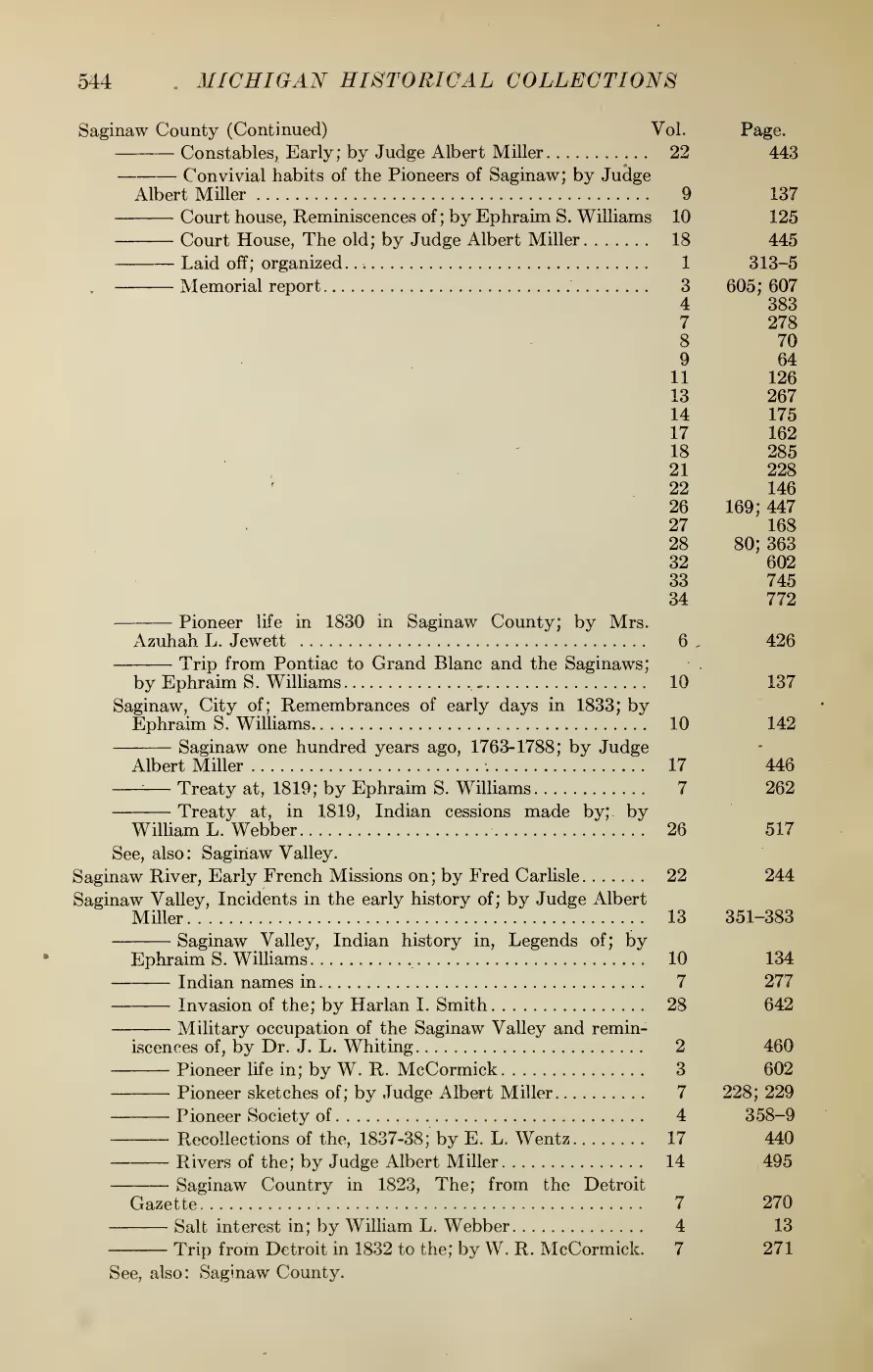
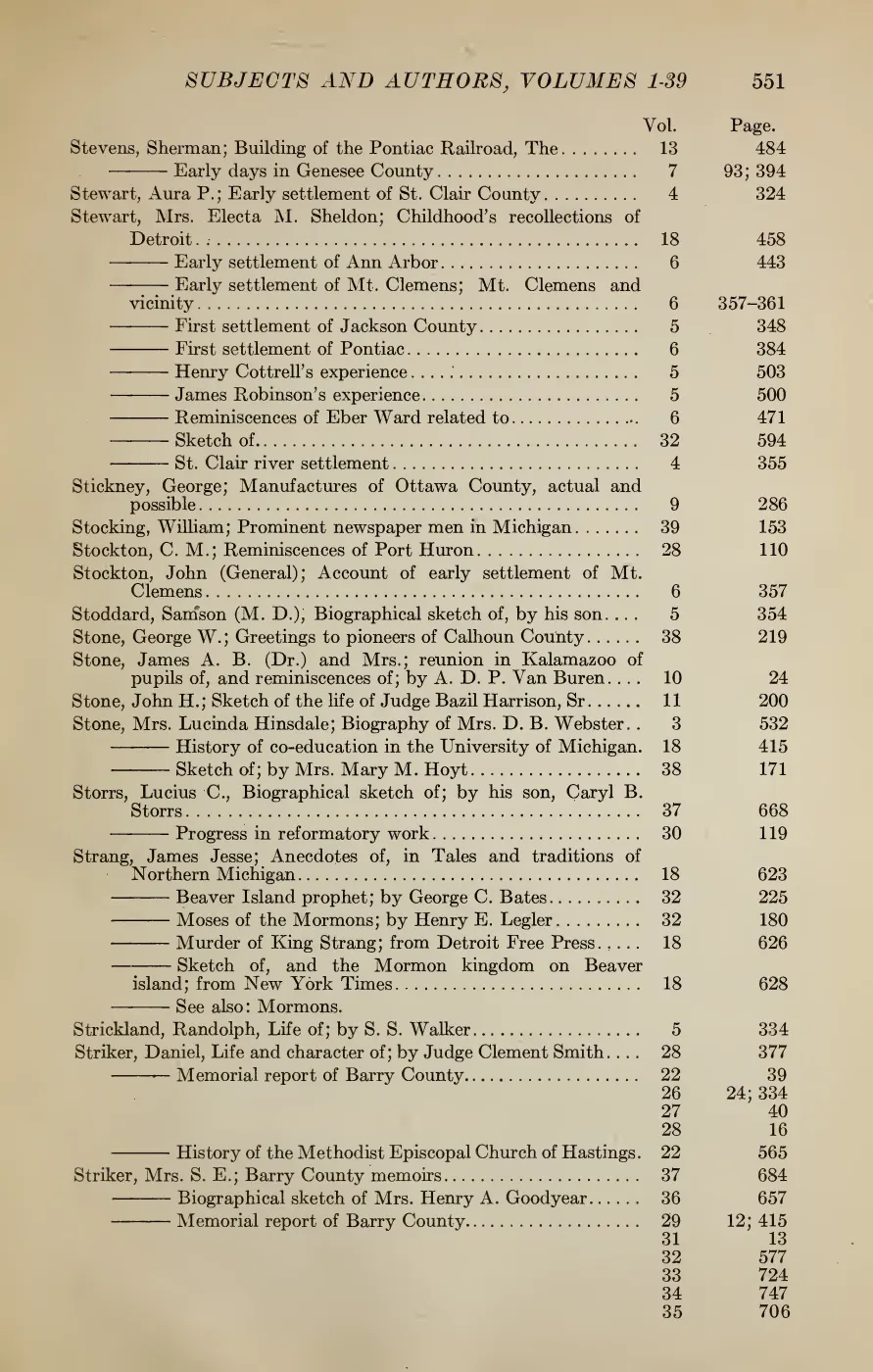
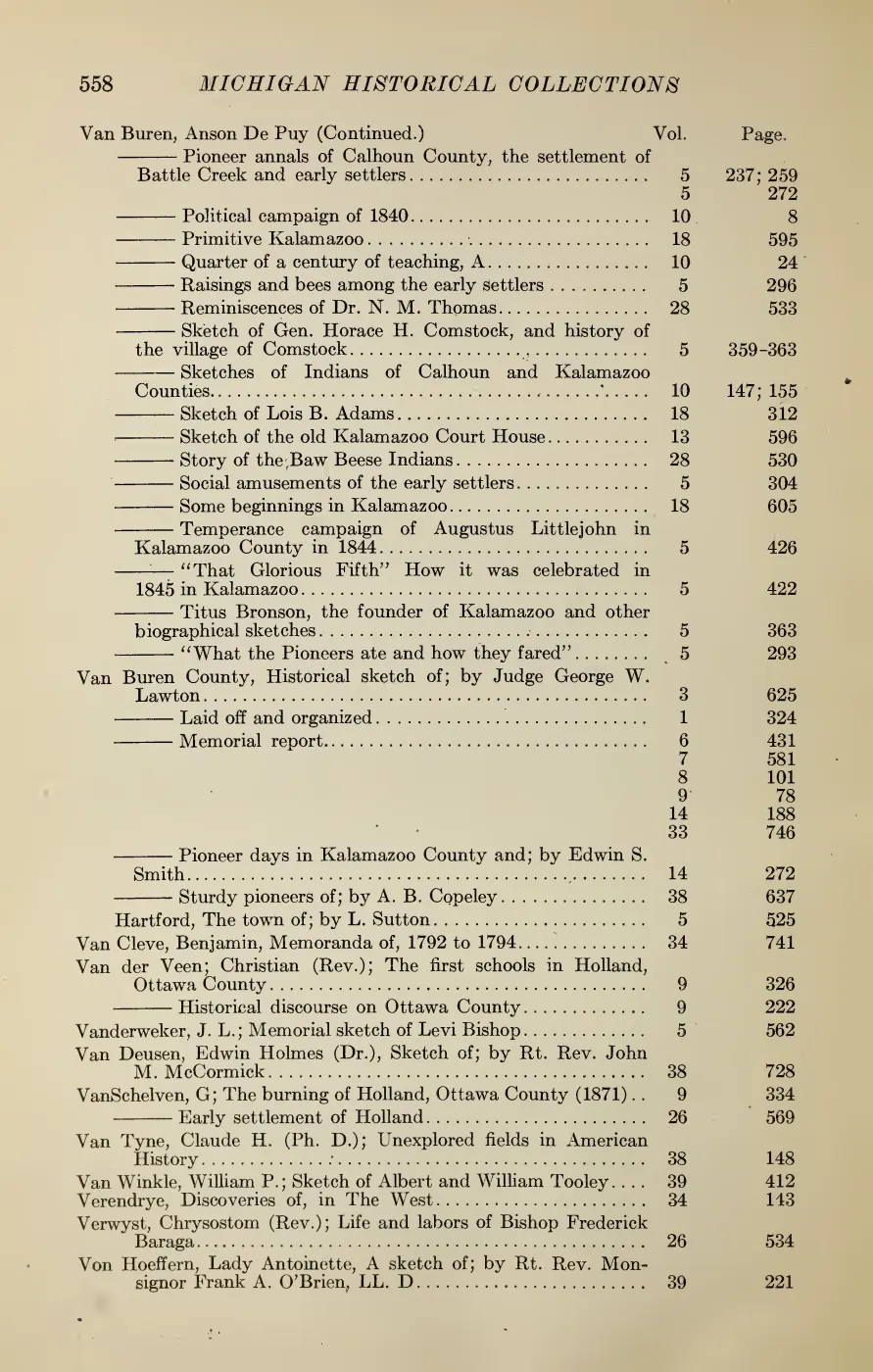
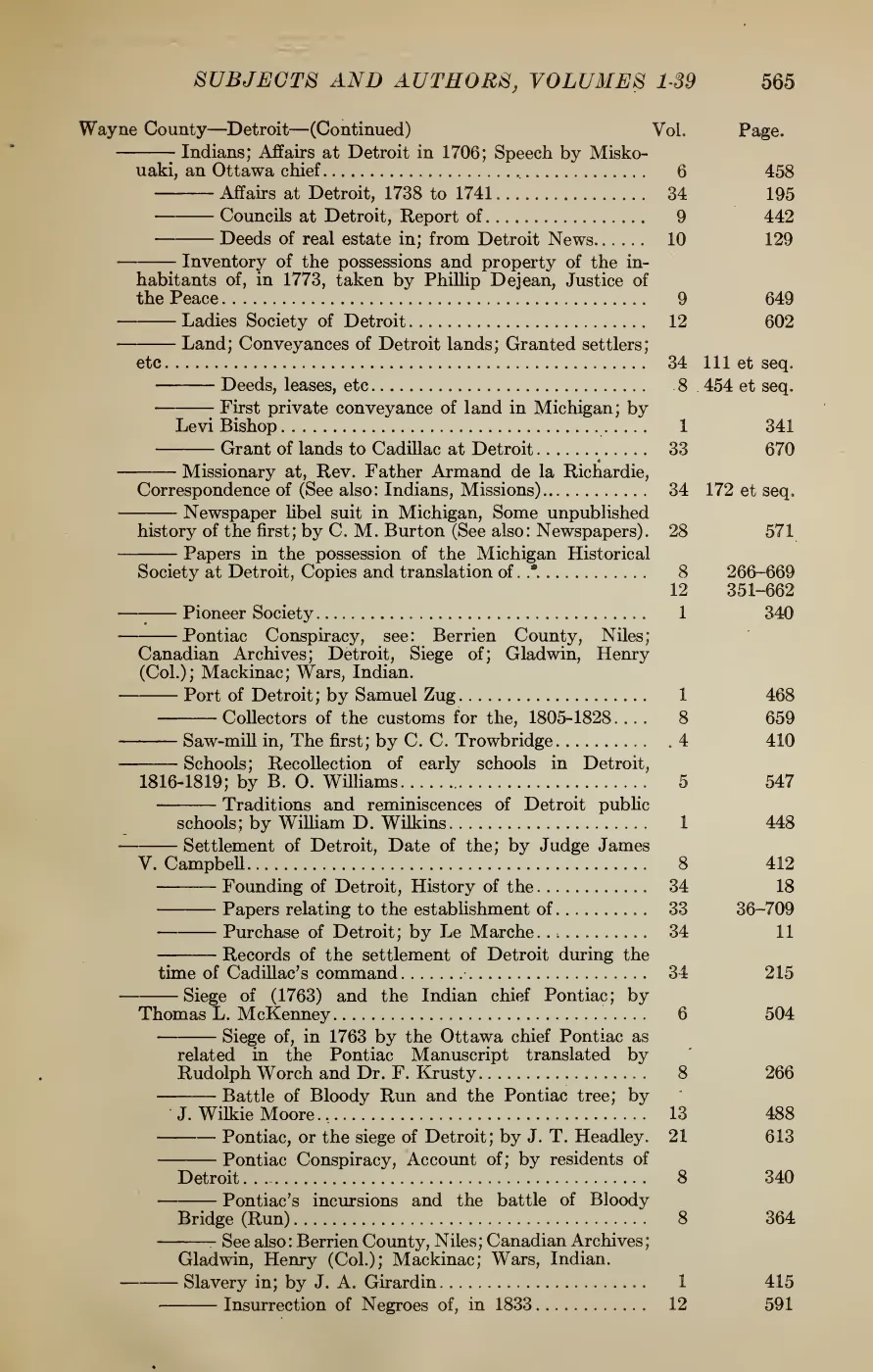
678 pages, rendered from the held scan.
Jump to a page — 678 in all





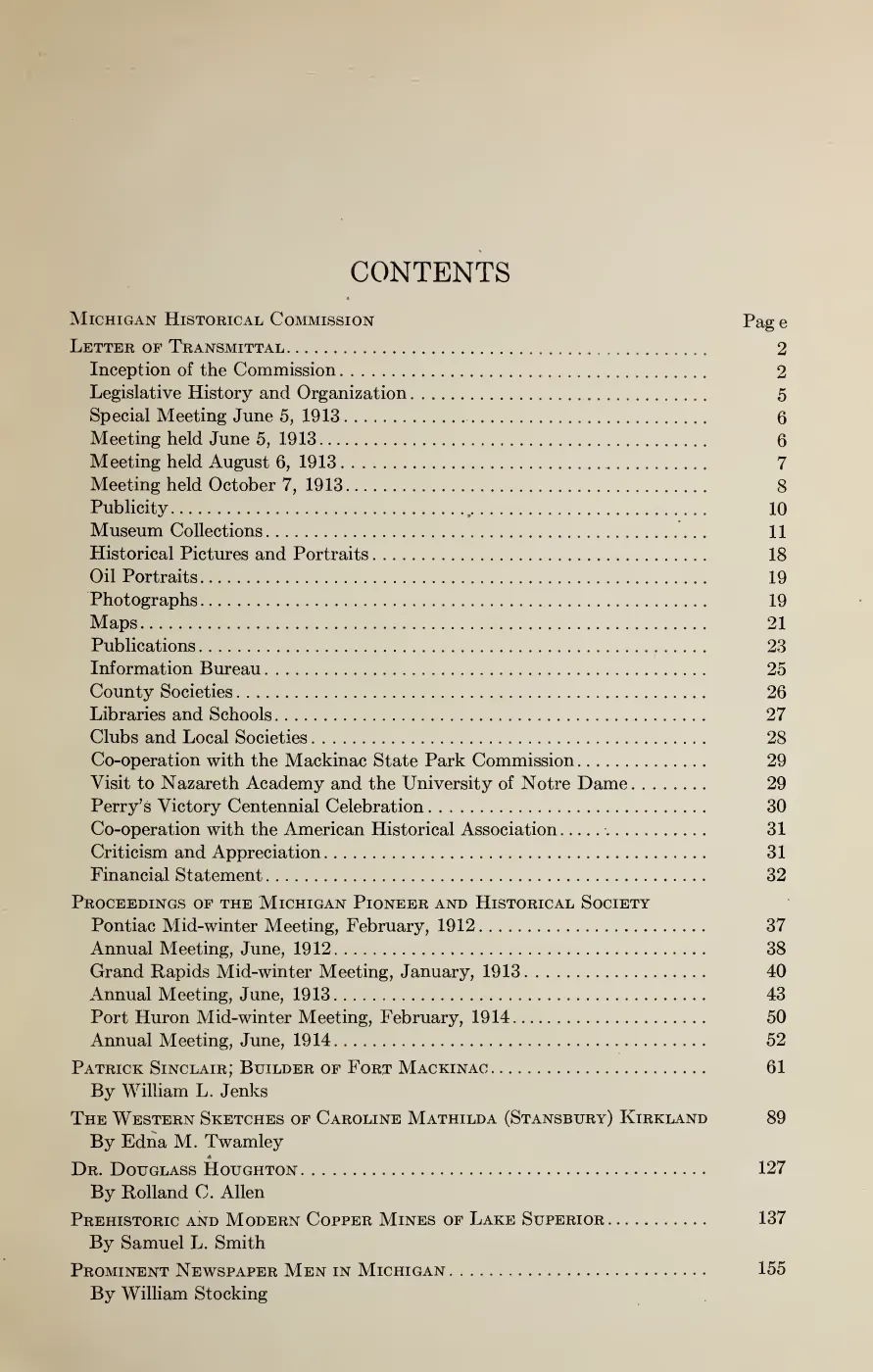
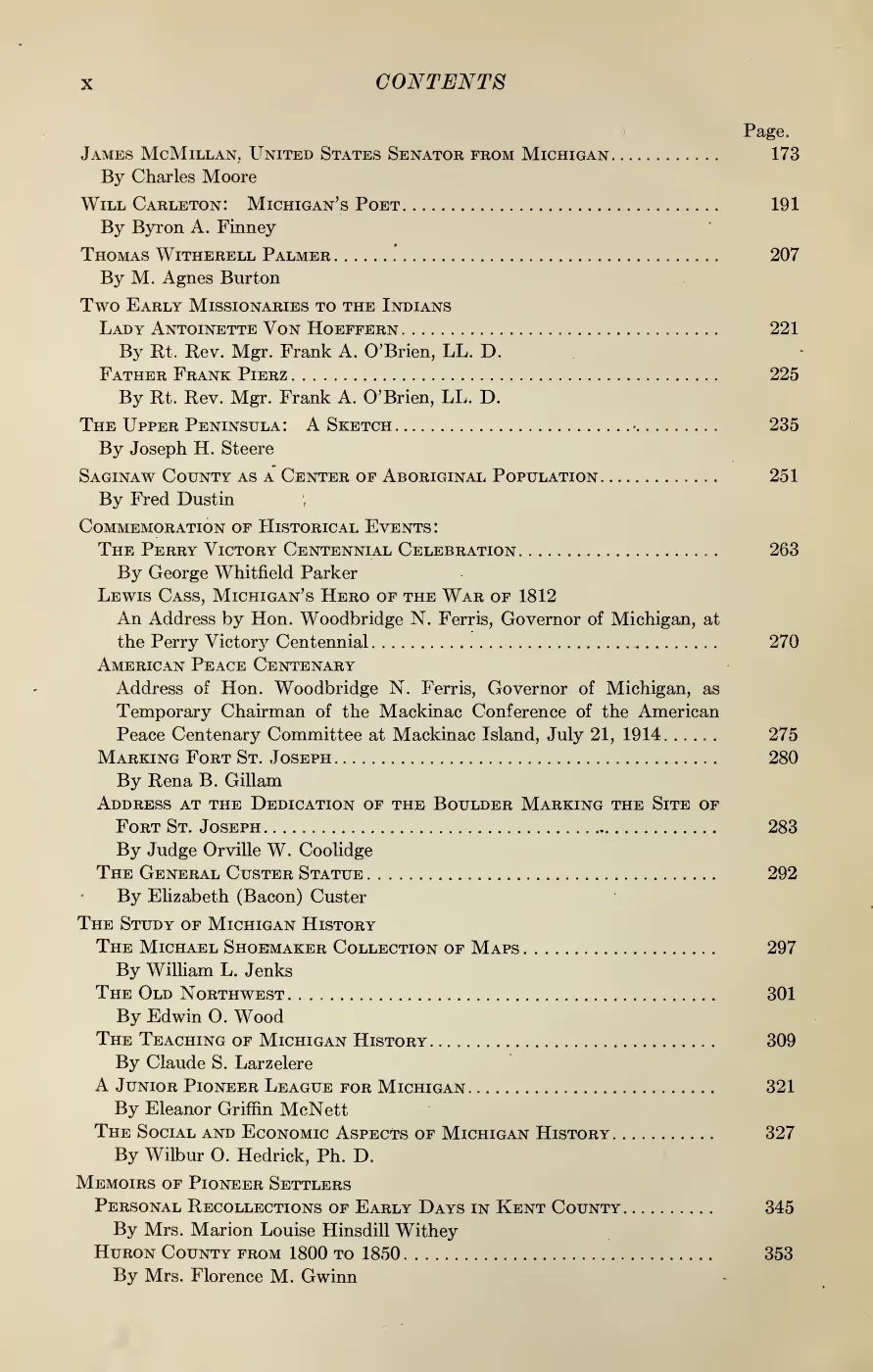
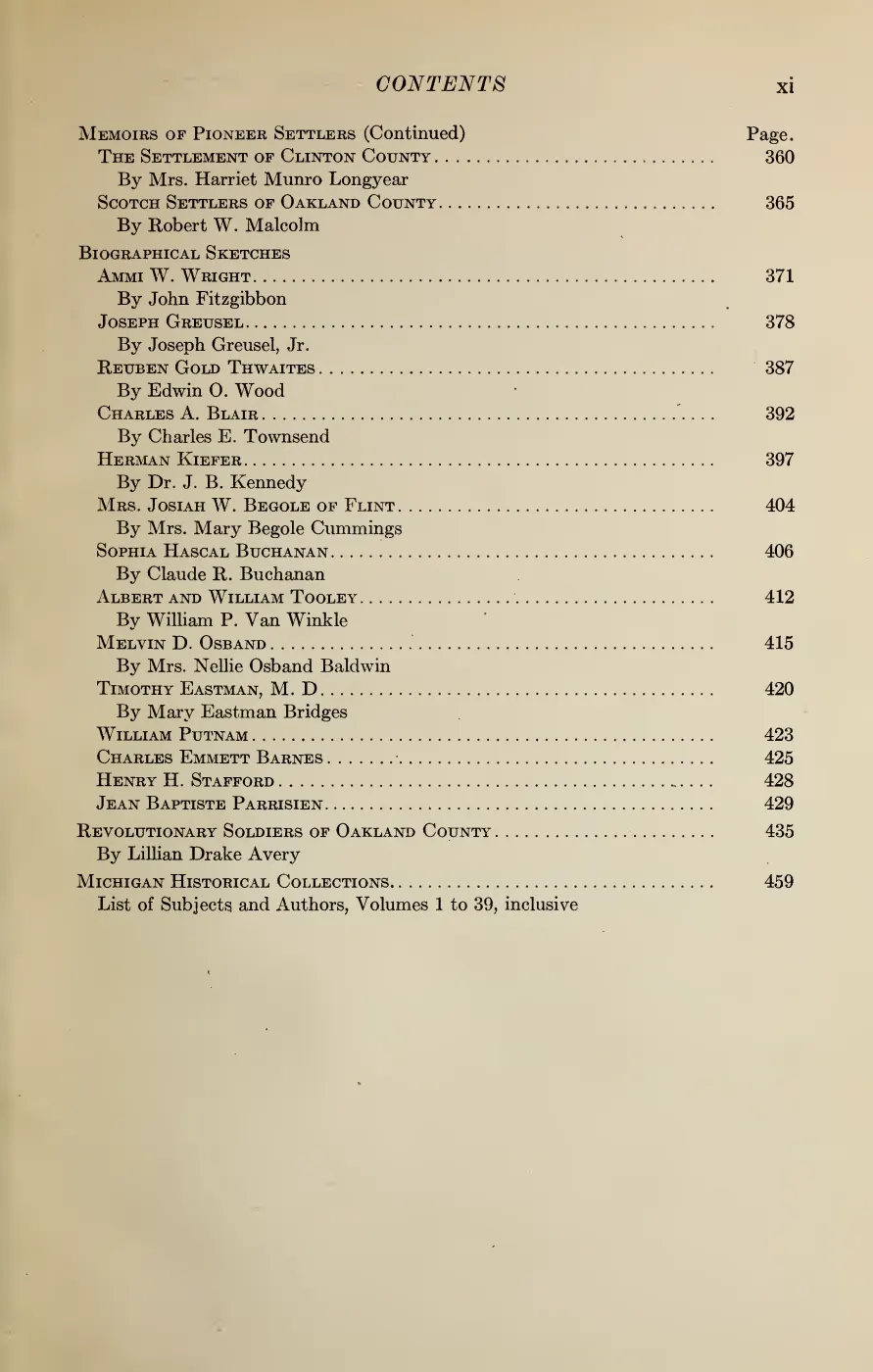

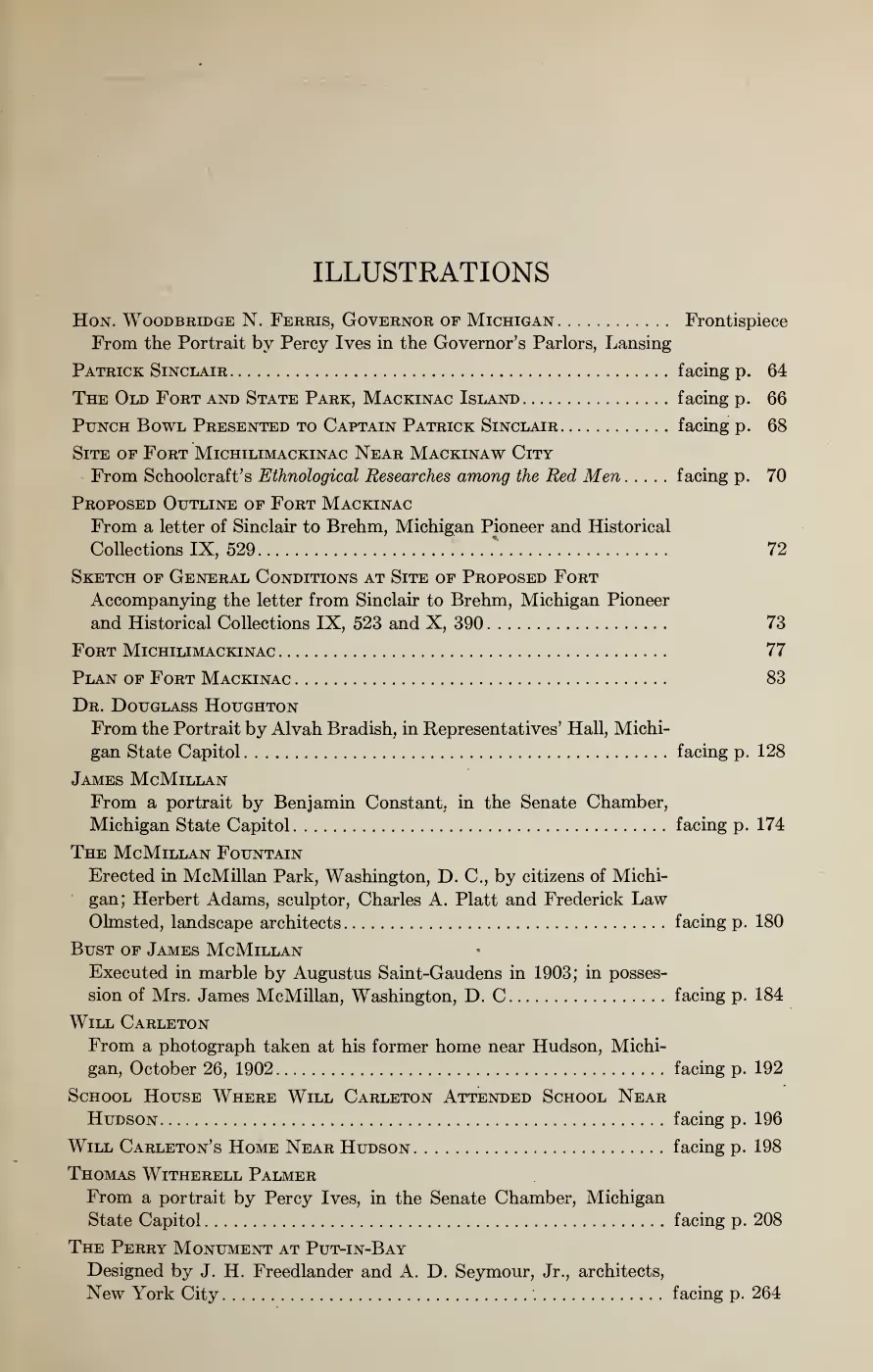
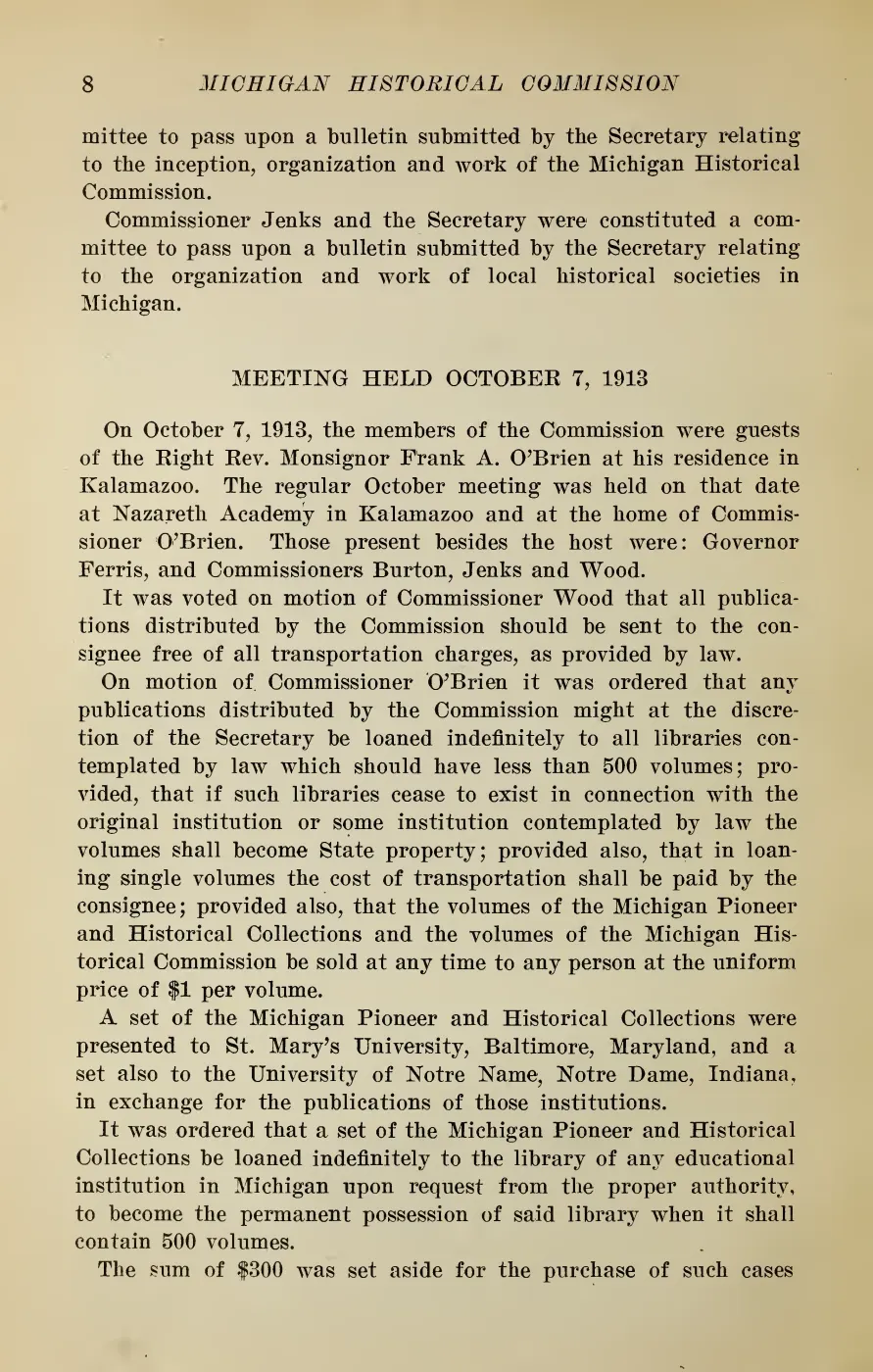
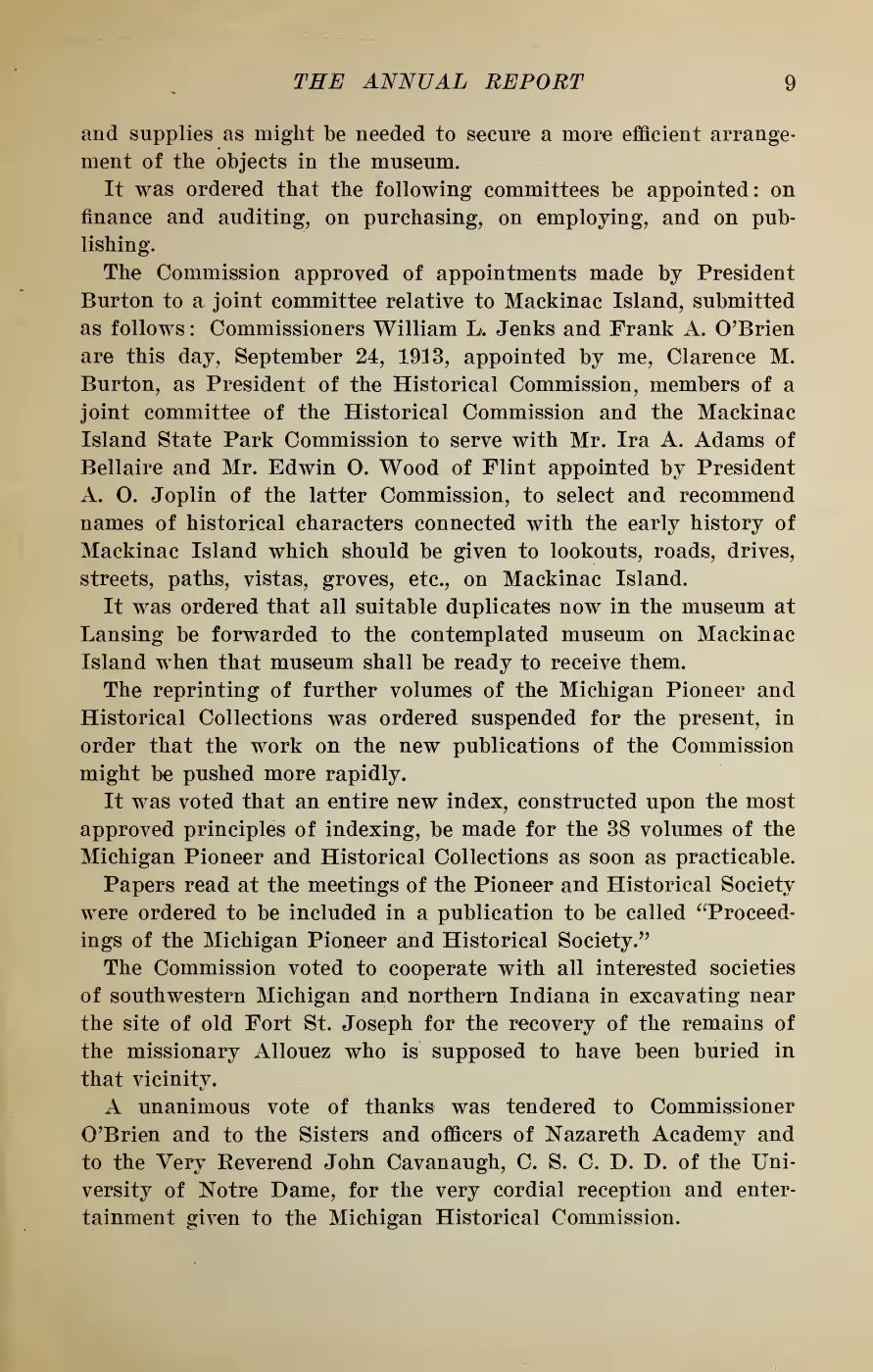
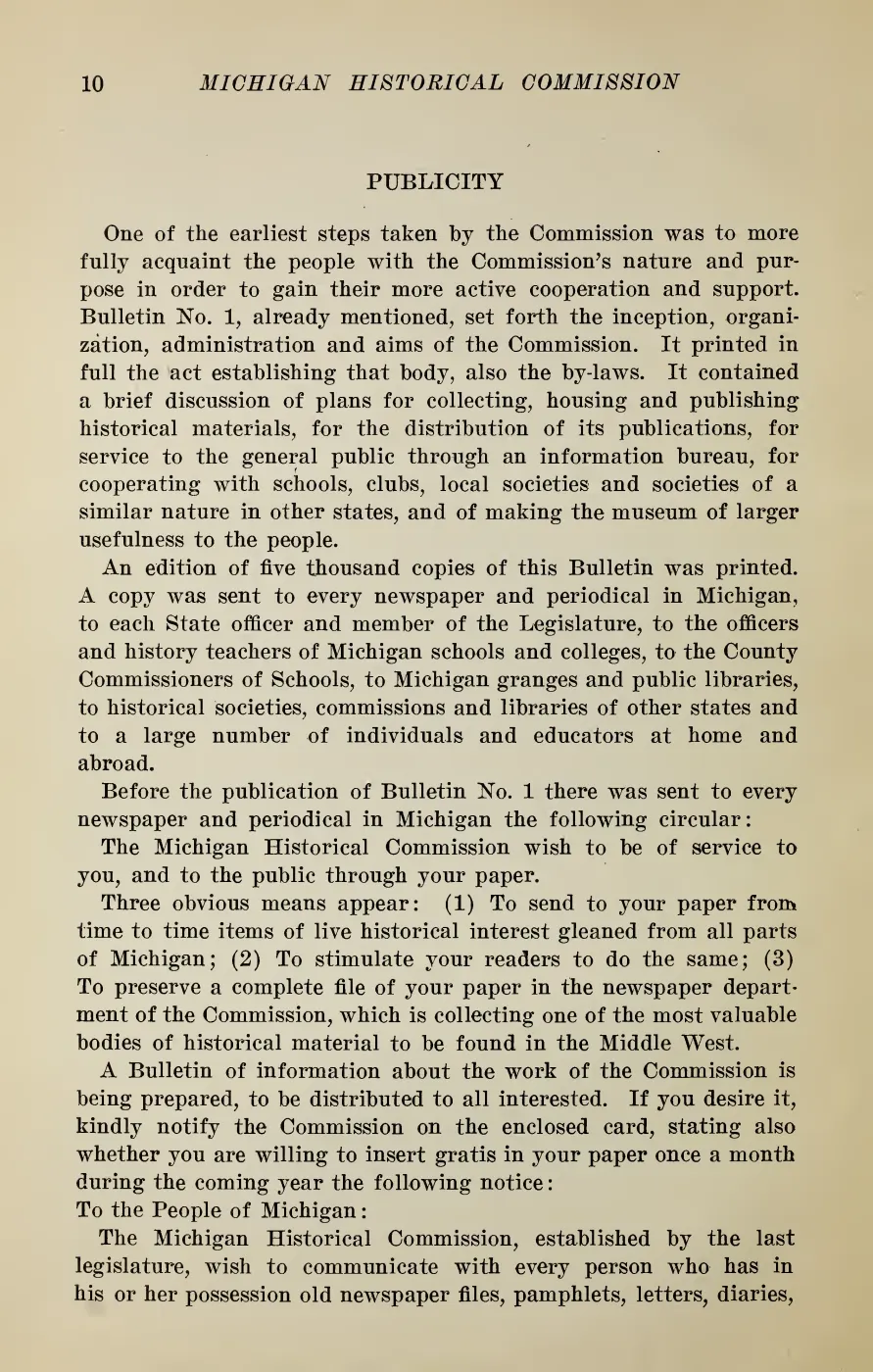
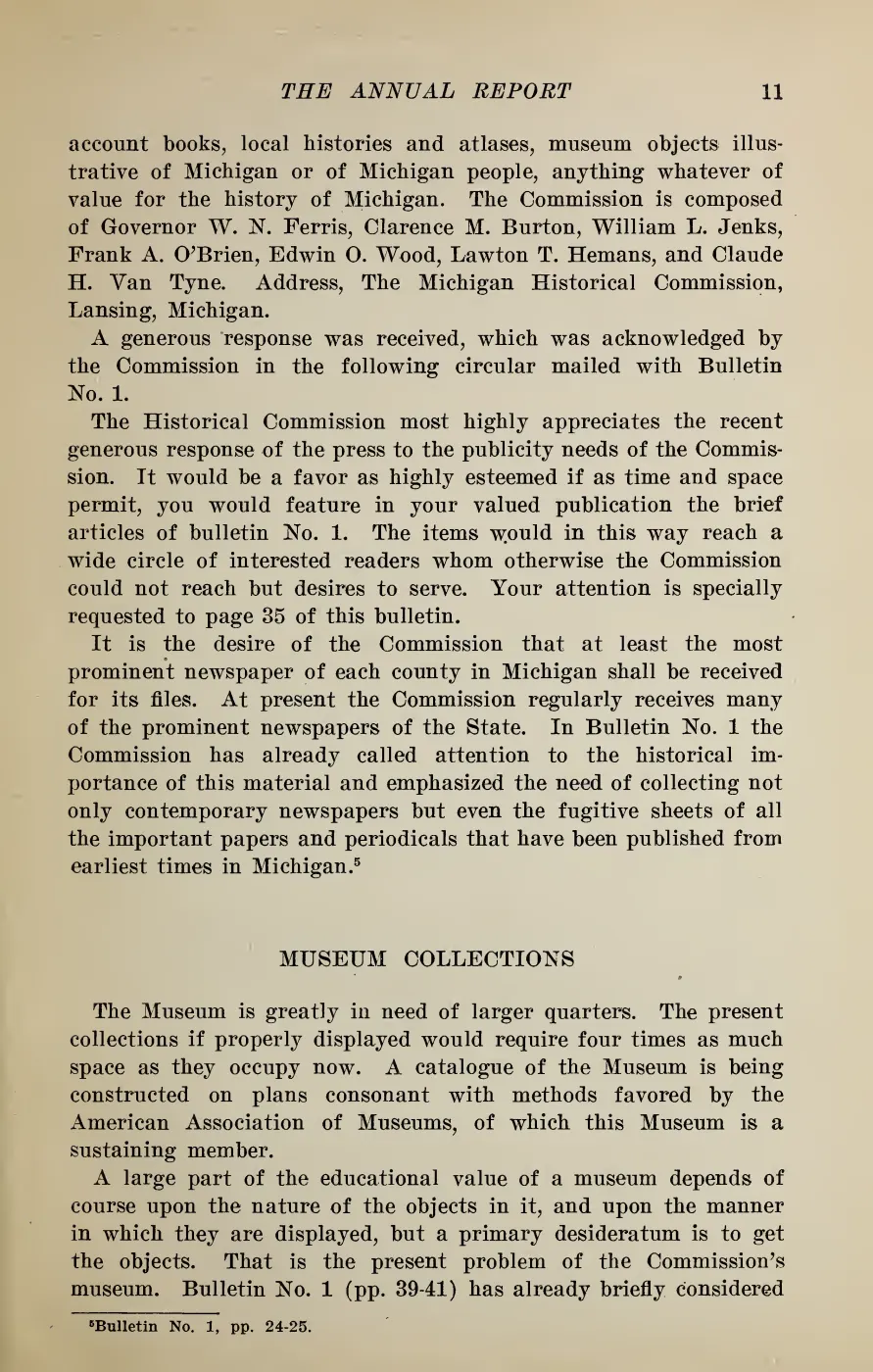
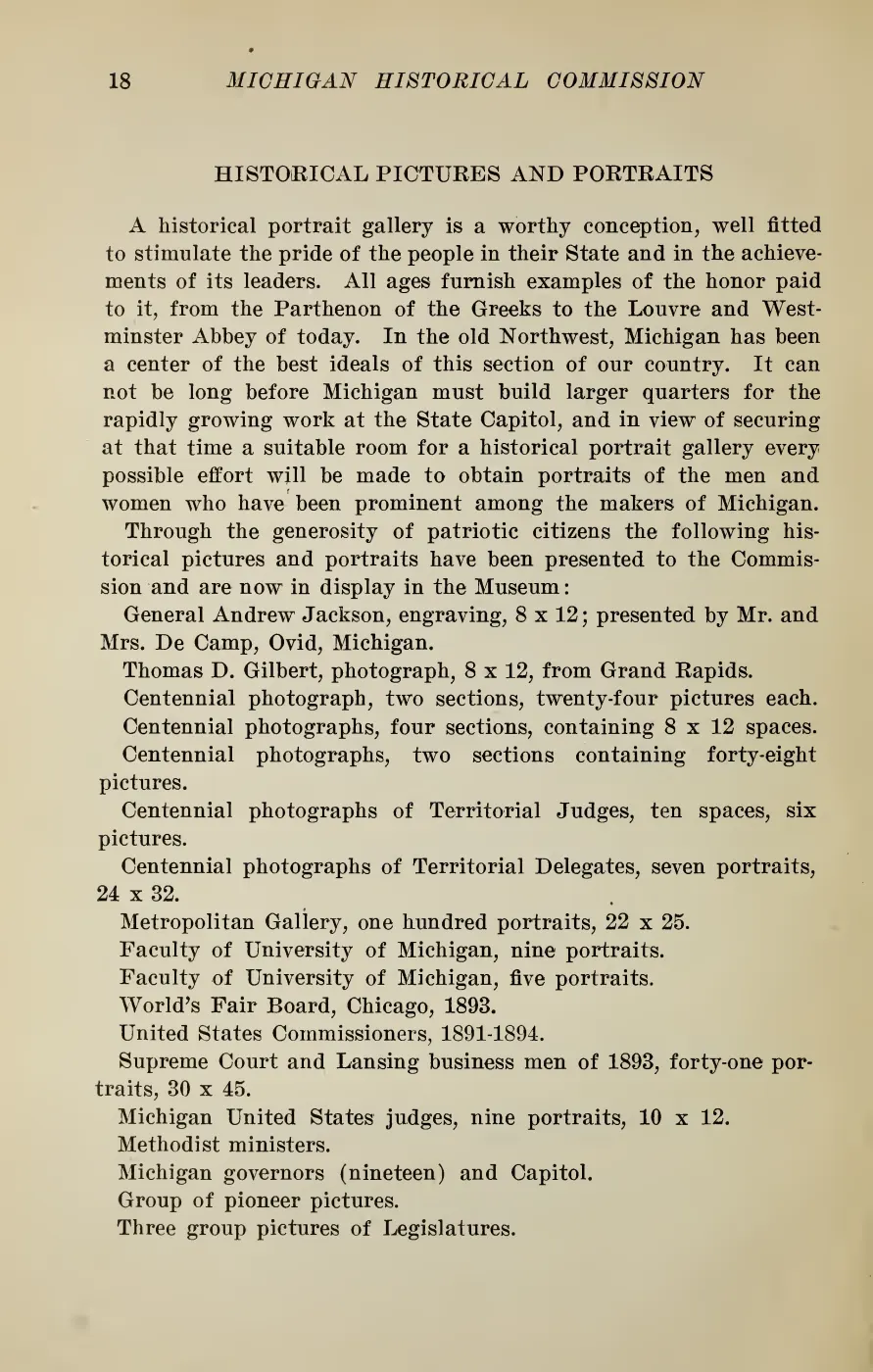
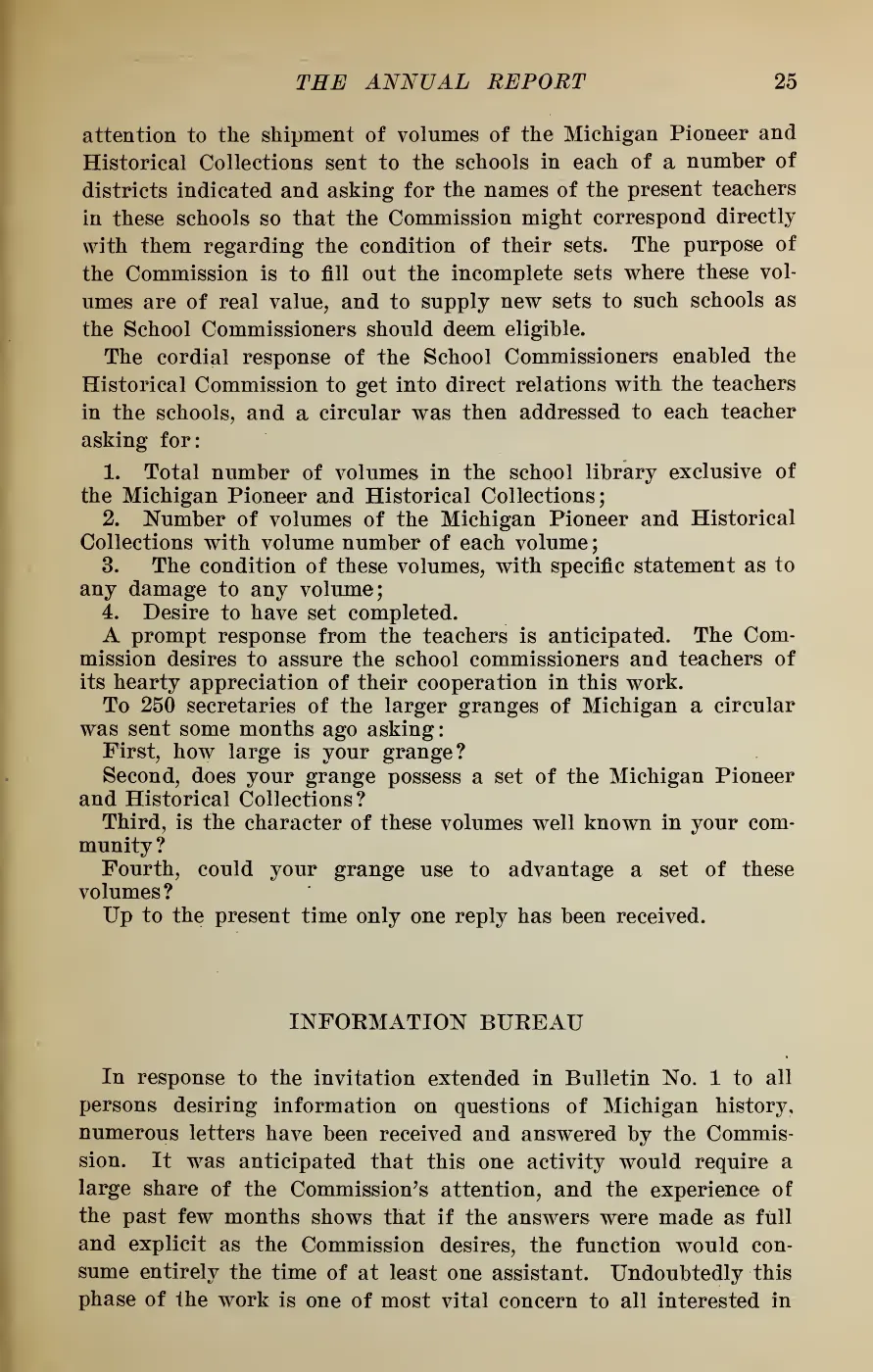
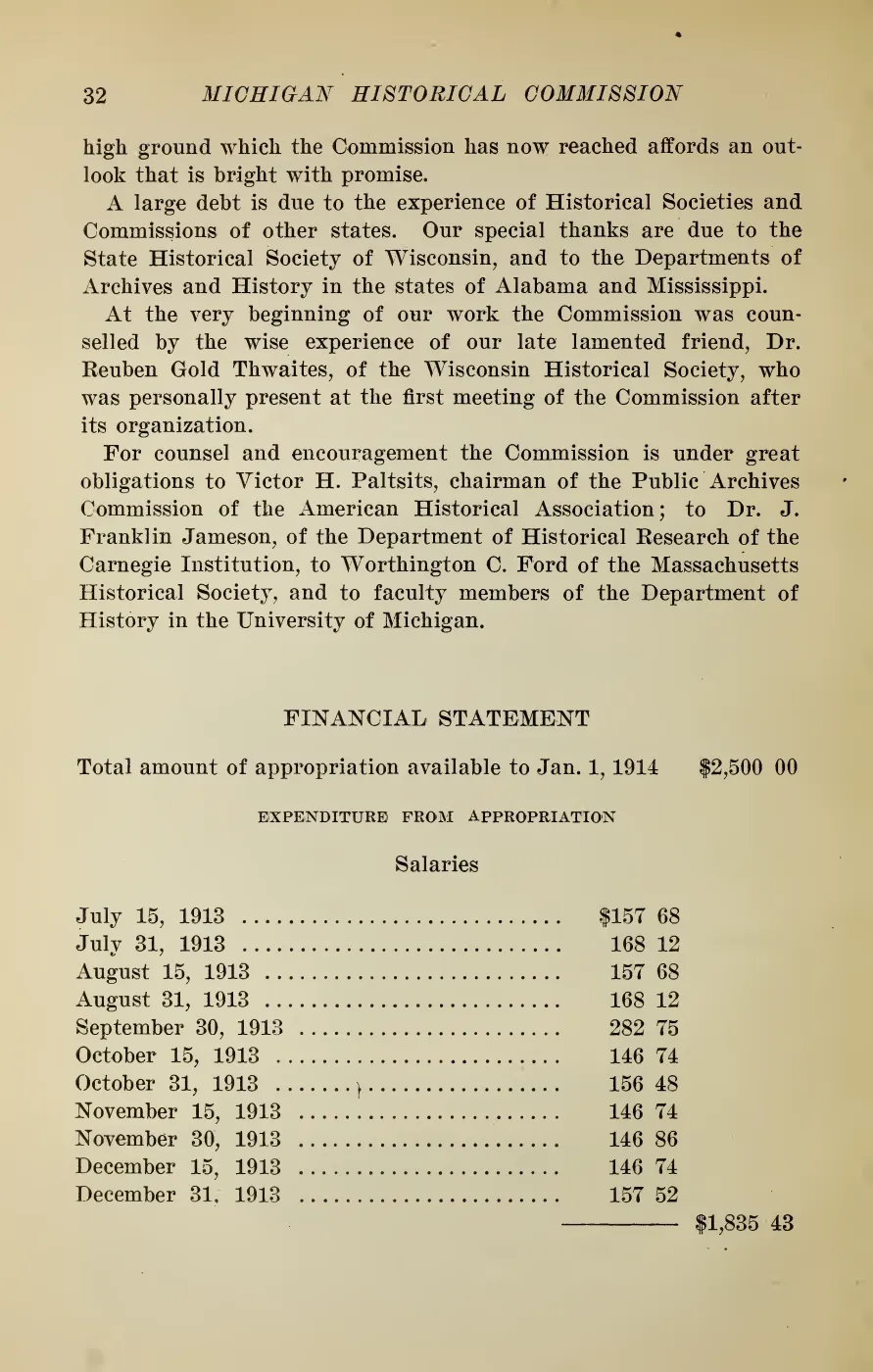
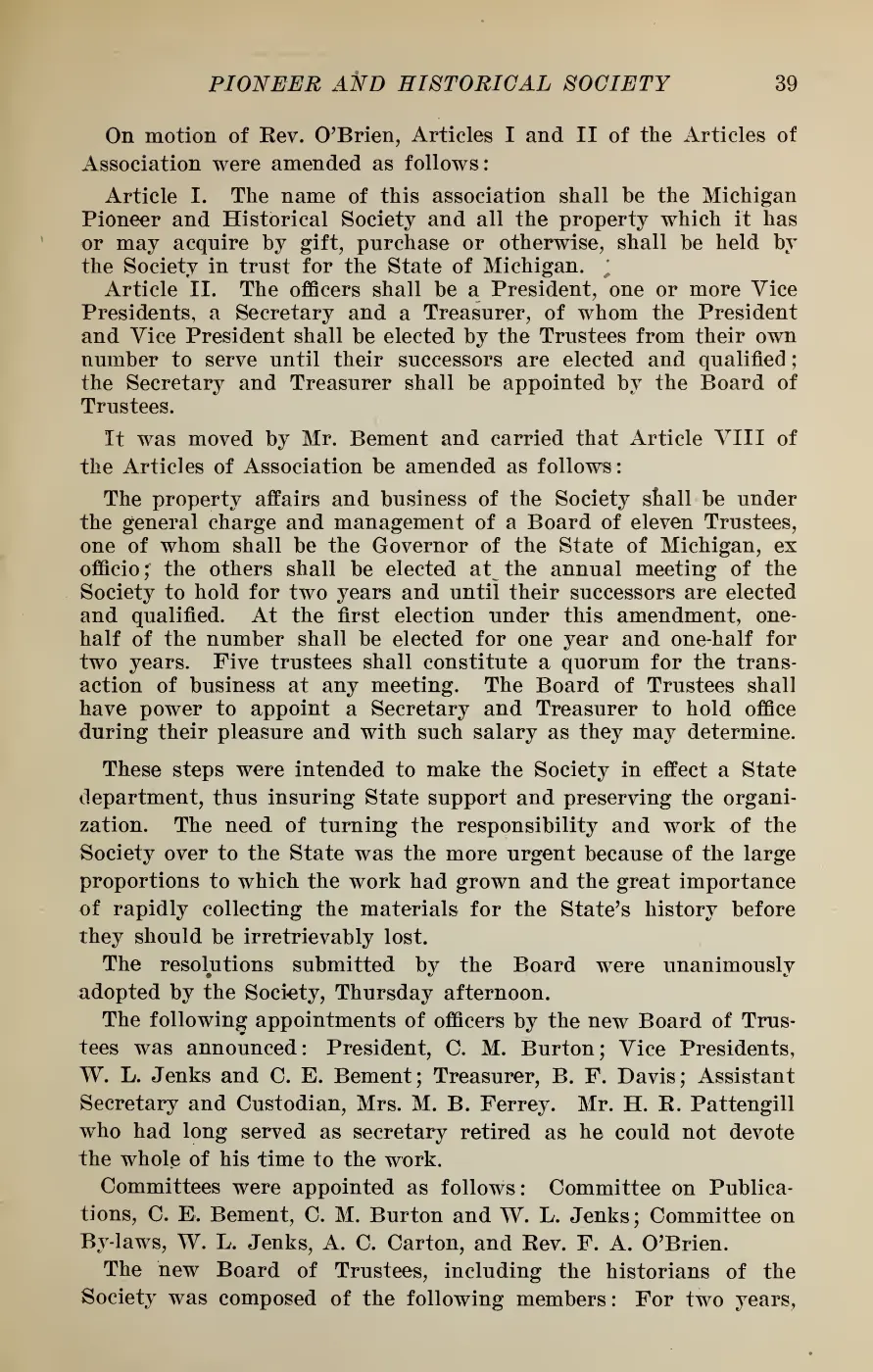




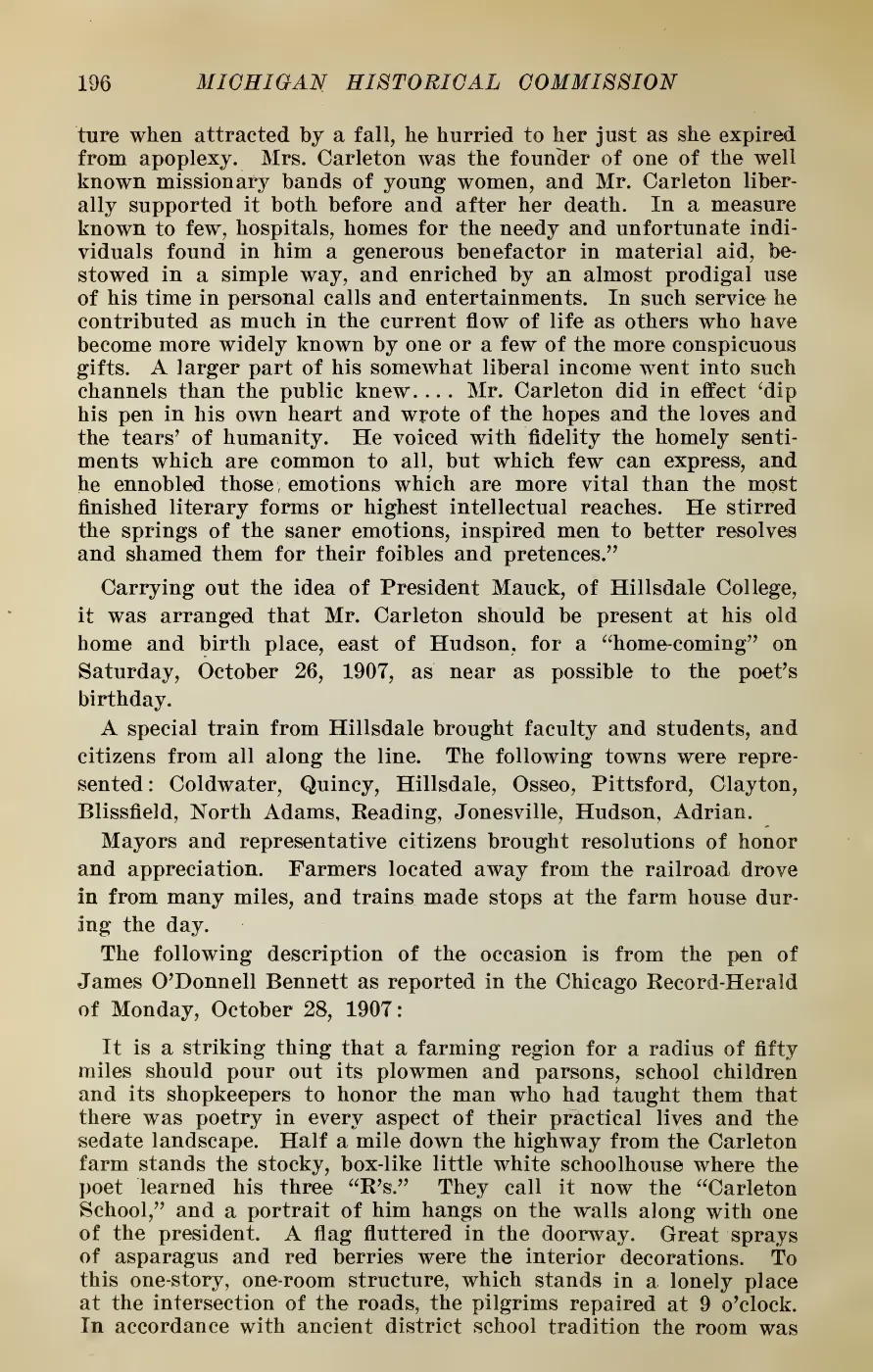
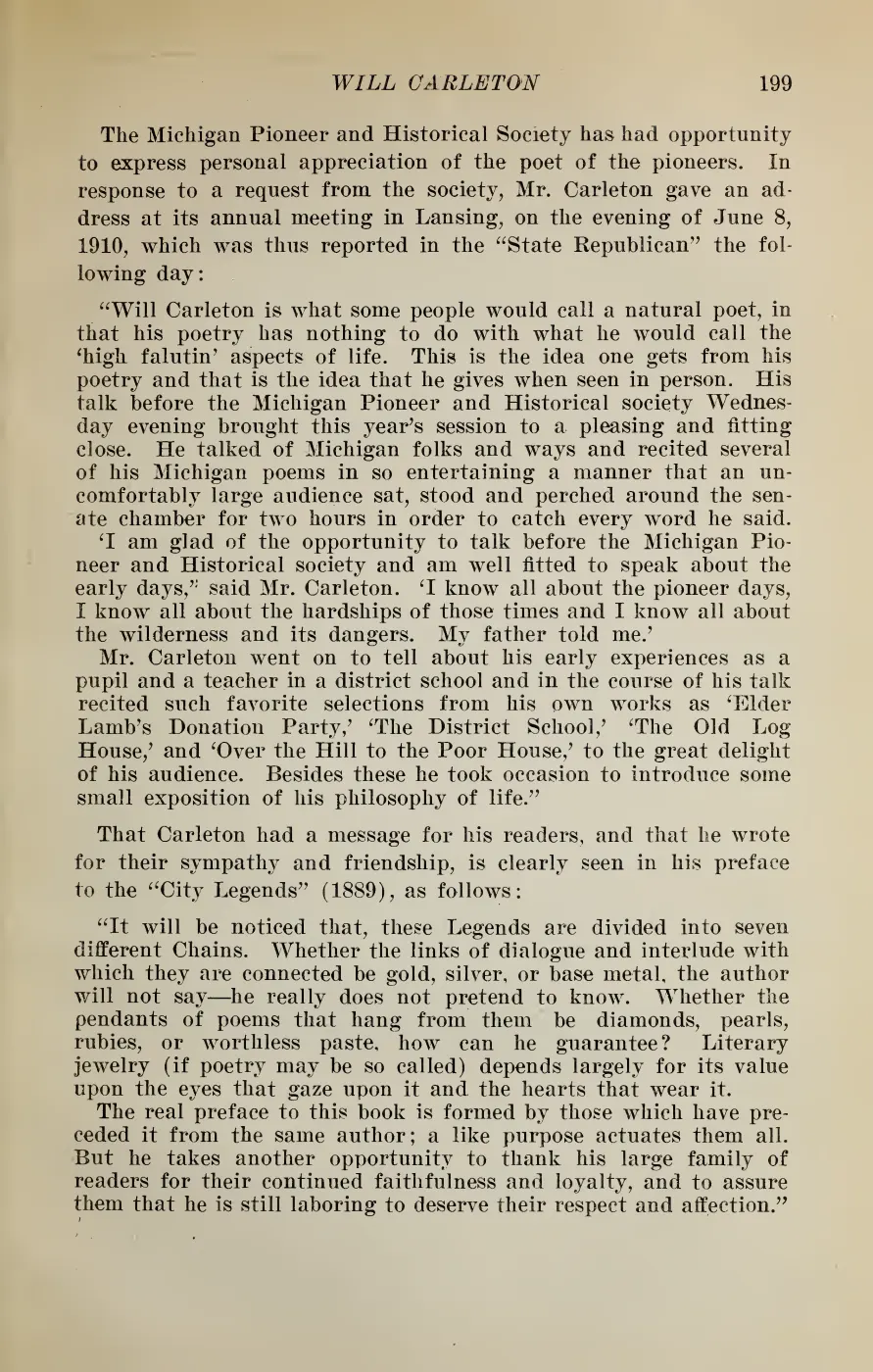


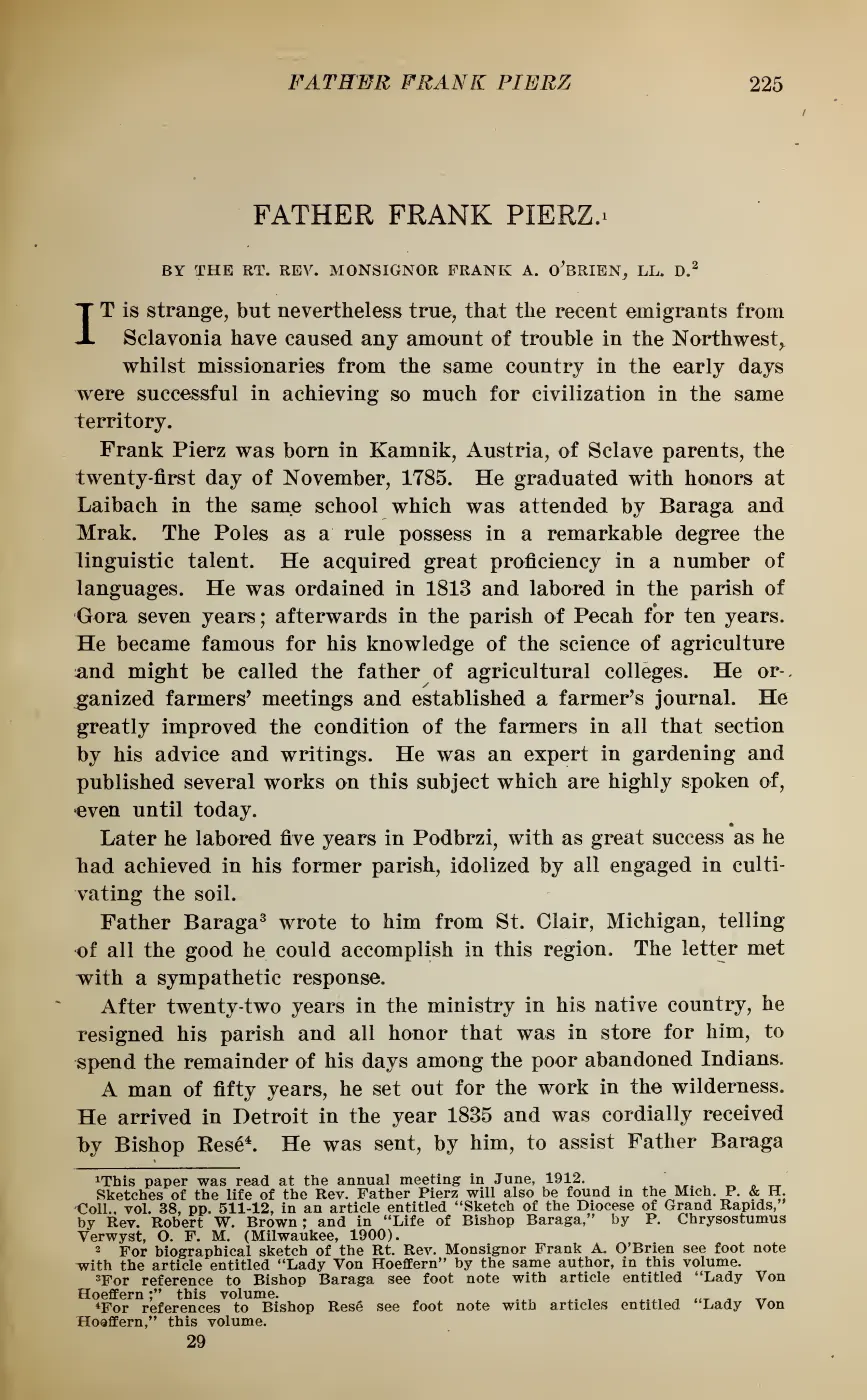

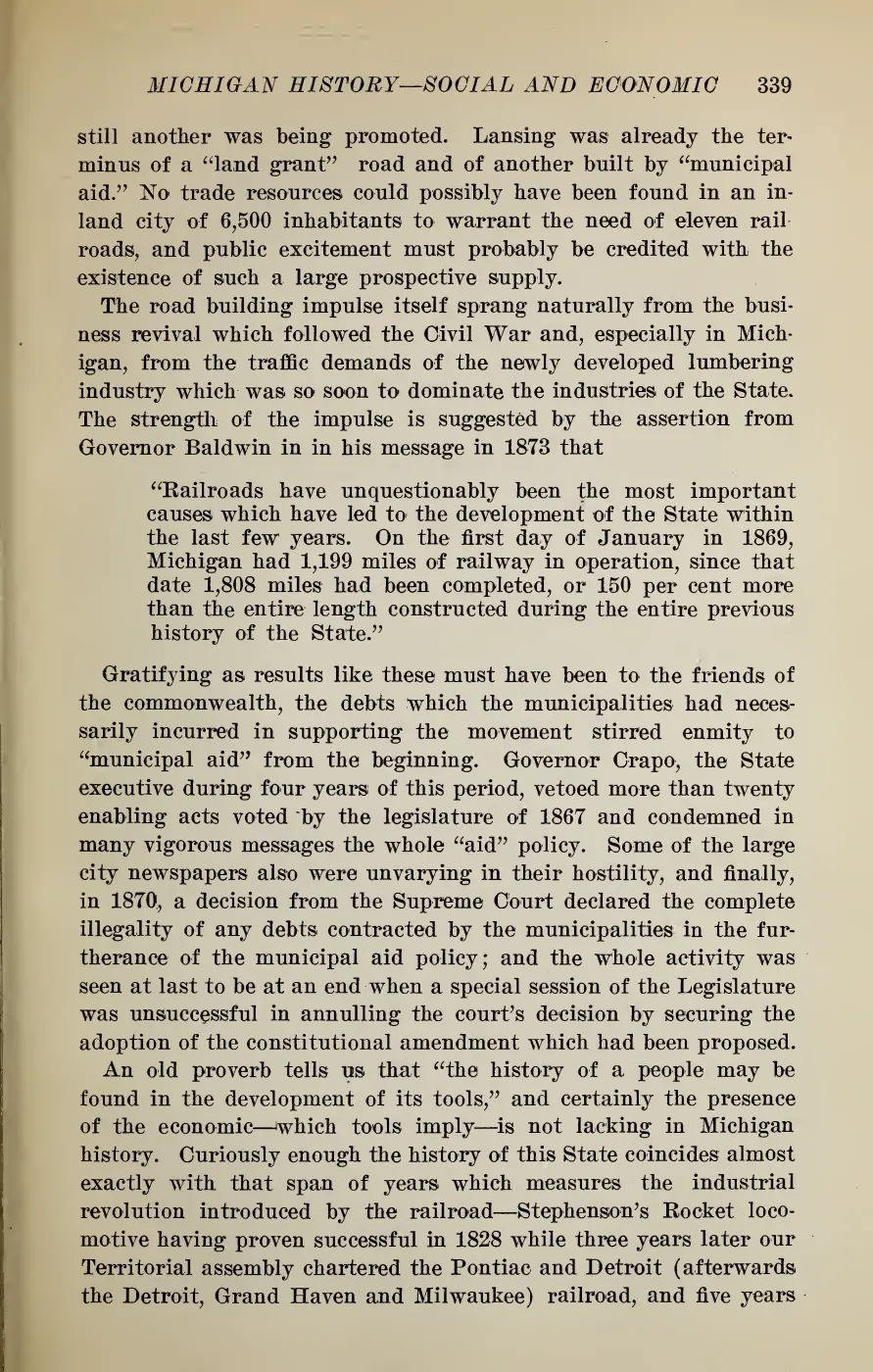
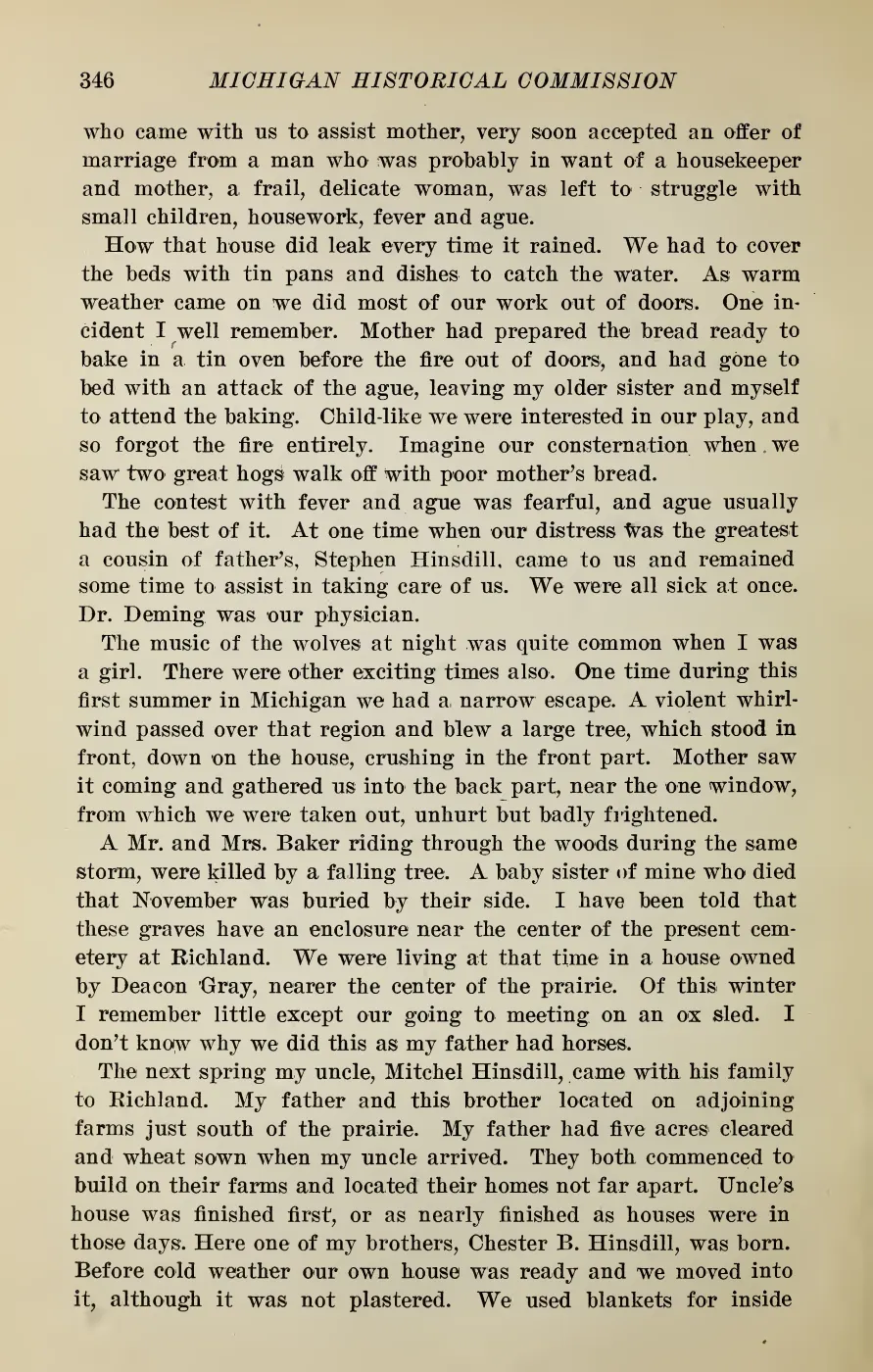
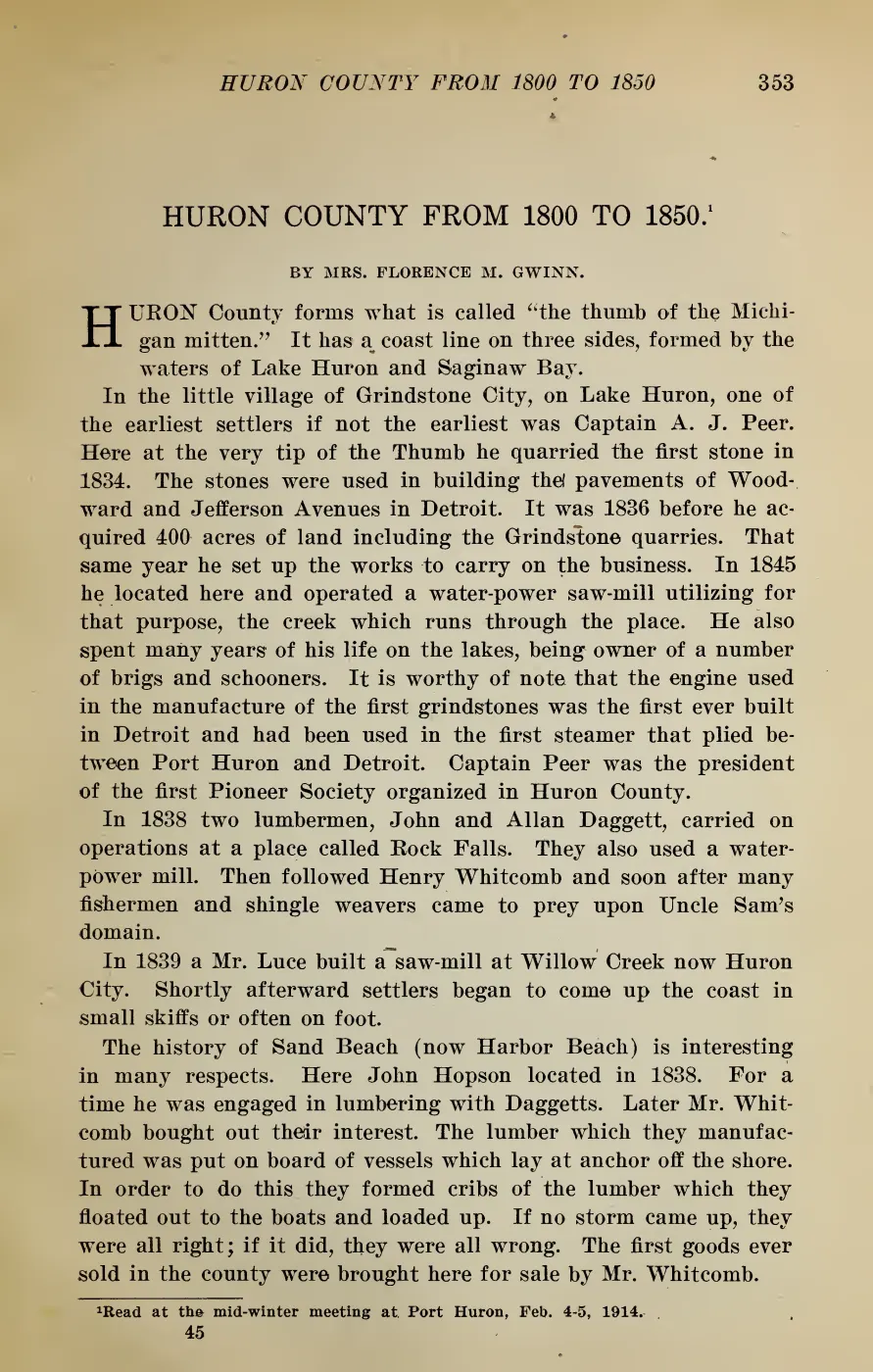
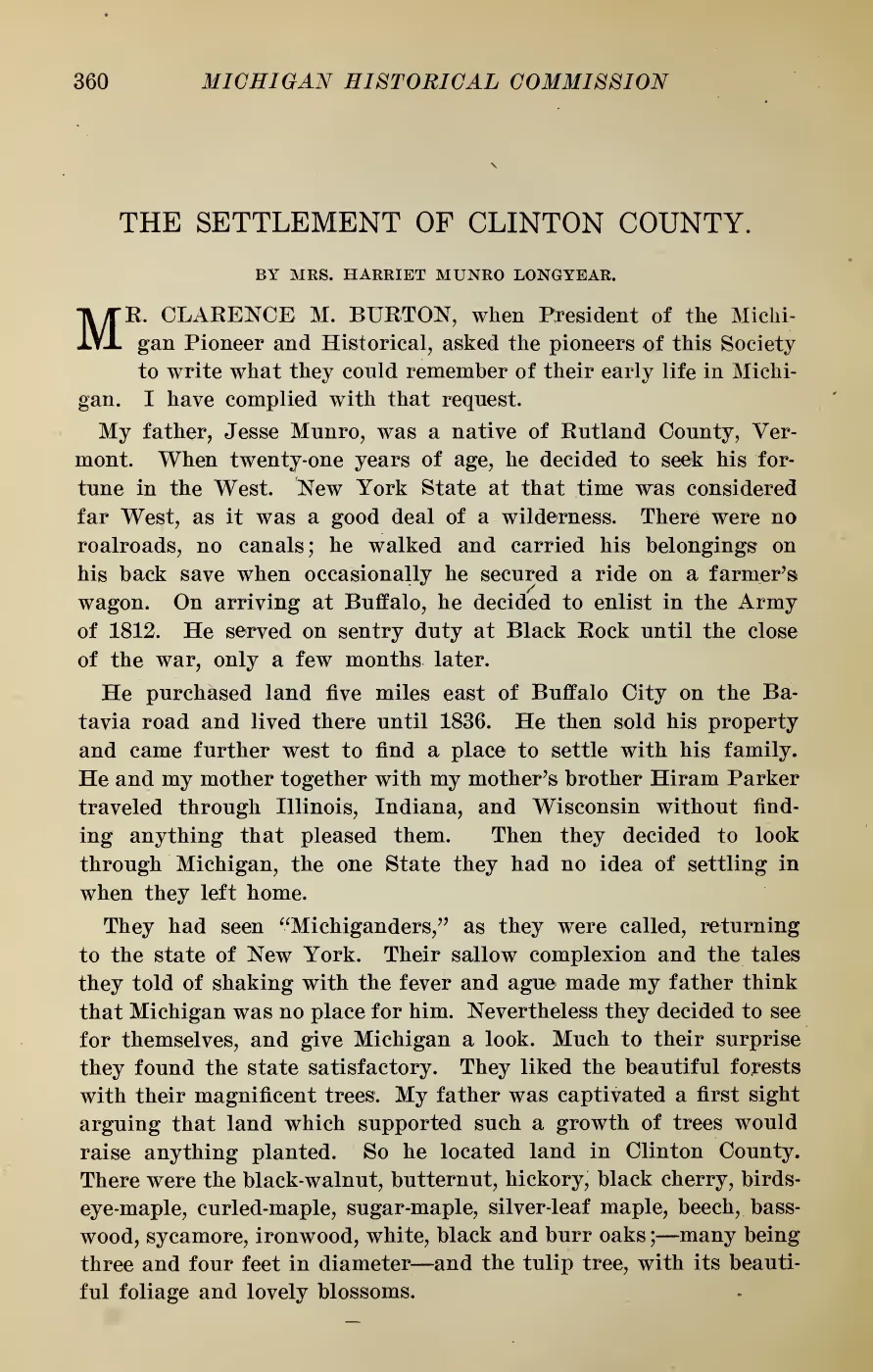



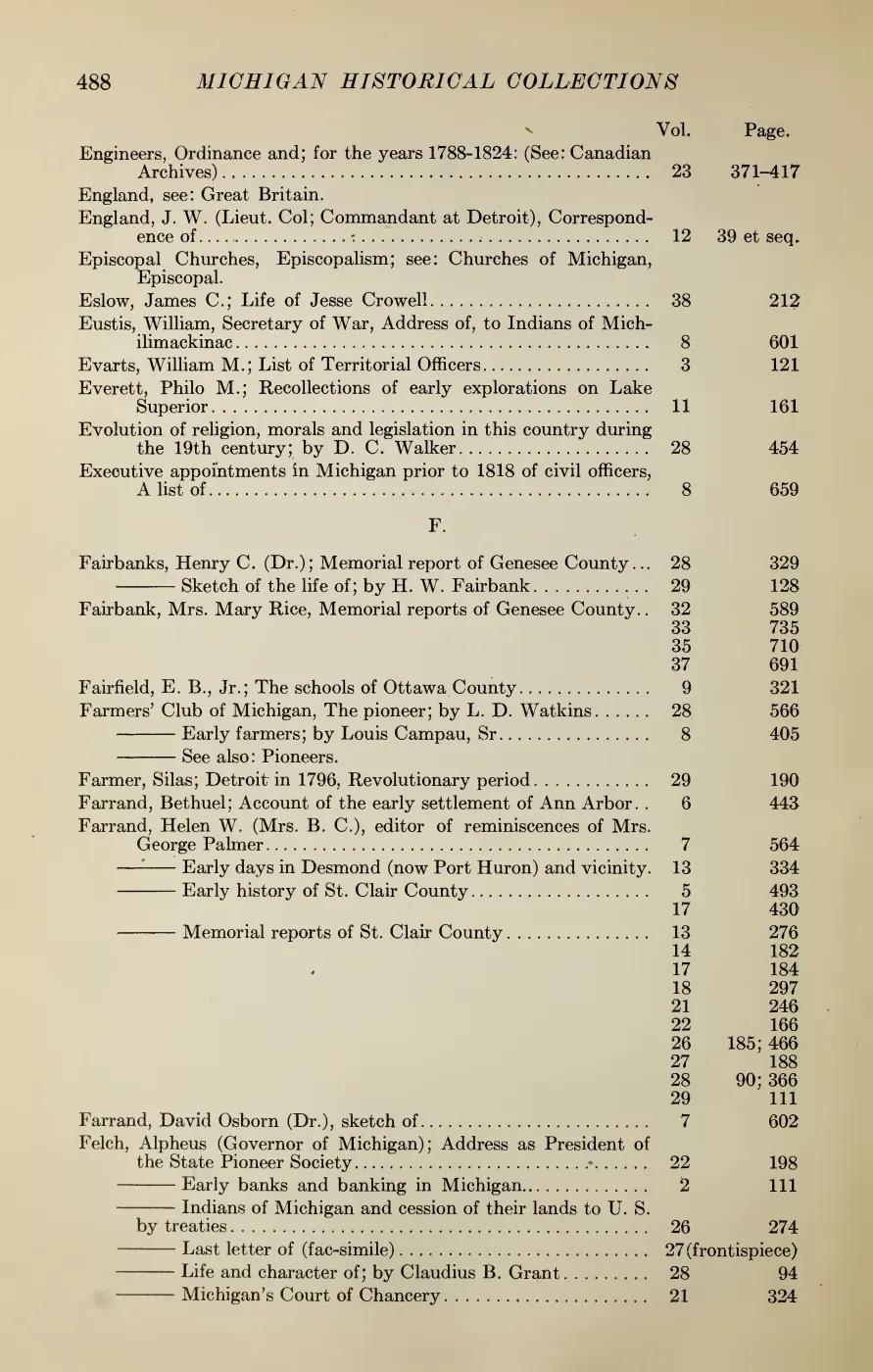
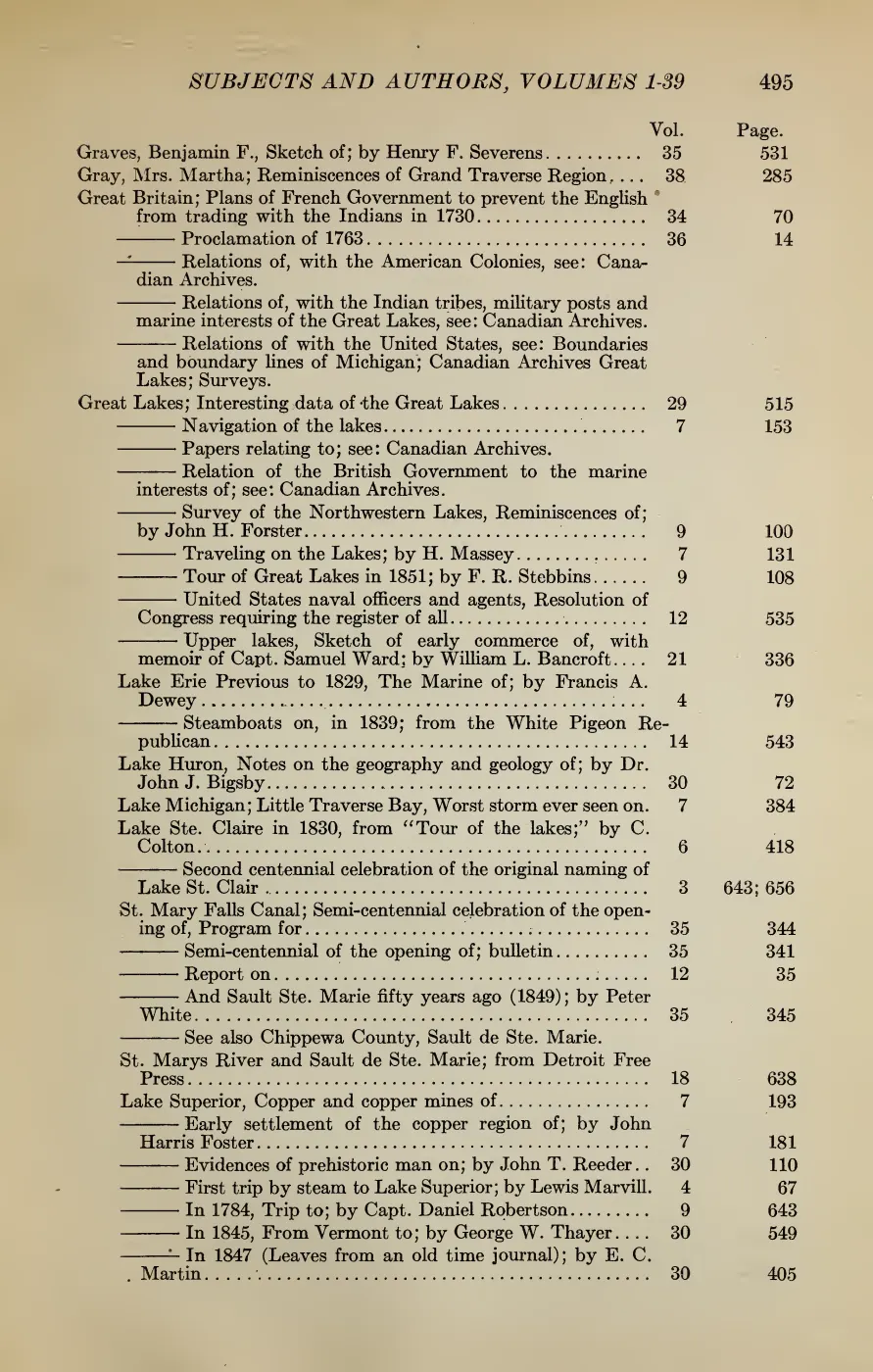
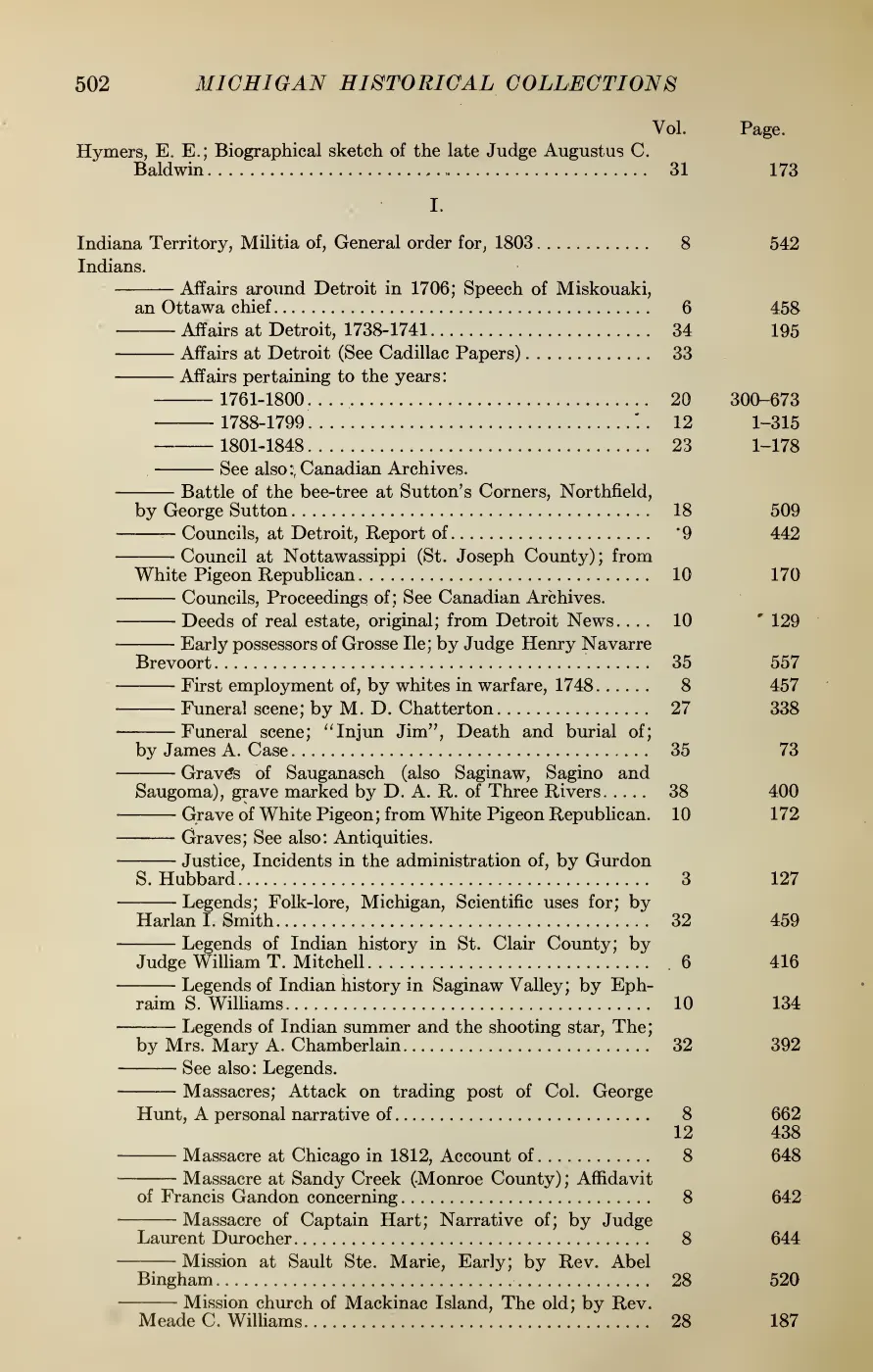
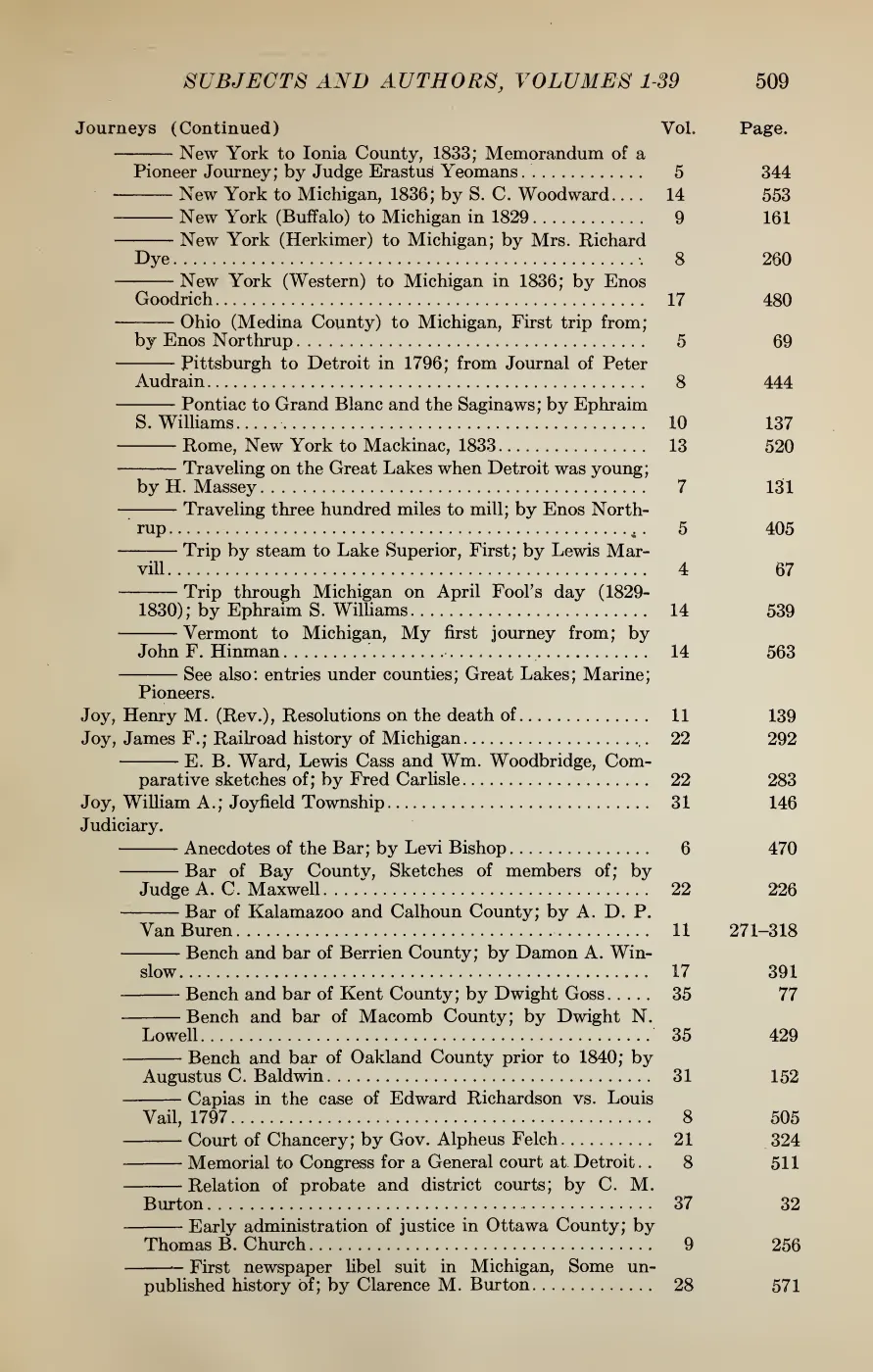
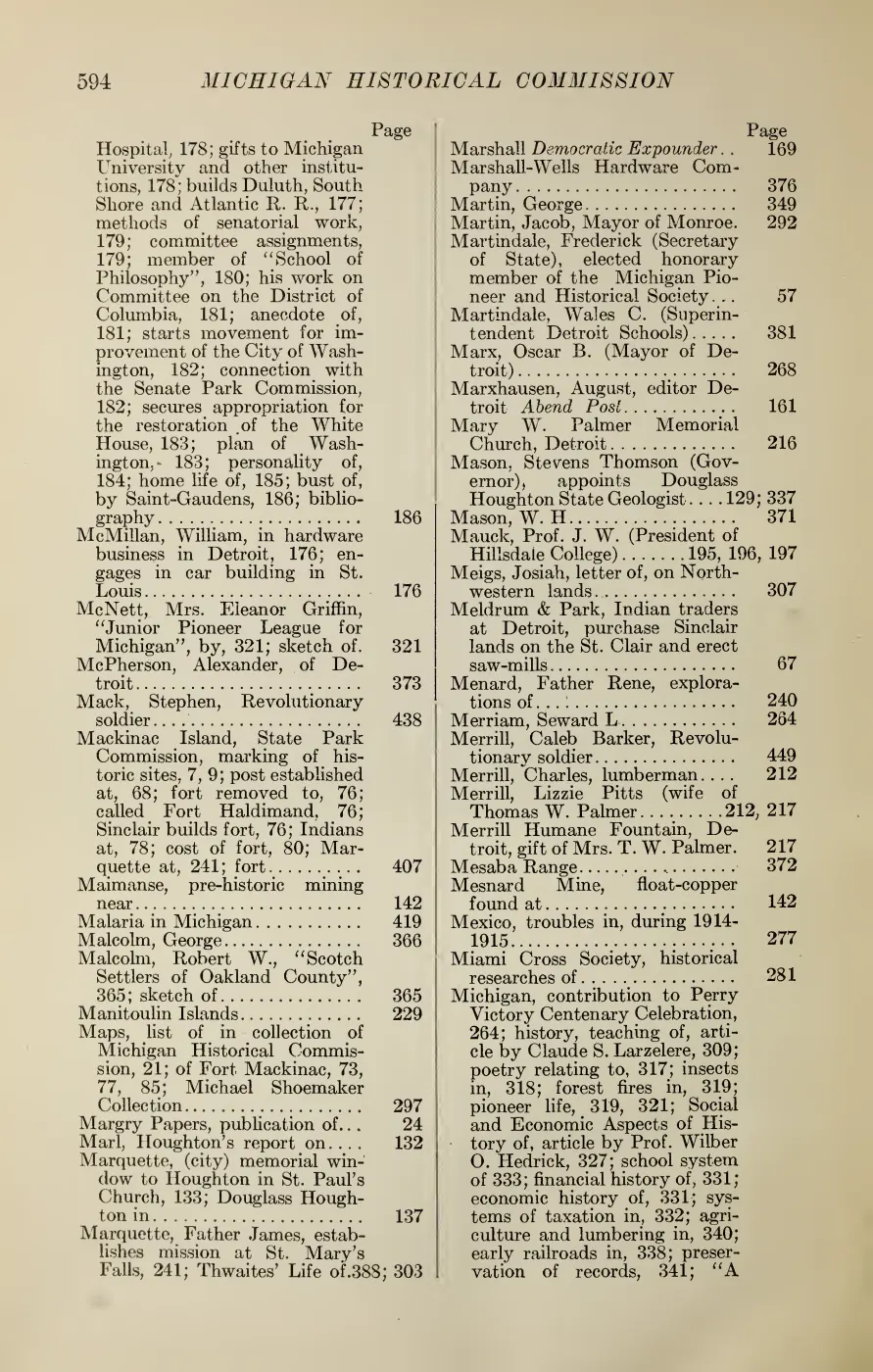
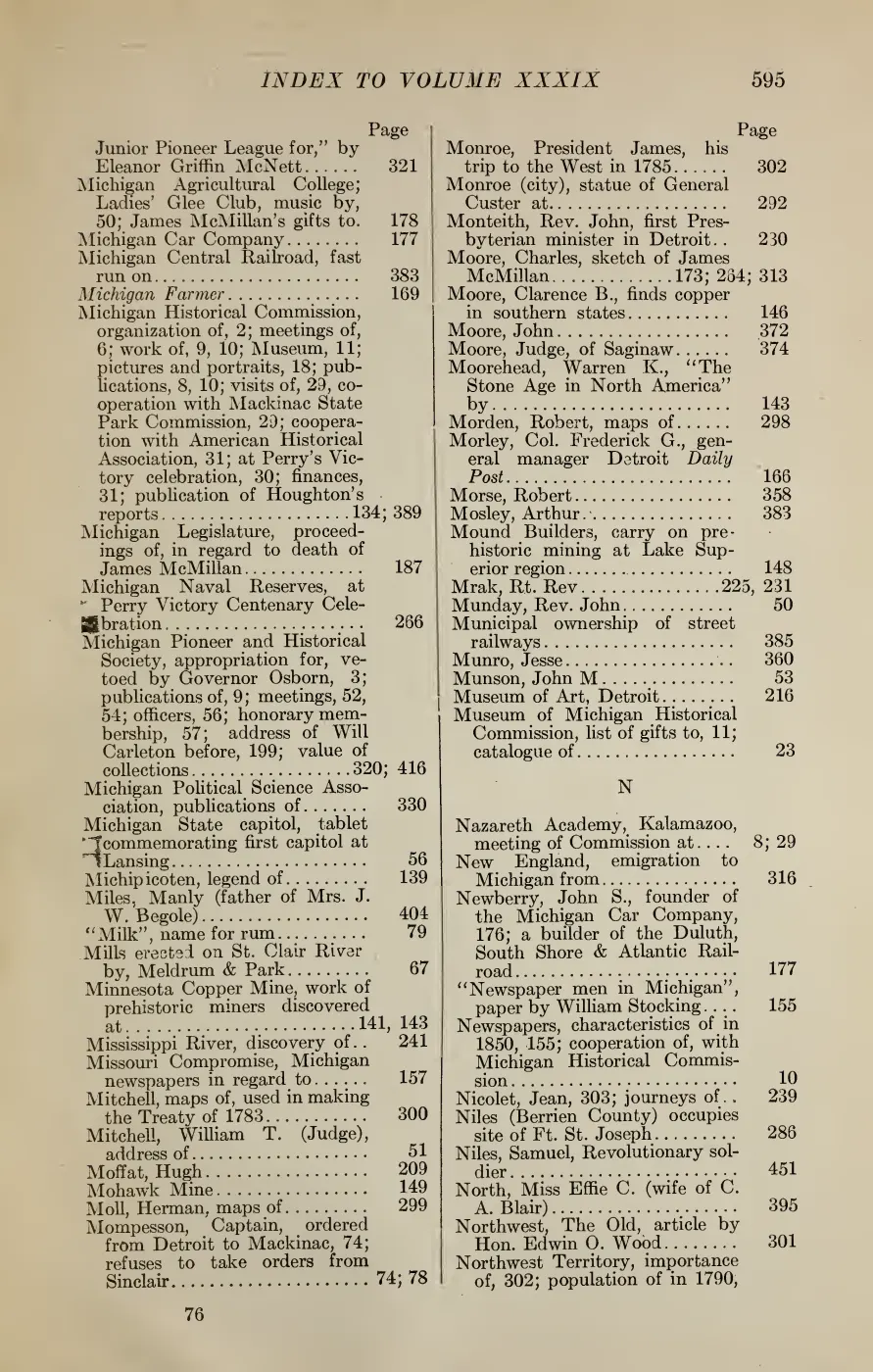
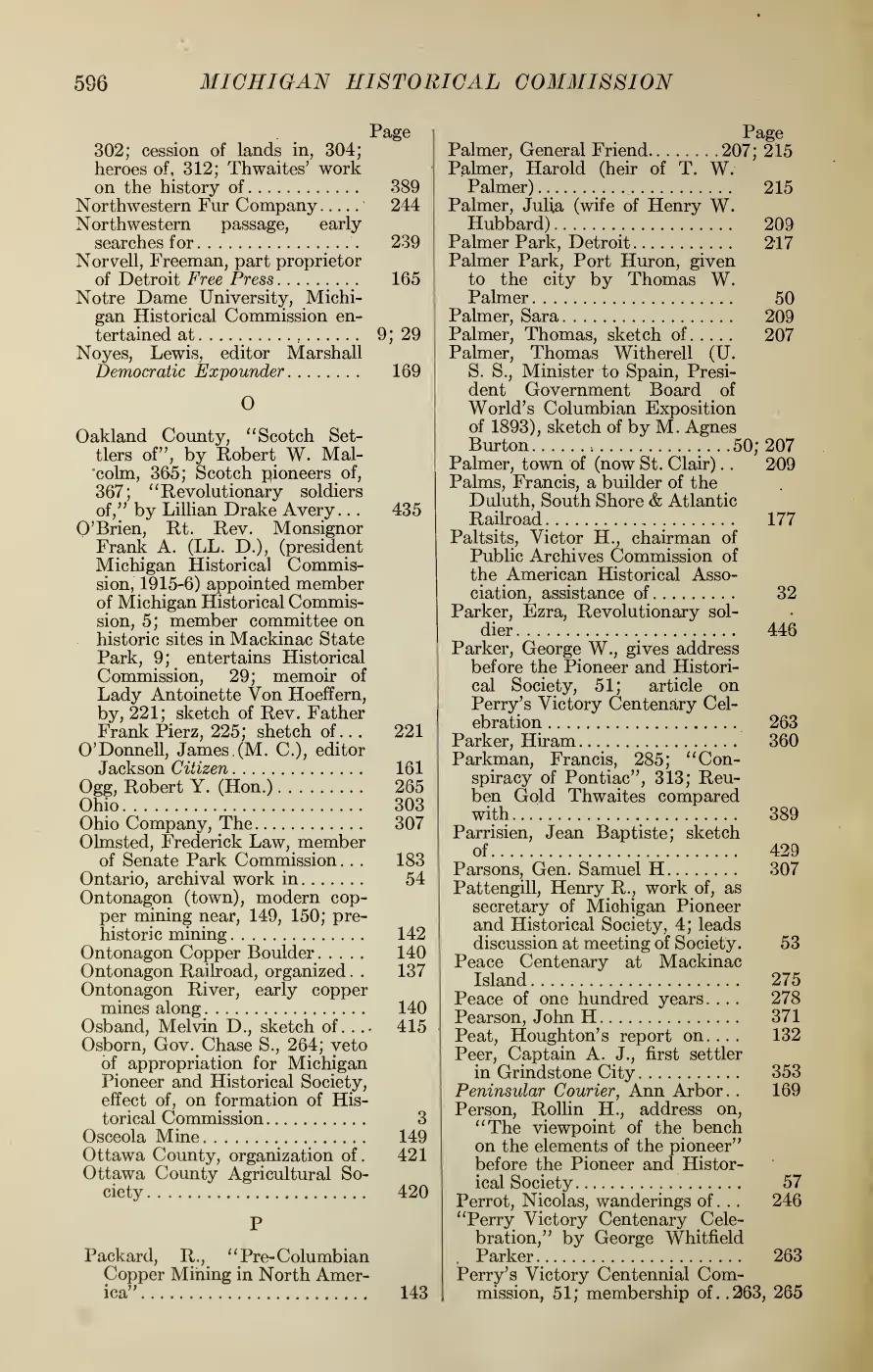
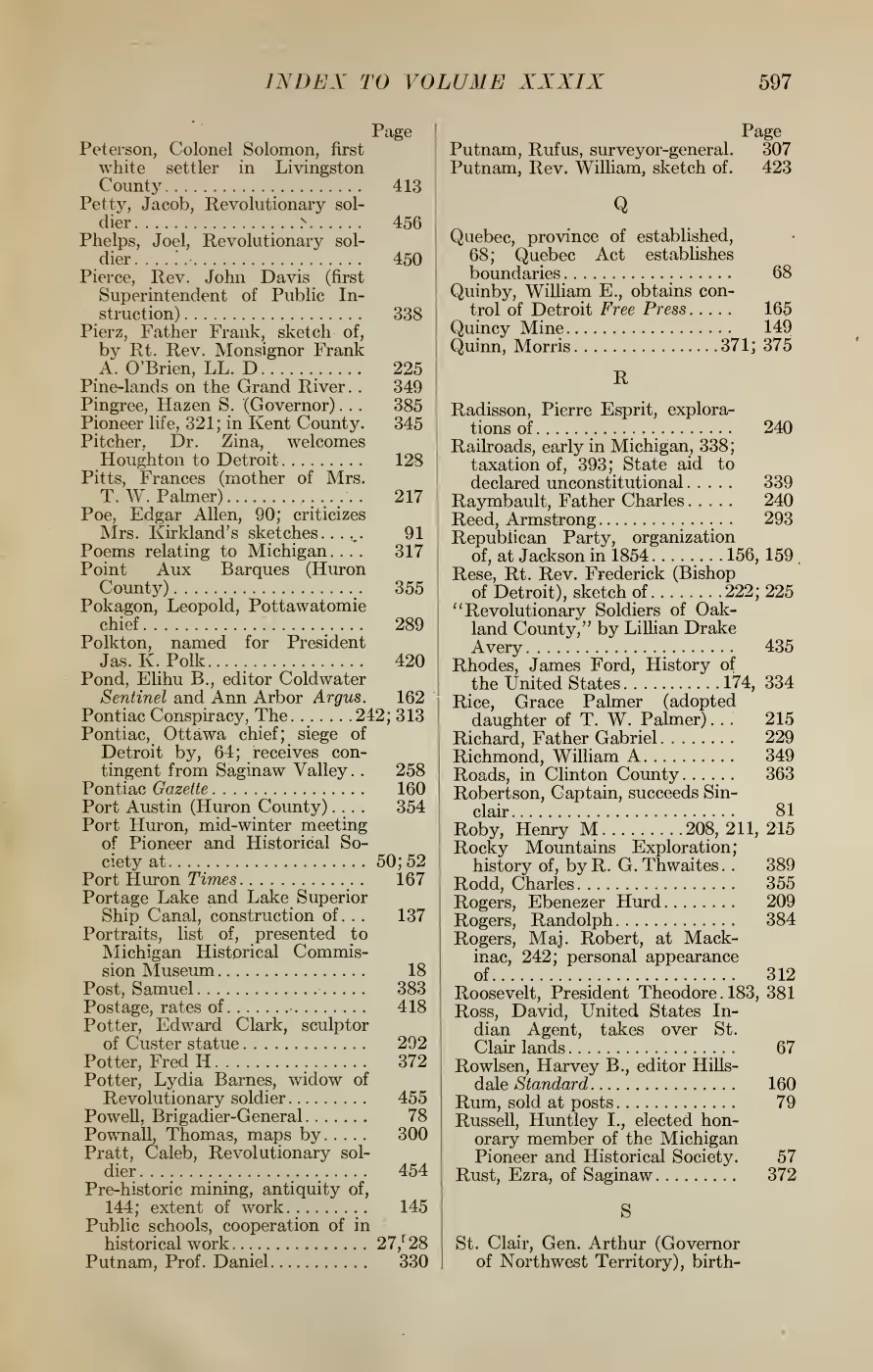
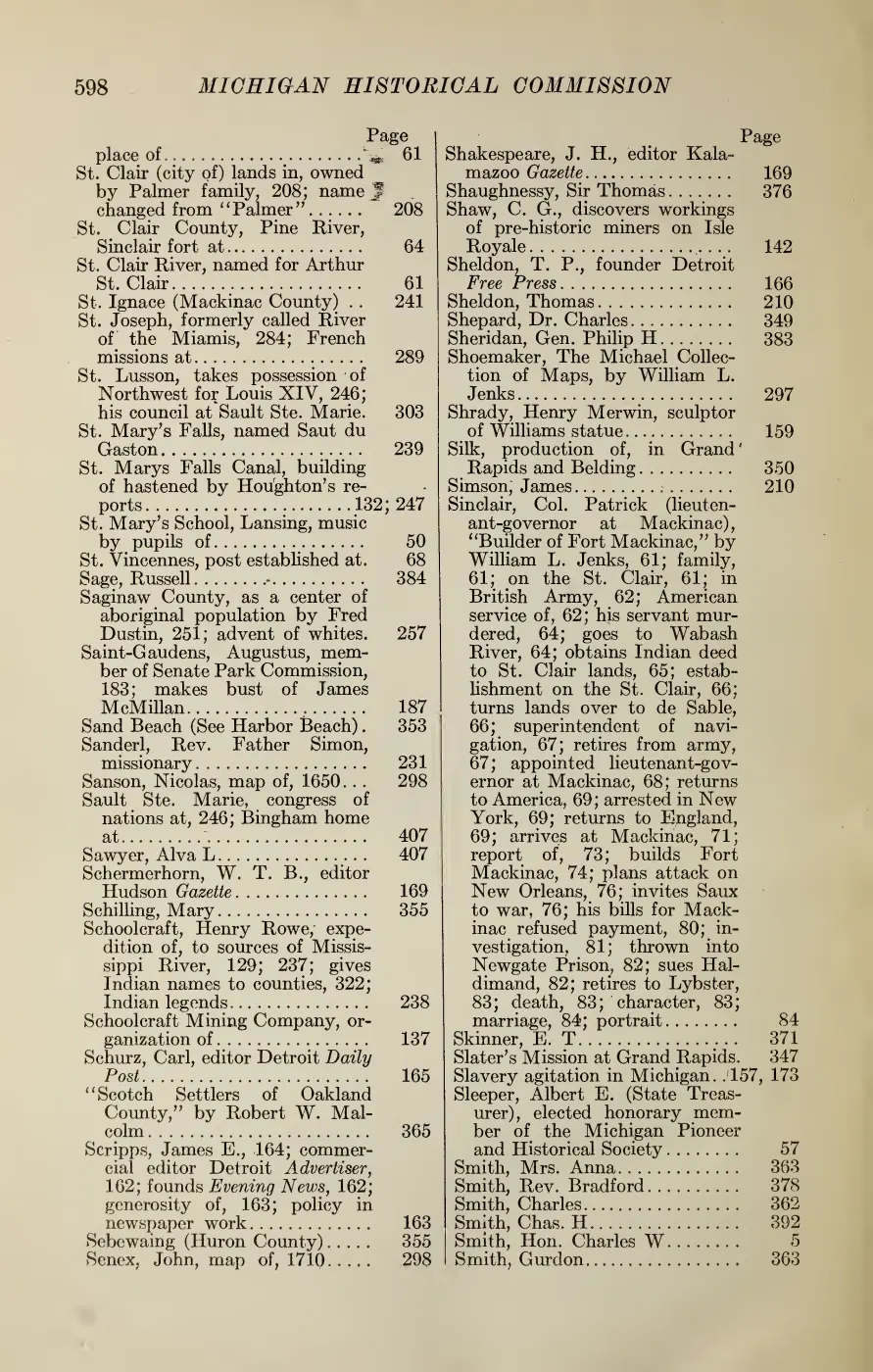
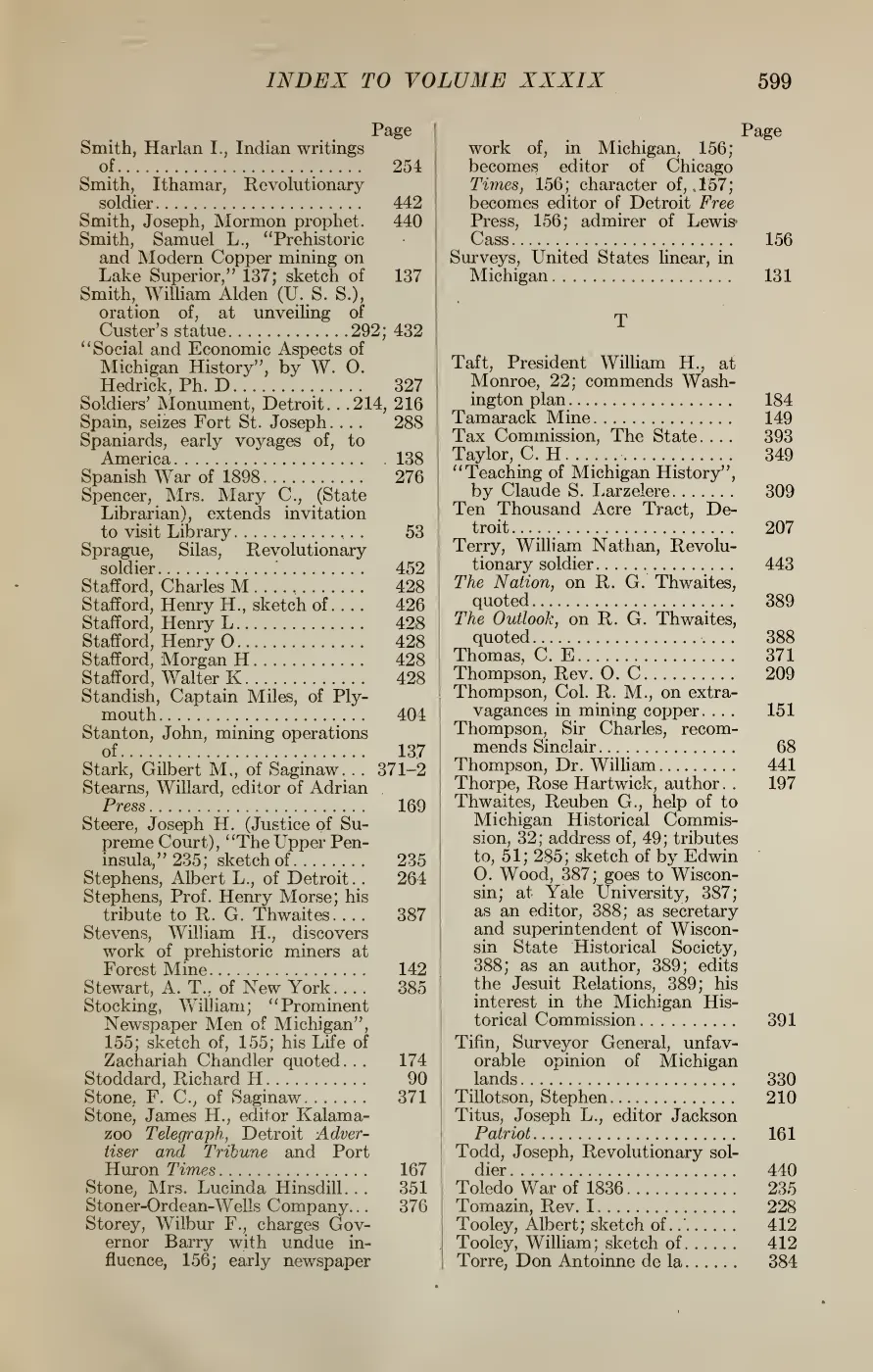
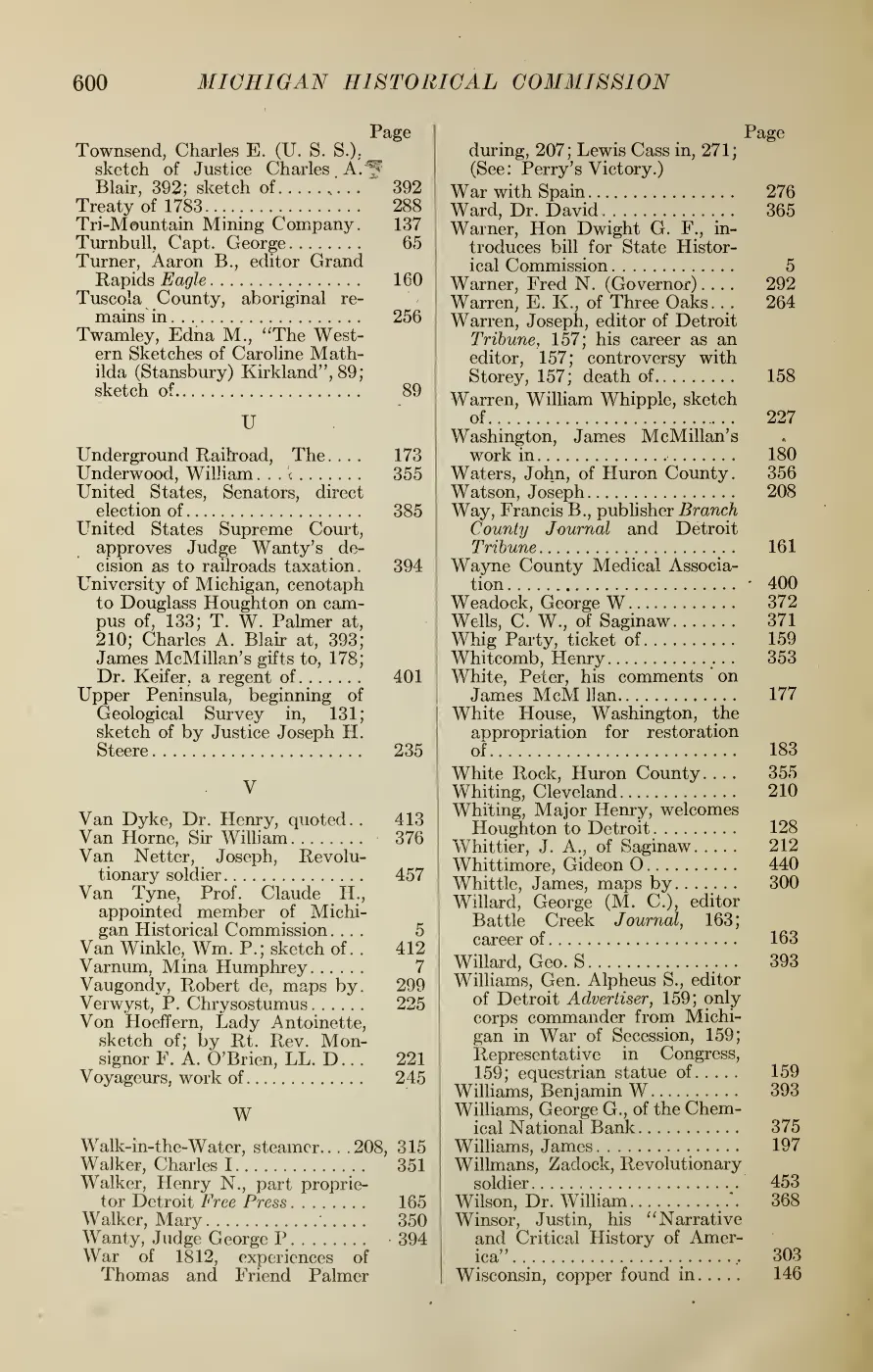
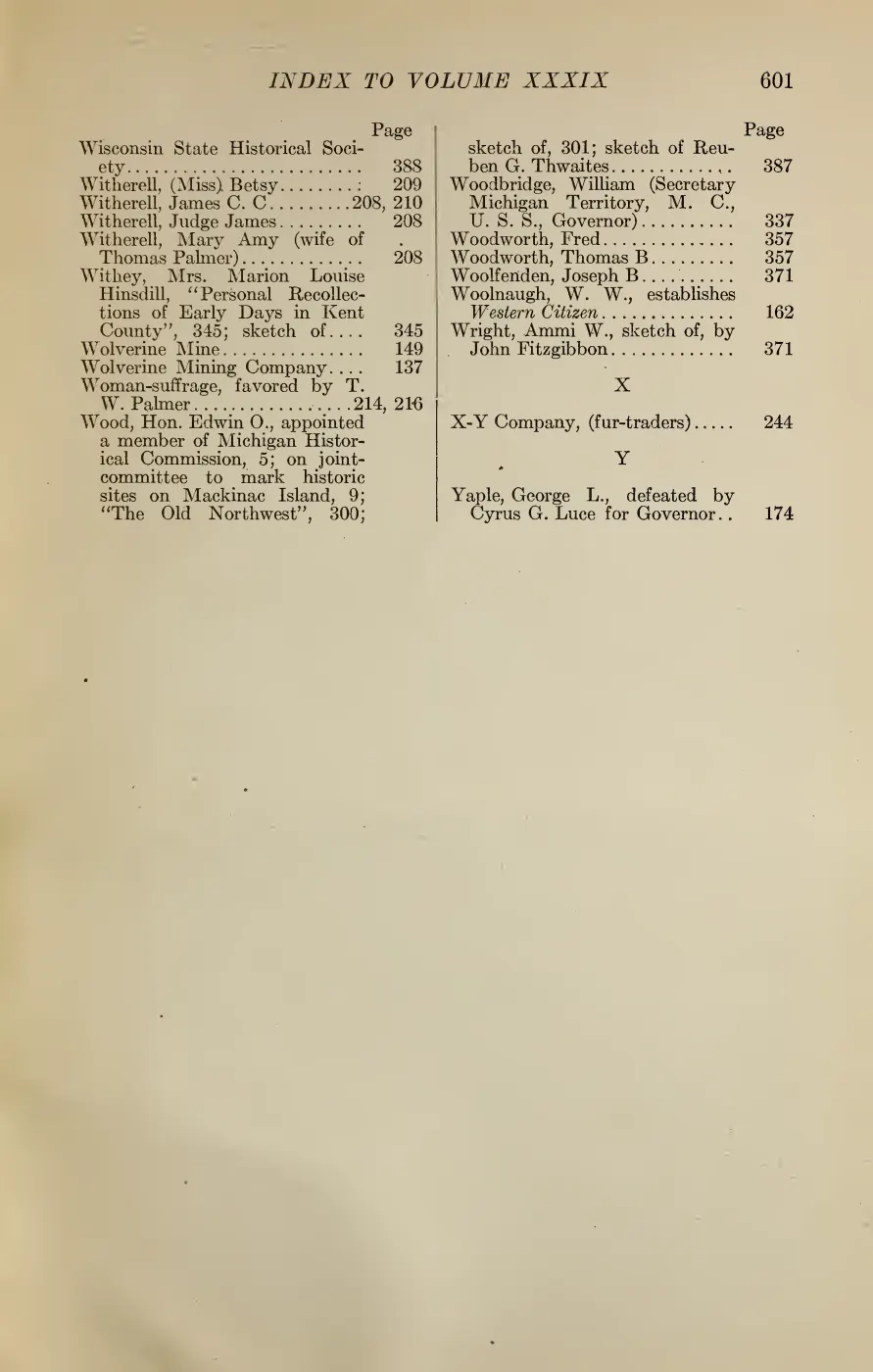







138 of 678 pages linked here — every page to 32, then every 7th, then the last 16. With JavaScript, every page.
Sources
- Participants shared inspirational web films and responded positively, with the original poster explicitly framing the link as reflection rather than religious promotion. This documents spiritual media circulation, not a parish event or doctrinal source.forum · www.beaverislandforum.com · 00 · t000343
- A participant requested prayer for an island-connected family affected by the Egypt terrorist attack and later posted community updates. These are second-hand reports and devotional responses, not church records, medical records, or independently verified news.forum · www.beaverislandforum.com · 00 · t000342
- A participant sought the appropriate contact for an upcoming Beaver Island Christian Church project and offered help with seating and flooring; a reply identified the pastor. This documents a planned project and community knowledge, not construction completion or a formal church record.forum · www.beaverislandforum.com · 00 · t000633
- Described in this archive: The Kingdom of Saint James, Quaife, 1930.Fullest scholarly account of the Strangite church and kingdom: the 1850 coronation, church/civil dual authority, plural marriage, church discipline including Thomas Bedford's flogging, and the 1856 collapse. Written 1930 from Strang's own surviving papers and interviews with elderly Strangites; the standard secondary source here, and itself a source this article treats as one voice among several rather than a neutral arbiter.
- The church's own scripture and the kingdom's constitutional text, consulted in the 1991 enlarged facsimile reprint. Its imprint dates by regnal year.
- Quotes a manuscript by Strang's wife on the church's domestic regulations (tithing, sabbath, temperance, "never over 20 cases of plural marriages upon the islands") and Wingfield Watson's account of the limited scope of Strang's royal claim.
- Described in this archive: Gospel Herald, Voree, 1847-1850.Contemporary primary source for the Voree-period church organization and George J. Adams's standing as co-president with Strang.
- Described in this archive: Northern Islander, 1850–1856.Strang's own paper naming his assailants four days before his death.
- Contemporary hostile-press account of Thomas Bedford's flogging "by Strang's orders" as the assassins' stated motive.federal · chronicling_america · sn83026172_1856-06-24_ed1_p3
- The expelling party's own printed statement: "The dominion of King Strang is at an end."federal · chronicling_america · sn83030313_1856-07-14_ed1_p8
- Described in this archive: A Child of the Sea; and Life among the Mormons, 1905.Resident eyewitness of the Strang period and the Irish resettlement. Names Anishinaabe fishermen selling fish at Beaver Harbor, describes the 1856 removal from her brother's account, and names "Rev. Father Murray" as the first priest and a later "Rev. Father Gallagher," without dates.
- Dates the church building to 1860, records Bishop Frederic Baraga's consecration, Gaelic-language liturgies until the 1890s, the 1899-1991 Dominican Sisters school, and the 1957 relocation.state · michigan · historical_markers
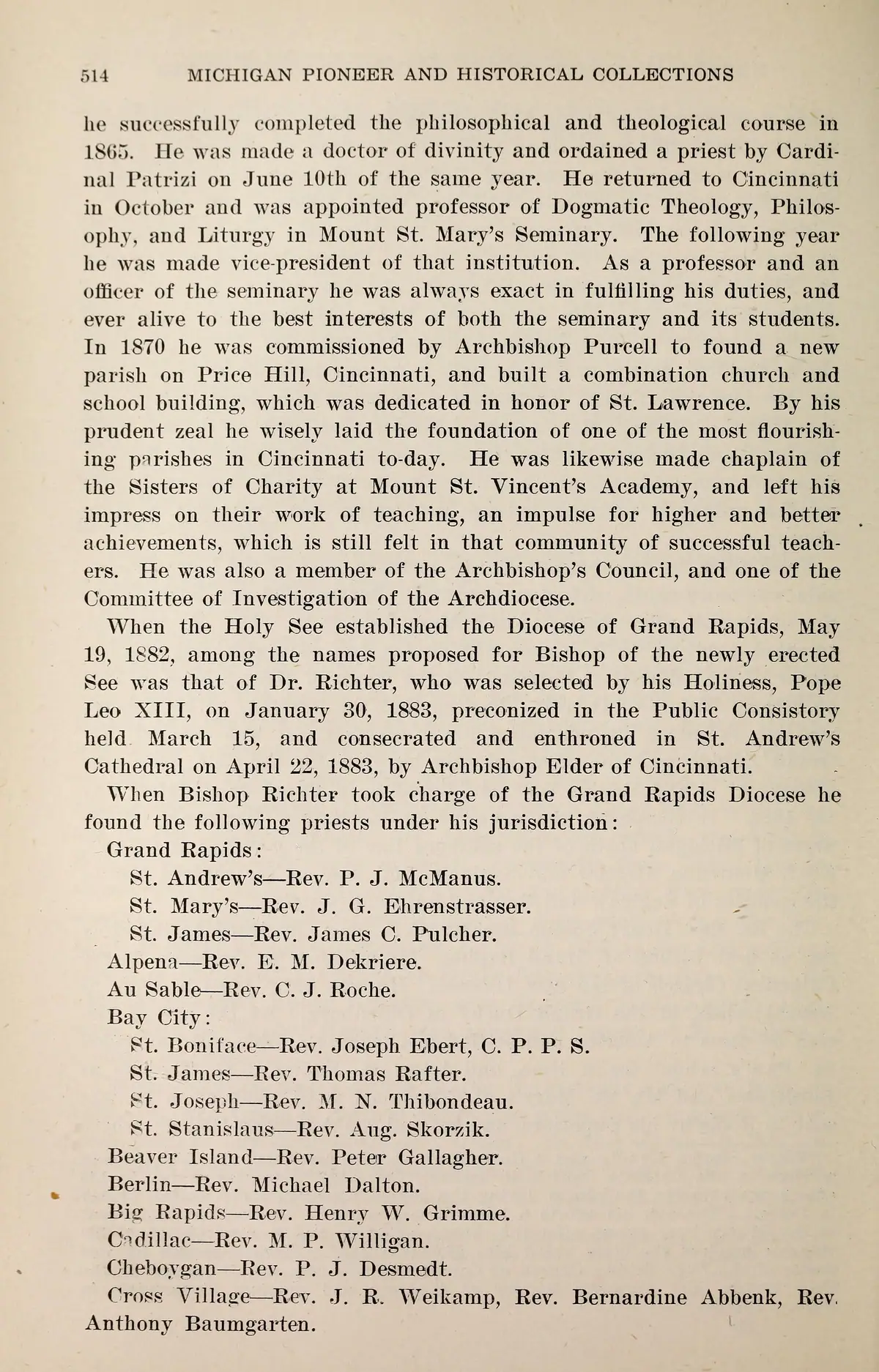
- Diocesan clergy roster listing "Beaver Island—Rev. Peter Gallagher" under Bishop Henry Joseph Richter in 1883; does not name a parish.
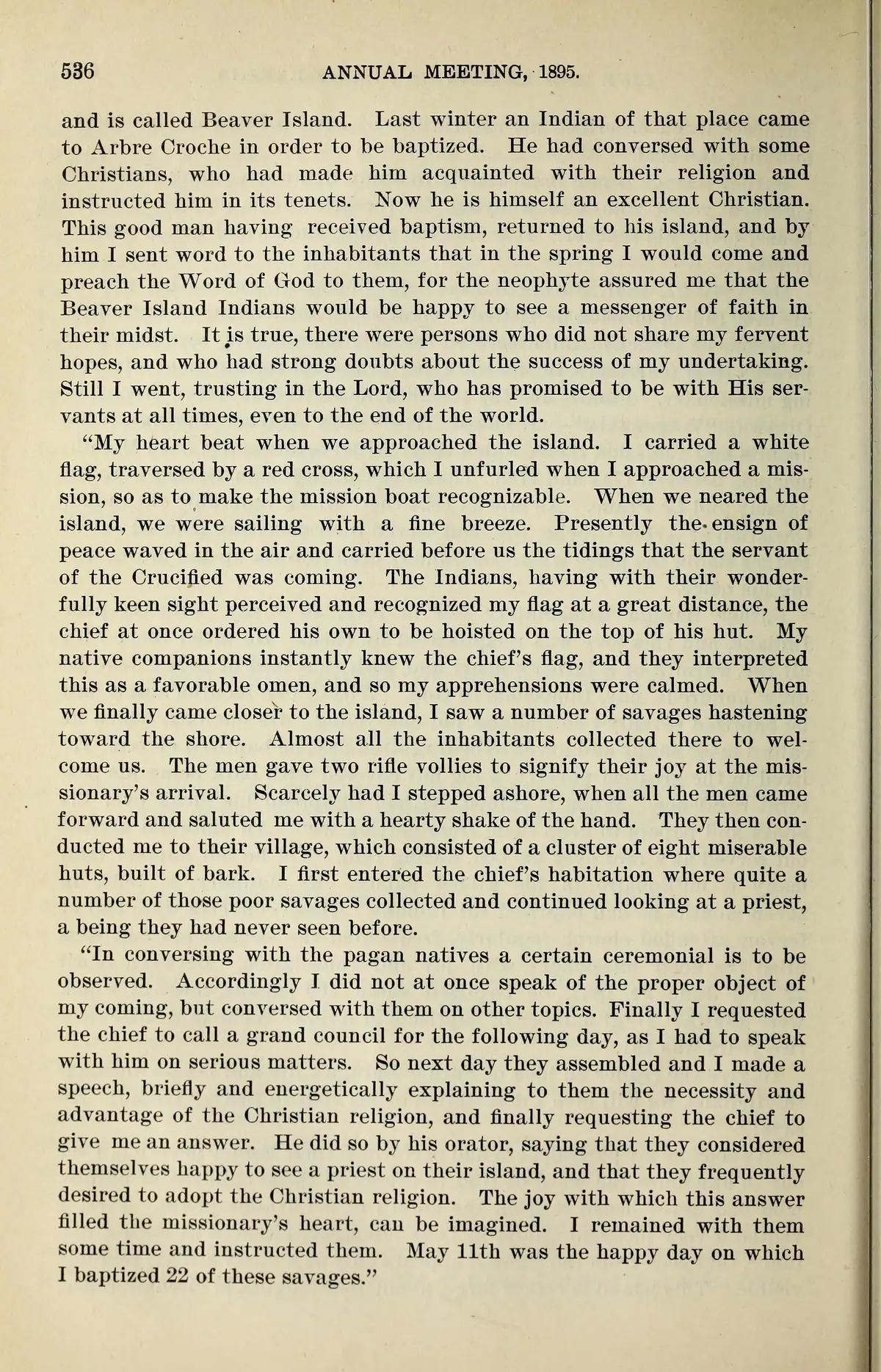
- Later missionary-biography account of Baraga's 1832 Beaver Island visit: an eight-hut village, a council, and 22 baptisms on 11 May. Not a mission register or Anishinaabe-authored account.
- Mediated source reporting a mission list giving Beaver Island "fifty-five Christians," calling it Castor Island in manuscript. Not a dated population count or primary transcription.
- Bobbi Welke, "A Short History of Settlements on the Beaver Island Archipelago," *Northern Islander* (Beaver Island Historical Society), March 2026, p. 4.Secondary, community-published. Source for Baraga's 1832 and 1859 visits and the Garden Island Catholic community Baraga found on his return. No public copy of this file is known; the archive holds one and can provide it on request.
- Correction dating Dominican Sisters' service on the island to 1899, attributed to isolation and teacher-supply difficulty rather than an inability to pay salaries.data1 · beaver-island-archive · beaver_beacon · 1972-03_Beaver-Beacon
- Family correction naming Father Zugelder as organizer of the 1899 Sisters' arrival and dating the first convent to 1901; conflicts with a separate family account on the first Sisters' names, an unresolved disagreement preserved rather than merged.data1 · beaver-island-archive · beaver_beacon · 1972-06_Beaver-Beacon
- Northern Islander, March 2026 and April 2026 issues.Records Holy Cross Cemetery as burial ground for three Gallagher sisters lost in the 1887 sinking of the steamer *Vernon*, citing Henry Hill, *Journal of Beaver Island History*, Vol. V. No public copy of this file is known; the archive holds one and can provide it on request.
- Reports the second annual Ecumenical Service, 23 July 1972, naming clergy of Holy Cross, St. James Episcopal Mission, and Beaver Island Christian Church.data1 · beaver-island-archive · beaver_beacon · 1972-06_Beaver-Beacon
- Reports the 9 September 1964 organization of a distinct congregation at a Medical Center meeting; does not establish a denomination, building, or later continuity.data1 · beaver-island-archive · beaver_beacon · 1964-09_Beaver-Beacon
- Names the Clergy Economic Foundation as co-sponsor of a September 1961 conference at Central Michigan University's Beaver Island center; establishes neither incorporation nor a continuing institution.data1 · beaver-island-archive · beaver_beacon · 1961-10_Beaver-Beacon
- Reports the Dominican Community of St. Gertrude's February 1975 election of Very Rev. Roland J. McCann, O.P., as prior. The holding institution's portal restricts automated access; the archive holds a copy of this issue and can provide it on request.data1 · beaver-island-archive · beaver_beacon · 1975-04_Beaver-Beacon
- Dedication of the log Episcopal chapel, 1 September 1963, organized as a summer mission in 1954; built to seat more than 100.data1 · beaver-island-archive · beaver_beacon · 1963-09_Beaver-Beacon
- Records Bishop Edmund C. Szoka of Gaylord confirming at Holy Cross Church, 15 October 1972; he later became Archbishop of Detroit and a cardinal.data1 · beaver-island-archive · beaver_beacon · 1972-10_Beaver-Beacon
- Records retired Episcopal Bishop Dudley B. McNeil officiating at a 21 July 1973 wedding.data1 · beaver-island-archive · beaver_beacon · 1973-07_Beaver-Beacon
- Reports Fitzpatrick's death on 15 October 1989, his 21 October graveside service at Holy Cross Cemetery, and his authorship of *The King Strang Story*. The holding institution's portal restricts automated access; the archive holds a copy of this issue and can provide it on request.data1 · beaver-island-archive · beaver_beacon · 1989-10_Beaver-Beacon
- Project theme article, Historiography, on the Strang literature's partisan split.Described in this archive: Historiography.Establishes that Doyle C. Fitzpatrick's *The King Strang Story: A Vindication of James J. Strang* (1970) and Milo Quaife's *The Kingdom of Saint James* (1930) represent opposed poles of a literature with no neutral vantage point, and states the project rule: attribute rather than adjudicate. No public copy of this file is known; the archive holds one and can provide it on request.kb · articles · themes · historiography
- Project theme article, Anishinaabe presence in the archipelago.Described in this archive: Anishinaabe presence in the archipelago.The umbrella treatment of Anishinaabe religious and community life in the archipelago, including the documentary limits of the held, settler-authored corpus and the Garden Island burial ground. This survey does not duplicate its content or its Open questions. No public copy of this file is known; the archive holds one and can provide it on request.kb · articles · themes · anishinaabe-presence
- Project theme article, Catholic parish life.Described in this archive: Catholic parish life.The dedicated survey of Holy Cross parish as an institution: clergy sequence, the Dominican Sisters' 1899-1991 school mission, the Altar Society, sacraments, and the 1960 centennial. This umbrella article defers to it rather than repeating its content. No public copy of this file is known; the archive holds one and can provide it on request.kb · articles · themes · catholic-parish-life
Added 4 August 2026. Recent changes
Cite this article
Beaver Island Archive, “Religion and congregations”, https://beaverislandarchive.org/themes/religion-and-congregations/, accessed [date], citing Beaver Island Forum, "Thought Provoking!", April 2005, topic 343. (and 29 further sources listed on the page).
Last revised 2026-08-04. Fill in [date] with the date you read it — this page is static and cannot know that.
BibTeX for “Religion and congregations”RIS for “Religion and congregations”