- Date
- 2001-11
- Kind
- Publication
- Where
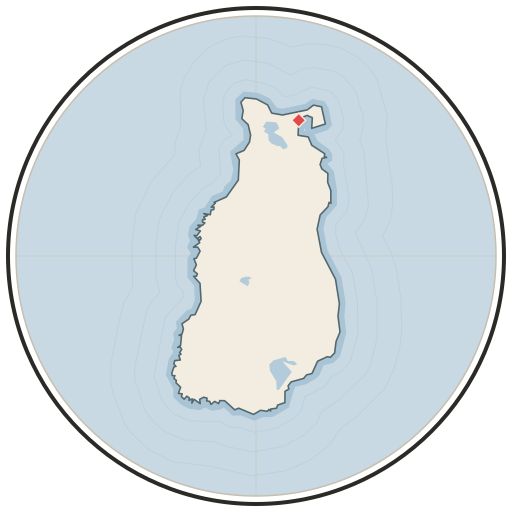
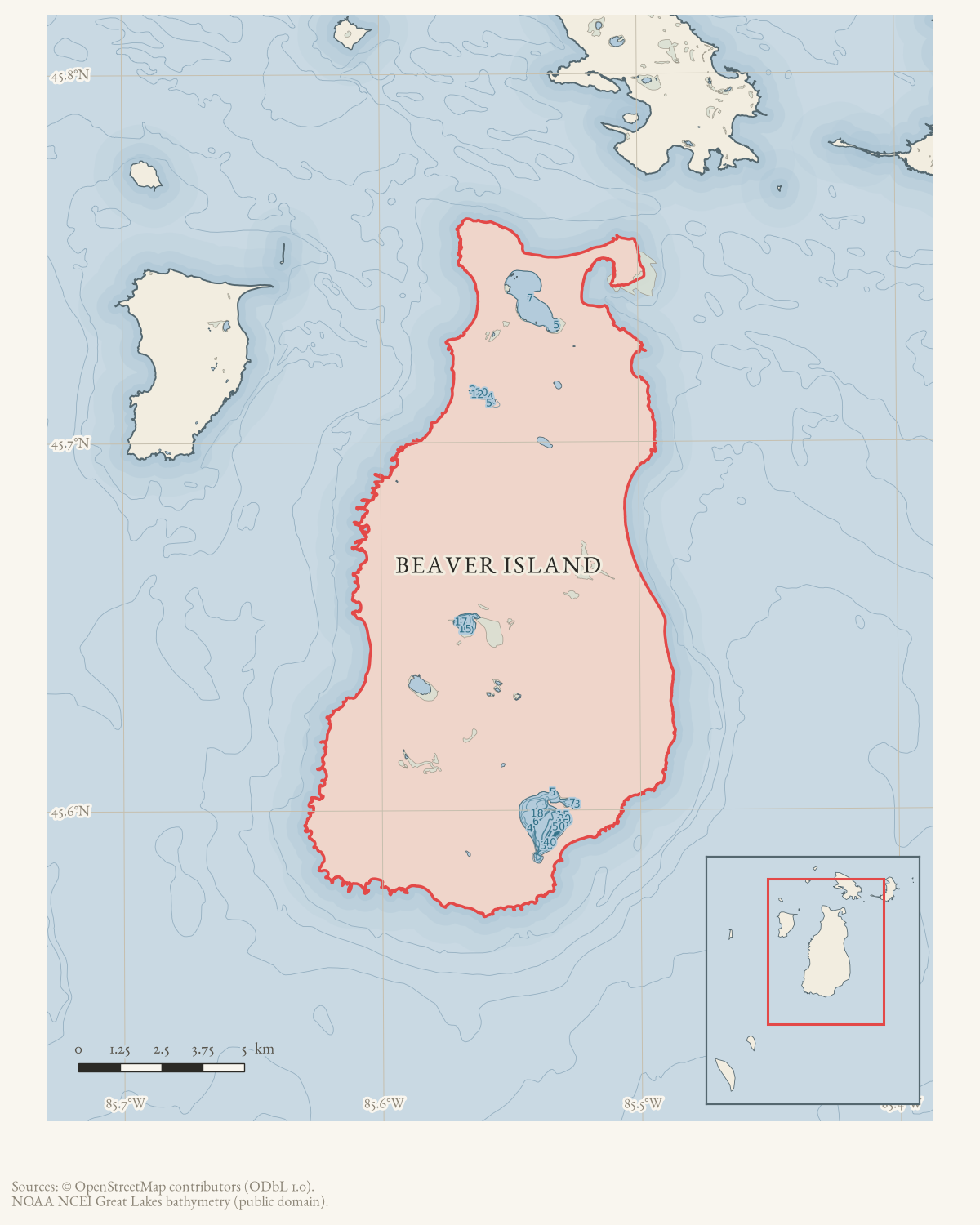
- Beaver Island
- Eras
- Modern era
- Concepts
- communicationtechnologycommunity
- Within
- Beaver Island
Summary
Charlene Burnison of TDS explained how telephone numbering moved from short local numbers and exchange names to area codes and direct dialing. The article used Beaver Island’s 616-to-231 area-code change as a local example and described numbering scarcity driven by cellular phones, fax numbers, and extra residential and business lines.
Evidence limits
This is a local newspaper explanatory article, not a NANPA or FCC technical filing and not a forecast of the later status of Beaver Island’s 448 prefix.
Sources
- Explains the progression from short numbers and exchange names to area codes, NANPA and numbering scarcity from cellular/fax/additional lines, and identifies Beaver Island’s 616-to-231 change as a local example while saying the 448 prefix appeared secure. The holding institution's portal restricts automated access; the archive holds a copy of this issue and can provide it on request.data1 · beaver-island-archive · beaver_beacon · 2001-11_Beaver-Beacon
- The held issue scan confirms the telephone-number history article.data1 · beaver-island-archive · scans · beaver_beacon · issues · 2001-11_Beaver-Beacon
Added 5 August 2026. Recent changes
Cite this article
Beaver Island Archive, “TDS explains Beaver Island’s four-digit dialing history and the transition from 616 to 231”, https://beaverislandarchive.org/events/beaver-island-telephone-number-history-area-code-231-2001/, accessed [date], citing Beaver Beacon, November 2001, “Where Will Phone Numbers Go Next?” (and 1 further source listed on the page).
Last revised 2026-08-05. Fill in [date] with the date you read it — this page is static and cannot know that.
BibTeX for “TDS explains Beaver Island’s four-digit dialing history and the transition from 616 to 231”RIS for “TDS explains Beaver Island’s four-digit dialing history and the transition from 616 to 231”